







![Critical Race Theory with Christopher Rufo [S2 Ep.27]](https://i.ytimg.com/vi_webp/y0hobFwF9DY/maxresdefault.webp)













Intersectionality is a concept coined by Kimberlé Crenshaw in 1989 that explains how people can experience multiple forms of discrimination simultaneously, and that these forms interact in ways that create unique experiences not captured by examining each form separately; for example, black women face discrimination that is neither the same as white women's experiences with sexism nor black men's experiences with racism, but rather a compounded form that requires rethinking how we understand and address discrimination.
Intersectionality Explained: Kimberlé Crenshaw's Theory of Overlapping Discrimination
Added:Understanding of the core concepts of Civil Rights law and anti-discrimination legislation in the United States.
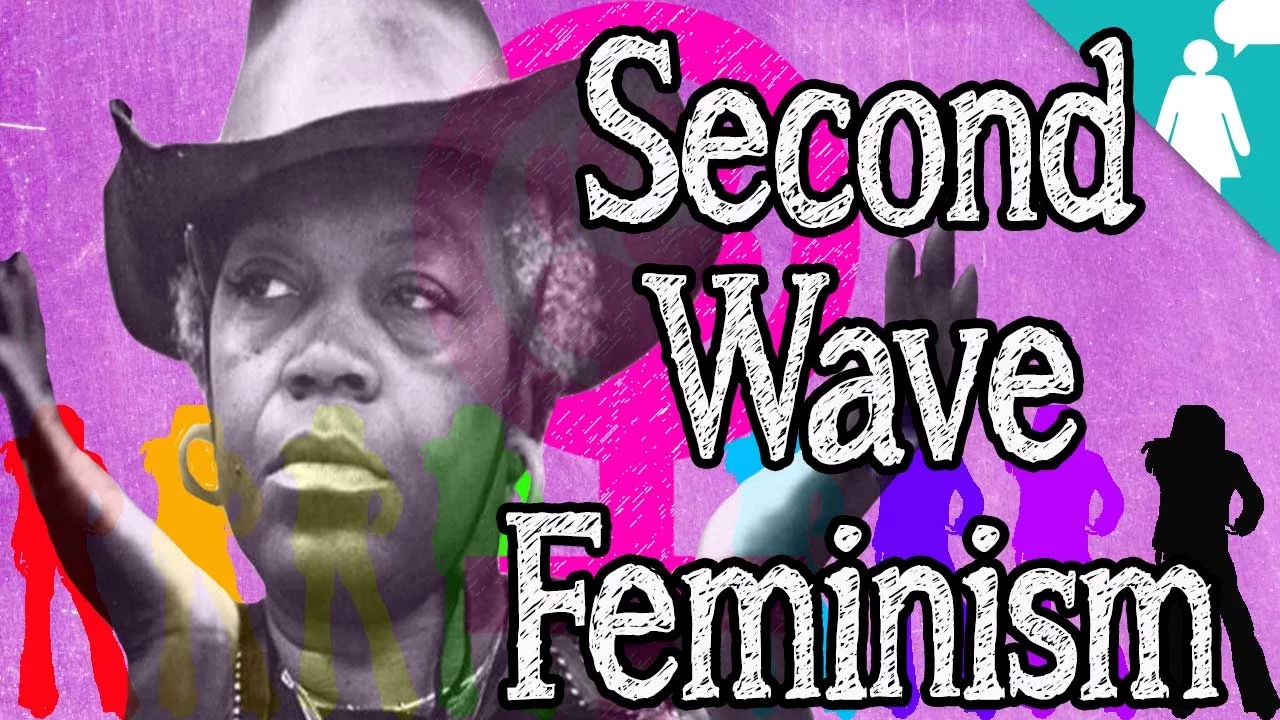
Familiarity with the history of Second-Wave Feminism and its historical critiques, particularly regarding the exclusion of women of color.
Basic knowledge of systemic and institutional discrimination, distinguishing it from individual bias.
An introduction to Critical Race Theory (CRT) and how legal frameworks shape social inequalities.
Exploring practical applications of intersectional analysis in public policy, legal reform, and human rights advocacy.
Examining the expansion of intersectionality to include other intersecting axes of identity, such as disability, socioeconomic class, and LGBTQ+ status.
Studying the academic debates and contemporary political critiques surrounding the term 'intersectionality'.
Learning about quantitative and qualitative sociological research methodologies designed to measure intersectional impacts.
97.8K views3.4Klikes7:17Original Release: 2019-01-09
Intersectionality is a buzzword that we've been hearing a lot of in conversations about feminism some say that if you're feminism is an intersectional It isn't feminism others say that intersectionality, as a concept has muddied the waters of an already complicated feminist discourse So in this video, I wanted to investigate and answer. What is intersectionality Intersectionality is a term coined by civil rights advocate and law professor kimberlé crenshaw she introduced the term to feminist theory in her paper for the University of Chicago Legal forum in 1989 called Demarginalizing the Intersection of Race and Sex: A Black Feminist Critique of Antidiscrimination Doctrine, Feminist Theory and Anti-racist politics in the paper, she discusses how what she calls the single access framework that's used to discuss discrimination has erased black women.
She discusses how often racial discrimination cases focus on black men and sex discrimination cases tend to focus on white women She argues that this narrow focus distorts our Understanding above sexism and racism and that black women experience both of these things simultaneously she renders heavy criticisms of the feminist movement which at the time focused largely on white womens experiences with sexism and the anti-racist movement that focused largely on how black men experience racism Arguing that because a black woman's experience is greater than the sum of sexism and racism that a black woman cannot simply be Included into these pre-existing structures, but that rather these structures had to be rethought and recast in her paper she discusses a court case that occurred after the passing of the Civil Rights Act of 1964 where five black woman sued General Motors for specifically discriminating against black women when they noticed that all of the Black Women hired after 1970 were laid off during the recession They lost their case when the courts essentially concluded that there wasn't evidence that the company specifically having a bias against black people or women because they currently employed several black people and women.
the women were all white and all the black people were men And this was evidence enough to the court that General Motors was not discriminatory on the basis of race or gender The court further argued that black women do not have a specific claim to racial discrimination That outweighs that of a black man Crenshaw concludes that this means according to this narrow view of single access basis for the nation that legally a black woman's Experiences with discrimination are only validated by how close and proximity of their experiences are to a white woman or a black man In another case she discusses how a black woman working for Hughes Helicopters Argued that she faced sex and race discrimination when she noticed that black woman,unlike the black men who worked at the company Weren't being promoted to upper level or supervisory jobs the court argued that because she specifically argued that she was facing discrimination Not just as a woman, but specifically as a black woman that she wasn't the class representative for the white woman in the area of sex discrimination at the company Crenshaw concludes that this logic reveals how white women are centralized in the discourse around sex-based discrimination cases White womens claims the sex-based discrimination are seen as pure which makes it so that even if a policy is against all women Black women are placed at odds with a white woman because the racism they experience makes the consequences of the policy harsher for black women.
That not allowing those two experienced multiple disadvantages to represent those who are singularly disadvantaged complicates the redistribution of opportunity and reinforces a hierarchy where white women are incentivized to protect the source of their privilege and their place at the top of the hierarchy.
And this often leads black women alone to fend for themselves.
In another case two black women sued a pharmaceutical plant on behalf of all black employees for racial discrimination The court immediately argued that they could only argue on behalf of black women, but not black men They managed to prove their case and they were awarded back pay.
But the back pay was only issued to black women in the company not black men She points out in her paper that while all three of these cases reach different and potentially contradictory conclusions about what is and isn't discrimination that they all share the commonality of excluding the intersection of sexism and racism the black women experience and that this particular type of discrimination materializes in various ways she writes: I'm suggesting that black women can experience discrimination in ways that are both similar and different to those experienced by white women and black men Black women sometimes experience discrimination in the ways that are similar to white women's experiences. Sometimes they share very similar Experiences with black men Yet often they experience double discrimination the combined effects of practices which discriminate on the basis of race and on the basis of sex and Sometimes they experience discrimination as black women not the sum of race and sex discrimination But as black women In the broader sense to a black woman factored into the civil rights movement and feminism She argues that black women are regarded as either too much like women or blacks the compounding nature of their Experiences is absorbed into the collective experiences of either group or as two different in which case black woman's blackness or femaleness Sometimes has placed their needs and perspectives at the margin of the feminist and black liberation is agendas She argues of the very way that the law looks at discrimination is too narrow But often it believes that you can be discriminated against because of race for sex alone But not together and because of this narrow way in which we view discrimination the ideas of what discrimination is and isn't argued through the lens of the most privileged within the group ie Sexism through the lens of white women and racism through the lens of black men and black woman's experiences aren't considered at all Ultimately, she argues that the elusive goals of any racism and patriarchy are made even more complicated by the erasure of black woman's unique experiences with those sexism and racism Crenshaw's concept of intersectionality has since been expanded to include those outside of black and female experiences But the general concept is that people can experience more than one type of discrimination and that by not Acknowledging this the goals of both the feminist and the civil rights movement are made even more complicated So today an intersectional feminist is someone that acknowledges the ways in which multiple axises of oppression can impact different Individuals who attempts to create a type of activism that is more inclusive of things outside of the dominant idea of what sexism looks like Intersectionality isn't a collection of identities but rather an acknowledgement that one person can experience different types of discrimination That inform each other Well, I hope this video helps you understand intersectionality a bit better And if you'd like to continue to learn share and grow Please feel free to stick around and watch some more what is videos be sure to subscribe for more content?
Up Next
13:00
Rory Sutherland on Gary's Economics, Wealth Inequality, and Georgism
@ChrisWillx
615.5K views•2025-07-25

12:54
Triumph of Orthodoxy Icon: Byzantine Art & History Explained
@BenCallan
2.1K views•2024-08-06

9:49
FastAPI vs Flask vs Django: Choosing the Right Python Web Framework
@TechWithTim
302.5K views•2024-05-26

1:42
Game of Thrones Opening Credits: A Cinematic Analysis
@gameofthrones
46.3M views•2011-04-18
Related Study Plans & Knowledge Roadmaps
Structured learning paths in General & Interdisciplinary Studies
general-studies
Elevator Engineering: History, Physics & Cities
01From Hoists to Safety Brakes: The Dawn of Vertical Lift
02Hydraulic vs. Traction: The Engineering Physics of Elevators
03Modern Speed, Safety, and Algorithms
+ 2 more learning modules
12h5 modules
Explore Roadmap
general-studies
Rubber: Material Science, History & Geopolitics
01Origins of Natural Rubber & Mesoamerican History
02The Chemistry of Natural Rubber & Vulcanization
03The Geopolitics of the Rubber Boom & Colonization
+ 2 more learning modules
12h5 modules
Explore Roadmap
general-studies
Containerization: Evolution, Logistics & Trade
01Ancient Trade & Bulk Cargo: Amphorae to Barrels
02The Industrial Revolution & Cardboard Packaging
03The Containerization Revolution: Malcom McLean
+ 2 more learning modules
12h5 modules
Explore Roadmap
general-studies
Textile Tech: Evolution, Labor & Global Impact
01Pre-Industrial Textiles: Handloom & Cottage Industry
02Mechanization: The Spinning Jenny to the Power Loom
03The Factory System & Global Labor Transformation
+ 2 more learning modules
10h5 modules
Explore Roadmap