
















![[PODCAST] ĐIỂM NÓNG LONG THÀNH: Sau Động Thái Của TBT – Quan Hệ Nội Bộ Có Còn Ổn Định?](https://i.ytimg.com/vi/duOfk30Ralg/maxresdefault.jpg)


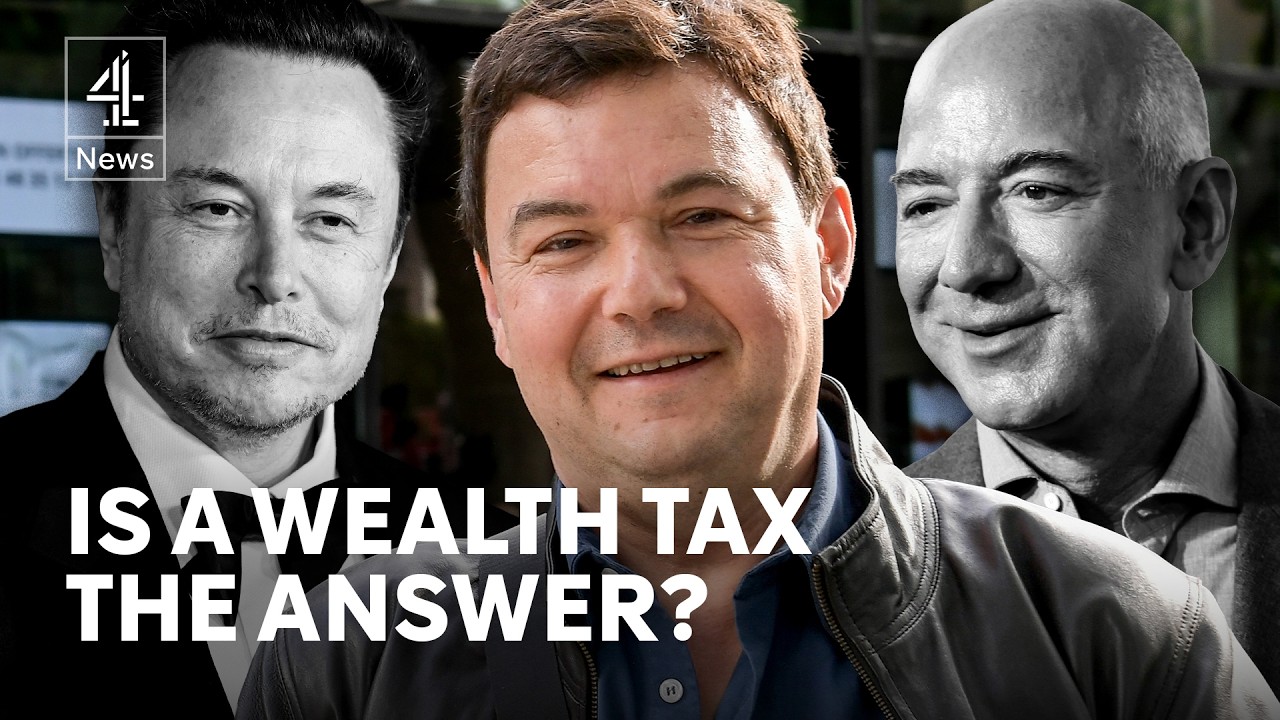

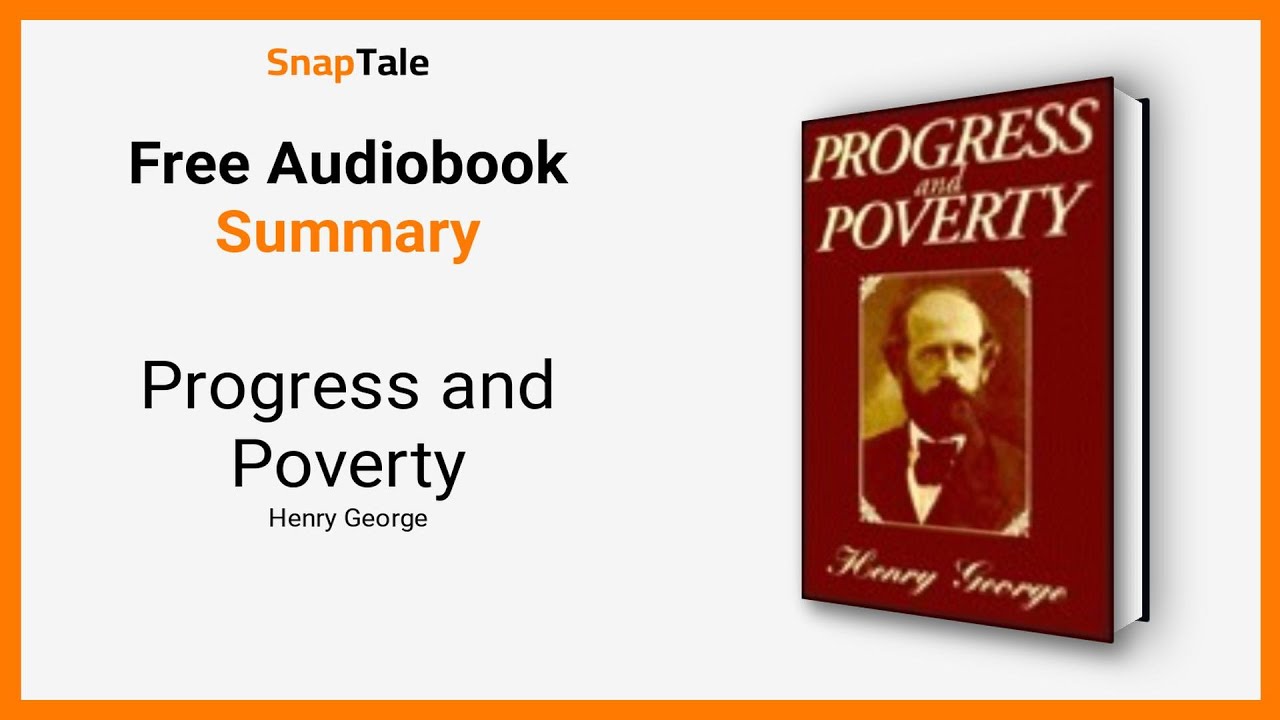
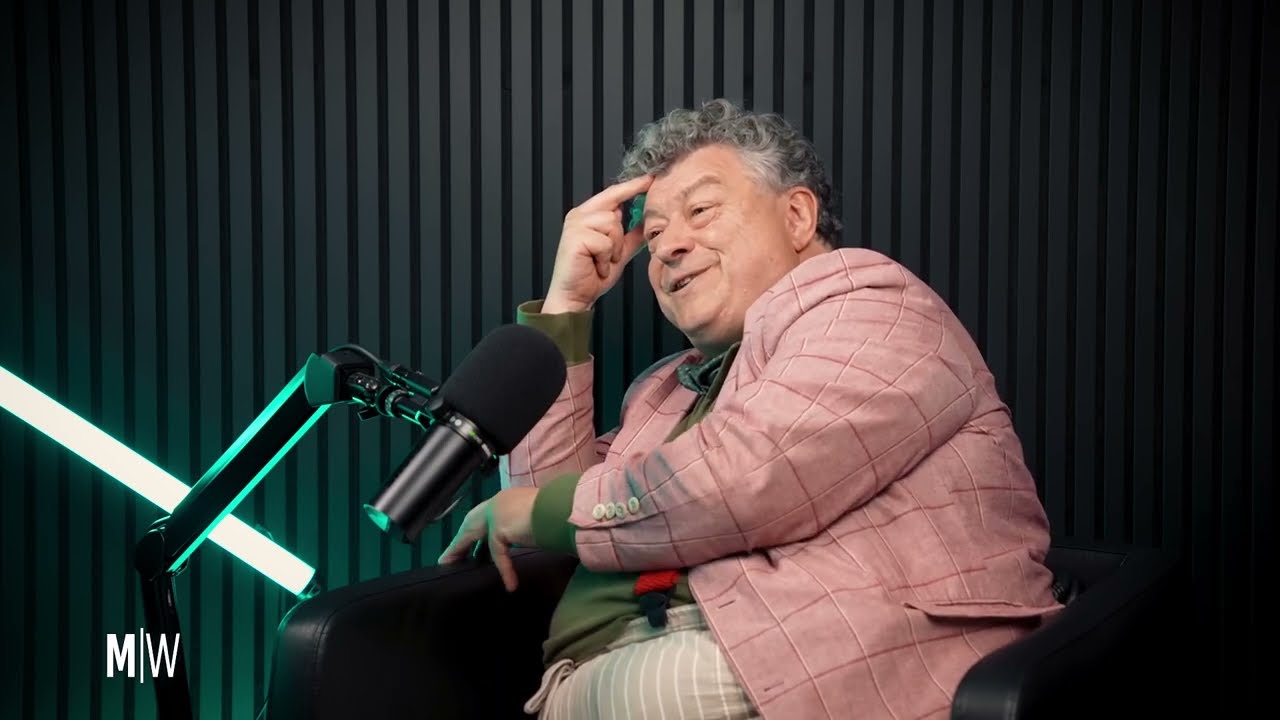

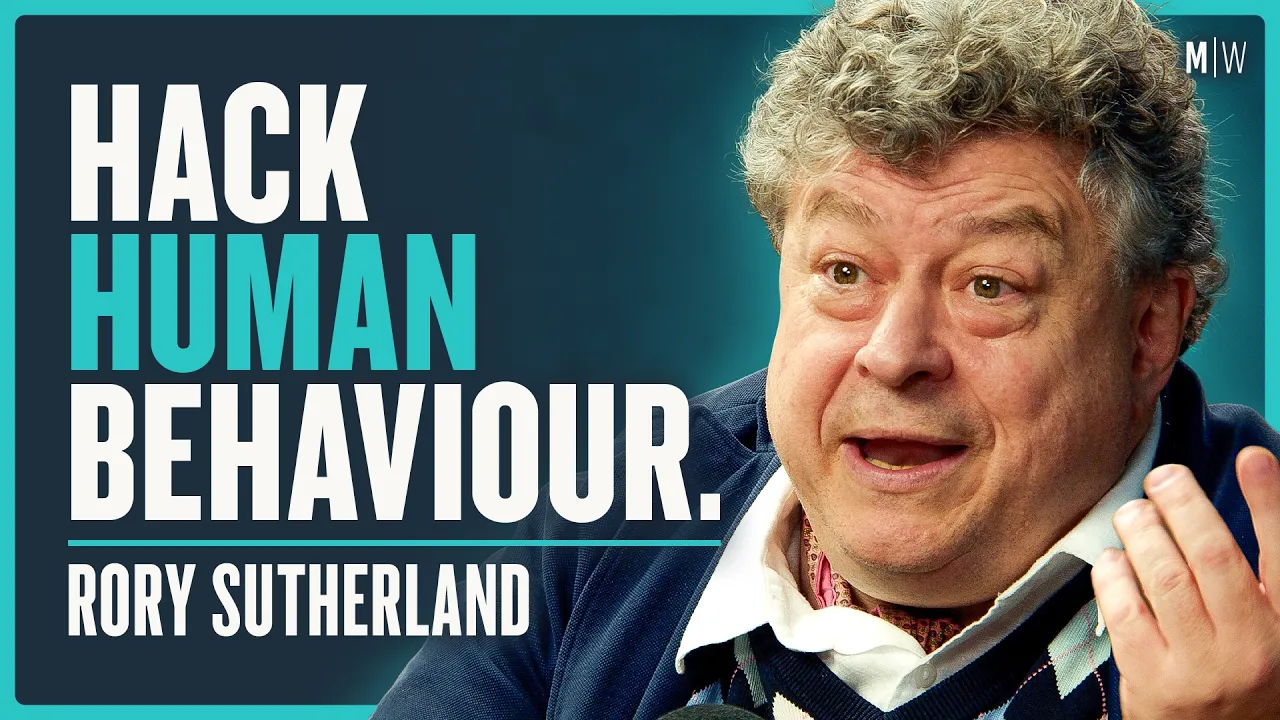
Georgism, an economic philosophy based on Henry George's ideas, proposes taxing land ownership rather than income or labor, arguing that land is a fixed resource that cannot be substituted, making it a fair target for taxation while preserving incentives for productive activity. This approach addresses wealth inequality by targeting unearned rent-seeking from land ownership rather than productive income, and has been implemented in places like Texas with property taxes around 2.5%, which makes property less expensive and prevents using property as an extractive store of wealth.
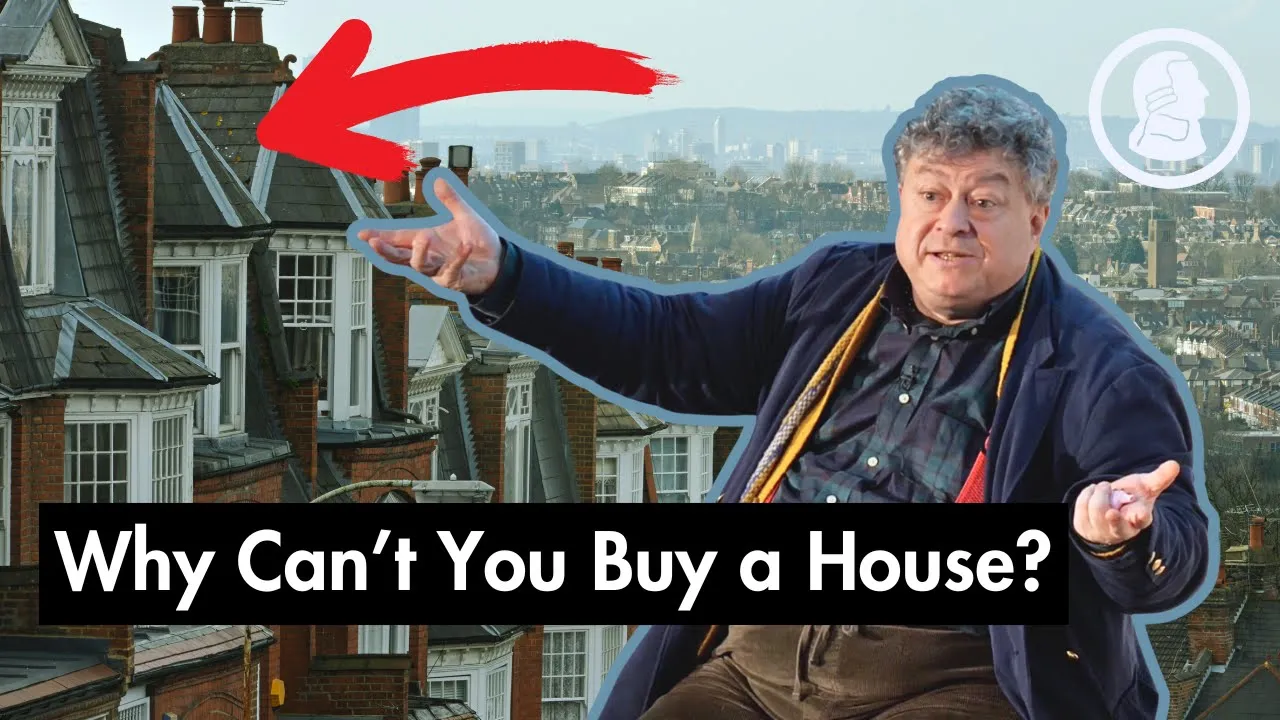
Rory Sutherland on Gary's Economics, Wealth Inequality, and Georgism
Added:The fundamental principles of Georgism, specifically Henry George's distinction between land (natural resources) and capital (man-made wealth).
The economic definition and mechanism of a Land Value Tax (LVT), including how it differs from standard property taxes that tax buildings/improvements.
The macroeconomic drivers of wealth inequality, particularly the difference between income inequality and asset-based wealth accumulation.
An introductory understanding of Gary Stevenson's (Gary's Economics) thesis on how the concentration of asset ownership by the ultra-wealthy causes economic stagnation.
Practical implementation challenges and modern case studies of Land Value Tax (e.g., in Singapore, Denmark, or parts of Pennsylvania).
An in-depth analysis of 'economic rent' and rent-seeking behavior in contemporary housing and digital markets.
A comparative evaluation of Henry George's LVT versus Thomas Piketty's proposed global progressive wealth tax as solutions to inequality.
The intersection of behavioral economics and public policy, specifically how the framing of taxation affects public and political acceptance.
615.5K views11.2Klikes13:00Original Release: 2025-07-25
What do you make of Gary Stevenson's ascendancy and that sort of messaging that's happening in the UK?
>> Well, first frivolous point which is uh if you want to help with wealth redistribution, Gary, go out and spend some [ __ ] money, right? I mean, he was earning like2 or3 million pounds a year and only owning earning one pair of shoes, okay? And his mates from school were working in JD Sports. And I did help I couldn't help thinking reading the book, Gary, Gary, just go down to G JD Sports and just buy a few pairs of shoes. Help out your mates. Okay. Uh, you know, get a hot tub, you know. You know, but his fundamental insight unbelievably stingy. Do you do you not think you do that book?
>> I haven't read it. I've seen him talk on >> Jeez, Gary, just go out and, you know, enjoy it for crying out loud. Okay.
Think you get that weird thing actually in banking which is so much of your enjoyment stuff back then was covered by an entertainment budget. Okay. that you got really really resentful about spending your own money. You see, you see what I mean? Most of us, the money comes in, 80% of it walks straight out again because we piss it up the wall.
You know, you know, you know, I haven't got an air fryer for the second bedroom, you know. But there are people who kind of, you know, if you're in that very corporate world where more or less all your fund is taken care of by some expense account, you actually find you spending your money disproportionately painful. He's absolutely right in his insight that um money is becoming unhealthily concentrated um in that two things I would say. He's absolutely right that economics uses these single representative agent models which don't capture inequality.
Okay. Um I would argue personally Gary that you need to read up a bit about georgism which I think the great ideas of Henry George and the land value tax would actually take care of a lot of that. uh in my view if you tax land ownership because property ownership is effectively you are buying the right to impose taxes on the on the younger generation. So what you what you I mean when people invested in gold okay it doesn't do anybody else any harm because I I can make do without any gold. Okay I'm not massively into bling not hugely into jewelry. Okay we can all get by without gold. If there's a bloody um uh a Dutch tulip boom, okay, I'll just switch to gladioli.
Okay, but I can't substitute for property at some level. If your employer demands you work in a major city, okay, and land and commutable land is scarce.
Other than the blimp, of course, where you could just live tethered above Barkley Square, 400 ft up. Okay, other than your blimp solution, there's no escaping the depradations of rentse seeeking land owners. And what has happened is that we've in a way we've sanctified wealth and being pretty mean on income.
>> Okay, so we've taxed away income discrepancies pretty energetically, but they aren't that big. Okay. I mean what I mean by that is if you look at income inequality even before tax never mind corrected after tax.
You know the the number of people who earn like you know 20 times median income okay is they exist but there are very few of them and they pay an enormous amount of income tax. I mean huge amounts of income tax. In other words that's someone who's probably like a high-end lawyer in a partnership in you know a London magic circle law firm.
Now, there are a lot of people I'd rather the money went to than people in law firms, but nonetheless, those people pay a lot of tax, whatever you think about it. Okay? By contrast, wealth inequality is monumental. I mean, there are people who if they walked into a football stadium, the every single person on average in that stadium would now be a multi-millionaire simply because Bill Gates walked in. Okay?
There aren't inequalities like that of that kind of extreme form in in actual earned income. And yet we have this incredibly aggressive system of redistributing earned wealth. And yet we treat wealth that's actually resident in asset values and things as completely sacros.
And the problem is until you actually get to that point where you start actually taxing. Now Texas does it amusingly because you have quite heavy land taxes. So, ironically, what's often stereotyped, I think, unfairly as, you know, the most conservative state in the union, which in fact is not, okay, but, you know, it's a highly conservative state, you actually pay quite a lot of tax on the value of the property you own. So, the property taxes in Texas, I think around 2.5% if you own it.
Now, the great effect that has is that it makes property less expensive because you have to pay tax on it. and it prevents you using property as an extractive store of wealth.
Okay.
And the extent to which I think you have to argue that speculation in property has been absolutely del has led to enormous redistribution of wealth effectively to the not necessarily very deserving old at the expense of the hardworking young is I I I just find it impossible to dispute. Okay, I'm 59 by the way. I did okay. I surfed the wave. I didn't surf it very well. I now own, you know, a couple of flats. I don't own a house.
Nothing blingy. Okay. I now own a couple of flats sort of outright. Um, but there are people who bought a house in 1974 whose children, this is literally a case I know of. Okay. So, there's a woman living on her own in a five- bedroomedroom house not far from where I live, which is probably worth with the garden 4.5 million. Okay. Or 3.2 or something like that. She has no money to spend. She has all this money tied up in a totally ill liquid form of wealth.
>> So, you know, she's kind of going down little and comparing the price of lemons even though she owns a [ __ ] off, you know, 3.5. Her children are kind of worried about how they replace the shock absorbers on their car. And then the argument would be why should those children go out and work really hard?
What I do to be absolutely honest is get into debt, go off to Barbados, wait for your mum to die, right me. No, no, no, that's but but nothing you do working, let's say, as a school teacher. So, there's this great book, you must get her on, called the Inheritocracy, >> okay, >> by a woman called Eliza.
Oh god, I'll remember it in a second.
>> You're becoming increasingly leftwing here, Rory.
>> No, no, no, no, no, no. I'm left I'm I'm pretty right-wing in terms of people's earnings because you have actually earned them. So Henry George effectively the way to understand Henry George is it was an approach to life which actually had a brief but extraordinary success uh popular success in the United States.
The game of monopoly is based on it's trying to interest people in George's principles of extractive rent seeking.
Okay.
And the basic principle of Henry George is that it's it's now I I'm going to qualify this. It's extremely free market and capitalistic with regard to the fruits of your labor. Okay? Anything you do, any anything you build on your land is yours to keep. But it's effectively highly socialistic in terms of land ownership and arguably ownership of uh of limited resources. So a georgist would also tax uh oil for example.
um uh you know anything that's and the argument is you didn't make those things there would have been in the 19th century they would have said this is God's creation and you're only you know you're actually you don't own it because you didn't make it you don't have the right to own this thing because you didn't make it what you are is a custodian of it and you pay commenurate tax on the land you own okay whereas you would in purest Georgia circles you have no income tax at all okay that probably a bit extreme um but it's There there it's sometimes called geoism and it's um there's there's also a school of thought which is kind of environmental georgism which is you tax the consumption or you tax anything where you rivally consume something of which more can't be made.
>> Right. Yep.
>> Okay. And what happens in Texas quite interestingly is all these Californians apparently move to Texas and they go, "God, the land here is really cheap.
let's buy loads of it. And then six months later, they get hit with a massive tax bill for their land ownership and they go, "What the hell's going on here? We bought this land because it's cheap." And the Texans reply, "That's why it's cheap. You pay 2.5% tax on it."
>> Did you ever look at that issue with fighter pilot seats that was designed for average?
>> Yeah, that's a brilliant point. So, that's similar that's analogous to Gary Stevens. Have you had Gary on, by the way?
>> I haven't. He was supposed to come on in London a couple of months ago uh when we had last had you on.
>> I hope he's out shoe shopping instead.
I mean advertising. Meet me halfway.
Gary >> Well, there's an interesting >> If you want to redistribute wealth, it does help if rich people occasionally go out and buy something.
>> Yeah. There's an interesting there's an interesting debate going on about whether or not Gary Stevenson is basically thinly veiled performance art that you've got this the get up the the same pair of joggers that all the rest of this stuff. It is. I don't know. I it must be difficult to have >> I I think I think he's um okay apart from his consumption patterns. Um I think he's fundament so there are a few things where the problem with all these models is is that the assumptions of the model that are necessary to simplify the model eventually come back to bite you and looking at average wealth as if it's somehow representative of you know that that a successful mean getting richer on average the fact that for 30 [ __ ] years in the US and the UK we presented rising property prices as a good news story M >> is monstrous. I mean, that was just the most monstrous misrepresentation of information. You don't say petrol's gasoline's gone up, but good news, you got a full tank of petrol, so your car's not now more valuable, right?
>> Is it is it a case of kind of a luxury belief that the sort of people who would be writing and consuming those and understanding those sorts of stories are likely to already be people who own property. So, their lesson is not going to be, holy [ __ ] it's going to be hard to get onto them.
>> You're absolutely true. Uh even worse, of course, every single MP in London uh throughout the 70s, well, 80s, 90s, 2000s was basically heavily invested in the property market because they got a massive perk. They got their mortgage paid on a London home. So, there wasn't a single person there with a possible exception of someone, you know, was Ken Livingston ever an MP? I'm not sure he was, but apart from a few very, very principled leftists or possibly a couple of georgists in the Conservative party.
It's a weird, by the way, it's a weird sort of philosophy because it it's it's both leftwing and right-wing and so it has it's at the same time >> Milton Freriedman was a fan. So was um uh god I always I always forget her name married to Malcolm McLaren you the fashion designer Vivian Westwood she was also a geologist you get Richard Nixon Winston Churchill >> it has its adearance crosses the spectrum >> but what what happened in the model was that Adam Smith thought there were three sources of wealth creation which was land capital and um labor and future generations of economists thought it's too complicated having three things because it makes the maths difficult so we'll pretend that capital and land are the same thing and they're not because capital is potentially limitless and you can create more of it. Land is effectively a bottle an artificial bottleneck. It's it's a rentse seeeking device.
>> Traveling should be about the pleasure of the trip and not the stress of packing which is why I am such a huge fan of pneumatic. This travel pack the 14 liter travel pack is what I wear every single day. It is the biggest game changer and it genuinely makes spending your day lugging your possessions around infinitely more enjoyable. They've got compartments for everything. Your laptop, your shoes, your sunglasses, so well organized that even your toothbrush will feel important. It's like the Marie Condo of luggage. Everything has got its place.
And if you're still on the fence, their products have got a lifetime guarantee.
So, this is the last backpack you'll ever need to buy. There's a 30-day money back guarantee. So, you can buy it, throw your possessions in it, and if you don't like it, they'll give you your money back. Right now, you can get a 20% discount off everything from Nomadic by going to the link in the description below or heading to nomatic.com/modernwisdom.
And they ship internationally. That's nomadic.com/modern wisdom. Thank you very much for tuning in. If you enjoyed that clip with Rory, who's still here, by the way, say hi, Rory. Hello. There you are. Uh the full episode is available right here. Gone.
Press
Up Next
21:02
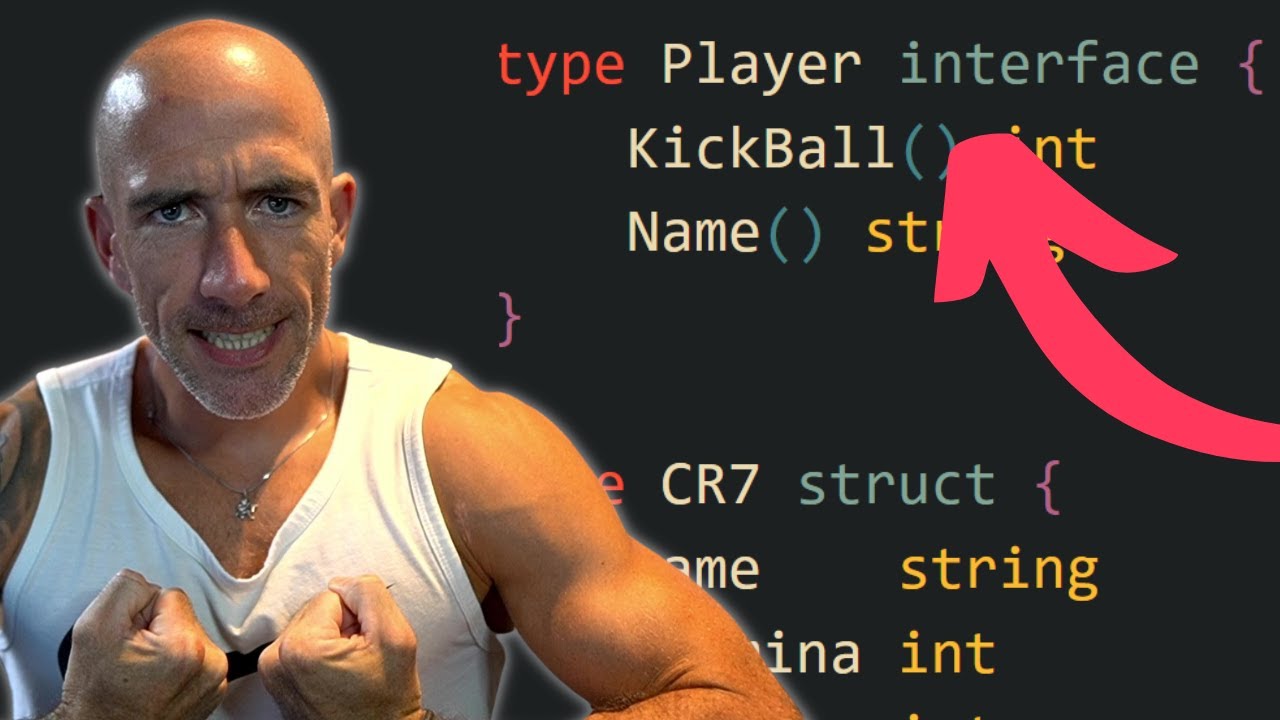
Understanding Golang Interfaces: A Practical Guide for Developers
@anthonygg_
71.4K views•2023-09-11

12:54
Triumph of Orthodoxy Icon: Byzantine Art & History Explained
@BenCallan
2.1K views•2024-08-06

9:49
FastAPI vs Flask vs Django: Choosing the Right Python Web Framework
@TechWithTim
302.5K views•2024-05-26

1:42
Game of Thrones Opening Credits: A Cinematic Analysis
@gameofthrones
46.3M views•2011-04-18
Related Study Plans & Knowledge Roadmaps
Structured learning paths in General & Interdisciplinary Studies
general-studies
Elevator Engineering: History, Physics & Cities
01From Hoists to Safety Brakes: The Dawn of Vertical Lift
02Hydraulic vs. Traction: The Engineering Physics of Elevators
03Modern Speed, Safety, and Algorithms
+ 2 more learning modules
12h5 modules
Explore Roadmap
general-studies
Rubber: Material Science, History & Geopolitics
01Origins of Natural Rubber & Mesoamerican History
02The Chemistry of Natural Rubber & Vulcanization
03The Geopolitics of the Rubber Boom & Colonization
+ 2 more learning modules
12h5 modules
Explore Roadmap
general-studies
Containerization: Evolution, Logistics & Trade
01Ancient Trade & Bulk Cargo: Amphorae to Barrels
02The Industrial Revolution & Cardboard Packaging
03The Containerization Revolution: Malcom McLean
+ 2 more learning modules
12h5 modules
Explore Roadmap
general-studies
Textile Tech: Evolution, Labor & Global Impact
01Pre-Industrial Textiles: Handloom & Cottage Industry
02Mechanization: The Spinning Jenny to the Power Loom
03The Factory System & Global Labor Transformation
+ 2 more learning modules
10h5 modules
Explore Roadmap