
















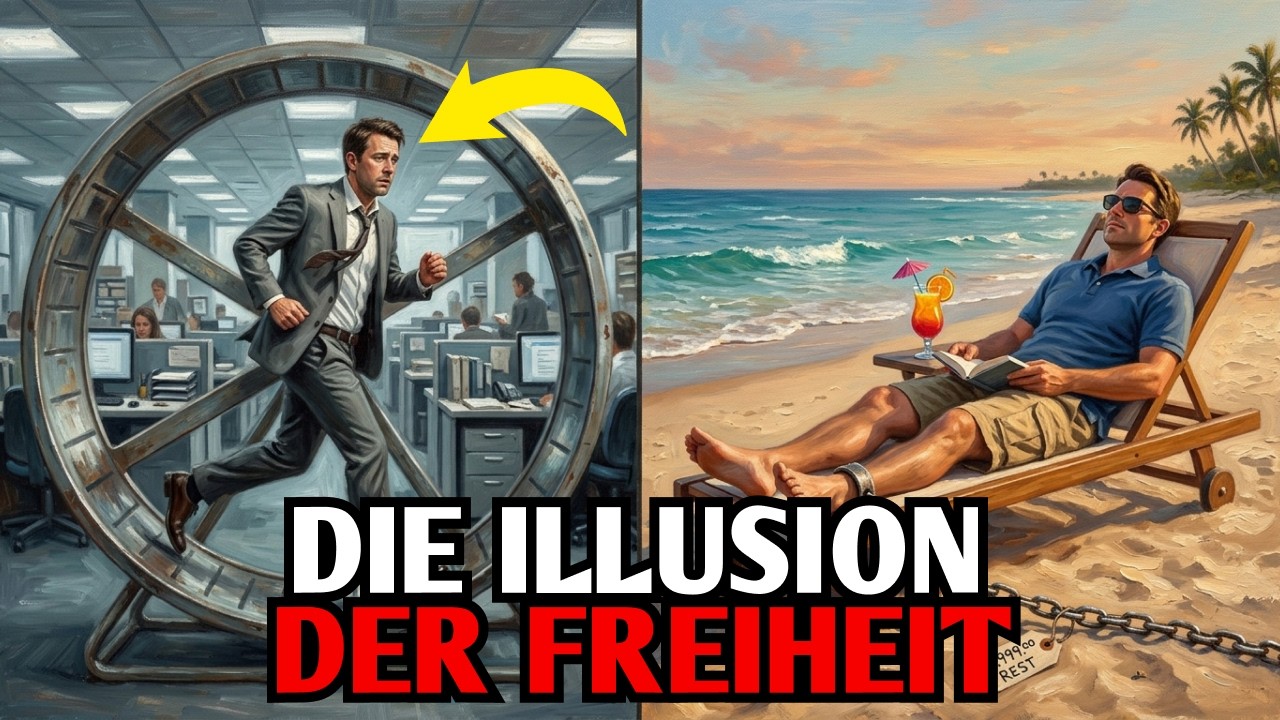

Tourism operates on a unique moral economy where attractions function as democratic 'free goods'—objects of desire that exist outside economic exchange and are open to all, enabling the industry to thrive despite generating minimal direct revenue from these attractions themselves; this creates a paradox where billions of tourists spend trillions annually to access experiences that cannot be owned or sold, fundamentally distinguishing tourism from conventional material economies.
Rethinking Tourism: The Moral Economy of Attractions
Added:Understanding of the sociological concept of 'Moral Economy' (originally framed by E.P. Thompson), which posits that economic activities are deeply influenced by social values, moral obligations, and non-market community norms.
Familiarity with Dean MacCannell's foundational theories in the sociology of tourism, particularly his concepts of 'sight sacralization' and the modern tourist's quest for authenticity.
Basic knowledge of the distinction between commodified tourism (private, profit-driven experiences) and non-commodified tourism (public spaces, civic attractions, and shared cultural heritage).
An introduction to theories of leisure, specifically how leisure and travel act as social rituals that reflect or critique modern industrial and post-industrial societies.
Critically analyzing 'staged authenticity' in contemporary tourism, exploring how destinations construct artificial 'genuine' experiences for visitors.
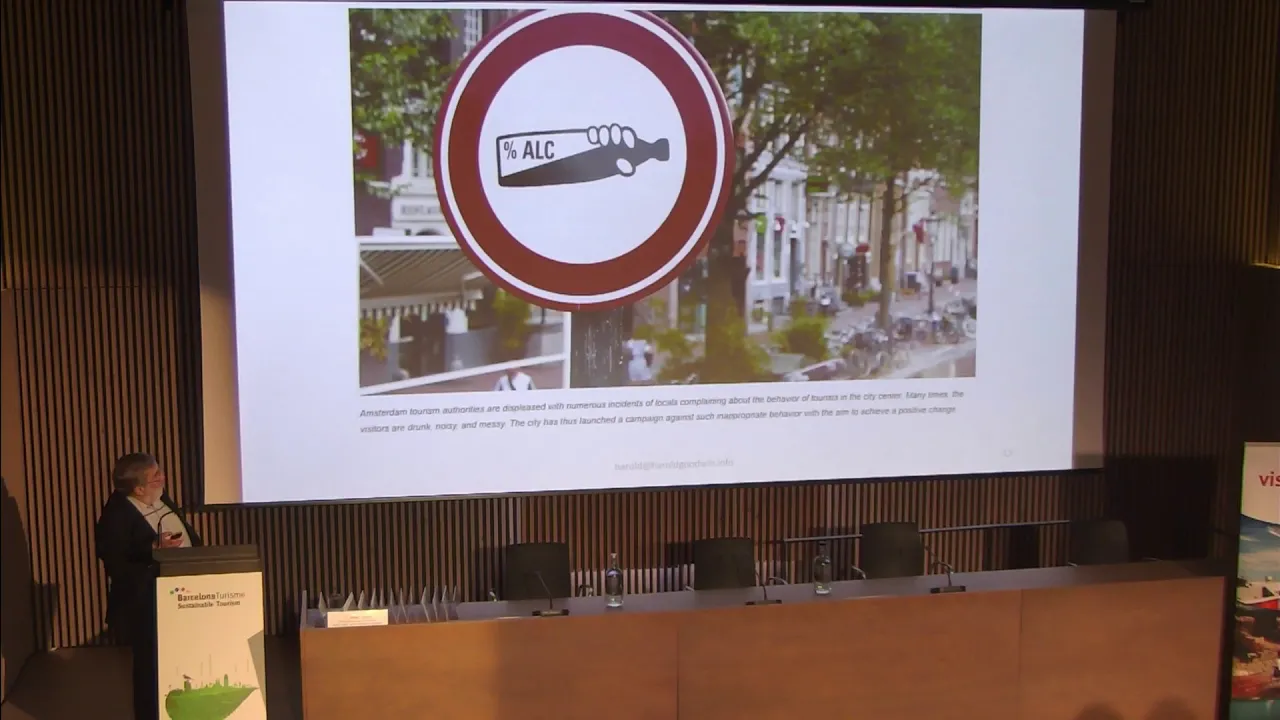
Investigating the impacts of overtourism on the moral economy, examining how the influx of visitors can disrupt local communities and erode the democratic nature of public spaces.
Exploring sustainable tourism management and de-commodification policies that aim to balance economic growth with the preservation of cultural and natural commons.
Comparing MacCannell's structuralist perspective on tourism with post-tourist theories and John Urry's concept of 'The Tourist Gaze' in the age of social media and digital curation.
1.3K views37likes30:02Original Release: 2020-05-13
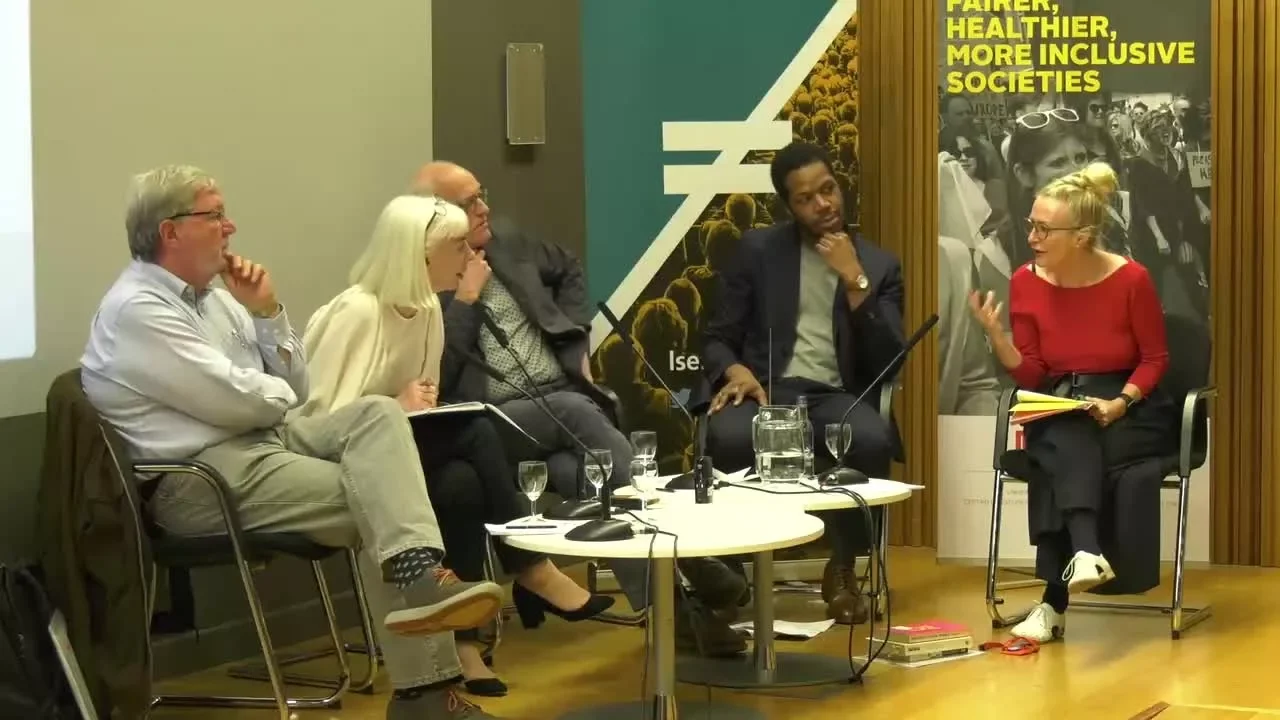
and thank you for inviting me to this very stimulating conversation and it really does make me wish all the more that we could be together or not like this but let's make do the intervention that I had for today I've lifted out of the middle of a of an article that will appear I believe in probably within the year in the journal Lucifer which I think is out of Lisbon in Portugal and the editors of Lucifer on have asked me to indicate that at the beginning of the of my lecture so that they will have priority even though it's not coming for another year or so it will be in English and in Portuguese when it when it comes out I'm going to begin with a quote from the children's author and poet Robert Louis Stevenson that I think is an appropriate prologue Stevenson wrote the world is so full of a number of things I think we should all be as happy as Kings so in order to rethink tourism and beyond the current crisis it is necessary to press even harder on the question what exactly is tourism anyway and I have never thought that the answer could be found by studying the tourist industry tourism existed before there was an industry built around it and if the coded virus somehow succeeded in destroying the tourist industry or most of it tourism will continue to exist in the article I argue that the tourist industry is deployed around a nucleus that is the tourist attraction all the objects of tourists desire that are removed and protected from economic exchange I believe that what is going on in and around this nucleus is also the ultimate subject matter of nano tourism if tourism is indeed the world's largest industry it is because and not in spite of the separation of its primary motivational and moral structures from the global marketplace now I need to force shorten my argument here and simply assert the tourist attractions in their essence are a massive collection of democratic free goods that are open and available for all the modern tourist industry is fully dependent on this endless supply of free access attractions that are maintained by governments NGOs or simply existing in society culture and nature the industry can thrive only if its moral and motivational structure remains insulated from market transactions the Taj Mahal the ambience of the left bank the Parthenon the Grand Canyon the Sun and the West Indies the friendly efforts to communicate across language differences the Statue of Liberty the Karakoram mountains none of these things are for sale over a billion tourists spend 1.5 trillion dollars annually to travel internationally to things they cannot buy or have in any material sense that no one no matter how wealthy can buy often we cannot even touch them the enormity of tourism today is possible only because the causal forces at the heart of the tourism economy are imaginary and symbolic I make a fairly extended argument in the longer article connecting democracy modern the spirit of democracy not the mechanics of it to the tourist touristic impulse it said no accident that stunned all in his 1838 memoirs of a tourist gave us the first guide to the modern tourist consciousness just after the 18th century filosophy Rochelle Voltaire Diderot gave us the first draft of how to form and govern our modern democracies spangles tourist is also a guide to what I call deep democracy the wisdom and enjoyment contained in human difference I call the aggregate of objects and events noticed by ston dolls tourists and all the rest of us who came after the modern tourist compact today this compact covers a vast and growing symbolic set of social cultural and natural phenomena mark is worthy of tourists experience the attractions are particles of our collective skills and know-how concrete manifestations of past and current human activities and their results literally object lessons that point to insight and error the brilliance of the quotidian perseverance and uncertainty and overreach sung and unsung truths guilt and innocent accomplishment and stupidity Beauty ugliness heroism cowardice I've already argued in the ethics of sightseeing at the catalogue of themes values and relations that can be mapped on to the modern tourist compact does coextensive with the discoveries made possible by the psychoanalytic opening of the human unconscious the inclusiveness and the openness of the modern tourist compact his twin born with the modern project of democracy so now I'll address the micro economics of the tourist compact if we follow a generic tourist observing the small details of local life the scenery and the monuments and attractions we soon learned that what she does and observes quad tourist costs her little or nothing she pays for transportation lodging and meals and personal services like a massage or a haircut exactly as one would about traveling on business but she doesn't pay to gaze at the scenery or to enter and sit in a left-bank bohemian cafe she pays for the espresso but not for the experience of sitting there and looking around at the staff and the other patrons and the decor which is the real reason she is there she could get the coffee at Starbucks but not the tourist experience she is seeking the modern tourist compact stymy standard economic theories when a consumer in California buys a new car it's not difficult to discover economic reasons for the purchase it's more dependable it's more economical or perhaps necessary to impress her clients now try to apply the same logic to her decision to buy a tour of Greece so she can see Delphi or the Parthenon her desire to see Delphi may be stronger than her desire for a new car but on her return the day-to-day practicalities of her life will not be improved when we try to determine what exactly it is that she purchased the difference becomes stark the tourists cannot bring Greece home and park it in her garage and use it to get to work every day until it wears out and she eventually trades it ourselves it the memory of her trip if all she has left of it serves no practical or economic purpose it has a zero use value it can become it can't be compared to other experiential commodities like college degrees it will not get her a promotion at work and unlike other luxury purchases buy diamonds gold furs and Ferraris her memories cannot be resold if times get tough I put question marks around purchased in the previous sentence and I placed them there because no tourists actually pays to see Delphi or the other wonders of Greece at least not in a way that's commensurate with her investment in getting their food ores tells me that it still costs the same as when Juliet and I visited several years ago that is 10 euros to enter the Delphi complex inclusive of a visit to the museum the tourist compact today retains the essential structure that had in ston dolls day most of what tourists want to see come to see come to see and experience is free or very nearly free that huge global tourist economy is composed of a vast spectrum of goods and services ranging from the mundane like sunscreen to the ridiculously sublime like 10,000 euros per night hotel suites economists who focus on tourism limit their modeling to the penumbra of goods and services that surround and support the Jura stacked restaurant Hotel and transportation receipts no economist has ever addressed the question of why tourists leave home in the first place the Italian economist Alberto Senza raises the difference in the first pages of his groundbreaking book only to set them aside immediately as impossible for economists to deal with he almost apologetically explains that he will be dealing only with quote economically tertiary phenomena that is to say tourism facilities hotel malls and restaurants prepaid package tours air travel infrastructure development that facilitate tourist movement toward their objective but the objective the destination has taken as a given and it remains outside of all economic equations of course our tourists in Greece will leverage her investment in the trip to visit other sites for which she also pays token fees or nothing at all and she will carry away additional images and memories of myriad sights and smells that she experienced free of charge in the end the total direct cost of her cherished tourist memories is a minut fraction of the cost of the trip given the stratification of tourist amenities and services the difference between direct and indirect costs can be astonishingly high but the attractions have in common is first a magnetized tourist desire and set millions now more than a billion tourists in motion and second they can all be seen and experienced firsthand for free or for no more than a token fee usually less than a cost of a movie ticket let me draw a bright line under the point I'm trying to make at the heart of the massive and growing global tourist economy is a very special type of object that is defined by its hold on the tourists imagination and the fact that it exists outside and beyond the reach of economic exchange no one can by Delphi and no one can pay for the exclusive right to experience it to the extent that an attraction is thought to belong to everyone on earth it cannot be owned by anyone some physically smaller objects that might be included in the tourist compact notably the fraction of expand paintings by old masters that are not in museums are bought and sold by the wealthiest one you common human heritage George and Martha Washington's bed is not in the guest room of some billionaire it remains at Mount Vernon where you can see it if you pay the seventeen dollar entrance fee plus seven dollars if you want to bring your dog to see it every modern attraction is shrouded in a strong Democratic morality that holds that it should be open accessible and free for all if an entrance fee is charged it should only cover maintenance and not result in profits as a matter of strict policy in the United States visitors are not charged to see the White House or to see the Liberty Bell or other national monuments every year someone proposes that the ten million people annually who walk across the Golden Gate Bridge should be charged $1 and every year the proposal is defeated even if a dollar charge would only keep in my new fraction of the tourists off off of the bridge the moral structure of the compact holds that this ultimate kind of shared experience and memory should be available for free or so the argument has been made successfully for the past decade how these free goods are also the secret of the profitability of the tourist industry and I will speak of why package stores always proper more than a merely merely tourist experience by far the most common form of commercial exploitation of tourism's free goods is based on their offer of a special experience always said to be more special than a merely tourist experience today at major attractions the way the industry inserts itself into the compact you usually work something like this I can see the Louvre on the outside for free any time of the day any day of the week I can enter the museum and visit its collections that is actually see the Mona Lisa for free if I wait for free Sunday for 10 euros I can visit any time if I pay an additional 20 euros I can jump to the head of the queue I pay an additional 200 euros I can have a private guide whom I pretend to be friend me and serve me champ champagne at the end of my distance I can go for a long walk in Yellowstone National Park by paying my share of the 25 dollar seven-day automobile use fee or I can pay several thousand dollars for a talk called curious tour of Yellowstone coughs glossy brochure states right now you could be hearing the snow crunch beneath your feet as you walk through a Sun dappled kaleidoscope of lodgepole pines in Yellowstone so what's the difference between your Yellowstone walk for which you might have paid between 0 and $25 and the lock your cake on a talc four thousand six hundred and ninety dollar Yellowstone tour on the top - er you don't have a choice of your path or your companions or the option of walking alone or stopping whenever you wish but mainly you don't need to come up with fanciful phrases to explain to yourself and to others the marvelousness of what you are experiencing on your walk an important part of what you buy from the tour company is over-the-top rhetorical framing of your experiences and their memories according to consumer testimonials and talk kosher these are quotes now how you see the world matters anything can be unforgettable yes it was a vacation but more a life-changing experience this was an emotional experience not a sightseeing experience we never settle for tourism of course the packaged tour company would never ask you to settle for tourism why because the modern tourist compact does not require that large sums of money change hands every Yellowstone tourist no matter how little he or she spent getting there feels exactly the same snow crunching as sees the same Sun dappled pines and every tourist feels the same internal demand while in the presence of the attraction it ought to mean something it ought to add or subtract something to Who I am as a human being the difference is the poor tourists and the cheap tourists must figure out for themselves what to think about their experience the wealthy tourists pay someone to do their thinking for them the glossy brochure has assured them in advance that they will only associate with socio-economic near equals and hear life-changing sight specific commentary appropriate to their class position and perception preconceptions this is only one of myriad ways the tourist industry is opposed to the essence of tourism the enormous range of costs of different ways of getting there can never fully undo the tourist essential alumnus and equality before the attraction that path through the pines is utterly indifferent as to whether the footprints in the snow were made by one who was rich or poor a man or a woman gay or straight black or white president King CEO Muslim Christian Buddhist Jew etc the attraction is utterly indifferent about whether the tourists walk hitchhike or beg to get there or arrive as a paying guest of the top family traveled Yellowstone called serious world experience that's what they call it and remember at the high end of the industry they don't do tours those who make a business of tourism must convincingly add value to the core tourist experience by promising their paying customers unique behind-the-scenes access to the true life of the region's they visit as it is lived by the local people's the tour company may also claim to have reduced the inconvenience of travel to the point of beginning there is half the fun almost every brochure makes multiple uses of the term authentic - despite the quality of the tour they are selling even before the tourists step out the door the ways on the way to the airport the tour company will have provided them with positive language to characterize every aspect of the experience they are about to have the value added by the tour operator can be calculated by closely examining the cost of the stop in any tour itinerary for example they previously mentioned talked or treasures of the Aegean the treasures tour charges eight thousand two hundred and ninety dollars per person and in addition you have to come up with the airfare to get to the tour's origin in Athens and to return from its endpoint in Istanbul most of the itemized attractions that couch sells its prospective customers they will extend them that tells them that they will experience on their island-hopping small boat cruise our free of charge these would include shopping and the famous Istanbul underground bazaar walking around Santorini gazing at the famous blue dome buildings blocking in the medieval old town at Rhodes the costliest site the top tourists will experience is the Acropolis at Athens which charges 12 euro the deepest controlled-access site they will see as the mausoleum it Herrick an axis where the entry is one euro the cost of admission for each of the sites visited while on the treasures of the Aegean tor yields a total of 60 euros for everything and that includes the in ESCO sites at Mycenae a hero dello spy bureau took copy palace nine-year-old to sum up if Juliet and I fly from our home near San Francisco to Athens take the treasures cruise and fly back from Istanbul the total cost of our trip would be twenty-one thousand dollars and that includes the 120 euros that talk would have paid for our admission to everything we came to see so tourism the growth of tourism is based upon of this the compact modern Greece didn't have to go to the trouble of manufacturing Delphi and shipping it abroad to be sold to consumers nothing tangible leaves Greece where it is resold used until its worn-out crust and recycled the Torah space to transport herself to Delphi after she experienced of it she lives it behind for other tourists to come and see Delphi or the Parthenon or the Oedipus crossroads or the blue dome buildings and the beaches at Santorini are the key motivating factor for all the economic transactions that are required to put tourists in their presence but the actions themselves are not consumed they continue to transcend the economic laws of production and consumption independent and unaware of the services an apparatus that put millions of tourists in their presence I'm going to shorten here for a bit tourism the tourist industry but the modern tourists compact is the harbinger of an economic revolution based on an entirely new kind of product what is purchased is nothing but a configuration of images and symbols and human consciousness and discourse this new product has no materiality whatsoever it exists only in a human mind and in language no one understands the desire for this new product only that it is powerful and universal this desire stands dialectical materialism on its head with few sometimes zero prompts the consumer herself undertakes product design periodic reformulations the consumer transports herself to the material representation of her desires the consumer assumes so much responsibility for the logistics of its conception manufacture and distribution does she herself increasingly comes to resemble one of the products of old-fashioned materialist capitalism and now an existing vastness articulated horizontal network of services moves these consumers has products along a mainly open-air global assembly line no business is so small or out of the way that it can't contribute a kiosk this sells a pair of sunglasses or a petrol station that sells a tank of fuel a map and a cold soda could make an important contribution to the finished product assembly does not require coordinating complex technologies final assembly is just that tourists frogs assembled on a South Pacific Beach for a cap year rage the startup cost for tourist enterprises never include the cost of the attraction anyone can make a room available to Airbnb visitors and keep it filled every night because it is walking distance to the city's Art Museum they don't have to purchase house and protect the artworks in the museum in order to sell out their room the only dangers to the attractions and to those whose business depends on it are posed by its popularity the modern tourist compact is not in and of itself the force of over tourism it is the many ways airline charters cruise ships oversized buses filled with packaged tourists resort chains etc exploit the compact that leads to super saturation in places like Spain's Costa del Sol photos has figured out that it can double the numbers that bring boost of the Mona Lisa without painting another Mona Lisa Freddie Laker can quintuple the numbers two drops on a Spanish beach without manufacturing more Beach the industry can exponentially increase the numbers of tourists that squeezes into a region without contributing anything to maintain the attractions compared to other so-called sustainable resources tourist attractions that appear to be nothing short of miraculous wood products are said to be sustainable because cut forests can be replanted and grow back imagine the magic forest that grows back in less than an eyeblink after being cut with every tree now more mature than it was the moment before that is the essence of the attraction as resource each visit only serves to enhance the reputation and desirability of the of the attraction visits to the popular voice oh yeah sunsets do not involved using them up as a finite resource so they slowly disappear the Sun sets and the tourists defend of Lyra turned night after night each use of the sunset only adds to its power and its fame and contributes to its future production
Up Next
1:09
The Ethics and Realities of Traveling to North Korea
@charlesnorthkorea
98.4K views•2025-09-19

12:54
Triumph of Orthodoxy Icon: Byzantine Art & History Explained
@BenCallan
2.1K views•2024-08-06

9:49
FastAPI vs Flask vs Django: Choosing the Right Python Web Framework
@TechWithTim
302.5K views•2024-05-26

1:42
Game of Thrones Opening Credits: A Cinematic Analysis
@gameofthrones
46.3M views•2011-04-18
Related Study Plans & Knowledge Roadmaps
Structured learning paths in General & Interdisciplinary Studies
general-studies
Elevator Engineering: History, Physics & Cities
01From Hoists to Safety Brakes: The Dawn of Vertical Lift
02Hydraulic vs. Traction: The Engineering Physics of Elevators
03Modern Speed, Safety, and Algorithms
+ 2 more learning modules
12h5 modules
Explore Roadmap
general-studies
Rubber: Material Science, History & Geopolitics
01Origins of Natural Rubber & Mesoamerican History
02The Chemistry of Natural Rubber & Vulcanization
03The Geopolitics of the Rubber Boom & Colonization
+ 2 more learning modules
12h5 modules
Explore Roadmap
general-studies
Containerization: Evolution, Logistics & Trade
01Ancient Trade & Bulk Cargo: Amphorae to Barrels
02The Industrial Revolution & Cardboard Packaging
03The Containerization Revolution: Malcom McLean
+ 2 more learning modules
12h5 modules
Explore Roadmap
general-studies
Textile Tech: Evolution, Labor & Global Impact
01Pre-Industrial Textiles: Handloom & Cottage Industry
02Mechanization: The Spinning Jenny to the Power Loom
03The Factory System & Global Labor Transformation
+ 2 more learning modules
10h5 modules
Explore Roadmap