



![[WEB] Introdução a Economia](https://i.ytimg.com/vi/_6cdYmAyDbY/maxresdefault.jpg)

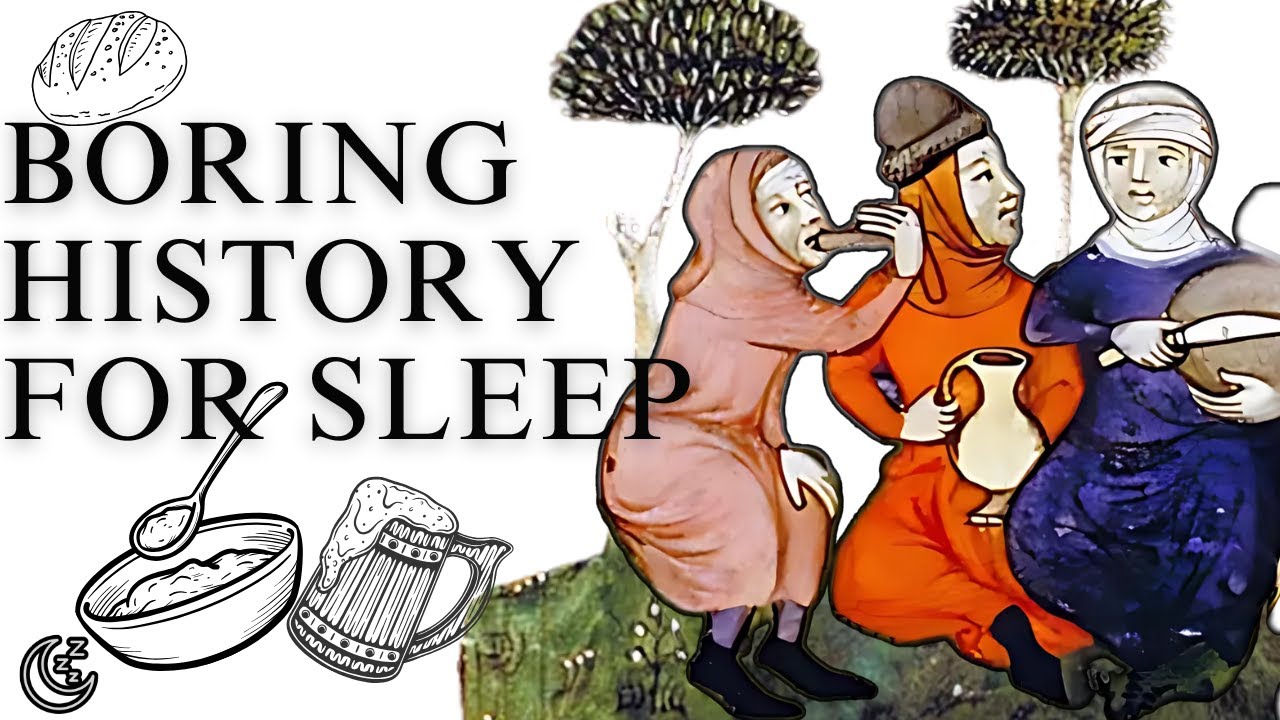












Moral economy refers to an individual's or group's understanding of what constitutes reasonable or unreasonable economic behavior by others; it encompasses expectations about how people should act economically within one's social sphere, including gift-giving, household responsibilities, and fair treatment in economic exchanges. This concept was first developed by historian EP Thompson, who argued that people riot not merely when hungry but when economic actors infringe upon their moral economy—such as middlemen scalping grain or bakers mixing inferior ingredients into bread. Anthropologist James Scott later applied this framework to Malaysian peasants during the Green Revolution, showing how those perpetually on the verge of subsistence develop moral economies based on threats to survival. The concept has been used to analyze contemporary events like the 2008 Global Financial Crisis, where public anger stemmed from banks acting against people's moral economy expectations of serving communities rather than maximizing profits.
Moral Economy Explained | Anthropology Concepts
Added:hello and welcome to 25 Concepts in anthropology today the concept we're going to look at is moral economy now when anthropologists use the word economy we don't necessarily mean the things that you'll study in an economics faculty at University rather what we refer to is things like giving and taking who does the dishes tonight at home who does the shopping this kind of stuff is really important for us again gift giving at Christmas these are kind of things that we're interested in as anthropologists so when we're going to talk about economy today it's important that you put aside the idea of of economy is being about things like GDP and salaries and so on that's not particularly or centrally what anthropologists are concerned with okay what we're going to look at today is moral economy a brief definition of moral econ moral economy is your understanding of what is reasonable or unreasonable economic behavior of people people around you in other words how you expect people to act now you'll know if you listened to my lecture on reciprocity that if I give you a gift for Christmas I can naturally expect a naturally expect a gift from you next year for Christmas if I don't get a gift I feel like according to my moral economy you have uh committed a misdeed if you like you've infringed my moral economy by not giving me a gift um another econom another idea of moral economy you might have is okay you expect from your boss you expect her to pay you every week but you might also expect her to give you a Christmas bonus or even put on a Christmas party or let you take off take leave if somebody in your family is sick so this is the idea of moral economy basically what you can expect what you can expect from people in your economy in your in your economic sphere if you like in your economic sphere and again this understanding of economic is a larger understanding of economic it also includes things like gift giving um doing tasks around the home all right I'll just zoom that in a bit better so hopefully you get a better look at that one excuse me you have see my face in all its Glory there we go all right it's moving up and down um now excuse me so that's a a simple definition of moral economy the idea was first postulated by a historian actually by the name of EP Thompson he's a famous uh Marxist historian of the 1960s and70s and he was sick of other marxists he was sick of other marxists um just saying well people Riot when their bellies are empty people Riot when their bellies are empty EP Thompson said no it's not that simple people might not Riot if they're hungry if they think the cause of their hunger is something natural like there was a flood that couldn't be controlled then people will Riot so uh to give you a better example if you're um I if the hunger just say um you and I are peasants a landlord comes and takes our grain and leaves us nothing left to eat then we'll get angry a landlord comes and takes 10 kilos of grain off you off you and me we'll get angry cuz that makes us hungry but imagine we've had a really good harvest and the employer makes 10 kilos and it still leaves us with 90 kilos then we won't go out and RI and be as angry so the point here is the point here is that it's it's really uh not so much being hungry but the way people in the economy act that causes rioting and the way people in the economy Act is moral economy in other words a peasant's moral economy causes rioting this thing's going up all over the place take that make it any better still seem to be going all over the place I don't really know why okay let's continue um okay so he's looking at at at uh economic practices in the 1700s one of them is if you like scalping you probably know the idea of scalping um there's a football game on um it's a big game somebody goes and buys 50 tickets um not just for themselves but to sell later at a higher price that's called scalping scalping is not a new thing it happened in 1700s in relation to grains and other produce um middlemen would go to the farmers and buy the food of the farmers before it went to market then those middlemen would take it to Market and sell it at higher or lower prices higher of course sell it at higher prices to make a bigger profit okay um this infringed on the moral economy of the peasants The Peasants weren't happy that they that these uh middl men were doing this it was making the cost of living too expensive for them so they rioted they rioted against they rioted against the middlemen who scalped if you like scaled the grain the another reason why they write write it seems very unlikely in a modern context but they rioted because of the bread mix basically Bakers weren't putting enough white wheat in the bread they were adding too much barley oats and Rye now we all love Ry bread right we love it but we don't really love it because actually most people prefer white bread certainly in 1700s they preferred white bread and they weren't happy when Farmers mixed it the wrong way now this is a big deal because bread was the largest part of the diet back in the 1700s for peasants in sorry for farmers in England so this bread mix was infraction against their morality it didn't Accord with their moral economy or according to their moral economy the claim was unacceptable was unacceptable so we can say what is unacceptable it was unreasonable what is unacceptable or unreasonable okay in economic actions in economic behavior let's say in economic behavior Australian spelling for Americans will take this off economic behavior in other words um middlemen buying grain and selling it at a higher price uh Bakers mixing too much oats and barley into their bread was unacceptable so that's the idea and Thompson says because of this we shouldn't actually use the term Riot all that much Riot is is too simplistic it doesn't explain what's really going on if we really want to know understand what's going on we got to see these as actions against people who infringe the moral economy people who act in economic ways that are unreasonable from the peasant's perspective okay that's Thompson now we're going to look at another guy an anthropologist called Scott Scott got very excited by what Thompson wrote and decided to apply this to Malaysian peasants in the 1970s he did field work amongst Malaysian peasants they were undergoing what was called the Green Revolution basically the Green Revolution meant they went they were no longer using water buffal to plow they were using machines tractors they were no longer using uh um dung or manure for fertilizer they were using um packets you bought from the shop full of nitrate Etc they were no longer harvesting by hand they were harvesting with combined Harvesters as a result the poor people who owned very little land were losing out and were were increasingly being sidel bled now these people according to Scott are always up to their necks in water they're always on the verge of drowning peasants are always on the verge of drowning If a landlord makes too much claims of tax they go under they die it's that simple they can die if there's too much uh if they have a bad Harvest they can die there are too many claims on tax or die of starvation in other words they're always up to their neck or necks in water and being up to your necks in water being on perpetually on the verge of starvation well often on the verge of starvation let's say makes a moral Economy based on threats to subsistence anything that that threatens their ability to to exist anything that threatens their subsistence is deemed as an infringement of moral economy so it's the same kind of point if if you and I are Malaysian peasants and we've got 100 kilos of rice and the landlord comes and takes 10 kilos of them will be okay you know you can have that I'm not too worked up if you and I only got 10 kilos of rice and the landlord comes and takes those 10 kilos then we're going to be very very angry because it infringes our idea of what is morally right in an economic context what is morally right in an economic context all right so that's Scott's example now I'm going to apply it this idea of model economy to the GFC the global financial crisis most of you have lived through this I'm sure if you're listening to this you have through it 2008 there's a huge tumble in stock uh stock um in share prices etc etc etc um now what made people so angry why were there so many demonstrations why uh were there so many documentaries about the GFC this GFC that getting all worked up about it well from the moral economy perspective if we use moral economy to analyze the GFC what was happening was people were acting in ways that infringed our economic notion of what is right and wrong in other words we were angry at the banks when they made too much money the super profits we were also angry at the banks when they made huge losses because we don't want banks in our moral economy at least we don't want Banks to be too profitable or too unprofitable but um we really want Banks to serve the community to serve the community as opposed to serving the market if you like we want Banks to serve the community and not particularly serve the market people who feel like that felt like what the the GFC was a result of people who infringed their moral economy so my moral economy your moral economy might have been Banks shouldn't be too profitable or unprofitable they should just um hover around at the right level because if they're making profits it's off me and if they're making losses it's because they're badly managed also singled out for uh attention in the moral economy of this period was the CEOs the idea was that the chief executive officers of these companies were making too much profit their corporate greed their opacity uh caused uh the GFC so that's an idea of of moral economy applied to contemporary circumstances okay the idea is not perfect none of the concepts we look at explain everything all the concepts we look at illuminate some things and obscure other things if they illuminate enough things we'll be happy with them they illuminate more than they obscure we'll say okay they're useful we'll put them in our anthropological toolkit so what are the problems with um moral economy I haven't thought too much about this but one thing is that um materialist uh economists might uh people who are really concerned with who owns what um not too concerned with ideas of morality but who owns what how much money people possess and so on these material materialist economists might say well even this moral economy it kind of we can explain it in terms of material uh economics in other words if I have this expectation of the boss there's a kind of dollar figure on how much I expect I expect from my Christmas party there'll be champagne and oysters Etc you can kind of figure this in terms of money and the boss could theoretically um compensate Me by just giving me the money instead of the Christmas party or I might go to another boss if I don't think the uh the the Christmas party is enough in other words a materialist explanation while a materialist uh social scientist might say okay I can explain these phenomena without having to resort to moral economy the other problem is the way it's used can be a bit romantic uh people who use it um see it as kind of like a a righteous a rightful tool that people use against the exploitation of the market system which is okay but there is a dark side to moral economy which uh I see in my own field location other fieldwork locations uh which is that sometimes people who well we can accuse somebody of being a sorcerer or a witch if we feel like they're making too many demands they take too much water or if they uh if they're too wealthy this isn't so much in my fieldwork location to be honest but other field locations people write about somebody who's very wealthy for example will be accused of being a witch or a sorcerer and might be pulled apart and burnt literally pulled apart and burnt and that's because of moral economy what this means not so much the concept is good according to this criticism the concept of moral economy is good it's just that we shouldn't romanticize it and put a positive value on it we should think it as neither positive nor negative according to this criticism but just as a useful tool for understanding things okay I'm sure there are more criticisms of the idea but just to reiterate the basic Point moral economy is basically our morality of how people should act economically within our sphere thank you for your attention and I look forward to seeing you for more 25 Concepts in anthropology
Up Next

Urban Violence and Moral Economy in Philadelphia’s Puerto Rican Ghetto
@ANUchannel
10.1K views•2013-11-19

Astrobiology Through an Anthropological Lens: Field Insights
@georgiatechastrobiology
128 views•2021-04-14

Kinship in Anthropology: 25 Core Concepts Explained
@NicholasHerriman
66.1K views•2012-10-09

Psychology of Internet Trolling and Pranks Explained
@AzzyLand
10.7M views•2017-12-20
Related Study Plans & Knowledge Roadmaps
Structured learning paths in Anthropology