
















In severely segregated urban ghettos, extreme poverty and the failure of state institutions create a 'moral economy of violence' where violence becomes both a risk and a resource that young people must manage through intimate social relationships, as demonstrated by Bourgois's ethnographic research in Philadelphia's Puerto Rican ghetto where violence serves as a form of social capital within networks of reciprocity based on kinship, friendship, and utilitarian economics.
Urban Violence and Moral Economy in Philadelphia’s Puerto Rican Ghetto
Added:Understanding the concept of 'moral economy' (originally popularized by E.P. Thompson), which posits that economic behaviors and transactions are deeply embedded in social norms, mutual obligations, and moral values rather than just market rationality.
Familiarity with the socioeconomic history of Puerto Rican migration to post-industrial US cities, particularly the structural factors like deindustrialization, redlining, and segregation that shaped neighborhoods in Philadelphia.
A basic grasp of the concept of 'structural violence,' which explains how societal institutions, policies, and systemic inequalities cause harm to marginalized populations.
Awareness of ethnographic research methods, particularly participant observation, and the ethical responsibilities of anthropologists studying vulnerable populations or illicit activities.
Critical reading of Philippe Bourgois’ seminal ethnographic work 'In Search of Respect: Selling Crack in El Barrio' to examine how street culture and masculinity intersect with the underground economy.
Exploring the policy implications of urban ethnography, specifically analyzing how understanding drug-trade dynamics can inform harm reduction strategies and public health interventions rather than purely punitive policing.
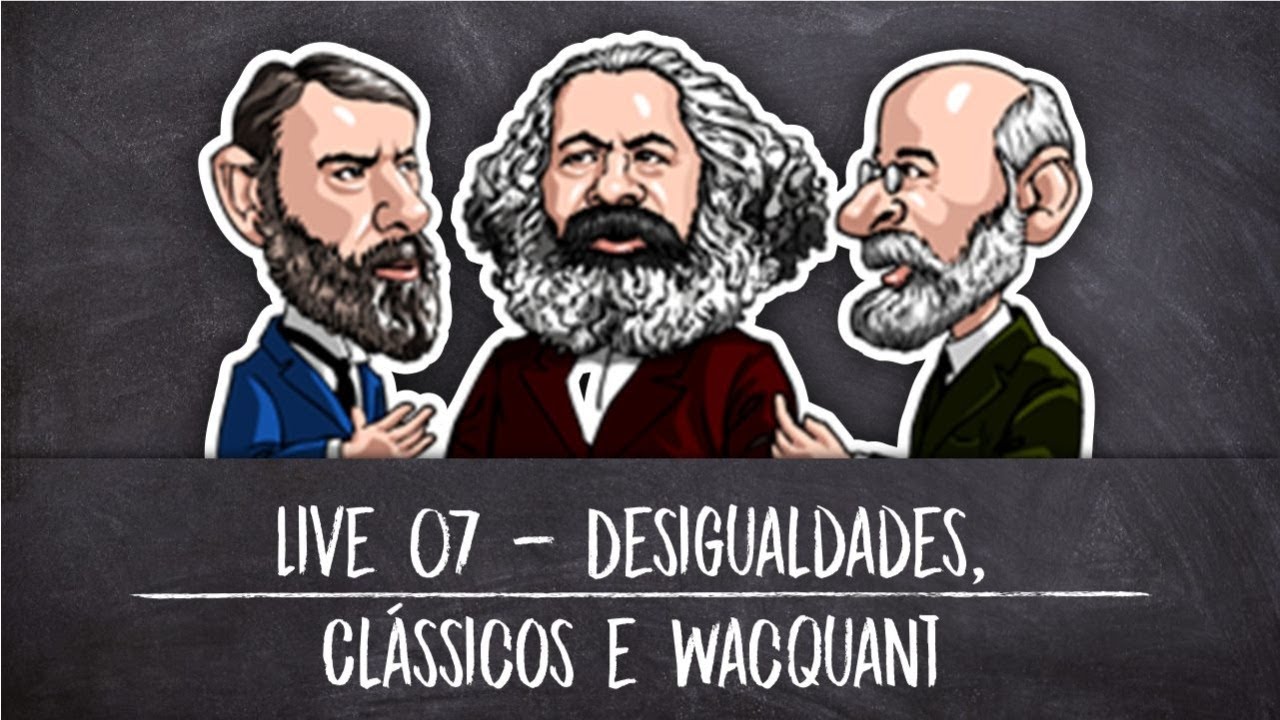
Investigating Loïc Wacquant’s theories of 'hyperghettoization' and the rise of the penal state to compare different sociological explanations of urban poverty and state neglect.
Applying the 'moral economy' framework to other contemporary informal or illicit networks globally, such as survival strategies in informal settlements (favelas, slums) or migrant smuggling routes.
10.1K views112likes1:07:36Original Release: 2013-11-19
Good evening everyone. Um I'm really delighted to introduce Professor Phipe Bugo tonight to pre present our distinguished lecture for the Australian Anthropological Society. Um Phipe is professor of anthropology and family and community medicine at the University of Pennsylvania and Phip's work is really well known to many of us and to our students. Uh I think his work is wonderful for shaking students out of their assumptions about what anthropologists do. Uh and his writing I think is that perfect blend of being accessible to students at all levels. Uh but also really deeply challenging and theoretically engaged. Phipe has done field work in a lot of different places and has a very long list of publications but I think he's probably best known for his 1996 book in search of respect selling crack in Albario. and of course the wonderful um photo ethnography that he uh produced with Jeff Shawnberg in 2009, Righteous Dope Fiend. Um and I have to say that book is the ethnography that has moved me the most deeply of any that I've ever read and made me the most angry with the system. Uh which I'm sure you're going to talk about more tonight.
Um, and Philip's lecture tonight draws on his long-term work in cities in the United States, this time in Philadelphia as he speaks about the moral economy of violence in the US inner city, ethnographic notes from Philadelphia's Puerto Rican ghetto. So, please join me in welcoming Philipe. So, um, it's, uh, Can you hear me? Is that okay? So, it's a it's a pleasure and an honor to be here. And I apologize for looking like a bum. They lost my back my baggage on the airplane about 4 days ago and and they keep promising every morning to bring it and they haven't. Um but um the so um and and I thank Andrew for all the logistics that he's done and shown me around and brought me here and and tracked me down in Philadelphia actually. So, um um I've been I've been studying um the political economy of social inequality uh for the um violence, drugs, and and and ethnic conflict in the US inner city, more or less since the mid 1980s. My goal has always been to try to link or more or less has always been to try to link macro structural coercive power to intimate experience and to local social social cultural practices. I see the state management of racialized ethnic relations and social inequality through the dramatic phenomenon of inner city segregation in my country as one of the great contradictions and failures of the US model of economic and political development. that of course since the 1980s u since 1980s specifically took a particularly noxious turn towards hyperinccarceration with zero tolerance with the zero tolerance war on drugs and um I'm thinking of this lecture and then the next one that I'll be giving uh on Thursday uh as complimentary lectures th this um this first one is uh more about the um local uh uh community level logics that trap people in in uh into relationships of violence of intimate interpersonal violence and um the on the in the lecture on Thursday I'll be talking specifically about two different um institutions that I see as the major ones uh that that uh one one the the most obvious is the carceral system and then the other one is the um um the the the medical diagnostic system of of uh declaring people disabled that uh also ferment what what I'm calling a habitus of rage. Uh and then of course the uh global globalized narcotics economy the way it manifests locally uh being the other force that that creates um the actual rage that takes place. But today I want to talk about the um actually very conscious uh cultural logics that uh that trap people into relationships of of uh of um of of of violence. So the um this is of course part of a five-year participant observation fieldwork project in in um the Puerto Rican inner city of North Philadelphia. and I'm uh that I did with a research team where we were uh analyzing the negative health effects of what demographers and quantitative sociologists refer to as hyper segregation and concentrated poverty and just because sometimes um when you're outside the country it's hard to believe the levels of segregation in the United States but this is the black white line uh that in in Philadelphia um with um that and and the it actually represents levels that are 80 to 99% segregation in in in in these two halves of Philadelphia with the exception of of this region here which is the the Puerto Rican neighborhood which is wedged between the classic US um racialized divide. Um, and the um this is this just reshows it with the green parts being African-American and the the green parts being white and the white parts being African-American. Um uh and um the the one thing also that's kind of interesting in this slide is that you see up here this bizarre exception that in this sea of white there's all of a sudden uh this means this means um slightly less than 80% u African-American that there's this little and that's because that's where the carceral complex is located uh in Philadelphia and Classically, it's surrounded by the uh it's surrounded by by it's it's in a white community and and disproportionately employs whites um to to guard the the African-American inmates. So, it's it's a classic um um a classic uh carceral system of managing the inner city. Now, um the and that just just to give you that background, um th this also shows the um the proportions of incarceration rates among African-Americans uh Latinos and whites uh in in the US. So um and now just last one about this carceral background that I'll and I'll be talking about the actual experience of it more tomorrow but this is the the the the sprawling um carceral complex and you can see up in the corner here the classic original 19th century uh Bentham pinopticon um And what's what's amazing about this picture is that since this was since basically um this was actually turn of the century um since it was constructed the the the city lost 600,000 people in a massive um de-industrialization and and white flight process uh out of out of u now it's um it's still over a million people. It's about a million. I think it's about I forget what it is, a million and a half people, but it was a much bigger city. And instead of investing in the in in in to to do some kind of alternative with that population loss, they they they built this ma this massive carceral complex. All of these things are are are different jails with slightly different um security levels and and and and logics and so forth.
Um, now, um, just so you can see more, uh, more clearly the the the the Puerto Rican division, um, location that it's literally wedged between an African-American and a white uh, neighborhood. And, um, the Oh, yeah. Oh, yeah. I did want to put up also just as a background slide uh where you fit in the global carceral sort of picture of shame. You're you're not doing all that well. Um 134 uh per uh but uh but but the United States is just makes you look like saints. Makes just about everyone except I forget what it is Kyrgyzstan uh and Russia. They're still much better than the US, but um but um so we have the highest absolute incarceration rate and and the highest relative incarceration rate of any nation.
So, um, so classically then, um, Latinos have a hard time fitting into, uh, the historical black white divide. And, um, and and and that make that's one of the things that makes possible this neighborhood for this neighborhood to turn into an open air drug market because it's a place where both whites and African-Americans can come to buy drugs. um and especially whites.
Now, now Puerto Rican um the Puerto Rican neighborhood overlaps with with uh with p with um with with poverty. These are the the these are the the um these are the census tracks that are over 80% Puerto Rican. And the poverty rate in our census track is 56%.
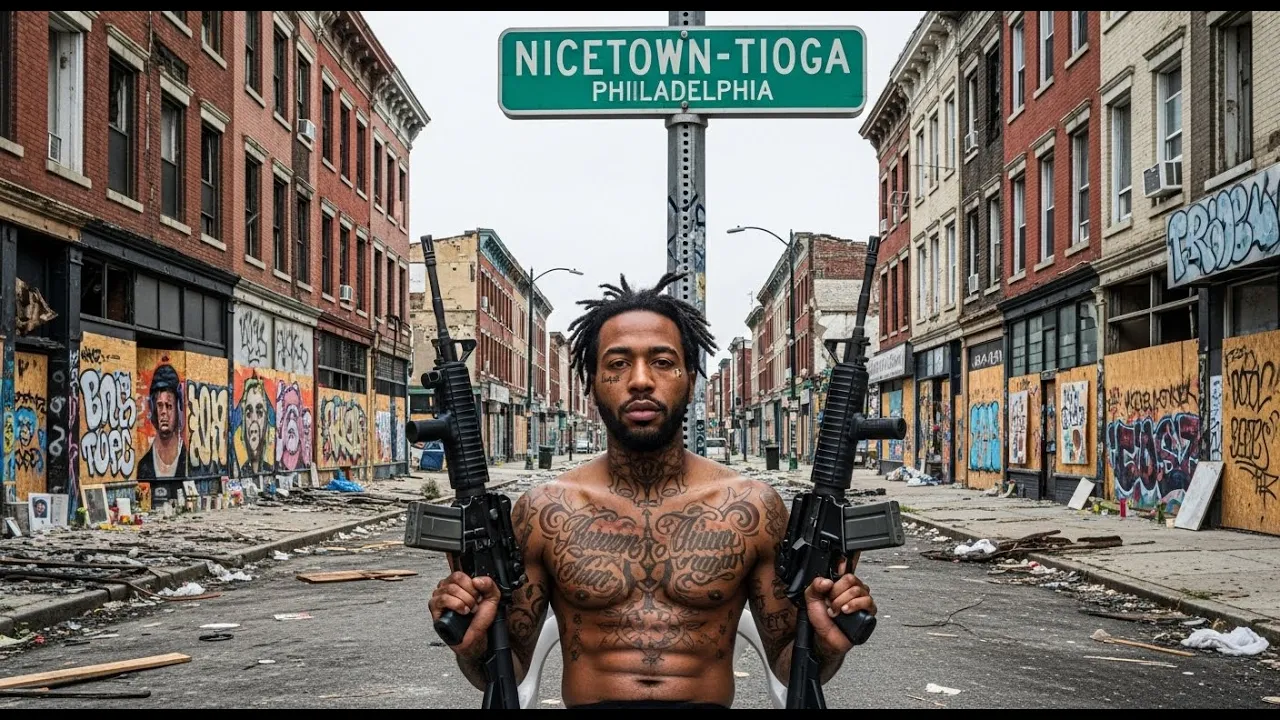
Um and the immediate census tracks surrounding um us all have poverty rates of over 53%. Eight of of the nine poorest census tracks in the city are Puerto Ricans. So it's it's it's definitely um the you know arguably the most vulnerable population group in in in Philadelphia. Two members of the um of the ethnographic team, George and Fernando. Uh this is George and that's Fernando Monttero and and George Karendinos live on the on on uh on the block one of the blocks that we're studying which is uh and and my partner Lori who's also an anthropologist at Habford also participates in the participated in the uh in the fieldwork and we're all uh struggling to write the book up now or start to write the book up now as a as a co-authored book. the um and now for the the ethnography. Um I think I put this in in the in one of the abstracts. I forget which one. During our first spring of fieldwork in 2008, within two months, there were 16 shootings with three fatalities, three stabbings, and 14 additional aggravated assaults within the four square blocks surrounding the apartment I rented in the heart of our fieldwork site. Right from the beginning, the social network we befriended made it clear to us that much of this personal and criminal violence was not a deviant act. It is embedded in what we're calling a moral economy, a set of moral economy logics.
Violence becomes both a risk and a resource to be managed intimately through social relations because the state mechanisms of regulation are ineffective. Demonstrating the ability to mobilize violence becomes a public reputation that provides cultural and symbolic capital that then becomes useful social capital within networks of recip of reciprocity based on kinship, friendship, romance, and utilitarian economics.
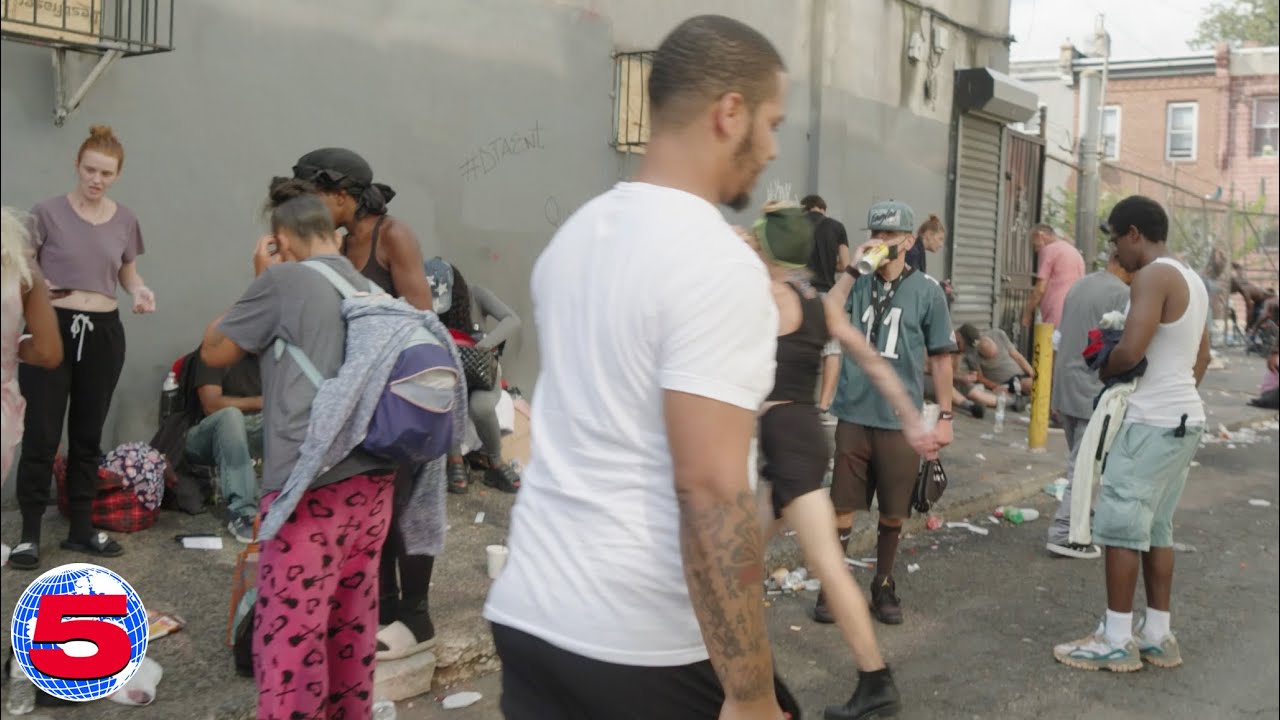
Ironically, that same moral economy of violence then can can't exist without a disposition to generosity and affable sociality sociability that on most days in the neighborhood manifests themselves in peaceful and generous exchanges. And um and it is actually the the one's experience of the neighborhood is that this is unbelievably friendly. It's not like us where we're always running from meeting to meeting and overwhelmed with things and hardly have time to say each other and and and and stop. Um in in the cont in the context of of unemployment and the boredom of unemployment, um people actually uh talk to each other a lot and actually pursue that as a mechanism to to build up alliances and and build up resources. Um and this is uh actually how much fun fieldwork is on a on a hot day uh in Philadelphia.
Um so um now um but the problem is is that this extraordinary sociability um becomes interrupted by these spectacular incidents of violence um in in in uh in in in in a in a chronic way.
And I'll let me illustrate how the ability to mobilize violence becomes a val a valuable resource using an an excerpt then from George's notes. So he's writing um a crashing sound and shouts make makes me rush to the window in time to see a frail middle-aged heroin addict slam into the side of my parked car. He's reeling from a punch to his jaw jaw from Roland, one of my 22-year-old neighbors. Alfredo, a gangling 15-year-old who lives two doors down from me, jumps on the fallen man, kicking him in the side in the chest.
Juan, a heroin injector who regularly buys on the block, is standing alert at Roland's side. Saul, Roland's mother, begins shouting loud enough for everyone on the block to hear. No one is going to disrespect me here. I live here. If anyone disrespects me, there will be consequences. If it's a woman, I'll resolve it myself. If it's a man, my son will. Everyone on the block knows that Soul's son Roland is a genuine what they call rider for his mother. He is someone um who is ready to use violence to defend himself, his family, and his friends from insult and physical aggression. So Nor George's note then goes on w with him running downstairs to find out what happened and a few minutes later sitting on the stoop with Roland, his mother Saul, and Juan. uh all chatting about what just happened and Roland explains to George. Juan was the first to hit him. Juan shrugs at Roland and and and says modestly, "I only went to talk to him at first, but to my eyes it looked like he was lifting his arm to hit you, so I punched him." So adds with pride, "See George, this morning a man thought I was staring at at him, and he cursed me. When he came by again, I pointed him out to Juan. Then when the trouble started, everyone came out to help me. Roland noticing my in noticing George's interest explains, "Yeah, now if Juan has problems, I'll ride for him and for Alfredo, too. I'll do that because they defended my mom." Roland also explained that he was too angry at the moment to worry about his 10-year probationary status for narcotic sales and gun possession. He was thinking he thinks also that having that personal well of rage to draw upon is crucial to being a man. And I'll talk more about the than the institutional forces um promoting this this sense of having an outofcontrol um rage and being proud of having that outofcrol rage. Um but Roland explained it that day that that's why he resents his mother's boyfriend Carlos.
He goes, "When I get in a fight or I'm really angry, I don't think of anything and I could kill you." Carlos doesn't have that anger inside him where he can fight. Even if he says, "Okay, let's fight." and comes down to fight someone to fight someone. He would get his um Oh, yeah. I'm sorry. There'll be cursing and and and things, but I'll I'll sanitize it sometimes, but um I mean, obviously then they Well, yeah. So he would get his ass kicked, not not as I was about to sanitize it as rear kicked, but that that sounds so silly. Uh because he doesn't have the anger to fight hard and the other person will have that anger. I have that anger. Soul nods sadly. I can't defend. I can't depend on Carlos. Roland hugs his mother. I'm Saul's only son. Carlos doesn't fight. He won't get into my mom's problems. So I think God put me here for that reason. If I go to jail or if I die for my mom like this, then I don't care. I will die happy. I'll be smiling in my p in my casket. Carlos, Roland's mother's boyfriend, conspicuously stayed inside during the entire incident, this fight that had just occurred. He is not a writer and his inability to fight conjugates with a longer list of his other failures as a man. That Saul Roland's mother does not hesitate to share with others when she's depressed.
Carlos doesn't contribute fa financially to the household. He can't repair things in their crumbling apartment. He does not he doesn't stop her from resisting the temptation to binge on crack. And he's been sexually impotent for the past two years now. Conventional policy, press, and popular analyses often treat these these elevated levels of violence in the inner city as some kind of a symptom of of what they call social disorganization and individual pathology. Um, the youth who are committing most of the violence are thought of as acting autonomously to be and to be somehow lacking in adult supervision. But the violence um that I've just described um follows according to its perpetrators a social logic as they explained to us imbued by ethics and morality that we need to take seriously. It resonates also with gendered and agegraded and kinbased roles as we saw in Carlos's u case uh and responsibilities as well as material interest. Shared values with with respect to the legitimacy of violence organize the stability of vulnerable social networks.
The importance of what Roland refers to as being a writer represents the core dynamic of the moral economy of violence that traps young men and women into chronic cycles of violence. It creates reciprocal obligations for providing assistive violence to friends and family. It also promotes visible visible displays of aggression to maintain honor and reputation the way Saul had done um by staring at the man and then calling out her son to to um um to beat him up.
I want to underline that the significance the significance of the economic scarcity and hostile state institutions in elevating the value of of of that um of that um of of that assist of violence. Extreme poverty and insecurity turns personal violence into a valuable resource within a larger morally regulated gift economy of exchange goods, services, effective bonds, and small sums of money at the margin of the legal labor market. and subject um and it's also um um and also at the margins of the uh drug economy that's subject to a hostile militarized form of law enforcement because of um well because of the illegality of drugs obviously. Now the term moral economy as you all know is most associated with uh the social historian uh EP Thompson and and anthropologist political scientist James Scott analyzing in James Scott's case peasant resistance movements and um and and and Thompson obviously the the Brit the the the British um I forget which century 18th century British villages um these scholars have highlighted the way in which critical means of survival in in in Thompson's case the price of bread in uh in Scott's case sharecropping arrangements access to common land and so forth are subject to expectations about the appropriate obligations of the powerful uh landlords merchants soldiers and the police towards the weak. Moral economies in the countryside form part of a patronage system that benefit the powerful but are not immune to failure leading to riot or revolution. if conditions change and expectations are not met. Now, um these two uh little boys are half brothers, both of whose fathers have been killed. They're walking by the memorial of the shorter boy's biological father who was killed in the beginning of our fieldwork over an accusation of having snitched to the police about the identity that's given information to the police about the identity of a rival dealer um who had shot at him. the taller's fa the taller father's the taller boy's father was also murdered um but I'll I'll end the talk um uh describing that uh that story now um the analysis of how moral economies mobilize collective retributive action mobil overlaps or we began with with um not with Thompson but with um Marcel Moss's concept of of the gift economy in non-state societies outside of or at the margins of the market economy. Um, and you you I mean we all know that argument. A gift isn't free. It creates debt that requires future reciprocation and successful exchanges over time establish hierarchies of respect and prestige and delineates social network boundaries. Dis dispositions towards and expectations of generosity are the precondition for robust gift economies.
Um, thus like the exchange of any type of resource, the exchange of violence creates mutual indebtedness and creates durable relations between exchange partners. And it's kind of uh ironic in some sense because uh Moss' argument actually is that these these forms of reciprocal change actually uh create create peace in the absence of states um and uh and and and create hierarchies that are respected.
Um so um that the um participating in violence becomes both a moral then and a practical imperative. Um a shared common sense.
Failure to engage makes an individual vulnerable to gossip, defamation, as you saw in Carlos's case with his with his wife um telling telling us all these personal things. defamation, social isolation, and ultimately to violent victimization as as happened um to this woman who uh didn't have networks to protect her. But now we need to specify that we can't understand these cultural logics and values. I I want to just re-emphasize in in this in the self-contained vacuum that Moss was had a tendency was presenting things at anthropology realizes in retrospect uh that failing to see larger structures of power was the historical theoretical error of of the traditional structural functionalist social anthropology that studied a sephilus kin-based societies located on the margins of states in the midentth century And um and and in that sense we can't understand these local cultural logics either um and values as being in a in a self-contained value uh vacuum.
In fact, it's precisely because of the inner city because the inner city poor have such fragile economic capital in the context of a deliberately hostile centralized state authority. um that the practical and cultural value of violence in in local intimate interactions becomes so important to youth. Um and it it's also because um this is also one of the very valuable things that are in the neighborhood. Uh people know how to do violence. They know how to judge it.
They know how to behave in it uh in very skilled ways.
To maintain their self-respect, the young men and women growing up on our block uh invest a great deal of energy in violence. Roland S Roland Soul's son, the protagonist who threw the crowning punch in that in George's opening note, uh is unemployed. He lives as a financial parasite of his mother with his pregnant 15-year-old girlfriend and has developed a powder cocaine addiction. In contrast to these failures as a man and as the only son who fails to to to provide for his mother, fails to provide for his girlfriend and and um um and is basically good more or less good for nothing. He can actually step up um as we say in the US step up to the plate. That sounds awfully silly in in Australia. Um um a and and and he can uh reaffirm his uh his his love for his mother, which he fails to reaffirm uh in more traditional patriarchal ways or or wannabe patriarchal ways of supplying her with money to pay her rent and so forth. but he can supply her with um with attacking his mother's insulter um and and rather than regretting then the risk of long-term incarceration on a 10-year probation violation that that he the consequences would be an automatic 10-year sentence for him for for if he'd been arrested for that violence. He feels mystically empowered afterwards referencing God and an epiphal purpose in life to love his mother through solitary violence. And uh what's what's confusing about this or what was confusing about this to us at first was that you know on any given day when you look at Saul and Roland's relationship you'll see them fighting over money, fighting over sharing uh fighting over you know who used whose drugs and so forth. And when all of a sudden there's an extraordinary opportunity uh to to reveal very self-sacrificing love um it's it's it's through these moments um of uh of assist of violence. So um now uh for for for um part of the moral economy of violence exchanges are are are straightforwardly instrumental and and that was certainly the case for example with Juan the the um the upwardly mobile heroin addict so to speak in in in the note in George's fieldwork description who threw the first punch. He was specifically trying to raise his fragile status as a heroin addict. Um, and he was successful.
Public Roland publicly announced and affirmed his new debt to to ride for for Juan. Juan's preemptive punch consequently ensures that he will not be subject to the same brutality that or so easily subject to the same brutality that was in inflicted on his victim. I mean, it wasn't a coincidence that they picked a a 40-year-old frail heroin addict to be violent against. He He's not going to have a a robust set of moral economy writers protecting him.
Um, Alfredo, the 15-year-old, also took advantage of the opportunity to demonstrate his budding his budding um adult masculinity with or wannabe adult masculinity with his kicks, proving himself for the very first time in his life to be uh noticeable as a worthy writer among adults. And um and uh by the way, these last five cemetery pictures are were just uh literally in a in a single small section of the neighborhood se cemetery cemetery where we found a halfozen graves of men under 20 under, you know, under 21 or under 22. And we took we were we were taking pictures of a mother's anniversary visit from our block to the grave of of her son who was killed on the block.
The economy of violence plays a very different structural role, however, in relation to the larger US society. It buttresses the the de facto aparthide boundaries of the US inner city because most people in the United States are convinced that they'll be ripped limb from limb if they set foot um in this neighborhood or in in in almost any um um inner city neighborhood. and television news pathizes the poor as dangerous others and legitimizes punitive zero tolerance imprisonment for deviance of any kind. violence's spectacular visibility then legitimizes contemporary US carceral policies and social welfare cutbacks. um that um now in reality as I was saying street life in the neighborhood is peaceful on most days and um and and and almost hyperociable and once again it's precisely that sociability that makes the violence so easy to mobilize trapping youth in reciprocal um cycles of obligatory assisted violence.
neighbors, especially those who are marginally employed, as I was saying, and have time to kill, sit literally on stoops and organize barbecues like in Australia, trying to make time pass.
Children play in the street because there's no one nowhere else for them to go. After school programs, oh, I had the wrong slide there. Okay. afterchool programs um and summer camps obviously do not reach the children on our block because of the inferior provision of infrastructure and public services uh by the state in this neighborhood. There's a routinized boredom imposed by poverty and it has that uh dual effect of of of sociability and dramatic conflict. the almost ritualized episodes of interpersonal conflict um then that that I open the talk with serve to break the frustrating anxious man monotony of poverty, unemployment and exclusion.
Now I want to give a second ethnographic example than to flesh out uh more of of the way this moral economy of violence um um um is is required um as a as a practical need for extra legal enforcement mechanisms. The enormous drug economy can't rely obviously on state mechanisms to enforce contracts, define territory, and protect private property. And the extraordinary size of this drug economy and its imposition on the Latino population is in turn the result of of as I was saying the collapse of the legal economy and on the other hand a racialized policing that makes Puerto Rican neighborhoods these interstitial spaces where white, black and brown people can circulate without rapidly being arrested simply for their skin color. Because by an accident of colonialism, migration, genocide, and assimilation, Puerto Ricans are phenotypically a rainbow people. Black, white, and brown, often within the same family. They're much more relaxed about race than um than than most people in the United States. Whites who are scared to enter black neighborhoods to buy drugs move comfortably or relatively comfortably in Puerto Rican, North Philly.
Now um so um just a bit about de-industrialization. Philadelphia was renowned as a as a thriving industrial center through the 19th and early 20th century. It was the industrial heart of this of of a of a thriving industrial economy. And this is the this view from our rooftop. We can see you can you can see here 14 uh abandoned factories um uh that uh that were operating um in the 1950s when the Puerto Rican population migrated to work in those factories which started disappearing immediately upon the arrival uh of Puerto Ricans. um and uh and in that sense the drug industry filled that economic val that economic um vacuum. So uh so so you see literally then um drug sales in the shadows of the abandoned factories that used to employ the parents um and grandparents of the people uh selling and buying drugs in the shadows of those factories. it and and the neighborhood itself has become then a platform for hundreds of thousands of dollars of narcotic of narcotics every single day.
And it's hard to imagine uh when one looks at the at the at the destruction of the neighborhood how the population would survive without this massive daily influx of cash trickling through the neighborhood's small businesses and household level artisal markets and unlicensed food sales. the moral economy of violence then uh becomes effective for regulating this powerful drug economy. Um and and and and when you think about it, there's literally thousands and thousands of dollars of of just cash dollar bills circulating on our very block. And and there's absolutely no way to protect that through um you know through calling on on state mechanisms that that we would that people would normally um u protect their their their their business arrangements were and and their cash circulation with. So um Benito is referred to as the bishote i.e. the big shot uh meaning the violent owner of our block. And uh bishote is an extraordinary word if you stop and think about it because it really it contains um the colonial relationship with the United States because it's from the word big shot. So it's a Hispanicization of big shot but it's also a self-critical uh critique of of male um male phallic obsession because it all bicho is the word for fallus and bichote is large is extra large fallus. Um, so it conflates both the colonial relationship and and the problem of of overse over sexed men.
Um, so um, so this bichote receives $5,000 a week from Rico, a local drug entrepreneur, for the privilege of selling heroin on this block. sales begin uh began um for most of the time we were there at 7:30 a.m. and stopped only when when a,20010 packets of po of it's about point about a 500ths of a gram 300ths of a gram in each packet of heroin are sold. streams of primarily white addicts um customers arrive on foot, often dressed in rags and limping from abscesses. Benito guarantees Rico that no one else will be allowed to compete with him within 100 yards of his sales.
Now, this arrangement broke oop sorry this arrangement broke down, however, in a mid in a midday shootout that left Benito's girlfriend wounded in the foot.
Benito was lucky. The customized extension barrel of his asalent semi-automatic pistol tangled itself in the pocket of his sagging pants as he was trying to draw it out. His opening salvo went wide, giving Benito enough time to pump four shots into his asalants back and chest before speeding off in his chauffeur SUV. Over a dozen bullets sprayed into the brick facade and and and and walls of six row homes surrounding the the the um the uh the the the shootout. Three bullets. Oh yeah, I didn't. Okay. So, um, six weeks later, Benito was attacked again, but this time with assault rifles on Willow Street, his only remaining still active block.
This time, his girlfriend, a different one from the one who had been wounded in that shootout, hence the Bichote critique of of big shots, um, was killed and he was rushed to the hospital in critical condition with bullets in his torso. Benito retreated under the renewed police attention brought on by his midday shootings and left the block dormant for several months. More importantly, however, the shootout proved to be the straw that broke the camel's back in terms of the um uh of the neighbors tolerance of the drug economy. Its carelessness in the middle of the day violated the delicate moral economy for the that for the past 16 months had granted Benito an undisputed fear-based respect and begrudging tolerance by local residents for being such a large employer of the block's young men. Over the over the next few weeks, criticisms of Benito's greed multiplied.
We heard complaints that Bonito never did nothing for us this summer. When the block captain organized a city sponsored cleanup of the block's back alleys, they noted that Benonito um and Rico both failed to pay any of the drug selling crew to help pick up garbage. People also remembered that at the July 4th party um Bonito failed to buy meat for the barbecue or fireworks.
Several mothers um uh started grumbling.
Um uh he didn't even buy the kids one of those plastic airblown swimming pools to stay cool on on on the hot days. And over the next year, in the vacuum left by Benito's exit, several attempts were made by three different biches to reopen the block. But they all failed following multiple police raids that were brought on by, you know, what's called the snitching of the mothers um who started openly complaining. Um we're trying to um to raise kids here. And uh it's interesting because supposedly when you snitch you get killed. That's the sort of mythology of of the whole thing. But this was considered in some sense completely legitimate um uh by by both the sellers and and and by the wannabe biches themselves.
Um so the snitching was rumored to be coordinated by Louisa. She was the mother of a 20-year-old who was accidentally who had been accidentally killed five years earlier by a stray bullet while he frantically tried to collect children playing on the sidewalk during a shootout between rival drug dealers.
now and and and just in in terms of uh of of of what I was saying uh there in people are occasionally um physically hurt when they uh when they when they report to the police. And on on our on our block uh one of the apartments was firebombed after the owner reported drugdeing activities uh to the police.
However, in this case, even former sellers living on the block celebrated the newfound calm that Louisa's alleged sni snitching had brought. We even heard a young man, we even heard two young men who had previously sold drugs for Benito comment. Now the mothers can let the kids out to play without having to worry. So there is a tremendous ambivalence uh that that constantly needs to be legitimated uh about both the the commission of violence, the selling of drugs and and that needs to be balanced that people are torn about.
What's interesting about it is that most often people can't live up to these moral economy relationships, but they're constantly a subject of conversation.
And that's what shows their importance uh is that people are making evaluations about um about these obligations and about the control of violence and the and the and the use of it.
Now, eight months later, however, to our total surprise, Benito returned and smoothly reestablished drug sales.
Unlike the other two wouldbe drug bosses who are unable to maintain operations without being sabotaged by the mothers, Benito had a unique relationship to the most charismatic and legitimately to the to the mother who was um snitching most loudly and taking responsibility for the snitch snitching. Louisa um Benito had paid $8,700 for her son's funeral when he was accidentally shot and he even commissioned a rea regon song in her son's honor. According to Bonito, right after her son's murder, unbeknownst to him, Louisa had been sending people around with a box to raise money for her son's funeral. And Bonito tells us, "Someone came over to me with that box, and I said, "No, no, no. We don't do that on this block. I told Louisa, "You aren't going to be asking for money with boxes for your son's funeral. That's a loss that lasts forever." How does it look? I'm out here making all this money and Louisa is sending out a box to collect money for her son's funeral. So, I told her, "Get whatever casket and do the service the way you want it, and I'm going to pay for the whole thing."
We asked Benito, who is very affable and relaxed in his interactions with block residents, how he managed to reopen the block when in his absence two other biches had collapsed under police pressure brought on by snitching. He answered without hesitation. It's respect. And then the love of the neighbors. You get that by looking out for them. If anyone else tries to open the block, the neighbors will call a cop quick. But they respect me and they know they can talk about me and I talk to them so it's not a problem with me. If they need help with rent or bills, they know they can come and talk to me. So when I come around and I speak to them, they be like, "That's fine." And when shit's done right, you look out for the neighbors. Like if they if they're doing a little barbecue and want to close the block, we just buy a buy a whole bunch of stuff for the kids and do it right.
And that summer, um, Louisa, uh, uh, began organizing the annual last day of summer block party. And this requires collecting signatures of of 75% of the block residents and paying $125 to close the si the the block to to the city to close the block to traffic. When Louisa asked George for his signature, he offered $5. Blushing, she returned George's money, explaining, "Normally, we all have to pay, but this time um Benito is going to pay for everything." Now, um I don't have time then to address, uh another dimension of or another expression of of a moral economy of violence that's operating parallel to this, which is the routine practice of police brutality. But I thought I would just uh um show you this um this Fox News helicopter prime time clip uh to give you a taste. Um and um and um what was what was interesting about it was the reason why uh the um the Well, I I'll tell you after you see it. See if it Wait. Oh, it's not working. Oh, okay. I I should have checked that right before starting. Okay. Well, it it's it's basically a a picture of of the police dragging three young men out of a car and and um um uh putting them on the ground and stomping on them and beating them up.
Um and and the it what what the accusation was was that they had um they had shot someone and then uh with the arrival of the police had fled. And the and it turns out that um uh none of the uh none of them had none of them were accused of the shooting. And um and the police who uh were actually initially fired by the commissioner were reinstated uh and paid back pay uh when the union appealed their uh um their their their use of force.
Now, so um what I what what I think I'll I'll um do right now is um is jump to uh then the um uh just a a very brief snippet of of uh of pet of of of children's experience of of this violence.
um um surrounding them. And this is um this is actually towards the end of our fieldwork, the same little boy that you saw in that picture walking by with his stepbrother uh at his stepfather's um funeral. I mean, rest in peace memorial. And um this is how his mother Camila uh describes it. Papito started having problems in school because they used to make fun of him a lot saying, "Well, you don't have a dad. I have a dad." And he comes and picks me up.
Papito was like five then. So I spoke to his stepfather, the man memorialized in the in the rest in peace photo, who incidentally was a bichote. Um uh and and was killed by the younger brother precisely in a moral economy of of violence activity. Um he was killed by the younger brother of one of his arrested workers. Um initi initially people said it was for snitching but then the the the the the other word on the street was for having failed to bail out his worker um um and following his arrest because it's the bich's responsibility to bail out and pay for the pay for the lawyers uh of of their workers which they regularly fail to do. Um and the only uh the only way to um to to uh have leverage when that happens is either to snitch on you know to to snitch on the bichote. Um, so there's a moral economy of snitching taking place within the ranks of of uh of drug sellers that makes drug dons actually sometimes pay attention and defend their their their workers um or to um engage in in direct violence against the person. So um so um so I talked so anyhow this is back to Papita's mother talking uh explaining she's explaining she's telling us how she explained to um to the the stepfather she told him you're going to start picking him up doing things with him that a dad does take him wherever you go show him things and he and and he did he started going with Papito to school picking him up dropping him off and after that Papito felt better. He was like, "All right, ma. I have a I got a dad now, too." So, when when when uh when he was when when the the when Biggie was killed, got killed. This is the mother u talking again. That's when Papito started peeing on his bed. He dropped weight since that happened. He cries a lot. And George asks in this interview, "Where was Papito when Biggie got killed?" Um and she explains, um he was right there in front of him. Um, as soon as the guys started shooting Papito, his little brother and their older sitter si sister, they saw everything. Then Papito was like, "They killed my dad and now they killed my second dad." So I that um I'm going to um uh I'm going to stop I'm going to stop there. I I I actually brought the wrong talk and got mixed up. I'm sorry about that. Uh the wrong version of it. So, so, so I was a little a little disjointed at times, but um I'm I'm h happy to take uh take comments and and um also um um you know, flesh out the pros and cons of of of conceiving it as a moral economy of violence. Thanks, Yeah, I'm sure there'll be questions. Thank you so much for that. That's great.
Okay, Nick.
Very practical question. How did you deal with the ethics committee?
Yeah. Um, oh yeah. Uh, well, I'm in Australia. I don't know. But the trouble is it's being videoed. I should probably make I should probably make you turn off the video. Basically lied to them. No.
Um uh the um uh it's it's um it's yeah it's hard to deal with them. uh they uh because they're set up for a biomedical model of injecting people with radium and radioactive substances and so they just don't get uh they don't get the nature of participant observation relations and uh um I mean one you know the the the you know I guess one of the the uh good ethical controls in in fieldwork like this is that one gets killed uh if one is too unethical or or or and and so you you you you do have to um you you do have to you know look out for your um the the people that that are that are willing to participate in the fieldwork. Everyone on the block of course knows uh that I'm a professor and an anthropologist and writing a book and and uh some people want to talk about it and most people 90% want want to be in the book and are angry that I've told them that I won't use their real names. Um but um and then those who don't want to be in the book just are are not are not uh are not in it.
Thank you very much. What's happening, you know, every day these memorial and so on. Could you repeat the question back there? Um, yeah. So, it's a question about the um about the memorials and the um uh the uh h how how um how the young men participating in it um experience sort of the visibility of their of their potential mortality walking around. You know, it did was that did you want to follow up? Oh, no.
The the the um uh uh the amazing the amazing thing is that you even have rap songs making fun of it, right? So, you have rap songs saying the most that you'll ever be is a rest in peace t-shirt. Um because that's the other memorial that one does is make these t-shirts of of of your you know your your your close friend who was killed.
And um so so people are uh you know acutely visibly aware of it and there's memorials all around. Uh and I I I don't have a um a good analysis of it but the what it feels like is somehow the memorials legitimize and normalize it uh as well. Um and almost like um um you know uh because you get these extraordinary when you go to a to a funeral uh you you get an extraordinary solidarity and mourning by everyone and and it's super moving uh and then the next day everything is back to normal uh in terms of those processes. So it's almost like it um it re it it it it it relegitimizes. Now, the other the other thing just to to bring it up also is that it um this the the the the moral economy of violence isn't specific to men in the sense that women also participate and and Roland's mother called on her son to do it. And she as she what's interesting about it is that it's extraordinarily gendered. So men are not allowed to publicly fight women.
uh so they can't on the street um you know in public uh beat up a woman. Um and and you get this this um this thing of of men calling on women on their women friend riders to beat up a woman who's insulted them or who's cheated on them or something like that. Um and uh but and and I put in that one slide of two women fighting to also break that uh that monopoly uh that we that sometimes gets assumed on that masculinity of violence. The thing the other thing that's very bizarre is that it's done in totally gendered way. So when the women fight they usually don't use guns. Um whereas when the men fight it it very rapidly is or usually or often is with guns. Um and there's a question here and then one at the back you you were first. Yeah.
Um thank you that was a fascinating talk and my question refers to this talk and to your book um in search of respect wonderful book and your question about gender violence. So I wondered um violence seems to be represented as this reaction against the factions against the state and also that women fight as well as men but I wondered about the relationship to that and domestic violence which is happening indoors and I'd say that underground housing there's a lot of violence but um men are regularly jailed for domestic violence so it's not public fighting but plenty of domestic um fighting but I wonder it seems a lot seems much more difficult to glamorize violence as a resistance when it's domestic violence yeah uh the um Um the the uh Yeah.
Yeah. The other one of the examples that we have in in a longer version of this that that we're we've written up as an article um that that's not out yet um that's going to come out in in current anthropology is assistive violence around domestic violence. So that domestic violence is one of the places where assisted violence is regularly mobilized. Um and and uh um and and so um you know the the the kin members of a woman who's being beaten up by someone are are um you know more more or less obliged to uh to engage in violence with the with with the man who's beating up their their their kin, their female kin.
um uh you know you know if when it's visible when it's when it's not uh and um but uh so it it it I it actually does interface with another one of those dysfunctional relationships to the state uh where the rule the the the arrest rules on on domestic violence are very inconsistently applied uh at the street level by the police. Um, should we? Yeah, we can. Why don't we go with ask a few and then and then I'll I'll I'll try to answer them together maybe just to get an idea. Sorry.
Question perhaps a slightly larger one.
I back to memorials. I was struck by before the show that they had a blank space next to them and I'm wondering who they imagine is going to be laid next to them in that in that is there any sort of imaginary around that. Um the other question is and it struck me when reading through um in search of respect when reading one of the interesting elements I thought were the people who weren't involved in the drug economy and I suppose I should be talking about this again my my mind goes back to that to think how would this ethnography look from that perspective and I just wonder yeah no yeah that's a it's a super interesting question but let I'll try to if I talk if I answer that it'll be too I'll go too long on it so I'll answer it that one then and then I think that might be if you could um elaborate a little bit on the cosmology of the prophet rel to the memorials I was specifically asking myself the place of religion in the moral and one last one from us in that's it I think yeah just one question what's off limits I mean I remember seeing the wire and then there was on Sundays you can't shoot the grandma and if someone does that that completely disrupts the moral economy so what what what are the rituals or the places where where you see these things going off filter So um so in in in some sense the um the neighborhood uh compared to what I was seeing in the mid 1980s and early 1990s in New York um is quite different in that um that the situation has gotten so much worse in super segregated isolated neighborhoods than it was even back then. And so in Philadelphia, um we we um what what we see actually is that that that um you you have to sort of be a freak and a weirdo, not in this neighborhood not to be involved in the drug economy.
So you can do that, but you have to literally um become, you know, um a Jehovah's Witness in a in a super devout way um in order to do it. And people do that. So people do convert to to the evangelical religion in order to get out of uh out of the but they'll often go back and forth um and then slip back into drug. So, what we're finding is that um that um people will also go into the the legal labor market and subsidize their lousy legal job with the the low pay by a little bit of selling on the side at their legal job just because it it it um the the legal wages have gone the real value of legal wages have gone down and the concentration of the of the markets have have got has gotten even more dramatically profitable. um in neighborhoods like this. So, it it it feels like there's um fewer people that are on the margins, much fewer than than in New York City. Um and uh um and then in so um then um related to um that was a bad idea for me to jump the other questions.
Oh yeah, yeah, yeah, yeah, yeah, yeah, yeah, yeah. Um, yeah, it it is.
Actually, one of my students is uh teaches in an inner city school and they were right. They were doing um a memorial to the kids who'd been shot in the high school and they had a debate on it was such a beautiful memorial that they had done a debate on the practicality of leaving a blank space for the kids that were going to be killed in the coming years. Um but the the whole structure of the of of um of of of these levels of violence, you know, both the supervisible interpersonal violence, but even the the just the the the the the absolute structural violence of the schools, they they have u since they have an over 40% dropout rate, they don't need to have space for the number of kids that enter in in in their freshman year of high school. and they they there there isn't even physical space numbers of desks and classrooms available for the large number of freshmen, you know, in the senior and junior years, uh, you know, the the fourth and and and third years of high school. Um, so that that that that level of sort of of planned violence and and anticipated violence gets normalized in those in in in those kind of budgetary infrastructural ways.
Um and um the the uh I'm sorry we can finish. Okay. No.
No. Yeah. From the jet lag probably but um but uh what Oh yeah yeah yeah yeah.
Religion. Yeah.
Right. So um so the um so the uh everyone u you know militantly believes in God and is usually Catholic or or or uh or or evangelical in in Christian evangelical. Um there's also uh significant Muslim presence um through being incarcerated. Um and uh and that's also one of the ways both the evangelical religion and and the Muslim religion are two of the most effective ways for quitting addiction. Um they have a much much higher success rate than the biomedical um addiction programs. Um because it's an interesting contrast in that um you know when you when you go into a biomedical program it's a really a bummer you have to be addicted for the rest of your life because it's a brain disease that you're you never or can forget because you can relapse and you have a high statistical likelihood of relapsing and you know and in the biomedical model that was very useful for de pathizing addiction you know is to turn it into a brain disease.
disease and and so that you know that was sort of a progressive move move by doctors to legitimize heroin and drug addiction and and turn it into something that people should should believe should be a medical problem as opposed to a legal problem. Um but in the contrast with the evangelical thing, you're completely cured um instantly. And not only are you cured, you're actually chosen to be a privileged person to cure other people as a cured uh you know, evangelical or Muslim uh convert. And so it it and and that's very very appealing to people um and actually works for a lot of people um and doesn't but as we know with with with addiction treatment tragically you know nothing works and everything works. Um so people do recover but people also usually fail and fail many times before uh before uh you know before ever recovering and and sometimes die before recovering. But um but but um so the religious presence is is is very visible um and um uh and uh and that was you know that was uh you know you everyone gets baptized and so forth.
Thank you so much for answering so many questions. Can you join me in thanking [Music]
Up Next

59:01
Food Systems & Diets | Anthropocene Mini-Course | Johns Hopkins
@JohnsHopkins
816 views•2020-07-23

38:41
Astrobiology Through an Anthropological Lens: Field Insights
@georgiatechastrobiology
128 views•2021-04-14
4:45
Proxemics Explained: The Study of Personal Space
@Vox
536K views•2016-07-05
10:38
Psychology of Internet Trolling and Pranks Explained
@AzzyLand
10.7M views•2017-12-20
Related Study Plans & Knowledge Roadmaps
Structured learning paths in Anthropology
anthropology
Space Anthropology: Analogs, Culture & Habitats
01Foundations of Space Anthropology & Cosmic Imaginaries
02Extreme Isolation & Micro-Societies in Orbit
03Space Analog Habitats & Earth-Based Simulations
+ 2 more learning modules
15h5 modules
Explore Roadmap
anthropology
Legal Anthropology: Customary Law & Pluralism
01Foundations of Legal Anthropology and Social Justice
02Legal Pluralism: Coexisting Legal Systems
03Customary Law and Indigenous Dispute Resolution
+ 2 more learning modules
15h5 modules
Explore Roadmap
anthropology
Global Tourism: Gaze, Authenticity & Heritage
01Introduction to the Sociology of Tourism
02The 'Tourist Gaze' (John Urry)
03Staged Authenticity in Tourism
+ 3 more learning modules
14h6 modules
Explore Roadmap
anthropology
Modern Kinship (ART, Adoption & Chosen Family)
01Foundations of Kinship and Family
02Assisted Reproductive Technologies (ART) & Relatedness
03Transnational Adoption and Global Kinship
+ 2 more learning modules
12h5 modules
Explore Roadmap