This presentation offers a brief introduction to the classical anthropological understanding of kinship, emphasizing its complexity and requiring active engagement—comparable to learning mathematics, with the suggestion to use pencil and paper. It clarifies that this classical approach is only one perspective among others. The video contrasts this with an alternative view that kinship is not defined by charts or genealogical structures, but as “mutuality of being,” directing viewers to another video for this perspective. A correction is provided at 10:33, noting that in the Trobriand Islands, the preferred marriage partner is the cross-cousin, not the parallel-cousin as initially misstated. The video is part of a series titled “25 Concepts in Anthropology,” which previews what the lecturer considers the most important concepts in socio-cultural anthropology, each offering unique insights into human nature. Additional resources are provided through linked blogs on kinship, fieldwork in the Cocos Islands, and the anthropology of symbols. The content assumes prior familiarity with basic anthropological inquiry and presents kinship as a foundational, yet contested, theoretical framework.
Kinship in Anthropology: 25 Core Concepts Explained
Added:An introductory understanding of cultural anthropology and the concept of cultural relativism to avoid ethnocentric biases when studying diverse family structures.

This segment covers key concepts in cultural anthropology. Cultural relativism holds that each culture should be understood on its own terms, as special and important, and should not be judged by external standards. Ethnocentrism is the belief that one's own culture is superior to others, creating hierarchies among cultures with European cultures often considered superior. This view has led to negative phenomena including colonialism, racism, and imperialism. The instructor explains that culture defines morality, which is the definition of what is right and wrong, just and unjust. When people change cultures, they also change their moral conceptions. The segment emphasizes the importance of understanding different cultures before making judgments about them.
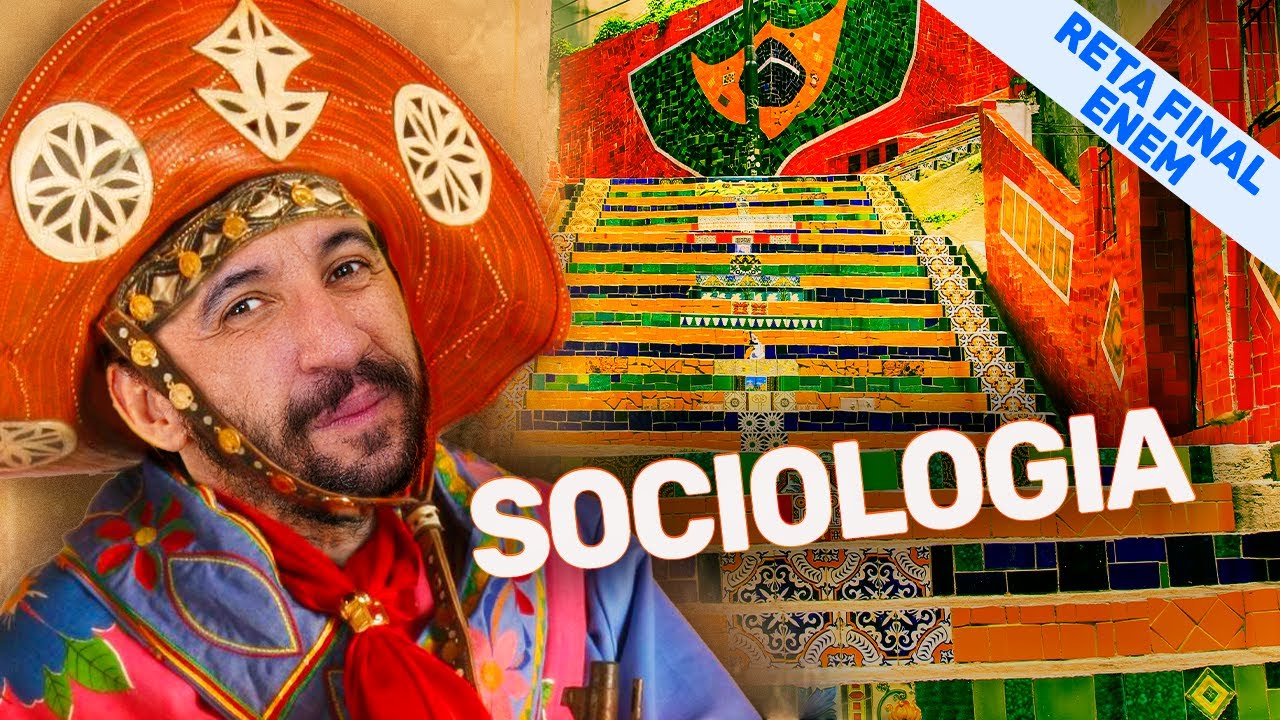
Cultural relativism, developed by Franz Boas, involves interpreting cultures without etnocentric judgment, understanding them through their own reference points. This replaces cultural inequality with cultural diversity - cultures are different but not better or worse. The first rule is that no culture is better or worse; each is what it is within its specific time and space. Bronisław Malinowski developed participant observation, complementing Boas's work. Indigenous peoples have freedom to choose their religious beliefs, but missionaries cannot impose religion on them.
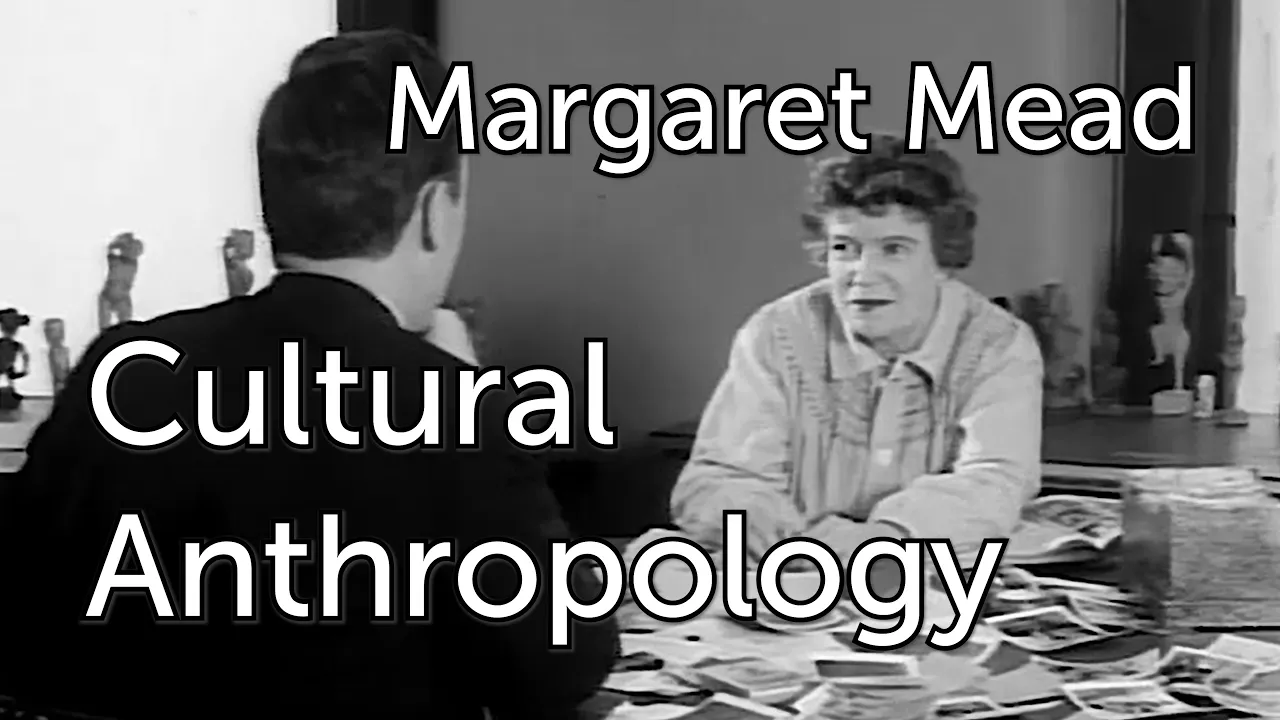
Anthropologist Margaret Mead challenges the Western notion of the 'happy savage' stereotype, explaining that indigenous peoples live in harsh environments and face significant challenges, while emphasizing that cultural ethos—the emotional tone of a society—varies significantly between groups and that anthropological study of diverse societies helps us understand human potential beyond our ethnocentric assumptions about how people can live, learn, and behave.

Anthropology teaches that no observer is entirely objective when studying cultures, as all observers bring their own cultural frameworks to interpretation. Margaret Mead's work demonstrated that anthropologists themselves are products of their own cultures, bringing biases to their studies. The danger arises when this awareness becomes an excuse for refusing to observe uncomfortable truths. Postmodernist approaches that emphasize cultural relativism can become tools for avoiding critical examination of one's own culture's flaws. Genuine anthropological insight requires acknowledging one's own cultural perspective while still striving for honest observation and analysis.

Ethnocentrism is the belief that one's own culture is superior to all others, using one's own cultural standards to judge other societies, which can lead to discrimination and harmful behavior; cultural relativism is the perspective that beliefs, practices, and values should be understood within the context of one's own culture rather than judged by external standards, promoting understanding and acceptance of cultural differences.
A basic comprehension of social organization, including how societies define roles, statuses, and social groups.

Social organization refers to how societies classify individuals into culturally constructed groups (social classification) and assign them statuses (publicly recognized social positions) with corresponding roles (rights and obligations). Statuses are categorized as either ascribed (assigned at birth, like race, gender, or caste) or achieved (gained through effort, like becoming a college graduate or leader). People belong to multiple overlapping social groups simultaneously, and these social structures shape individual identity and behavior while also being reinforced or challenged by individual actions.

Status refers to positions in society, while status sequence describes the series of statuses individuals attain throughout life. Role stereotyping assigns specific expected behaviors to social positions. Social groups differ from aggregates in having persistent interaction, sense of belonging, defined structure, common norms, and shared interests. Primary groups are intimate (families), while secondary groups are larger and more formal (workplaces). Social stratification creates hierarchical arrangements based on birth (caste system) or economic factors (class system). Caste is closed with endogamy, while class allows mobility. Social control operates through formal mechanisms (laws, institutions) and informal mechanisms (family, religion, peer groups). Role conflict occurs when expectations from different statuses are incompatible.

A social group is a stable collection of people who share distinguishing characteristics and may have common values and norms of behavior. Social groups are classified by size: small groups (families, school classes, friend groups, work teams) have direct personal interaction with each member, while large groups (all Russians, all Christians, all doctors in the world) cannot have direct personal contact with every member. Social groups are classified by seven criteria: religious, economic, professional, political, territorial, ethnic, and demographic (age and gender). Social groups are also classified as formal (with defined goals and regulated behavior) or informal (based on personal relationships). Small groups have three key characteristics: direct personal interaction, common needs and goals, and emotional connections. A marginal position refers to someone who occupies an uncertain position between stable social groups, such as when transitioning from one school to another, changing professions, or moving from rural to urban areas. An ethnic community (ethnos) is a historically formed stable group of people with common origin, culture, language, and self-awareness of unity. Ethnic communities develop through stages: clan, tribe, ethnicity, and nation. Social status is a person's position in society that grants specific rights and obligations, divided into ascribed (assigned at birth) and achieved (earned through effort) types. A social role is the expected pattern of behavior corresponding to a person's social status. Social control is the set of methods and techniques aimed at regulating social relationships to maintain order.
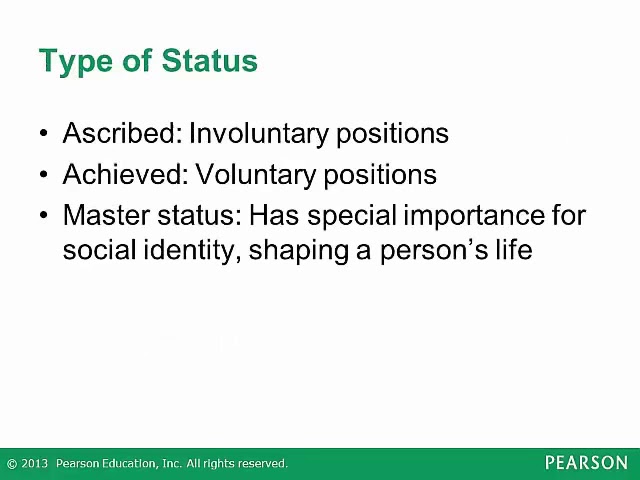
Status is a social position that defines our relationship to others, while role is the behavior expected of someone holding a particular status. Status sets (all statuses a person holds) and role sets (all roles attached to a single status) are fundamental building blocks of social organization. Statuses are classified as ascribed (involuntary, like being a teenager or woman) or achieved (earned, like being a college student or doctor). Master statuses (like job, illness, or gender) have special importance for identity. Role conflict occurs when roles from different statuses create tension, while role strain involves competing demands within a single status.

Social structure refers to interconnected elements making up society, including social systems, groups, institutions, and roles. Its characteristics are: integrated (all elements work together), not directly observable (requires direct observation of behavior), and stable but relatively changeable (changes slowly over long periods). Social status is a position or title in society (like teacher or doctor), while social role is the expected behavior associated with that status. Primary groups are small with close personal relationships (like families), while secondary groups are larger with more impersonal relationships (like workplaces).
Familiarity with the distinction between biological relations (consanguinity) and socially constructed relations (affinity).

Family can be understood in two ways: by consanguinity (blood relationship) and by affinity (spiritual connection). Consanguineous families are formed through biological processes, while spiritual families are formed through affinities developed before incarnation based on shared purposes and needs. Spiritual families are strengthened through purification and persist across multiple migrations of the soul. The video emphasizes that we can develop spiritual family connections with anyone who shares our spiritual journey, not just those with whom we share blood ties.

In civil law, relatives are classified by line of consanguinity (blood relationship) or affinity (relationship by marriage). Consanguinity refers to relationships by blood, while affinity refers to relationships created by marriage. The line of consanguinity includes direct line (descendants and ancestors) and collateral line (relatives who share a common ancestor but are not in direct line). The degree of relationship is calculated by counting the generations between the parties.

The video defines consanguinity as blood relations (direct family members) and affinity as relations through marriage (such as in-laws). The speaker explains that the law prohibits appointing family members up to the third degree of either type, meaning that even distant relatives or in-laws cannot be appointed to public positions by officials, as this creates potential conflicts of interest.

Consanguinity refers to a relationship by blood, while affinity refers to a relationship by marriage. When two people get married to each other with close and unacceptable levels of consanguinity or affinity, meaning they are too related to be in a marriage, the marriage is void regardless of how elaborate the wedding ceremony was. Even if they wore the best wedding gown, went to the best registry office, had a church wedding, held a big reception, and had children together, in the eyes of the law, both parties are considered jokers in a circus and the marriage does not exist.
Consanguineal relationships are based on blood ties (biological relationships), while affinal relationships are based on marriage (relationships formed through marriage). Consanguineal relationships include siblings and their children, while affinal relationships include in-laws.
Awareness of how qualitative research and ethnography are used by anthropologists to study human behavior and social systems.
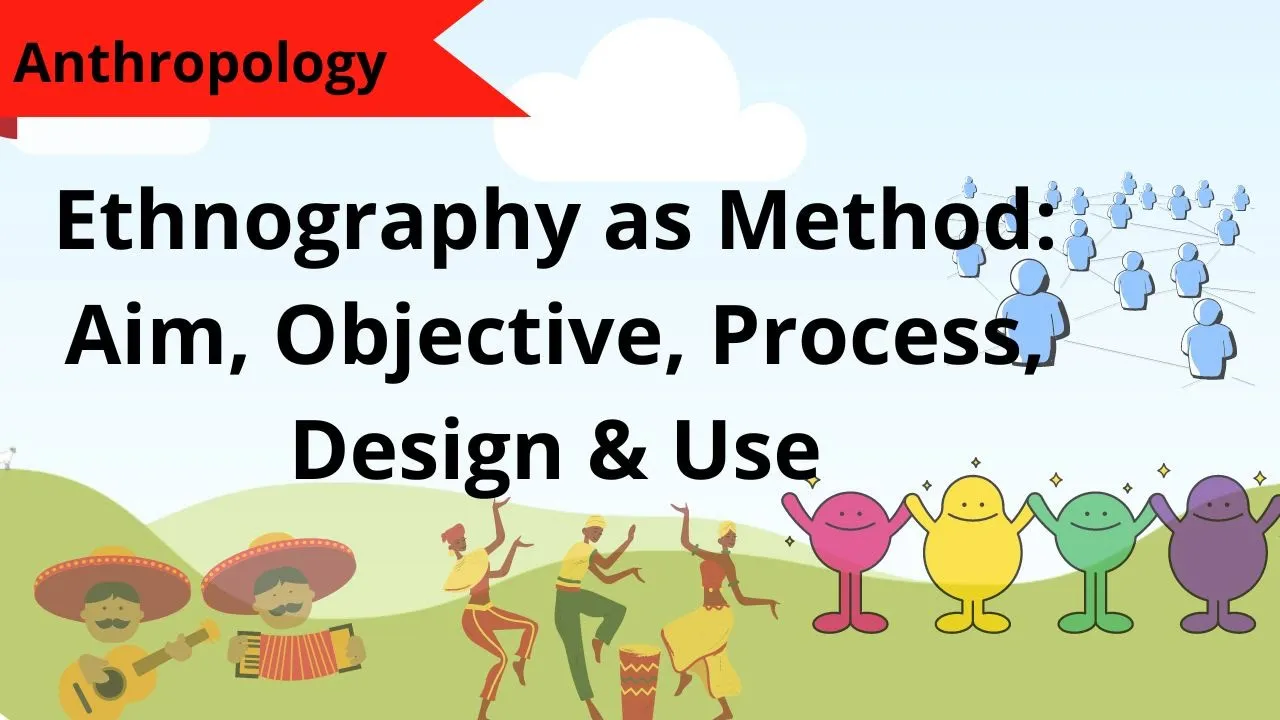
Ethnography is a qualitative research method in socio-cultural anthropology that involves immersive fieldwork to study human societies and cultures through systematic observation, conversation, and data collection, following a structured research design that includes topic selection, site choice, resource allocation, time sampling, trust-building, unbiased fieldwork, gender analysis, data recording, and theoretical framework development, ultimately serving purposes of knowledge generation, theory building, and policy making.

Qualitative research is a scientific approach that focuses on collecting in-depth, quality information to understand human behavior, attitudes, and experiences, prioritizing depth over quantity; it includes methods like case studies, ethnography (community-based close-field observation), historical method, and grounded theory, which help researchers explore phenomena, identify implicit belief systems, and generate meaningful insights about human nature, making it particularly valuable in psychology for understanding complex social phenomena that cannot be captured through quantitative methods alone.

Qualitative research involves studying reality within its natural context, analyzing data through researcher skills, and contributing to future generations. The five major qualitative research designs are: (1) Ethnography - studying cultures and practices through observation, (2) Phenomenology - exploring the essence of lived experiences, (3) Grounded Theory - developing new theories from data, (4) Case Study - in-depth examination of specific cases, and (5) Narrative Research - telling stories about individuals or groups. Ethnography, derived from anthropology and sociology, involves studying groups interacting in specific time and places to create comprehensive pictures of shared patterns including values, behaviors, practices, language, and beliefs. A critical requirement is that ethnography demands direct observation as its primary tool, and without direct observation, there is no ethnographic research. The researcher must immerse themselves in the field for extended periods to understand cultural practices.
Ethnography is a qualitative research methodology in anthropology that uses participant observation—long-term immersive living with and among people—to understand local knowledge, values, and practices from the native's perspective; it involves complete immersion in the real environment, observing daily activities without disruption to connect what people say with what they do, and uses social and cultural theories to scale understanding from small groups to larger populations, serving as a fundamental methodology for understanding societies in actual situations.

Ethnography is a qualitative research method where researchers immerse themselves in communities to study people's cultures, behaviors, and social structures through prolonged fieldwork; it encompasses four main types: realist ethnography (objective outsider observation), critical ethnography (highlighting inequality and advocating for change), autoethnography (centering personal experiences), and interpretive ethnography (understanding subjective meanings behind social behaviors).
Prerequisite Knowledge
- Concept 01An introductory understanding of cultural anthropology and the concept of cultural relativism to avoid ethnocentric biases when studying diverse family structures.
- Concept 02A basic comprehension of social organization, including how societies define roles, statuses, and social groups.
- Concept 03Familiarity with the distinction between biological relations (consanguinity) and socially constructed relations (affinity).
- Concept 04Awareness of how qualitative research and ethnography are used by anthropologists to study human behavior and social systems.
Subsequent Learning
- Step 01In-depth analysis of major anthropological debates, specifically Descent Theory (Radcliffe-Brown) versus Alliance Theory (Lévi-Strauss).
- Step 02Exploration of 'New Kinship Studies,' focusing on how modern technologies (like IVF and DNA testing) and diverse family structures (LGBTQ+ families, transnational adoption) reshape traditional definitions of relatedness.
- Step 03Investigation of the intersections between kinship, political power, gender dynamics, and property inheritance laws in state and non-state societies.
- Step 04Application of kinship diagrams and terminological systems (e.g., Hawaiian, Iroquois, Sudanese systems) to analyze specific ethnographic case studies.
Kinship Intro
0:00- 1
Introduces kinship as a core anthropological concept and begins a guided genealogy exercise.
- 2
Instructs viewers to draw family trees using standard symbols: triangles for males, circles for females.
- 3
Explains the purpose is to develop a practical skill for understanding social relations.
David Schneider’s Critique and the 'New Kinship Studies' (Relatedness)
While traditional kinship theory relies heavily on formal genealogical charts, biological descent, and structural rules of marriage, this approach has been deeply challenged. In his seminal 1984 critique, anthropologist David Schneider argued that traditional kinship is an ethnocentric Western construct that falsely assumes all societies prioritize biological reproduction. He demonstrated that many cultures define connection through shared food, land, or spiritual ties rather than blood. This critique birthed the 'New Kinship Studies,' spearheaded by scholars like Janet Carsten, who introduced the concept of 'relatedness.' Instead of analyzing rigid, static structures, this perspective focuses on how relationships are dynamically constructed through daily practices of care, substance sharing, and emotional bonding. Additionally, feminist and queer anthropologists have critiqued traditional kinship for its heteronormative and patriarchal assumptions—specifically the portrayal of women as passive assets exchanged in marriage alliances—proposing instead a focus on 'chosen families' and diverse, non-biological support systems.
In-depth analysis of major anthropological debates, specifically Descent Theory (Radcliffe-Brown) versus Alliance Theory (Lévi-Strauss).

Descent theory: descent generates kinship as basis of social structure (Radcliffe-Brown). Alliance theory (Levi-Strauss, Dumont, Needham): marriage alliances create kinship nucleus. Durkheim's theory: society worships society. Sacred domain is product of group consciousness seen in totems. Sacred is non-utilitarian, feared, respected; profane is everyday life. Animism (everything has soul) represents deep ecology, not irrationality.
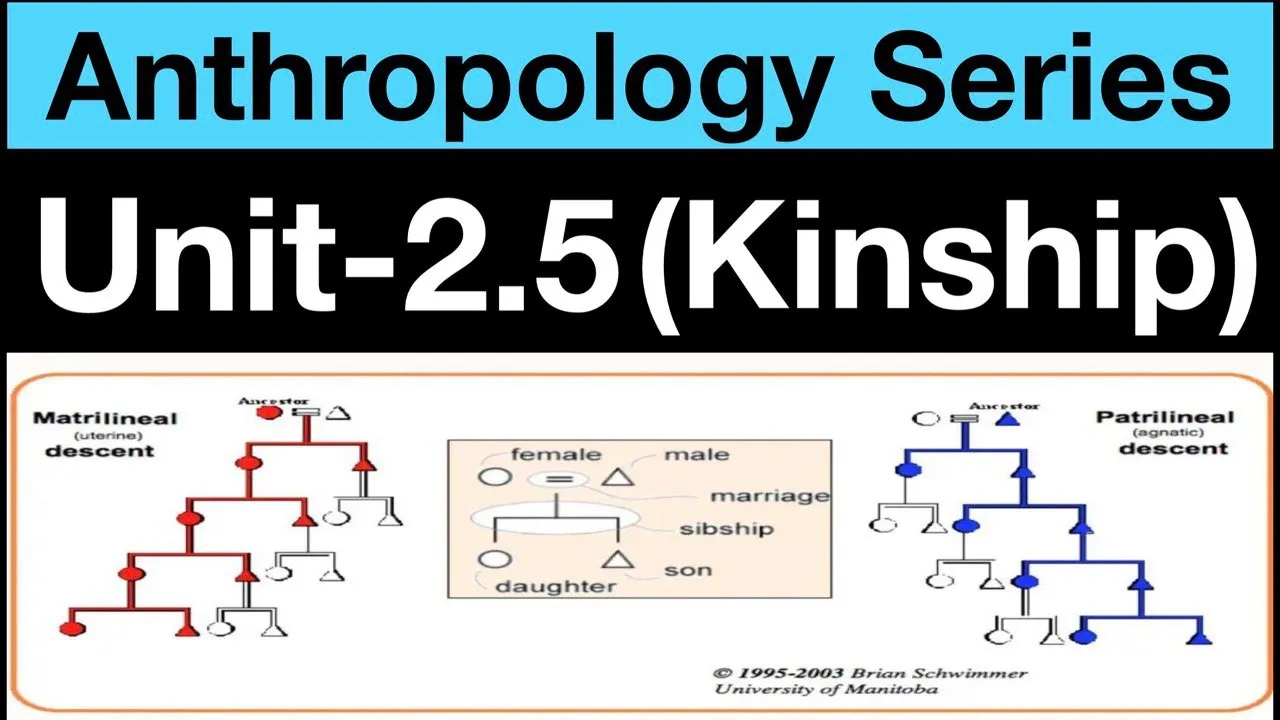
The study of kinship evolved through influential thinkers. Lewis Henry Morgan developed evolutionary theory proposing stages of social development. Radcliffe Brown applied structural-functional analysis focusing on corporate roles of descent groups. Edmund Leach contributed studies of alliance systems and social action. The descent versus alliance theory debate addresses whether biological descent or marriage alliances are more fundamental to social cohesion. Descent theorists (Morgan, Radcliffe Brown) argue descent groups provide primary basis for social structure, status, and property transmission. Alliance theorists (Lévi-Strauss) emphasize marriage creates essential bonds transcending biological ties, with women exchanged between groups as political and economic alliances. Restricted exchange involves symmetrical exchanges where brothers marry sisters; generalized exchange involves asymmetrical patterns. These debates shaped anthropological understanding of social organization.

Descent theorists believe descent is the basis of society, while alliance theorists (like Levi-Strauss) believe alliance (exchange of women) is more important. Levi-Strauss's alliance theory proposes that marriage creates longer cycles that integrate society. The question of which is right can be answered by saying both work together to create society.

Descent theory distinguishes bilateral kinship from unilineal systems (patrilineal or matrilineal). Filiation establishes parent-child bonds, while descent determines group membership through a common ancestor called a lineage. Lineages often become corporate groups with defined identities, rights, duties, and behavioral codes. Alliance theory, developed by Levi-Strauss, emphasizes relationships created through marriage and the exchange of women between groups, rather than blood ties alone.

Descent theory (Leach) emphasizes that kinship groups are primarily based on blood relations and descent, which is particularly effective in societies with negative marriage roles. Alliance theory (Radcliffe-Brown) emphasizes that kinship groups are primarily based on marriage alliances, which is particularly effective in societies with positive marriage roles. Both theories provide complementary perspectives on understanding kinship systems.
Exploration of 'New Kinship Studies,' focusing on how modern technologies (like IVF and DNA testing) and diverse family structures (LGBTQ+ families, transnational adoption) reshape traditional definitions of relatedness.

Kinship is fundamentally a social practice rather than merely a biological inheritance, as demonstrated by ethnographic research on LGBTQ families, surrogacy, and transracial adoption, which show that family bonds are formed through choice, commitment, and social recognition rather than solely through blood relations or reproduction.
Kinship in anthropology extends beyond traditional biological and marital ties to include fictive kinship formed through shared residence, emotional bonds, choice, and social practices; examples include Langkawi villagers who consider outsiders as kin through shared living and eating, Jewish communities recognizing artificial insemination children as citizens despite religious objections, Southall's Asian communities calling each other 'cousins' across ethnic lines, battered women forming lasting sisterly bonds in shelters, and LGBTQ+ communities creating chosen families through deliberate selection.

Anthropologists have long studied how kinship and family relationships are socially constructed rather than purely biological. Traditional notions of family based on genetic connection are increasingly being challenged by reproductive technologies that separate genetic, gestational, and social parenthood. This means that what we consider 'natural' family structures are actually cultural constructs that can be modified through technology. Understanding this helps families navigate the unique relationships created by donor conception, surrogacy, and other reproductive technologies.
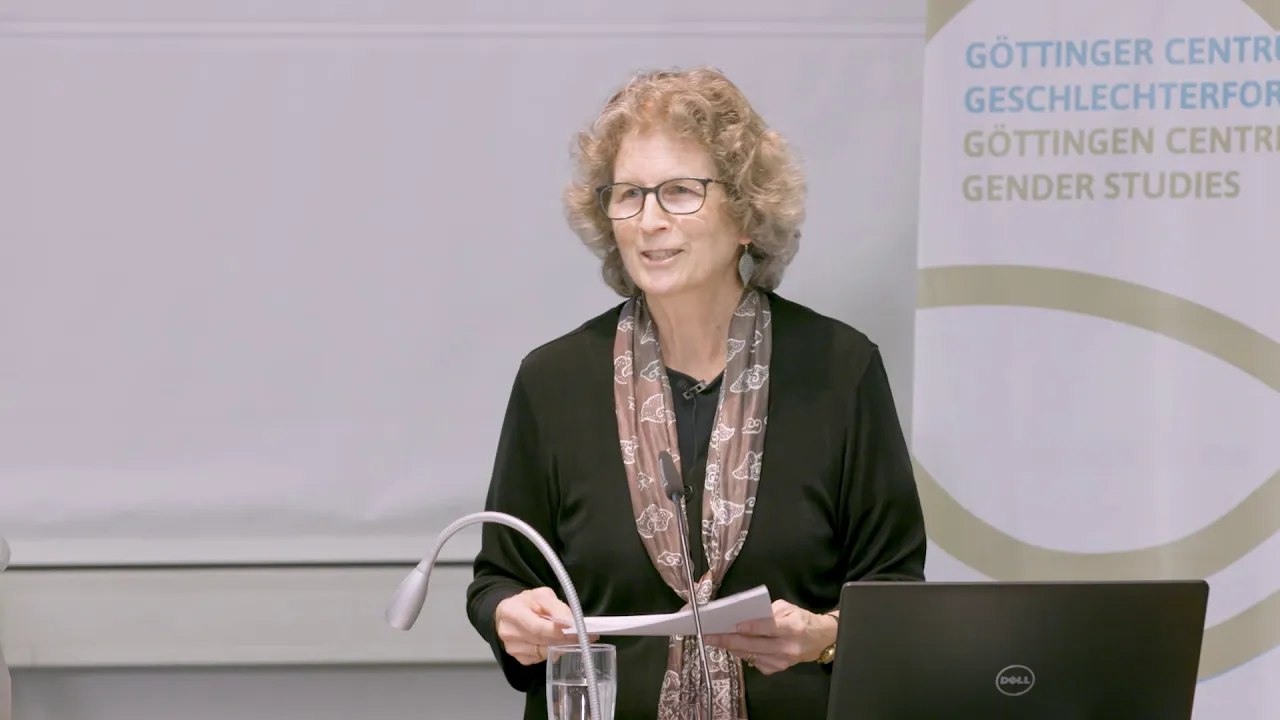
Kinship is not a natural or given phenomenon but a technology requiring processes of naturalization to obscure its contingency and constructedness. All families, including adoptive families, are both technologies of kinship and real, helping expose the constructedness of all families. Adoption as a technology of kinship often depends on and perpetuates social injustice while preying on the vulnerable. Genealogical bewilderment is produced by cultural narratives of race, citizenship, and belonging, not biological instinct. The confusion of genetic connection with family represents a new form of genealogical bewilderment produced by genetic technology rather than solved by it.
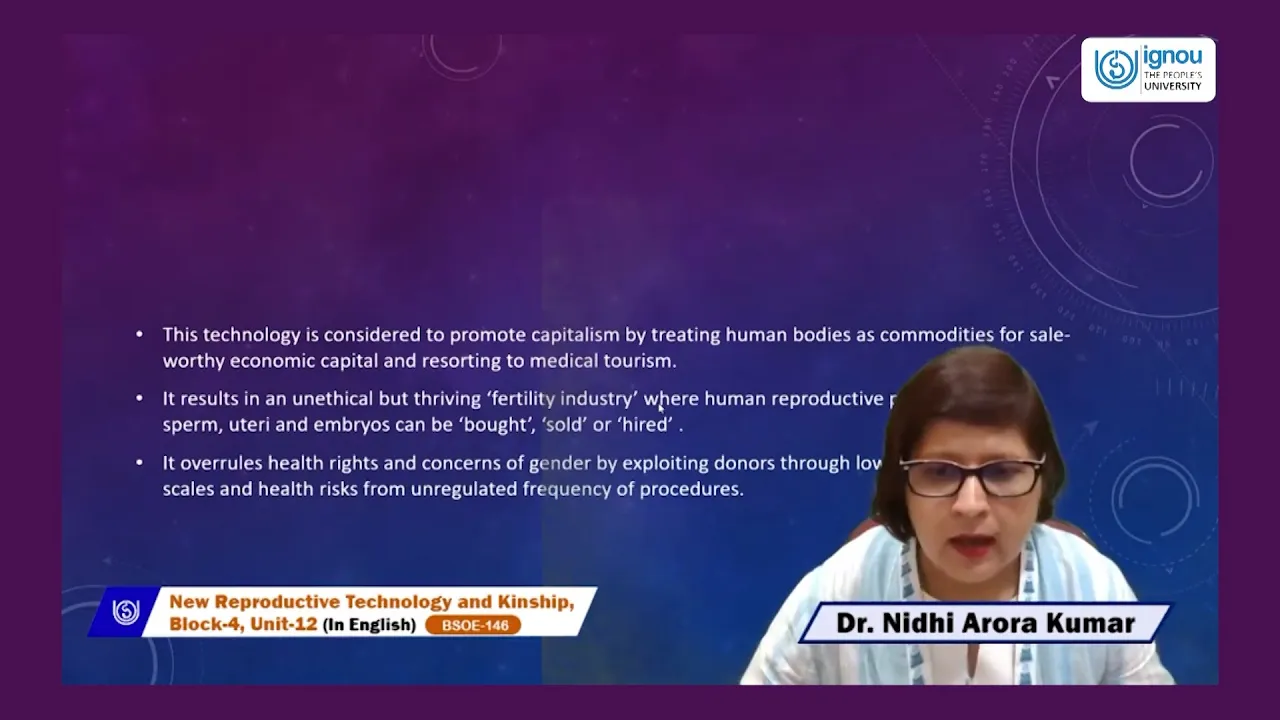
New reproductive technologies (NRT) are fundamentally transforming traditional kinship systems by challenging the biological and social foundations of family, motherhood, and parenthood; these technologies enable family formation beyond natural conception through methods like IVF, surrogacy, and artificial insemination, thereby redefining kinship boundaries and challenging cultural constructions that previously relied solely on blood relations or marriage alliances.
Investigation of the intersections between kinship, political power, gender dynamics, and property inheritance laws in state and non-state societies.

Ego refers to the person concerned (myself). Local refers to residence where married couples stay (patrilocal means staying with groom's father, matrilocal means staying with bride's family). Lineal refers to inheritance and succession (patrilineal means inheritance through father to son). The Hindu Succession Act allows daughters to inherit property, which has significant social and economic consequences. In traditional patrilineal societies, there is often disparity in property holdings between genders. The law aims to break this disparity by giving women equal inheritance rights.
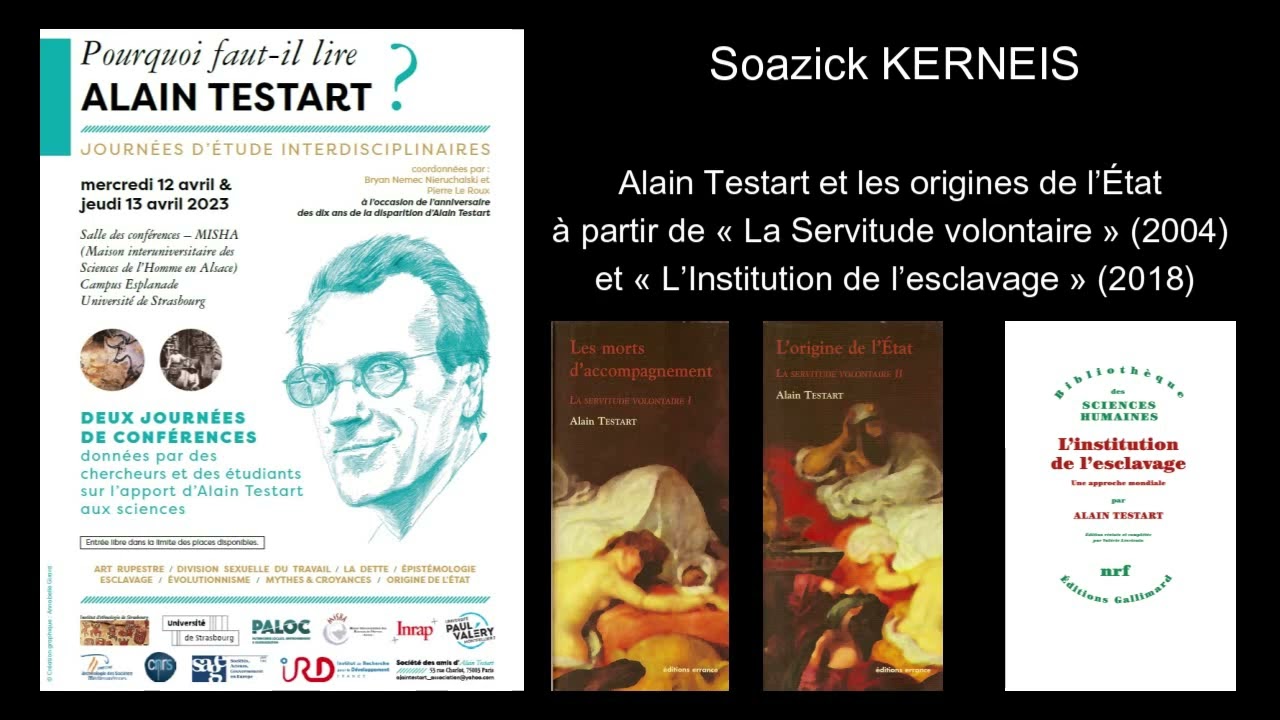
Alain Testart defines law as the ensemble of norms and principles fixing individual limits and linked to political power. In state societies, law is what state-created instances state, sanctioned by the state, and constraining the state itself. In non-state societies, law is an analogous ensemble linked to political power as it exists there, with sanction power distributed among groups having access to violence rather than monopolized. This definition challenges the dominant view holding vengeance as antinomical to law, arguing instead that vengeance constitutes a sociological law in non-state societies. Testart applies this framework to Australian Aboriginal law, showing how the Dreamtime myth functions as a penal code—a collection of absolute public rules requiring collective sanction when transgressed, demonstrating that non-state societies possess genuine legal systems.

Kinship systems fundamentally shape resource distribution and gender inequality. Patrilineal inheritance promotes male kin cooperation for defending valuable resources like agricultural land, concentrating property in sons and often requiring daughters to move to new households where they start at lower socioeconomic positions. Matrilineal systems may pass inheritance through female lines to either sons or daughters, with women often maintaining stronger ties to maternal kin throughout life. Comparative research on Moso communities in China reveals that women's health outcomes are worse in patrilineal contexts compared to matrilineal ones, supporting arguments that matrilineal systems promote greater gender equality. However, significant variation exists within each system type, and bilateral kinship systems also tend toward greater equality. These patterns reflect how inheritance practices, residence rules, and resource defense mechanisms interact to shape gender dynamics across human societies.

Patrilineal kinship identifies individuals through their father's side, clarifying identity during disputes. Female inheritance laws in male-dominated societies lead to constrained marriage norms, particularly cousin marriage, which pools land parcels to reduce fragmentation. This occurs because pooling resources with outsiders is costly due to imperfect land markets in developing countries where over 50-60% of land transfers occur through inheritance. Female inheritance reduces women's economic participation through stricter gender norms and income effects that reduce participation in blue-collar jobs. Kinship intensity is defined by five elements: cousin marriage permission, polygyny, co-residence with extended family, lineage organization, and community organization. High kinship intensity leads to lower social capital including higher corruption, lower trust, and reduced cooperation. Exogamy (marrying outside one's group) is linked to higher innovation because diverse social environments foster cooperation with strangers. High kinship intensity creates political economy outcomes including nepotism and corruption, as individuals feel obliged to favor family members in governmental and business positions. High kinship intensity societies rely on informal financial networks like the 'susu' system in Jamaica, which do not scale to larger financial institutions. High kinship intensity reduces business productivity because hiring is based on family relationships rather than merit, creating smaller pools of potential employees who may have lower productivity than the best available candidates.

Kinship and gender are major topics in cultural anthropology and social sciences. Kinship is often difficult to teach and painful for students to learn because other cultures' ways of measuring relatedness are completely foreign to Western audiences. Kinship is the single most important relationship anthropologists examine worldwide, determining inheritance patterns, marriage patterns, residency patterns, political affiliation, and economic position. It directly influences how people make decisions about sharing food and resources in various societal strategies including foraging, horticultural, and industrialized societies.
Application of kinship diagrams and terminological systems (e.g., Hawaiian, Iroquois, Sudanese systems) to analyze specific ethnographic case studies.

The sixfold classification of kinship terminology systems (Eskimo, Hawaiian, Iroquois, Sudanese, Crow, and Omaha) was developed by L.H. Morgan through comparative anthropological studies. This classification is based on several key criteria: (1) the type of descent traced (patrilineal or matrilineal), (2) marriage practices among cousins, and (3) generational organization. The Hawaiian system is particularly distinctive as it uses a single term for all same-sex relatives, similar to how English uses 'uncle' for both maternal and paternal uncles.

Kinship terminology systems reflect cultural values: (1) Eskimo system - distinct terms for nuclear family members, broad terms for extended relatives (common in Western societies), (2) Hawaiian system - same term for all relatives of same generation and gender, (3) Sudanese system - unique terms for each relationship (common in Arabic, Turkish, Chinese societies), (4) Omaha and Crow systems - distinguish between parallel and cross cousins differently. Alliance theory (Lévi-Strauss) argues kinship is structured by reciprocal exchanges and alliances between groups, based on principles of reciprocity and incest taboo, emphasizing that kinship is fundamentally about creating social bonds between groups.

Morgan identified six basic patterns of kinship terminologies. Hawaiian kinship only distinguishes sex and generation, using same terms for siblings and cousins. Sudanese kinship distinguishes siblings from cousins with different terms for each type. Eskimo kinship distinguishes lineal from collateral relatives. Iroquois kinship distinguishes siblings of opposite sex in paternal generation, grouping siblings with parallel cousins. Omaha kinship distinguishes maternal and paternal sides, grouping father's matrilineage relatives. The sixth pattern groups mother's patrilineage relatives. These systems vary culturally and provide insights into how societies view kinship relationships.

Anthropologists identify six major kinship terminological systems, with Eskimo, Iroquois, and Hawaiian comprising 70-80% of human societies. The Eskimo system emphasizes nuclear family with distinct terms for paternal and maternal relatives, used in European and American cultures. The Iroquois system emphasizes the paternal line, using same terms for father and father's brother, and for mother and mother's sister, making distinctions between lineage members and outsiders. The Hawaiian system is simplest, using 'father' for all older men and 'brother/sister' for all same-generation peers regardless of biological relation. These systems reflect underlying social structures and serve practical functions like determining blood money payments in Germanic societies, where cousin-counting systems once determined compensation for murder based on degree of kinship.

Kinship terminology systems classify how different cultures categorize family relationships, with major systems including the Eskimo (cousins as separate from siblings), Hawaiian (cousins as siblings), and Omaha (cousins as siblings only for certain relatives) systems, where terminology reflects social organization, descent patterns, and cultural values rather than biological relationships alone.
Kinship Intro
0:00- 1
Introduces kinship as a core anthropological concept and begins a guided genealogy exercise.
- 2
Instructs viewers to draw family trees using standard symbols: triangles for males, circles for females.
- 3
Explains the purpose is to develop a practical skill for understanding social relations.
David Schneider’s Critique and the 'New Kinship Studies' (Relatedness)
While traditional kinship theory relies heavily on formal genealogical charts, biological descent, and structural rules of marriage, this approach has been deeply challenged. In his seminal 1984 critique, anthropologist David Schneider argued that traditional kinship is an ethnocentric Western construct that falsely assumes all societies prioritize biological reproduction. He demonstrated that many cultures define connection through shared food, land, or spiritual ties rather than blood. This critique birthed the 'New Kinship Studies,' spearheaded by scholars like Janet Carsten, who introduced the concept of 'relatedness.' Instead of analyzing rigid, static structures, this perspective focuses on how relationships are dynamically constructed through daily practices of care, substance sharing, and emotional bonding. Additionally, feminist and queer anthropologists have critiqued traditional kinship for its heteronormative and patriarchal assumptions—specifically the portrayal of women as passive assets exchanged in marriage alliances—proposing instead a focus on 'chosen families' and diverse, non-biological support systems.
Up Next

India-Japan Travel Narratives: Tourism, Otherness, and Visual Culture
@mombushoscholarsassociaton3666
309 views•2026-02-07

Astrobiology Through an Anthropological Lens: Field Insights
@georgiatechastrobiology
128 views•2021-04-14

Moral Economy Explained | Anthropology Concepts
@NicholasHerriman
11.6K views•2013-02-21

Psychology of Internet Trolling and Pranks Explained
@AzzyLand
10.7M views•2017-12-20
Related Study Plans & Knowledge Roadmaps
Structured learning paths in Anthropology