


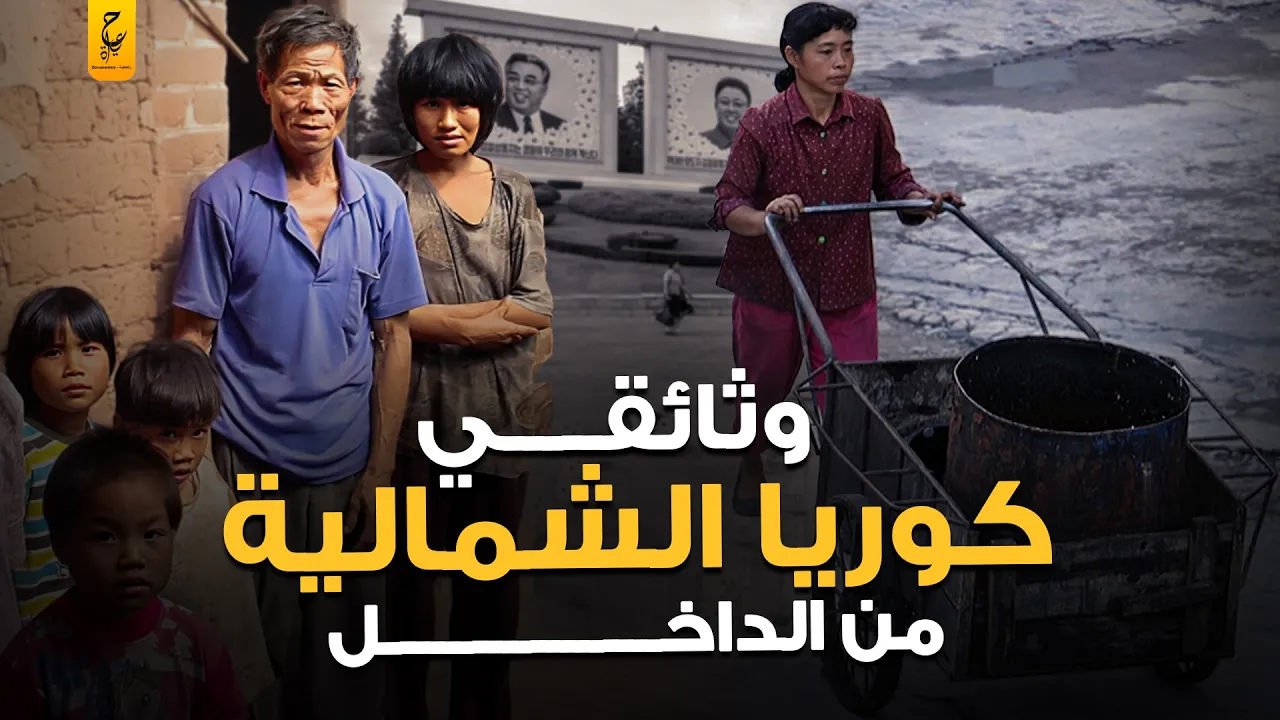


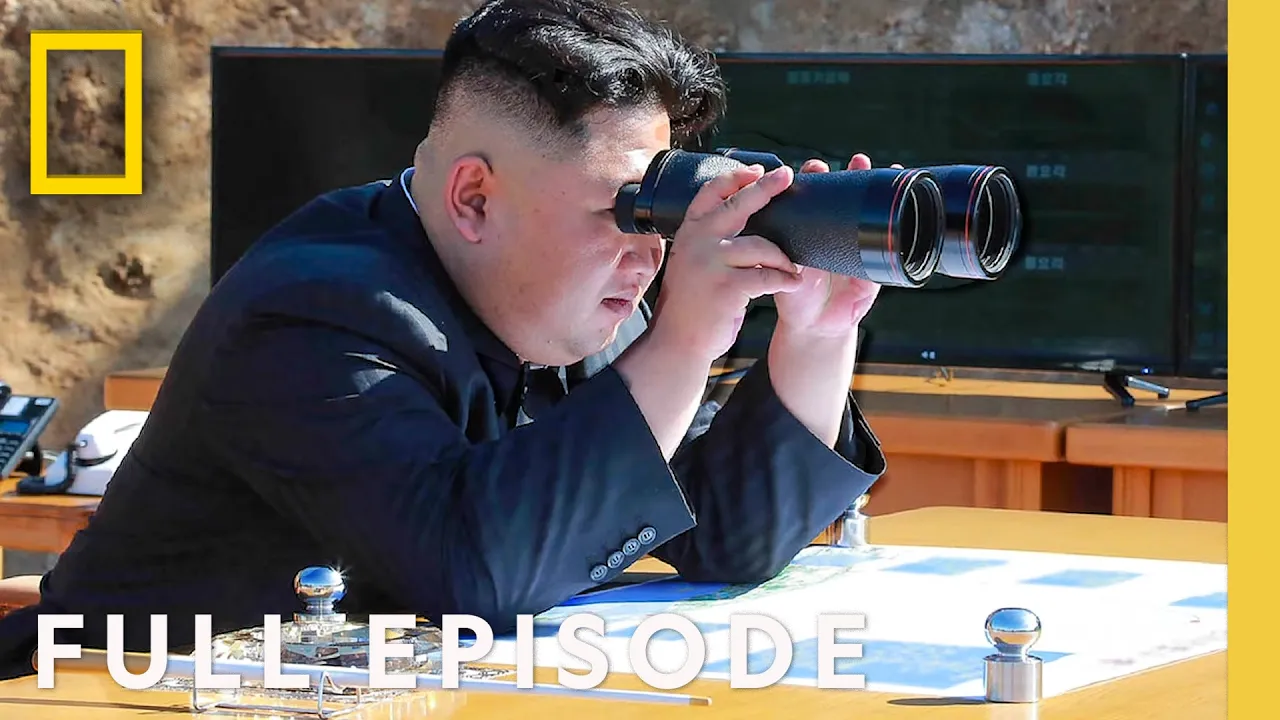










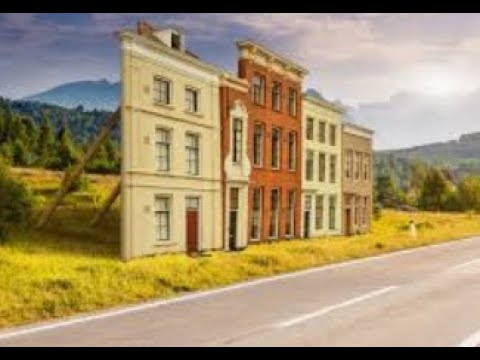













North Korea is the world's most isolated country, requiring visitors to travel through organized group tours with mandatory briefings that emphasize strict rules including prohibitions on photographing construction, discussing leaders, or leaving the tour group, with severe consequences for violations; the country maintains a stark contrast with South Korea, featuring a controlled society where only the leadership lives well while ordinary citizens face significant restrictions and challenges.
North Korea Travel Insights: An American's 2017 Pyongyang Experience
Added:The historical division of the Korean Peninsula post-World War II and the unresolved status of the Korean War.
The state ideology of 'Juche' (self-reliance) and the totalitarian political structure established by the Kim dynasty.
The geopolitical climate of 2017, marked by severe tensions between the United States and North Korea regarding nuclear testing.
The concept of 'Potemkin spectacles' or staged state-controlled tourism designed to project a favorable national image.
The implementation and diplomatic impact of the 2017 U.S. State Department ban on travel to North Korea.
Comparative analysis of state-run propaganda and surveillance techniques used by other historical and modern authoritarian regimes.
Study of North Korean defector testimonies to compare the curated capital of Pyongyang with the socioeconomic realities of rural provinces.
The role of information dissemination operations (e.g., smuggling foreign media via USB drives) in challenging state narrative control.
42.7K views2.7Klikes23:42Original Release: 2024-02-28
what's going on clutch what up what up what up it's your boy du it's your boy Ross and we in the clutch baby hey back to you ladies and gentlemen with another video today you feel me all right we got a video by Drew Blinky uh pick this one I did pick this one cuz this is the guy that be always going to these places and finding themselves in what's his name Drew BL blinski I said just try to sound it out blinski I said BL said BL BL blinsky or I don't know I don't know you may pronounce it bliny I don't how you spell it it's right there b l i I can't see it like you cuz you block oh oh SK y so I don't I don't know I think it's blinsky I don't know I don't know it could be anywh who this is the guy that always goes around traveling the world and it's it's pretty dope but he kind of finds themselves in uh dangerous situations well apparently a few years ago he went to North Korea of all places now we know he's obviously all alive and well because we've seen some of his recent videos but the question is how did this happen and down yeah what went down because you know we've seen I think a few videos uh of people you know they're very strict over there in North Korea they don't play that [ __ ] so I'm it's going to be very interesting to see what he did to not get arrested and get put into a goddamn camp for the rest of his life so we're going to find out maybe Kim watches YouTube you know what maybe he does someone said maybe he knows Dennis robman that could be a thing too so all right we're GNA see what type of plugs he got cuz he got to have some type of in inside information let's [Music] get about three and a half years ago I spent three nights and four days in Pyongyang North Korea at the time it was my 104th country and I had just started making videos I think it was my fourth or fifth video overall that I made on my channels and much to my surprise that video had over 10 million views and it was really uh a game changer in terms of my content creation and getting to where I am today back then I was truly an amateur filmmaker taking barely usable footage and I feel like if I had the chance to go again now then I'd be able to tell a much more convincing and cinematic story but unfortunately North Korea is completely closed for US Passport holders in fact I'm one of the last Americans to Ste foot in the Country 2 months after I left uh there was an unfortunate situation which I'm sure you guys have heard about on the news and that led to all Americans being banned until today thankfully through social media I was able to connect with some of you generous people out there who have been to North Korea and who are kind enough to send some of your footage which will help me retell my story and relive the moment experiences through North Korea which I'll be sharing with you in today's video for some background context I lived and taught English in South Korea for 2 years after I graduated from University in 2013 and I lived in a small village about 40 Mi south of seou and during those two years I really uh immersed myself in Korean culture I learned the Korean language I got a black belt in Tech Mond do I made many Korean ass yo this [ __ ] is living life damn that's the definite he is living life y'all living his life like his golden he is living life y'all bro when a [ __ ] said that was my 104th country I had been to at that time this video is like two years ago oh redhead Eminem is an inspiration is it safe to say that he learned taquan though not ta someone said fun fact Kim Jung is friends with Steven Sagal because of his movies another fun fact Steven Sagar has a ree song with a fake accent called strut for uh his first lines are me want the punani this n dropping some factoids that I didn't know gotta fact check that that's wild part the light and soul and I just really soaked in the beautiful atmosphere of South Korea it was my still one of my favorite countries in the world and I've always been curious about what life is like up north because believe it or not before 1953 there was only one country called Korea there was one Korean Peninsula speaking one language one connection one family chain and unfortunately through war that all changed making North Korea the most isolated country in the world but when I had the opportunity to visit I jumped on it because I saw it as a really unique trip and uh it certainly was so first off the way way to get into North Korea for anyone you have to go on an organized group trip I went with a company called Coro tours there are a couple other companies that go North Korea but before you go you have to attend a mandatory briefing in China mine was in Beijing some of them are in Shanghai or other cities and basically they run through uh all the dos and don'ts of what you can and cannot do in North Korea 99% of it is the don'ts because it's very it is Bo you better be taking so don't do this don't do this don't do this don't do this don't do this one class you got to pay attention in three hours later don't do this don't do this what can I what can I do Breeze right that's all you can and don't do that too loud or gon they gonna catch wind of it facts bro so you can't go in in there you know listen to some [ __ ] NBA young boy it's over bro oh you oh you definitely can't go over there talking about LeBron James got talk about Jordan go over there or go over there talking about I'm I'm them oh no [ __ ] is only male and female the end there's no they there's no them there's no it don't identify as an animal don't identify as a device you better identify as a male and or female or you're gonna identify as someone's slave in a slave that's what your identification gonna be play four S two one yeah no they don't play that [ __ ] holy stct um and if you break any of the rules you will face severe consequences uh quickly the rules are you cannot speak of the past current or Future Leaders uh it's a big no no uh you cannot take any pictures of construction because it looks like the country is not perfect and you must not leave the tour group at any time unfortunately that's just the rules as much as we all want to just wander around that is not really the case in North Korea you have to abide by the rules and it's really really strict if you take any pictures of the leaders uh like statues or or pictures they have to be in the full frame of the camera you can't cut off their face hey guys before Dam bro [ __ ] oh yeah let me go ahead and upload this bad boy they he knock on the door hey why that [ __ ] why the [ __ ] finger cropped out get out of here that picture wasn't full frame sir I'm going to need you to come with us real quick come on I can fix it it's too late it's too late you was warn we told you make sure our leaders are seen fully you cropped out half of his finger you're going to jail for the next 30 Years say goodbye to your family you're GNA be a slave that's [ __ ] up bro can I just undo it no man nope it's too late too late picture the right way dive deeper into this North Korea story I want to tell you about the sponsor of today today's video which is skillshare skill share is an online community skill that you want from your fingertips I would never the best platform being said let's jump back in to today's story so I arrive in Shanghai meet the other group members there was I know maybe 40 or 50 people in my group I was definitely the only American um I was really nervous this was before I had been to other intense countries so imagine if he was black boy I'm I'm watching through him we're in Korea right now you black and in North Korea they Hey sir you can't even come over here what you doing sir don't even look this way what get him out of here send him away wait for some feeling for some reason I feel like he's resisting first one so I didn't really know what to expect um and I remember the feeling of being extremely anxious as I was there in China all right we are getting ready to board our flight to Pyongyang where are we going Jeremy North Korea North Korea the tour company that you sign up with will get you the Visa so basically you don't have to do any paperwork beforehand they give you this little blue passport visa thing and you carry that with you the whole trip in North Korea so it's all set and the tour price includes roundtrip flights from Beijing to pongyang and back so that's pretty much all for the preparation and then the flight to get there you're on like a 1960 Soviet airplane on Coro Airlines it's the hell no bro no sir you might as well be flying Spirit at that point yeah cuz you going to be in the spirit cuz way these [ __ ] Ain't Got updated planes bro what is this why am I flying in a plane that's that was built in the 60s bro [ __ ] check engine light been on for 30 years ask W to carry y'all you know what he ain't have to worry about it he a't have to worry about no plane just got an alien back could you imagine if they would have dropped his ass off in North Korea Kim like off like yo what's good bro well well his story would have ended yeah his story his story would have been over them that been a short Mr balling video yeah the alens was like oh damn we [ __ ] up I don't think we can get him out of that one I me we could but we probably not going to let's find another chosen one yeah like Chosen One only North Korean Airline and they give you this really nasty burger to eat on the plane and it's really interesting uh the flight I felt like we were going to crash out of the sky but sure enough we landed in North fla and got my passport stand we made it it was on for one of the most life-changing trips and eye opening trips that I've ever taken so quickly to recap um the four days that I had there you're on a bus right and so you're toing around with people you have a local tour guide and another tour guide within the company and you do the same kind of loop around pongyang and yes it does feel very staged they're only taking you to areas that they want you to see is completely understood but it's also the same case in Turkmenistan and Atria and some other countries around the world so that's just a way that is in North Korea we visited all the main squares the plazas uh we went to some restaurants um it's not really that exciting it's always dark and gloomy and and there's a lot of people out walking around but I always curious like where are they going because there's no street signs like you don't see like hospital or or market like maybe people just know where they are um but it's really strange you just have like all these big buildings most of them are empty uh one of the tallest hotels in the world is this pyramid thing and it's completely empty inside so you do get this really weird feeling that so it's just all for show yeah that's all it is people to make it seem like oh [ __ ] good over here when really [ __ ] out here struggling that's it that's why they don't want you to go to certain places they only want you to take pictures of buildings that are already up because if they want you they want it to look like oh [ __ ] is bustling over here no it's not these [ __ ] buildings is empty they might as well just be cardboard basic all fake yeah no it's that's that's wild creepy movie yeah the only people that's living good is Kim Jong-un himself and his family that's the only [ __ ] really living good everybody you can tell he well let me stop bro let me stop I'm stop all right bro I was about to go how many times do we have tell you old man it's going to be more than a my light it's going to be a tactical nuke in [ __ ] hey whoa bro how far are you from me you good bro unless it's one of them big nukes then I don't know you just need to chill bro I don't think my car gonna be fast enough to out run that [ __ ] right it's following me d h oh word oh click that's cold I mean that's cold bro what the hell I'mma do hey I don't know man help me bro got yourself into this everything is staged but you really don't know because there's no facts about it uh this is all just speculation we went to several museums which were extremely biased anderic number it was still really interesting to go and and uh learn about it my favorite part about uh my trip nor went during the annual pongyang Marathon so it's a normal Marathon that goes through the streets of pongyang and you have international Racers uh I remember the winner was from Kenya but there were people representing over 50 countries that come to Pyongyang this weekend to run in the marathon I'm not a runner so I signed up for a 10K but I saw it as a unique opportunity to be away from the tour guys only for this 4-Hour period and kind of walk uh in the streets and talk to the people on the sidelines and that's exactly what I did and it was really cool because I can speak Korean as I told you it's the same language in it's a little bit different but the the roots are the same and so I was high-fiving kids on the street talking to them how are you I told them I'm from the states and and how do you feel about meeting an American and that was really the coolest experience for me was to be on my own in the streets of Pyongyang talking to North Koreans and then after the marathon everybody was celebrating drinking beer from vendors on the streets so it was a very festive atmosphere and something that um I surely didn't expect in North Korea but that was very very memorable for me was running in the marathon my other favorite experience in all of pongyang was taking the metro so actually in pongyang it's the deepest underground public transportation system in the world W literally takes like three full minutes on an escalator to go from street level all the way down and like these bunkers 3 minutes is that's a full song you listening to a full song on one escalator escalator escalator escalator e right bro it's like but you hear what he said it's like a bunker style so cuz I mean that's you know if some [ __ ] start popping off everybody just hop on the escalator yeah and they just stay down there for a while cuz that's bro that's a long way down three minutes that's a long time to be on the escalator bro that is a very long time bro and if you looked at the the clip you can see look how far look at that yeah bro it's s like look look at this it's just endless it literally takes like three full minutes on an escalator to go from street level all the way down until you reach like these bunkers which are I believe Soviet built they go system and we took six or seven stops um and it was the coolest experience just to be completely immersed in North Korean culture with people living their daily lives and yes we got a lot of stairs and everything but that was really a memorable experience for me our hotel once you get to the hotel at night uh around 700 p.m. they lock the doors and you are not able to leave at all for any reason but thankfully the hotel has really nice views a revolving damn you can't go nowhere them [ __ ] lock you in good night like no fam I didn't know it was supposed to work like that I thought the lock was on the inside nah don't don't come out cuz I'm going fill you can get in if you want to that's cool no don't bring your ass out that's exactly looking at him like help me don't bring your ass out if you if you want to go ahead we warned you broke the rule broke the rule restaurant on the top pool table bowling alley TVs no internet it was really like didn't need to go anywhere else when he got to the hotel so that kind of sums up my experiences on the ground in North Korea I always reflect on my trip there and thinking about I was so young and naive at the time but it was just surreal to to think about actually walking on the streets of the world's most isolated country a few other times I was able to interact with uh North Koreans specifically in my hotel and in some of the other restaurants around town uh you were able to talk to them one-on-one some of them even speak English because they learned in the the universities there but overall you're mostly with the group and and having this really um surreal experience together and if the question ever comes to me Drew what is the most interesting country in the world it is without question North Korea it's extremely interesting very isolated you don't know nothing about it h very depressing nobody's really happy walking around they look down at the ground they don't smile that much at you there's not that many things to do you do see Parks kids playing sports doing archery playing soccer badminton running and so there's some kind of fitness and sports and every year North Korea is in the Winter Olympics it is very much controlled society and I just feel bad for the people there and since I've left North Korea I've met uh a handful of North Korean refugees um and I've done three or four videos on my channel if you guys have seen them before and I really feel for them they all have told me similar stories about how they've had to escape and how brutal the regime was and how their family uh is in danger because they've left and how they have no intention to go back and I really do feel bad you know we all can't choose where we're born you know I'm very lucky and thankful that I was born in the United States of America and I feel bad for people who are just born in North Korea and they don't have a choice and they have to literally figure out a way to leave the country so it's very sad obviously there are some severe human rights issues in North Korea get into right now um because it gets very political but I definitely do not support them I once again I just feel bad for the millions the tens of millions of people who are grown up in the North Korean society and who are brainwashed to think a certain way and it's crazy that just south of that border called the 30th parallel you have one of the most futuristic modern and capitalistic societies on the planet it's such a contrast and it's actually unbelievable that that still exists in present day so these are some of my thoughts about North Korea I've been wanting to get off my chest for a while because the video that I made the one that went viral I just wasn't able to put it together quite well and honestly when I watch it now I cringe because of how it was shot um and how poorly the the camera was and how the scenes came out and so now that I have better equipment and I have a little more cinematic footage I wanted to just um tell this story and leave an open conversation for you guys to let me know what your thoughts are on North Korea in general have you ever been there before have you ever thought about going there what are your thoughts about the regime what needs to change for North k to hopefully make peace with South Korea which would be an incredible thing if we can see that in our lifetime thank you so much this video I'm jinsky and if you like my TR going oh you too good for our country no I'm not stupid my [ __ ] senses be tingling bro you can you can pass for it you be good bro you said what you can pass for it yeah you can pass for it like I me nah but you I can pass for what though getting through no you know you actually had a conversation with Dennis Ramen which is actually cool that's actually so he made hey I remember you you should come to North Korea with me I'm not going Dennis go take me take me to Jordan house or something F what it is yes Dennis but what if the N is like hey yeah yeah yeah yeah you know he recognized you from YouTube because I'm sure he got internet access yeah yeah yeah yeah yeah I know that guy I like that guy he's funny hey Dennis let's go to Jordan house told you enough with this enough of this Kim Jong Un [ __ ] I'm good whoa I'm straight let's go to Jordan crib let's go hoop so I can post a video about me hooping against Jordan and some Jordans this was a very interesting video this dude literally hey what you talking about Den is roben what do you mean he got the nose piercings and all that and the tattoos you'll make it little robman come here little robman with the beard little robman with the beard what's good man spoing bro [ __ ] Ro gonna die as hair fuchsia what's good man what's going down man yeah that's that's very I I definitely do feel bad uh for the people that you know have to grow up you know cuz again you you're not in control of that you know what I'm saying you're not in control of you know where you're born and you know the the outcome of that like we just have no control over that so for them to be born out there and not really have no control say on what they can can do what they want to do if you escape now you have to have in your mental that your family is now going to suffer because like bro if my cousin or my dad or whoever else steals something why do I have to suffer for them it's not a bloodline thing not everybody bloodline going follow the same suit about family bro but that's you know that's way of controlling the people putting that is it's it's kind of very extreme very extreme you know when you're out here trying to put babies in [ __ ] prison in prison y that that should let you know how extreme it is and you can't do nothing them [ __ ] said hey bro that's cool y'all in this hotel 700 p.m we closing [ __ ] down don't don't [ __ ] leave here that's wild that's mad controlling thing but hey any who check out the other video we did with all of the rules and stuff like that and the people escaping on North Korea we definitely posted some more on the main channel so let us know in the comment down below what other videos that you guys want to check out love how this dude puts his videos together and of course his look back on we all look back at Berner footage and be like what is going on our most of our video I Feel So I hate the video but it work like that sometime but yeah we catch you guys later continue to sprad love be love peace out already man got a problem we got the andion I made this shiten I'm living life I'm sing my now they hate on me cuz I'm cing casualties so why are they after me deep inside they know they can't handle half of me
Up Next

163:49
Cultural Heritage Tourism Conference: Community Voices from Rwentango
@Topnotch_media_tv
164 views•2025-07-18

26:22
Walking in the City: Urban Rituals and the Flâneur in Contemporary India
@PSBTIndia
1.9K views•2016-08-02

9:49
FastAPI vs Flask vs Django: Choosing the Right Python Web Framework
@TechWithTim
302.5K views•2024-05-26

1:42
Game of Thrones Opening Credits: A Cinematic Analysis
@gameofthrones
46.3M views•2011-04-18
Related Study Plans & Knowledge Roadmaps
Structured learning paths in General & Interdisciplinary Studies
general-studies
Artificial Light: History, Tech & Human Impact
01The Pre-Electric Era: Fire, Oil, and Gas Lighting
02The Incandescent Revolution and Grid Electrification
03Gas Discharge and Fluorescent Illumination
+ 3 more learning modules
14h6 modules
Explore Roadmap
general-studies
Elevator Engineering: History, Physics & Cities
01From Hoists to Safety Brakes: The Dawn of Vertical Lift
02Hydraulic vs. Traction: The Engineering Physics of Elevators
03Modern Speed, Safety, and Algorithms
+ 2 more learning modules
12h5 modules
Explore Roadmap
general-studies
Rubber: Material Science, History & Geopolitics
01Origins of Natural Rubber & Mesoamerican History
02The Chemistry of Natural Rubber & Vulcanization
03The Geopolitics of the Rubber Boom & Colonization
+ 2 more learning modules
12h5 modules
Explore Roadmap
general-studies
Containerization: Evolution, Logistics & Trade
01Ancient Trade & Bulk Cargo: Amphorae to Barrels
02The Industrial Revolution & Cardboard Packaging
03The Containerization Revolution: Malcom McLean
+ 2 more learning modules
12h5 modules
Explore Roadmap