



![Major THEORIES of ECONOMIC Development [AP Human Geo Review—Unit 7 Topic 5]](https://i.ytimg.com/vi_webp/hw3gpT0rTzM/maxresdefault.webp)






![ASSISTA ESSE VÍDEO ANTES DE LER FOUCAULT [Arqueologia do Saber]](https://i.ytimg.com/vi_webp/9z7EMT1B2QM/maxresdefault.webp)










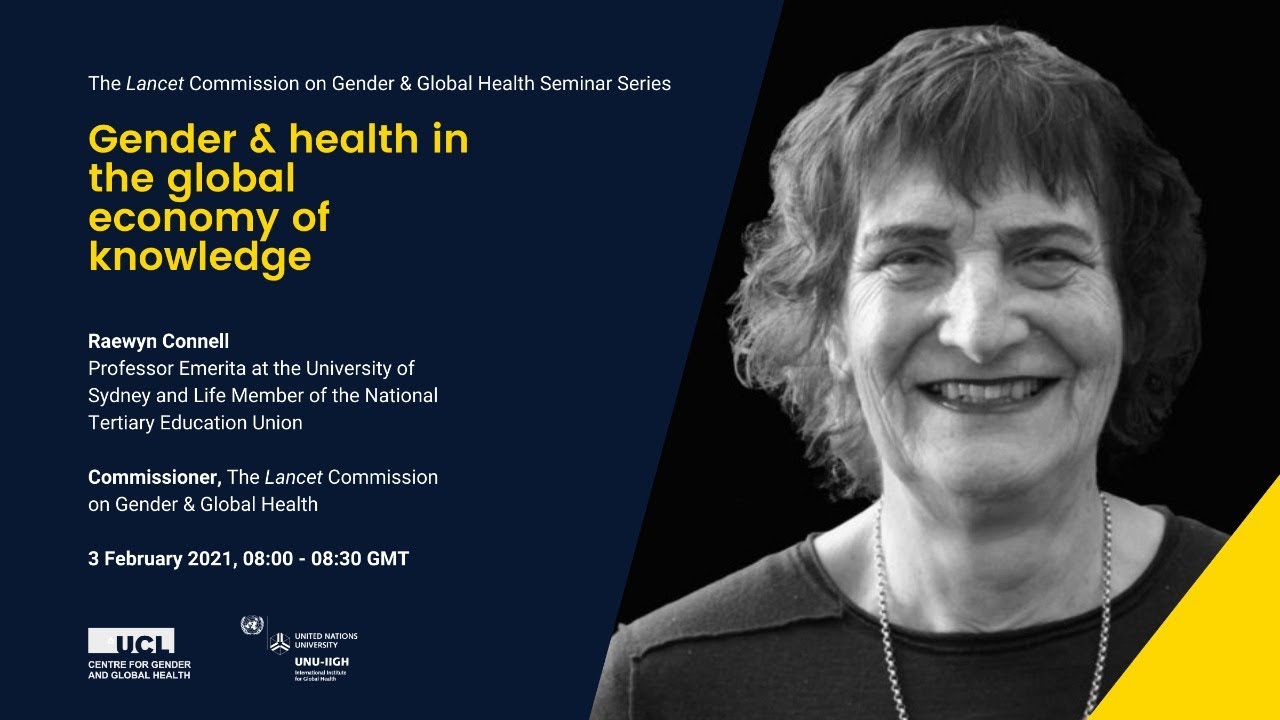



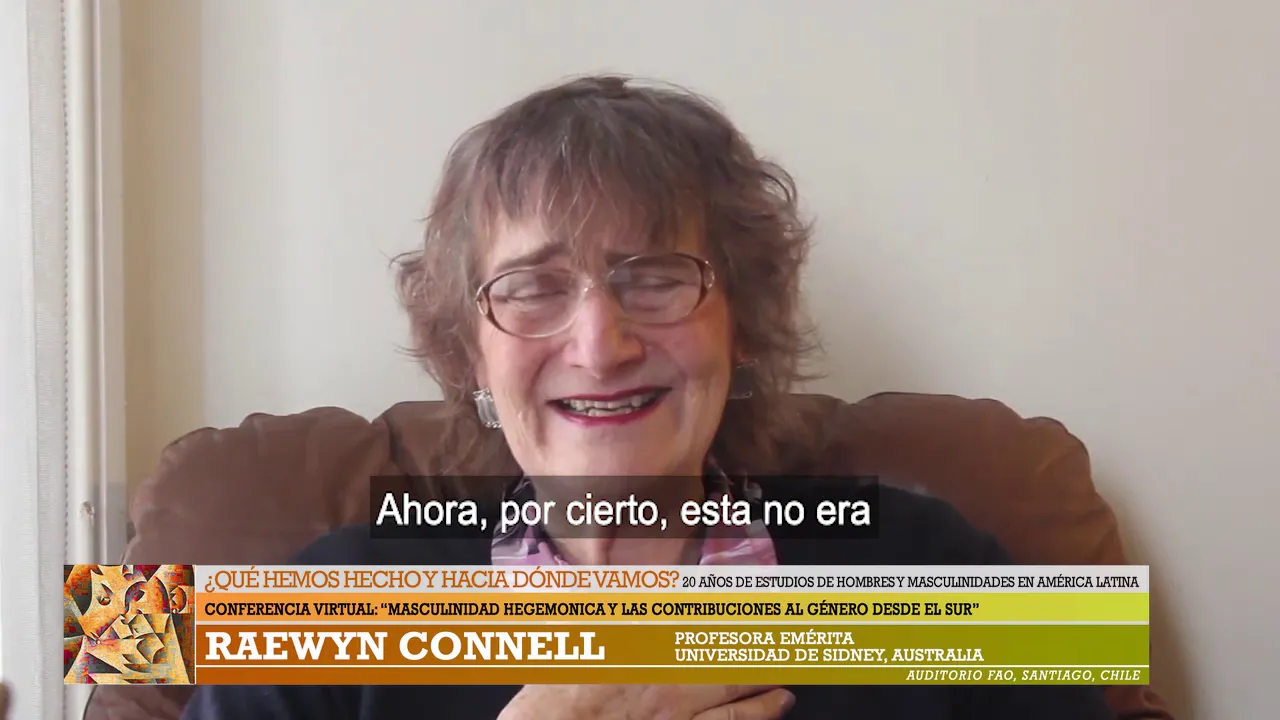

Southern theory, developed by Australian sociologist Raewyn Connell, critiques the false universal claims of northern theory—social science dominated by Western perspectives from Europe and North America—which ignores the realities of peripheral or southern societies; instead, southern theory proposes a democratic approach to knowledge production that incorporates diverse perspectives from around the world, including examples from Africa, Latin America, and India, to create more meaningful and contextually appropriate social theory.
Southern Theory by Raewyn Connell | Sociology Theory Explained
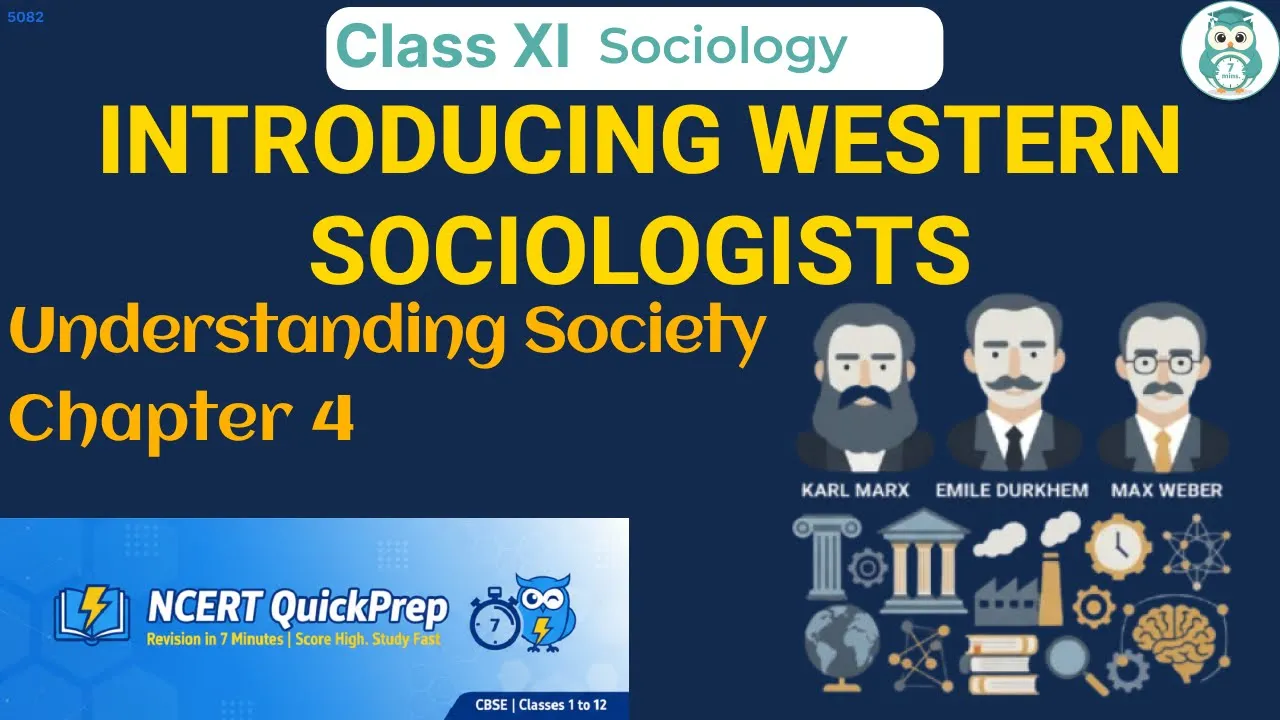
Added:Familiarity with foundational Western sociological theories, particularly the classical traditions of Karl Marx, Max Weber, and Émile Durkheim.
An understanding of the concepts of 'Global North' and 'Global South' as geopolitical, economic, and cultural designations.
Basic introduction to postcolonial theory, including how historical colonialism shaped global power dynamics and academic discourse.
The concept of epistemic hegemony, or how certain forms of knowledge and scientific inquiry come to be dominant over others.
Deep dive into Decoloniality and Epistemic Justice, studying key Latin American and African theorists such as Aníbal Quijano and Ngũgĩ wa Thiong'o.
Exploration of indigenous methodologies in social research, emphasizing non-extractive ways of gathering and co-creating knowledge.
Application of Southern Theory to contemporary global challenges, such as analyzing climate change or global wealth inequality from a non-metropolitan lens.
Analysis of Raewyn Connell's related sociological contributions, specifically her theories on gender relations and 'hegemonic masculinity' within a global framework.
714 views14likes20:56Original Release: 2021-03-23
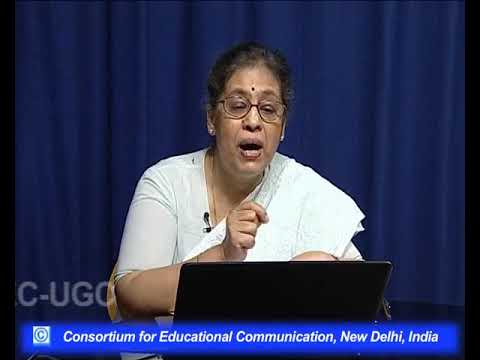
[Music] welcome to epg part salah i am umiya kumar das associated with the department of sociology tejpuri university today in this session we are going to discuss southern theory as developed by ren connell is part of the contemporary social theory as we all know the southern theory is developed by ren kernel in the book titled southern theory itself where the southern theory tries to propose something which would make the social theory more meaningful and democratic so southern theory is a critically applied book written by the australian sociologist ran khanna so here in southern theory the book criticizes the northern theory which is taught and regarded as general theory for presenting itself as a universal while only embedding the perspective and problems of metropolitan society northern theory represents the dominant journals of social science which portray the world from the point of view of the rich capital exporting countries of europe and northern america this perspective completely ignores the realities of the diver social world which exist outside the metropole the periphery or the south southern theory wants to mark the absence of this periphery in the so-called general theory and tries to raise few pertinent question and to intersect interrogate the so-called general theory mostly developed in and by people from the western world ren connell is an australian sociologist best known for her concept of hegemonic masculinity she is working at the university of sydney as a professor emirates she has produced many work namely making the difference teacher's worth gender involved perspective masculinities southern theory among these the concept of hazmatic masculinity has been particularly very influential popular and has attracted much debate in the social science circle mostly this book titled southern theory is divided into four parts in the first part she criticizes the false universal claims of the northern theory by exploring its history in this part she discusses the general theory and traverses through walks of three prominent modern risers they are anthony giddins james coleman and pierre bourdieu so she tries to look at their works and analyze in a way that how their work claim the universality by ignoring other sides of or other parts of the world as if the whole world existed only in the metropole in the second part of the book she discusses about the issues in australia how the discipline started itself with the dominance of colonial ideology and it has subsumed under the western thinking and idea in the third part she brings examples from latin america india africa and trying to show that how there were different works in the different part of the world and trying to generate a kind of knowledge which rooted in the local context so in the last part of the book she discusses how certain forms of knowledge from these peripheral areas can be brought together and can establish itself as a knowledge system or knowledge from which will be useful or which could enable us to re analyze and understand the social reality which will not be dominated by the so-called general theory or western theory a critique to the metropolitan social theory what is meant by the idea of global difference connell traversed through the origin and history of sociology to understand the backdrop in which the theories of the metropole were formulated as already mentioned colonel notes that metropolitan theory embodies a false sense of universality what does he mean by that it is projected that the when the sociology started in the western context it was based on universality objectivity and certain kind of mineta narratives but when it started in that context there was a difference between the two all the knowledge produced in the western or the metropole by excluding or ignoring the global south or the southern countries so in this context in this context she tries to explain this it in terms of the global difference how the metropole where differentiated from the southern places in terms of knowledge production in terms of the civilizational aspects in terms of power so in this context she tries to focus on this global difference so how the classical sociology was constructed she argues that because of this imperial gaze where this institutionalization of sociology was happening it was done in the western part of the world so see things they are started the whole hegemonic aspect of controlling the whole knowledge system for that matter sociology was also produced and constructed in these western countries so it automatically emerged in a way by projecting itself is that whatever knowledge were produced in the metropole or in the western world that is a kind of sociology which is more pure and more original thereby the southern countries they tried to imitate or they tried to borrow this form of knowledge to practice or to evolve or to analyze their local situation locals processes keeping these western theories in their own perspective what does cornell mean by the northernness of the modern general theory the most prestigious genre of work in sociology cornell says is the general theory the general theory in curriculum of sociology is the theory of the north which claims to be general and universal deriving examples from three most influential model three most influential modern sociologists coleman guidance and buddhio she argues that the general theory which were created or which are being created in the metropole is thought to be universal and it could include the southern countries or southern places but in reality these metropolis places where this whole idea or the theory or the general theory created that couldn't analyze the local processes or social processes happening in the peripheries they excluded the social realities of the peripheries but at the same time because of its hegemony they tried to establish it as a universal theory or general theory which she is very critical about she points out that all these theory which are claimed to be general theory this should not be called a general theory rather this should be called as northern theory so she says and points out that there are few elements to this which are taking its power and explaining these as universal number one it is the false claims of universality the conception of universal time the gesture of exclusion and the grand eraser of this reality which is there in the periphery conan invokes the concept of terra newlys which literally means the land belonging to nobody to explain this further the metropolitans defined the colonized land as a terra nillis and distributed it among them creating their own laws which ignored the ownership of indigenous people this attitude simultaneously reflected in social scientist and sociologist attitudes towards developing the sociological theory or the general theory she blames that the notable sociologists like gideon coleman and buddhio they have ignored or erased the social reality of this periphery and created a kind of social theory which was presented as more universal more uh useful for the or more general general or for that matter more general and termite as general theory see for which she is highly critical about so what is meant by southern theory after discussing certain points about her book on southern theory let us understand what does it mean when we say southern theory as discussed earlier southern theory is being a significant work of ron connell which challenges the universal language of northern theory and reminds the global audience that scholars in south also produce social theory connell is not trying to emphasize this idea sharply bounded geographical locations with the word southern instead she uses the word southern to highlight the relations of power in knowledge production colonel states that she is attempting to emphasize relations authority exclusion and inclusion hegemony partnership sponsorship appropriation between individuals in the metropole and those in the world periphery northern theory is taught even in universities of the south as quote unquote general theory this theory doesn't represent the realities in the southern societies and yet represent itself as universal and general so she notes that this process of knowledge production is not a democratic process southern theory attempts to propose a democratic way of producing social theory here in the certain theory she argues that continuously is trying to engage with the idea of this inequality or hierarchy in knowledge production the practitioner of sociology and social theory they consider this idea or this theory emerged in the west as more powerful more appropriate to understand the social realities in the world whereas she is very critical about this point see our gooch ignoring the facts and social processes in the southern how can we propose something which is not real in terms of this local specificities and bring it from the metropole and try to look at those social realities and social processes keeping in the lens of the metropole or the theories which are created in the metropole as we have seen earlier in a specific part of her book she is trying to look at the australian example how australian sociology is also under the shadow of this metropole she is not trying to develop an idea of developing a particular school of sociology as developed by the australian sociologist but she is looking or exploring the possibilities of certain sociological theories or social theories which should not come under the shadow or hegemony of this general or northern theory in another part of the book connell discusses a significant paper written by a nigerian sociologist akinsola aki o while looking the theoretical words from africa the second scholar whom connell presents is the beninis philosopher pauline huthanji huthanji is a critic of ethnophilosophy which is highly eurocentric huthanji argues that this philosophy which were created in the african region is which is represented as local is not local it is eurocentric there are many scholars who rights in the african region with incorporating local issues local realities that should be brought out under this in and to represent and they should represent themselves as a local theory which is more apt to understand the local issues while taking examples from latin america connell tries to give examples of this dependency theory where in latin american scholars they tried to criticize the western exploitation or this capitalist system how this metropole and periphery and the center and the periphery metropol and satellite they are linked in a world exploitative system taking examples from indian scholars like ranajit guha partha chatterjee binadas she tries to show how these scholars is are trying to raise few pertinent questions which are very important in this context of the periphery like venadas is trying to develop the social sciences according to the local context where ranjit guha among many other scholars they are trying to propose this savalton theory and partha chatterjee talking about issue of democracy nation nationalism and try to build a kind of form of knowledge or base which are more useful to understand the local context to sum up we can say that connell reminds us that there are diverse places in the world even if in the peripheral areas some peripheral areas are richer than other places there will be inequalities among these peripheral areas as well but the challenge is here to bring all the social theory produced in peripheral areas and exchange the ideas in a democratic manner so this is very important in the aspect that it will create more meaningful dialogue democratically and it could create more useful social theory so to challenge this northern theory or general theory we need to be more conscious about the places peripheral places where there are different kind of concepts theories are being produced so in a way though this nor the theory is trying to dominate the certain theory and her work has received much criticism even though it is more useful and it provokes us to promote and explore more possibilities for this kind of theory which are emerged in the peripheral areas and it gives us possibilities to look at other forms of social theory to have more information please log on to epg psala website where you can have more e-text references and list of further readings thank you
Up Next

59:14
Sociology of Space & Place: Structure, Agency, Neighborhoods
@21stcenturycitiesinitiativ79
136 views•2023-02-20
54:57
Contemporary Sociological Theory: Micro, Macro, Integrative
@NaSESYNC
45.7K views•2016-02-17
19:23
How to Analyze Conversations Scientifically | Elizabeth Stokoe | TEDx
@TEDx
1M views•2014-12-04
9:41
What is Sociology? The Sociological Perspective Explained
@crashcourse
4.6M views•2017-03-13
Related Study Plans & Knowledge Roadmaps
Structured learning paths in Sociology
sociology
Celebrity Culture: From Hollywood to TikTok
01Foundations of Celebrity Sociology
02The Rise of Micro-Celebrity & Digital Platforms
03Parasocial Relationships & Algorithmic Intimacy
+ 2 more learning modules
12h5 modules
Explore Roadmap
sociology
Hostile Architecture: Space, Power & Control
01Introduction to the Sociology of Space
02Social Control and Surveillance in the City
03Hostile Architecture and Defensive Design
+ 2 more learning modules
12h5 modules
Explore Roadmap
sociology
Loneliness Epidemic: Third Places & Isolation
01Foundations of Social Capital and Community Cohesion
02The Death of Third Places and Urban Space Erosion
03The Privatization of Leisure and Atomization
+ 2 more learning modules
12h5 modules
Explore Roadmap
sociology
Sociology of Tourism: Gaze, Power & Heritage
01Foundations of the Sociology of Travel and Leisure
02John Urry and the 'Tourist Gaze'
03Staged Authenticity and Cultural Commodification
+ 2 more learning modules
14h5 modules
Explore Roadmap