











![[ThinkLab] Exploring postcolonial & decolonial conceptual trajectories](https://i.ytimg.com/vi_webp/xPgeprmdTN4/maxresdefault.webp)
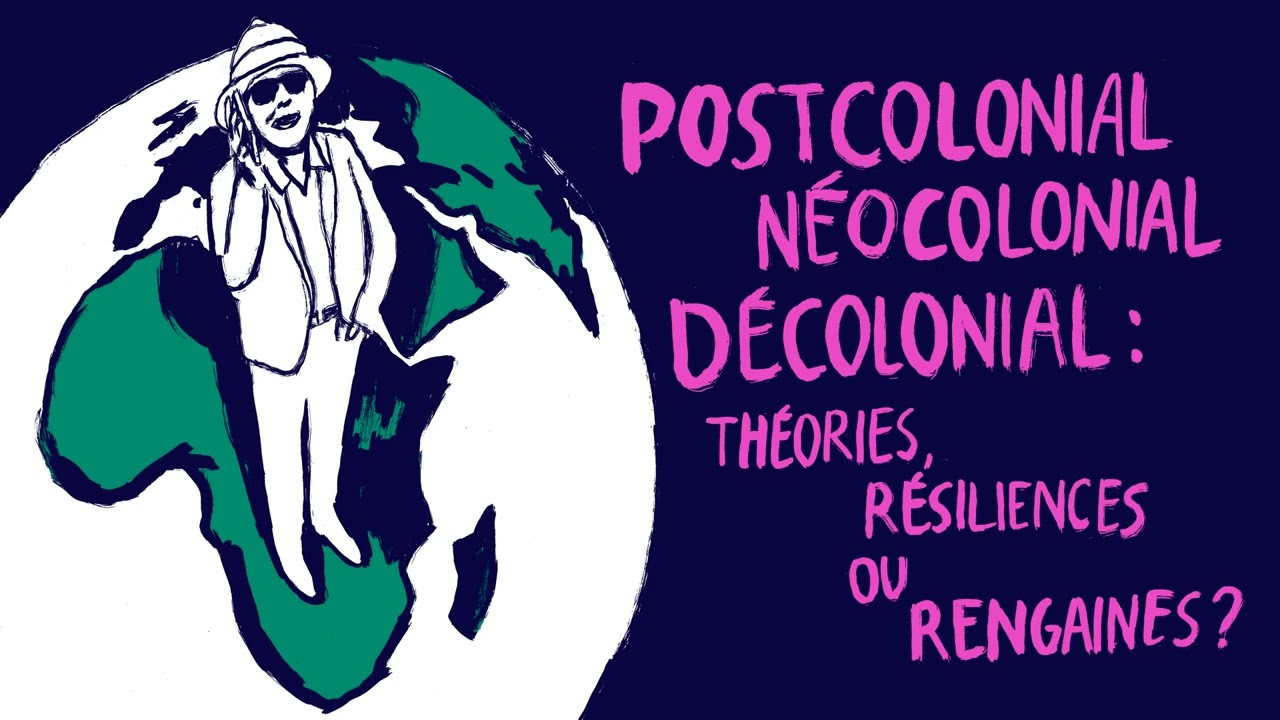




Postcolonialism is a critical academic and cultural movement that examines the lasting consequences of colonialism on former colonies, analyzing how former colonial powers continue to exert influence through economic control, education systems, and media representation; it emerged from 20th-century anti-colonial resistance and encompasses contributions from political philosophy, linguistics, sociology, feminism, and cultural studies, with key figures including Frantz Fanon, Edward Said, Gayatri Spivak, and Homi Bhabha, though it faces criticism for being difficult to access and for sometimes prioritizing English over indigenous languages.
Postcolonialism & Postcolonial Theory: An Introduction
Added:A foundational understanding of European imperialism and the historical timeline of global colonization from the 16th to the 20th centuries.
The concept of Eurocentrism and how Western perspectives have historically dominated global narratives, history, and academia.
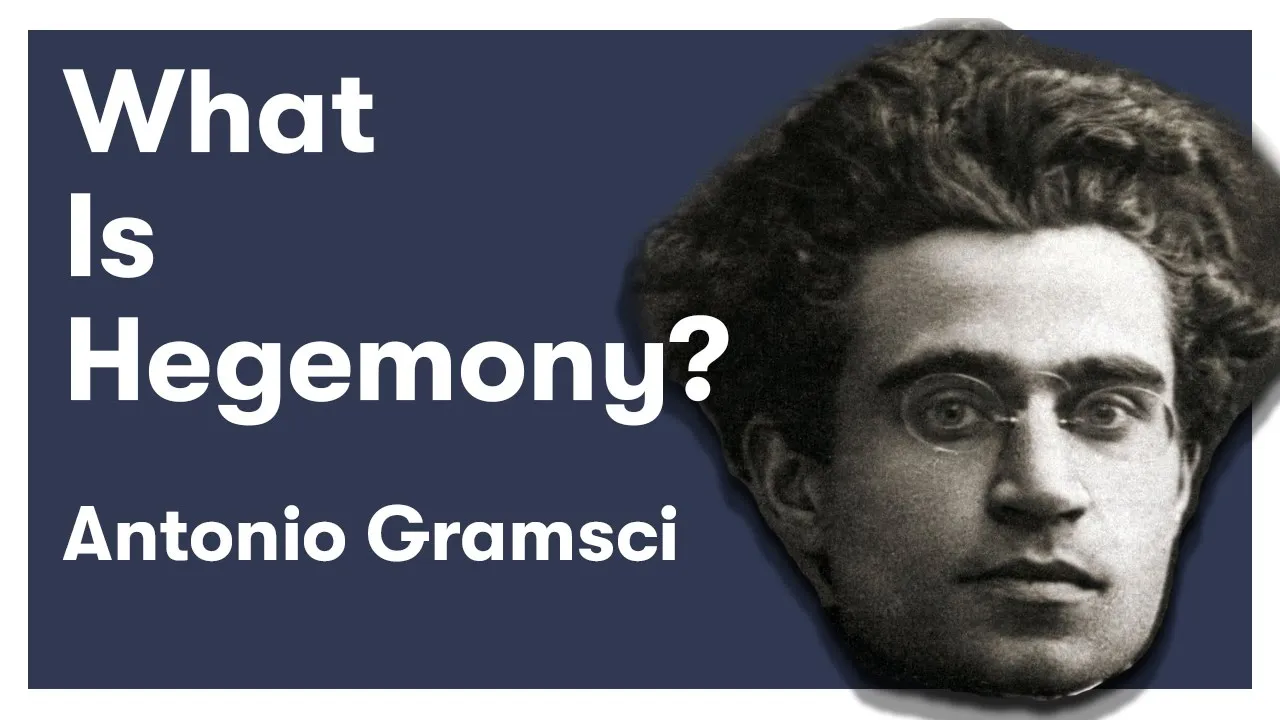
Basic sociological and political concepts of power, hegemony, and cultural dominance.
An introduction to critical theory and how literature and media can be analyzed to reveal underlying societal power structures.
In-depth study of seminal postcolonial theorists, specifically Edward Said's 'Orientalism', Gayatri Spivak's 'Can the Subaltern Speak?', and Homi Bhabha's concepts of hybridity.
The distinction between postcolonial theory and 'decoloniality', exploring practical movements to decolonize modern institutions and curriculums.
The study of 'neocolonialism' to understand how global capitalism, international organizations, and modern foreign policies perpetuate colonial power dynamics.
Applying postcolonial literary criticism to analyze how representation, identity, and the 'Other' are constructed in historical and contemporary texts.
161.3K views3.4Klikes6:59Original Release: 2023-03-29
so what is post-colonialism and why is postcolonial theory important to understand today well to begin with the term postcolonial is used in two distinct ways on the one hand it can be used in a specific sense to refer to the period of time after a country or population group is no longer governed by a colonial power modern day India for example gained its political independence from the colonial government of the British Raj in 1947 and thus is a historically post-colonial State on the other hand the term is also used in a broader sense to refer to a huge and heterogeneous body of art literature and political and academic theory that addresses the long-lasting consequences of colonization as viewed by authors and artists living in post-colonial cultures themselves in this second sense postcolonialism offers a critical approach to studying the socioeconomic and cultural relationship between former Colonial powers and current post-colonial states as well as Reflections on how the history of colonization has transformed our identities and conditions the ways in which we see the world around us a great deal of postcolonial theory is rooted in one simple observation that despite the achievement of indigenous sovereignty in post-colonial States the major world powers did not significantly change over the course of the 20th century and in many cases ex-colonial Powers continue to dominate their former colonies this is done very generally speaking in two ways directly through the control of natural resources as well as Agricultural and industrial production and or indirectly by influencing post-colonial education systems and controlling the culture industry controlling the ways in which the postcolonial world is represented in media which can have a pervasive influence not only on Western perceptions of the so-called Global South but also on how post-colonial cultures View and represent themselves this is an argument that you'll find for example in the martiniquein political philosopher France fanan's work particularly in black skin and white masks and The Wretched of the earth as well as in the Palestinian American Author Edward saeeds magnum opus orientalism which was published in 1978.
along with the works of gatry Spivak and homie que Baba Edward saeeds and France fannin's writings form what many consider to be the core of post-colonial theory and taken together this huge body of writing which includes contributions from political philosophy Linguistics sociology feminism critical theory and cultural studies Works to promote new forms of inquiry into the colonial past as well as advocating anti-colonial resistance today through cultural criticism the promotion of post-colonial voices and direct political action in that sense postcolonialism doesn't have a single founding figure but rather grew out of anti-colonial resistance in the 20th century and coalesced into an Eclectic and heterogeneous body of art and literature that's a essential to understand if you're interested in non-western perspectives on issues like the history and Legacy of colonialism so what are some common criticisms of post-colonial theory well one of the major ones and this may sound strange is that it's very difficult to read a number of post-colonial thinkers like yatri Spivak were heavily influenced by postmodern literary criticism particularly by deconstructuralism and the works of Jacques derida this made their writing extremely dense and full of technical jargon that's impossible to understand without also reading postmodern literary Theory um that's something that a lot of people complain about and it really does make some of the fields cortex difficult for students that's a definite downside postcolonial academics have also been criticized from the left and by non-western Scholars like the Indian author ijaze Ahmad for publishing extensively sometimes entirely in English and neglecting to translate their work into the indigenous languages that are often spoken in post-colonial States for example into Arabic Hindi Urdu and Yorba and that has sometimes called into question the political commitment of some post-colonial authors but the most straightened the most pronounced criticism of postcolonialism has definitely come from the European and North American conservative movement not just the right wing but also traditional conservatives on the center right and their criticism is much the same as it is with critical theory that post-colonial scholarship introduces a radical and anti-western agenda into universities that aims to undermine the political and economic hegemony of the West I'm now that criticism ranges from the ridiculous that's simply being exposed to non-western ideas will inevitably corrupt students and Destroy Western Civilization that particular argument also often comes with revisionist history and a whitewashing of the legacy of colonialism to the somewhat more grounded observation that post-colonial literature does contain texts by anti-colonial partisans and revolutionaries who were in fact dedicated to fighting Colonial ideologies and in some cases Western militaries it's not as though that voice is completely absent from the literature now as an anthropologist that doesn't bother me in the slightest in fact it excites me and I hope that it does the same for you I would encourage you to read partisan writing look at dissident art and listen to some alternate voices that you would never otherwise hear a seeing yourself and your cultural history through another person's eyes can be a transformative experience variants that allows you to appreciate other cultures more deeply and and this is critical more holistically understand the history of your own so there's much more to say about the subject obviously but we'll provide a few links and a short list of recommended readings in the video description below as always if you want a full reading list though you could come on over and visit us on patreon where we publish scripts comprehensive reading lists study guides and additional written content and you know if you like what we're doing here on the channel and want to become a patron of independent social science pedagogy consider becoming one of our backers like these very wonderful people right here thank you all very much making these videos is often difficult and knowing that there are people out there willing to support me in doing this means the world to me but whatever you do don't forget never stop learning foreign
Up Next

0:40
Art and Class: Panel on Labor in the Arts (2015)
@bakbasisvooractuelekunst5992
425 views•2019-05-13

12:54
Triumph of Orthodoxy Icon: Byzantine Art & History Explained
@BenCallan
2.1K views•2024-08-06

9:49
FastAPI vs Flask vs Django: Choosing the Right Python Web Framework
@TechWithTim
302.5K views•2024-05-26

1:42
Game of Thrones Opening Credits: A Cinematic Analysis
@gameofthrones
46.3M views•2011-04-18
Related Study Plans & Knowledge Roadmaps
Structured learning paths in General & Interdisciplinary Studies
general-studies
Elevator Engineering: History, Physics & Cities
01From Hoists to Safety Brakes: The Dawn of Vertical Lift
02Hydraulic vs. Traction: The Engineering Physics of Elevators
03Modern Speed, Safety, and Algorithms
+ 2 more learning modules
12h5 modules
Explore Roadmap
general-studies
Rubber: Material Science, History & Geopolitics
01Origins of Natural Rubber & Mesoamerican History
02The Chemistry of Natural Rubber & Vulcanization
03The Geopolitics of the Rubber Boom & Colonization
+ 2 more learning modules
12h5 modules
Explore Roadmap
general-studies
Containerization: Evolution, Logistics & Trade
01Ancient Trade & Bulk Cargo: Amphorae to Barrels
02The Industrial Revolution & Cardboard Packaging
03The Containerization Revolution: Malcom McLean
+ 2 more learning modules
12h5 modules
Explore Roadmap
general-studies
Textile Tech: Evolution, Labor & Global Impact
01Pre-Industrial Textiles: Handloom & Cottage Industry
02Mechanization: The Spinning Jenny to the Power Loom
03The Factory System & Global Labor Transformation
+ 2 more learning modules
10h5 modules
Explore Roadmap