





![Crítica institucional renovou a relação entre arte e museu [Na Cultura...]](https://i.ytimg.com/vi/ED6yMJPVOsA/maxresdefault.jpg)
















The research methodology consciously chose synchronic analysis (cross-sectional examination at a single point in time) rather than diachronic analysis (long-term trajectory tracking). This choice was criticized by some experts but was made deliberately to capture a dense moment in the field. However, this approach misses the unfolding of failure and injustice over time, including trajectories of people who either stay in circulation or drop out. Feminist scholars have pointed out that small selection processes happening at specific moments (like summer opportunities) have tremendous cumulative impact on whether someone succeeds or fails in the art field. Understanding these temporal dimensions requires research spanning 10-30 years.
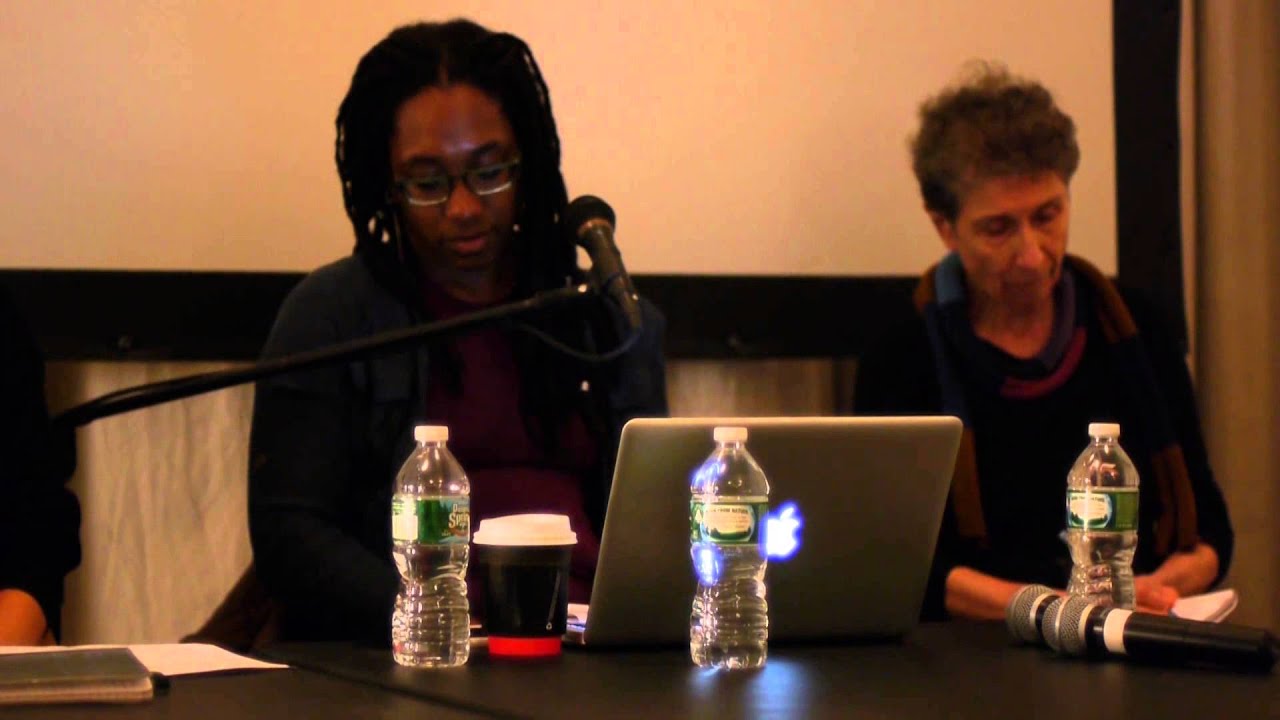
Art and Class: Panel on Labor in the Arts (2015)
Added:Basic Marxist labor theory, specifically the concepts of the division of labor, surplus value, and the commodification of work.
Feminist critiques of labor, including the distinction between visible productive labor and invisible reproductive or emotional labor.
The history of institutional critique in art, understanding how museums, galleries, and markets function as sites of power and capital.
An introduction to precarity and the 'creative economy,' particularly how neoliberalism impacts creative and cultural industries.
The study of contemporary art activist movements and labor organizations, such as W.A.G.E. (Working Artists and the Greater Economy).
Advanced theories of cognitive capitalism and affective labor, exploring how modern systems commodify creativity, intellectual property, and subjectivity.
Analysis of cultural policy, public funding models for the arts, and debates surrounding Universal Basic Income (UBI) for creative workers.
Alternative economic models for artistic production, including artist cooperatives, mutual aid networks, and non-commercial art spaces.
425 views1likes0:40Original Release: 2019-05-13
it's working good morning everybody good morning good morning I'm happy to welcome you to the second day of the public editorial meeting of former West for the upcoming publication former West after enormous ly exciting day yesterday both closed and public workshops with activists and art workers from various artistic political economic context we followed with two remarkable lectures and I think all of us still engage in some sort of internal or shared dialogue with others about about the ideas that were brought up I can see the banner that that so kind of shocked me when I stood here yesterday behind the lectern and I realized I forgot to say it's part of the exhibition by yuliya scholar which I don't know how to pronounce the title of because it's just the sign of the question mark which is a typical sign of you loose color a key figure of neo avant-garde and post avant-garde in Slovakia Central Europe and I think worldwide exhibition curated by Duchamp Grune Katarina Romberg and agaric Sharma it's a remarkable exhibition and if you hear the sounds of table tennis ping pong as he called it during his life people then you know it's coming from there however to the sounds of ping pong if visitors take up the participated position within within that exhibition I would like to introduce kuba kuba Schrader who was introduced yesterday ba who's going to moderate the the panel that we titled division of labor and class recomposition in the arts I believe we're going to return to to the reports the art factory that that we referred to yesterday that examines the condition of artistic practices in the context of Poland at present and we're going to try to kind of gesture towards what the political economy of former West is seen from this perspective and Cuba as I mentioned is one of the founding members of the free slow University in war so an independent curator very stubbornly putting the word independent in quotation marks when editing the text I was trying to delete those but he didn't allow me so he is in the pizza commercial either the floor is yours and I look forward to the conversations before that housekeeping message I see he's waving at me with filming all these debates as you as you notice and I would like to ask you be so kind and switch of your mobile phones and for the rest during in the conversation and thank you Thank You Maria thank you also once again to Sebastian and the crew and Marta and Pavel and the crew from Modern Art Museum with whom we work not only on this particular project but where we also actually presented where actually the while working with Vista University in fact lots of the stages public stages of this project where happened here we had a conference in November 2014 and then a premiere of the Polish version of this report in March this year so I'm really happy but actually now we do have a chance to discuss this report in such a magnificent company as yours and presented to an amazing group of electrons who are who share with us these questions of art and labor and [Music] when we think about with the art and labor division of labor in the art and class composition of the art field I think there are two primary controversies which which arise one would be is a very question of art workers another one would be the question of art factory why they are controversial and and what do I mean by this country by mentioning these controversies first of all I'm speaking from a position of person could we freeze the University of Warsaw from 2009 Hammett about this art workers so we organized readings for art workers we organized conferences about political economy of social creativity which right kind of quite continuously to tackle with these issues and actually the longer we we hammered about them the more they problems the more problematic they became I will not talk about the report my colleagues will do it however when we talk about art workers I would just and art factories I think that we should remember that these are political matters that are at stake but these are not only empty signifiers arms are not just empty words let's say they are really what we discuss here they are actually political strategies and that's why I would really like to thank all the people who joined us yesterday for this so-called activist workshops I mean we do not need to even use activists if I was basically workshops or like a meeting during which we shared different type of political strategies on these matters because what is quite clearly what was a clear outcome of this workshop was that we do not share a common vocabulary why we do not share a common vocabulary because people really do think differently how to politicize art workers or people who work in and that's actually what is really at stake why we think about art workers because for some people it might be that art workers or people work in other culture producers should be politicized as if they were waged laborers I personally don't agree with this however there is such a notion for some other people it might be but actually people working in the arts should be considered from the questions of sustenance and living wage as if they were unemployed or unwaged laborers so then you have actually rather analogies with with wages for house work movement and this kind of strategies related to a feminist critique of labor for some other people it is like still they do emphasize the vocational character of this type of labor and they still think that there are certain type of elements in in artistic labor which are worthy to be considered as as some sort of models of how Brunel Julie Connell calls it neither productive nor unproductive activity which is not formally subsumed by capitalism which i think is sun relevant an interesting position or a question because we are talking about questions here and not necessarily about solutions for some other people precarity is alike being pressurized is a condition which is common between people work in the art and larger sectors of society and for this reason that might serve as a platform for politicization which goes beyond the very art field for some others like brian said yesterday we think about artists s embodiments of is flexible personalities of certain type of contradictions of contemporary capitalism which is embodied in apparatuses of networks projects of personalities in this sense that they are not just individuals they are always somehow related to the social apparatuses which are at stake but they are permeated by them and here we get to the question about art factory because art factory should also be considered not as when we when we called our report art factory we do not mean it literally we obviously do refer to post op arised tradition in a sense of thing about social factory in terms of thinking about certain type of productivity which becomes dispersed all over the social in which different by a political powers become somehow part of the process and I'm sure that today's panelists will talk about this too we are somehow quite often tempted in the arts because we do believe in in the work of we are doing but art is some sort of Laboratory of the future I don't think that this is the case I might have to also in 2009 but after a couple of years of really thinking and reflecting about it it becomes clear that art is rather maybe not necessary a symptom but it's a part of the larger social transformations in which maybe some processes become much more visible because of the specific character of this field and of a production that happens there however it would be rather ungrounded to claim that art is a laboratory of future forms of commodification still it does say us a lot I think about what happens today in our societies and that's why I would say it's still very interesting and as a research subject and it's very relevant for us as intellectuals as artists as workers working in this field to reflect upon it thank you and let me first invite me how and how kozlovskiy and Yana figure my colleagues from Bristol University of also to start Thank You kuba mmm thank you all of you and talk can you hear me yes all right well it will be about our about our research that we did on that that kuba mentioned and in a way we really made it big you know the Cooper said the rector of the free slow free slow university of warsaw he likes it bigger so i mean of course it's not it's not something like it's not something like Buddhist distinction didn't take us ten ten years and 25 researchers but for a Polish sociology it was a big and complex research no seriously what wanted to inquire upon first of all we departed from very simple precision that art as a human activity is about the division of labor contrary to its image of a solitary creator so whenever even someone even in the case if somebody produces a work of art an artwork all alone I mean it in order for it to get exhibited I mean to fall in the trajectory there is a division of labor and then the division of labor as we know at least from Rousseau and certainly from Marx it's a political issue because with the division of labor are developed modes of distribution of socially valuable things of social resources or capitals as we call them social capitals basically we focused on on money we focused on prestige we focused on power in terms of capacity of action and fulfillment of a certain subjective strategy in the outside world and then so so this was the general idea we wanted to see how this division works how the Capitals are distributed and hopefully if we manage to and tensions and struggles that that stem from this form of division of labor the research was basically a three-fold research with one major bigger part two other parts were focus groups so basically those collective group interviews that were conducted by there was also there was also a institutional research where we tried to trace we've tried to trace how actually institutions acquire and use money using doing projects and then the last thing about the general idea of the of the of the research we took well the central thing was still a survey an interview which contained bells which contained bells both the the the the the the closed questions right and parts of interviews which was of course made as you can imagine some hardships in the process of interpretation and and development but what was quite well what was another methodological resolution of our research was to take a project a project being something well that lasts and time it's financed by a specific in a specific way and has a visibility certain integrity as such so projects people were we selected over a dozen of projects and we selected some 90 people to interview from the same projects we divided them then into three categories which was in power imposed categories more or less well but they function in the world over art curators artists and and an assisting personnel right the support support workers yeah and and we hoped to discover tensions between those groups well or if we don't discover them then to explain why they are not there mm-hmm so this is the the first part I'm just going to say a bit a bit more about how how this research project is maybe situated among other research projects that would look at sort of lived conditions of workers in the art field or maybe more generally creative and cultural workers and there haven't been actually that many large and systematic studies of this kind in the past and especially well never in Poland I guess in this way so I just want to say briefly about the mmm-maybe inspiration so like we've got Peabody a sort of sociological method on the one hand and then maybe very vaguely the research was also meant to engage with the sort of workers inquiry very broadly taken workers inquiry tradition of doing research and I guess in an academic literature around creative and cultural labor and art labor generally there's very there's a vast proliferation of research on creative industries and sort of art workers and that kind of thing but there's very few publications or few scholars that actually take an approach looking at art work as our workers as workers per se and all the processes of creative labor in relation to labor process or sociology of labor I guess so that was one kind of inspiration behind this research and there's also been a number of surveys they've been looking at art work and I guess we could mention wage survey those one of those conducted in the u.s. that has been in a way also a basis for for this research project and the sort of we don't sadly have any visuals but the way the interviews were conducted the participants were asked to sort of visualize their position in different situations within their art work and I guess that sort of visual element has also been drawing on a number of other studies and one of them would be like the work that precarious workers Brigade did and sort of creating these charts to like sort of self map ones position in the in the art field right thanks so now we will we will briefly talk about about some results some outcomes I mean as always was such a with such an amount of data we had some arguments on to how interprets and and to what final diagnosis to deliver still I think what I'm gonna what we say here is little controversial first question is about well it can be approached into in two ways I mean either from the Tom Sounion perspective of the moral economy of artistic crowd or one could say contaminating Thompson with birdy immoral economy of this field or from the point of view of Bolton ski the member of our advisory board simply justifications and arguments that people use either criticizing or approving the character of the division of labor in the process of artistic production but whatever approach we adopt even if they they they different in some respects well one conclusion seems to be clear there is an ester astonishingly high morale yeah is it better meaning that basically if you take artists artists curators and support personnel you cannot trace big differences in the way they perceive the importance the merit the contribution of each other into the into the artistic process well sick statistically significant is in fact perhaps only one element the support personnel considers itself more creative then curators and curators and and artists are ready to admit but even there the differences are not big if the division of labor and division of resources so visibility money capacity of action is criticized it is criticized from the standpoint of what we could consider a traditional values of the world of art meaning original originality and creativity are the highest merits labor is of course valued but always put under it so labor and toil are never never never stain higher then then those particularly artistic virtues right and so if the critique is der the critique is always from the point of view not enough art in arts you know this is so this would be the first the first the first the first conclusion the field is morally or from the point of view of justification integral there are no big moral struggles in interview my second issue of course of course we have discovered without any astonishment that in fact lots of people in the field work for free roughly of course we statistically has to be cautious but still seems that like over one-third of the people do at least half of their work for free and almost nobody almost nobody out I could equally say nobody statistically really performs is in a situation where or it or his or her labor is paid right so of course the question immediately arises how does it work and our answer there is quite close to what has hands Abuk has developed or or character workers brigade have developed however with some specific perhaps modifications well this free work is possible mostly because this work is vocational and well we can say about more general knowledge in social science vocational work is specifically vulnerable to exploitation right although there is an important difference between vocational labors I think vocational works of course vocational work per se is the work of a caramel a work of a mother or a parent in general terms but then this kind of work if you don't perform it according to your vocation is severely socially punished right so this is a tricky thing there is another one there is another one that that that that that is however more clothes I believe closer to to reality here well because why we don't completely agree with the carrot interpretation because carrot would suggests that the people working in a field work for free now as an investment because they really believe that one day they will succeed they will get those valuable capitals actually we didn't find confirmation of that most of them are realistic they're realistic they know pretty well that it will never gonna happen to them order the chances very slim so actually the vocation is I I had this idea to compare it to a to a good monk in a good monastery the good monk in a monastery he is not waiting for salvation after death he already participates in salvation by his very monastic life and in a way our workers of art are the same they want to be in they want to be connected they have a very deep conviction even if they'd hate too explicit ate it that they do something enormous ly important that it is worth to be done and has to be done and even if they work for free and they're treatin just they may consider it as a sacrifice but this sacrifice they consider it worth it right that's that's that that that data trick and the last thing because I'm really we are really running out of time the last thing supposedly well would refer to the last question who gave in our survey how do they position artists or in general art workers in the social broader social division of labor how do they see each other regarding social utility toil or finally creativity comparing to other professions simply and this was quite amazing because what we see well first amazing conclusion was that they see themselves as someone very similar to scientists and they both they consider then that artists or art workers and scientists should be much more should be much more valued should be better paid and much more respected than they are even if those people which is amazing in this country can you imagine that out of 90 we only had three people that admitted having a right-wing political views all the rest are left wingers majority are liberals minority so in principle they they they should have a gala terian what they are a gala terraeum they would like and generally the wages for instance in society to be more egalitarian still they wouldn't change the structure of them they only one thing they would creativity should be valued most so basically artists and scientists should go on top and well and one and one and one funny thing is that well they sympathize with manual laborers but at the same time well they sympathize in a sense that they considered that the hardest is the work of manual laborer that they admit clearly but they don't go from that to the conclusion that those people should be paid most money so again what we called what we called it here it's that artists actually a socially dream about meritocratic utopian that's we have well five minutes left so just really quickly talk about three three other bits of information we want to show you from the report the sort of debt the question of gender in relation to to the art field the sort of private versus professional lives and sort of select selection mechanisms and reasons for why people drop out of the field I guess with the with the the problem with the gender question is that we didn't really have an express hypothesis connected to gender while devising this survey I guess this is because it's well a very very large issue that would require a separate more thorough study on its own so in this way the findings of this report are only preliminary in relation to gender and relating to what me house said because the well the the the respondents were generally well we didn't really have many sort of conservative respondents but generally the field is from from the surveys and the interviews emerges a picture of a very equal sort of field and likewise gender remained transparent and the answers to the service and to the individual interviews in that mostly there were insignificant differences in how questions were answered by women and men but then from from from the focus group interviews a completely different sort of image of the of the field emerged and so I guess this just is a sign that a separate sort of study looking at work of female artists and female art workers and culture workers is really necessary especially in the context of Poland and also what is interesting it was almost unanimously all the respondents said respondents said that gender has no is the least important factor that would influence recruitment for artistic projects and then again in the interviews a completely different sort of view has emerged and that actually apparently in practice it doesn't work that way at all the other two interesting things were that or maybe unsurprisingly women earn decidedly less that men in in the are alden poland so they are most of them where is it one-fifth earn an income above only one-fifth belong to the highest paid category and more than one-third belonged to the lowest income category and also there's a really sort of unequal distribution between the three categories of workers that we looked at so curators artists and and support workers i say so most women in the art field in poland work in support positions and there are fewest they're way more male curators and there are female curators so this distribution of gender and the art artists sort of section of workers is more or less equal but otherwise men are over represented in this sort of in instead of higher positions with the exclusion of a number of sort of high-profile directors of institutions in poland but then looking at well from the interviews and also looking at sort of distribution of gender and work in art schools what is really interesting there are there are fewer there are fewer professors and there's fewer women running pennsylvania how do you say that at all yes yeah sorry master studios in heart schools right but but there they are way more they're way more female students of fine arts that then they then who then finish their degrees and somehow do not emerge as practicing artists so and also so that i guess all this points to the number of issues that are also represented in others in other fields undoubtedly of economy but especially from the interviews and also we had a text in the polish version of the report by another vodka who sort of points to this sort of structural avoidance of conflict and sort of self silencing of workers and and that kind of thing so that could point to why people respond to questions in a direct interview in a way and then talk in a different way in a sort of focus group and then there what emerges also a general sort of silence about like actual money issues and contract issues in the Polish art work so I guess if people don't talk about how much they earn then women cannot necessarily compare themselves in it because they don't have the information to do that and as for dropping out of the field the sort of lack of social insurance that that is that is connected to sort of precarious con non-contractual work and the pressures of reproduction and social reproduction of course on women mean that more of them exit the field or don't don't make it in the field so say so there is obviously a need for furthering this line of inquiry and then really briefly while the private I mean this is not like Superman surprising maybe but they're sort of professional and private lives of people in the art field and Pollan hours are highly integrated what is interesting there are most the most sort of most level of integration is among artists curators and support workers seem to respond that they have fewer their lives professional private eyes that are less intertwined which is kind of interesting because maybe will point to the fact that that we could say that more regulated so contractual forms of employment so favored that these clear distinctions but again there are there is a number ok one minute there is a number of conclusions that you can draw from that and again these came up mainly in the in the interviews not in the survey part quickly you were over time so so now I've lost my mine so it so in the interviews there was a lot of praise for the sort of collective in inverted commas or collective aspects of working with friends but but there were also very many negative remarks that kind of relate to the managerial or maybe management issues that there's something negative in the sense of creating new problems for workers so problems with making criticism managing expectations fulfillment fulfillment of tasks precious pressure to work more to work for free to do favors that workers have to then manage themselves and also emotional aspects of work and again this sort of relates to the gendered trouble than the problem the intended problem of female workers in the field who do Maine who do mostly work in support in support roles who are then sort of left to mediate the conflicts people getting cross with one another which isn't another extra pressure on female workers extra I don't know emotional labor you could say that is required on resolving these issues and because of the fact that the hierarchies in the art world are not transparent which could could be seen as positive in many ways and others means that actually more disadvantaged or again female workers would be at a in a in an even worse position right because if occur if a hierarchy is not transparent then sort of ways of going against it especially in the culture of sort of not discussing details of one's employment just brings extra pressures on female workers do you want to wrap up should we say very quickly about this we have time so yet the main thing in this section well as with gender 8 was was said to be irrelevant to the selection process in the field but 70% of the people that we surveyed and interviewed were actually on at the age of 35 and actually yeah 40 years old seems to be the the top is the age at which people drop out from the fields what was the other thing I mean one general thing about that which of course puts in different perspective the whole research everyone we asked and we talked to what were the ones who actually successfully passed pasture the recruitment right so of course we would supposedly get another picture of those relations if we got the people from outside but since we got this approach I mean like a bit like and workers inquiry we were on the shop floor so we were not looking at the unemployed but of course we have to keep in mind unemployed make a part of the game one last thing is that basically our our analyzed group class-wise is well above I won't go too far going conclusions most of them still own apartments and education of their parents is significantly better than the average in the country so in this sense they make part of social elite seventy percent of people in the field have parents with higher education yes right and and almost a half on their own flats thank you very much it's a nice thing that's not so easy okay like maybe first we move like this vet if you have some direct questions now because it was obviously a very very rich inquiry and if you have some direct questions or some things remained unclear and you want to ask for clarification that's the right moment if you have some general statements may be better to leave it for general discussion when we when we have all laughter all four presentations so questions for clarifications if you have any police ask now so just a very quick question maybe I missed it but what was the size of the group that you questioned microphones yeah I'm curious in that in a commodity producing society and the society based on contracts that you didn't inquire about the way that people define the work what makes the work sale to what extent are our works produced as objects that are sold what are the other forms that legitimate remuneration what sort of dispute what kind of you know variants do people try to introduce into that and and to what extent are they you know successful in troubling their relation I'm I'm curious whether you dealt with that in the study and just didn't talk about well if I if I got you well it's a bit about you know they're educated people unfortunately lot of them which is very bad for the sociologists and a lot of them read the same books that's not all of them but some of them read the same books that we do which actually or they may be the short answer would be they consider themselves labourers now since Excel workers they really consider they're active even artists would say yes we work it's labor its toil and I think we on that level of discourse we are out of the romantic stuff they they actually enjoy being considered so they really do they they are proud to say that it's work and most of them with exception of some artists but minority considered that it's collective work even so in this sense we it's it's not that we have to push them to distinguish between artistic creation or work they consider artistic creation work and just like also to add a bit to Vizia we did I mean part of the research was about basically professional strategies I mean it was really a vast actually my jury majority of research was related to how people connect between different works and so on so forth however we did not we did not inquire so much about art market as such so now we did not so it was factor it was not a commodity market if you would like to use this metaphor like this models so that's very important also to remember it was really a kind of like workshop inquiry in this sense right and and in and in from the very start it was partial in this respect we did not ask how commodities do an art market in Poland also I mean maybe another thing is that which is very important to mention is that basically the profit from selling the works was amounted to about five or six percent of people's budgets I mean it's really a different thing in Poland I mean it's like people do usually and money by getting work somewhere like a regular employment and maybe juggling between that and an artistic profession rather than getting money from selling artworks average they work for so the thing and I think it's fantastic and I really did and I wrote you said this is brilliant I think you forgot to say also what you do say however in the in the report that most people don't have children which is a really important thing that inhibits mobility and so indirectly I think the report dealt with gender much more than you discuss but the evidence for me you know that why was so useful it was I think implicitly it gives us a lot of information about the gender relations right there were they weren't direct questions about it right and there wasn't a direct hypotheses and and as I said before like you would have to really divide another study which I hope we will manage to get off the ground in the next few years but most people don't have children and the factor of childbirth is actually below even the national average which is which is very very low in Poland right it's like one point to like it's 1.3 certain no I just want to say to you there is not that different in Scotland okay like artists do not make I'm not even gonna mention grace artists do not make a living at all they need to have other jobs as simple as that as other just a quick question for clarity can you review again this you had three groups of people that you spare a desk your curators artists and art workers was there any overlap like in the flexibility like would artists also define themselves as curators and laborers can you speak to that oh yeah yeah yeah I mean like of course it was the case lot of people who are support personnel in fact defined themselves as artists in the first place but we ignored that I mean we have that but we mostly ignored it in the research we took their the position they had in the project we researched upon so if an artist was a assistant or even the curator we would would take this position generally our relation to temporality for which we were criticized by by some of our but by some of our experts but it was a conscious choice that we didn't look at the time trajectories we just wanted to have a cross-section of what to say happening in a one little time span dense dense time right and maybe this is also I mean I will activist of a 6-point which actually was maybe a bit rushed because of the because of the timing here is that because we mean we did not we really took this synchronic picture of the field we did means I think the very important factor of failure and of injustice which actually unfolds temporally so it unfolds in trajectories of people who actually either stay in the circulation or might drop out or might be deemed unsuccessful on terms of this field and in order to actually inquiry this inquiry about that you need to think about trajectory in an unfolding on a temporal in a temporal scale and that's when we discussed this research with is a covert requ is a feminist feminist irritation from Poznan and that's where actually also I think people in this interview or focus group that we did underlined was but from a woman perspective especially these trajectories and small these are like small very small selection processes which are which are happening and as they are always about timing was a you go summer you can weather you can commit more free time to something and then they do like all these small selection processes do actually have a tremendous impact on whether somebody makes it or not but in order to research it you really need to take the scale of 10 20 maybe even 30 years and that's why that's bets which we actually did not do because we really focus on a synchronic picture of the field now okay thank you very much so now let me invite Karina Vost Oh from New York art historian New York now Bucharest we prefer to be affiliated Bucharest in New York with both New York and Bucharest art historian also a member of art leagues who's another representative camera Aram each was here with us yesterday and presented so now Karina with the presentation about tradition of artwork a struggle thank you very much I want to thank former West and the Museum of Modern Art for organizing this and to kuba and the Free University oh it's ok so I have to say that this paper began with the project that art leaks did in Berlin it was for an exhibition which was called art is not fair and it's a play on the word artist Fair which was organized by young artists and art students who were building the art fair for the Berlin Art Week and they themselves were not participating in the Art Fair writer they were building it so they were this kind of invisible army of heart workers and we were invited to do something for this and I thought it would be kind of relevant to look back of different moments when artists organized themselves as art workers and so the first part of my paper is an introduction and it comes with these drawings which we also made then two years ago as a response to this initiative by these art students in Berlin okay so in the backstage of art fairs biennales shows is it working okay so again yeah thank you so in the backstage of art fairs Biennale shows before artworks are exhibited collected sold artists interns are systems handlers curators research and plan and they have to acquire working materials necessary tools to write to build to rehearse to film to publicize to invite the public on social media and so on all these artworks that we see per be the posters installations films sculptures performances or paintings are all the result of this artistic labor and of creativity but despite this on today's are a global art market artistic labor goes unrecognized and actually people talk more about the actual results of this labor and because of this conditions of artistic labor are similarly dismissed as unimportant and in some cases when members of the art community do decide to speak out about their conditions and about problems that they face they run the danger of being excluded from exhibitions or projects or being blacklisted from working in certain institutions and yet this critical studies of affairs it's not is not immutable the widespread belief that art artists are far too independent and focused on their own work to self-organized and participate in social movements is easily contradicted because there is a substantial amount of historical examples when artists come together to work in unions communes associations guilds syndicates and collectives many of these started in the mid nineteenth century and the beginning of the 20th century what is important is that these artists were not just seeking better pay legal rights and life securities but also align themselves with other workers movements that challenge the status quo within these movements artists occupy the precarious and consciously in-between position within the class stratification of societies they have attempted to embrace a working class identity even though they widely disagreed about what exactly this entailed in this sense I'd like to think about the historical development of art workers as a dialectical relationship between artists and society we're in the transformation of one cannot occur independently of the other and as I show through these different case study examples collective actions on the bigger macro level and the grassroot level could not exist separated from the from one another in the second half of the 19th centuries Appeals for of art - for art's sake clashed with principles of an emerging avant-garde ism during the Revolutionary period in France the artist Gustave Courbet penned the famous realist manifesto in 1855 of course immediately after Marx famous communist manifesto in 1848 these times of class and political conflicts from the moment the working class entered the scene as an autonomous political force - the French workers powerful commune the Blasted briefly and which was suppressed by the bourgeoisie these artists confidence in their role in changing society towards liberated and socialist future were strongly shaped by their participation in in the commune and in the revolt in 1871 Courbet called on Parisian artists to quote assume control of the museums and art collections which through the property of the nation I primarily theirs from the intellectual as well as the material point of view and code his statement responded to a paradigm shift of the economic framework wherein the transfer of capital accumulated by organizations created a new class the bourgeoisie whose image was built through the salon culture and these artists would court which worker Bay was one of them challenged the salon system and the little classic top health through through through third era for their protest which kind of materialized in this famous removal of the vandamm column in 1871 this column was built as a tribute to Napoleon's victory in Austerlitz and it was a symbol of the Empire so back then Courbet was commissar of the of the commune committee and for this event I'm sure a lot of you know he was fined and imprisoned and a lot of the participants in the commune we're jailed or executed later the transformation of the artists subjectivity as art worker and activists during the later half of the 19th century was a landmark moment that in some ways continues to define the relationship between art and social movements today the Paris Commune artists appear was one of the first instances when artist aspiration for social change to led them to align themselves with a wider workers movement and break with bourgeois institutions of art and with the monarchy transgressing from artistic practice in political actions artists could be considered as a counter power occupying a function within a revolutionary order although this lasted very briefly there are other groups that followed in the 20th century and today that sort of annuities and alliances to various degrees with members of the left and of the new left the artwork the concept of art workers theory occurs as a form of artistic subjectivity under which members of the community mobilized in different context and using different strategies from artistic interventions to direct actions to unionizing and when I look at these groups I do not necessarily mean that there is a historical causality from one cycle of protest or one movement to the other rather I'm more interested in building a ground for a comparative studies of both continuity of change of overlap and dissonance between these groups and I will skip this while these participants did not express specifically socialist or leftist position the data art movement opposed they also opposed the values of bourgeois society of political conservatism and the first world war it introduced this rebellious attitude towards artistic production and expressed a set of discontent with the institutionalized nature of the art world some members of Dada in Berlin especially so to identify at least in theory with the working-class presenting themselves not as artists in service of capital but rather as artists of the working class or art workers as other critics have observed a Dallas perpetual return is due to the constant need to articulate the ever-changing problems of capitalism and there all of the labor within it unlike their predecessors Dada was mainly mainly an artistic movement spearheaded by members groups who had been displaced by the first world war and who used various forms of creative expression to show their anti-war position there was a there was an affinity between the various data movements and the left political parties especially in Berlin although rather than a show and then occupying a socialist position Dada remained heterogeneous and anarchic the movement sparked an awareness that the artists role in society could no longer be considered according to antiquated and very of course problematic nature of bourgeois society in Mexico City only a decade later the pioneering syndicate of technical workers painters and sculptures would demonstrate with local workers social movements even though Mexico had at the time worn its independence in 1821 from the Spanish Empire the economic divide between the rich and the poor and the social gap between the Spanish and Amerindian descendants were still glaring and sparked a decade of civil wars in there in the country in their 1922 manifesto the cygnets saw to affiliate themselves quote with those who seek to overthrow and own old and inhuman system without which you worker of the soil produced riches for the overseer and politician while you starve we proclaim that this is the moment of social transformation from a decrepit to a new work order and their goal was encoding again to create a beauty for all which enlightens and starts to struggle and code the syndicate which functioned mostly as a guild was directly affiliated with the Mexican Communist Party its members activities were invested both in a new type of collective artistic language which found its expression in the well-known educational public numerals which were sponsored by the state at a time and would cuts and little graphs printed in the newspaper el machete which defended artists rights and interests however over the course of the decade of the decade the syndicate members grew increasingly dissatisfied with the government and Mackay began criticizing the post-revolutionary realities in Mexico and thus the government terminated their contracts expelled them from the party and the city had gradually dissolved as some of its members emigrated this is from El Machado a similar organization with was founded in New York almost at the same time in 1928 the Harlem artists guild its first president at the artist Aaron Douglas together with vice president or the artist august's savage and prominent members of the Harlem Renaissance movement fought to end the race-based discrimination and for the inclusion and fair pay of African American artists in artists organization organizations although the artists union and artist Union already exists existed in New York at the time I'm sure it does you know this image and this famous example these artists are from the Harlem artists guild felt the necessity for an organization based on the needs of the Harlem artists community that would more effectively and represent and lobby for their rights the girls Constitution stated that quote being aware of the need to act collectively in the solution of the cultural economic and professional problems that confront us our goals are first to encourage young talent to foster understanding between the artists and the public through education and through cooperation with agencies and individuals interested in the improvement of conditions among artists and finally to raise the standards of living and achievements among artists and quote the guild played an influential role in helping artists attain the recognition necessary to qualify for them for the Works Progress Administration projects with the assistant of the geese gilt and WPA the these are artists succeeded in gaining employment despite the fact that this were this was the so-called economic crisis or the hard times of the 1930s in the u.s. in the post-war period in the United States another organization the artists equity Association was established at a time when unions were being dismantled and the government was extremely hostile towards artists and let them which is something which led them with little projects or prospects the association was opposed considerably because the idea of organized artists who has looked on with suspicion by conservative critics and lawmakers because there was this lingering antipathy to the activism of the previous groups that I mentioned and because of course there was the Cold War the ideological mistrust of socialist values the Association ended up replicating or duplicating some of the activities that concerned its aforementioned predecessors putting in place its own grievance committee and it functioned as a collective working platform which agitated for improved improved economic conditions for visual artists and for the expansion and protection of artists rights even though it did not endure for more than a decade the Association did function as a national endeavor bringing together artists museum directors and critics to discuss issues around the visibility of the artists and their financial conditions in the 1960s and 1970s again on the background of intense global crisis artists against self-organized identified with the work force which was under pressure to accept all all cuts and and to renounce unions in 1968 in France are artists workers and students which were angered over general poverty unemployment the Conservative government and military involvement in Southeast Asia took to the streets in waves of strikes and demonstrations they occupied factories and universities the example that I'm showing here from Italia popular or the popular workshop well-known artists organization was founded by these art students and faculty on strike the fine arts academy in the capital and they produced these steep banners and posters for a revolt that would quote gives concrete support to the great movement of the workers on strike who are occupying their factories in defying defiance of the Gollust government and called these posters were designed and printed and distributed freely they were put up on barricades they were carried in demonstrations and plastered on walls across the country the Italia intended this material not to be taken as quote the final outcome of an experience but as an inducement for finding through contact with the masses the new levels of actions both on the cultural and political plane end quote and unlike its predecessors the Italia did not seek to become a political power but functioned as a critical cultural frame around the social movement in France at the time so I also have an example which maybe I'll talk just like very briefly because I'm sure a lot of you I wrote everybody here has heard of the art workers coalition in New York and this is kind of like given as one of the most successful in the words of art workers again it lasted very briefly but it did manage to create considerable pressure on institutions especially in New York at the time and they also formed an association which was kind of also functioned as a trade union which United Artists with with other staff working at the Museum of Modern Art at the time called pasta which is also very important so I think now I will skip more to the present so today it has been become very clear that artists are pressure to conform to the logic of the art market as others have mentioned and also as critics have observed they have become the symbols of the new neoliberal creative economy and that but at the same time there are those groups today that continue that while leading this precarious existence continue to identify it as workers which is paradoxical because we are in you're living through times when these industries have disappeared where there's no more welfare states where there is no there's kind of there's nothing to divide to mediate between the working population and the corporate Empire and of course a lot of artists are struggling today and when a lot of the cases that we deal with in art leaks are concerns those many artists whose production is invisible but it's very times necessary for the art world to go on as it is and I'm sure and a lot of you have mentioned the problems that they are dealing with is not being able to afford a studio with constantly going through teaching positions with a having almost no health benefits and so on and so in these I think in these moments it's become obvious that we again need this collect collective political organizing and I want and I wanted to end with this that there currently exists groups that we work with and I'm sure a lot of you here have heard of already that are dealing with these issues from New York to London I'm just showing different groups that were already mentioned the precarious workers brigades too may be less known to Moscow may Congress of creative workers to Kiev in Ukraine the Assembly for culture and I'm not going to talk about that much about them here but I'll mention that we through our public patience and our websites have kind of conducted interviews and have written texts about a lot of them and you can find them find them online so my point here today is that one of the I think biggest challenge is that like these face and that we face is that we there still needs to be more defined and overall a strategic vision of the precarious ways in which our activities exist a condition that of course it's also visible in the current fragmentation of socially engaged politically committed activist practices and there is currently no kind of general I think cohesion in tactics or demands nor are they or we explicitly affiliate with the broader social movements as the previous examples have been and my the point of this this detector I wrote and of these examples is that there do exist these counter examples from the past that we can perhaps learn from and not necessarily make a synthetic model of that we can look back to and in some cases we don't have to kind of reinvent the wheel and I think a lot of what we are trying to do is kind of make these groups talk more to each other and also look at the past for inspirations and for models to organize or unionize so I'll end here and all I'd rather have more and more time for questions thank you thank you Karina [Applause] so direct questions to Karina for clarifications maybe expanding on some points yeah I have to say this is also like a shorter version of a longer text and the text gives more examples and goes more in depth into these examples and it's also available online as a PDF for free so yeah thanks very much Karina that was terrific doing work with Pangaea sculpture Center and speaking to many young sculptors who for instance are probably busy at freeze right now doing the install it's something that for us is resurfaced over and over again is that they feel they're not getting the education within art schools and this is part and parcel of radical D skilling as a result they're pimping themselves out afterwards with the express purpose of skilling up and so this is resulting in a whole lot of free labor that is maybe not necessarily as recognized as it should be in relation to what the artists themselves are identifying as a reason for working and I'm just wondering if in your work with art leaks if this is surfaced at all and if so if you have any recommendations for how these young artists might deal with this would I access to education if you if I understood you correctly or and in relation to like this free labor that is produced so they're really two parts is yeah one hand I'm interested if de-skilling has surfaced in your research as something that is being faced by artists more generally coming out of art school and then consequent to that then feeling like they need to skill up and those being yeah I'm taken as I'm a free laborer and then finally whether or not you have any recommendation the AIA for how artists might engage with this I mean I can talk about the situation in the u.s. where I teach sometimes and I have a lot of students who are artists who are getting masters and PhDs and you know and related to this I think they feel like yeah they feel like they need like more degrees also and they also feel like they have to invest a lot in these degrees which is like a different problem but then like when they actually go out and like you know in a gallery or like try to exhibit or something like this they they make no income out of that and as a result they're a lot in that and have like these yeah but there's there's definitely kind of like a pressure to have like you know all these like higher degrees even as an artist which I found very surprising and yeah and the second part was your question was do I have like an advice for them yeah yeah I mean I think it depends I mean I oh ok for example these are students that I mentioned in Berlin were extremely extremely skilled like we went to the the making of their installation and they were producing these things and they were super skilled we were admiring them they're like really you know they were we're we're making a comment like I don't know if we know like as much as they do and yeah and but I think I'm not sure it I think it depends a lot on the context and again like being in the US the the students that I work with I mean they install their own shows and everything there's they don't and they know how they know a lot of they have a lot of kind of manual like you know technical like experience if I were to talk about Romania where I'm from I I would say there's maybe not so much emphasis or on this but it's a big but we're talking about very different systems of how artists are trained like Romania is still dealing with this you know kind of more conservative approach and more Fine Arts approach whereas in the u.s. you would have more conceptual art approach maybe some people do have some more direct direct questions to the presentation history of art worker struggles and he inquiries about that everybody knows all this already it's obvious okay I'm sure but there will be also a lot of questions later on in a new panel so thank you Karina finally thanks again so let me invite the podium Angela dmitriy kaki who is a writer and that your addition based in a between or involve in Athens and Edinburgh right can you hear me now so yeah thank you for this opportunity to participate in in genuine knowledge teens which is not top-down so the title of my paper which I never sent to you my opposes is what is an art worker and I am answering this question at the end of the paper and thinking about class recomposition in contemporary art is important not because it's the title of the panel it's really important for at least two reasons first for understanding the art world for how it is linked to transformations in production affecting the development of social classes overall and secondly for understanding the parameters defining the designation art worker which competes with definitions of the artist as entrepreneur I'm sure you've heard of that offered by both new liberals and the left and for grasping the political implication in using the term and evaluated suitability as a mobilizing identity in contemporary struggles of course so I will present seven theses on what is the artist and sorry yeah what is an artwork around them this is one the art worker has a lineage of antithetical positions so for many of us the art worker is connected with the struggles carried by the Western left in the 60s and 70s as for example described in Julia Brian Wilson's book art workers radical practice in the Vietnam War era with status and I quote an important group of American artists and critics which sought to expand the definition of creative labor by identifying themselves as art workers that know if people who have read this this wonderful book seconds we have the tradition of the artist as a worker of the state socialist I'm not going to call them communist states all civil societies of the former East there is a state scale of life I'm not mispronouncing the name notes in a book theatre of weights somewhere here the angry reactions against the term art worker used by the coal against zero waste initiative in Prague in 2012 since in that sec society such terms recall the spirit of collectivism ordered from above associated with a former communist regime okay this quote comes from the book so such reactions were noted especially among the older generation as during communism we read the fizzle artist indeed regime received a salary while their artistic freedom had to be compromised so we have then two contrasting and possibly incompatible images of the art worker we think the histories of the 20th century one formed out of the desire to enhance the freedom of creative layer of creative labor in the West and one in which the freedom of creative labor is undermined and even eclipsed in the east and of course discussing things in a very schematic reductive way you'll have to bear with that and then we can discuss this is too the positive identity of the art worker is hegemonic but defined itself by contradiction stick Scala also notes some of us were aware of the discussions held in the West we simply translated terms like art worker or weeds without giving it much thought she says importantly C refers to translation executed in 2012 that is like three years back when the distinction between East and West were supposedly canceled out in a global art world art world even if this art world expanded a Western model which was put in place in the 19th century as part of capitals consolidated dominance so I think in my view as I have argued elsewhere works like Alice in Estonian artists her work loser from 97 they present already back then in the 90s the reality of precarity that became available to the west or noticed in the West much later eventual of course it gots to be noticed so although an entrance national or historical project mapping the rise of precarity and even period izing it is missing we don't have this kind of research there is no reason to assume that the former West is where this reality was felt first felt and articulated what is certainly the case is that the West in the second half of the 20th century it produced a positive image of the art worker as a radical progressive even revolutionary laboring subjects right and that's what survives in the 21st century but to understand the heads emoni of this positive image we have to read a report from Nia that the National Endowment Endowment for the Arts in the u.s. called artists in the work force 1990 2005 which was the first they say nationwide look at artists demographic and employment patterns the 21st century and they say and I what America tends to see its artists as visionaries rebels outsiders and eccentrics these long-standing stereotypes can become mainstays of popular culture perhaps because they're entertaining a troubled dreamer a Footloose bohemian or a charming dead bit can steal the scene from any work add a character these Theo dives almost always portray artists as Outsiders fascinating creatures who somehow manage to survive on the margins of society the purpose of the new nia report artist in the work force is to demonstrate in cold hard and poetic facts that such caricatures miss present American artists misrepresent American artists and even contribute to their marginalization the time has come to insist on an obvious but overlooked fact artists are workers so in one stroke near appropriated a radical anti-capitalist self-definition from the Western 60s and turned it into a work force category within the expanding web of capitalist economic relations and from this point on we must keep in mind that the positive identity of the art worker has proponents both left and right okay it can no longer be associated just with a left mentality in the arts so this is three yeah three the positive identity of the art worker is adopted when the identity worker is redefined through an extreme devaluation of labor the near report indicates that we are in the orbit of course of real subsumption to use a mark system where anything and anyone is the economy now neoliberalism's desire to describe artists as workers is hardly a mystery here the artist is formally called the worker when the pressurization of workers in the devaluation of labor is witnessed across the board even if I studied in the art factoring an identification of precarity with poverty cannot be assumed by default right because there is the privileged class background that mediates this when the UN says and this was said this year in the summer that barely one in four of the global workforce has a stay a stable job okay the three remaining people are highly unlikely to have the safety net of class privilege so globally and besides the arts this doesn't hold when in August 2015 the Press reports that one in four jobs now paid less than the living weights with almost a third of women on less than 7.65 an hour the currency is the Sterling and all and of course the jobs are in Britain that was reported in the British press okay not in Africa so indeed it might be highly beneficial for British neoliberal government to also declare that artists are workers because how else could you define a group of producers in which most do not make living despite performing on the shop floor and the worship among them are women in short in calling artists workers new Liberal government's respond to a big problem facing them they must testify to a group of people why they're poor despite participating in the economy is working subjects as laboring subjects and the best actor is to see please their artists do not complain because we do what we can but these are the trends of the job market ok and if there's general unemployment casualization song you should expect to be affected with it's pretty much what was said in America so of course we saw something similar when women were admitted to the club of self-define subjects if you remember for post-modernism that that subject suddenly was non valid this is for the artwork or identities created through the contradictions of monopoly capitalism the question for many left and right has been to ask how art is affected by the trends generally encountered in the group called workers the question why are we designating artists as workers is not raised as much as if it is a self-evident truth arguably it is not a self-evident truth the artist has worker is an ideological construct knowledge so than the artist has entrepreneur this second ideological construct can hardly be maintained today because if we consider the fragmented data about most artists being unable to even reproduce themselves we have some data most from the states on the base of their income then the self-evident truth the only self-evident truth is an artist catastrophically bad and the preneur or that the economy in which they function as entrepreneurs is hostile to entrepreneurialism that's also a possibility okay hostile to enterprise hostile to startups small businesses that can exist without having to grow okay this is a big debate for capitalism to admit because individual successes of a corporation or a person who applies herself hard and expects to be the competition is the poster boy idea of capitalism and where artists are concerned this would be even more absurd since creative is so strongly linked to innovation so it may be it's a before capitalism but as Marx observed in the 19th century Braverman elaborated in the 20th and the TTIP agreement was signed confirmed in the 21st century capitalism tends towards monopoly and capitalism is apparently bad for entrepreneurs in that sense it rewards some words most are structurally doomed to fail the art world is a textbook case where the monopolies effect can be observed it is a complex case especially because of the intense exchange between social cultural and economic capital to use pierre bourdieu's birth years terms right we must remember however that something that seats because the word capital you know it's trending something that sits around without being invested so to generate profit is not capital and that applies even to the formation of social capital so your bonds of art-world friends are not social capital until you use them in a way that makes you profit from that situation okay that that's an important difference and this is a big difference from that work rested this one we defined because the worker does not invest in something the worker sells something his labor power okay and secondly the artist becomes successful that is free and fully realized as an artist in terms of a professional identity not as a worker but as a capitalist when he or she uses one of the three forms of labor we just mentioned and that's also an important difference so this is five during have time to go through the seven thesis or not you know yeah sorry but I came up with seven theses where I thought oh this okay fine yeah I have yeah yeah all right I'll try I'll try so this is five the the art worker is generated out of a process of differentiation embedded in the market now the scenario just described is even more complicated in our days because we have what I have called elsewhere the age of total of production that is production that overcomes the distinction between material and immaterial labor as indeed the near report if you read it it's online you can i mean it's it's it makes it very plain it's not differentiating doesn't care what the artist you know what kind of labor goes into the output so of course it's also easy to see that the global economy comprises both material material production and if you read reports you will see that they say that not only manufacture continues to grow globally but and that's relatively new the traditional view that manufacturing and services are completely separate and fundamentally different sectors is outdated and this comes from the McKinsey Global Institute report manufacturing the future there's a lot of discussion about the future going on where you can read other interesting stuff but I'll pass on them here my point is that when my originals are out you're kind of felt a little bit uneasy with the use that he came up with you know with the material labor this was precisely the problem and and in the question sorry in the context I'm just keeping sentences obviously in the context of total production what we observe is that what Marx called relations of production takeover okay and that's important and this should not mislead us to think that if I'm not describing that you can read about it in in a book called an edited book called economy in the introduction however yeah this not mislead us the thing that they feel defined by relations of production primarily is one where the working can more easily transform into the owner of social capital it's saying okay and related to this is that not only not all not all enter the market as free and equal participants producers but and this is a question I posed is it the case that the market is neutral and innocent worse agents who come into it are unequal prior to entering the market or is it the case that previously free and equal agents become an equal from the moment they enter the market that tends towards monopoly okay for example the monopoly visibility by a very tiny percentage of competing artists that we see in all the world's biennials taking all their words dominating sales becoming the art historical Canon etcetera etcetera so we can see that in this kind of context the conditions of entry play determinant role and in my opinion were hostage to situation far worse than what the two questions imply that is the markets that's how we define it is where and when previously unequal agents get to become even more unequal as they enter it and the differentiation between work and entrepreneur is part of this process and my example with my thesis six is going to be gender and women in the code in the conditions of total production the art worker this is this is six the art worker identity indicates that cluster composition is tied to the are and recomposition and to understand the processes just refer to for example we can say that the if the art market is global women as a global group who perform four times more according to the World Bank unpaid labor okay than men of course their total a care labor I mean they're totally disadvantaged and a recent Harvard Business School study that came out kind of like very recently and did research on my generation but they called Generation Xers 32 to 48 year olds it reveals something worse irrespective of having children a woman's career will get the backseat because of men's expectations about the career stake in the front set ok so it's not just children in the conditions of total production careers what counts as productive labor requires so much time that make the the equal sharing you know of care labor a real challenge now I can tell you that we do not have such a study about the art world at large and we sure need one in the meantime we'll have to live with several facts and or assumptions therefore that we have more female than male art graduates implying okay there is partial data about that from America more a relic has done research and The Guardian has published things and were like in diet data such data from almost anywhere else so yes this implies it Zandro composition of a group called artists or art workers if you will where the female gender dominates in numbers that's important okay so second the women that women artists do so poorly in art sales that Tracey Emin had to do the commencer investigating this in 2006 and so greater numbers of women artist has not meant that more women artists get social capital and become you know successful entrepreneurs and third that the excessive mobility required in the transnational art world strongly disadvantages artists tied to social reproduction labor and we have good reason to believe of course that according to World Bank data most of it is women artists rather than male artists who could pay the price here but again we need more research into that I'm stressing this right and four women are tied to care labor through various ideological mechanism long before the attempt to enter the art market and that's also important so it's not the art market that creates this it's like they come there now if we're taking all this into account who can hypothesize that there is a connection between the vast majority of pressurized or simply poor in terms of income or invisible artists and the fact that many or most of these artists are women this connection has been only parenthetically pursued I've been pursuing large-scale transnational research and keeping this in mind I would say that we're not at all in a good position to understand the class recomposition if we don't understand the general composition first it's essential because of the numbers because of women reportedly you know dominating the numbers if sales are an indicator we can make a safe assumption that in the differentiation produced within the market to which we don't all come as equals men are in bed in a better position to own social capital rather than remain art workers in fact we need data to even determine how many among successful women artists cave children we don't know that right we know what they say we know that Marina Abramovic said that oh I just wanted to be an artist I have the exact quote but I'm just passing right and this issue is super complicated because in feminism there is something there has been something called the right of refusal that is the right to refuse to engage in care reproduction labor it's a very sensitive issue issue but here we have a situation where the conditions of productive labor as we assume yam that this product labor impose the choice of not to have children of not to engage in carry productive labor and so on so we see then that it's really hard and even impossible to distinguish between women's human rights refusal productive labor and capitalist labor conditions concealing from V that women must refuse reproductive labor if they are to be successful professionals rather than workers within the familiar double burden you know the workers have this double burden okay and so we have come full circle to the old conundrum the big mystery the relationship between productive and non productive labor and that's this is seven an earth worker is not necessarily a productive worker but capitalism takes care of this problem by pluralizing by focusing on art workers so I will differentiate completely between to read their sentence an art worker is not necessarily a productive worker as Marx I'll talk about them a productive worker but capitalism takes care of this problem by focusing on art workers in plural that's what interests you know the collective thing that's what interests capitals might think that's how he does it so Marx was very strict about what productive labor is in capitalism productive labor is only that which directly create surplus value and contributes to the self valorisation of capital things and services consumed for the reused value are not the output of productive labor as he says he also said that with the development of capitalist production all services are converted into wage labor but warned that note always labor is productive labor and that's very important so he explains that art is unproductive or productive labor depending on whether it ultimately creates capital so art was seen as having some chances of becoming productive labor in capitalism was of course care labor no didn't have such chances but Marx argued all this in the nineteenth century long before capitalism eroded the distinction between work and life in conditions of total production in the case of the art worker the expansion of relations of production makes it impossible as far as I understand to distinguish between artistic labor that leads to the creation of capital an artistic labor that doesn't every little bit can matter it's not that it does matter but it can potentially matter ultimately we the artist is a productive worker will be danced by the result whether his labor has succeeded in generating capital directly and I am using his labor and purpose okay nothing her labor now neoliberalism knows they know that only few artists labor will generate capital directly the majority of art workers are unproductive from capital's perspective even as they are reassured for example by Nia NEA okay that their workers which is used in that context to suggest that artists are productive rather than rebels irrelevant to the economy artists must indeed be made to believe that they are productive workers but not because capital does not want to hurt their feelings rather because it is the only because it is only out of the competition among artists that some of them will eventually create capital that some of them will eventually become productive workers okay so artists must continue to produce on mass and compete on mass in order to achieve productive labor that is the objective that's what capital requires and expects so let us assume that some artists choose to remain unproductive that is to say I'm not participating in making capital I will call them separatists and I can tell you that feminists separate isms the traditions will give God they have been very ineffective as regards social teens which is why we are as we are today and the reason that separatism fails again is a question of numbers and of accounting it's because they have never been enough separatists that's you know to go around and of course if most artists dropped out you know from from the art market that that would like make it collapse there's no question about that so um the reason why they don't do that is of course at the market controls the means of production the relations of production and the exchange between different forms of capital all these are controlled by the market okay what happens then when artists demand wages from the state now there can be two responses of the neoliberal state I don't know that we have any other kinds even in Greece one is no artists you're fundamentally unproductively boring if you want to work as artists you must become productive labor by generating capital and that happens the private sector so piss off you know go there and do it as like everybody else is doing it so another one mats rarer but I wouldn't be surprised if we see that okay artists and perhaps we are seeing in some advanced economies ok artists we will offer you ages that can help you acquire the means to keep yourselves alive and get the basics for your labor but only in order to facilitate the competition among you about who will eventually generate capital that is we will boost the competition we will help you stay in the market expand the market they're not going to abolish the market ok wages will not replace the market they're there to aid the market if they are there okay so the new liberal state can follow different routes to help capital get what it wants or in fact needs and that's what we must remember and one of this is to say artists are workers in the plural let us not forget capitalism's obsession with teams and collaborative research at present I therefore I mean we can hardly do solar research anymore in the UK this is really you know they're really actively preventing us from doing that so I think that irrespective of whether the art worker gets to be offered wages or not the rat-race that art has become will not end regrettably the only way to end that rat race is to end this thing the end of which cannot be imagined as the famous phrase goes sort of so to answer my titles question what is an art worker right it is an identity that serves contradictory interests in defining a Labour's a laboring subject made meaningful by the market this identity does not protect this laboring subject from the mark if not appropriated explicitly and completely by anti-capitalist struggle the art worker will become a testing ground for neoliberal policies aiming at the increase of productive labor as defined by capital because that is the objective how we get there is irrelevant for capital okay that's all thank you [Applause] it's funny to ask a question right before taking taking the floor but anyway thank you very much for emphasizing the family stand from its Marxist position here I think that it would be I mean this is the Brotherhood comment and a question that I think a very interesting line of feminist approaches to the to the to this whole issue sort of emerges throughout the panels and I think it would be super interesting to have like all the feminist scholars or speakers here to sit together and discuss it and help so on one hand it would it would provide this kind of separation of the feminist and and and allow our other panels to perhaps not even touch to the issue of women or at issue of family etc but on the other hand it could allow in exchange so it would be it would be an I think interesting my question is about separatism you are emphasizing this a little bit ironically I said I suppose but still it was there and I'm I'm I'm trying to think about you know all kinds of all kinds of highly Eritrean gestures of of withdrawal and I'm wondering how you'd defend the proposition of the parrot ISM of this kind that you argued for from a very simple very simple Cystic perhaps objection that I mean there are some people who are already separated by the means of their class position they have already taken a step away and so do do we not by repeating this gesture precisely join the ranks of the who are privileged enough to produce this kind of separation I'm not sure I understood the last part of the question I thought you said that there are people who have already dropped out would say no from those who are already separated precisely by means of their superior class position than anybody else they are already separated my question is how does your separation differ from the separation already performed by those who are like the top peak of the artistic production or production in general but I'm not in favor of separatism I mean I like it that it I think it's fantastic and necessary that exists and it's one part of a struggle but I think that it always seems to cut only one-third at most of the spades and if it doesn't cut two-thirds to separate right then it doesn't work it has not worked I think it's it's it's it's wonderful it exists for other reasons but politically it has become unfortunately I mean we know what I don't think we have examples have not failed within the bigger struggle which can be women's emancipation or the end of capitalism or you know these kind of big projects that we do so I think within the bigger picture we don't have successful separators I would I would say unfortunately I would very much like to be otherwise but maybe I don't I'm wrong historically and of course I would like to be proven wrong any other questions well referring to an important detail that we already basically addressed previously did the case of reproductive labor yeah on the top of the well on the top of the socialist Iran or in the art world and I think I think we have here a really a problem of interpretation ok simply because there is in that there is this phenomenon that's well out I circled it over the termination you may assume causes right yes yes problematic to believe the respondents who very often claim we don't women say we why don't you have babies when Poland they do it very very much a sweeter to say of course because we have no money instability but this is a safe answer then you are not a better woman anymore so actually you would very you know you are not deprived of humanity femininity and everything because actually you would like to have babies but can Poland is completely completely amazing phenomenon in which everybody declares that we want babies and big families and nobody has to night the ones who don't have money and the ones who do neither so I mean we really and plus we know those social rules almost that women education coincide was the drop of fertility and drastically right and and basically this group you are referring to are very highly educated women so there is first of all there is a vast and growing bibliography in social reproduction I didn't know I only parenthetically mentioned even the term social reproduction it is very very complex even if you read just Cathy week's book the problem with work of course the fact that we have paid care labor right which is imported for example and it's always paid very little and so on we are in a situation of a very complex market but I think that the hypothesis I would be surprised if it was if social production did not still burden women and if this did not affect their right okay well I can't answer on anybody's behalf I think that when we're dealing precisely with ideology since you mentioned Delta sir it is impossible to determine in fact what has been internalized as a naturalized as desire that we call biological clock or whatever you know or not yeah it's simple it becomes impossible for me at least you know to say that yeah any other questions remarks okay so I think that we will come back to the plenty of questions but you rised in a in a panel so let me invite anybody ever my iske philosophy irritation of art art critic from currently based in berlin but also from warsaw thank you thank you very much can you hear me because I in case it stops working please remind because yeah I'll try to do my best so thank you very much to the organizers of this conference and I'm really thrilled on one hand to be here to talk with you to discuss but also I feel a little bit a little bit perplexed at this point because on one hand I mean I came up with a whole sort of keynote basically and then I realized that I'm going to speak as the last panelist also in the panel with others which makes it and this is a fourth presentation already so I really thank you for still being here and not running away in panic because this is really nice I'm gonna try to be kind with you and please be kind with me because we've we've been all here together and it's a long panel so so there are I mean in my keynote that I wrote actually like the long Blanc paper basically there were two topics there was the topic of of the non heroic resistance and basically how we practice resistance and the topic also of of certain parts polish history of resistance that could be revisited and perhaps where we can learn things from so this is one part of my thing the other part is precarity and the topic of precarity and yet another understanding of precarity from the ones that we've already heard in the context of gender in the feminist perspective and I had to cut it so my choice was that I'll still talk about non heroic and leave the precarity for the discussion because I believe we're going to talk about it plenty so that's what has happened so please forgive me if your some of your expectations are not entirely welcomed but okay so the title of my short presentation show me this five minutes yeah every now and then because otherwise I already have five minutes okay so so the nun okay now I talk right so the title of my talk is the non heroic resistance singing mouse housewife and artists in revolt not from the former East in the recent Moscow by an Al this year Yanis varoufakis the former Minister of Finance in Greece was reported to say I quote now art must not be anodyne culture cannot be decorative he said and he also added that artists I quote again should be feared by the powerful in our society if you are not you are not doing your job properly unquote I think this is a very interesting suggestion not just because clearly power has made this very brave and clever person otherwise somewhat overestimate the capacities of artists today we might remember that even mayakovsky the poet who most definitely did not produce merely decorative art cost at best some sort of annoyance in Volume II Lenin who was known to have said do something with those futurists finally to his commissary of culture like as if those photo wrists were kind of annoying fly in the room rather than a serious threat to their power to his power lines power it was also not fear that welcomed the recent Greek resistance to austerity measures in the European Commission negotiations and nevertheless we would not call the Greek oh he a decorative one would we at least in the moment of its prong and that was definitely not a mere decoration and yet still it is hard to say that it was very scary or it was produced to be very scary the point I would like to make after this pretty fast references two very different times and places is very simple resistances perhaps not always heroic at least some forms of it come from the place of the ordinary the common and I do not put the word here by sheer accident it is the common which I would like to suggest mobilizes without heroism bravery and exceptionality well even if Italy becomes an exception its mobilizations proceed by the sheer fact of being what it is which perhaps becomes obstinate or resistant but not by deciding upon becoming such an ounce loudly but by the mere fact of its realization that's becoming particularly good examples of the non heroic resistance are textile workers from wood in Poland who in February 1971 started a protest action to express how impossible love live their life was after the rise of prices of elementary products and after the killings of the striking shipyard workers some three months earlier the labor conditions in their factories were appalling the broken windows lack of heating and basic infrastructure make their work a disgrace not a fulfillment of the essence of humanity as some still claims in effort to combine the young combine young Marx with Christian preaching about compassion the communist state still clearly performed a misunderstanding concerning gender equality while supporting child childcare schools maternal lives and other things it did not provide any symbolic support for the women's emancipation on the contrary it performed patronizing celebrations of the eighth of March once per year otherwise generously strengthening the traditional role of women as caregivers mothers etc since the traditional image and practice of masculinity continued to be performed women ended up working two shifts at factories and at other workplaces and also at homes this continues today I'm strenghtens but the otherwise perhaps interesting calls to accelerate how can one accelerate if their life as a permanent acceleration already women still today in tech neoliberal bulimic economy as I would call it of yes you can do everything who can be successful can be a creative worker matters the sexiest partner the most traditional cook and yes you can provide man children and elderly around you with enough care work to replace the state and employers in their withdrawal from the Keynesian or otherwise state socialist obligations in her seminar at the Polish Academy of Science to the travel spoke yesterday about becoming woman the veneer firm in politics we are here to discuss the precarity so politics par excellence I think what she said was perfectly relevant to the topic in line with black feminist scholars and particularly with bell hooks whom I had the honour to of translating into Polish also reverse speaks of a transformative becoming woman in politics one which transforms the existing reality one that does not merely consist on women's adjustments to the existing reality the textile workers in which almost all of them women did not do any heroic gestures in February 1971 they just stopped working and demanded the Communist Party leaders to visit the working class in their factory the party did anecdotes circulate about how melting snow was snow was falling on the air OSHA which the prime minister of Poland and other party members from the broken roof if you don't imagine that already the delegation accepted all workers demands and the model was shaped for a peaceful protests and negotiations with the state powers otherwise armed in tanks and ready as it was seen before to use them again against working class while the actions of the wood textile workers could be understood as an example of what Nancy Fraser aptly called the subaltern country publics the case of a mine or Italian struggle of the excluded to make their claims visible as an opposition to the existing system another polish event started in 1980 could be depicted as a saboteur encountered Publix again that eventually becomes became the biggest and most important transformation of the public sphere or actually perhaps an appearance of the common as I would call it in our country's history the beginnings of solid ad nosed this is an example I would like to elaborate on a bit longer but particularly unheroic I would suggest another London of which a crane operator female crane operator if you don't get it yet getting ready for her retirement in three months was suddenly fired from the shipyard supposedly for this disagreement with the management about how people have to leave after another rise of prices of elementary products this caused public outrage the firing in the whole shipyard which then employed 18,000 workers and 30% of which of whom were women the Sirdar nursed was the workers union created on the wave of solidarity strike started in dance clip art on the 15th of august 1980 in support of a novel antonovitch and the guys drives of food prices earlier that year by the end of august the majority of Polish workplaces were went on strike on the 31st of August the Gdansk agreement so called were signed marking an end to a long participating negotiations between the communist government or so-called communist government and disagreeing workers as a result censorship was withdrawn and my supervisor finally started translating history and class consciousness by loCash into polish which before was banned from publication but unfortunately he had to publish it on in 1988 because in December 1991 we already had martial law in Poland so again thanks on the streets and military regime instead of more or less normal Civic government and most active gardeners members predominantly men interestingly the Polish Secret Service's did not go after women so out of those 3000 people arrested on the on the day of the introduction of the martial law state it was more or less 3,000 predominantly men some women but predominantly men who got arrested so that what happens later is obviously the whole underground cell damage underground as being governed and wrote and published and and continued by way which has only been rediscovered in the late 90s by actually not Polish but American Jewish scholars who came here to research and they were like super surprised to discover that all do you know underground magazine second circle editions and all that has been run by women so there is a whole narrative to which I'm slightly opposed I mean generally I do accept the fact sheer fact that women have been sort of forgotten the women through darkness have been forgotten but on the other hand I would like to emphasize the desert darkness movement was one in which women for the first time in the Polish history have been visible present in the center visible etc so this is an exception and then so from there my research and sorry darkness and also my suggestions for our future is like laborers and people who analyze labor in contemporary condition from this point on the an observation I made about solid honors might be interesting it is that this was not a movement of heroic break nobody had any notion that the USSR can be combated by some workers in the shipyard this so resistant was few resistance was futile in a sense but then it was not as I'm gonna show you what I would like to emphasize are two things non heroism allowing women to fully participate so the withdrawal from the macho heroism allows women not only to participate but also to be visible and also the scale of this movement perhaps the lighter is more interesting now how do we get 10 million people involved today in our struggles when work and life conditions are dramatic the majority of population lives as working poor and some millions of people migrate in search of work and survival this is about now how do we make a movement that can welcome all the excluded and marginalized all the subaltern if you wanna call them that way that can be a common space for all well first of all we make it all together most of us already are in the life situation screaming for a transformation secondly we do it together by providing an analysis space for agency and collaboration anywhere we can find it I think in the museum's as we are now in schools streets academia of science if we need all places are our places or places except of corporate runners of capital we're clearly only a communism of capital is possible but for us trying today to find ways to better understand in three sections of art politics gender class about unity and all other problems the scale should also matter without sentimentalizing nostalgia we have to confront the basic fact in Poland any call for a massive protest in the style of indignados occupy by the way how do we say occupy in Warsaw which right but totally reminds the fascist occupation of Warsaw in the war and this is the only way we use the word occupy Warsaw yeah so trying to say occupy were so now just know go linguistically so we can we can do it yeah so we have to use all kinds of like indignados or whatever so any effort of producing this kind of movements also the North African you know so-called Arab Spring movements which we also tried to revolt around all kinds of parks and places of free speech etc so all of them end up in failure we all of us living in Poland and sitting in this very room have been involved in efforts to build such a movement to be present in the critical struggle since many many years and we all are frustrated here frustrated because the movement did not come we are frustrated because we put so much effort frustrated because we study and read Marx Nagri Ravel Raunak Laura Wroclaw and and all others and the revolution simply doesn't want to take place as Rosa Luxemburg repeated in her letters from all kinds of prisons that she went to disappointment is a luxury that only privileged can allow themselves to cherish any social social struggle is a curation of resistances of all kinds of social production which while regularly undergoing the painful procedures of extraction of value still persists as a key agency for us to produce to exchange to collaborate also to laugh and to resist my small reference to solid Arno's partially is about scale it tries to revisit the tremendous social mobilization started in a different time but in a more or less similar social cultural context I would say it tries to see how it so happened women were not merely present in it but also gained visibility and were recognized in it for the first time in the long history of Polish protests uprising and oppositional movement how did it so happen that they could be their visible and active well the non heroic is the key this was not a mobilization as I said aimed as a victory as a at the collapse of the USSR etcetera actually in the first months of sadness the leaving of the zone of influence of the USSR neither the changement of the system Free State communism to any singles was not proposed so the demands in August 1991 were not about that the strikers sorry the accent was therefore not on who says something more radical but on how do we work as the common how do we reorganize and recognize ourselves as a multitude as a composition of singularities as different social strata working together for a political change in 1978 Vasil Havel wrote his famous essay known by all of you I believe the power of the powerless he was emphasizing the disappearance of heroism in the world very clearly divided by the island car carton with military powers or on both sides he wrote about the ordinary people making a difference while engaging in everyday resistances in the ethics of a as he called an ethics of a decent person as much as I agree with his diagnosis on the evaluation of evacuation sorry of the heroic from the imaginary of the common of the time I do not agree with his individualist liberal understanding of the situation leading to the further alienation okay okay I'm gonna sorry for singing but I do it always when I'm afraid and by the way what have all the rights in on the powerless is strikingly similar to what Delos and Qatari depict in me plateaux in the Altiplano chapter on the refrain the singing of a song performed by a frightened small boy which leads to the making of the new territory this is much more a depiction of the early days of solidarity and I believe any revolutionary movement than the macho images of shouting crowds in the beginnings of the strike the workers were scared not they were actually stopped by three women from breaking down the strike so valentinovich pink off sky and crevo nose demanded the continuation of the strike okay I'm to cut it short i depict those women I speak about how they were brave if it's a trend but without being heroic I also speak about EV apartment Adri female artist at this time who made works that clearly depicted the non heroic ways of breaking with with the existing system even the Polish Parliament in 1980 had for the first time in its history more than 25% of women so this was clearly a momentum sort of also for women to appear and I'm trying to suggest that actually if we look at the the current situation now we should perhaps try to also look at those probably marginal but still important elements that might mark some sort of change and transformation so the last three sentences and I'm done okay okay so there is clearly a story to be written a story of the common in solidarity not only in resistance that I hope that we will perhaps participate in developing today I hope that my references to the former struggles my references to the institutions and to the former East will not be misleading I share the widespread hear consensus on not treating historical forms or of organization in an antiquark or and merely monumental way I do not want sorry I do want a critical history capable of revisiting inspiring moments in the past and able to proceed from already existing struggles not beyond or above them if we are to survive the labor after work however we need to embrace the feminist critiques of the existing social movements and concepts we need to reactivate our demands in a comprehensive manner and we need to situate ourselves within the existing world the now to better maneuver the future thank you [Applause] above okay the question I didn't even started to ask whether they have questions already have one good well I I don't know if it's a question but on a part of your argument I would like to express a total disagreement because you know you because you you you represented solid honest true sexually with regard to women there was a totally reactionary movement that called for withdrawing women from the labor market as unnatural that eventually banned abortion in Poland while then I have to defend Stalinists I'm sorry but but Stalinist government in 1945 so only four months they were in power they equalized all rights of women and men in family they also d-league alized the institution of illegitimate children allowing for all children who have alimony from their parents and holding their names plus we had one of the first in the world right to free abortion and like when so and the visibility of women in solid Arnage is well I would say of course they were women struggling on the ground but then the reason why the Communists didn't arrest 1981 female important female from solid Amish was simply that solid honest didn't have politically important women okay so let's move on forward if there are any further questions that I would like to I would get detective thank you thank you okay this is just because I'm curious also about the practice here and now concerning the common so it's a bit come combined theoretical and practical question you were combining the terms common and ordinary did I get it right yeah so this is quite a difficult question if the ordinary is really or the question would be what kind of ordinariness are you hinting it when you combine it with the common and the other thing is really asking you the practical down-to-earth question what about the organising under the name of the common that goes on obviously here very grateful for this question actually because I think these are two crucial theoretical stakes of the of the larger research that I'm doing and this little presentation that obviously I couldn't expand very much mmm as for the ordinary I'm thinking of something like ordinary in struggle I'm pretty obviously hosting the travel and and and standing agree here also makes my thinking pretty much attached to this this concept of subjectivity and the common also being built in a struggle so I'm thinking if this is just a hypothesis a recent sort of discovery and it's caused by this linguistic fact of like common meaning those two things right common as a as an element of a political philosophical tradition but also common as just a denominator for something precisely ordinary so I started to dwell on that and I was thinking of all kinds of of of problems with both the issue of subaltern the excluded etc of how they're always getting defined from outside from the scholars from deep I don't know activist etc and I was thinking of a concept of like I don't know the ordinary in struggle or the ordinary in resistance or something like that as as a vision of of this other side perhaps or is a place which could be which could be which could be filled with very different imaginary than the one shaped by our positions so I'm idealistic in this way I know because otherwise I mean the majority of societal cultural studies scholars would clearly send me to investigate on all kinds of social strata but the problem arises by people such as Gayatri Spivak and others is that precisely even with if we get to I mean I did make interviews with trippy art female workers for instance and I do not I would never claim that I have some authentic knowledge that you guys don't have because probably most of you never speak with a shipyard worker in England no a female worker I mean because they are by the way they are they never have time so to make a set of pictures I had to spend three weeks over there because otherwise it would be impossible they had 15 minutes for their change of clothes in the morning then five minutes in the lunch and then 15 minutes somehow sometimes in the evening and my friends working with male workers in the shipyard would always tell me hey go for a beer with them and I was like no they can't because after the shift in the shipyard they have to shift at home and even if they are the only the sole wage earners their husbands or children don't care they have to cook dinners or whatever and yeah yeah so it was a very so from there a point about precarity and sorry for I'll get back to the question very soon but a point about precarity I also kind of opposed to this concept that contemporary government mentality doesn't have anything to do with binary gender roles I think in some countries it doesn't but in some countries it does research in Poland in Italy in Britain that I know of clearly shows that there is a gender divide over there so the ordinary would be an ordinary in the in the making in resistance and also in order a concept that would allow to oppose to that would be a contradiction to this heroic masculine sort of vision of subjectivity of how we make the political claims etc I'm not sure if it's answers and I will think about it again because it's really ok people just but is it the question is it is it a long statement no because I'm just asking because you know if it's a second we will not we will not go there but sorry I have one more thank you for the question obviously I mean it's super good that you keep your hand on alarm or something concerned you know and the point is I will and I didn't say it so you're right to object I'm not sure if you're right to speak about studying in this place because Turing was actually the one who forbid abortion in the USSR so you never Lenin Lenin was the guy who might see you know actually Alexandra Covanta one more sentence one sentence in nineteen I depicted only saw darkness nineteen eighteen nineteen ninety-one I didn't go any further you are right about the next year history of solidarity which actually tries to somehow emphasize the role of woman in it which is of course as we know completely overshadowed by this Kara white fellows who later on imposed all these regimes but you spoke about and we saw either a question for clarification okay good so maybe let's let's me have Angela Corina Jana please she also deserves the clapping of course people sorry about yes I'm thinking in terms of like you know gratification for labor and of course I should also note that next time you organize a conference and you need a person to people keynote ever obviously the one who makes it by default Wow people like vitka visca told me and I kind of policed me a bit but as one of the organizers but because we were a bit delayed in a beginning and now we are getting also late for lunch we should all make it in 15 minutes I really don't know how we can do it and I'm really I just we can I think we can also sit Simon for 15 minutes otherwise we would just get too many things on the table because I mean they're already such a lot of things on the table and I think I would really get sorry these are people not things on the table are the people the several speakers around the table of course I mean I think that there is a clearly interesting situation in an thank you buff of this kind of presentation because even though it seems to be not very directly related to to the topic of this panel I think it brought several very important issues and also some how will proper as to the next to the next panel which is I think very important however the web is there is this notion about art workers here but also about this unheroic resistance which i think is quiet interesting and what I actually wanted to maybe ask you like it's actually which was actually kind of maybe missing from from our present from our present from some of the presentations is do you see this kind of like the situation in the art field or like this conundrum of art and work as some sort of the place where resistance can happen for example but then you know things are not black and white and you can have of course yeah you can have resistance yeah but I don't know if it's going to be effective in any way which is a total different thing like resistance alone yeah fine it's a precondition of whatever but if it doesn't we don't also have a bit of victory from time to time I think I mean my idea was first the hurdy her to make the resistance less heroic and then perhaps to have a less heroic victory also so I totally absolutely agree with and we have defeat upon defeat upon defeat this is precisely why I spoke about sir darkness because I wanted to conserve confront us with a movement which at least at the nice moment of its history so before it all the problematic thinks that me have mentioned started to happen actually at the peak of its of its of its times it was ten thousand at ten million people and I'm like I really want to see our faces when when I say it ten million people at the same time the Russia the Soviet Communist Party was 11 million and the Polish Communist Party was three Millions okay so this is the proportions it was massive and Poland was 36 million so one-third of the of the of the adult people belongs to this is a movement we want to have right but I mean but your part is but it started in my heroic way because that's what you didn't add because it all sounds very heroic now but I guess that was an interesting thing what you said but the disappointment is a privilege of privilege I mean but in the cycles of struggles obvious is a rich face but you cannot expect a victory soon it might not even come at all in a sense yeah I don't know I mean it seems also to me like I was reflecting upon it a bit during your presentation that well even this genuine fabulous creative courageous and revolution is to a great extent alliance of the avant-garde was the working with the working class movement also has proven to be total failure and maybe for the reason that were fundamental and overlooked in the very beginning so I think the only the only the only answer to this question we have to work alcohol a concept of a humongous victory composed of little defeats you know like this otherwise we're ok I see but some people really strongly disagree so if you just now it's time also for other questions and and statements I mean I mean I definitely I've seen moments of victory maybe short-lived victory over the years also with the I mean people look at occupy and a lot of the activist art worker groups that came out of it as kind of a defeat but some of them are still are still in existence some of them are still struggling so I don't know I I don't like I mean I'm also like a bit of an optimist and I like to show the positive examples and the ways that things can can we can achieve certain things maybe not all the demands or the goals but I think yeah it is possible to have but then like how how long-term or short-term these things I'm most of them have been rather short-term that's like the other problem and most of them have been sustained by the efforts or like few individuals who have stayed engaged in these struggles so that that's another problem that I know from my also personally experience an optimist because what we want to have here is another thing is but I would actually because I would maybe point out to some kind of contradictions in which different presentations obviously for you Carina kind of identification of artwork is like in a said in the first thesis of of Angela it's a kind of positive it's a tool for support for a politicization of a group of people what actually Angela said like a G in the final elements of her present in the final kind of points of her thesis as I understood it rightly is that you have this workers who become actually depoliticized because they need to compete in order to actualize the potential as workers if I like actualize potentials as capitals so this is services I guess one of the basic basic contradictions here right and in terms of class composure also in our in our research like about vocational about va's vocational involvement of people it's also a very specific type of of workers who do not want to the factories anyway do can you just evaporate a bit on this point I did you say depoliticized I never mentioned the word depoliticize because I consider this separate I talked about the material conditions which of course it's related to politicization etc etc but all I was interested in is to understand exactly what within the conditions of production as Benjamin might say is the art worker and for me this is not a positive identity by default and I'd say we have very little theorization discussion and debate on this subject I want can I say something about productive labor a little bit because I think it involves really so I think actually I'm gonna come to the finish again I think we're so bad that on the one hand all the austerity arguments that we have in Greece and elsewhere they say suck the state workers right why because it don't produce capital because you don't produce the capital directly through state and get them to the private sector if some of them die in the way so be it you know like but we have totally I mean capitalists seem to think like Marx that were actually Marx highlighted something which still stands right that's the one thing so productive labor labor is still defined by the you for example in these terms movement to them and the other thing is that as regards care labor things are so bad there that you will hear for example the big issue about pensions we have this debate also in probably everywhere in Europe and you will hear women and in Greece for example who had legislation that allowed women to become pensioners earlier why because they had the burden of care labor and now you hear women left people saying oh yeah we really must stop that like clearly Bohr is falling out of formal discussions all together and I think this is really catastrophic and there of course a social movement gear that direction can play a huge role but it's going to be assessed on the formal level of governments again to do it actually well in Poland the age of for retirement got equalized so this equality precisely was I think through pitting experiences of still majority of women who who involved in the family life in the in the extremely intense intense way I'm thinking of this victory still so coming back to your topic from from some sentences before I think the only perhaps still at least in Europe perhaps the only victorious group was still women and the feminist movement somehow I mean there is a this whole redefinition of what what gender is how life is structured according to and also rejecting the religion based natural order of things yes and I'm agree with coming back big way and I think that precarity and crisis causes a backlash that's my understanding at least in the Polish context but also I hear from Italian scholars and other South European scholars that this is precisely it so in countries where you did not have a genuine feminist transformation of the Society of culture etc with the withdrawal of off state and employers from from the parts of care labor that they performed why they would grant you know social insurance or health insurance etc the withdrawal of the former agents in their causes that makes it necessary that some other people individuals take care of it and obviously it's most women because if you have a country which never went through a serious feminist transformation it's obviously gonna be women were okay so I'll care a little bit more for my unemployed husband for my grandparents who don't have access to health care for my kids who can't go to kindergartens anymore etcetera etcetera so so there is this Avalanche I would say in Poland at least and in probably whole former socialist brokers as it was called of off of Cara LIBOR landing on the on the back of women again so to me this is a so it's not a disagreement directly with Isabel because I believe that also is a purse pronunciation was about government authority so it was not exactly about the concrete practices so I believe that there is a discussion to be made about about that also but I think yeah it is coming back big time but still do if somebody was victorious it was clearly women nothing great we have finally we have a question from a floor I thank you for the presentation for all of the presentation I think I don't know but I think Bukowski Haslem each a latte art in the last year's or maybe the business generation I don't know for what is coming all this dramatic sense of atmospheres that I hear no I said yesterday and I think I could like to to repeat in that I think that an artist is a creative person is not a person that is always fighting for get royalty so that being paid of fighting with institutions as in an artist sanguine who lives the arts no and from drama to victimization there is a very short step and it's we can be in danger if we we use as a resource the victimization of artists of art what I think basically is that the artists have fallen in the trap of make the duty work of the bosses and the institutions and it means we need to overcome this situation and to overcome this situation and think is not necessary to repeat ourself in how dramatic is our lives but try to recognize the people that is living really as an artist and are producing things in different way and not trying to divide much more the art field assists already divided know what I'm proposing is just to look to these sides of people that are trying to fight and to organize with himself and not just to do a long term struggle because victories are not just one victories are different victories in life could be short victories or learn a large bit tourism and the definition of victory depends off the goal and the objective and the plan and the strategy to use and the time it finished and it finish it doesn't mean that it's gonna be forever and my question is after all this listening of drama and that I have been getting from from from jurors positions do you think that it's possible still is possible to find like the art and the artists life in this society except of talking about institutions or except of talking about achievements that are not related to to fame to money or to to other kind of social resources or something like that I mean it's possible to find someone else so it's possible to find some artists that are living parallely to this is this institutional or governmental work I mean people doing arts separately and train did you ask whether it's possible to have other goals than for example make it right of course it's possible but you have to reproduce yourself somehow if you're an artist and you have children you have to you know give them something to eat et cetera so I don't see I think you mistook for drama what was the presentation of the observed conditions of how this happens I worry that they seem dramatic to you and you saw it as drama there was no drama at least I didn't see any drama it was you know and if this is something we should discuss because if the presentation of the objective conditions generate the impression of drama and bring to mind the word victim this means that well that is good that's not reason to party and celebrate theory de Duve wrote a paper few years back and it's published in third texts trying to argue that if he said you know if we ascribe to to art value other than you know the market etc it's an interesting paper but the question is well it's not whether we want to ascribe this another value the questions like is it allowed to exist you also said artists are producing something different how are artists producing something different this really needs to be discussed first of all art is incredibly similar like we keep seeing variations of the same thing which is widely fit into buildings like this which are pretty standardized now and so on even the turn to Caleb or akhira sorry care they were art and by a political art did not change that we still have the same forms of institutions right we really have to think seriously about this of course it can make us have a good time and you know find things in ourselves communicate with others yes but it's not going to change the conditions of the workers or seems easy to tional power anything else at least that's my response anybody I would like maybe not not really answering your question but rather referring mice referring to have the way how you the premise how you started you started from the affirmation that artists are creative people and this is this is actually very interesting because like this this well from the perspective of social science at least we wouldn't take it for granted I mean because who is more creative taxi driver in Havana who manages to operate his car American car from the 40s and to 2015 or or a producer of a novelty conceptual whatever yeah I mean but one thing is for certain and we should be very much aware of this problem that creativity became central in art and it completely kicked out the beauty a long time ago already but what is really behind it and once thought what sort of privilege and capital stands between the distribution of this noble title of creativity I mean of course it's not really asking about what it is it's about asking about how it is socially distributed constructed evaluated yeah cognitive capital I was thinking also still of the question of carrot and I have one or two things to to add to the to this concept of ordinary so obviously there is a sort of dialogue weave and I mean I brought about Carroll's book about knowledge factories and this figure of the singing mouse that I actually referred to in the title of my presentation as a sort of opening to precisely what - all these singularities possible developments of the of the common also that do not accentuate the autonomy as it was built in the modernist discourses the heroic autonomy that was based on medians or masses of precarious others it's precisely an effort to to - to locate all those embodiments and creativity I was thinking when you were replying to the question about creative artists I was thinking of of single mothers they are highly creative I mean several friends of mine several people in my family are single moms and the creativity they come up with so the kind of creativity that happens on while it's forced and you kill you can always say like oh this is not really creativity because it was forced so this choice also is because we don't choose things we don't we don't choose most things we don't choose I think yes sorry for for for saying this everybody knows it but but we we don't choose abortion for instance I never chose abortion you know I was made to choose it somehow you know with growing becoming at least I know I don't know Marxist independent woman by the way actually meaning not to have children and also having this energies of like I'll black break the law so one chance came I already did it and you know so so so so this but this is not a choice really I mean I could fetishize my choosing you know a termination of pregnancy but this is not it this is not on the level of choice I was made to do it I would it will be super strange that I if I decided to keep it actually I don't know resistance I I think that in these days in the last few weeks when we have seen cars coming from from Hungary to us we are taking migrant smuggling self-organization of the people that wasn't heroic at any moment but was absolutely absolutely resistant words the forms of government's and the forms of violence of Europe I think that what is interesting to me something you were mentioning and Ava and Corinna Corinna was also reflecting upon that would be you were mentioning about the role of women in the production of fanzine and all a set of art tools so my question is how to sync the recomposition not in the arts but of art into society how these practices of expression practice of acceleration of circulation and visibility of some imperceptible acts and politics can come from can use the art socially in order to reinforce an ability of building small victories because and in in this sense I I go to to Angela I I agree that there is not a drama in the in the situation of art there is a material situation but I disagree when you say we have to everybody has to reproduce and I think that the reproduction needs to be in common and somehow the link to is not disagreement actual is a is a dialogue but yeah but what what is interesting is how the spaces of cooperation is a non erro ik resistances these imperceptible politics produce a ground where some a connection a composition between art and society can be I think victories and can be something that reaches all and and can allow a different way of reproducing ourselves I don't know it's a commentary rather than any disagreement I should it's very interesting do we have time to for you to clarify more what you mean that because I think it would it would be very interesting to hear how different a different story so if you could expand a little bit under the last point for me at least I would you mean in terms of this kind of reproduction yeah because you said that if I got you correctly or otherwise I'm sorry that there are different ways to reproduce by which I understand to maintain and reproduce the material conditions that keep us alive right for example if you think about the situation of the refugees what coming right now in Europe you can see that there is the possibility of actually I think was one of the first moment in which I felt European in this disobedience of the borders in this construction of a collective action that was taking Europe as a conflictive space of also brain-eating at the end of the day and maybe there is there the possibility of entering into a cycle of welcoming that is a social life welcoming is not just refugees not shelter is not food just but is also a forms of organization of cooperative ways of guaranteeing welfare guaranteeing health care granting social rights guaranteeing a composition a productive composition so I think that we when there is these non heroic resistance we also open the possibility of building a certain level of autonomy of self-organization of different forms of reproduction so where will a healthcare come from for instance in that case but there was another question from which you started and which kind of got lost invests in this discussion which was about this application of art in in this different struggle so all did I understand it but this was but you started from kind of applying this type of art like sensitivities in different type of unheroic resistances so maybe karina you haven't spoken so maybe you can just pick up on this and we will finish with this comment because we really need to move on with with a conference actually i spoke earlier but yeah i mean i you know a lot of the examples that I gave and it's also because of I'm trained as an art historian but I also look at the relationship between you know these art workers movements and kind of the visual language and avant-garde language but it's not always about garde language that they produce and yeah I mean I think it's it's very useful and I think also what I try to show that what we do and other groups do is that we do kind of try to find this you know aesthetic like formal also but like vocabularies to kind of express our ideas try to think through things I don't know if that's what you're asking I definitely think there's like a real clear purpose and a lot of examples that I've shown in that you know that are used in this way yeah okay thank you very much now the collective clap for our speakers [Applause] you
Up Next

27:46
C++ Setup Guide: Install VS Code and MinGW Compiler for Beginners
@JennyslecturesCSIT
1.4M views•2022-05-02

12:54
Triumph of Orthodoxy Icon: Byzantine Art & History Explained
@BenCallan
2.1K views•2024-08-06

9:49
FastAPI vs Flask vs Django: Choosing the Right Python Web Framework
@TechWithTim
302.5K views•2024-05-26

1:42
Game of Thrones Opening Credits: A Cinematic Analysis
@gameofthrones
46.3M views•2011-04-18
Related Study Plans & Knowledge Roadmaps
Structured learning paths in General & Interdisciplinary Studies
general-studies
Elevator Engineering: History, Physics & Cities
01From Hoists to Safety Brakes: The Dawn of Vertical Lift
02Hydraulic vs. Traction: The Engineering Physics of Elevators
03Modern Speed, Safety, and Algorithms
+ 2 more learning modules
12h5 modules
Explore Roadmap
general-studies
Rubber: Material Science, History & Geopolitics
01Origins of Natural Rubber & Mesoamerican History
02The Chemistry of Natural Rubber & Vulcanization
03The Geopolitics of the Rubber Boom & Colonization
+ 2 more learning modules
12h5 modules
Explore Roadmap
general-studies
Containerization: Evolution, Logistics & Trade
01Ancient Trade & Bulk Cargo: Amphorae to Barrels
02The Industrial Revolution & Cardboard Packaging
03The Containerization Revolution: Malcom McLean
+ 2 more learning modules
12h5 modules
Explore Roadmap
general-studies
Textile Tech: Evolution, Labor & Global Impact
01Pre-Industrial Textiles: Handloom & Cottage Industry
02Mechanization: The Spinning Jenny to the Power Loom
03The Factory System & Global Labor Transformation
+ 2 more learning modules
10h5 modules
Explore Roadmap