





















Offshoring—the practice of moving economic activities, resources, and processes beyond the jurisdiction of any single nation—is a systemic feature of contemporary globalization that undermines democratic governance, exacerbates global inequality, and contributes to environmental degradation. While globalization promised borderless connectivity and free flow of goods and ideas, the reality involves complex networks of secrecy, tax avoidance, and regulatory evasion that concentrate wealth among fewer individuals while weakening local economies and increasing carbon emissions. Addressing this requires policies such as country-by-country corporate taxation, proximity principles for waste disposal, whistleblowing protections, localized production through technologies like 3D printing, and ultimately a reattachment to local communities and natural systems to restore democratic accountability over economic processes.
Offshoring's Hidden Costs: John Urry on Society and Climate
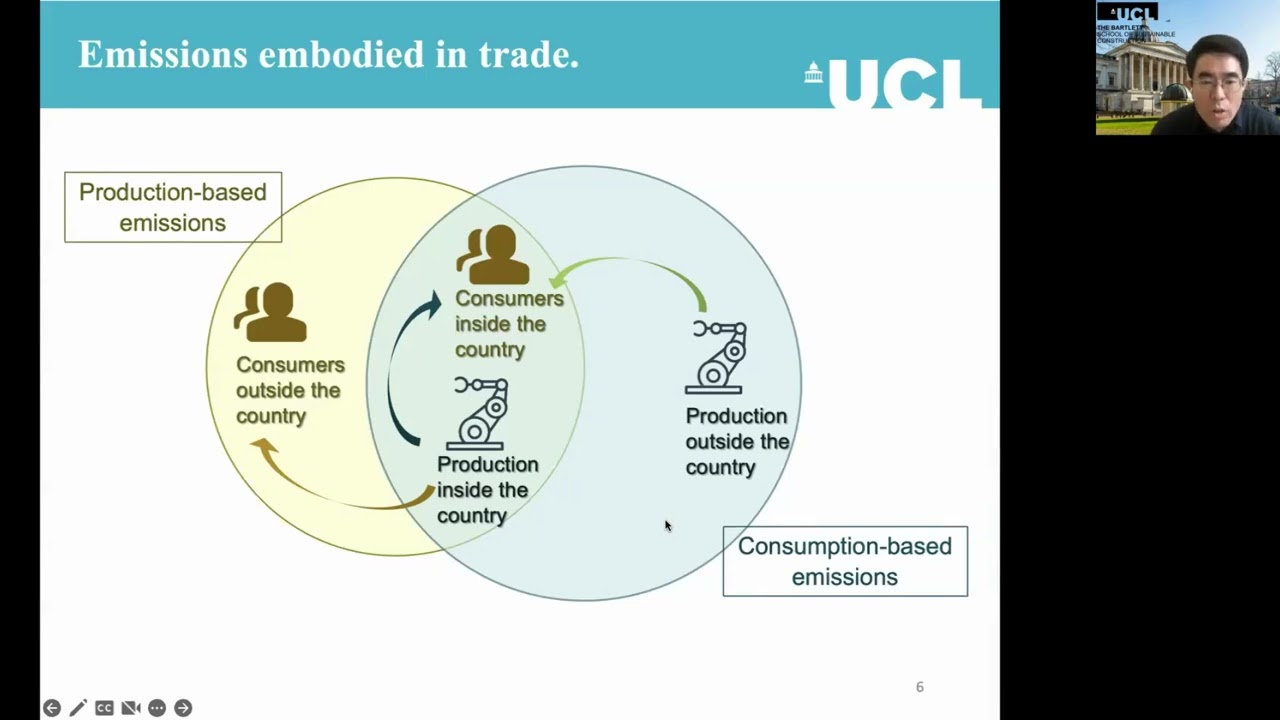
Added:offshoring is the Dark Side of globalization money Goods waste energy people all offsh to avoid laws taxes rules regulations activities are hidden by secretive new networks digital Technologies complex legal and financial structures high security and the vast Lawless oceans States move Powers offshore create new physical and digital borders set up camps military waste pleasure torture Finance offshore tax Havens are used by almost all big companies and high net worth individuals income not spent where it is generated Deet FS local economies contributes to global poverty okay so what I'm concerned with here is the ways in which uh so many processes so many relationships so many economic activities are in part offshore not visible to not controllable by the residents of a society the citizens of a society so I'm interested in both those processes and can that offshoring be reversed in the 1990s there was a great deal of optimism about the processes of global change uh a famous book by Ki omai called the borderlessness examined and advocated uh such a world without significant and pervasive borders and this borderlessness it was said would uh involve the free flow of ideas of people Investments indust is a little bit like the ideas animating the Ted events and some of the processes in that period were famously the collapse of the Soviet regime uh following the uh fall of the Berlin Wall uh the development of global news reporting 24/7 the spread of financial trading uh again 247 following the so-called Big Bang in financial markets uh the invention of the web uh by Tim burners Lee and the whole proliferation of web and also by of mobile uh Communications and also very importantly the spreading of new modes by which uh Travel and Transport was organized new business models generated what's often called the EasyJet generation but that optimism about a sort of borderless Global future uh was brought to a sudden halt by in some ways the uh uh bombing of the twin uh twin TS in New York in on September the 11th 2011 as many risks it now appeared now was quite clear were moving across borders and it became known there were there's terrorism environmental risk trafficking drug Runners uh very substantial oil spills criminals outsourced work uh untaxed income refugees and so on and there are many of these uh offshored uh processes processes going be beyond the Shoring of particular societies uh and there are many examples that were revealed in that video uh one of the elements which is very significant was the offshoring of energy uh so that almost all societ ities in the world are hugely dependent upon energy sources that are no longer local but are uh from often uh where the energy source uh travels huge distances along pipes and uh tanker routes and so on uh Taiwan for example Imports 98% of its energy China the the sort of manufacturing center of the world um has uh only two weeks of oil uh available to it and if there was anything that stopped that for a relatively short period of time that would be have very dramatic consequences for the world uh there has been the offshoring of uh military power and forms of surveillance and the proliferation of new kinds of uh drone technology where the drones can get small close and personal uh being able now to land uh on a window sill for example uh also there's been the we might call the uh sort of development of offshore worlds of leisure and pleasure things like the Olympic Games uh which is a tax Haven for a temporary period of time or of places far from the prying eyes of friends and family as to what sorts of Pleasures can be uh undertaken offshore out of sight uh at the same time much work this has become very well established has been the has been offshored to places to environments which are uh secret uh and in a way systematically secret not merely incidentally uh secret the offshoring of bad work particularly in relationship to manufacturing many of the products that we use here and indeed many of the electronic products that have become so significant in the Contemporary world so what has happened has been a whole set of processes which systematically offshore there's the offshoring uh which is illegal getting around rules and regulations there's the offshoring which goes against the spirits of the law uh such as forms of tax avoidance although these may be technically legal and then often there's the using laws from one context in another which then undermines those laws elsewhere much of the kind of Maritime practices which in those in the vast Lawless sea is particularly significant indeed uh the earth's surface is mostly water and offshore in depends upon uh all kinds of water worlds of what we might call the power at Sea and the power of the sea and off offshore off land is where many rules and regulations are evaded Over the Horizon out of sight and if you stand at the water's edge you can only see something like 3 miles the rest of the ocean and uh places where uh rubbish is dumped uh taxes may be avoided in small Caribbean islands uh where there are ship uh ships which are regist registered uh in um uh forms which are uh very uh un very surprising in these sorts of flags of convenience ship Registries one of the largest of those ship Registries actually is the Mongolian ship registry which of course M Mongolia is a large one of the largest landlock countries in the world um so the effect of this is that resources practices peoples and monies are moved elsewhere to often secret offshor enclaves and in a the brilliant book called Treasure Islands Nicholas shakon describes how offshore is how the world of power now works and in relationship to tax which is one of the most dramatic ways in which this issue has become highly visible uh something like 60 or 70 contemporary societies are in some way or another uh tax Havens uh often also described as secrecy jurisdictions uh and this has a list of some of them including perhaps the premier uh tax Haven of all that is Switzerland which for 100 getting on for a 100 years has had a particular kind of place in uh Global uh par many also have nice beaches and one of the interesting places with nice beaches is Dubai uh these are some images of Dubai the world's tallest building the world's only seven star Hotel uh they once it's claimed that the large world's largest ever party took place in Dubai at the opening of a new hotel complex it's also extended its beaches and is a major tax Haven and this scale of money that goes offshore is really on an astonishing scale from some billions in the 60s and 70s to uh currently something like 21 or so trillion uh Eur doar and that's a sum equivalent to uh a third of the world's income so this is not incidental it's a sort of systematic feature uh half of World Trade passes through tax Havens most has uh been said of the 100 largest companies use offshore subsidiaries often some having hundreds of offshore subsidiaries I think Goldman Sachs is the the record breaker here with with about 2,000 offshore subsidiaries and fewer than 10 million people own uh 21 trillion offshore Fortune but interestingly this has not been uh unresisted and there are many forms of ways in which there has been uh critique and uh Revelation and a kind of process of shaming of these uh many forms of uh uh avoidance of um and some of these are on this slide and I think overall what happens is that societies are fundamentally weakened through uh offshoring processes both kind of directly and through the extensive forms of in income and wealth inequality that they uh contribute to also I think offshoring is very implicit within uh the processes by which uh carbon dioxide emissions have been uh generated through the burning of fossil fuels over the last two to three centuries and it's been calculated that the world's richest 500 million people which I guess includes quite a lot of us in this room are currently responsible for about half of uh CO2 emissions so it's a kind of directly related to issues of uh Global Climate uh and one of the reasons why this is important is because of the ways in which uh extra goods and services are bought and consumed by this richest 500 million people which are sort of sort of unnecessary they're wasted and yet come to produce uh more CO2 emissions so I think the uh the 21st century has thus poed between extreme offshoring uh where the negative dark Spirit pervades the offshore world and its secret paraphernalia or reshoring and I just mention a few uh examples of the sorts of policies that might be pertinent to developing a reshored world one of those would be a country by country reporting for the taxing of income earned by corporations at the moment that is not the case although there are schemes to develop country bycount reporting so that roughly speaking a com a corporation would be taxed on the activities which it uh generated within it within each country secondly uh So-Cal proximity principle which a little bit uh applies that is that waste products various kinds of waste and modern societies are huge waste producers should be disposed of as close as possible to where that waste has been generated thirdly I think there's a really significant import really significant importance of the practice of whistleblowing and of course that's very much in contemporary debate and discussions to reveal secret worlds some less marked division of labor more localizing of the production and consumption of goods and services and finally we might think the that there are significant opportunities of 3D printing to produce Goods as close as possible to where they are needed uh such as the 3D printed Ted X um so there are interesting possibilities and a kind of program of work to reverse offshoring to my mind is really necessary it's necessary also for democracy for money and resources being subject to clear transparent and accountable contestation between members of a given society that seems so obvious but all the sorts of processes I've been referring to undermine that possibility and uh an interesting writer on this topic uh says what we should do is go back onshore reattached to the body of society in League with nature where Freedom must move people together and not push them apart not thank you
Up Next

Community-Based Tourism in Timor-Leste: Models & Impacts
@TravelProfessors
1.6K views•2016-11-17

Triumph of Orthodoxy Icon: Byzantine Art & History Explained
@BenCallan
2.1K views•2024-08-06

Indigenous Astronomy: Rethinking Space Ethics | Karlie Noon TEDx
@TEDx
15.1K views•2025-11-30

Game of Thrones Opening Credits: A Cinematic Analysis
@gameofthrones
46.3M views•2011-04-18
Related Study Plans & Knowledge Roadmaps
Structured learning paths in General & Interdisciplinary Studies