
























Natural disasters reveal systemic inequalities in mobility systems, where access to transportation, documents, money, and networks determines survival; Mobility Justice encompasses three dimensions—self-determination of movement, motility (potential for mobility), and mobility capability—which together ensure equitable capacity for movement, and when mobility systems fail during disasters, those lacking network capital (financial resources, documents, qualifications, access to networks, communication devices, vehicles, and time) are disproportionately left behind, as demonstrated by Hurricane Katrina and the Haiti earthquake.
Mobility Justice in Disasters: Inequality & Sustainability
Added:The concept of environmental and climate justice, specifically how socio-economic disparities affect access to resources and safety.
Basic principles of social vulnerability in disaster risk reduction (DRR), outlining why certain populations face higher risks during crises.
Fundamentals of urban transportation planning, including the distinction between private vehicle dependency and public transit infrastructure.
The concept of 'mobility capital'—the unevenly distributed capacity of individuals to move freely, safely, and efficiently in space.
Inclusive emergency evacuation planning and policy design tailored for carless, disabled, and elderly populations.
Methodologies for conducting climate vulnerability assessments on municipal transit networks and critical infrastructure.
The role of grassroots mutual aid networks and decentralized, community-led mobility strategies during environmental crises.
Comparative analysis of historical disaster case studies, such as the transit failures during Hurricane Katrina or the evacuation dynamics of major wildfires.
1.2K views16likes11:05Original Release: 2013-12-02
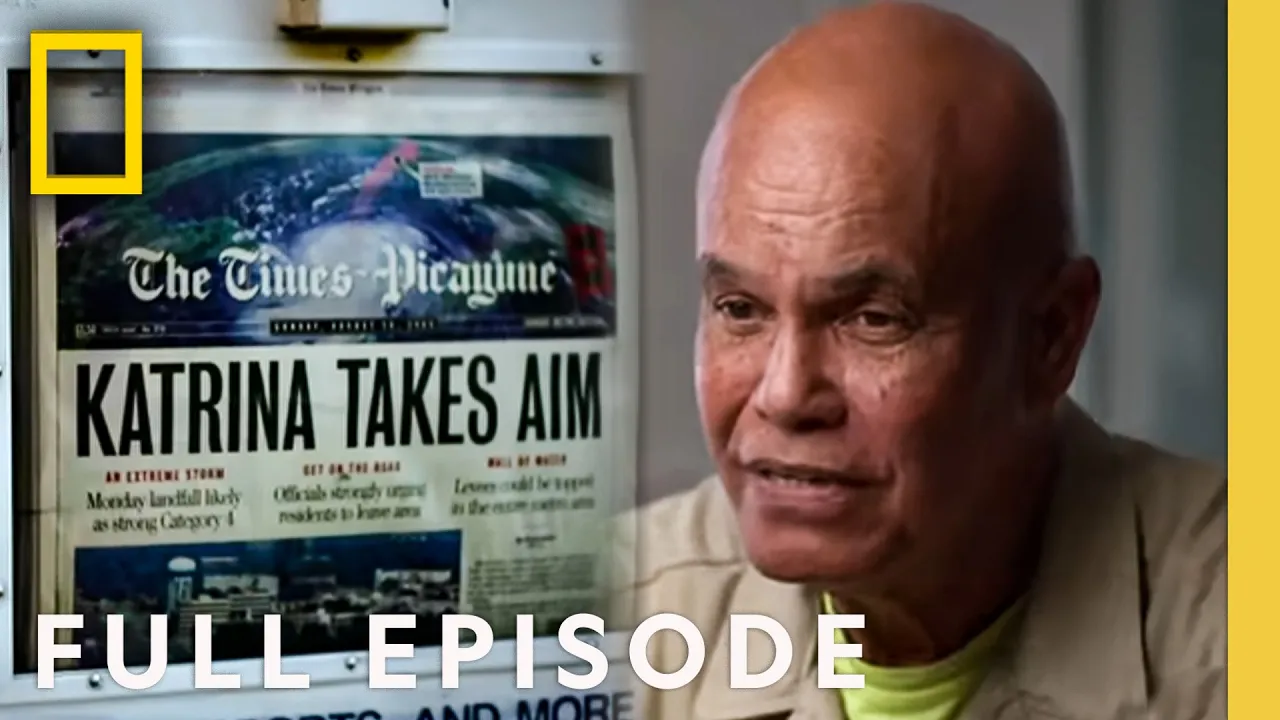
moving forward sustainable Mobility is connected to Mobility Justice and I want to talk about what I mean by Mobility Justice by thinking about disasters and what happens when Mobility systems fail because it's one of the ways in which we become most aware of the inequality of mobility and when we think of sustainability it's often described as having three pillars or three legs one is ecological and the sort of environmental sustainability the second is economic um Can Can we sort of economically sustain something and the third has to do with social sustainability which concerns democracy and Equity um and fairness so when we talk about sustainability and sustainable Mobility we need to think about all of those environmental economic and social justice as part of what makes something sustainable so I use the term Mobility Justice as a way to think about all of the things that go into making Equitable and fair uh capacity for mobility and on the one hand it begins with self-determination of movement and for me because I've studied the history of slavery and emancipation slavery is the extreme example of non self-determination of Mobility where you are trapped by someone else think of being in Chains um or in prison that's a situation where you have no uh self-determination of movement secondly is um motility as the sort of potential for mobility and that's a different kind of thing than just sort of physical um capacities but all sorts of cultural skills and knowhow um and forms of uh potential access uh which you do not have to necessarily use but to be able to decide um when and how you will be mobile is uh the power that we call motility finally I also refer to the idea of Mobility capability drawing on the capabilities approach which is that we have not just a right to Mobility but we need to ensure people's capabilities for mobility and those three things together self-determination of movement motility and Mobility capability make what I call Mobility Justice and in certain disasters we see a complete failure of Mobility Justice and I'm going to talk about two examples one was Hurricane Katrina when it hit New Orleans and also to think more recently about Hurricane Sandy and its effects on the east coast of of North America and then the second example I'll turn to is the earthquake in Haiti in January of 2010 uh so learning from New Orleans after Hurricane Katrina we saw a city that was completely flooded um and more recently in Hurricane Sandy we saw a lower Manhattan completely flooded and parts of the outer Burrows of Manhattan um being hit by just so much water in a way that has been predicted it's been expected and yet nobody's really prepared for it when it happens when a trans transportation system gets completely shut down um we can see that natural disasters yes they affect everybody but they affect the poor and the kind of marginalized areas more than the center and the places of power and the people who have higher Mobility potential so in New Orleans um we saw the levies overflow especially into the poorer neighborhoods and we saw roadways knocked out and that the people were able to evacuate were those who had access to cars and could get out quickly and the people who did not have cars who maybe did not even have bus fair or a place to go to they were the ones who were left behind this relates to the idea um of uh Elliot and iie of what they call Network capital and network Capital means these all the things that go into the capacities to be mobile and that includes um money documents qualifications um access to networks uh location-free information and contact points the physical capacity for movement but also the sort of communicational capacity to be able to um use uh phones and other communication devices and to secure meeting places um and to have access to Vehicles infrastructure and time and other resources for coordination those are all the forms of network Capital that are missing for the people who are left behind in a disaster um like hurricane krina um and so as it was reported on at the time for example the New York Times wrote that the victims were largely black and poor those who toiled in the background of the tourist Havens living in tumbled down neighborhoods that were long known to be vulnerable to disaster if the levies failed without so much as a car or bus fair to escape ahead of time they found themselves left behind by a failure to plan for their rescue should the dreaded day ever arrive so there's been a lot of um research within uh Transportation studies on what some call Transportation apartheid or the sort of um the question of the right to the city who who is able to be mobile and to come and go in a city and who cannot turning then to the uh January 2010 Earth quake in Haiti we have an even more extreme example of the kinds of inequalities that come to light in Mobility capabilities after a disaster um I was working in Haiti um with a NSF funded research team um on we were working on issues of local participation in rebuilding water and sanitation systems um so I was there the earthquake occurred in January 2010 and I was there in May and June and then in July and August of that year and I could really see the examples of the vast inequality in Mobility immediately after the earthquake the US military came in right away and took over the airport of port in Porto Prince and they controlled it before they were even invited um and that right there lay bare the fact that air systems and access to air basically is um something we are allowed to do because of military power lets civilian aircraft fly in a disaster civilian aircraft can immediately be grounded and really it's the military who controls airspace so you see right away military control of airspace and then you see that the foreigners were able to come into Haiti to help but people in Haiti were not able to leave and in fact as refu some refugees started to leave in small boats um in the months after the earthquake they were intercept CED by the US Coast Guard and they were returned to Haiti so you see in a disaster you see a flow of responders of humanitarian Aid people and Equipment coming into the country but very few people are able to actually leave the disaster Zone and especially the poorest so there were about I think it was 30,000 Haitians who were able to leave the country right after the earthquake but they were generally US Passport holders or they already had a passport and a Visa and they could fly out maybe through Santa Domingo and the Dominican Republic those were the few who were able to leave while the vast majority were stuck in what were called IDP camps or camps of internally displaced people so I contrast the kind of the view from the airplane window as I'm flying in to Haiti and I have this power to have a passport to have vaccination to um be able to have the money to pay for a ticket to be able to bring a smartphone which allows me access not only to the internet but to maps to really good uh Google Earth maps of the entire geography um of Haiti that no local people had access to any of those forms of Mobility or network capital and to contrast with that you could think of what kind of Mobility did Haitians have access to and they have um their buses which are these beautiful colorful buses called tap Taps and one of the classic images you see on the decorations of the taptap buses is uh running along the top of it is an airplane a painted airplane and people are sitting up on top of the bus with their luggage is as close as most of those people will ever get to air travel or to flight because they're the people without passports the people without vises um and so they end up sitting on top of a hot Dusty bus on a a mock airplane in contrast to The Rescuers who were coming to help them uh so we have this kind of militarization of air space and this access of the foreigners with network capital and you can contrast that with those who don't have access to those things um and it's also important to think about how does that relate to wider power relations in the Caribbean so in a disaster it's an extreme situation but we can think about tourism also and the ways in which tourism is a form of access by those with Mobility capability to go to a place to enjoy a place to leave and go home when they need to whereas the people who work in the tourist areas often do not have that kind of um ability to move around in the same way so I think for me kind of thinking about failed Mobility systems is a way to sort of unveil the power dynamics that are behind all of our Mobility systems all of the time but we mostly tend to ignore those inequalities for
Up Next

20:56
Southern Theory by Raewyn Connell | Sociology Theory Explained
@e-contentsocialscience248
714 views•2021-03-23
54:57
Contemporary Sociological Theory: Micro, Macro, Integrative
@NaSESYNC
45.7K views•2016-02-17
19:23
How to Analyze Conversations Scientifically | Elizabeth Stokoe | TEDx
@TEDx
1M views•2014-12-04
9:41
What is Sociology? The Sociological Perspective Explained
@crashcourse
4.6M views•2017-03-13
Related Study Plans & Knowledge Roadmaps
Structured learning paths in Sociology
sociology
Celebrity Culture: From Hollywood to TikTok
01Foundations of Celebrity Sociology
02The Rise of Micro-Celebrity & Digital Platforms
03Parasocial Relationships & Algorithmic Intimacy
+ 2 more learning modules
12h5 modules
Explore Roadmap
sociology
Hostile Architecture: Space, Power & Control
01Introduction to the Sociology of Space
02Social Control and Surveillance in the City
03Hostile Architecture and Defensive Design
+ 2 more learning modules
12h5 modules
Explore Roadmap
sociology
Loneliness Epidemic: Third Places & Isolation
01Foundations of Social Capital and Community Cohesion
02The Death of Third Places and Urban Space Erosion
03The Privatization of Leisure and Atomization
+ 2 more learning modules
12h5 modules
Explore Roadmap
sociology
Sociology of Tourism: Gaze, Power & Heritage
01Foundations of the Sociology of Travel and Leisure
02John Urry and the 'Tourist Gaze'
03Staged Authenticity and Cultural Commodification
+ 2 more learning modules
14h5 modules
Explore Roadmap