











![[ VO ] Collapsologie, anxiété et dépression ? Glenn Albrecht [EN DIRECT]](https://i.ytimg.com/vi/n7yxxa4iFwc/maxresdefault.jpg)






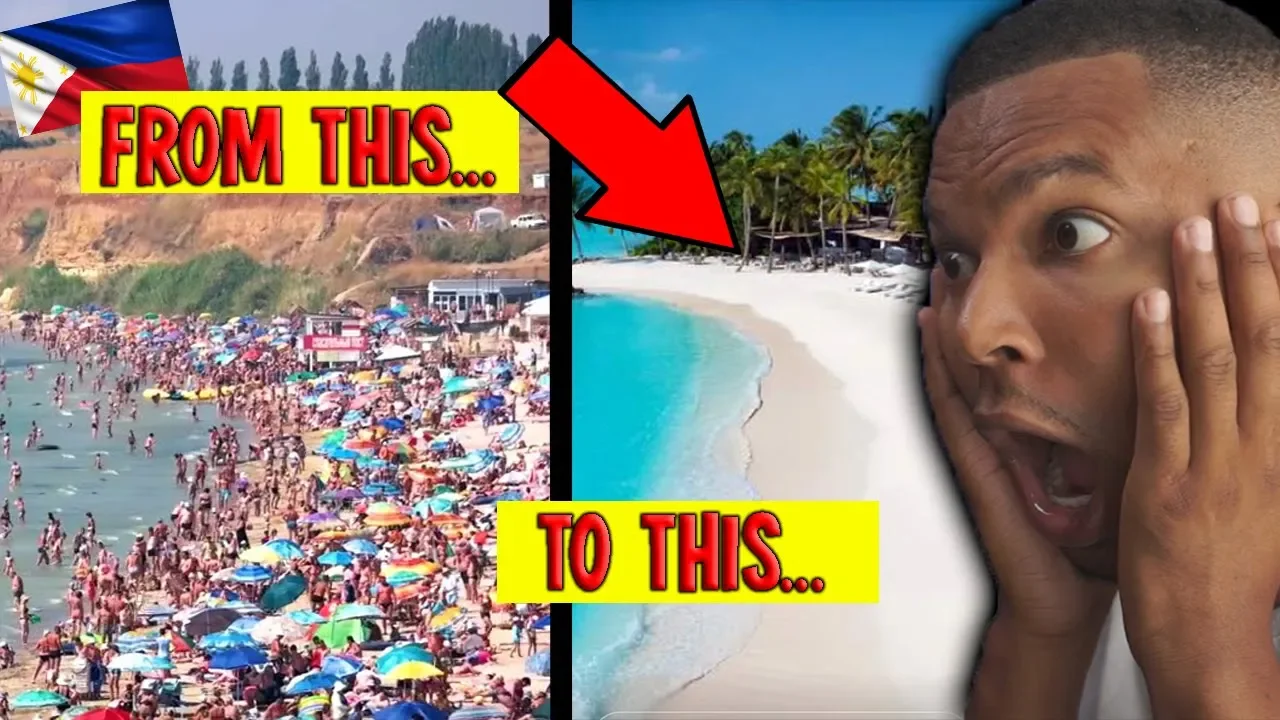
Nature has been incorporated into consumer culture through commodification, where natural environments are transformed into marketable products and experiences; this process involves the 'tourist gaze'—a sociological concept describing how tourists consume nature through mediated, packaged experiences that frame natural environments as spectacles rather than authentic ecosystems, ultimately reinforcing human separation from nature rather than genuine connection.
Commodifying Nature: How Consumer Culture Shapes Our View of the Environment
Added:The concept of commodification: Understanding the socio-economic process by which non-commercial objects, ideas, or natural entities are transformed into marketable goods.
The sociology of consumer culture: Familiarity with how modern society's values, identities, and daily life are structured around the acquisition of goods and leisure experiences.
John Urry's theory of the 'Tourist Gaze': A basic grasp of how tourists learn to look at, appreciate, and consume landscapes based on culturally constructed expectations.
Environmental sociology basics: An understanding of the historical shift in human perceptions of nature, transitioning from a resource to be feared/conquered to an aesthetic escape.
Greenwashing and eco-capitalism: Investigating how corporations commodify 'sustainability' and use pro-environmental messaging to encourage further consumption.
Political ecology: Exploring the academic field that examines how political, economic, and social power structures influence environmental distribution and ecological crises.
Alternative ecological frameworks: Studying non-capitalist relationships with the environment, such as Indigenous land stewardship and the legal designation of rights to nature.
Sustainable tourism management: Developing practical strategies to mitigate the negative ecological and cultural impacts of the 'tourist gaze' on fragile ecosystems.
291 views7likes12:28Original Release: 2019-08-20
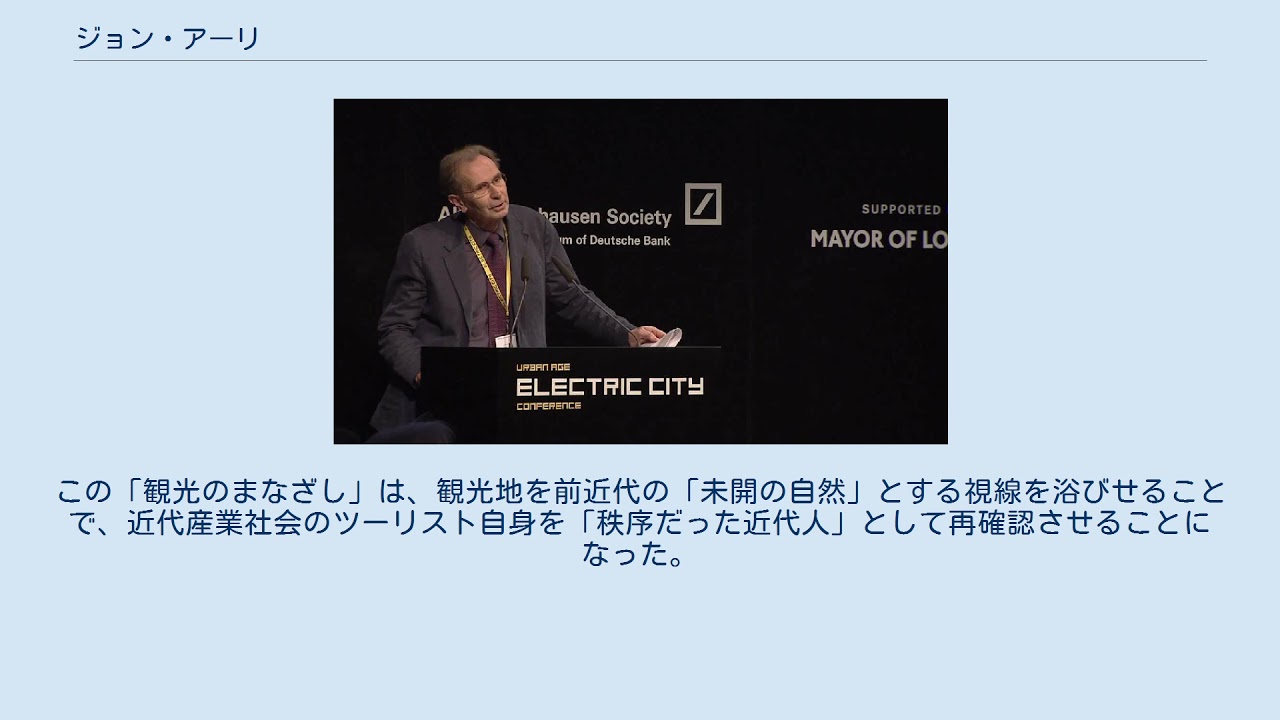
hi welcome to lecture six sorry lecture five in soccer three two six six and I'll be talking here about the way that nature is incorporated to consumer culture and the way the nature itself can be seen as being commodified so I think I wanted to start by just kind of using this image as a way of thinking about that two fairly common thing to say in the streets of Newcastle where you know trees are kind of shaped to allow our power lines through them so I think this is a nice kind of illustration of our relation between nature of culture nature throughout the last couple of centuries in particular and particularly the rise of capitalism has been seen as something that needs to be dominated by humans it needs to be something that it's like held back it's threatening we know that we kind of rely on it you know in terms of air and food water but really it's something to be used as a resource something to be shaped so we can kind of get on with our our lives of course that's something that needs to be constantly worked out so in this example for instance that tree you know if left to its own devices would very quickly swallow that power line and you know bring the poles down around it after a year or two so I think that's a nice little metaphor really for the constant work and the comment that humans feel they need to do the whole major back as a from a threat but also the ways that it's kind of unsustainable that really it's not something when you keep doing so the content this week in it and I think the reading is particularly good this weekend terms of thinking about the way is that nature itself has been brought in to the consumer culture and the ways that humans have tried to separate themselves in many ways from nature to the point where some theorists argues that it doesn't really exist anymore and if it does exist it's going to kind of come back in the end and maybe nature will exist in humans so certainly nature has been seen as something you know to be used distraction of fossil fuels and trees modification of environments for farming and building and all this kind of stuff I think a really good example of the ways that we don't really deal with nature you know you know kind of actual reality is the ways that much of the effects of our economy are an externality in terms of the way that economics deals with it they're not really considered on balance it's not really considered very much on balance sheets at all so thinking here about the very kind of social and cultural implications of the way that nature has been separated from those things and the way that that's you know not very useful and very unsustainable but the way that kind of culture and stuff itself becomes embedded in the ways that we relate to nature it a kind of a silly example that I use there it's kind of I think for many people it's almost impossible to think about sharks without hearing the jaws music our relation to you know an example of nature there sharks in the ocean becomes represented and felt and experienced and the sensation of it can be kind of associated with a particular form of music in pop culture so even here in this week's work we are looking at the ways that you know the kind of need to get back to nature you know whether it's kind of going to the beach or going camping in the middle of nowhere may actually kind of reflect humans rather arrogant and separate notion relation to it rather than even though a more authentic experience or a war kind of or sorry or a less problematic relation to nature so that's the kind of stuff we're going to be looking at this week so that so the chapter this week I think does a really good job of thinking about how nature is something now that it's consumed and particularly through the notion of tourism through prepackaged three parks a particular nature-based tourism well we can think of this in all kinds of other and even what seemed to be more mundane ways I mean if you go out into the bush or you go to any kind of natural environment area now to kind of look at something that tends to be human-made platforms for you to stand on in view it so in that in and of itself as I think a good example of how nature is something to be viewed through a particular lens so it relies upon the distinction between the simulation of nature and an apparent authentic experience of nature but orthis idiots the idea of authenticity itself is problematic it's very increasingly rare for us to be able to engage in a kind of natural environment invasive kind of escape is kind of mediated and can modify it for us so this that the chapter looks at the gaze the federalization of nature and here they were kind of thinking about the notion of the tourist gaze the Zoological gain is nature becomes a thing consumed from a kind of particular perspective theme nature parks places like SeaWorld essentially McDonald eyes and Disney eyes nature until I idealize spaces nature becomes a form of spectacle form of simulation and as a virtualized so here those kind of places are like basically shopping centers with animals in them and then we can look at the notion of tourism people that kind of want to have more authentic experiences are also kind of packaged up for us and they engage with our desire that romantic ideal of being in nature and what happens in those situations that quite a post tourist situation is there's a confrontation between the tensions between an authenticity and that mediation that are they're talking about so to begin with the gaze the notion of the tourist gaze in particular created by John John Orie has been really influential from the sociological perspective to think about the ways that we engage with being a tourist and more specifically the relation between humans and the way that experience nature now the notion of the gays itself is a is a kind of common sociological way of thinking John Burgess work as I pointed out already in the course has been foundation on this area he kind of uses some Marxist philosophy in particular and semiotics to to think about the ideological ways that the modern art the ideologies that modern art promotes more broadly the gaze has been used to kind of think about them male gaze and the patriarchal gaze the Bechdel test I think is a good example of the kind of everyday popular cultural example there's been the medical gaze through Foucault tea and research the separation of doctors and patients and certainly the Imperial gaze from Kaplan there that shows that emphasizes the various ethnocentric hierarchies that are still in now in relation in terms of post-colonial global global relations in particular so the gaze has been really important here but in terms of the federalization of nature the taurus gaze has been a way of developed by john re to think about this so here people become travelers or tourists and when we're doing that we're kind of experiencing and seeking stuff outside of our normal day-to-day lives now we're on a holiday here taking a break from our job or the weekend at least you know getting away from what we do in at monday-friday world this kind of notion of getting away of experiencing new sounds and sights and foods it smells so in a way that very kind of orientation that our move away from work and try and in some ways moving outside of consumer culture in that everyday sense sets up a kind of orientation or way of them viewing things that re starts to postulate as this idea of the Taurus gays the gays after all is visual it can literally take a split second and the other services provided are in a sense of peripheral to the fundamental processes of consumption which is the capturing of the case itself so just an as a little sidetrack here Aries genres work has been is very influential unfortunately but he died a couple of years ago and he's workers across a number of fields certainly is very well-known for the tourists gays he also wrote some really important theoretical texts in the 90s around the kind of changes to capitalism really in the same vein as kind of back to work on rhesus ID and Castillo's on the Information Age Berean just got lash wrote these books called the end of organized capitalism and economies of science of space he also has been a key in the kind of rise of understanding of mobility seen as a kind of key theorist in mobility studies he also wrote some a really good little book about bringing complexity theory into social theory which is I think real well worth checking out and his later work on climate change in society about how sociology itself is kind of struggling to deal with the problem of climate change and where he's kind of sketched out when you call a post-carbon sociology is a is a really good book as well one of the good things about John Aires work particularly the stuff on mobility is complexity and climate change there again they're very readable text so I think you've interested in those topics you should check those out so when it comes to sketching out this tourist case I'm re kind of highlights how there's a political economy of it the game is tends to be affirmed by relatively wealthy people from the so-called first world on the rest and this combines a kind of conspicuous confirm of consumption but also kind of a spectacular notion of consumption where we're kind of going out into this world trying to kind of I suppose collect experiences of kind of you know spectacle so I think the quote there kind of sums up that quite well what Ari has to say about this is places are chosen to be gazed upon because there is anticipation especially through daydreaming and fantasy in our day to day lives of intense pleasures either on a different scale or involving different senses from those customarily experience again in our day to day in particular that anticipation is constructed and sustained through a variety of non tourist practices such as film TV literature magazines records and videos which construct and reinforce that gaze so importantly here what Ari is pointing out is that we kind of bring the experience of the places that we're going to the way that we've learned about you know these places through books magazine films and TV we bring those expectations you know when we become a tourist but then what often happens is the tourist industry kind of frames our experience of those places through those preconceptions as well to make them more palatable for us this involves processes of fantasise ation fantasy mediation representation so it kind of brings together hero's romantic and collective gazes that they are past and present brings together so I'll just that's the hell I want to end that here the dice idea of the tourist gaze is a way of thinking of how tourism itself is an experience that we crave in terms of getting new experiences of of experiencing things that are beyond our day-to-day lives but what happens in this relationship is that we tend to bring a fairly colonial dominant way of being in the world you know you often see your chorist in other countries you know complaining about the food and the smells and all that kind of stuff and as a result of that what often happens as well is that there becomes an industry in those places to provide experiences to those Western tourists that kind of take some of those cultural edges off that maybe we find a scene or abject or disgusting and package things up for us so we can experience them more easily and efficiently and that's what the second half of the the content today is about
Up Next
30:02
Rethinking Tourism: The Moral Economy of Attractions
@gbltuwien
1.3K views•2020-05-13

12:54
Triumph of Orthodoxy Icon: Byzantine Art & History Explained
@BenCallan
2.1K views•2024-08-06

9:49
FastAPI vs Flask vs Django: Choosing the Right Python Web Framework
@TechWithTim
302.5K views•2024-05-26

1:42
Game of Thrones Opening Credits: A Cinematic Analysis
@gameofthrones
46.3M views•2011-04-18
Related Study Plans & Knowledge Roadmaps
Structured learning paths in General & Interdisciplinary Studies
general-studies
Elevator Engineering: History, Physics & Cities
01From Hoists to Safety Brakes: The Dawn of Vertical Lift
02Hydraulic vs. Traction: The Engineering Physics of Elevators
03Modern Speed, Safety, and Algorithms
+ 2 more learning modules
12h5 modules
Explore Roadmap
general-studies
Rubber: Material Science, History & Geopolitics
01Origins of Natural Rubber & Mesoamerican History
02The Chemistry of Natural Rubber & Vulcanization
03The Geopolitics of the Rubber Boom & Colonization
+ 2 more learning modules
12h5 modules
Explore Roadmap
general-studies
Containerization: Evolution, Logistics & Trade
01Ancient Trade & Bulk Cargo: Amphorae to Barrels
02The Industrial Revolution & Cardboard Packaging
03The Containerization Revolution: Malcom McLean
+ 2 more learning modules
12h5 modules
Explore Roadmap
general-studies
Textile Tech: Evolution, Labor & Global Impact
01Pre-Industrial Textiles: Handloom & Cottage Industry
02Mechanization: The Spinning Jenny to the Power Loom
03The Factory System & Global Labor Transformation
+ 2 more learning modules
10h5 modules
Explore Roadmap