























![John Harvey reading Contending Perspectives: Chapter 10: Ecological economics [EDITED]](https://i.ytimg.com/vi/SL8fjRcmjt4/maxresdefault.jpg)


Consumer society emerged historically through stages—from Renaissance Italy's moral economy resisting commercial excess, through 18th-century developments in marketing and mass production, to the post-war consumer revolution—driven by two core dynamics: the production of new desires (manufactured through advertising and celebrity culture) and social mimicry (where status-seeking drives consumption beyond utility). Critics including Marx, Baudrillard, Jameson, and Harvey argue this creates alienation and depthlessness, obscuring authentic human needs and environmental consequences. However, depth can be reclaimed through active consumption—decoding commercial messages, building meaningful relationships with objects, and engaging politically with supply chains—transforming consumer behavior from passive acceptance to conscious ethical engagement.
Consumer Society Explained: History, Philosophy & Psychology
Added:we live in a consumer society our lives revolve around shops supermarkets new experiences new stuff we're in the midst of one of the busiest shopping weekends of the year the notion of the conscious consumer has certainly gained traction the textile industry in leicester has been under investigation a world surrounded by image advertising marketing one day delivery product placement gadgets and fast fashion we are supposedly shallow obsessed with the self narcissistic and vain building personal castles of consumption on the foundations of things we don't really need but is this true in some sense of course we've always consumed and while we now do consume the latest frivolous fashion and want the latest pointless gadgets we also consume meaningful things new foods and books travel and art so consumerism is a broad and a vague concept from the latin consumer it used to mean to use up and was limited to things like candles food drink and wood things that you would literally consume would disappear but it's obvious that throughout the modern period and increasingly from the 1950s something new has happened a consumer revolution maybe consumption expanded across the classes it began to dominate all of our lives at some point we transformed into a consumer society the consumer society is different from previous forms of consumption we have a wider variety of goods shops and services we have more pervasive marketing everything is commercialized and exchanged and consumerism has become not just about producing new goods but has become a cultural phenomenon in his classic 1993 book land of desire historian william leach says that quote the cardinal features of this culture were acquisition and consumption as the means of achieving happiness the cult of the new the democratization of desire and money value as the predominant measure of all value in society and historian peter stearns defines consumerism as quote a society in which many people formulate their goals in life partly through acquiring goods that they clearly do not need for substance or for traditional display so today i want to explore our consumer world that landscape would desire what does consumerism mean is it even a useful concept is the west are we shallow does consumerism make us ill does it alienate us from our true selves what does it mean to be surrounded by image by advertising by celebrity is there any possibility of ethical consumption is there any way out like the waters of a mighty ocean people also represent a tremendous force the understanding of which is of greatest importance to the american way of life this force is known as consumer power [Music] to fully understand the function of outdoor advertising in modern living it is necessary to keep in mind the day-by-day activities of the people who are reached by this powerful form of advertising media they work they play they study and most important of all they buy [Music] first first we need to look at the history of how consumerism developed what we might have lost and when and why this change happened to really understand what our consumer society is modern consumerism as we understand it today began to develop in the city-states of renaissance italy in the 15th century trade between the far east middle east and europe increased merchants became wealthier and disposable income became more common artisans and shopkeepers traded in owned and collected increasing numbers of household wares like jars bowls plates cutlery and textiles like clothes or curtains carvings and tapestries and art became more elaborate and more widespread but the new economics of consumption the newfound wealth of merchants exploring the globe developed alongside an already existing moral economy in italy that questioned consumerism's benefits and sought to moderate its successes [Music] aristotle whose works became more widely read during the renaissance had argued that the displaying of wealth should be done virtuously a wealthy man he said to be admired should contribute to public works and communal feasts brash undirected luxury was immoral it had no social use for plato too luxury led to laziness corruption and an inward drive for ever increasing selfish desires the ancient stoics also rejected the idea of becoming attached to anything material and fleeting identifying with and becoming attached to an external world outside of your control would only lead to frustration when those attachments were challenged perished or were taken away the ancient greeks for the most part had emphasized an inner virtuous life the christian church which of course had a strong presence in renaissance italy adopted the values of these ancient greek philosophies and so many in places like florence venice and milan were skeptical of this new commercial culture the newly wealthy merchants had to ensure that their possessions were consistent with the conservative sensibilities of the time in 1497 for example one friar started a bonfire of vanities in the middle of florence or games instruments cosmetics clothes and tapestries anything that could tempt one into sin were all burned as citizens danced around the bonfire venetians passed laws trying to regulate luxury taxing spending at weddings and prohibiting certain dress styles and tapestries more than a certain length as commerce thrived across europe other european states followed in england for example wearing purple silk and gold was restricted to royals in london in 1574 a tailor was sent to prison for wearing quote a pair of hoes lined with taffety and a shirt edged with silver contrary to the ordinances while in much of asia the buddhist tradition much like the stoics rejected the idea of attachment with possessions with the external world [Music] it was only in the 18th century that these attitudes began to change as global trade increased people began collecting new and unique candlesticks exotic linens and textiles spices tan cards bird cages porcelain stockings pipes and soaps a taste for new foods and drinks made cheaper and more abundant by the atlantic slave trade increased and consumers became addicted to coffee tea chocolate and especially sugar cotton from plants instead of animals again made cheaper with slave labor became more affordable took dyes better and suddenly clothes became more colourful more varied more abundant all of this coincided with the development of modern marketing advertising and salesmanship as merchants sought new ways to promote new goods english pottery maker josiah wedgewood central to the industrial revolution invented the modern salesman in the 18th century as the historian neil mckendrick writes wedgwood used inertia selling campaigns product differentiation market segmentation detailed market research embryonic self-service schemes money back if not satisfied policies free carriage giveaway sales promotions auctions lotteries catalogues advanced credit three-tier discount schemes including major discounts for first orders and almost every form of advertisement trade cards shop signs letterheads bill heads newspaper and magazine advertisements fashion plates and fashion magazines solicited puffs organized propaganda campaigns even false attacks organized to produce the opportunity to publicize the counter-attack throughout the 19th century consumerism continued entering the home in britain a new trend wallpaper led to sails going through the roof art and photography miniature replicas of statues and ornaments all became cheaper to reproduce and manufacture and so became more popular clocks and watches were suddenly everywhere then the glass window was invented shop windows glass cabinets and displays created a new relationship between the consumer good and the consumer perhaps more than any other medium the historian j w longstrom writes glass democratized desire even as it democratized access to goods and in the 20th century diy tools commercial music radio cinema television technology and gadgets and computers supercharged the consumer revolution mcdonald's opened its doors in 1955 credit cards were introduced in 1958 comic books in hollywood microsoft and apple took over the world supermarkets and shopping miles sprang up and governments invested in highways to connect them in 1946 there were just eight suburban shopping centers in the us 14 years later in 1960 there were almost four thousand these new cathedrals of commerce epitomized the shift in culture famed architect victor gruen designed the largest shopping mall in the world in detroit in 1952 it had hundreds of stores private roads a power plant a police force a water system and was designed as a self-contained city gruen's next project in minnesota was even more ambitious he designed it so that deliveries the organizing of stock the wires and pipes were accessed from the back hidden from view so that everything appeared on the shelves as if by magic grew and believed that these new developments could be the hearts of the new suburban communities that were springing up everywhere that were in desperate need of a kind of spiritual communal core later in life though he became appalled at how they turned out he wrote that instead of providing the need place and opportunity for participation in modern community life that the ancient greek agora the medieval market in place and our town squares provided in the past they become bastard developments gruen retired to vienna becoming a science fiction writer commenting on the environmental destruction our new suburban culture was causing so while consumerism developed over centuries the post-war consumer revolution the one we're all a product of and living in really right now was a fundamental break from the past mass consumption became national international advertising pervaded every living room through radio and television and then the internet disposable income increased for many rock and roll birth control and then the swinging 60s made hedonism and the enjoyment of new desires respectable but if consumerism is so broad so vague so far-reaching what really does a consumer society even mean [Music] [Music] okay so we've looked at some history what about the culture psychology sociology the philosophy of consumerism there's clearly not one single consumerism though we consume everything from food to music to essential oils to new package experiences is it all just hedonistic well no clearly not we consume books and audio books and online lectures we consume healthy foods we don't necessarily enjoy sometimes we use gadgets like sports watches that we don't necessarily get simple pleasure or enjoyment from but consumerism is even more complicated than this it's not just stuff it's a cultural activity a subject a certain attitude towards the world we have to remember that going shopping and being a consumer is a historical cultural activity that has values norms outlooks it's done in different ways depending on the person the place the historical period it's not just the act of purchasing and consumption it's the perspectives the specific activities that go with it the marketing and the wider relationships and interactions too consumer groups and cooperatives and political parties and pressure groups and lobbies all developed throughout the 19th century consumers organized there are book genres and discourses about shopping conscientiously consumer groups lobby the states for rights and consumer protections so apart from the obvious an increase in global trade the black death played a huge role by the way so many died that the people that survived were better off financially and had more disposable income to go around apart from all of this kind of stuff can we identify any cultural and social and psychological dynamics that might help us understand consumerism today i think there are two that provide a good root into the psychology and the sociology they are the production of new desires and social mimicry [Music] some objects some consumer goods fulfill a simple natural biological need we eat to satiate ourselves we buy a bed to sleep on a home to protect us from the elements but we're not just a needs species we go beyond our simple needs we create new desires new ways of being in the world we seem to have a desire for the new but really understanding what that means what it could mean has only developed over the past few hundred years we can see this shift in what desire means across the 19th century sociologist colin campbell argues for example that romanticism that hugely influential pan-european movement that emphasized feelings sentiments emotions novel experiences and adventure and creativity was an important part of the development of a consumerist outlook campbell writes that the consumer withdrawals from reality as fast as he encounters it ever casting his daydreams forward in time attaching them to objects of desire and then subsequently unhooking them from these objects as and when they are attained and experienced as modernity developed and we were unshackled from the circularity of traditional life of the same routines every day every month every year we began to want to collect something new experiences oscar wilde satirized this idea of new experiences in his 1891 the picture of dorian gray grey exchanges his soul for everlasting youth so that he can live endlessly as a hedonist rachel baubie writes that grey exchanges his moral self for the unbound liberty of the new hedonist there's no limit to the number of personalities he can adopt to the experiences he can try the modern world created adventurers explorers dandies and flanners moving through the streets through the countryside moving through the world just to collate and to understand the new already in 1655 philosopher and scientist robert boyle had written that while other creatures were content with easily attainable necessaries humans had a multiplicity of desires and greedy appetites in 1741's fable of the bees bernard mandeville had argued against the receive wisdom of christianity the ancient greeks and the romans that private vice and selfish individual desire were simply pernicious instead he said they were socially useful they created more trade more commerce and in the end made everyone better off scottish enlightenment philosopher david hume agreed to an extent writing that indolent luxury was still pernicious but that an increase and consumption of all the commodities which served to the ornament and pleasures of life are advantages to society [Music] when wilde was writing in the 19th century paris was becoming an international hotspot for new department stores placing a universe of exotic goods on display in his book the ladies paradise author emile zola wrote about the allure of the new stores he called them altars a miracle a machine and that mad desires were driving all the women crazy other parisians and critics talked about a new type of person the flaneur the everyday person strolling aimlessly around the parisian arcades just taking it all in experiencing as much as possible and at the beginning of the 20th century as henry ford popularized a new method of standardized mass production capitalists and then advertising executives on madison avenue wondered how new desires could be maintained created from thin air the father of public relations and freud's nephew edward bernays wrote that mass production is profitable only if its rhythm can be maintained business cannot afford to wait until the public asks for its product it must maintain constant touch through advertising and propaganda to ensure itself the continuous demand which alone will make its costly plans profitable freud himself became central to the new advertising industry admin drew on his theories of sexual desire oral gratification and the pleasure principle to sell new brands new products the psychologist and marketer earnest dicta famously recommended to his colleagues don't sell shoes sell lovely feet the shift was that the consumerism and marketing that was developing wasn't about needs it was about new fantasies new lives becoming a new and different person it wasn't about the present it was about the future the bank layman brothers paul missouri wrote that we must shift america from a needs to a desires culture people must be trained to desire to want new things even before the old had been entirely consumed we must shape a new mentality in america man's desires must overshadow his needs some of these new desires new dreams new visions were practical the washing machine freeing up some of the housewife time the automobile the typewriter but others were criticized as luxuries sports cars and endless new fashions retail analyst victor labao wrote in 1955 our enormously productive economy demands that we make consumption our way of life that we convert the buying and use of goods into rituals that we seek our spiritual satisfaction our ego satisfaction in consumption we need things consumed burned up replaced and discarded at an ever accelerating rate the landscape of desire was where production consumption marketing advertising and the individual met as the philosopher jean baudrillard who will come back to shortly points out in his classic the consumer society heroes of production colonizers explorers founders industrialists soon gave way to heroes of consumption celebrities gilded princes and sports stars notable figures that wore the latest designs and drove the flashiest cars paris was once the point of origin for fashion but nowadays paris can only send hints to hollywood for the rest of the continent looks to the motion picture screen for real information about those [Music] but we don't just consume alone we don't invent our own desires independently those figures those heroes of consumption and our social life more broadly provide models for mimicry were an inherently social species in the old royal courts of europe adopting conspicuous styles stood one out from your competitors now celebrities and models and the likes set trends but we all like to be ahead of the pack in 1899 the sociologist thorstein weiblen coined the term conspicuous consumption to describe the upper class phenomenon of buying displaying and wearing luxury goods to distinguish themselves from their peers in 1950 the economist harvey liebenstein adapted the idea of conspicuous consumption he noted how not only did the wealthy adopt new styles to set themselves apart but that the middle classes then copied them to try and display social status themselves he called it the bandwagon effect the vablin effect as it's come to be known means that the acquiring of consumer goods is not just about use utility beauty boredom or innovation but about status the value of the good is not just determined by its usefulness but by the social value of displaying it but this idea of status is not even simply a surface phenomenon being in the know is about having the right knowledge the right know how knowing the direction of the wind and trends it's all necessary for being accepted in the correct circles whether that's about class or about being a fashion designer or a tech entrepreneur even science has fashionable trends to consume as the sociologist roberta sasitelli there is the knowledge gastronomical or social that derives from having eaten out tasted this or that dish having used a given type of cutlery and having managed well the phases of the meal that is tasting commenting on the dishes chatting and exchanging information this act of social mimicry functions in a strange way almost as if it's an engine often once the vulgar lesser lower classes begin to adopt a certain style then it no longer distinguishes the upper classes who bought into it as a fashion and used it to distinguish themselves as unique as special and so trends keep revolving as new trendsetters turn away from the crowd and adopt new styles [Music] [Music] the sociologist george simmel wrote that as soon as the lower classes begin to copy their style thereby crossing the line of the demarcation the upper classes have drawn and destroying the uniformity of their coherence the upper classes turn away from this style and adopt a new one which in turn differentiated them from the masses and thus the game goes merrily on beaudrier argued that in the post-war consumer society not only is there conspicuous consumption but a fantastic conspicuousness we're everywhere surrounded by styles and images to imitate new gadgets to employ and the turnover rate for these new fashions is inexorable okay so consumerism is maybe about creating new desires and social mimicry but you might be wondering what's bad about this where's the problem i buy new camera equipment new lights new microphones and books i have a bike over here that would be impossible to manufacture in the way that it is just 20 years ago all of these things are desires that have been created and well i watch reviews and things especially on the internet and i see what photographers use etc so that's the social mimicry but the point i'm getting at i guess is that i find all of this stuff useful i find the task i use them for making youtube videos meaningful and i hope you do too so again where's the problem [Music] we can categorize the problems critics have identified into two parts one is quite simple it's that consumption per se isn't necessarily bad but its side effects its unintended consequences certain types of consumption are these are things like addiction environmental degradation exploitative labor practices offshoring and so on [Music] i'll return to these issues shortly but the other problem critics have identified as more philosophical more sociological and psychological it's that consumerism affects us in our varied psyches that we have a modern consumer mentality and it's out of joint one touchstone for this type of critique is the economist kenneth galbraith the affluent society published in 1958.
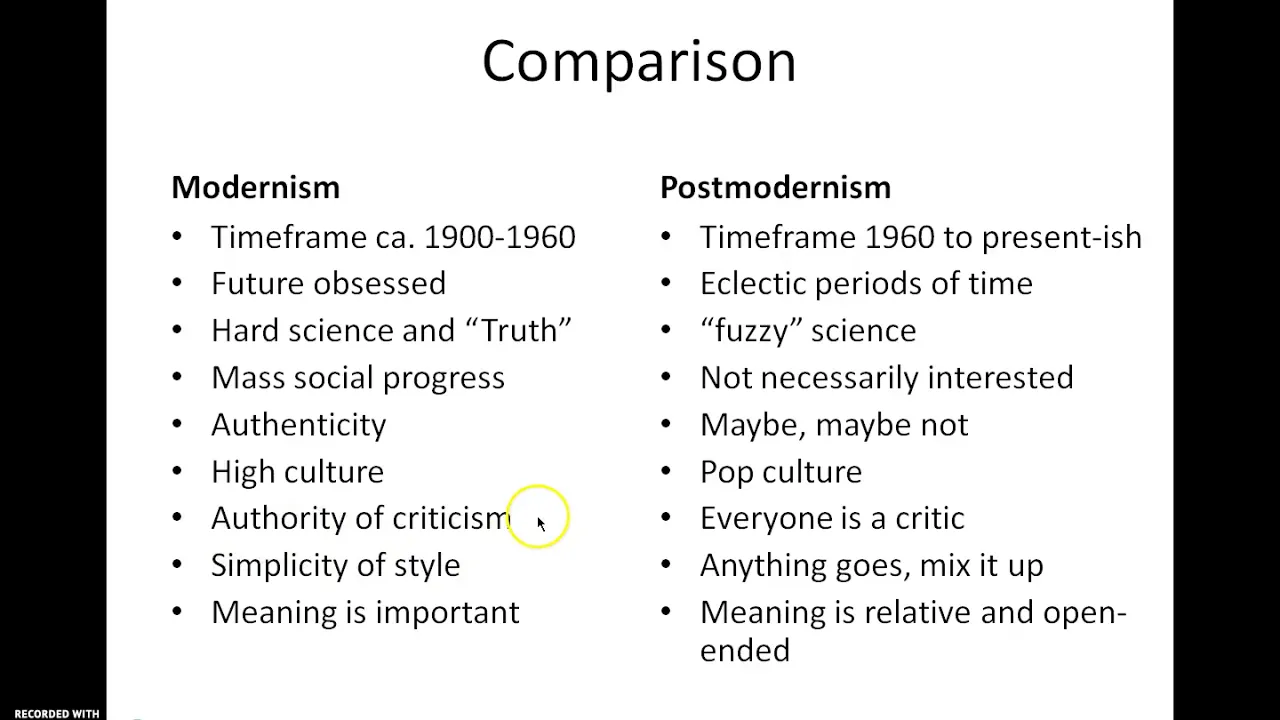
galbraith argued that now the very basic needs of most americans had been met supposedly new demands had to be created artificially growth required consumption and so it was the job of capitalists to be endlessly creating new desires to keep people running circuitously around the hamster will he argued that our post-war society was one addicted to consumption at the expense of social and political problems in a consumer society dominated by industry growth is the central goal there is he says an inherently unstable process of consumer debt creation as people borrowed more and more on credit cards the focus as well on private goods produced in his influential phrase private opulence and public squalor as more people became hedonistic and neglected their communities civic societies and environments he described people driving their move and cerise air-conditioned power steered and power braked automobile through badly paved streaks to have picnics of exquisitely packaged food from a portable icebox by a polluted stream because we've become so focused on consumption other values become marginalized we can understand this as a critique in the tradition of what's often been called alienation karl marx had argued that capitalism alienates us from our true species being that we fetishize commodities because of that monetary exchange value which covers up the social processes that went into the manufacture of the product we see the world through the lens of a cache nexus which covers up what's really going on in reality in the social world in the factories in the laborers and under the surface [Music] arguments about and definitions of alienation have taken many forms but its most accessible popular understanding is that we buy stuff we don't need sold by adverts we don't really want to see that make us desirous of things we don't need to desire in an addictive society that distorts discounts our true needs in his book empire of things historian frank trentman argues that we used to see ourselves as part of the world more holistically and that the entire world and our experience of it was thought of more organically more immediately more sacredly even he says though that this view was quite torn asunder by rene descartes two in the 1640s argued that the mind was an entity separate from the body and the material world a century and a half later emmanuel kant is said to have completed humankind's victory over things what this means is that many philosophers of the enlightenment argued that we could stand apart from the world rationalize it calculate it logically see things objectively this shift contributed to our mistaken belief that we could simply control the world around us that we could manipulate and collect and examine objects and as a consequence consumer goods of course we know this is a mistake things have an effect on us the world around us has an effect on us no matter how much we try to be the owner of our stuff our stuff in many ways becomes the owner of us our things determine what we think how we perceive ourselves what we do they can turn us into addicts they can frustrate us they can lead us down routes that aren't good for us without us even knowing it that's the alienation argument that we're a sick society marx had called religion an opiate of the masses it kept people docile easily controlled under the thumb of their rulers distracted from the real problems around them now many have argued consumerism has taken on that mantle becoming the opiate of the masses the english novelist jb priestly bemoaned in the middle of the 20th century that britain was becoming like quote southern california with its tv and film studios automobile way of life you can eat and drink watch films make love without ever getting out of your car it's flavorless cosmopolitanism and bogus religions or take this quote from frankman's empire of things on a cinema goer from the 1920s one young british woman a shorthand typist who went to the pictures four times a week found that seeing marvellous places like new york and california on the screen left her miserable and unhappy sitting in my stuffy little office all day with nobody to talk to but myself and to go home to a house that should have been knocked down five years ago these quotes suggest that what we're surrounded by is somehow wrong that we're subjected to and forced to absorb and embody great images of desires that we don't have but others mysterious others often out of reach often manipulated and polished to sell more adverts on screens do the images though they aren't real they're not representative of reality they have no depth the postmodern consumer society is associated with the mtv viewer channel hopping flipping through images with an easily accessible remote listening to disjointed sounds and flashing images and watching flashing lights without really ever feeling anything without ever really being connected to anything the viewer in sociologist mike featherstone's words merely enjoys the multiphrenic intensities and sensations of the surface of the images it's all connected because flipping through mtv works through the same logic as fast fashion and gadgets with built-in obsolescence it's all fleeting nothing lasts quality diminishes it's designed so that you consume it quickly and move on to the next thing this is a common critique of a postmodern culture that some say underpins our consumer culture if you look at art literature and film they jump around stylistically dotting about the surface easily consumable fast fashion trends come and go styles in fashion and film are just stuck together in pastiche the world moves so fast that nothing can be properly understood analyzed critiqued there is in the philosopher frederick jameson's words a depthlessness to our world it's driven by production and consumption but psychologizes us by infecting our culture too the frankfurt school philosophers adorno and hawkheimer argued that hollywood and the wider culture industry that developed across the 20th century was shallow everything was standardized to reduce costs and commodified to reach the widest consumer market all culture music fashion art film was reduced to the lowest common denominator so that it could be consumed by the largest number of consumers they wrote culture today is infecting everything with sameness film radio and magazines form a system each branch of culture is unanimous within itself and all are unanimous together each character can pop up interchangeably in each film iron man and captain america can be replaced with new incarnations remakes and reboots are everywhere each new storyline is easily recognizable the same types of humor resonate throughout and product placement is everywhere it's simple easy consumable [Music] we can see similar arguments in three more thinkers frederick jameson john baudrillard and david harvey they all put emphasis on the culture of our postmodern consumer society too that it's obsessed with image with shallowness with a lack of depth i want to quickly go through each one because there are similarities in them that might help us understand what unifies many of the critiques and so we can then return to think about some better solutions maybe after that we'll turn to quickly what they might have left out what criticisms of them there are before trying to think of consumerism in a new way john baudrillard published the consumer society in 1970.
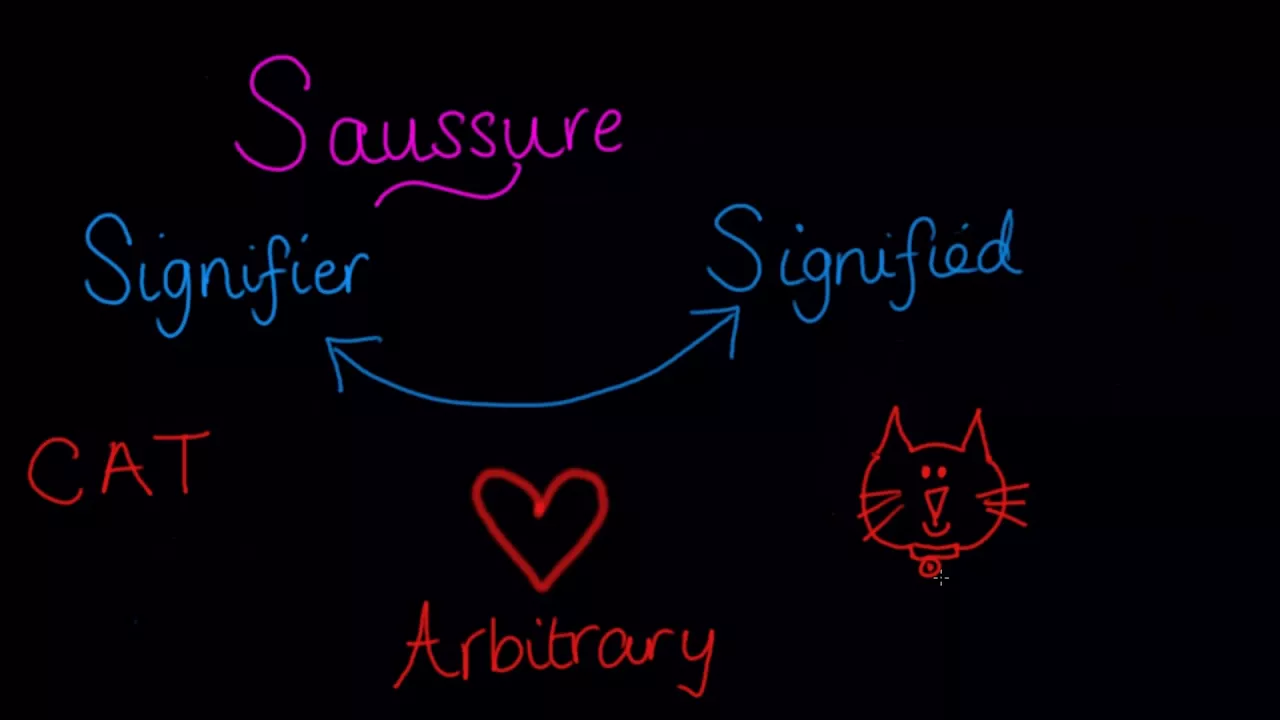
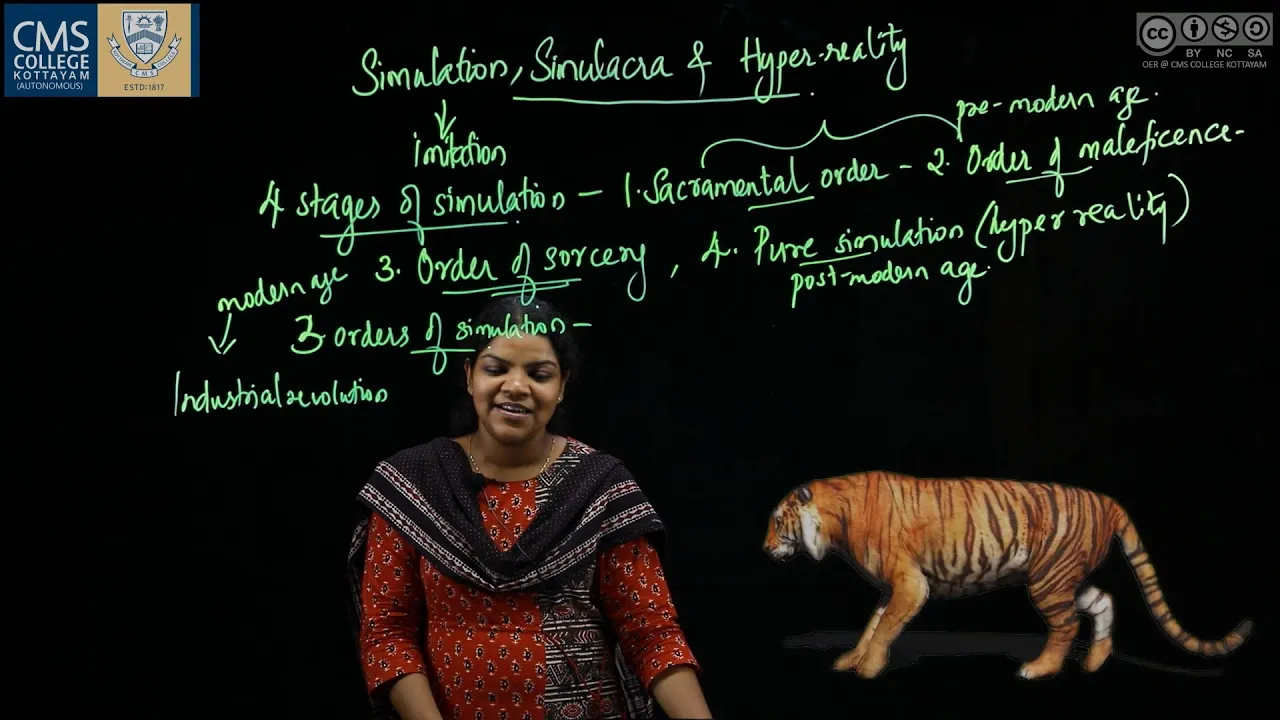
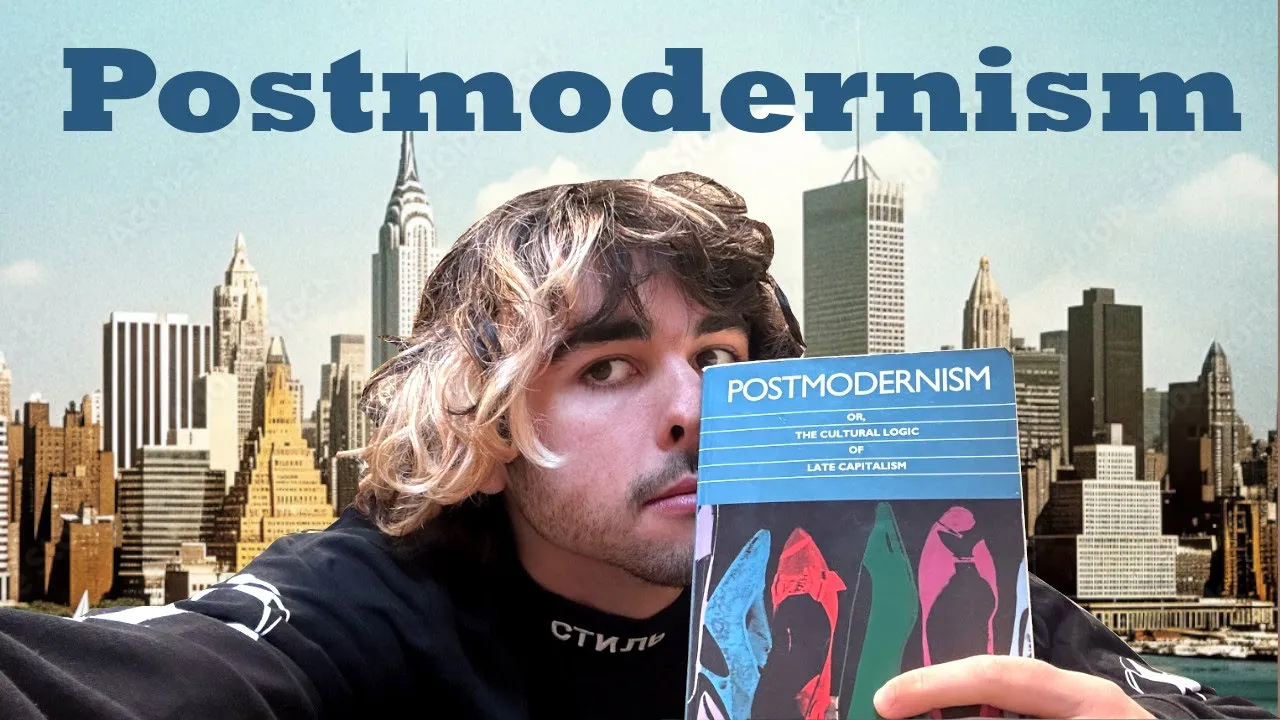
i love this quote that really encapsulates the fomo of consumerism and how forward-looking beaudriard really was he wrote that consumerism came with a revival of a universal curiosity in respect of cooking culture science religion sexuality etc try jesus runs an american slogan you have to try everything for consumerist man is haunted by the fear of missing something some form of enjoyment or other you never know whether a particular encounter a particular experience christmas in the canaries eel in whiskey the prado lsd japanese style lovemaking will not elicit some sensation it's no longer desire or even taste or a specific inclination that are at stake but a generalized curiosity driven by a vague sense of unease badriad was primarily concerned with image and language the signs of consumer advertising and commercial speak he talked about the dizzying abundance of those signs and argued that we were so saturated in the language of consumerism that the language dominated our lives more than any other way of communicating with each other he wrote there is all around us today a kind of fantastic conspicuousness of consumption and abundance constituted by the multiplication of objects services and material goods and this represents something of a fundamental mutation in the ecology of the human species for marx under capitalism what he called the use value of an object the real value of what it's worth to me and us society to use this mug for example had been replaced in our heads with an exchange value we think instead about how much an item is worth economically for example someone might like this mug because it cost a lot of money and has diamonds implanted in the rim not because they like it aesthetically or think it's the perfect size fetishizing commodities in this way also hides the social labor the real work the real lives that went into making the object we simply think in market terms on top of use value and exchange value madriard added a third value sign value we value things not by how useful they are or even how much we can get for them economically but what they signify to others socially i might like this mug for example because it's a fashionable ted baker mug and that confers some kind of social status it's all logos he argued that this sign value was like a hidden language that we all unconsciously speak we live in a network of brand names consumer images movie stars with new shoes and social status that depends largely on where we live what we owe what our position is work and what we wear and all of these things have a direct effect on what we value what we desire from what these things say about us to others beaudread called this network a code and he said that we were more concerned with the code than we were with reality real he sees this consumer code as being like a language that speaks to all of us we don't desire new things at random desires must be created coded they must fit into a system of fantasy new goods must somehow be inserted into the existing order of consumption our desires aren't just biological personal individual or based on use value usefulness or exchange value that this is a gold-plated mug and so it will be worth more but are socially constructed too we are coded to desire socially depending on others depending on our social context and this affects us this determines how and what we think our needs aren't rational nor are they even about maximizing utility social power rules we are socialized culturalized consumerized by an abundance of messages flashing lights screens and magazines [Music] what drives this well baudrillard returns in many ways to vablen's theory of conspicuous consumption we want to distinguish ourselves set ourselves apart socially he calls it the dialectic of conformism and originality we both want to conform be part of the pack and be original stand outside of the pack there is he says quote a need of the individual to differentiate himself as one more element in the repertoire of human needs which it sees as alternating with the opposite need to conform manufacturers want to fit these new desires this code into our lives without continuously upending their whole manufacturing lines modern furniture is designed to be flexible mobile interchangeable without depth so that it can fit together in different spaces and be moved around easily everything is in neutral colors and like ikea fits together like a puzzle like a code tradition uniqueness odd shapes personal history is no longer important in the home it's about flatness neutralness every house every home exterior and interior looks the same apple also resembles this functions with the same logic as ikea you sold a new mac and now you need a new ipad iphone iwatch airpods and if you don't have apple you need one because you might be left out you can't use ichat and you can't send photos easily to your friends the consumer code draws you in if not you're ostracized anticipating apple maudrillard says that few objects today are offered alone without a context of objects which speaks them shock windows adverts brand names all come together in a cohesive vision beaudrier is famously pessimistic about this state of affairs he argues we're so soaked in this type of culture that we can no longer discover our true authentic needs underneath everything is alienated because everything can be exchanged away nothing is transcendental everything is pastiche the car advert relies on the sunglasses the sunglasses are advertised with someone on holiday relaxing by the pool on a holiday package trip the dream is a holiday in bermuda because that's where brad pitt went and that's what he talked about on a chat show all of these phenomena build construct and direct our desires but true meaning he says what we really need is lost he uses the example of kitsch products to illustrate what he means a goods are everywhere they're trashy objects folksy knickknacks souvenirs he says but they're shallow imitations they're no longer connected to the real reason the original reason the piece of art or the historical landmark was produced kitsch is the ultimate in artificial desire he writes kitsch can be anywhere in the detail of an object or in the plan of a new residential area in an artificial flower or in a photo novel it can be best defined as a pseudo object or in other words a simulation a copy an imitation a stereotype as a dearth of real signification and a super abundance of signs the kitsch object is a sign it's not about the object it signifies that you've been somewhere been on holiday to roam and seen the colosseum or london and seen big ben they are just quote part of the package the constellation of accessories by which the socio-cultural standing of the average citizen is determined pop art functions in a similar way it's all surface it uses the signifiers of the world around us and slaps it together ignoring the true deep meaning that's been ignored and hidden he says whereas all art up to pop was based on a depth vision of the world pop regards itself as homogeneous with this imminent order of signs homogeneous with their industrial mass production and hence with the artificial manufactured character of the whole environment [Music] we see a similar critique of the shallowness of our postmodern landscape in the american philosopher frederick jameson his essay turned into a book post-modernism or the cultural logic of late capitalism published in 1984 has been called the most discussed article of the 1980s for jameson there is a particular reason why consumer culture is shallow he writes that our post-modern culture is schizophrenic it jumps from place to place and relies on quite a new depthlessness which finds its prolongation both in contemporary theory and in a whole new culture of the image and the weakening of historicity both in our relationship to public history and in the new forms of our private temporality what this means is that culture has become so shallow that our relationship to the depth of history the history that produced us has been lost culture is fragmented because capitalism is fragmented we are detached from everything because we have to be styles change trends change conditions change jobs change information changes quicker than we can ever keep up and so we're psychologically schizophrenic frantically trying to keep up jameson famously compares van gogh's a pair of boots from 1887 a modernist painting with andy warhol's postmodern 1980 diamond dust shoes he argues that van gogh's shoes are connected to a real world he says the whole missing object world which was once the shoe's lived context the heavy tread of the peasant woman the loneliness of the field path the hut in the clearing the worn and broken instruments of labor in the furrows and at the hearth but now on the other hand quote andy warhol's diamond dust shoes evidently no longer speaks to us with any of the immediacy of van gogh's foot gear indeed i'm tempted to say that it does not really speak to us at all nothing in this painting organizes even a minimal place for the viewer we're witnessing the emergence of a new kind of flatness or depthlessness a new kind of superficiality he says that the same process is visible in our broad popular cultural understanding of the vietnam war it's shaped not by reality not by real history real politics or real understanding but by hollywood films protest music flashy television news like warhol shoes it's disconnected more imaginary than real [Music] the marxist thinker david harvey writes more about the economic foundations of this depthlessness if you study the supply chains of any fast fashion company any tech company in fact the majority of consumer goods you'll find that the manufacturing process is fractured outsourced subcontracted divided into small parts and separate companies across the globe a button made here a screen there a screw in one place and a thread in another for harvey and jameson these facts of material production what's going on underneath how the economy is structured is the reason the culture that results from it is so shallow it doesn't have time to be anything but and it's constantly pushing for new trends by the time a story a news item a television show a piece of art or even a topic of discussion is produced the world is moving on manufacturing new product lines in new places based on new ideas harvey sees our post-modern consumer society as a result of the shift from fordism vertically integrated factories all owned and controlled by a single company overseeing each part of the process to what he calls flexible accumulation flexible accumulation is defined by outsourcing and subcontracting to break up the process into smaller bits offsetting risks making smaller companies compete with one another for contracts so as to get the lowest price being able to drop a manufacturer and hire a new one as soon as needed when a style or trend changes this leads to a fractured and segmented economic system across the globe and a fractured and segmented culture as a result new communications technologies gps data centers the internet electronic banking etc add to the speed and the flexibility of the system the rate at which things can change harvey writes that the mobilization of fashion in mass as opposed to elite markets provided a means to accelerate the pace of consumption not only in clothing ornament and decoration but also across a wide swath of lifestyles and recreational activities leisure and sporting habits pop music styles video and children's games and the like [Music] thank you very much and so lifestyles are adopted and discarded at the same rates as new trends nothing is around long enough to be examined understood or identified with any depth we become detached placed modern lost fashion trends are adopted mimicked stolen and ripped off fats and counter cultures are co-opted profited from then discarded all that solid melts into air as marx wrote everything is disposable single use napkins cups cameras batteries and pens are used up and thrown away because everything is fast a quick turnover in images follows sponsorship television styles new cars new styles in cinema and literature new memes and new celebrities harvey illustrates how this shift between integrated fordist factories and global flexible accumulation has affected our culture with the proliferation of art galleries he says that in new york in 1945 there were just a handful of galleries now 150 000 artists in new york claim professional status and there are more than 700 galleries producing more than 15 million artworks across a decade and they're all bound up in the production of new images that can be exchanged and co-opted by our consumer culture which ultimately is about manufacturing and moving things on as quickly as possible the problem he says is capital flight de-industrialization of some regions and the industrialization of others the destruction of traditional working-class communities as power bases in clash struggle [Music] okay let's summarize there are two critiques the one we just covered is about alienation about us psychologically that there's a depthlessness everything is surface everything moves too quickly and according to many we're alienated from our true needs from the true use value of objects and goods this is a kind of humanist critique it focuses on us on our being the other critique is somewhat simpler it's that consumerism is destroying the planet and the environment that consumerism per se isn't bad but the appalling work conditions and labor rights and child labour practices in places like bangladesh are i want to argue now that both can be seen as a type of depthlessness and asking the question what's the opposite of depthlessness what is depth what could depth mean might help point us in the right direction the humanist problem the problem essentially of alienation has been criticized by people who say alienation from what is there really any true authentic self to be alienated from aren't we all just the product of self-creation an assemblage of experiences differing from person to person place to place this is douglas kellner's critique of baudrillard that he says we're surrounded by image and sign and a hyper reality that alienates us from the real existence the real true being of everyday traditional life but he posits no real way out no theory of change and if consumerism alienates us but there is no true self anyway on what basis can it be wrong i think this is true but it doesn't mean we can't be alienated from our true needs that certain things have a negative effect on us and the world and other things a better effect that some states of affairs in the world are more desirable than others more fitting of how we want to live i want to very quickly draw from two philosophers satra and spinoza to make the case that to challenge the negatives of consumerism we should aim to turn the depthlessness that is central to critiques of it into its opposite depth in turn we aim to turn an alienated life into a more fulfilling one the anthropologist mary douglas wrote that the main problem of social life is to pin down meaning so that they stay still for a little time so whether it's fast-moving images or our clothes being made by children thousands of miles away this idea holds there's so much going on that it's impossible to understand it all to pin it down and so in many areas we live shallowly not understanding not thinking not able to fully comprehend what goes into the construction of our everyday lives so how do we pin down our fast-moving consumer culture to analyze it in depth [Music] thank you that coffee was five pounds that's about seven eight dollars the 17th century dutch philosopher barik spinoza suggested that we look at the world from what he described as the perspective of eternity we should examine the causes of things where they come from how they function we should always analyze our ideas actions and desires looking outwards and understanding them in the wider context of the world like a spider web we should look at things essentially in depth we should understand where our food and clothes come from and the effect they're having on us and the wider community and world and the french existentialist jean-paul sarch made a similar point he argued that our projects our ideas our opinions and values our perspective on the world should fit together and rhyme we should look at how things inform and affect one another he argues that our experiences should fit together in a structure of meaning that we then impose onto the world meaning can be made deeper more connected more well meaningful by uncovering and creating patterns between things so that the world rhymes so that there's rhythm and coherence so if i make youtube videos i become interested in cameras to film but then i also become interested in photography and then how and where my cameras are made what other things i can do with them the history and philosophy of filmmaking and photography these are brief references to two philosophers i've introduced in depth on the channel before but i think they get at something that shines a light on the depthlessness of consumer culture and they help with a problem i think thinkers like jameson and baudrillard run into after reading them you get the impression that consumerism is one totalizing thing everything gets lumped in with it everything is just consumed negatively and that all images and adverts and consumer goods are equally negative and equally alienating that this ignores that not all things are consumed shallowly some are experienced approached and consumed with some depth i buy new cameras and microphones books a drone clothes new food seek new recipes go on holidays precisely because they bring me the opposite of depthlessness they create depth in my life someone might have bought this because they visited westminster abbey and they found it educational they learnt a lot they found it spiritual and want to be reminded of it and think about it at home in their kitchen so to finish let's have a quick look at how depth is created but also what the limits of this way of thinking might be [Music] sazitelli argues that often rather than simply consuming brainlessly consumers are active in the act of consumption they're also often decodifying reinterpreting and criticizing the pr the adverts the marketing the products they consume we're not just zombies taken in by every advertising board we see she writes that consumption often consists in reframing the meaning and uses of material culture by translating the purely commercial value of goods into other forms of value affection relationships symbolism status normality etc she continues saying that recent studies of audiences and media consumption show that spectators actively decodify messages and images referring them to the context in which they are experienced to their own social position gender life course and so on [Music] take diy yes new tools and paints and furniture are advertised and sold to us but they're often decommodified made personal adapted and decorated and fixed and things and adorned with family photos or meaningful items in the home this becomes a kind of de-commoditized sphere a personal sphere between family between friends at events and online we use musical instruments to create new individual unique music we paint and produce art and discuss and trade second-hand items on social media we fill up photo books with personal memories we give gifts all of these things transcend the flatness of consumerism and bring in more personal social ethical or transcendental ideals in 1970 baudrillard pointed to the typewriter that can write in 13 different fonts in a diction machine to record notes as examples of pointless gadgets to me though these seem useful i use different fonts to convey different ideas or emotional tone quickly and effectively it's another layer to language and others find recording to remember important things easier than jotting them down sacitelli also points to how the walkman was criticized when it was first released for representing alienation anime and atomization despite listening to music on the go clearly being representative of many other things escape heightened experience resistance creativity energy she also writes about the positive experience of connoisseurship of collectibles and hobbies she says the pervasive alert of connoisseurship may be seen as having to do with mastering objects and demonstrating aestheticized detachment from them by piling up a complex repertoire of knowledge the connoisseur finds a way to get close to commodities while distancing him or herself from their immediate hold others have pointed to cinema television and image more broadly being deeper than is often assumed in his book combodriad adam roberts writes that for baudrillard vietnam was a war flattened and emptied out to a basic layer of violence mixed in with popular culture and tv accompanied in many people's imagination by a soundtrack of 1960s pop music but the violence and death was not hyper real or simulated it was real my point is in amongst the problems we've identified with consumer society which are deep and vast and all of these thinkers provide a really useful and important framework for analyzing them everywhere we look at the same time we can also find depth meaning usefulness creativity and connection too and we can apply this seeking after all these things after depth to our understanding of how things like supply chains work what we think is unethical and what we think is ethical what we want to support and what we want to avoid what we want to push to regulate to organize against to think against to politically change and i think this is the opposite of shallowness of depthlessness the opposite of alienation but am i being naive am i ignoring other issues the breadth and scope of the problem the addiction to new fashions pointless new purchases pollution or child labour say i guess at least in part what i'm arguing is that if you look at the consequences of your purchases in depth if you think about the message the result the meaning in your own and in others lives then you can become a kind of ethical consumer but is this really true even as the term ethical consumption has become more popular as we've become increasingly aware of the pitfalls of fast fashion and the environmental degradation of consumption bottled water sales to take just one simple example have continued to rise and are projected to do so almost indefinitely palm oil a major cause of deforestation is still in half of packaged products fast fashion companies continue to pay below the minimum wage even in so-called developed western countries garment factories continue to burn down and scientists still warn against climate change to deaf ears but working out whether more conscious consumerism works at all is difficult to do on the one hand we continue to outsource to places like bangladesh and see these tragedies that are the result of poor health and safety terrible regulations and labor practices but at the same time the ilo the international labour organization says that child labour is down by a third since 2000 and 61 of fashion companies have committed to using sustainable fabrics that is when there's cultural pressure on manufacturers on what we eat and where then there does appear to be some change on the other hand northwestern university professor braden king has argued that boycotts have a negligible effect on a company's sales revenue he says that the problem is we can't pay attention to any single controversy for very long yes we talk about and we see news items on things like the tragic rana plaza building collapse in bangladesh back in 2013 when over a thousand died we talk about it for a bit but then we move on to other things it gets quickly forgotten and terry hathaway at the london school of economics writes that even the most hyper-vigilant well-informed shopper cannot know everything the labor and conditions the tools and the production of these tools the raw materials and their extraction the energy etc that goes into making even the most simple products instead the consumer must buy impartial ignorance of all the factors primarily on the basis of those attributes that are the most conspicuous and to some degree based on trust he continues shopping at whole foods could be construed as support for higher welfare meats and organic agricultural methods but it will equally support union busting low wages for workers and right wing libertarian politics so here is the crux of it our consumer society is messy complex it can both sustain us creatively and can destroy the planet so maybe it is a useless concept well i think we're better off thinking about it in its original sense as consumer from the latin to use up there's not a noun as something that just describes our society but as a verb is something we're all doing or can do or do at a certain time and like anything we do there's a chain of activity social and historical and environmental and economic that supports the consumption and that we in turn support by consuming only by studying the understanding of issues like this in depth can we grapple with these problems thinking about regulation changing the economic system organizing politically it's all a part of understanding these things in depth and everyone's interpretation of what to do what they think is justified what they think isn't will be different but as long as you're exploring your own attitudes looking at the consequences i think that's okay and for many like journalist alden wicker ethical consumption just doesn't work instead he argues we should donate some of the money we would spend on consumption on going greener or on donations to ngos and green politicians but to me this is part of ethical consumption it's part of thinking broader thinking more deeply about the issues in the same vein commentator robert wright has reminded us that when you hear a company boast about how environmentally friendly it is hold the applause under super competitive capitalism what i've termed super capitalism it's naive to think corporations can or will sacrifice profits and shareholder returns in order to fight global warming firms that go green to improve their public relations or cut their costs or anticipate regulations are being smart not virtuous so it's important to approach all this with a multi-faceted attitude depth means more eyes on the issues depth means engaging with the politics depth means exploring our own desires and beliefs vigilantly taking an issue something we consume and understanding the ramifications and this doing some practical philosophy trying to apply the things we've just learned is something that i want to try and do next time [Music] thank you as always for watching and a huge thanks of course as always to my patreons without which this just wouldn't be possible so if you want to see scripts if you want to chat in the discord server if you want your name in the credits but most of all if you just want to help support make this content then click the link in the description below if not you can like you can share you can leave a comment all those things that help the algorithm thank you so much and i'll see you next time [Music] you
Up Next
Marx's Commodity Fetishism Explained | Marxist Theory
@themarxistproject
115.7K views•2018-09-30

Impact of Yuan in Indo-Russian Trade Amid Sanctions
@WION
261.9K views•2022-07-01
Behavioral Economics Explained: Rationality, Nudges, and Risk
@crashcourse
1.1M views•2016-03-12

The Age of Easy Money: Fed & Inflation | Full Documentary
@frontline
21.2M views•2023-03-15
Related Study Plans & Knowledge Roadmaps
Structured learning paths in Economics