

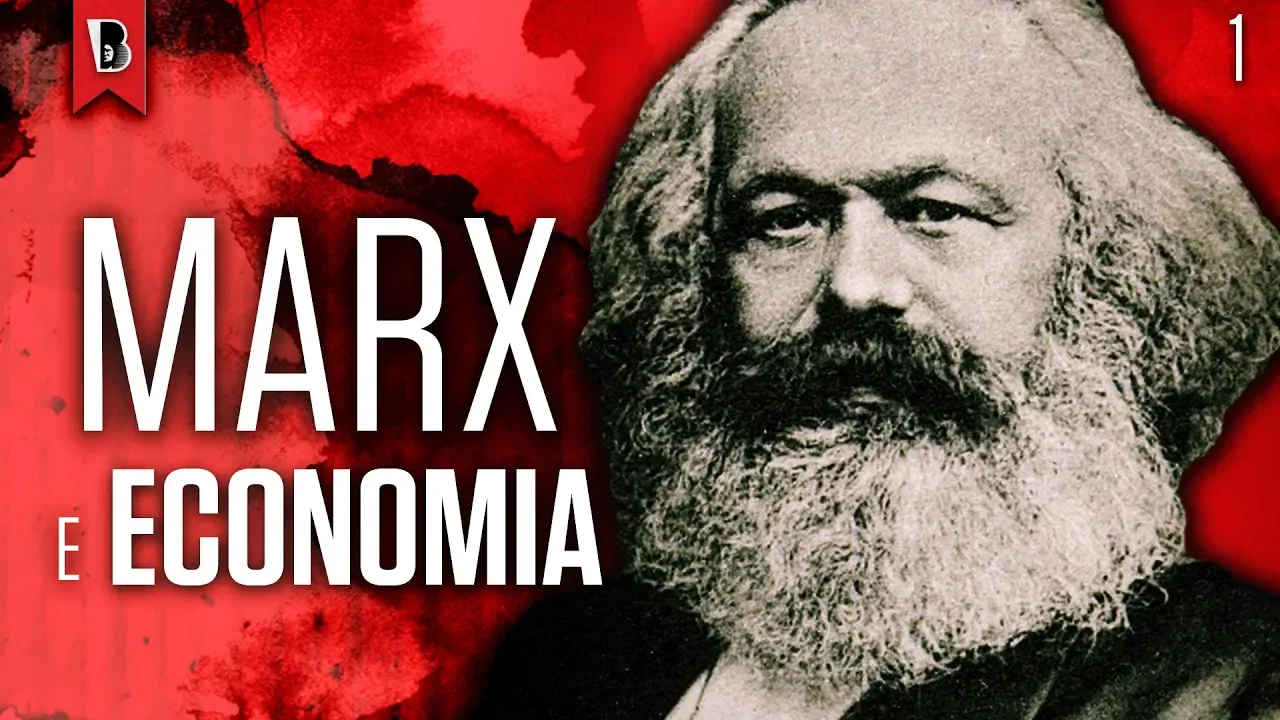










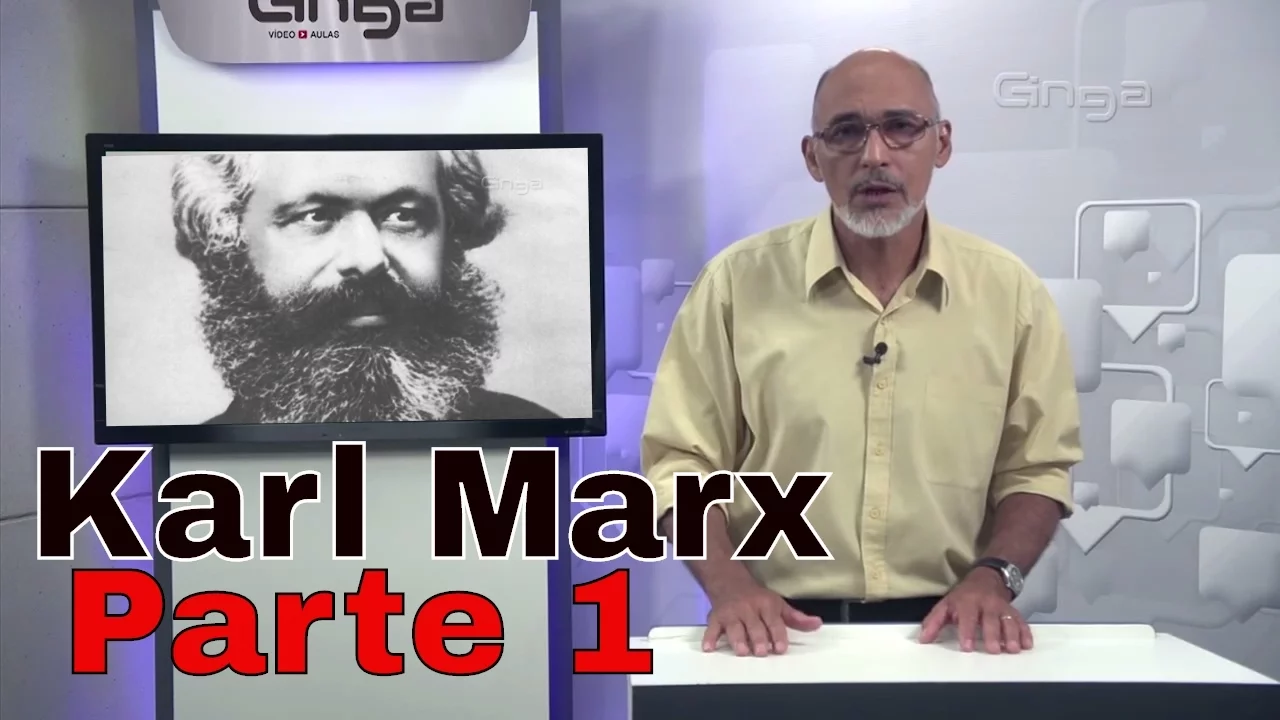
















Commodity fetishism, as analyzed by Karl Marx, describes how commodities in capitalist society conceal the social relations of production by appearing to be mere objects of exchange, thereby masking the human labor and social connections that actually create their value; in this system, social relations between people are transformed into relations between commodities, with private labor becoming social only at the point of market exchange, creating a fog-like concealment of the true nature of economic relationships.
Marx's Commodity Fetishism Explained | Marxist Theory
Added:Marx's definition of a commodity, specifically the distinction between 'use-value' (utility) and 'exchange-value' (market value).
The Labor Theory of Value, which posits that the economic value of a good or service is determined by the total amount of socially necessary labor time required to produce it.
The basic structure of capitalism, including the division of labor, private ownership of production, and market-driven exchange.
The concept of social relations of production, which refers to the relationships between people in the economic system (e.g., capitalist and worker).
Marx's Theory of Alienation, which explains how workers lose control over their labor and become estranged from the products they create.
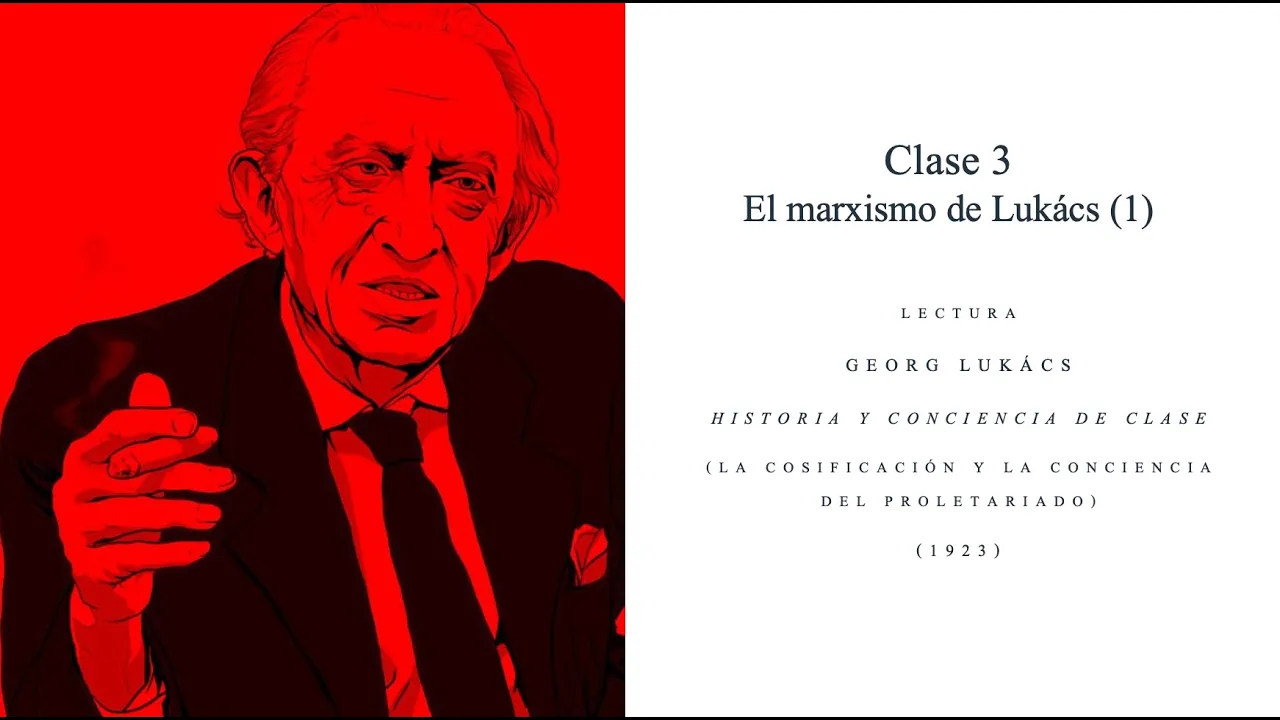
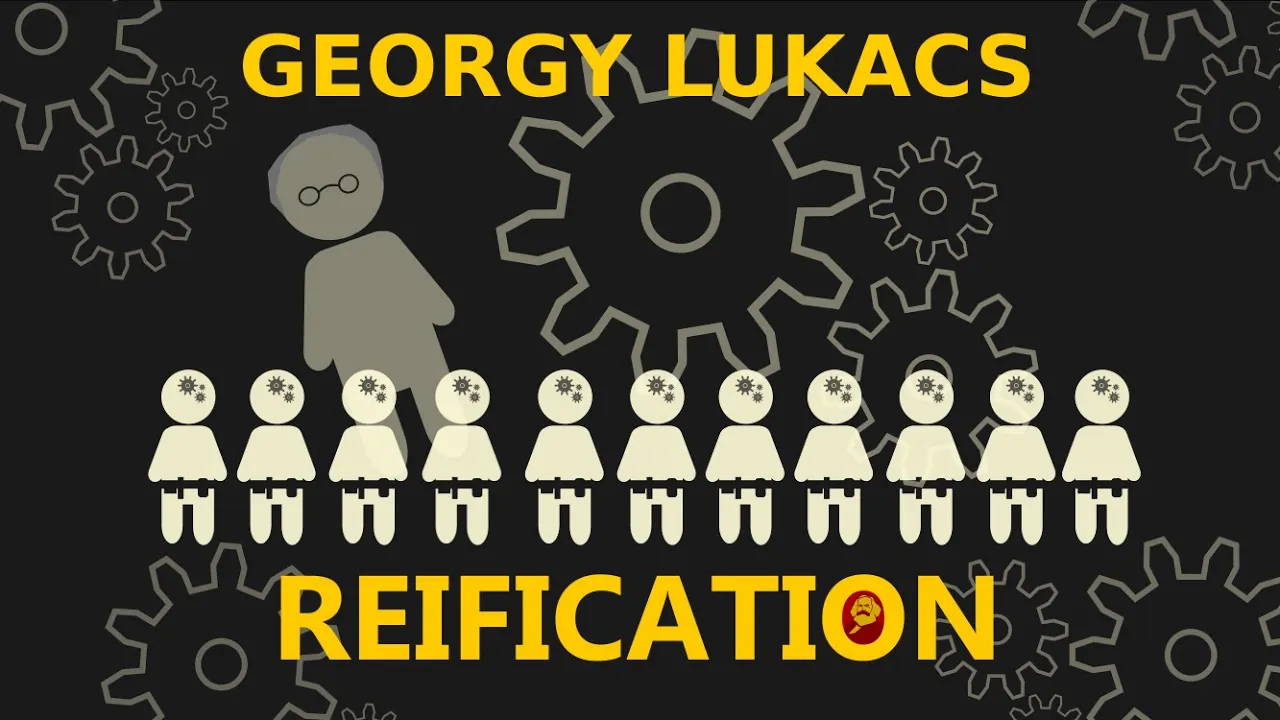
Georg Lukács' concept of 'Reification', which expands commodity fetishism into a broader social theory where all aspects of human life are treated as commodities.
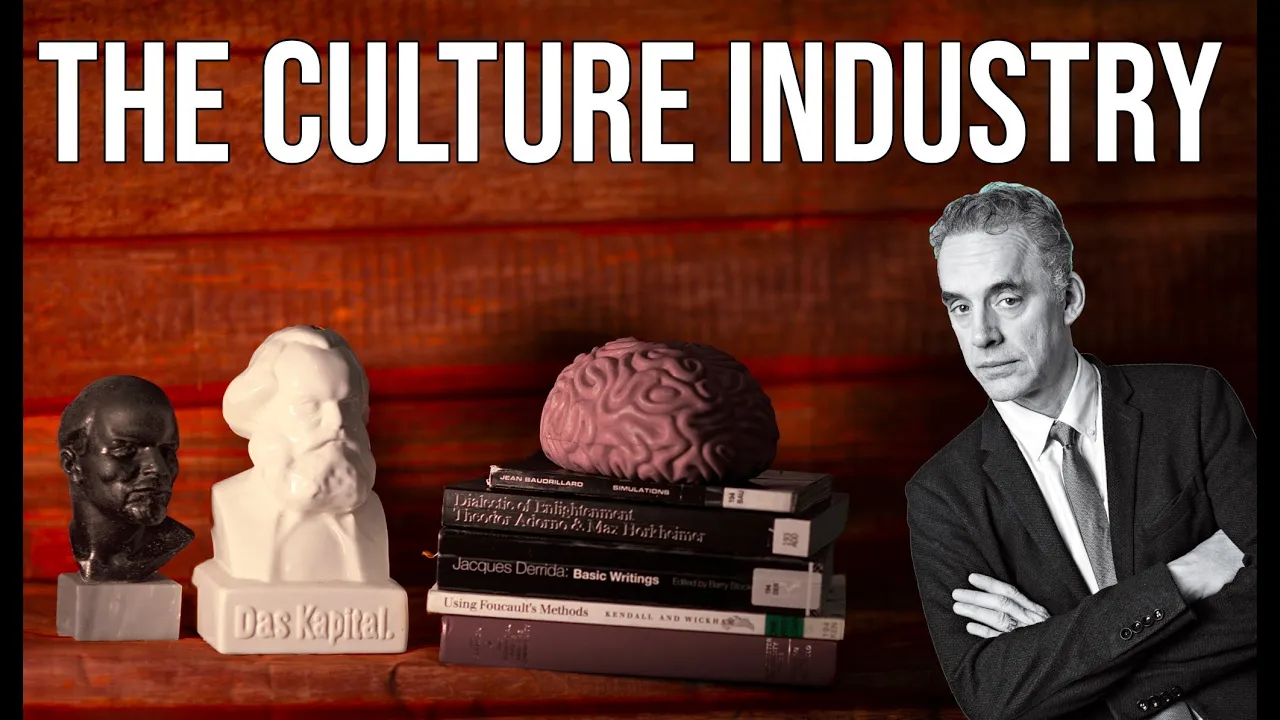
The Frankfurt School's analysis of the 'Culture Industry' and how modern consumerism uses branding to manipulate human desires.
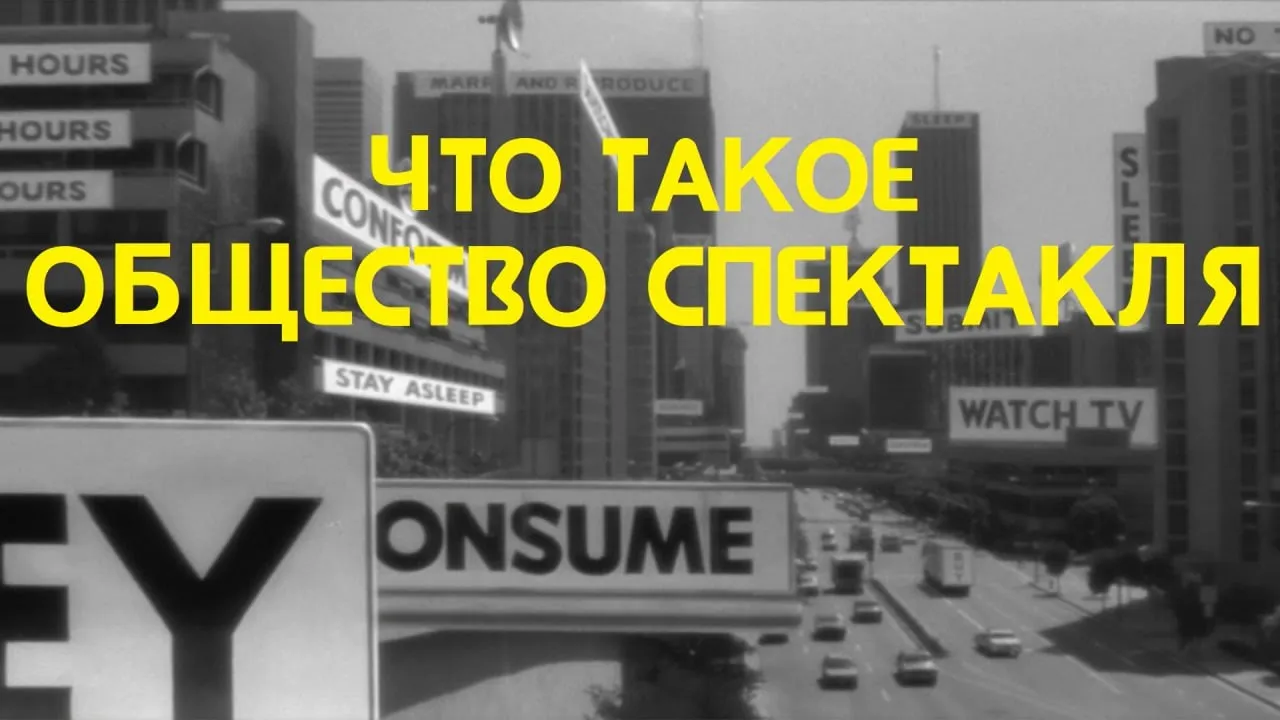
Guy Debord's 'Society of the Spectacle', which examines how modern social life is mediated through images and consumer spectacles.
115.7K views4.1Klikes5:59Original Release: 2018-09-30
welcome to another video on the fundamentals of marks in this video we will be talking about commodity fetishism if you are somewhat familiar with the Marxist theory you have likely heard this term thrown around in discussions commodity fetishism is marks application of his analysis of the commodity to society as a whole before we delve into the real meaning of commodity fetishism let's talk about the elephant in the room when Marx uses the word fetishism what does he mean when people hear the word fetish they jump to the sexual connotation of the word obviously Marx is not talking about some sort of unsettling human physical attraction to commodities not to say that such cases don't exist know what Marx draws upon here is a much older meaning of the word fetish back in the good old days of colonialism fetish was popularized as a term used to describe inanimate objects that possessed fantastical powers in indigenous cultures naturally Marx's understanding of fetishism is secular and not religious nevertheless the central idea remains the same Marx tells us that the commodity exists in a contradictory dual state one that is physical and in every way tangible and another that sits at the heart of social material relations we would expect social relations in society to be set and changed by people themselves after all without people there cannot be a society and yet we will see how in capitalism something as complex as social relations is defined not by people as we would expect but by things buy inanimate objects when we look at a commodity we might be able to tell a number of things about it we can describe it physically for example we may observe a shirt and point out that it is made out of cotton that it has a bit of polyester around the sleeves and collar to make it more elastic we know that the shirt is generally for wearing on our upper bodies but unless it was explicitly made clear to us we would not be able to point out how where and by whom the shirt was made this is an important part of the shirt to the creation of the shirt required the employment of a cotton picker either in a machine or on foot a machine to process the raw cotton and a person to stitch it all together as the shirt was brought into existence it created or renewed social relations like those between the factory owner and the worker or the owner of industry fusion company and the truck driver and even the social relations between you the buyer and all the producers whose names and identities you probably do not and cannot know and that's the big reveal it is called commodity fetishism because the commodity possesses a mysterious ability to create or renew social relations while at the same time being something as ordinary and simple as a white cotton t-shirt we've already taken the red pill let's see how far this rabbit hole goes mark says that the definite social relations between men themselves takes on the fantastic form of a relation between things to understand this let's go back to the t-shirt the reason why we can't see or know when and by whom the t-shirt was made is because labor in the capitalist system happens privately commodities are made in the factory are on the farm or in other privately owned places but they mean nothing until they are taken to the market for exchange private labor becomes social at the point of exchange but the result isn't an interaction of individuals it is an interaction of commodities in our case it's the interaction between the money in your wallet which by the way is nothing more than the price of the value of your sold labor and the t-shirt on the clothes rack this sounds really odd but that's because it's supposed to sound odd Marx called it commodity fetishism for a reason the exchange happening in that store is surely not between you and the t-shirt maker or the cotton picker how could it be when you don't even know who that person might be this is the mysterious power of commodity fetishism it hides the origins of private labour through the mask of the relations of commodities to themselves a world whose social relations exist between things and not people is one in which people live their lives under the influence of systemic forces if commodities define social relations in capitalism then in reality neither the capitalist nor the worker have any part to play many thinkers since Marx have built on the foundations that Marx created in his argument about commodity fetishism after all a world in which social relations exist only between things and not people ought to have serious psychological consequences we will end our discussion of commodity fetishism here for now but even if this is as far as you'd care to explore the idea of commodity fetishism there's a good chance that the neck time you're in a store you might find yourself stopping to wonder about the story behind the box of pencils you're about to buy you might at the very least discover upon closer analysis where those pencils were made but it would be virtually impossible for you to know the name of the person who spent their day operating the machine that made those pencils or even the name of the person who spent their day building the pencil making machine if so much is concealed in this system dominated by commodities how much important information are we missing what about working conditions wages the mental and emotional state of the producers of commodities and other things it is probable that many if not most of the commodities you exchange for your money on a regular basis are created at one point or another in exploitative circumstances let's summarize one the word fetishism in this video refers to the peculiar nature of the commodity as both an ordinary physical object and a generator of social relations 2 in capitalism social relations are relations between commodities and not between people and 3 commodity fetishism in a very fog-like manner conceals private labor private labour is only social at the point of exchange I hope you enjoyed this video and found it informative if you are interested in learning more about Marxist theory feel free to subscribe and watch out for future uploads thank you for watching and stay radical [Music]
Up Next
5:01
Consumer Surplus Explained with Microeconomics Principles
@khanacademy
588K views•2012-01-05

5:07
Impact of Yuan in Indo-Russian Trade Amid Sanctions
@WION
261.9K views•2022-07-01
10:33
Behavioral Economics Explained: Rationality, Nudges, and Risk
@crashcourse
1.1M views•2016-03-12

113:18
The Age of Easy Money: Fed & Inflation | Full Documentary
@frontline
21.2M views•2023-03-15
Related Study Plans & Knowledge Roadmaps
Structured learning paths in Economics
economics
Sovereign Debt: Defaults, IMF & Restructuring
01Introduction to Sovereign Debt & Government Bonds
02Debt Sustainability & Credit Ratings
03Anatomy and History of Debt Crises
+ 2 more learning modules
12h5 modules
Explore Roadmap
economics
Market Design: Matching Theory & Gale-Shapley
01Introduction to Market Design and Price-Free Markets
02Two-Sided Matching & The Gale-Shapley Algorithm
03School Choice Systems and Mechanism Design
+ 2 more learning modules
10h5 modules
Explore Roadmap
economics
Impossible Trinity: Forex, Capital & Policy
01Introduction to Monetary Policy and Central Banking
02Exchange Rates and International Capital Flows
03The Mundell-Fleming Model
+ 2 more learning modules
8h5 modules
Explore Roadmap
economics
Healthcare Economics: Market Failures & Systems
01Introduction to Healthcare Markets and Market Failure
02Asymmetric Information and Adverse Selection
03Moral Hazard and Insurance Design
+ 2 more learning modules
12h5 modules
Explore Roadmap