
![Итальянское жанровое кино. Экскурсия по золотому веку: джалло, еврокрайм, спагетти-вестерн [подкаст]](https://i.ytimg.com/vi/IZjpnVBIaD8/maxresdefault.jpg)
















![A Deep Dive Into Argento's Three Mothers Trilogy [Suspiria | Inferno | Mother of Tears]](https://i.ytimg.com/vi/5WyS0fGlBq0/maxresdefault.jpg)
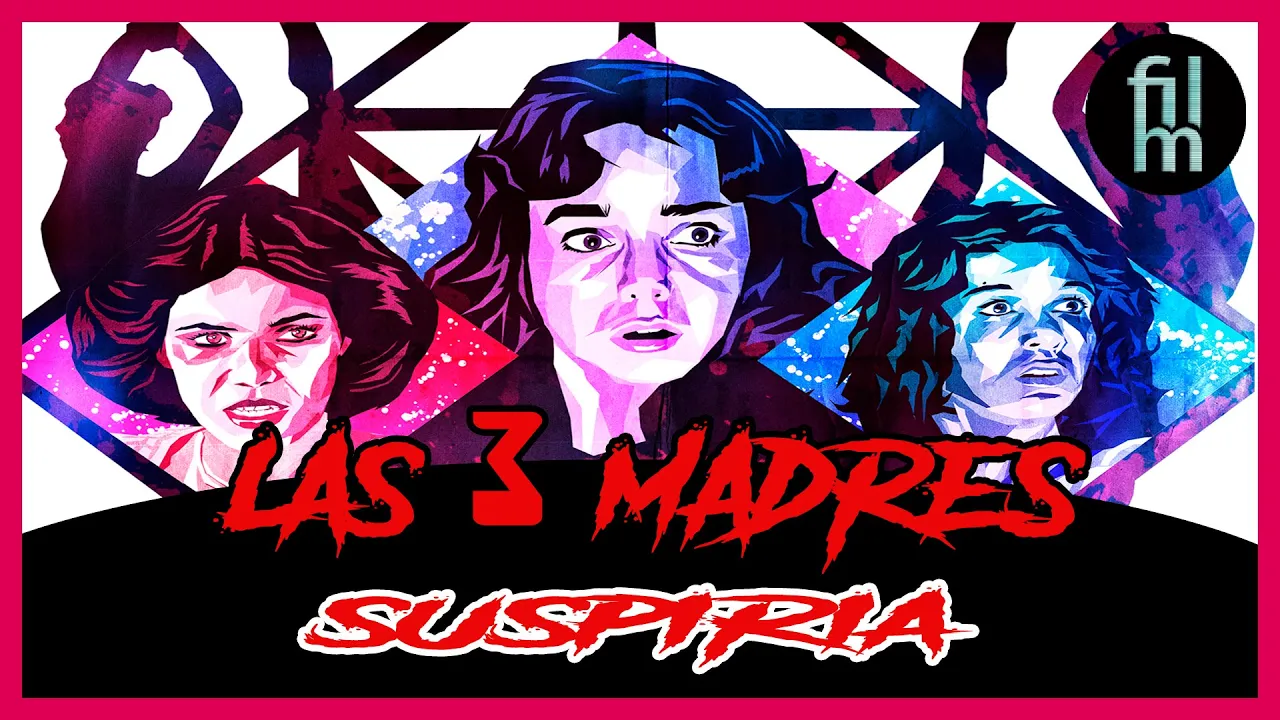
Dario Argento's 1977 film Suspiria demonstrates how horror directors create immersive nightmare worlds through deliberate artistic choices: using primary color cinematography and Technicolor processes to abstract reality, employing unconventional camera angles and gothic-geometric set designs, incorporating juvenile dialogue and dubbed performances to create an uncanny valley effect, and collaborating with Goblin to compose a tailored, experimental soundtrack featuring unconventional instruments like tabla and Moog synthesizer. These techniques work together to transport viewers from mundane reality into a surreal, dreamlike horror landscape, similar to the reality shifts seen in Alice in Wonderland and The Wizard of Oz.
Suspiria (1977): Analyzing Argento's World-Building & Giallo Aesthetics
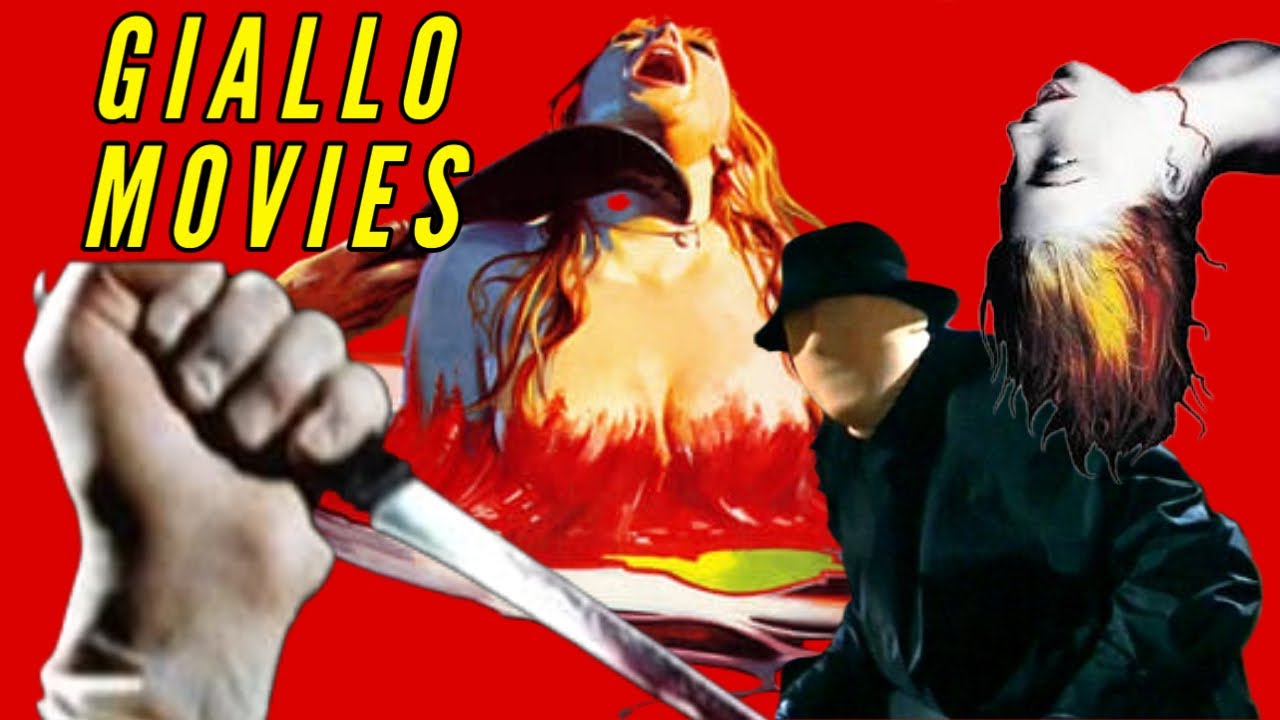
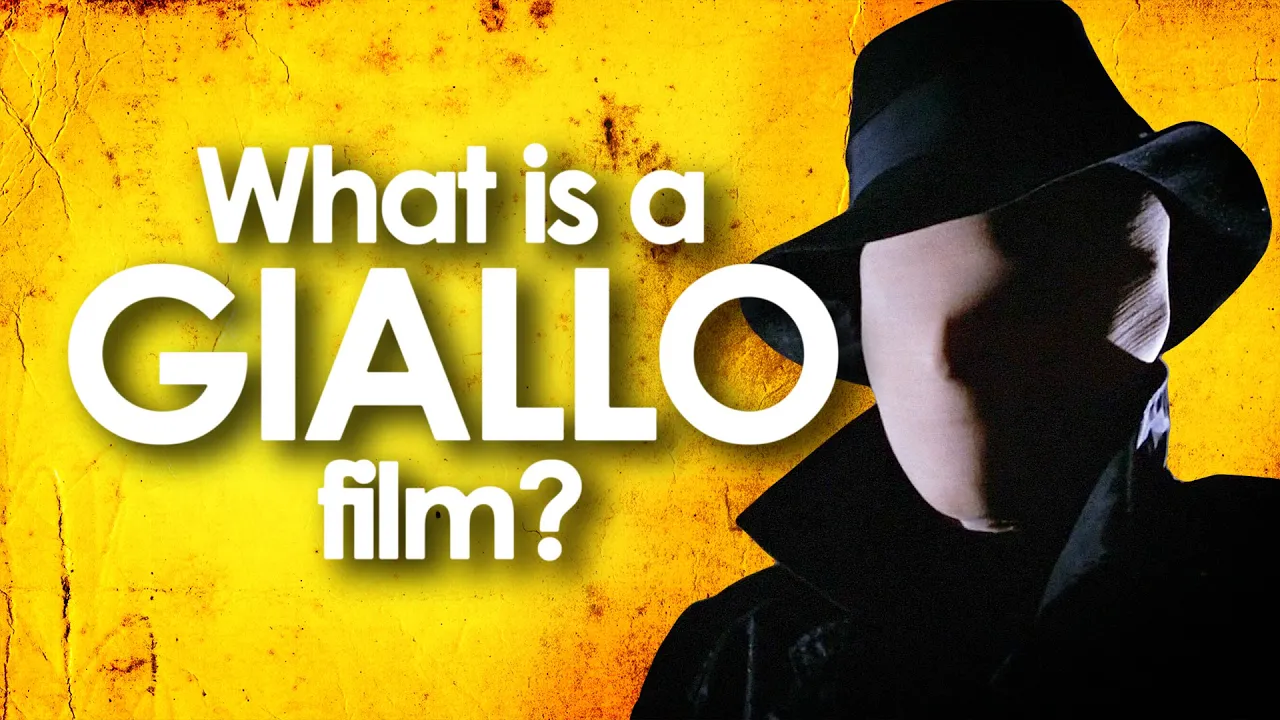
Added:The definition and stylistic hallmarks of the 'Giallo' film genre, including its roots in Italian pulp literature and the foundational works of Mario Bava.
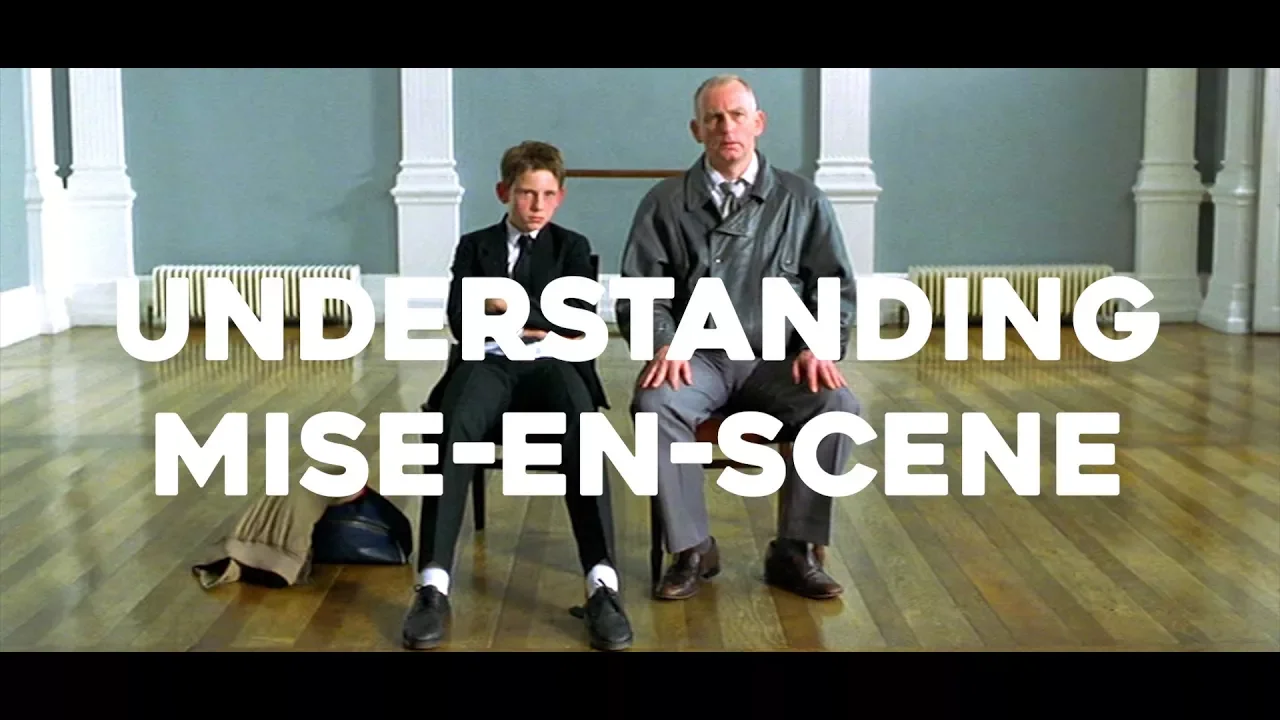
Fundamentals of mise-en-scène, specifically how elements like color theory, expressionist lighting, and set design convey psychological states.
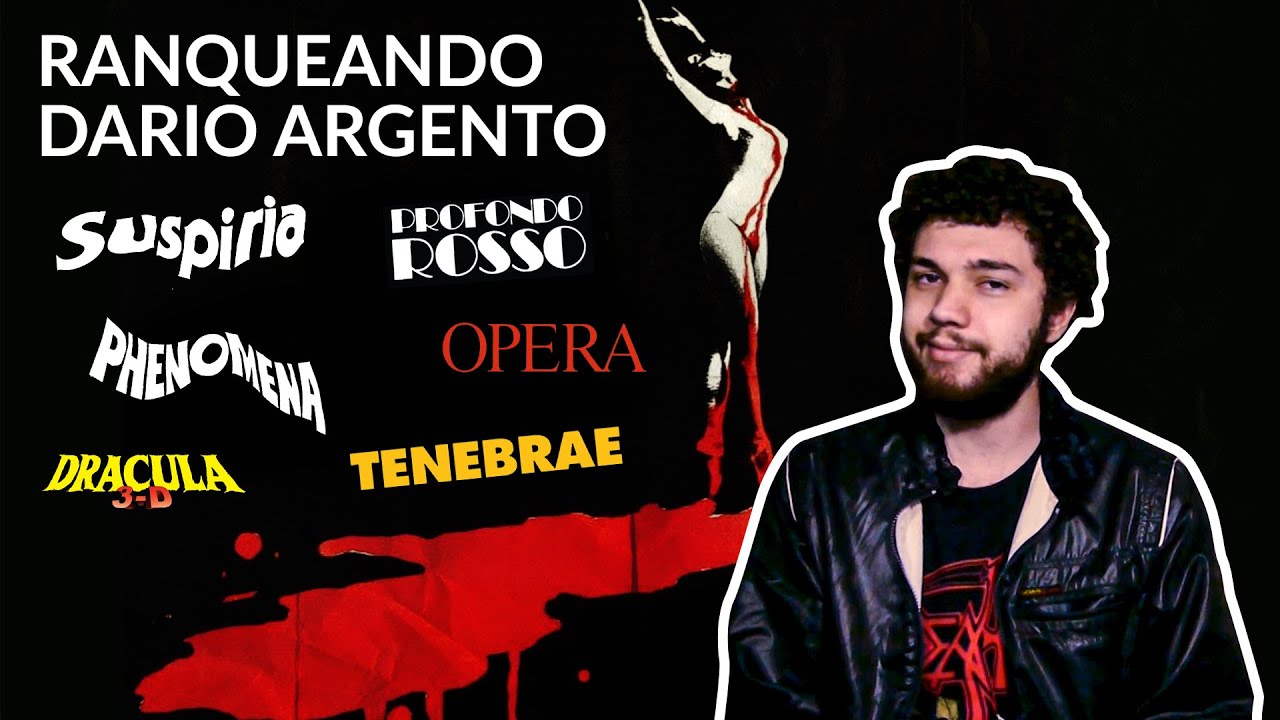
An overview of Dario Argento's early filmography and his transition from traditional detective mystery thrillers to supernatural horror.
The role of film music and non-diegetic soundscapes in building tension, particularly the collaborative relationship between film directors and musical composers.
A comparative analysis of Argento's original 1977 'Suspiria' and Luca Guadagnino's 2018 remake, focusing on how different eras approach world-building and political subtext.
Technical study of the vintage imbibition (dye-transfer) Technicolor process used to achieve 'Suspiria's' legendary hyper-saturated color palette.
Tracing the legacy of Giallo and Italian horror aesthetics in modern Western cinema, examining its influence on contemporary directors like Nicolas Winding Refn and James Wan.
Exploration of Argento's 'Three Mothers' trilogy ('Suspiria', 'Inferno', and 'Mother of Tears') to analyze recurring occult mythology and architectural motifs across his work.
106 views8likes6:13Original Release: 2021-05-04
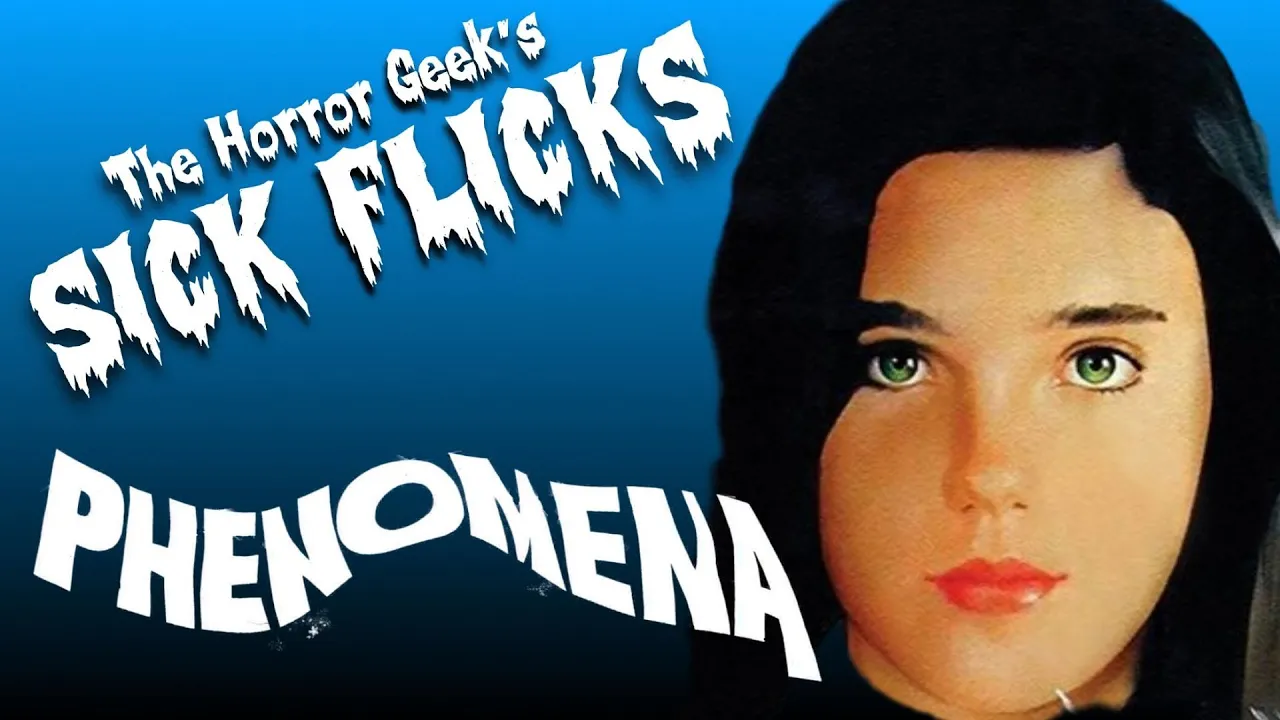
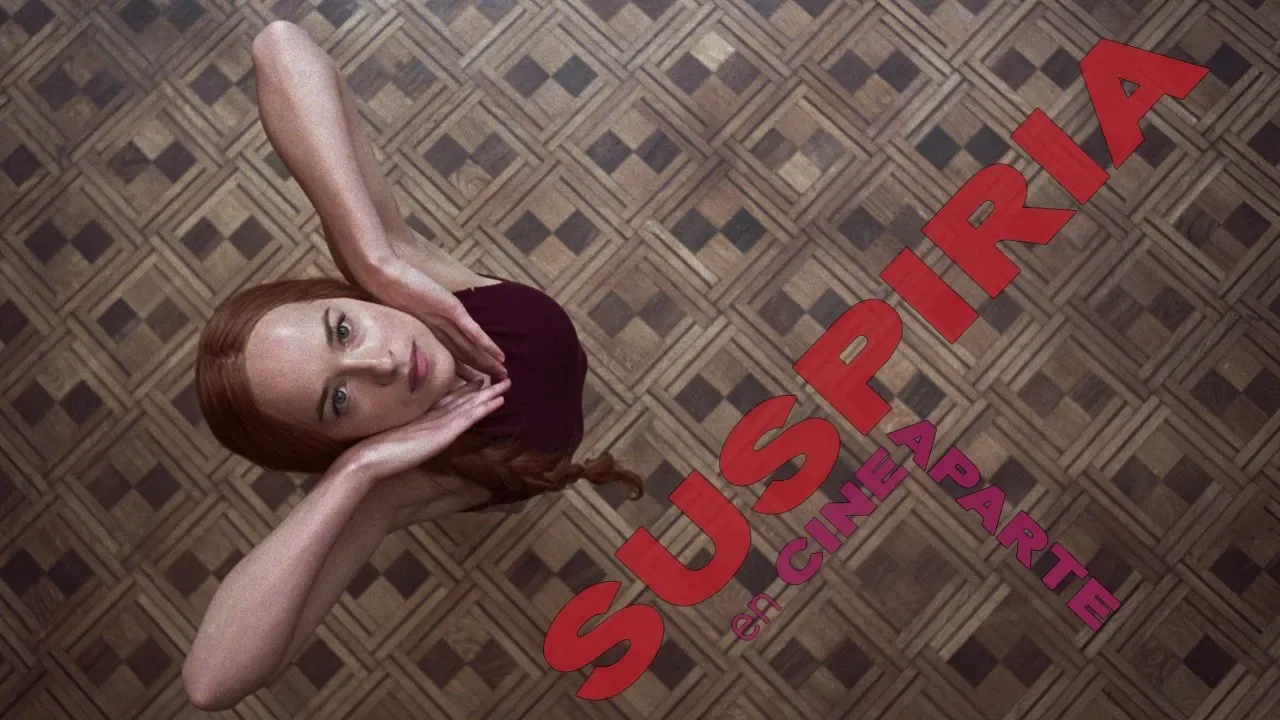
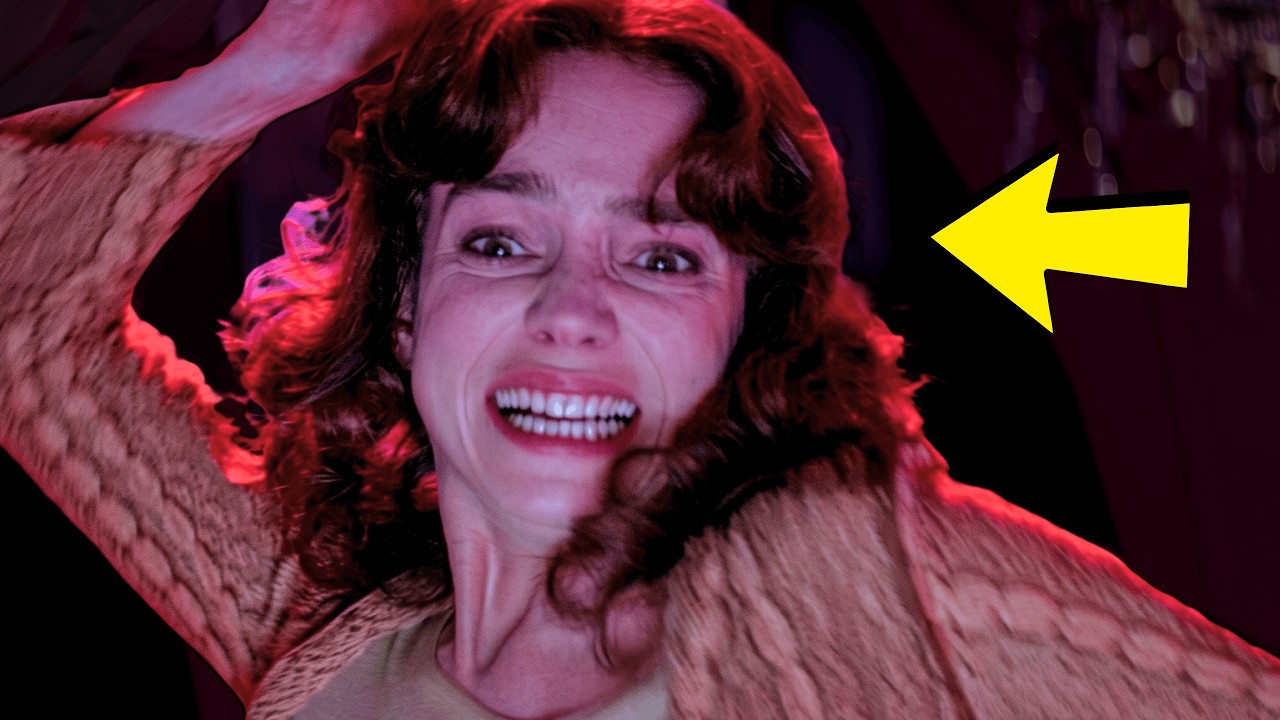
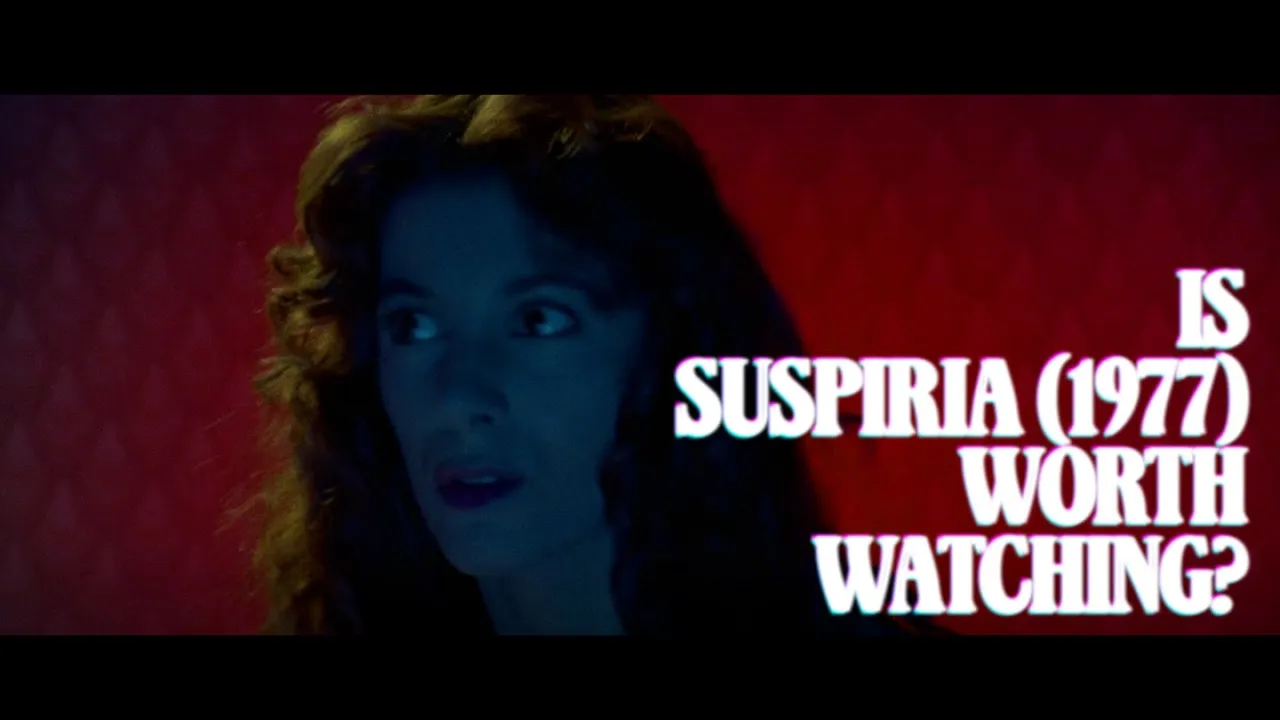
[Music] suspiria is the 1977 magnum opus by giallo and horror ortiz dario argento this was the follow-up to his remarkable jarlo film profondo rosso from 1975 known in english-speaking countries better as deep red this film incidentally starred daria nicolodi the them partner of argento but more importantly the co-writer of suspiria with him as well suspiria has the reasonably basic plot of a young girl called susie banyan portrayed by jessica harper in the film traveling abroad to a dance school that she soon finds out is run by a coven of witches are you interested yet the plot is admittedly simple but argento makes up for this in several ways he quite literally uses his world-building skills to build a nightmare one of the first things you will notice when watching suspiria is the sheer grandeur of its visuals and in particular its colour and set pieces the director of photography on suspiria luciano tavoli utilized lighting of both primary colours and the then old fashioned die transfer technicolor process to create what he states as a total abstraction from what we call everyday reality much of the film is also shot using untraditional angles such as low angles extreme wides with lots of headroom etc to assist in its separation from reality similarly the set pieces are magnificent the architecture of the sets and the buildings appear both gothic and geometric and style but bright and contrasting in color which complements the cinematography check out the set in the first murder scene the set is enormously intimidating and the antithesis of realistic [Music] architecture the performances in suspiria are uniquely odd this is because of two distinct reasons firstly the dance students in the film were written by argento and nicolodi to be between the ages of 8 and 10 years old but the film's producer persuaded the two writers to change the age of the characters due to the intense nature and violent deaths of the film however some of the juvenile dialogue remained a scene that highlights this is early on when susie banyan first meets her roommate who is engaging in childish banter with another classmate calling her a snake and hissing at her the classmate responds by making noises and pulling faces sarah i once read that names which begin with the letter s are the names of snakes secondly argento uses a filmmaking technique common practice in italian films at the time in which actors spoke with their native language and were dubbed in post-production this was so italian films could be more economically distributed abroad some actors were english-speaking such as harper and others were italian and german but me personally these factors contribute to the disconnect from reality and creates an uncanny valley-like effect in film you often find pairings of directors and musicians that contribute to the director's ortus status imagine spielberg without john williams hitchcock without bernard hermann sergio leone without any morocconi in the same way argento in his golden era was paired with italian proc rock group goblin goblin's soundtrack for suspiria is insane both musically and production-wise the music is blaringly loud and what some people describe as distracting i find powerful and emotive goblin were granted a hefty three months to work with the final cut of suspiria so each piece of music was tailored to the image on the screen this three month time period also allowed them to experiment with instruments irregular to most film composers at the time such as the tabla the bouzouki as well as the at the time radical mooc synthesizer the use of whispered voice drones and screeching strings used with the italian prog rock musicality gives the soundtrack a nightmarish soundscape now i will use the opening scene of the film to exemplify how argento uses some of the aforementioned factors the opening scene of the film starts with susie banyan arriving at the airport there is a use of red light within the airport but it is deceptively minimal compared to the exuberant colours of the rest of the film and could still be considered to be grounded in reality susie is then seen walking through the busy airport which generally feels realistic there is no music and natural interior low lighting a voice can be heard over a tannoy in the distance it feels fairly normal as susie approaches closer and closer to the automatic doors she sees them open to let people out when the doors open the goblin theme can be heard stopping when the doors close [Music] this happens twice before she exits the building through the same doors and the school continues from then onwards as heavy rain thunder and lightning surround her argento uses this strange technique to signify that susie is stepping out of reality and into his nightmare world she gets into a cab to go to her dance school in lodgings as she is driven there vivid primary coloured lights flash by indicating that she's heading deeper and deeper into the rabbit hole incidentally argento whim writing story wanted to form a horror story that mimics the reality shift of films like alice in wonderland and the wizard of oz with their bright vibrant colors alice going down the rabbit hole dorothy and entering from black and white into munchkin land the bright colorful land etc hello and thank you for watching if you enjoyed this content then please like the video and subscribe it would mean a lot to us and we aim to get a lot more of this type of video out soon so yeah please please please subscribe if you like this so you can be notified when our new videos come out we plan to be doing some more very soon we are very excited to bring you more thank you
Up Next
27:24
Dario Argento's Three Mothers Trilogy: Suspiria, Inferno & Mother of Tears
@MattDraper
50.4K views•2025-02-26

23:14
Visual Analysis Essay: How to Analyze Graphic Novels in College Writing
@nataliepleimann5941
1K views•2020-10-14
4:55
Film Blocking Techniques for Directors: Space, Shapes, Lines
@StudioBinder
1.9M views•2018-07-23

4:00
Evolution of Darth Vader: Anakin Skywalker's Animated Journey Across Star Wars Films
@TellItAnimated
13.4M views•2019-03-30
Related Study Plans & Knowledge Roadmaps
Structured learning paths in Film Analysis
film-analysis
Sensory Cinema: Foley, Haptic Sound & Texture
01Introduction to Film Sound and Foley Artistry
02Micro-Sounds, Textures, and Extreme Amplification
03Haptic Audition and Film Phenomenology
+ 1 more learning modules
12h4 modules
Explore Roadmap
film-analysis
Breaking the Fourth Wall: Mockumentary & Satire
01The Invisible Wall: Basics of Cinematic Illusion
02Looking at the Lens: Direct Address & Character Glances
03The Mockumentary: Satire, Realism, and Complicity
+ 2 more learning modules
12h5 modules
Explore Roadmap
film-analysis
Analyzing the Long Take: Cinema, Space & Ethics
01Foundations of Film Grammar: Montage vs. The Long Take
02Choreography and Mechanics of the Simulated One-Shot
03Phenomenology of Film: Real-Time Spatial Continuity
+ 1 more learning modules
14h4 modules
Explore Roadmap
film-analysis
Anachronistic Music: Period Drama & Subversion
01Foundations of Film Sound and the 'Needle Drop'
02Traditional Authenticity vs. Revisionist History
03The Rise of the Anachronistic Soundtrack
+ 2 more learning modules
12h5 modules
Explore Roadmap