















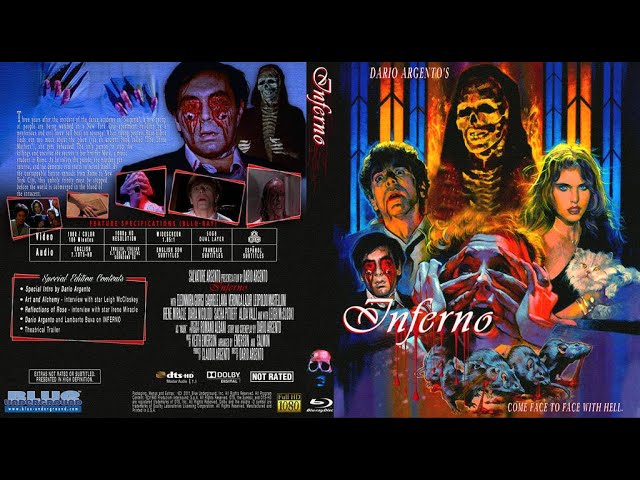

Dario Argento's Three Mothers Trilogy (Suspiria, Inferno, and The Mother of Tears) demonstrates how a filmmaker's creative vision can evolve and decline over decades; while the first two films (1977 and 1980) showcase Argento's signature style of vibrant Technicolor cinematography, surreal set design, and supernatural horror that established him as a master of Italian horror, the trilogy's 27-year gap and eventual completion in 2007 reveal how prolonged creative projects can suffer from inconsistent quality, with the final installment representing a significant departure from the aesthetic and narrative strengths that made the first two films enduring classics.
Dario Argento's Three Mothers Trilogy: Suspiria, Inferno & Mother of Tears
Added:An understanding of the Italian Giallo film genre, characterized by stylized murder mysteries, vibrant cinematography, and psychological tension, which served as the stylistic precursor to Argento's supernatural works.
Familiarity with Thomas De Quincey’s 1845 prose poem collection 'Suspiria de Profundis', specifically the section 'Levana and Our Ladies of Sorrow,' which introduces the mythological concepts of the Three Mothers.
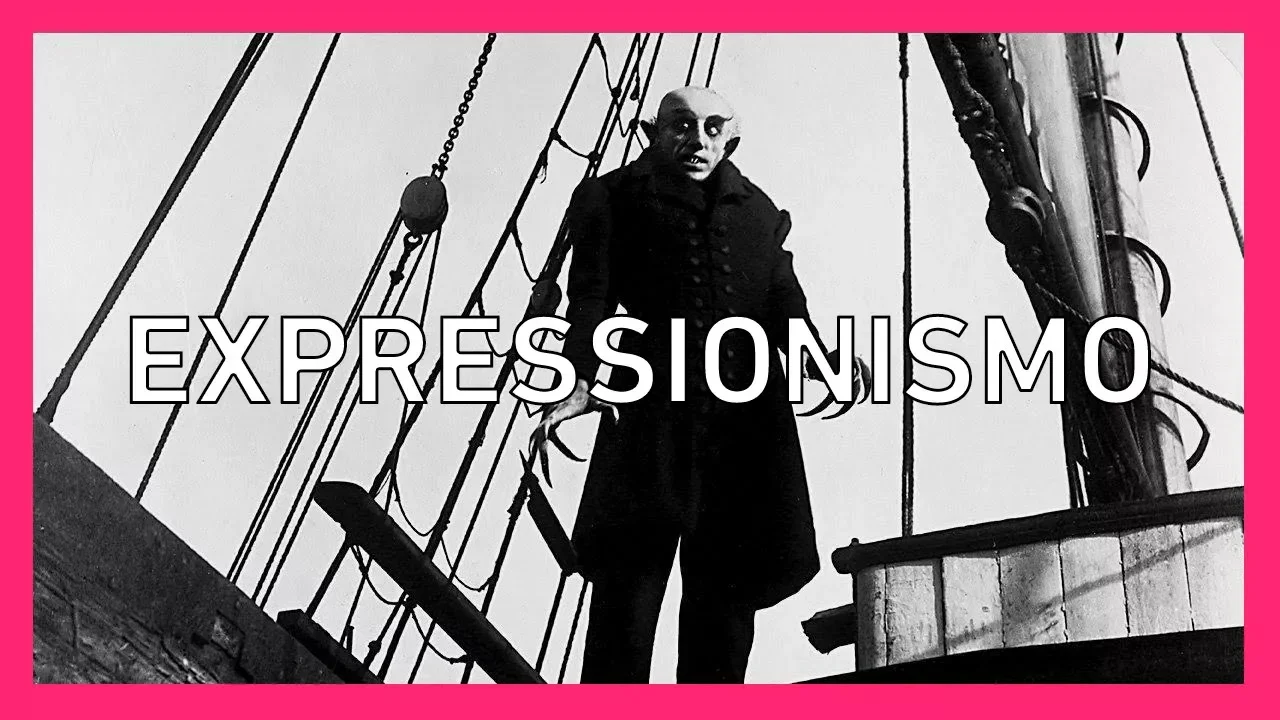
Basic comprehension of German Expressionism and its use of non-naturalistic lighting, saturated colors, and distorted set designs to project internal psychological states onto the physical environment.
An introductory knowledge of Western esotericism, occultism, and witchcraft as recurring motifs in 20th-century European cinema.
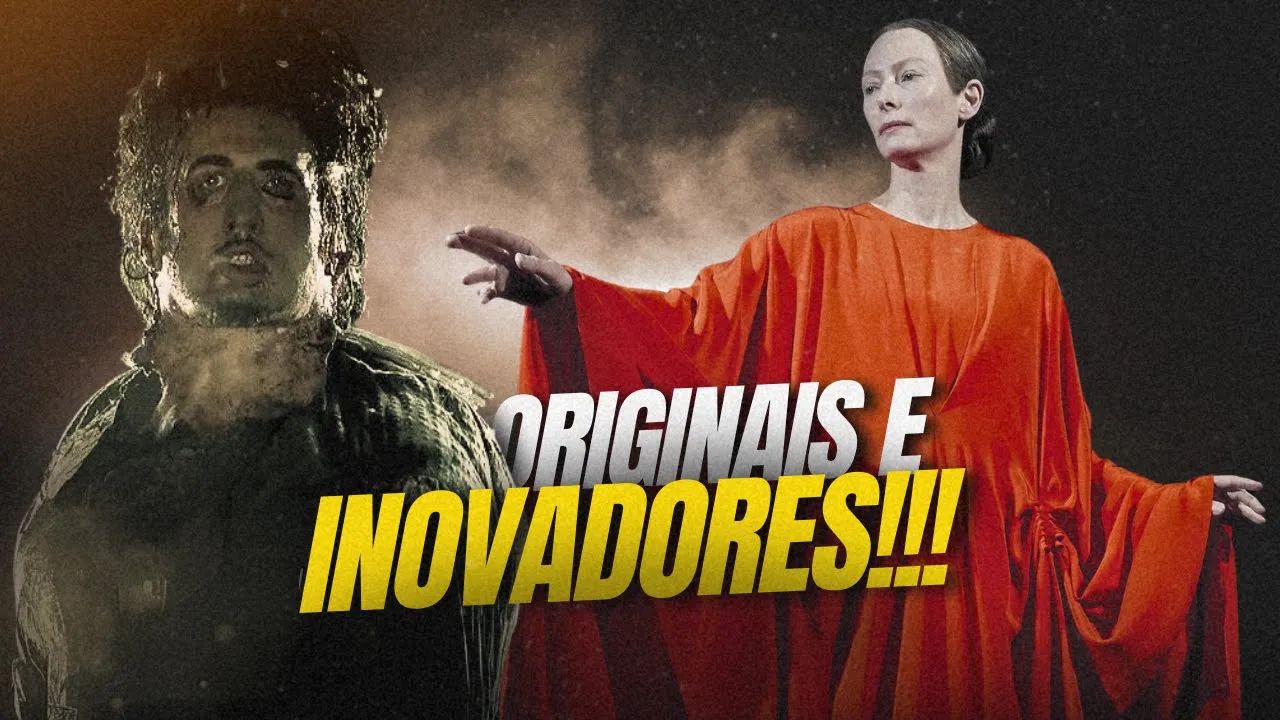
Comparative analysis of the 1977 original 'Suspiria' and Luca Guadagnino’s 2018 remake, examining how shifting political and cultural contexts alter the thematic execution of the narrative.
Exploration of Jungian psychoanalysis, specifically the 'Terrible Mother' archetype, to decode the psychological underpinnings of the trilogy's maternal antagonists.
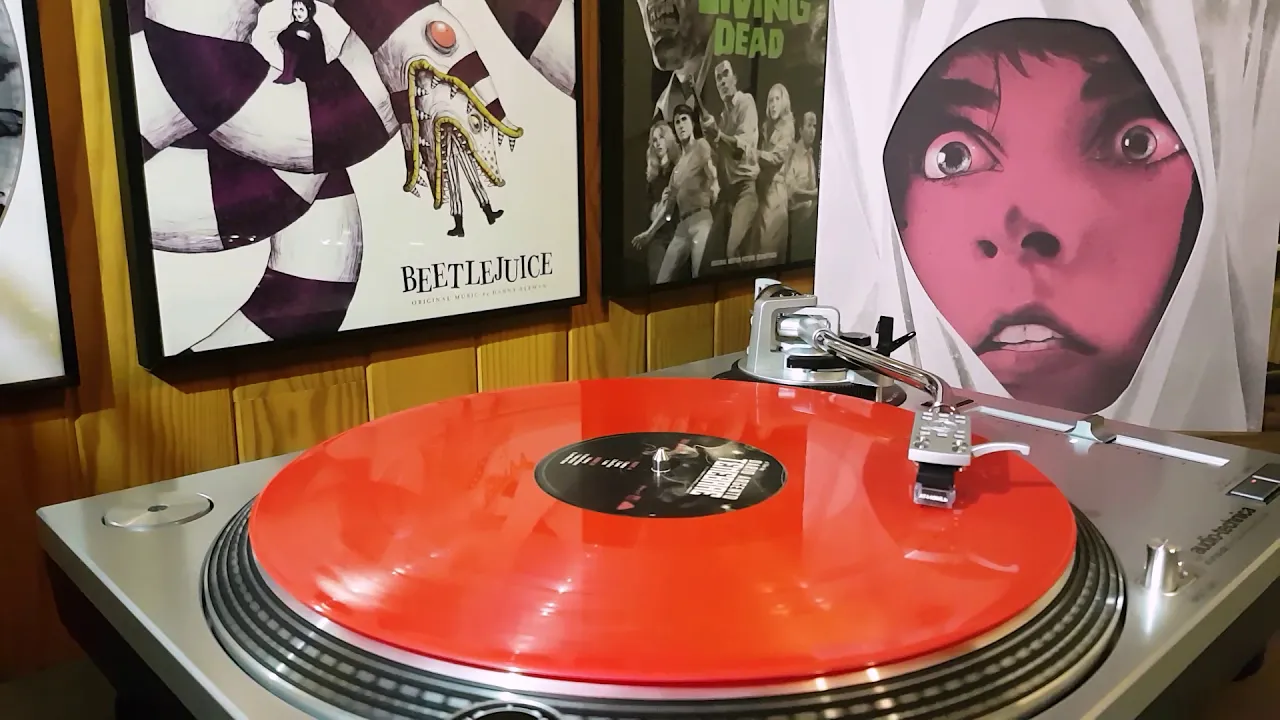
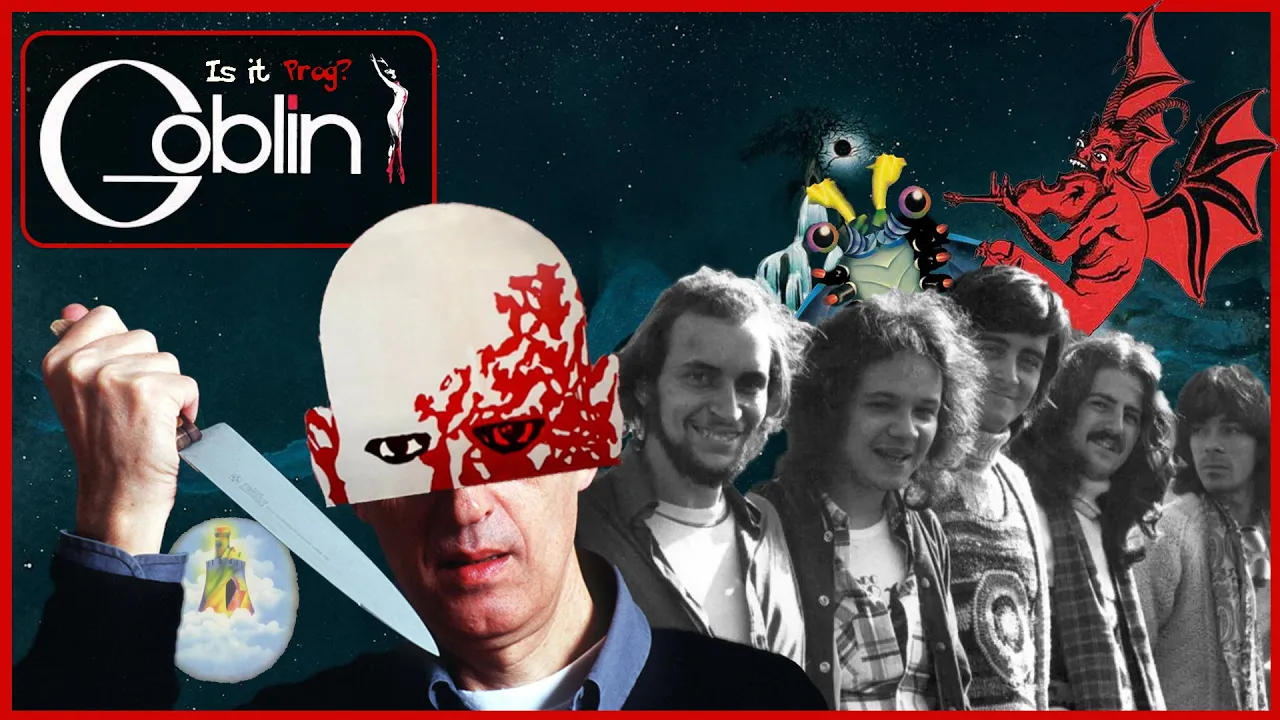
The study of horror film soundtrack composition, focusing on how the progressive rock band Goblin and composer Keith Emerson utilized avant-garde synths and disharmony to redefine auditory terror.
Advanced research into architectural determinism in horror cinema, analyzing how physical structures in film (such as the Mothers' residences in Freiburg, New York, and Rome) function as characters and vessels for the occult.
50.4K views2.4Klikes27:24Original Release: 2025-02-26
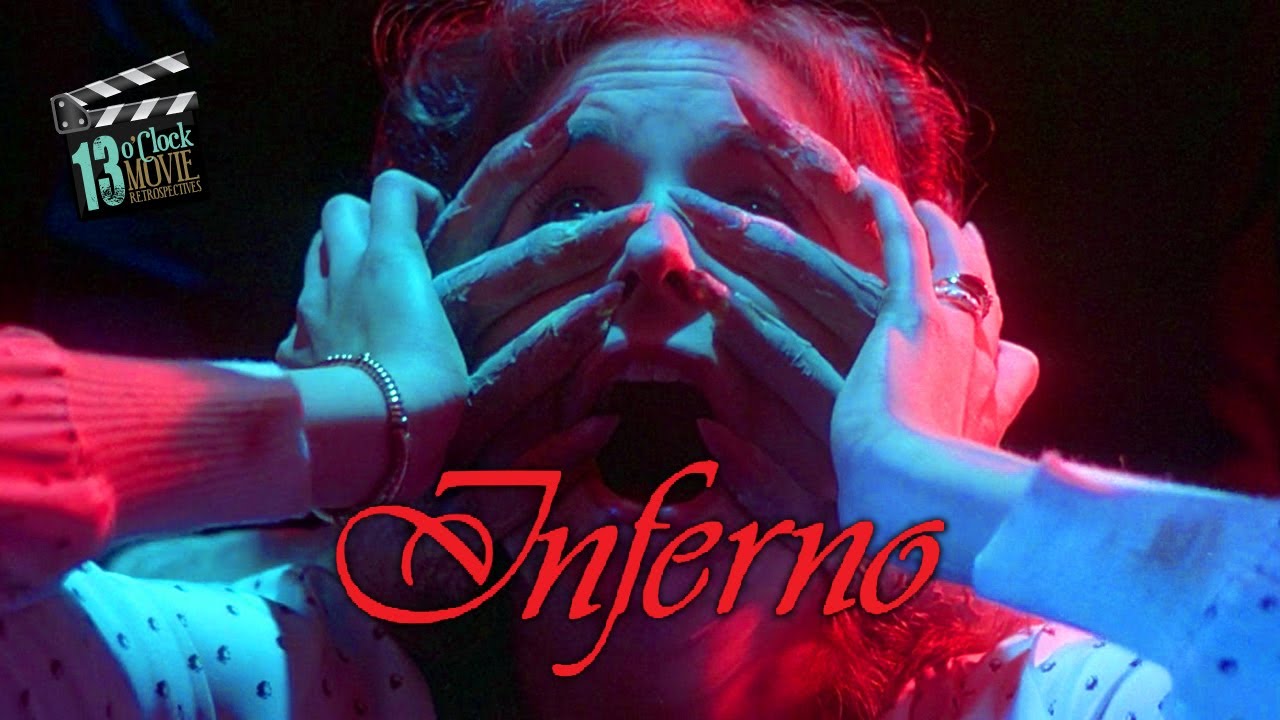
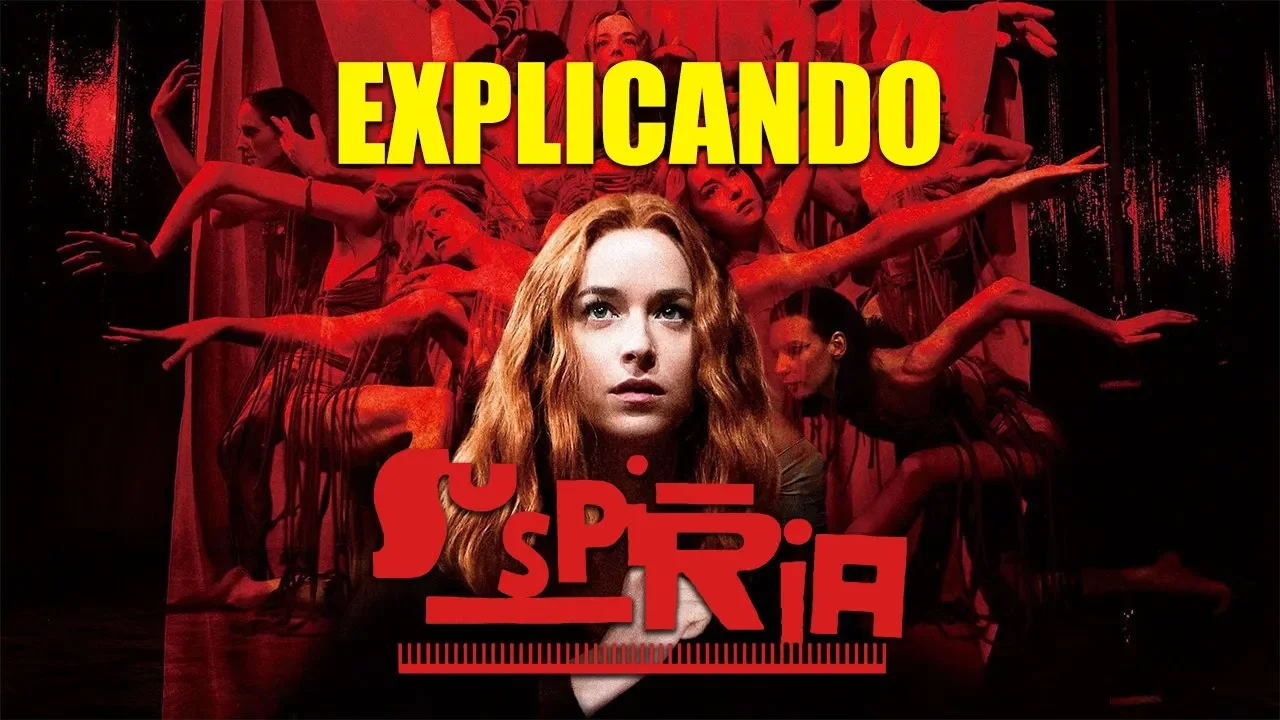
Mater sorum Mater tenum Mater larum these are the three mothers determined to rule the world through evil and Witchcraft and the centerpieces of three films made by Italian horror icon Dario Argento made across the span of 30 years argento's three mothers Trilogy consists of susperia from 1977 Inferno from 1980 and the mother of tears from 2007 each telling their own stories of everyday people sucked into Hidden Worlds of supernatural horror but together also creating a larger tapestry of evil and Corruption hidden within Society for Argento these stories first began as a path away from his early xalo work and toward supernatural horror that helped him break through outside of his home country of Italy but they soon became an interconnected series of stories that kept his longtime fans waiting as efforts to complete the trilogy stalled and seemed destined to never be finished only for the director's long awaited finale to be seen as a massive disappointment but the three mothers Trilogy also includes some of his best and most beloved work from the highest highs of his career to the late late period lows that could never live up to expectations these are three films that reveal the unique and sometimes nonsensical appeal of a Creator who made some of the most unforgettable Italian Horror in film history but who also continued long past when his films found any positive reception this is Dario argento's three mothers Trilogy a flawed Marvel of Italian horror [Music] [Applause] [Music] after beginning his career as a screenwriter in Italy's film industry Dario Argento quickly broke through as a director with 1970s the bird with the crystal plumage and while the Italian Jolo sub genre had already been established by creators like Mario Bava Argento cemented himself as the air with stories that combined wild Mysteries with brutal kills and for the next several films Argento would hone his style with black glove killers and perverse answers to their motivations that all changed when Argento read Thomas D Quincy's 1845 collection of essays susperia de profundus which collected the author's psychedelic fantasy stories which were often the result of his opium addiction and it was specifically Lana and Our Ladies of Sorrow that inspired Argento and his then partner and co-writer Dario nicode in it the Quincy details his supposed discovery of the three ladies of s a hidden Trio like the Three Graces three Fates three muses and three Furies first is Mator laram Our Lady of Tears she it is that night and day Raves and moans calling for vanished faces she stood in Rama where a voice was heard of lamentation Rachel weeping for her children and refusing to be comforted she it was that stood in Bethlehem on the night when herod's sword swept its nurseries of innocence and the little feet were stiffened forever which heard a times as they trotted along floors overhead woke pulses of love in household hearts that were not unmarked in heaven next is Mater sorum Our Lady of size she never scales the clouds nor walks abroad upon the winds she wears no diadem and her eyes if they were ever seen would be neither sweet nor subtle no man could read their story they would be found filled with perishing dreams and with wrecks of Forgotten delirium but she raises not her eyes her head on which sits a dilapidated turban droops forever forever fastens on the dust she weeps not she groans not but she sigh inaudibly at intervals and finally Mater tenum Our Lady Of Darkness she is the defier of God she also is the mother of lunacies and the suggest of suicides Deep Lie the roots of her power but narrow is the nation that she rules for she can approach only those in whom a profound Nature has been upheaved by Central convulsions in whom the heart trembles and the Brain Rocks Under conspiracies of Tempest from without and Tempest from within Madonna moves with uncertain steps fast or slow but still with tragic race Our Lady of size creeps timidly and stealthily but this youngest sister moves with incalculable motions bounding and with Tiger's leaps argento's interest in the occult and niod's fairy tale Inspirations took the idea of matri suspiriorum and turned it into susperia [Music] the only thing more terrifying than the last 12 minutes of susperia on the first 92 released in 1977 and following Susie Bion played by Jessica Harper a student who arrives at a dance academy in fryberg Germany and soon realizes something is deeply wrong as students begin to be brutally murdered one by one sending Susie and her fellow student Sarah on a quest to discover what's going on before it claims their lives given that ziria is no longer following a black love killer on a Serial spree but is instead a supernatural horror argento's film can't be classified as a jalo but it's still as close to jalo as a film can be with the killer hidden and an innocent protagonist mixed up in the danger while trying to uncover the truth there's also a very early moment of Susie seeing the big clue to unravel the mystery that she can't quite remember until the finale just like so many of Argento jalow in it's also propelled by Murder set pieces with victims targeted by the villains and subject to elaborate [Music] deaths and while argento's film is trying to hide the true nature of its threats having prag rock band goblins score repeatedly sing kind of gives it away susperia story is very simple and mostly about getting to inventive scenes of horror but I don't care because this thing looks sounds and feels incredible cinematographer luchano tooli and production designer jeppi bassan worked closely alongside Argento to create this world of hyp saturated primary colors that turn sickly and haunting and thanks to the film's Technicolor film process the intensity of those colors is never lost on the screen basson's German expression is set design heightens the surreality and physical form with rooms and Halls that feel like psychological manifestations looming over our characters despite them never fully realizing the strangeness of the world they're in it's all so incredible to look at but it also creates an atmosphere of something being very very wrong sparking that figh ORF flight Instinct in the audience even when a killer isn't nearby together what these elements do is create a Fantastical and horrifying world that's completely removed from our own susperia opening basically spells that out to us with suie arriving at the airport and walking toward the exit with continual Cuts shifts in style and the rising score showing us how our heroin moves out of our world and into this one really the only time susperia breaks that spell is to have suie visit several professors including one played by Udo kir to have the entire story essentially explained to her and us including the first mention of mat sorum being one of three it's a little clunky but armed with this knowledge suie can go go back to the school and defeat the witches susperia weaves such an intoxicating spell that at its end with Susie killing Helena Marcos AKA Mater sorum and causing every witch to die and the building to fall apart Argento chooses to end his film with Susie triumphantly leaving and one last fiery explosion shattering the Nightmare and letting us wake up from this strange world it's an ending that the next two films would repeat but neither work as well because it's really only susperia that earns this ending this is Alice in Wonderland this is hansong grle stories where our young girl triumphs over evil and can leave the strange world she was sucked into at the start Nickelodeon Argento originally envisioned the cast of Suspiria to be young girls around 10 years old but aged them up when they realized that wouldn't work with the terror and brutality of their story but they kept the school age fears and classroom dynamics in play for better and For Worse h that Fantastical element is offset by some absolutely brutal kill sequences that become more and more extravagant because of the supernatural element a heart opened up and stabbed a shattered Skylight that reeks Carnage a razor wire pit scramble that seems to never end it's all chilling and there's this brightness and unreality to the blood and violence that keeps it from feeling gross and with Susie incapacitated during the second act of the film due to poison why it's never really revealed there's a central helplessness alongside the doomed Sarah that stifles our heroin's journey through this fantasy land until she wakes up and can end the madness decades later director Luca guadino would remake saperia in 2018 and while this new version is telling a very different story of Witchcraft in a Dance Academy guano's film still goes out of its way to mention the three mothers and made her sorum's place in their world here sorum's role in the Covenant is very different and has a sort of dark hopefulness to it stopping the corrupt witches that have seized power in her place while Soviet era Berlin struggles amidst the Cold War guadan Nino had said he was interested in making another film that would have tied the three mothers together and Chronicle their Ascension in the world across centuries but the remakes under performance meant that would never happen whether that would have kept argento's two other films part of its Cannon or remade them is unclear but it would have been an interesting approach that tied these films much more closely together really there's nothing about argento's original susperia that's begging for another movie with its three mothers discussion more worldbuilding than sequel baiting still the success of susperia would lead Argento and nicode to the next mother just a few years later I do not know what price I shall have to pay for breaking what we Alchemists call centium the life experiences of our colleagues should warn us not to upset set Layman by imposing our knowledge upon them shortly after cpia arenta would spend his time helping with the Italian distribution of George Romero's Dawn of the Dead and Martin bringing the horror Masters films to a European audience while working on his own stuff susperia had been a big hit when released by 20th century Fox's International Classics Banner outside of Italy so when Argento said he had plans for two more movies focused on the other mothers Fox naturally ate that [ __ ] up with a $3 million budget Argento and nicolodi who created the story but didn't receive credit because she reportedly had a horrible time fighting for screenplay credit on susperia and simply didn't want to go through that again crafted Inferno a troubled production that saw Argento so sick with HIPPA titis he had to direct scenes lying down and needed Mentor Mario Bava to step in for him at times while Bava also did effects work on the movie Inferno mostly takes place in New York with poet Rose Elliot uncovering the secret history of our three witches from a book titled the three mothers written by the AR that built their three homes causing her to realize that the building she lives in is home to one of them Mater tenum soon Rose's disappearance and several violent deaths cause her brother Mark to visit her building to uncover what happened and we trace a bloody path to the eventual confrontation with the mother of Darkness as a cinematic experience Inferno is incredibly enjoyable the classical score by Keith Emerson creates a tense but beautiful atmosphere the cinematography by Romano albani with argento's color gel lighting more extreme than ever is such a treat to watch but the story is kind of nonsense and the structure and pacing of the film is a mess partially the problem is that since this is the second film in the story we already know a little more than susperia ever gives us Inferno is much more upfront about its witchcraft ideas so this isn't really a mystery like saperia or most of argento's previous work right up front the expository voiceover from the book gives us a lot more info about the witches and I built their horrible houses the repositories of all their filthy Secrets those so-called mothers are actually Wicked stepmothers incapable of creating life there's three mothers with homes in New York Rome and fryberg Germany but they're incapable of creating life so they corrupt it and in doing so their homes become plague ridden and rotten which alongside a few other signs will reveal their buildings to be their homes and we also start with a protagonist in Rose that's actually aware of what's going on and trying to stop it but then the movie Uno reverses that and services up a hero that has no clue about what's happening for the entire film literally like he's just standing there confused during the finale Mark as a protagonist just plain old sucks and actor L MOSI is unfortunately just very weak in the role my sister where is my sister and for the majority of the runtime he's not in Focus either unconscious or too busy with something else susperia starts with super Susie shifts to Sarah for a bit in the middle then shifts back to suie for the Final Act that's mostly because Susie is incapacitated but there's also less concrete plot and more mystery so the plot really doesn't need someone majorly driving it Forward Inferno establishes the stakes of the three mothers right at the start so we have a more concrete plot of there being this Supernatural evil as we're trying to understand the mothers and stop them but the plot shifts its focus between many different characters throughout its runtime Rose is killed off really early and Mark has little to do the problem is that each character the movie transitions to fully becomes the main character and is the one in charge of moving the plot forward but each time they die the movie resets itself creating a lot of stagnation I'm not saying susperia is some complex piece of Storytelling but it's always clear that Suzie is our main character and makes it easy for the story to stay focused this is also why slasher movies have side characters that act as fod for the killer we get to have the kill set pieces but still have Main protagonists to attach to and continue the plot here because we're constantly killing our central figure it takes almost the entire film for our lead to get back to the level of insight that the audience was already at during the first few minutes of the film there is an evil witch mother in the building that needs to be stopped we all got that already but no one else realizes it however most of the inferno's set pieces are really strong I think that one of the major reasons behind the effectiveness of inferno's horror is that there's a certain degree of non sequer to it the way the rento blocks and paces his kill scenes doesn't conform to your typical approach and each one is very different from the last keeping you on your toes and the way in which each victim is offed is never how you'd really expect a woman runs into a strange and possibly dangerous man's apartment they're both stabbed by an unseen killer a dude is in the middle of a good oldfashioned cat drowning he is eaten by rats and then gets his neck chopped by the nearby mobile butcher Argento does really good work with Silhouettes and framing here the movie is much VIs usually darker than susperia using blues and greens with only flashes of red compared to cia's much brighter color palette and with most of the film taking place at night there's so many shots of dark figures against multicolored backgrounds or inversely actors cast in Stark blues and greens against black backdrops Inferno shots have really burned themselves into my brain like susperia has and that's a huge compliment the finale of Inferno much like saperia sees Mark finally uncover the hidden past ages beneath the apartment at first he is confronted by the architect of the three mothers who lives underground in a wheelchair and needs a voice box to speak but then he tries to inject our guy with something and falls over and strangles on his voice box cord like a dumbass if this guy is so smart how come he's dead that sort of stumbling around while the bad guys destroy themselves applies to Mater tenum as we discover that the kind nurse we've seen off and on played by Veronica Lazar who you might also know from original dang ass freak Lucho FES the Beyond is tenam the climax with the apartment burning down due to an accident and tenam turning into a giant skeleton thans to some well-shot mirror tricks is really fun and exciting a name which strikes fear into everyone's heart they call us but it's also a big let down Mark simply runs out of the building and tenum is killed when The Inferno collapses on her [Music] my guy didn't even do anything it's just a sad damp squib of a resolution after 100 minutes of buildup it doesn't make what comes before less enjoyable but it hurts the movie Inferno was released on February 7th 1980 in Italy however distributor 20th Century Fox didn't release the movie internationally because of major changes in the studi leadership in the midst of the film's production as a result Inferno only made $1.6 million against its $3 million budget cut off at the knees by a very short European release window and essentially just a special theatrical engagement in the US years later and after a VHS release and so Argento and nickel's much hyped three mothers films hit a massive bump in the road after two entries and the result was a 27-year wait for the finale in the heart of a modern city we found something alarming today a buried secret cut the chains will be Unearthed Argento would go on to make nine more movies between Inferno and the mother of tears and three of them are pretty good tenra phenomena and Opera are typically considered to be argento's last great films with the director returning to xalo but also retaining the supernatural elements introduced to his filmography by saperia and Inferno but man it gets pretty rough after that most of argento's 9s and early 2000s output is simply no good with the director more interest in putting his daughter with nicode Azie Argento into the lead role of his movies instead of coming up with something actually decent for her to star in now I Lov Dario Argento that should be obvious to anyone that's followed my channel and the many videos I've made that have covered his stuff over the years and there will be plenty more I make after this too but argento's steep drop in quality in what is essentially the entire second half of his career is fascinating and a real bummer too argento's style and the Aesthetics of the '90s and 2000s go to together like the NWO and WWE it's just wrong and it didn't help anyone involved and so this is where we find ourselves when the three mothers finally comes to a close in the decades after Inferno Argento promising to close out his Trilogy with the film on the third and final which maer laram struggled to create a story the first attempt came with the return of Daria nicolodi who wrote a script in 1984 that was never used it's not really known why nickel's script never made it into production and apparently it has nothing to do with the final film film but nicode and Argento separated as a couple in 1985 which may have something to do with it skip ahead to 2003 with Argento writing a new script and intent on setting the film in the Middle Ages and about the Catholic Church's persecution of practitioners of gnosticism but not much happened with this until screenwriters Jace Anderson and Adam gash began turning argento's story treatment into a script in 2004 set immediately after Inferno however Anderson and gash were off the project by 2007 with the script heavily Rewritten by orento and filmed mostly in Rome titled lamadre in Italy and mother of Tears the third mother abroad the film is set in the 2000s as the magic tunic of maer laram is uncovered in an archaeological dig with art restoration student saram Mandi played of course by a Argento targeted by Lamar's disciples and on the run as Rome begins to go mad from the increasing power of laram Sarah's Journey leads her to discover that her dece mother played by Daria nicode was a white witch that fought against the three mothers and that she too has the power to stop them there are several things that make mother of tears into the odd duck of this Trilogy Of course given that this is burdened with the ambition of being the finale people have waited decades to see it can't just be another encounter with one of the witches it has to be bigger and more important so a lot of this film is dedicated to explaining who the mothers are and giving contextual insight about the past movies like how Sarah Sarah's mother was a good witch who died fighting Mater sorum which weakened her enough for suie to be able to kill her and like I don't need that I get that having one of the mother's ultimate weaknesses be just kind of walking up to her and stabbing her in the neck with a knitting needle don't make a whole lot of sense in the context of the rest of these movies but just go with it man that finale rocks and it's totally in line with its fairy tale approach now we got all this extra info about the mothers that's trying to add a sense of importance and that leads to to another difference here mother of Tears is much bigger in scope as Sarah travels throughout Europe both investigating the coven and on the run while the city seems to be going absolutely [ __ ] bug nuts because of Lam's influence who by the way was briefly in Inferno and played by Ana poni and who is played by Morana tias here and who I can barely show because she's naked all the time no more single location horror now we're trying to go as big as possible which could be a scary idea if the film could convincingly pull off the scope it's going for that also means there's no iconic location here susperia Dance Academy was a recreation of the real life whale house in fryberg inferno's apartment building takes from the Gothic Revival architecture happening in New York at the time of filming here we don't get any notable locations the other critical difference is that mother of Tears is the Cinematic equivalent of [ __ ] from a [Music] butt like holy [ __ ] dude this movie is so bad not just a dunk on a movie but mother of Tears is arent in his worst form I won't detail every single bad thing about this movie because like no one needs that but bad performances bad cinematography bad lighting bad writing bad effects bad editing and character and plot that make no sense and aren't compelling at all in service to a movie that's supposed to stand alongside two bangers that makes it even more disappointing it's really a shame because what should be at least a fun Capper to the trilogy is terrible in both concept and execution and what should be an emotional family reunion with real life mother and on screen and father behind the camera lacks any and all emotion s it's not even scary unless you're afraid of really bad ghost CGI susperia and Inferno are all about finding the hiding place of one of the witches and while it doesn't always make sense it shows How Deeply hidden the covens are in mother of Tears Sarah just kind of follows a group of witches that look like they're out for a bachelorette party and boom she's there given that mother of Tears is designed to be the finale of the trilogy it has way more mythology and lore than the other two films combined really all susperia and Inferno did was establish the general idea of the three mothers alongside their locations and vague relationship to one another and honestly that's all those films really needed there's something about Argento filming a modern movie that doesn't feel right the Bold shot compositions the Extreme color gels the unconventional act structure all of them are gone here and they aren't replaced by anything interesting instead almost all of mother of Tears is very plainly shot with very drab realistic lighting and essentially no memorable shot compositions this maybe isn't as noticeable when watching the film in the context of the movie he made right before and after but watching mother of Tears in the context of the trilogy and right after Inferno is the worst kind of whiplash really it's more like the wild roller coaster ride comes to a screeching halt and like the other two entries mother of Tears abruptly ends with the evil destroyed and our survivors laughing in relief but it really doesn't work here and with that the three mothers Trilogy was over with part three making 3.1 million dollar in theaters Argento would go on to make three more films at the time of this video's release but Daria nicode passed away in 2020 at the Agee of 70 and what I think these three films make clear is the importance of nickel's contributions to their scripts and stories never truly given the credit she deserved for their success in the aftermath mother of Tears is a failure but not one that tarnishes susperia or Inferno two Classics of Italian horror that remain beautiful and haunting trips into a dark fantasy world we may never Escape thanks for watching today's video and it's February so that means it's time for some Italian horror on the channel you may not have noticed but this is a recurring thing that I like to do with recent February Italian horror videos covering demons 1 and 2 and luchu fi's Gates of Hell Trilogy and I had so much fun making those other ones that I thought it would be fun to continue now I did make a susperia video quite a few years ago and I think I've grown a lot as a video creator in the time since I also wanted to do a video about Inferno but not really talk about mother of Tears on its own so I thought it would be a perfect opportunity to talk about all three revisiting susperia talking about Inferno and dunking on mother of tears just for the fun of it cuz boy that movie is bad if you haven't seen these movies I absolutely recommend watching susperia and Inferno but really nobody needs to see mother of Tears Argento may have a really tough second half of his filmography but his first half is absolutely filled with Banger after Banger after Banger and someday I would love to talk about his early animals Jolo Trilogy that kicked off his career as a director and talk about his later great movies phenomena Opera and tedra together he made so many Classics so even with a lot of bad movies at the end of his career I really can't fault him because he's made so many awesome ones I'd love to hear your thoughts about the three mothers Trilogy what your favorite of the bunch is and your overall thoughts on your favorite Italian horror movies because there are so many great ones to choose from as always a huge thank you to my patrons and YouTube members and if you'd like to be a patron or member it's only $2 a month for Early Access to every video and exclusive reviews by the time this video goes up I should have an exclusive review on Grant Morrison's final crisis available for patrons and members to listen to and watch so until next time I hope that you're taking care of yourselves and enjoying some great Italian horror
Up Next
57:52
Feminist Art History: The 1970s Movement Explained
@kueblerwolf
3K views•2013-01-18

20:12
Unfriended (2014) Screenlife Horror Film Analysis and Review
@theboredcyborg
372 views•2019-08-20
4:55
Film Blocking Techniques for Directors: Space, Shapes, Lines
@StudioBinder
1.9M views•2018-07-23

4:00
Evolution of Darth Vader: Anakin Skywalker's Animated Journey Across Star Wars Films
@TellItAnimated
13.4M views•2019-03-30
Related Study Plans & Knowledge Roadmaps
Structured learning paths in Film Analysis
film-analysis
Sensory Cinema: Foley, Haptic Sound & Texture
01Introduction to Film Sound and Foley Artistry
02Micro-Sounds, Textures, and Extreme Amplification
03Haptic Audition and Film Phenomenology
+ 1 more learning modules
12h4 modules
Explore Roadmap
film-analysis
Breaking the Fourth Wall: Mockumentary & Satire
01The Invisible Wall: Basics of Cinematic Illusion
02Looking at the Lens: Direct Address & Character Glances
03The Mockumentary: Satire, Realism, and Complicity
+ 2 more learning modules
12h5 modules
Explore Roadmap
film-analysis
Analyzing the Long Take: Cinema, Space & Ethics
01Foundations of Film Grammar: Montage vs. The Long Take
02Choreography and Mechanics of the Simulated One-Shot
03Phenomenology of Film: Real-Time Spatial Continuity
+ 1 more learning modules
14h4 modules
Explore Roadmap
film-analysis
Anachronistic Music: Period Drama & Subversion
01Foundations of Film Sound and the 'Needle Drop'
02Traditional Authenticity vs. Revisionist History
03The Rise of the Anachronistic Soundtrack
+ 2 more learning modules
12h5 modules
Explore Roadmap