








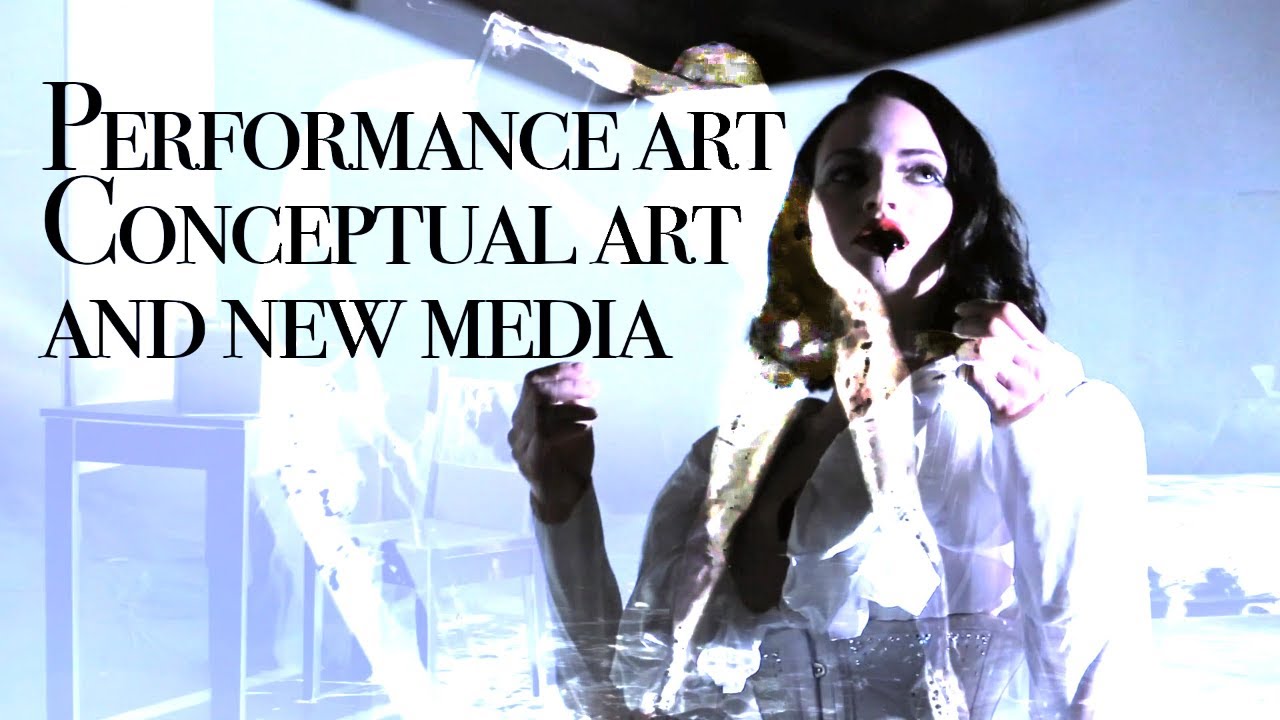


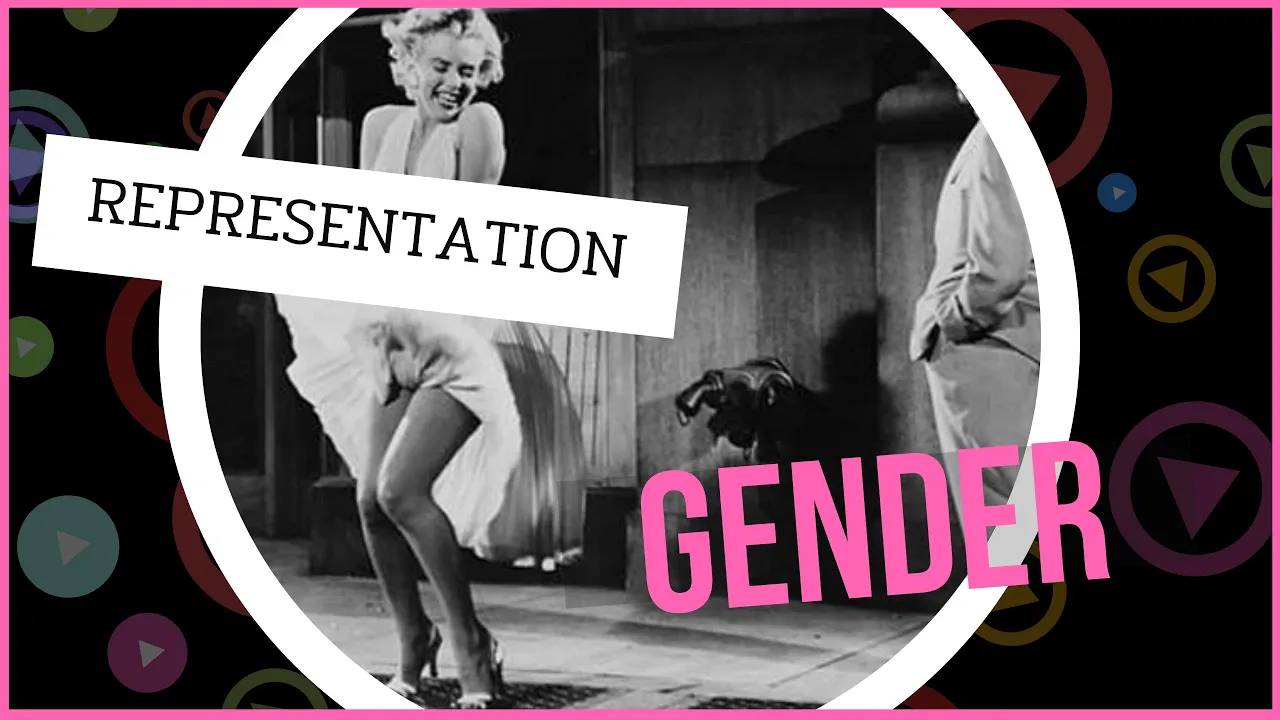












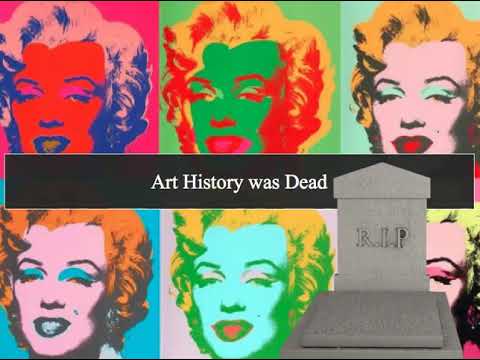


Feminist art emerged in the 1970s as a response to systemic discrimination against women in art history and society, where women were historically marginalized as objects rather than subjects in art, and faced legal and social restrictions that limited their professional opportunities; artists like Mary Shapiro and Judy Chicago challenged these norms by using traditionally female craft media (quilting, embroidery, china painting) to create collaborative works that celebrated women's contributions to history and questioned biological essentialism, while performance art became a powerful medium for addressing issues like domestic violence and sexual harassment that were legally and socially normalized during this period.
Feminist Art History: The 1970s Movement Explained
Added:Understanding of Second-Wave Feminism and its core sociopolitical goals, particularly the concept of 'the personal is political'.
Familiarity with the traditional Western art historical canon and the historical marginalization or erasure of women artists.
Basic knowledge of mid-20th-century avant-garde movements, such as Conceptual Art, Minimalism, and early Performance Art, which feminist artists adapted.
An introduction to the concept of representation and how visual culture shapes societal gender roles.
Exploration of the transition into Third-Wave Feminist Art, focusing on intersectionality, queer theory, and the works of artists like the Guerrilla Girls.
Analysis of the academic debates of the 1980s surrounding Essentialism versus Social Constructivism in feminist representation.
Study of institutional critique and how feminist activism reshaped museum curation, acquisition policies, and art history pedagogy.
Investigation of contemporary feminist art and its engagement with global perspectives, digital media, and modern activist movements.
3K views30likes57:52Original Release: 2013-01-18
lecture seven contemporary art stay we're going to look at the american sav feminist art in the nineteen seventies let me that this is their singing politics first of all this movement corridor actually women's rights movement is actually much older than the nineteen seventies starting really and there he said especially with eighteen forty-eight women's rights convention center falls into work there have been for generations of women pushing for more rights for women uh... it took the women's rights movement nineteen forty eight twelve nineteen twenty to get an amendment passed u_s_ cops tension that allowed women to vote so it's been a long slow progress brown uh... early on until at today's really and i know that especially among young people about some of it sorry background of feminism it's not that well-known so that's part of what we're going to be talking about today and part of what could be reading about this week but your reading about at the emergence of feminist art nineteen seventies keep in mind i'm gonna show you a few women artists who are working in the nineteen fifties here in just a minute and the work they show you from the nineteen fifties if i a poor to ask you about it not mixing up did not classify it as feminist art because that is not really what it is just because it's by a woman doesn't mean that it's feminist art seven and seven had a real resurgence as to uh... n number of other political movements come together coalesce in the sixties and seventies and number of different groups that have been marginalized political and social and cultural life of america really start wishing for inclusion about women for example also we've mentioned the environmental movement we're looking at me and arpit more tied to make personal identity there's that women's movement that emerges during this time although again women's movement had been around but it gets this new kind of life in the sixties especially seventies also this time as we'll be talking about next week there is a new resurgence of the base cultural movements and black nationalist movement in the nineteen seventies other groups started in the end of place at the table two that this is the area that sees the creation of the american indian movement which is it tennis political action group that's trying to get recognition for native american issues also at this time is the beginning of the gay rights movement that really kicked off by event to happen in the late nineteen sixties when the um... better apartment downtown new york in greenwich village actually was radiated a bunch of people were arrested as a gay bar and people were arrested simply for being at the gay bar uh... these are all groups that have been legally constricted and uh... essentially denied civil rights during the period leading up to all these protest movements of the nineteen sixties and seventies we're going to concentrate on the politics of feminism during this time and how it translated into a kind of feminist approach to making art and critiquing art history next time we'll talk about the placards movement so out that anyway i just went in understand that we're talking about a kind of a larger environment in which many groups that have been pushed to the side are demanding to be included in the mean streets cell first of all i want to show you some abstract expressionist painters from the nineteen fifties this is a painting com billboard ads you can see much an abstract expressionist at painting with that kind of slept uh... slapping on thickly layered textured paint some think you're limiting that really a lot out areas just passages of color very much part of that can't be new york school expressive style nineteen fifties and you can see this is a painting that was signed by a car disney george heart again well george harding it was actually a woman named rates uh... in the nineteen fifties when she began working professionally she's still around by the recipient in happened when she speaking working the fifties she could not get gallery representation when she signed her paintings grace article agis was not that comment for women to work it's artists and so she decided that in order to have her paintings judged on their own merits into have them judge apart from any idea that all she's a girl uh... she would sign them short peso george cardigan in the nineteen fifties she changed and started uh... working you know the painting in in a more excuse me if there is signing her work with her i mean later on better at night she does these essentially abstract expressionist paintings that he sees signs with a mail signin in order to avoid the problems of being a woman and being an artist in the nineteen fifties and here's just another example of one of her abstract expressionist ab paintings from the late nineteen fifties if i would say the senate has two should not identified as feminists art because there is nothing about it that is meant to engage with the specific questions at gender or her identity as a woman this is really a painting done in this form lists tradition of work like jackson pollock where the painting is an object unto itself it's not meant to engage with any kind of specific political content it is simply work it abstract expressionism so i hope you can see what i'm saying here that not everything is painted by women is necessarily feminist art feminist art has a particular set of concerns that it's a gauge with that are not part of what grace hart who's doing here what's interesting is she's a woman at a time in new york which remember in the nineteen fifties is the world's our capital who is facing that challenges that our basically the social restrictions that are placed on women at this time as she was frat friends with a new another woman q was working at this time and running into the same kinds of problems and i think you've might remember when we were looking at abstract expressionism look at the bad work at it icons of the movement de kooning interested in the background uh... passively sitting in firing their husbands they're aware of these expectations of gender that were present in the nineteen fifties that meant that socially there were certain ways to behave that works at the book and certainly that we're not acceptable what you have to understand that i think that people sometimes still remember is that this went far beyond just the way that people might be pictured in that photograph this sick translated into bought it translated into hiring practices um... the generation of women that we're professionals in the nineteen fifties faced an incredible up set of obstacles so at you may know this may not know the sandra day o'connor the recently retired supreme court justice seen her husband went to the same law school in the fifties and in fact sandra day o'connor graduated up higher ranking it that hit with a better g_p_a_ when they went to go get jobs standard a o'connor could not get a job as a wire even though she had passed the bar and she had a great g_p_a_ and she graduated from nursing school with her husband they would only hire her as a paralegal they've hired her husband to work as a lawyer and that was perfectly and socially acceptable at the time so think about that amin it's not just it instruction relief nearly impossible at this time for women to just working a profession simply because they want to there were similar things by the way for african-americans mean if you are an african-american you could get a doctorate in chemistry and not find anybody who would be willing to hire you and in fact actually happen there were some scientists who end up working for a black-owned pharmaceutical company very highly trained very good academically respected chemists but could not get jobs have white this kind of systemic discrimination was simply though accepted law but the land i think sometimes especially nowadays we don't realize that this was the way that things were so you have to understand where women are at in the nineteen fifties or ab later where african-americans are at power structure of society uh... to really understand why these movements take off the way that they do osoyoos miriam shapiro i was just talking about sandra day o'connor mary shapiro had a similar experience this is her course abstract expressionist style she's working in the nineteen fifties she's just graduated with an update seen her husband both graduated with m_s_a_'s from the same program both working end what was the hot style of the day as you can see she's very much in that affects mood uh... her husband issue has been bulkhead and i face missing school and they move to new york her husband got a job teaching painting at the new school she could only find a job working as a secretary her an f_a_a_ was not enough get her into at job as a teacher cheat was a woman therefore i mean that the thinking of the day was well she's just gonna quit know your ta happy he's anyway so we don't really want higher so um... and there's some of this kind of step it still goes on but it's much less them egregious now because of certain lots of impacts era and in fact you know superior said i mean she and her husband hung out in the same circle of people who knew jasper johns rubber row sandberg villa de kooning dame meet they would meet weekly event place called the cedar cedar park to talk about are experiencing share ideas and things like that and she said she at the white couple things are really important to her one of our one was that uh... she had to get her own studio space because when she shared studio space with her husband everybody treated her like she was just a hobby it's like it was a cute little affect a simpson wanted the paint like she was just copy after her husband tune she said she found it very frustrating that scheme is basically socially unable to operate simply as an artist within this environment if you went to the cedar bar alone she said you had u were setting yourself up uh... basically being hit hard if you want to cedar barlow there was no assumption that you were there to talk shop in to talk about art with that the other abstract expressionist painters the assumption was that he would bear essentially part my language out to get laid so this is another aspect of canada way people i think english in this time period and the way that this sort of cultural norms are sat early feminist artists are going to start to try to rebalance and this is one of the west marion shapiro said we're going to look at that sort of her involvement in california with judy chicago and the feminist art project which you have a lot to read about this week this is big ox number two from nineteen sixty eight as you can see it is moving along the she's obviously keeping up with the trends and what's going on us very kenapa part pop art looking abstract painting a little bit like a minimalist painting that really connect keeping up with current trends in what has become vez modus operandi of the nineteen sixties nothing in this is particularly gendered in content that mean you might be able to say they're substantive genteel years something like that i think it be a bit of the straps for she really goes into what we would call feminists uh... a feminist no doubt doing art ad but this is a and that example of early women working in the male dominated environment in dealing with some of the challenges that sapir bechtel be reading some uh... interview excerpts with her had been doing okay it getting her works and she had been catching gotten pretty successful when she first first met judy chicago and she's a little bit all the things you can see cargo juicy abn you know resisted the idea that she really needed to address the fact that she was female and that there were certain constraints placed upon her but being a female as a kind of resented that notion because she was like listen you know i'm getting shot at getting my working galleries as this cicadas said to her yeah but a lot of times you work is misunderstood or you were misunderstood your misrepresented being a woman being an artist and it took it took care of shapiro little while she says to really can't think through that idea and then ed you know want to start to wrestle with the engagement so the stuff up in showing you don't classified as feminists part simply because it's made by women it's made by women in the atmosphere at the time but i wanted to show it to you to give you a sense of it term general background from which feminist art will then take off in a marriage here's a case in point i brought a couple of things and just to show you some of the time the weighted people uh... represented women fifties sixties and even the seventies there's also online for your viewing pleasure and maxwell house coffee yet for that really seventy seventy people a little bit of a sense of the way that it was deemed acceptable to talk to you and about women at the time uh... remembered and training in your sense of this stuff and sort of a cultural perspective and from a legal perspective as well through this period when that very controversial gotten court case roe versus wade is being decided other aspects of female that are also very much under uh... an interesting set of bad laws and regulations for example in most states and uh... in the united states in most states up until actually that eighties it was legally impossible for a husband to read his wife think about that i am we could be talking about in a strange couple a case of domestic violence as long as they were still legally married a husband beat the crap out of his wife and forced himself upon her even if there was plenty of physical evidence that it was not consentual sex legally speaking a husband could not be considered to rape his wife as long as they would be queen mary it was considered his proud of it uh... in up until actually and i had a good friend you had a hysterectomy in the late eighties and her husband had to sign a permission for a bit said it was okay with him to get the doctor performed a hysterectomy on her with the idea being that the husband's hats on legal claim over that uh... whites body and her capability to reproduce uh... it was illegal for unmarried women to get birth control prescriptions throughout the nineteen sixties there's a lot of ways in which women were essentially treated as second-class citizens were as property of their husbands they worked a little that's being lest they have their husbands or less that mad it's a kind of pervasive cultural attitudes that etc manifested in stuff like an ad like this here this guy saying you know my wife is just such a bitch while she got her period and make sure she gets this because then she won't be such as trolling for okay which i mean can you imagine an ad like this happens i can't really imagine admitted justin and jen give you a sense of the the cultural atmosphere in which when they become feminist artists are operating at culture in which women are typically belittled or written out of history or written out of politics told to stay at home told to you enjoy having new appliances things like that and speaking of which and and show you this because this will also become fodder for the kind of art that's made in the nineteen seventies the subject matter of a lot of feminist art in the seventies will be these kinds of questions of what it means to be a woman what he'd your biology whether being a woman is something that is built in and and whether that determines in some biological essential way something that makes you different from and lest they have and things like that as i just wanted to show you some of the background fire for what will see in nineteen seventy th art here's just a typical and nineteen fifty five dash from a magazine showing you know a happy housewife at home in the kitchen that's great uh... new technology nothing particularly insidious about an ad like this i mean of course here this woman ceo baking and for making a five personnel wearing at high heels and address all of that but nothing particularly insidious accepted this was the only role that women were perceived to have in most of what you see in visual culture in the fifties and into the sixties not only in advertising but in sitcoms you know indeed movies uh... it's kind of everywhere this expectation that this is what a woman is and nothing else through the sixties and there's another happy housewife with a kitchen appliances in the nineteen fifties there on the bright added this became more sexualized as time went on it's kind of an interesting correspondence to you the nineteen sixties area freed up in the sexual revolution in the new availability of birth control pills in some ways and means it just make things more explicitly sexual women did not really necessarily become more powerful there were more women in congress there were more women see there were more abstract i like the one on the left it's very famous at airline campaign from the nineteen th early nineteen seventies imprint and on television the national airlines flying the campaign and on t_v_ and actually remember seventy three when i was little on t_v_ they would have it thirty second spot that would show you the comfortable planes of national airlines and then they would and with it beautiful flight attendants saying hi i'm so-and-so slide me which i think you can c is not too much of a stretch to have some sort of sexual innuendo contained in there infec national got sued by some of their flight attendants who said and they had to wear buttons on their uniforms that said flying d and out of the suits at allege that you know this is essentially being treated as a come on by male passengers and so they were subject a constant kind of sexual harassment in the workplace that was being encouraged by national staff ad campaign the suit was actually they lost that the lawsuit and they had to wear the flight be buttons airplanes themselves would have yet sexy pictures of a woman of the nose cone i'll add nineteen forties have world war two airplane art then please get me you've seen flight the plane so i think you can see where there's a kind of time you know i'm going objectification of women ordinarily out the idea of what women are all about two insert this reject the happy housewife or the ab very accommodating flight attendant are this site of the kinds of media images that were pervasive in that air so in that area then you have eat uh... emergent sab anew paradigm in them political activity iriarte women organizing and getting together and uh... marching and the holding what it called consciousness-raising sessions where they talk about peace missions and talked about having been raised to think they're only certain things that we need to do they're only certain expectations and should have the goal of your life should be to grow up and get married and have children and i'm not saying that there's anything wrong with getting married and having children the thing that people are protesting against when the thing that women are organizing against in the feminist movement at this time the idea that that's there is nothing outside of that that is available for women and that because women have female bodies they are essentially unable to do anything but be at home and have families and procreate this idea that there's something essential about your biology his own is actually become it turned out phiri and i went into this when you read that that mr feminist very peaceful ben told me that this week uh... this essentially is in this idea that your body is your destiny and that will become one of the major theme means of early feminist myriad shapiro moves out west joins forces eventually s_o_b_ reading about judy chicago who's also news grown-up barry's albania in fresno shadab the two of them collaborate on creating and new art schools specifically for women who are artists to work on the kinds of issues that are important especially to women who are seeking for all of this political and cultural stuff in the nineteen seventies and one of the first things they do is the orchestrate with their students a temporary installation that is in an abandoned house in uh... lasting angeles in nineteen seventy two it's ek occupied for about six months and the basically transform the interior of the house into a series of galleries in which there installations and then performance pieces that are produced it becomes i mean in this make sense rating if women are tied to home and family then having and installation inside a house having a whole house that becomes a kind of quasi right sculpture installation performance-based not make sense it's an environment in which they had all of these issues can be five three u_n_ talked about ice to tell you a story actually a week to take the straight out to be chicago early so this is this example of uh... it's early project and a lot lots of reading about what it has been one article i proposed for this week so here's the kitchen from one house which as you can see actually had all been painted white and walls have been covered by these forms that start out as eggs from the franking and and morphine tune breasts so this installation like this one room it's got to take it conglomeration of sculpture and stuff going on accent fairly new medium related to performances related to concept about that uh... this is a way of kind of making manifest certain associations between one man and fertility and reproduction at cooking and uh... kind of stereotypical role of woman that is so prominent in their nineteen fifties era sitcoms in ads and things like that remember if this is nineteen seventy two that this is being done by artists who are doing this work are people who grew up in the nineteen fifties and that's the predominant image they're taking with them and engaging way and it's certainly not an image that had gone away for a nineteen seventy two in fact in the nineteen seventies maxwell house coffee which you're going to see that one ad for max the house just to give you a sense of that kind of fever at the times of the actually had a character iraq has a pickup in maxwell housewife you know i'd be a good little maxwell housewife says the man in one uh... maxwell house are sought confinement he was killing me uh... beautiful maxwell housewife or you're going to have to walk the plank says the husband to his wife partner book in one of these commercials i mean in the nineteen seventies this whole idea of like that domesticated housewife has not gone away and that's part of what's being dealt with him woman there's not a few of the kitchen so you can see those eggs morphing into breast six there and all that kitchen implements under that law here's a linen closet from women house in here again i mean this is a rep obviously manikins that's been taken from a department store i mean this is another aspect of the iconic stereotypical role that women at this time this is that and hear she's literally being sucked into the house she's being five-second by the house is being cut up by the house by she's being incorporated into the linen closet trapped in the linen closet beheaded by the women pilots any there's all sorts of ways you can read this but i think you can see out there's this kind of implication of though the way we can get them sucked into this sort of domestic role there are some performance pieces several different performance piece isn't there some images of some of them available in our store it's not the most well documented piece of art that we have it as the update your article talk about uh... it wasn't valued as much by people outside of this kind of small tight-knit community of student artists uh... as it has become later at while to some degree in art history anyway so this is at one of the students there doing a performance where she's ironing woman house his again that's one of the things that you know answer it nikon inc female occupation and here's nearing superiors contribution to the doll house of her and her two that woman house at brown this is the top palestinian typical what little girls play with the kind of and you know it's a little miniature rise uh... captive little room or capitol center rooms there's an interesting stuff going on here particularly in that top right room in which there is an artist studio we can see shapiro wrestling with another part of the fundamental interests of early uh... feminist artists if one is this question of gender and biology of the destiny of amenities stereotypes that are floating in the air in the nineteen seventies another heart of the whole feminist project is to talk about the whole history of art history and why women have been marginalized out of art history at earliest feminist approaches to looking at the whole history of art come out of the nineteen seventies this is when artists are to really questioned some of the traditional norms of arkin art history as well so here's a close-up of the dow how did the artist studio from the da house uh... nineteen seventy-nine edsel that sets a type of seventy to use the original reached here this is the artist studio and what shapiro has done here with in won't tradition of representations of artists in their studios one of the biggest projects of feminism in history and art history is to look at the biases that are in hearings in the way that history is written that privilege is the idea of men going out and concrete stuff when you know for most of history women it's just simply not be able to be soldiers so that would essentially bright living out of history in that case of art history we've been around art for a long time to meet you can swing a dead cat in the nineteenth century art without hitting ten female mutants right meat so to speak their that woman has been and object woman has been eight seeing to look at and contemplating that newt millennia in the history of western art women are not typically treated as subjects in art that is there not typically treated up until then state twentieth century budgeted we treated as active agents of their own state not typically treated at uh... or looked at as artists they are often looked at ads as things to look at and so here sippy rose taking that idea and turning it a little bit architect she's got a traditional artist studio with the carrot we've got a very there's that nice easel painting i mean easel that is eight abstract version like an early twentieth century abstraction like a mondrian out though that the window pane she's looking out and then there on the left in the background you've got those works better and turn in u_s_ culture that is a direct reference to the early twentieth century modernist constantine pregnancy in his endless tower and then they are in the studio you have a male model nude except for a pair of boots standing on a platform for this female artist to stare at and enjoy and here you can see that only his seaweed parts have been included his interface because interface right he's just a body he's just a project he's just a thing to look at and this is by the way bring cruzi in his studio with his ass endless column has at least how r so i just thought it was interesting to say that she's trying to you turn the tables on traditional representations of artists in their studios or at the studio out that artist which normally the gender is the male artist there he is the spar bay nineteenth-century painting at real allegory of seven years of life in my studio there his studio populated with people in france kidnapped both living and dead a painting of his on the easel he's working on and then annuity female model who at this point is not looking at but i mean she's there to the synoptic painted in the studio and she's standing behind him gazing admiringly at his work that is sort of the traditional role of the woman in artist studio is not as the artist but as the object to be looked at infected as we take a nineteenth century right now you may have run into the olympia by eduard mandate very famous nude brianna couches we like to see a staring out of the campus at u very confrontational it was very controversial what it was uh... created because olympia was thought to be a prostitute you may know if you take a nineteenth century is um... that olympia that the model to pose for libya was actually a peter herself we don't even have any fair five surviving works from the speaker because it was very difficult for her as a woman to get work to get accepted into galleries to be shown because she was email even though she was a peter and the way that she got into the art world quest by bottling informacao futures so there is the artist model of the doll house again i think it's interesting to see it really got out of her way to the lab rabies jenna tail yet and leave him faceless as a direct kind of commentary on that every survey debbie that happened so much for women in the history of heart shapiro also ventures into new media to create a kind of female version of painting c that starts in the nineteen seventies working with these brightly-colored collages that use materials traditionally associated with women so decorative stuff like wallpaper uh... lates uh... embroidery anything flowery and for all to create colossians in this bedsheets appointment term for the medium that she invented she calls them that matches so a kind of combination of female and robots this was a way to tried to not only in subject matter but here in media technique to try to intervene in the history of art enrico plane or claim a status four materials associated with women is as high art uh... one of the other complaints besides this that object uh... women in art that art historians and feminist artist cat was that the kind of crap that kind of objects produced by women which require high level of skill and dedication and training the way that will help you can get for men or objects that were never considered masterpieces of art even if they should have been quilts uh... china painting uh... embroidery samplers these are things that were time-consuming required creativity design sense planning expertise all the things that are required for a man making an oil painting but because they were created by women uh... because they were oftentimes useful objects like quilts that they had as well as being an beautiful they don't get any status in artwork that's changed and last you know don't know twenty years or so but i mean this is one of the things that was being addressed by seven ist artists and critics at the time and that's where for moscow's front as well and here's another example of for states to think seventy sixers semi knows these are for captives this is it before we museum of art couple of years ago here again you can see it's a lot of floral delegate beautiful fabrics edward dancing aprons and pieces of employees re that kinda stuff that you could pick up you know what the goodwill for fifty cents antiseptic grandma by caps up in the back of a kitchen drawer that she's reclaiming inputting into an or help eating for a fat mice claim a spot for women and women scraps or women's creations inman the gallery and in the museum the title of this actually comes from a emily dickinson tony mid-nineteenth century emily dickinson poem which i want read out loud to you but you can pots on this unfair pop if you want you can see others it's kind of melancholy along with that captives plucking knows gays in emily dickinson addis reclusive nineteenth-century poet whose work was not known in till after her death when he was published uh... apart from the few frat a few pounds of published during her life tennis really became famous after her death and then she became a real hero women in the night invest nineteen seventies as an example of eight woman who was writing really powerful and very respected poetry i mean it's you know cannot cope now but he was constrained by the expectations of the society every day so that her creative genius was not able to be uh... appreciated during her lifetime so there is that as the subject matter as well as the material at this for months that are feminist signature and she continued to work with the march is here his act nineteen nineties piece that act as you can see is based on quilting embroidery and also is heart shaped you know traditionally kind of associated with early days passages continue to work with this kind of um... idea since the nineteen seconds and i think you can enhance our accepts a dispatcher shapiro as well and you think you can see the transformation from something like that heating big opts to something like that the martian help one is not really engaging in any kind of feminist critique of anything and one really is found in this part another show branch of this feminist art of the nineteen seventies is exemplified by this project the student projects that wasn't overseen by judy chicago active calyx program and became a kind of performance version of data informal uh... the informal kind of air political group known as a consciousness-raising here in this piece this performance piece the students in this project which is called evolutions uh... stripped naked watched and then were wrapped in bundles and tied up other students in the during this whole time that there was speakers flames tapes of the students i'm not going to sleep talking about what do you think had been sexually assaulted in their lives if they've been read to fade in a victim of incest if they've ever had you know not consentual sex they talked about that experience on tape and then that while this uh... ritual performance was carried out of washing in cleansing of binding and uh... of finding in tiny isn't really any except for forman speeds you know it's very much inspired by that recent transit performance art that had really emerged in the nineteen sixties that we've already seen and then took those two engage with concerns that were particular to women ash issue of domestic violence at a rate will do david nineteen seventies it was still legal for a husband read this white essentially didn't matter if they were streams are not as long as they weren't weekly mary a woman could not be raped by her husband uh... n this is the kind of thing that was being challenged by feminists and is being dealt with in something like evolutions is very little awareness of domestic violence at this time uh... in fact you know threats to beat your wife were standard fare even and uh... nineteen fifty-six absent the honeymooners even if you watch it the flintstones there are often times you know fretboard threatened to beat the crap out of wilma uh... so it was not something that was treated as a serious problem it was treated as just the sort of you know this is how many women are very and so evolutions is really this piece trying to deal with it change people's minds about experienced domestic violence here i'd think this is interesting this is a quote from one of the students at dare program talking about wine performance art became a preferred medium for feminist arts she says when i was growing up are used to make my bed with precision movements and watching that somehow the boy i wanted to marry was watching my performance in judging in the magazines and on television we see women posing love mopping the kitchen floor and we need to learn to pose as women we played house only to grow up to get the starring role performance is not a difficult concept to us we are on stage every moment of our lives acting like women performances a declaration of self who one is the same in instinct ants by which we spin into other states of awareness remembering new visions of ourselves any performance we found out that was not without the tradition of painting and sculpture without the traditions covered by then the shoe fit and still like cinderella we've ran with it so there you know this is the idea of rage this is the idea about this is from nineteen seventy two that's this would be first of all consciousness-raising peace that performance art was not so established in history that have a whole tradition by a man that had to be challenged her overturned this was also you know a more powerful way to talk about some of these experiences so it was sort of paired about guard form without feminist political vision fiercest a couple more of the images from log out from this performance by these people by this group that student group uh... as that as the uh... woman is being found here about the chair it as you can see all these other women are being down into the performances wealth one of the phrases that was repeated over and over was one-woman recounting her experience being raped saying i've felt so helpless all i could do was lay there in crack now stories about this performance are that the people who came to see it work shocked by it you know that it was not something that people were used to seeing talked about it was not something that people were used to thinking about and so it it appear that we had quite a big effect within the limited history ari within the limited rama people too uh... with people who came to this particular performance there's not a view of the performance the woman being wrapped up and down and dragged along okay so once finals peace offenders are from the seventies to consider is judy chicago's massive installation known as the dinner party which was a five year long collaborative project for which only she gets that you know name recognition when you read the survey textbook or whatever uh... but she was the orchestrator out this entire project i saw chicago speak several years ago and talk about her inspiration for me dinner party and she said c hat during her freshman year access figures at cal state a world history course for the first day of class the professor set and nice and saving a special lecture for the role of women in history for the last day of the semester so stay tuned and the last day of the semester this is the story chicago tells the professor said here's your lecture on women in history women have contributed nothing to world history that this would have been in the late fifties and judy chicago with undergrad student and she was that when i saw her several years ago this was something that she could tell the story with a bit humor and you know kind of joke about it they are obviously with something that really galvanized her and i can see why you know that women are nothing women done nothing in history women to have a professor tell you that my goodness uh... and she decided this was one of the early moments that made her decided she wanted to work on women's issues and so when this became kind of event political thing in the seventies then she started to think about how he could express the same argun we've r_t_c_ networking with shapiro and one has an evolution is and now here in this collaborative effort with eight old team of women artists she made this peace a triangular shaped table uh... thirty-three place settings for some of history's most important women there are nine hundred ninety nine other names out important women in history written on the tile florida is in the center of the dinner party table each place setting for about pete woman has a plate i'm a cop and eighty people runner and the plates and the table runner each art design team tell some important part of the story of that particular woman now some really interesting things are going on here with dinner party first of all she is challenging directly the way that history is written that way that history was told by men like her teacher he said when they have done nothing in history such as directly challenging that in the subject matter the pieces a collaborative efforts uh... eight group of women uh... meant to be a kind of community in fact eight consciousness-raising and wait for it individual women to we claim a sense of right you know uh... it also is in the media feminist project china painting embroidery quilting meal crafts of all time all of these craft media that has always been denigrated as not art with a capital any and here i think you can see where i mean look we've looked at artists like he cried and uh... article vera movement and we just looked at me and our all these nontraditional materials for making art here is paid different spin on that idea out non-traditional art materials this is what women have always done and now we're going to make eight massive installation that celebrates those media instead of denigrate bosley network discounting them is near and here you can see from series at the interest in the entryway that for the dinner party so everything in this uh... everything in this installation including the kind of lead up to it is done in these materials immediately are specific to women abit actually this was created in the nineteen seventies really mixed reviews when it first came out and fax uh... one critic complained about it out now wait a minute to type in any way it took until the late nineties for dinner party to find a permanent it's now actually brooklyn museum in new york city and but who that was only about three or four years ago they found of permanent locations so you don't even seen uh... couple of times since it was created in nineteen seventy here's a nice installation view of the dinner party and here are player close-ups of a couple of the place settings here virginia woolf and i forget that the other woman is there but here you can see it will close up of the plates on which to bury the plates that are part of the place settings for these women one critic who saw their show when it first with exhibitor sagas archivists object was first exhibited complains that this it was this was nothing but as he said i'm quoting him here nothing but a budget that china's on please now that's not accidental irate i mean he dismissed it because as you know well it's semi pornographic it's obviously referring to women's genitals uh... actually judy chicago set she did this deliberately she wanted to celebrate p core image that she called it the female image the image of jenna tail yet all throughout history we have all these alec images consti brick who seized power is a big balancing out all of these things that leaning tower of peace is a big palace everything's all phallic i want and art that celebrates the female genital area uh... she's been critique for this by the way by people who say you know isn't being the woman more about that having a vagina is not just a centralizing women l_l_ i'll leave it open for you to decide anything this is what she said and i'm getting is a really bad for letter were here but i'm quoting judy chicago she said i wanted to make kant art in fact when you read the have little excerpts of interviews with chicago and shapiro take notes the editor actually replace that word with the phrase female genitalia with a note now there's a last respecting object yet and he says at the bottom of the page here says i think c_a_a_ members probably read this to their children and i didn't want them to hear this word which i think is really interesting how many people do you know actually sit down and read a scholarly journals their kids uh... anyway you know they say it from the early seventies in it just way too much spam way too much to publish the seat word theirself advani witnesses where when chicago's trendy in your face about that challenging some of that would accept our did say were sexist norms of art and art history with this kind of reclamation project here's another example this is hot sets its place setting had said she was the only female fare out the jet she actually if you ever take in my bank account to this as she actually is representative statues wearing appeared you know which is very controversial addy junctions at the time didn't really like and the subsequent releasing really like the idea of a woman actually assuming fair on the power but she is an important moment in history and here you can see the table runner and uh... the etc or if it's the play here both done in a style that's meant to hark back to you the style of egyptian hieroglyphics there's brittany walls place setting that one is a particularly interesting virginia will surly twentieth-century novelist and writer uh... wrote a really terrific small set of lectures called a dream of one's own it really plays out in her early uh... version of the critique that will become so common among feminists critics and artists so at work knowing about it anyway there she is at seized depicted here seeming you may know that she committed suicide by drowning siad barre and one of her i see it literally walked into the lake in just let urself drowned and there she is depicted in that the uh... virginia with uh... surrounded by water so one of its sort of pivotal moments in her life her at the end of her life in here to more of the place settings mary wilson crap on the left sudhir truth on the right side of your truth was a former slave who helped to campaign to end slavery and then to help the freed slaves in there with that kind of um... you know quasi african style setting there on the left mary wilson crass place setting also showing some of the key moments in a realistic past life that are important for history and important for women's history here's a close-up of and there wasn't grass place setting which is done in an eighteenth century style of embroidery which is appropriate because mary wilson crap was an eighteenth century much brighter some of the things she did here on the fun of her place ending is represented the book that she wrote the most important but she wrote a vindication of the rights of she was friends with a lot of political philosophers you know about the daily job walked very influential thinkers and she wrote a book since all these enlightenment philosophers we're talking about the quality of of mankind she wrote a book saying women should be treated as equals to know this in just extend to mad and uh... actually this book was one that uh... these other enlightenment philosophers took seriously responses to you had correspondence with her about so wilson crap is important as a political philosopher she also as you can see there on the place that setting comment on the flat part of the table open the schools for girls to educate them in the same way that boys were educated says she took in boarding students that she talked in the same curriculum that meant that typically in eighteenth century but women of her class were educated for was to be able to deliver leary and not that but enough literacy to be able to read the bible and then in-house and says she wanted to push for and equal education in the classics enable and um... it literature that mag here on the back of her table runner another pivotal moment in the life of mary's pat paulsen crap here she is giving birth to daughter and dying in the process so here i mean this is another kind of the kind of thing that is a concern of women's that uh... is not often talked about him it are generated by mad bat and also it's important that this particular birthdays the baby she gave birth to grew up to be mary shelley the woman who broke frankenstein still another important women in cultural history so here three important moments of contributions on the part of mary wilson craft to you uh... human society human culture and history the kind of thing that her professor had said women just didn't do and all done in women's media all done centering part of women's concerns and this is just uh... i'm study for the runner simply eric's keathley chicago didn't actually deviant ordering she had other uh... she had community members and students of her is actually working in collaborating i doing be and rotary itself because she could not do embroidery aso became is kind of collective exported to say he is here so i mean every way possible chicago's dinner party project is trying to be feminist answer to you the studio traditions of men over the centuries in the treatment of women as subjects as opposed to objects in the usa craft media that are to associated with women in the celebration of women artists at bringing them into a collaborative process rather than having been genius artist alone in his studio standing getting easel painting nakedly caps so that is where feminist art in the nineteen seventies it's going challenging the norms of our history both in-kind gifts written in the reagan alex intended media and the type of work that's being created we all meet these folks again this kind of critique of the standard you know bab the standard interpretation of history in the standard treatment of women in museums continues to go on in the nineteen eighties this guerrilla girls the guerrilla girls are that's a c_n_n_ for a group of working professional artists hw johnny's gorilla masks and then go and state interventions and protests in performance piece is where the critique the state at things in the current art world and hear in nineteen eighty nine in this billboard they ask do women have to be naked to get into the metropolitan museum of art that's the big flagship institution of new york city in here their statistics lessons five percent of the artists in the modern section women that eighty five percent party so their work more than five percent of artists in the modern period are women uh... but in the collections of the mat which is one of the ways this you know history gets written despite what gets put in sean's they are only represented as as naked objects not as subjects not as active agents and that continues to be a criticism at the current of level at the art world and i'm actually just get a preview this we're gonna talk about barbara kruger we get to the nineteen eighties and nineties this is barbara krueger's uh... untitled peace you know as soon title here's your case hits the side of my face there you have attended three or roman looking female statue and although it's photograph in the side and she's not looking at you she's addressing you are insane high note you are looking at me challenging the normal dynamic uh... the way that women are represented in art as begins to look at and things that don't look back at you at justice bat we located junkie feminist etc appropriation of nineteen fifties advertising by barbara kruger it's a small world but not if you have to clean it and um... i'd like to talk about this right now will talk about a hearing yourself couple of important terms if you like to know and what c l_ historiography i don't think i mentioned this term historiography is the history of history pay the history of history and that's part of what's going on in feminism in the nineteen seventies and beyond participating to you at least interns speak of earlier with through reading as well as lecture and uh... that's all i have to say that this time and i will see you next week have a great week
Up Next
13:40
Male Gaze Theory and the Portrayal of Men in Transformers
@LindsayEllisVids
891.2K views•2017-09-06

23:14
Visual Analysis Essay: How to Analyze Graphic Novels in College Writing
@nataliepleimann5941
1K views•2020-10-14
4:55
Film Blocking Techniques for Directors: Space, Shapes, Lines
@StudioBinder
1.9M views•2018-07-23

4:00
Evolution of Darth Vader: Anakin Skywalker's Animated Journey Across Star Wars Films
@TellItAnimated
13.4M views•2019-03-30
Related Study Plans & Knowledge Roadmaps
Structured learning paths in Film Analysis
film-analysis
Sensory Cinema: Foley, Haptic Sound & Texture
01Introduction to Film Sound and Foley Artistry
02Micro-Sounds, Textures, and Extreme Amplification
03Haptic Audition and Film Phenomenology
+ 1 more learning modules
12h4 modules
Explore Roadmap
film-analysis
Breaking the Fourth Wall: Mockumentary & Satire
01The Invisible Wall: Basics of Cinematic Illusion
02Looking at the Lens: Direct Address & Character Glances
03The Mockumentary: Satire, Realism, and Complicity
+ 2 more learning modules
12h5 modules
Explore Roadmap
film-analysis
Analyzing the Long Take: Cinema, Space & Ethics
01Foundations of Film Grammar: Montage vs. The Long Take
02Choreography and Mechanics of the Simulated One-Shot
03Phenomenology of Film: Real-Time Spatial Continuity
+ 1 more learning modules
14h4 modules
Explore Roadmap
film-analysis
Anachronistic Music: Period Drama & Subversion
01Foundations of Film Sound and the 'Needle Drop'
02Traditional Authenticity vs. Revisionist History
03The Rise of the Anachronistic Soundtrack
+ 2 more learning modules
12h5 modules
Explore Roadmap