

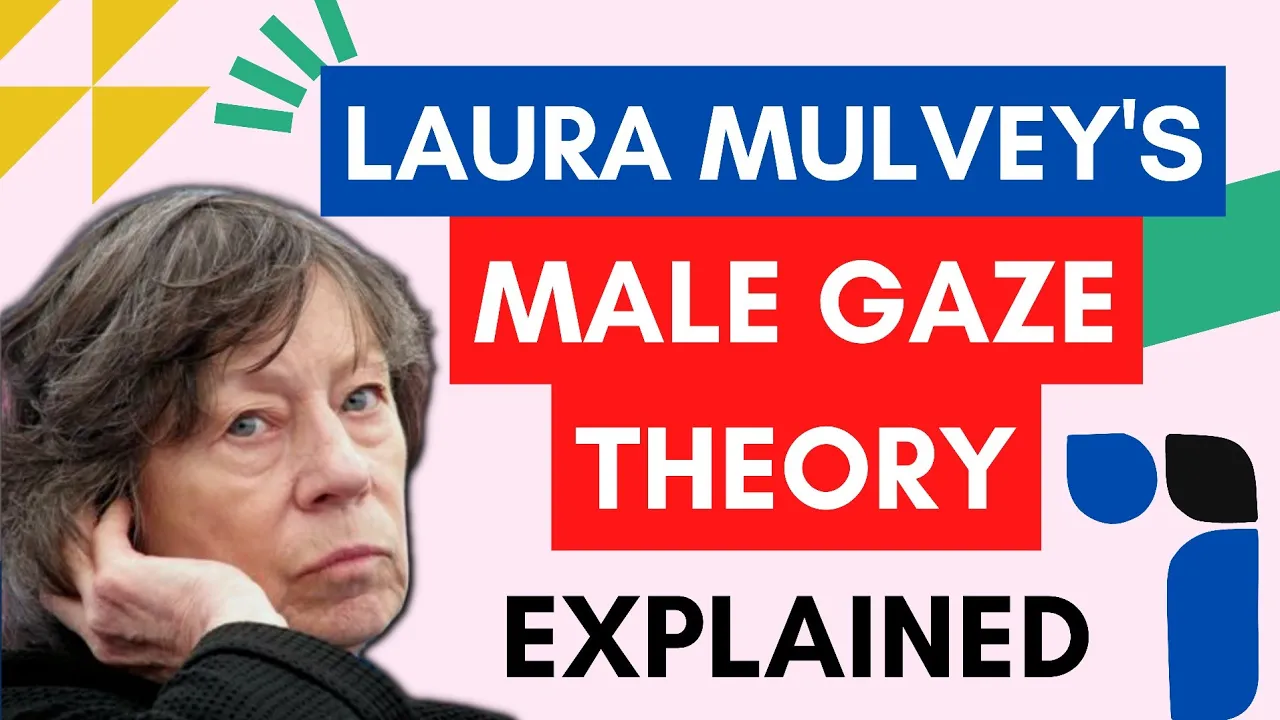







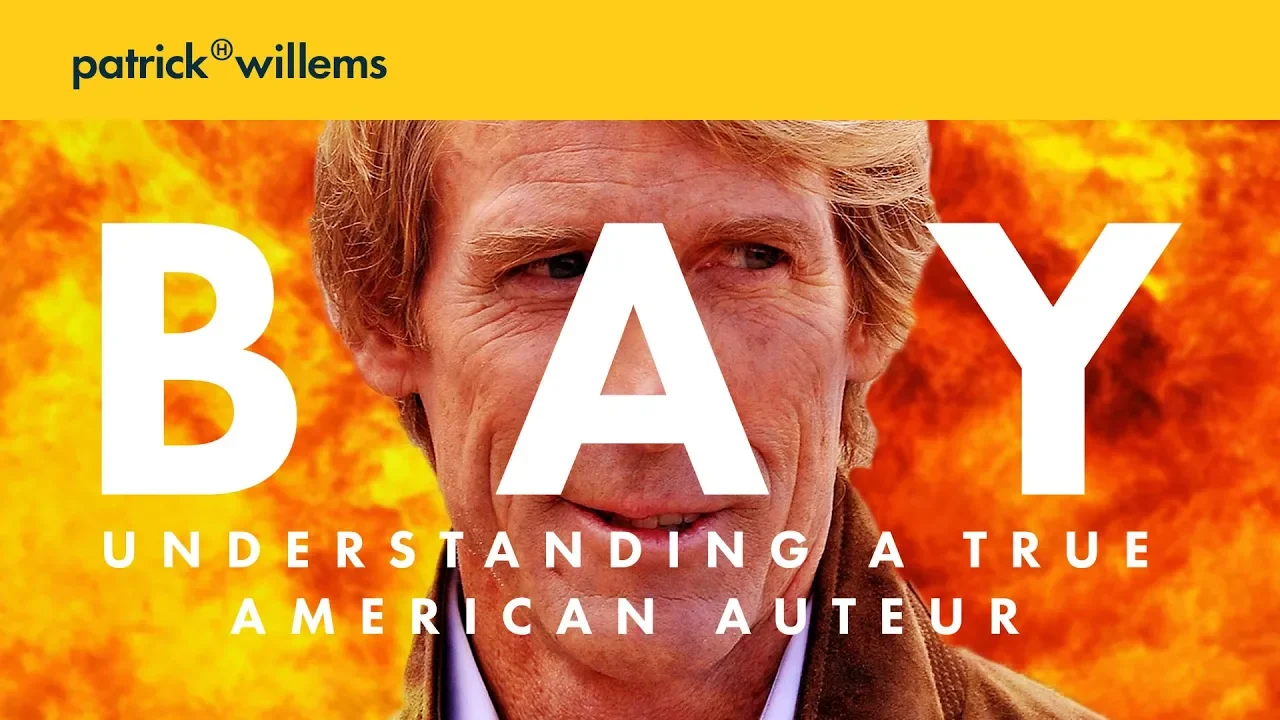

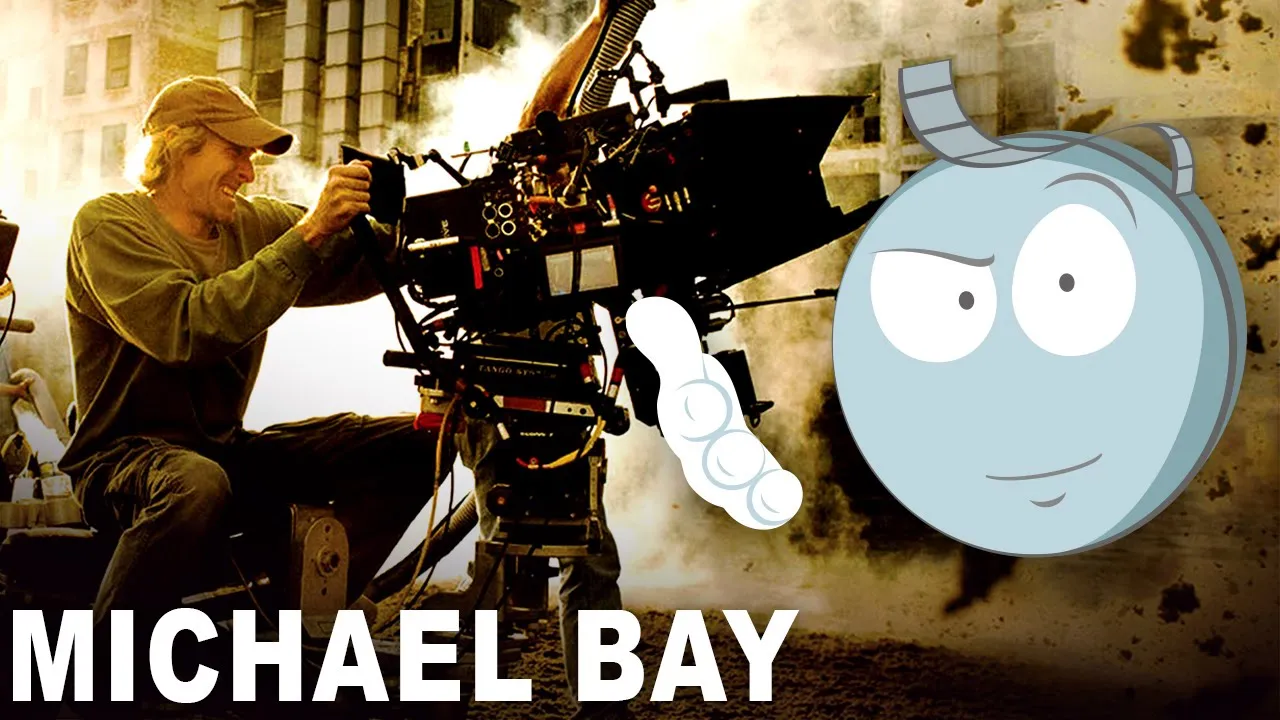






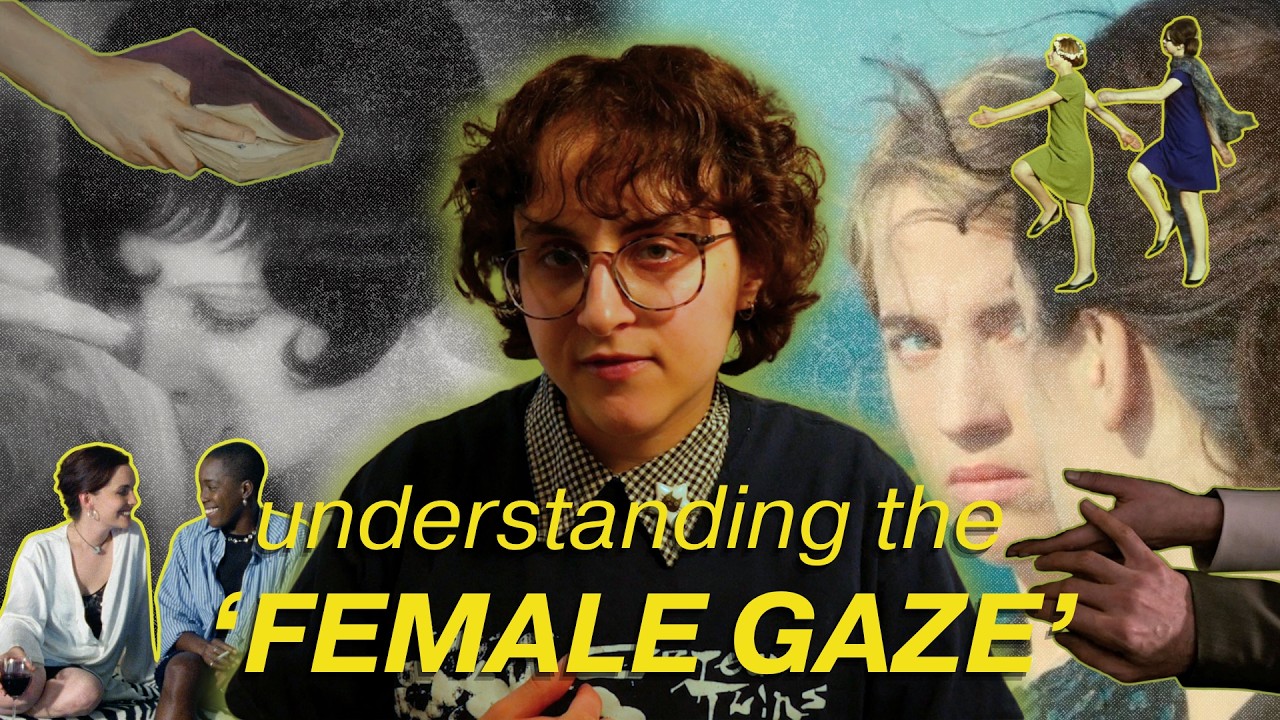


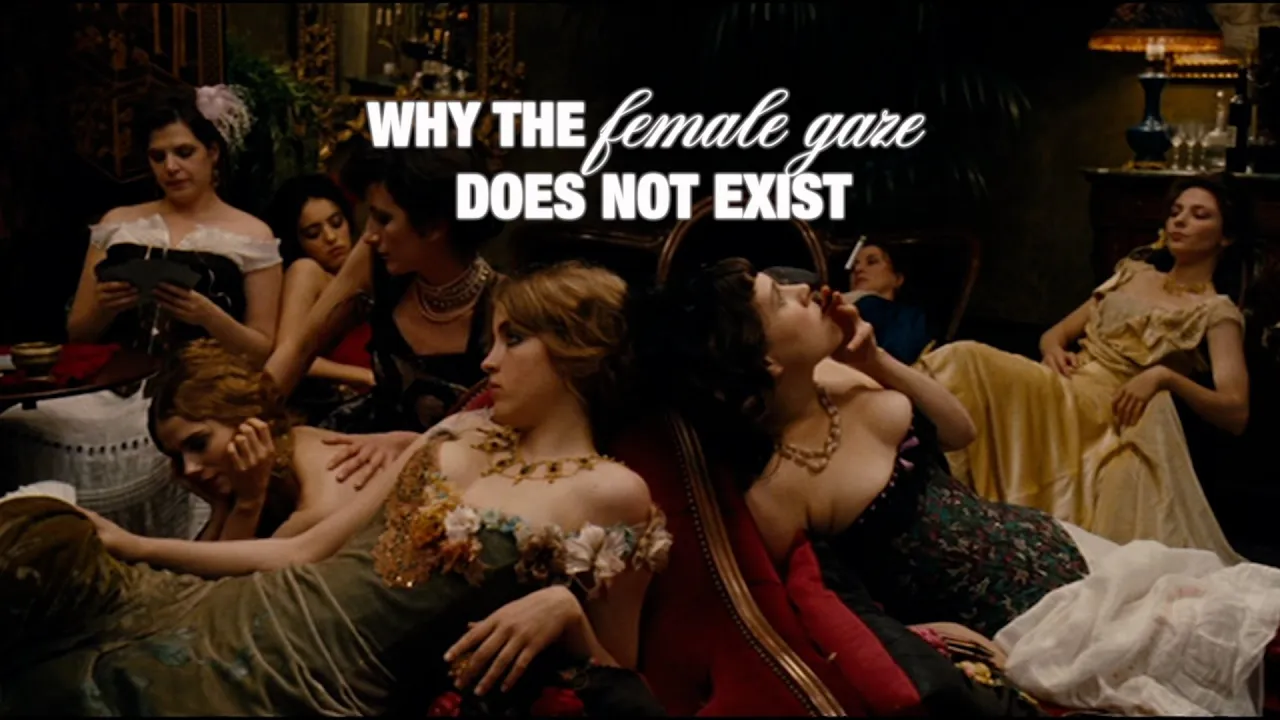











The male gaze, originally a feminist film theory concept developed by Laura Mulvey in 1975 to describe how women are objectified as visual commodities for male viewers, can also be applied to analyze how male characters are portrayed in media. In Michael Bay's Transformers films, male protagonists like Sam Witwicky and Cade Yeager are depicted as aggressive, insecure, and ineffective, serving as an 'audience avatar' that reflects a narrow, problematic view of masculinity. Unlike characters like Star-Lord who undergo meaningful character development where flaws lead to consequences, these male characters' flaws exist only as jokey traits without narrative growth, demonstrating how media reinforces restrictive masculine norms through reflexive representation.
Male Gaze Theory and the Portrayal of Men in Transformers
Added:So for part two of our deep dive into gender and Transformers - how's that for a phrase you never thought you'd say that adult - it's time to look at that most misunderstood of all film studies concepts: the male gaze.
Male gaze is not just when a male character physically looks at a female character and the camera takes on the male characters point of view, although that is certainly an aspect of the theory.
Male gaze was a concept first developed by Laura Mulvey in her 1975 essay Visual Pleasure and Narrative Cinema.
It is important to note that the term originated as a film studies term and was expanded upon in the following decades in media studies, commuications, and cultural theory.
In its original iteration, the term male gaze relied heavily on the way cinematographers photographed women in movies.
And if you think Michael Bay is bad Let's just say putting words to the idea of male gaze was a little more on the nose in 1975 than it is in today's mainstream media.And it is still pretty on the nose today.
Mulvey's idea of male gaze holds that women on film are objects for male fetishistic gazing, with men as the de-facto subject.
"And what about female gaze?" retorts the internet strawman. according to moldy the language of film was made by male According to Mulvey, the language of film was made by male filmmakers for male audiences.
Female gaze isn't really a thing because even if say a female filmmaker tries to invert the idea of male gaze by fetishizing male bodies, it still uses the same language and techniques that male filmmakers used to created to gaze upon female bodies, just substituting male bodies with female bodies.
So according to the Mulvean viewpoint, Magic Mike XXL still falls under the purview of male gaze Gaze has come to be defined not just by a how cinematographers shoot bodies within a frame, but also describes how one group season portrays another group.
That's why it's not uncommon for for instance. Joss Whedon's affinity for kickass fragile waifs or Tarantino's use of girl fights or even Spielberg's use of beleaguered but powerless mother figures, to fall under the purview of male gaze.
But gaze does not only apply to members of one group portraying a different group.
It can also describe how a group sees and portrays itself.
Therefore, the reason why Sam Witwicky and Cade Yeager are the way they are - aggressive, hostile, abusive, self-entitled, insecure, overcompensating, paranoid, lazy, defeatist, and obsessive a friend of yours. I'm not a romantic friend So in today's discussion, I am not going to talk about how Michael Bay's form of male gaze applies to his female characters.
No, no, no, no. Today, I'm going to talk about how Michael Bay sees the mens.
There is a fascinating discussion of non-human masculinity to be had in these movies Bumblebee oscillates between being a sapient, thinking war machine and like a dog who keeps squirting his fluids on people he doesn't like.
There's a lot of sexual coding in the Transformers that you don't see in other Transformers media.
Like Nokia Bot has a dick cannon, Wheelie humps Mikayla's leg, and in the third movie when Mikaela mysteriously disappears, he calls her a bitch before leering at Sam's new girl toy.
And, of course, dog humping other dogs.
But with regard to applying concepts like male gaze to the male characters, I'm more interested in the two mains.
Protagonist of Transformerses 1 through 3, Sam Witwicky, and protagonist of Transformers is 4 and 5 Cade Yeager.
Like, I think Michael Bay kind of hates them?
For what it's worth, I think he hates wahlberg's character way less, but there is a staggering amount of baseless, insecure aggression between the male characters.
Pick any random scene in a Transformers movie, and if it's not like a soldier thing, it's probably two male characters being angry at each other over nothing.
In the fourth movie, the central character conflict is between Cade and his seventeen-year-old daughter dating an older boy.
Daddy doesn't like baby's new boyfriend. one I you right in the mouth, and you call the police on me This is a pretty common character motivation for older male characters in Hollywood movies - unselfconsciously hating daughter's love interest because he suspects that the boyfriend doesn't respect women, because he's projecting him, because he doesn't respect women and assumes new boyfriend is like him.
And so the two are basically fighting over their object-daughter-lover the whole movie.
This character arc usually ends with the dad dying, so the breeding pair can go forth unfettered.
That doesn't happen in Age of Extinction, but the movie does add in some next-level creepy by having the boyfriend be four years the seventeen-year-old's senior.
and having him carry around a card with some obscure Texas law that means it's not statuory rape if I shtoop your underage daughter, Mark Wahlberg.
Yikes.
But really it's all about Sam. Dear Sam.
Sam, the ultimate worthless male protagonist.
So worthless that the fourth movie doesn't even mention him.
And the fifth movie implies that he died off-screen somewhere.
Probably slipped in the shower and choked on a bar of soap or something.
That is how little respect Bay has for his own protagonist.
That is not to say necessarily that Sam is worthy of respect.
He is more or less defined by his own inadequacy.
An inadequacy that he never really overcomes.
They try to give him a characterarc in the first movie. Something about sacrifice and victory and how he learns the value of sacrifice, but this doesn't make sense because Sam never sacrifices anything.
This is the closest any of the movies get to having a character arc for the main character, by the by.
So Sam's faults numerous though they may be, do not build to anything, except a quiet removal and off-screen death.
Sam is by no means unique in terms of his particular brand of character flaws.
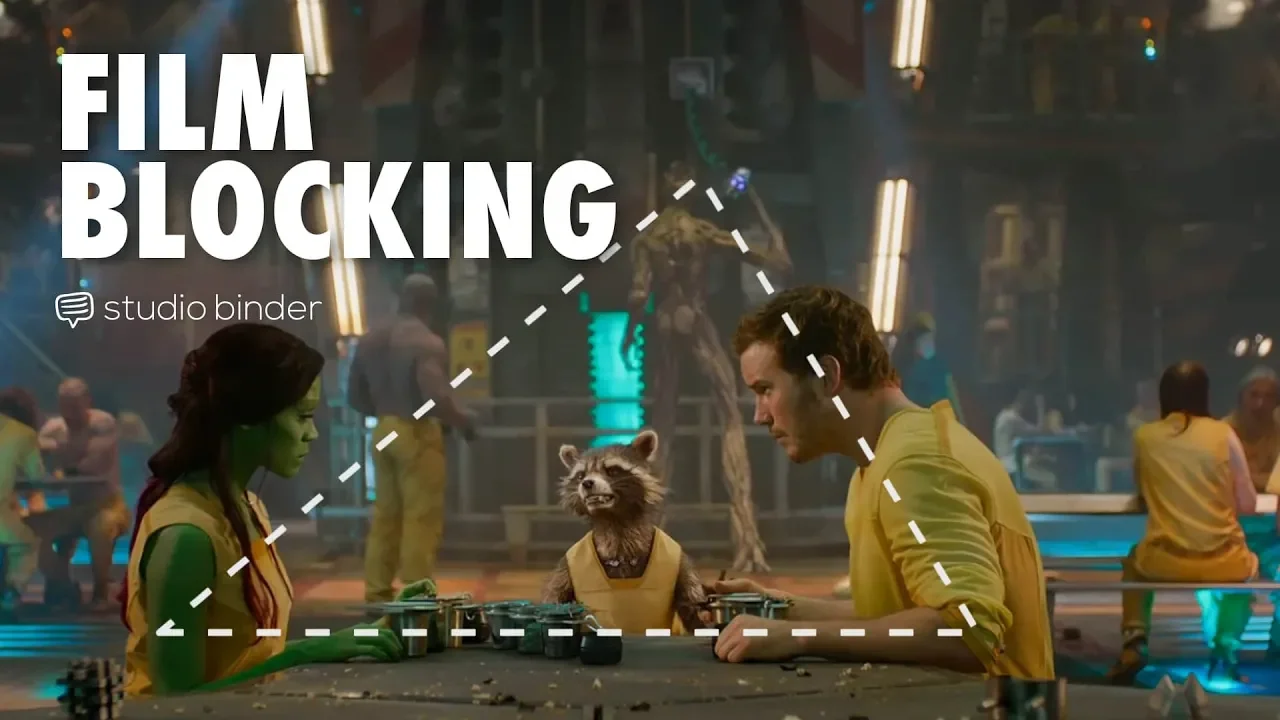
But there is an important distinction should be drawn between a character like Sam and a character like Starlod in the Guardians of the Galaxy movies, who has a lot of the same character flaws as Sam does.
The key difference here is that Peter Quill's character flaws form the basis of a character arc for Starlord.
His immaturity nearly gets the group killed in Guardians 2.
His casual sexism is at least part of the reason Gamora doesn't want to settle down.
And his narcissism almost leads him to going along with destroying the galaxy.
I don't want there to be confusion or misrepresentation of what I'm saying along the lines of, "Oh, so men aren't allowed to have character flaws now either?"
No, that's not the point, but if you have a shrieking, cowardly, abusive, overcompensating, compulsive liar as your protagonist, maybe you want to, I don't know, do something with those character flaws?
Like have there be a consequence of some sort.
But there never is with Sam, because the character flaws aren't framed as character flaws.
They're jokey-jokes to make him relatable to the audience.
In short, Sam is the audience avatar. This is how Michael Bay sees you, the viewer.
And this is a part of male gaze.
Sam is shitty, ineffectual, and materialistic but that's okay because the audience is shitty, ineffectual, and materialistic.
Sam's involvement in the plot of the first two movies has no bearing on discoveries or decisions he's made, but objects he had in his possessions.
He inherited the glasses, his dad purchases Bumblebee for him, and then during the final boss battle, Bumblebee gives him the macguffin and tells him to run around with it in a circle for five minutes. Sam is a little more active Sam is a little move active in the third movie, where he spend a lot of time trying to figure out why the Decepticons are killing astronauts and Russian cosmonauts.
But again, those character flaws are just kind of tacked on.
That is the difference between a character like Starlord and a character like Sam.
Starlord's flaw and jokey-joke loveable misogyny are meant to be relatable, yes.
But there is comment on these flaws in the film and there are consequences in the narrative.
There is a reason why Sam always gets the girl, despite not deserving her, and Peter doesn't.
Sam just sucks, because this is how Michael Bay thinks the straight white male audience sees itself and will respond to.
And apparently he's not wrong.
Before we go, I want to talk about one under- discussed character: John Turturro's Reggie/Seymour Simmons.
I say slash because Mr. Simmons had an unexplained name chage between movies 1 and 2.
Simmons from the get-go is identified as delusional and pathetic, compared to actual soldiers and actual robo-soldiers.
Getting peed on by them and displaying an ignorance about both robots and warriors and the military.
In movie two, he's back, now manager of the deli of racist screeching.
But he joins our ragtag group from the first movie and also this guy who is here for some reason.
And helps organize the strike all while narrating himself, like the hero of his own story.
Then there is the third movie, where he has now capitalized over his involvement with the Transformers, spending the last half of the movie putting Francis McDormand in her place because they had sex at some point.
Jesus Christ, dude.
Simmons is in-command, posturing, oblivius, full of false confidence and denigrating towards most people, but especially women.
Yet the more amoral he behaves, the more fame and money he gets.
John Turtorro has gone on record several times to say that he based his performance of this character on Michael Bay.
Simmons reflects the way Bay sees a certain type of masculinity, which then Turturro flips around to be a reflection on how he sees Michael Bay.
Sam, Cade, and Simmons are all reflections of how the filmmakers see the audience, and not the reason people go to the movies in the first place.
This matters because it reinforces a very narrow view of masculinity.
Like a male gaze-ception.
This is called reflexive media and there are a lot of studies that show, statistically speaking, that media is not great at necessarily shaping behaviors.
If you see robots blowing up the Lincoln Monument, you're not statistically more likely to go out and try to blow up the Lincoln Monument.
But media is great at shaping worldview, usually in ways that you the viewer are completely unaware of.
Men continue to exist and emulate this narrow view of masculinity, because media pushes it as normal and relatable.
The men in the Transformers movies are denied authenticity.
They are the subject of ridicule and in constant, desperate need to affirm their masculinity.
There is a modicum of sincerity allowed in the first movie, and sometimes in later movies, and usually only in scenes with Optimus Prime.
But for the most part, sincerity and vulnerability in men is viewed with disdain.
The only acceptable form of male authenticity is the soldier kind.
So, it is a common, even cliche, refrain now that Michael Bay doesn't respect women.
But, as far as representations of whole groups go, he doesn't have much respect for men either.
Up Next

Cindy Sherman Untitled Film Still 21 MoMA Art Analysis
@smarthistory-art-history
93.8K views•2012-03-20

Visual Analysis Essay: How to Analyze Graphic Novels in College Writing
@nataliepleimann5941
1K views•2020-10-14
Film Blocking Techniques for Directors: Space, Shapes, Lines
@StudioBinder
1.9M views•2018-07-23

Evolution of Darth Vader: Anakin Skywalker's Animated Journey Across Star Wars Films
@TellItAnimated
13.4M views•2019-03-30
Related Study Plans & Knowledge Roadmaps
Structured learning paths in Film Analysis