Cindy Sherman's Untitled Film Still #21 (1978) exemplifies her practice of photographing herself in elaborate costumes and makeup to create images that appear like film stills, exploring how identity is constructed through performance and questioning whether identity is fixed or chosen; the photograph features Sherman in a 1960s-style scene with dramatic lighting and a reactive, vulnerable expression that challenges viewers to consider how women's sense of self is always contingent on external narratives and performances.
Cindy Sherman Untitled Film Still 21 MoMA Art Analysis
Added:Deep Dive
Introduction to Postmodernism and the 'Pictures Generation' art movement of the late 1970s.
Bring a sound to life. | Jamal Cyrus | The Art Assignment
22K
Postmodernism emerged in art and culture during the 1970s, fundamentally challenging the notion that meaning exists inherently within objects or texts. Instead, it argues that meaning is constructed by individuals in their own minds as they interpret experiences. This philosophy holds that nothing is fixed—everything is relative—and requires maintaining skepticism toward all representations. The Pictures Generation of late 1970s and early 1980s artists exemplified this approach by critically engaging with mass culture's proliferation of images since WWII. By exposing the artifice of picture-making, these artists freed audiences to remix cultural materials, rethink old narratives, and create new meanings. Rather than literal representation, effective artistic practice involves selecting imagery and language related to concepts while maintaining movement and dynamism, encouraging viewers to question assumptions about authenticity and interpretation.
Click to watch →

Peter Halley In Conversation with Emma Acker | Berggruen Gallery
580
Halley characterizes postmodernism as a global reaction against modernism's truisms across multiple media including architecture, film, and visual arts. Emerging in the late 1970s-1980s, this movement addressed modernist concerns with critique rather than uncritical acceptance. The Pictures Generation artists were contemporaneous with this shift. Halley founded Index Magazine in the 1990s to cover film, fashion, music, literature, art, and architecture, believing in arts' interrelationship. The magazine focused on indie culture and published interviews with artists mainstream publications overlooked, before he became Yale's Graduate Painting Program director.
Click to watch →
Cindy Sherman's Self-Portraits and the Selfie Culture | HENI Talks
58.9K
The Pictures Generation emerged in New York around the late 1970s as a convergence of different artist communities. Artists from Buffalo who created Hallwalls space invited New York artists, while conceptual artists from Cal Arts moved from Los Angeles. These groups combined with existing downtown artists, mostly women informed by feminism. United by concerns about representation and exhibition opportunities, they sought to move beyond previous art forms like performance and dry conceptual work, instead engaging with mass culture and new media.
Click to watch →

Varieties of Postmodernism
1.7K
Postmodernism (mid-1970s to mid-1980s) emerged as a critical response to modernism's emphasis on originality, authenticity, and beauty, instead embracing irony, appropriation, and skepticism toward the artist-as-genius model. Unlike modernist artists like Georgia O'Keeffe and Henry Moore who derived forms from nature and pursued spiritual or emotional expression, postmodernists such as Cindy Sherman, Richard Prince, and Jeff Koons questioned originality by reproducing existing images, commercial objects, and clichés. This movement drew precedents from conceptual art (Marcel Duchamp's readymades), pop art (Andy Warhol's soup cans), and the Pictures Generation, ultimately challenging the very foundations of what constitutes art by making the familiar strange and the sacred profane.
Click to watch →
The Case for Copying | The Art Assignment | PBS Digital Studios
440K
The late 1970s saw artists foreground representation itself, creating what became known as appropriation art. Curator Donald Crimp's 1977 'Pictures' exhibition brought together artists plundering existing images. Jack Goldstein created film loops of MGM lions, suspending viewers between anticipation and deferral. Barbara Kruger fragmented Wonder Woman clips to explore technology and sexual objectification. Cindy Sherman photographed herself in generic feminine personas, demonstrating how images derive meaning from associations with other pictures rather than direct experience. Leo Steinberg's concept of the 'flatbed picture plane' described paintings as tabletops strewn with papers and objects, simulating how we actually view pictures in newspapers. Andy Warhol, beginning in advertising, chose subjects society already approved of, claiming his job was reproducing rather than creating beauty. Richard Prince copied advertising images because they appeared without authorship or history—as if they showed up all at once.
Click to watch →
Deep Dive
Feminist Film Theory, specifically Laura Mulvey's concept of the 'Male Gaze' and the objectification of women in cinema.

A Filosofia do erotismo e da objetificação
100.1K
Laura Mulvey's concept of the 'male gaze' describes how Hollywood cinema codifies sexual desire visually, manipulating the female body to generate visual pleasure for male audiences. This scopophilic pleasure involves understanding people as objects, with a controlling and dominant gaze. The male gaze represents a power imbalance in society where men look and women are looked at. When men project onto the female body, it becomes objectification, resulting in a body stylized to cause pleasure in the audience. This objectification is not limited to pornography but is a systematic practice in mainstream cinema, where generations of camera operators, directors, and lighting crews have consolidated their careers as objectifiers of women.
Click to watch →

ЧОЛОВІЧИЙ і ЖІНОЧИЙ ПОГЛЯД (у кіно): що таке male gaze
2K
British feminist film theorist Laura Mulvey introduced the term 'male gaze' in her 1975 essay 'Visual Pleasure and Narrative Cinema.' She defined it as the representation of the world and women from a heterosexual male perspective, presenting women as sexual objects for the pleasure of heterosexual men. Mulvey described three levels of gaze: the camera's gaze, the audience's gaze, and the characters' gaze. In classical Hollywood, all three are male. She described the male gaze as operating in a world of sexual imbalance where pleasure in looking is divided between active male and passive female. The decisive male gaze projects its fantasy onto the female form, with women simultaneously becoming objects of looking and display.
Click to watch →
The male gaze: Laura Mulvey 'very gratified' her phrase has lasted so long • FRANCE 24 English
1.4K
The male gaze is a concept introduced by British feminist film theorist Laura Mulvey in her 1975 essay, describing how women in cinema are depicted from a masculine heterosexual perspective, representing them as sexual objects for the male viewer; this theory explains how classical Hollywood cinema protects male protagonists from being objects of desire (to avoid homosexuality taboo) by compensating with powerful female figures who absorb the male spectator's gaze, thereby reinforcing patriarchal power structures in visual media.
Click to watch →

El GRAN problema con la infantilización femenina / Any Cemar
170.2K
Laura Mulvey's concept of the 'male gaze' analyzes how visual pleasure in cinema is structured by an active male look that positions women as objects of contemplation. The spectator, typically heterosexual men, identifies with the male hero, while women on screen are reduced to bodies to be seen, desired, or rescued. Infantilization of women appears as a side effect in this framework. Women in cinema and advertising are constantly represented with traits and attitudes associated with childhood. This aesthetic, while appearing feminine or sexy, actually strips women of power, as those perceived as children or girls are denied authority, autonomy, and their own desire.
Click to watch →

The Able-Bodied Gaze
2.5K
Laura Mulvey coined the term 'male gaze' to analyze how patriarchal codes in Hollywood filmmaking create viewing pleasures for male audiences while disabling other forms of enjoyment. Spectators derive pleasure from consuming private fantasies through looking at others' experiences and recognizing aspects of their own personhood on screen. However, this pleasure does not escape patriarchy but embraces it—women are positioned as erotic objects for both narrative and audience rather than full subjects. Women are simultaneously looked at and displayed with appearance coded for visual and erotic impact, serving as sexual objects signifying male desire. The patriarchal power lies in representing female body consumers through male protagonists and audiences, blocking identification with female characters and reducing them to passive objects for consumption. This extends beyond film into everyday relations of power, demanding women be looked at while exonerating male lookers from guilt, making it central to patriarchy and rape culture.
Click to watch →
Deep Dive
The aesthetic tropes of Mid-Century Hollywood cinema, including Film Noir and B-movies, which heavily influenced the visual style of the series.
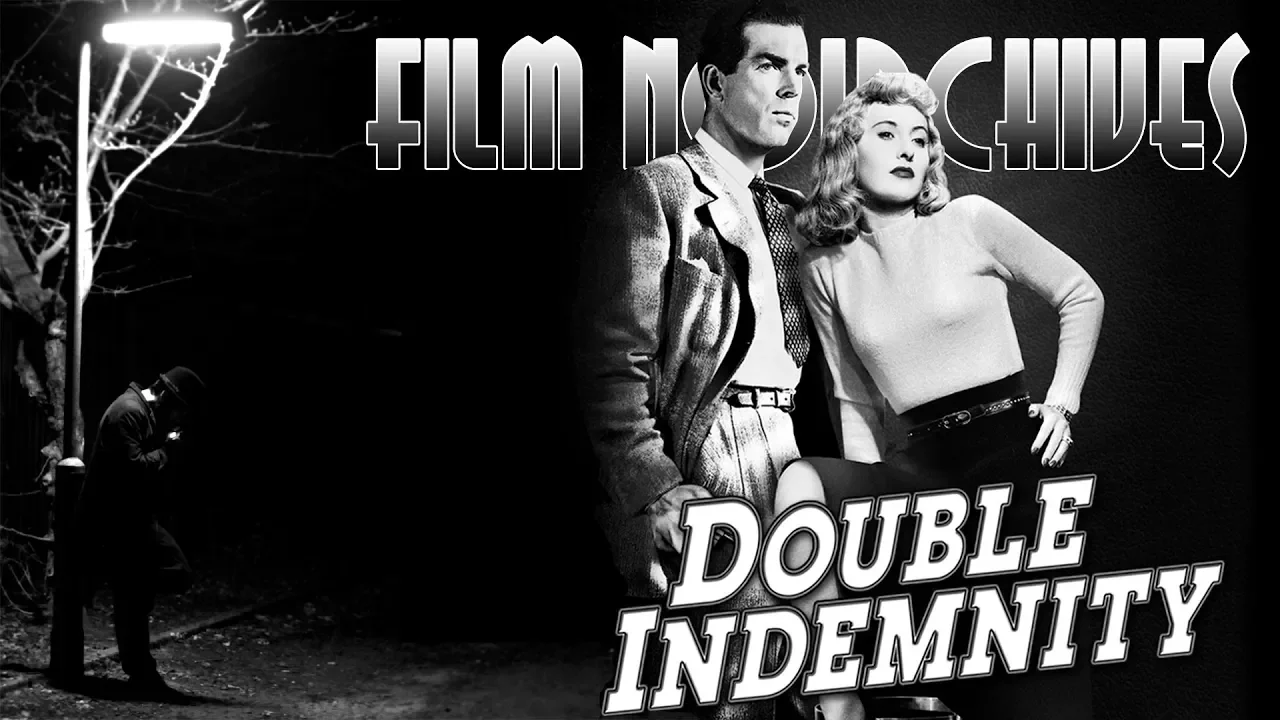
Film Noirchives: DOUBLE INDEMNITY
80.7K
Many tenets of classic film noir—sparse sets, striking single light sources, long shadows, and omnipresent fog—were originally instruments of utility rather than artistic choice. Early noir films were B pictures made with low budgets, and filmmakers lit scenes low to hide equally low production values. These films were largely made to fill the lower part of a double bill in theaters, providing long evening entertainment. The filmmakers were essentially B-movie craftsmen who transformed economic constraints into artistic advantages. This pragmatic approach to filmmaking demonstrates how limitations can drive innovation, as directors learned to create compelling visual atmospheres using minimal resources, ultimately establishing conventions that would influence mainstream cinema for decades.
Click to watch →
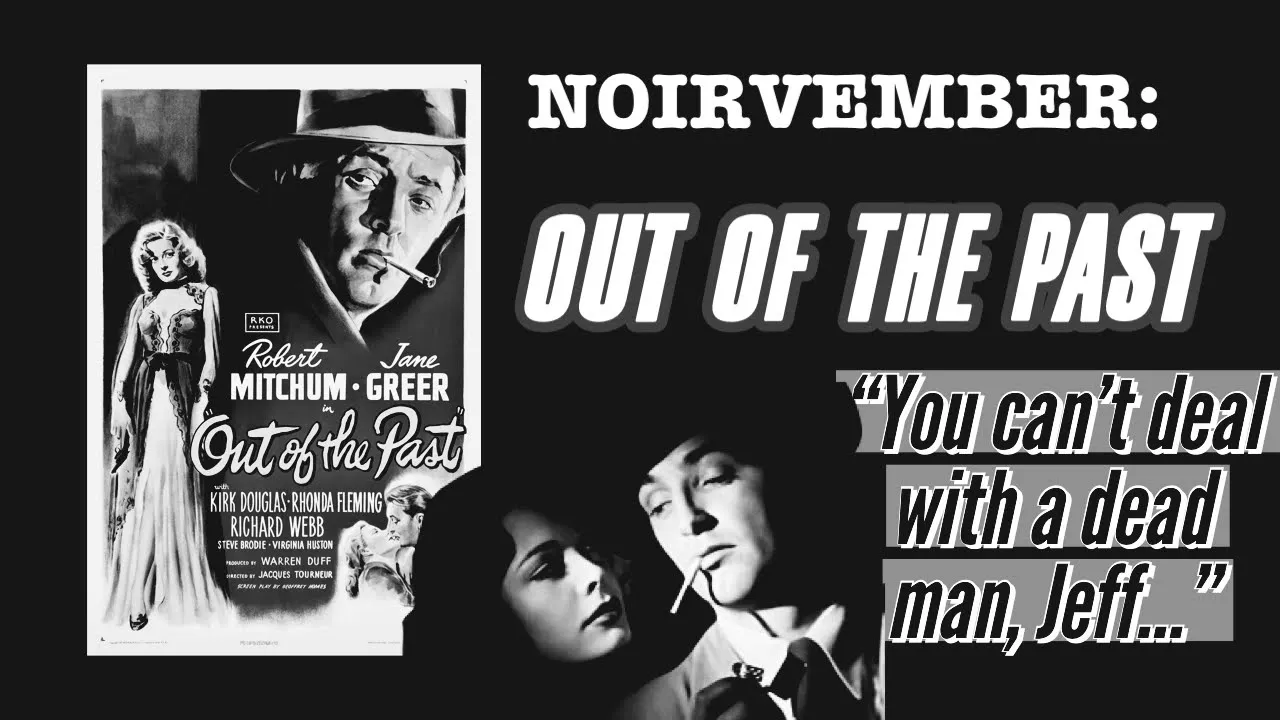
#Noirvember: Out of the Past (1947)
834
Film noir is best understood not merely as a genre with specific tropes and plot mechanics, but as a powerful visual style characterized by sharp contrast, moody lighting, and dark wit that transforms even low-budget narratives into tragicomic explorations of society's predatory nature; this aesthetic holds existence up to a skewed mirror, revealing how tragically flawed individuals become trapped by their past choices and doomed to ruin, as exemplified in Jacques Tourneur's 'Out of the Past' (1947), where protagonist Jeff Markham (Robert Mitchum) embodies the genre's core conflict between his duplicitous criminal past and his desire for honest redemption with an innocent woman.
Click to watch →
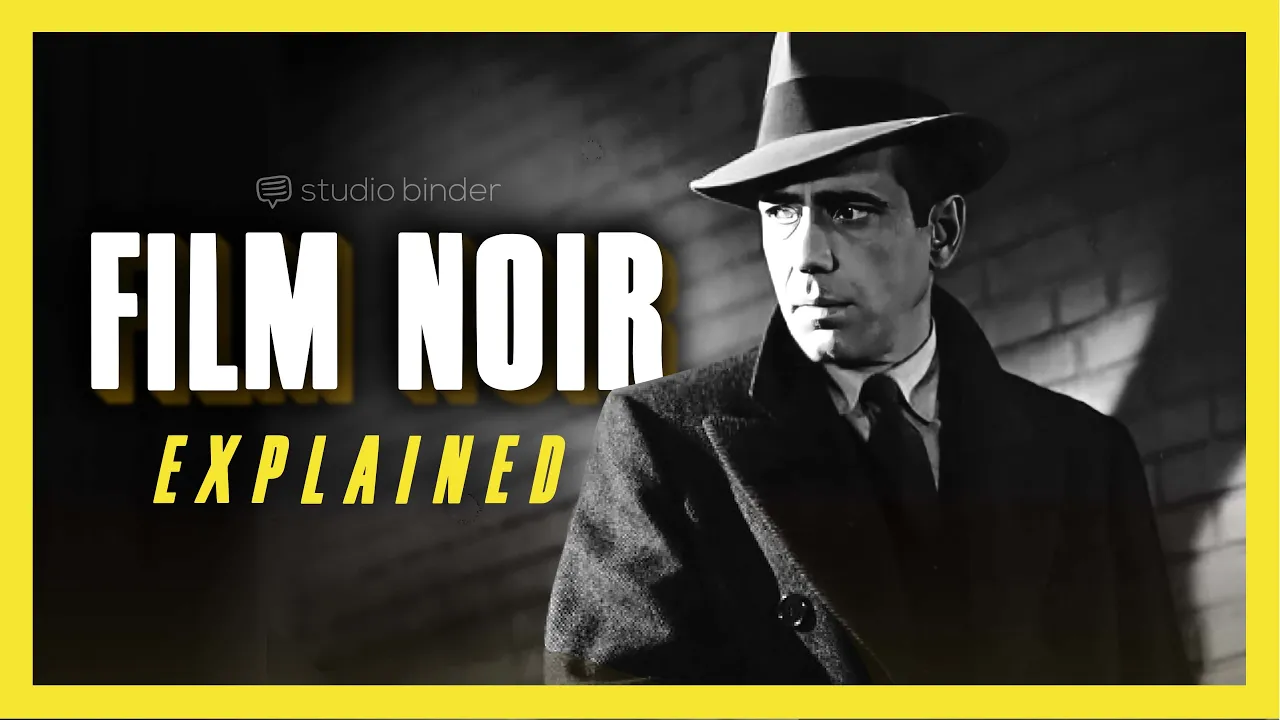
What is Film Noir – Private Detectives, Corrupt Cops, and Femme Fatales
135.2K
Film noir is characterized by high-contrast aesthetics, stark black and white cinematography exacerbated by chiaroscuro lighting. This visual diametric serves a thematic purpose to show two ends of the spectrum and situate viewers in the middle. Additional visual tropes include foggy exteriors with silhouette characters, pronounced cigarette smoke, and messy interiors with light seeping through Venetian blinds. These visual elements create the distinctive noir atmosphere.
Click to watch →
Frank Krutnik at The Dr. Saul and Dorothy Kit Film Noir Festival (2019)
934
David Bordwell describes 1940s American cinema as 'a vast storytelling ecosystem bursting with compulsive energy' featuring formal and narrative experimentation including scrambled time schemes and shifting points of view. Critics recognized Woolrich's achievements through film noir, though he avoided the term, preferring 'murder culture' which saturated American entertainment media. A 1944 Box Office article noted one in four books published was a mystery story, with readership spanning businessmen, housewives, children, and even President Roosevelt. Radio crime shows proliferated, with 30 New York stations carrying 30 crime shows weekly and four to five mystery shows broadcast daily reaching 10 million listeners each. From 1940 to 1954, Hollywood based 18 films on Woolrich properties with over 70 radio dramas produced. Jonathan Rosenbaum observed no other writer handles suspense better with the same obsessional intensity. The oneiric tendency found its most fertile territory in low-budget movies where dream sequences and eccentric angles created striking effects at low cost. Several Woolrich adaptations like Phantom Lady and Night Has a Thousand Eyes were major studio productions, but he proved especially attractive to low-budget producers. Warner Brothers paid $10,000 for The Big Sleep while Paramount paid only $2,225 for The Black Curtain. Of 17 films adapted from 1938 to 1950, over half were low-budget enterprises. The B film was an appropriate context for Woolrich as a cinematic equivalent of pulp magazines. There is confusion about what a B movie is, especially its relationship to film noir. At one extreme is the assumption that all noir films were B films, which ignores that Double Indemnity, The Big Sleep, and Mildred Pierce were major studio productions with high budgets. B films were an integral feature of Hollywood cinema from the early '30s to early '50s, especially crucial to Universal and Columbia as well as minor league companies like Republic, Monogram, and PRC. B film production flourished with the double bill strategy to lure back Depression audiences. The five vertically integrated majors set up dedicated B units but couldn't supply enough product, so smaller producers filled the gap. B films far outnumbered A movies, with roughly 75% of all US feature films in the 1930s being B movies. Not all B films were created equal, with substantial differences in budgets between major studio B units, larger independents like Monogram and Republic, and poverty row quickies. Major studio programmers medium budget films played as A's in some territories and B's in others. Cinema owners complained about inferior B product forced by major companies. The film majors used block booking to coerce exhibitors into taking all their films irrespective of quality. In July 1938, the Department of Justice filed an anti-trust suit against major distributors. The October 1940 consent decree required majors to limit block sizes to five films and guarantee trade chains of new product. Rendered invalid in June 1942 when Universal, Columbia, and United Artists refused to sign it, the decree nonetheless changed industry practices. MGM increased block sizes only to 10 films, Warner Brothers abandoned block booking altogether in 1943, while Paramount, 20th Century Fox, and RKO stuck with blocks of five. The majors cut back on low-budget production to focus on costly first-run films. Reduced competition from majors' B units boosted Columbia, Universal, and independent producers, who could upgrade quality of higher-end movies. Streets of Chance was the first Cornell Woolrich adaptation of the 1940s and the first really considered obviously to be a film noir. Made for less than $230,000, it was based on The Black Curtain and exemplified enhanced ambitions of B films in the consent decree era. It was part of Paramount's second five-film block of 1942-43. Metropolitan critics dismissed it, though trade reviewers welcomed it as an intriguing suspense thriller. The film focuses on a central character facing identity crisis through memory loss, a compelling motif in 1940s crime thrillers that capitalized on psychoanalysis vogue. Frank Thompson, knocked unconscious, discovers he's been living under a different identity for a year with no memory of why. The following year saw Black Alibi and The Leopard Man in 1943, the third film from Val Lewton's B unit at RKO following Cat People and I Walked With a Zombie, all directed by Jacques Tourneur. Produced around $150,000, it was not as successful as predecessors, mostly restricted to lower half of double bills. Manny Farber argued in 1952 that features slammed by early reviewers made it one of Hollywood's original gems, impressed by how it transfers psychological effects to non-human components. Chris Fujiwara acclaimed it as a radically unusual film with precise, inexhaustible poetry pushing narrative ambiguity to extremes. Lewton recognized affinities with Woolrich's fiction in structure and investment in philosophical fatalism. The film generates creeping dread through carefully orchestrated suspense sequences or 'horror spots' assembled through sound, lighting, and editing. The cinema failed to capitalize on the early 1940s boom in crime, detective, and mystery fiction. A likely explanation was pressure from the Office of War Information, which threatened to deny export licenses to crime films giving unflattering images of the United States. Box Office insisted there was proven demand, urging companies to increase production of detective mysteries and horror stories instead of million-dollar A pictures with social significance. A medium-budget mystery picture could attract 10 to 15 million customers, especially suited to small-town and rural audiences. The success of Cat People showed low-budget thrillers could do business in first-run houses. Jim Cunningham's March 1943 Variety article announced Hollywood was green-lighting horror films and whodunits, noting intense public appetite for such films amid wartime violence.
Click to watch →

Eternity • S01E17 • TPN’s Angel Guide
53.9K
The episode uses classic noir film tropes including the 'white-dwarf starlet' archetype (similar to Norma Desmond in Sunset Boulevard and Jane Hudson in Whatever Happened to Baby Jane). These tropes represent common storytelling devices that explore themes of aging, fame, and identity. While these tropes have been explored many times before, their effectiveness depends on how they are interwoven with original narrative elements.
Click to watch →
Deep Dive
The distinction between traditional portraiture and performance photography.

アイドルライブの写真は演者のパフォーマンスがすべて
1.1K
Live performance photography differs fundamentally from portraiture because photographers cannot direct or instruct performers. The photographer's role is purely recording—capturing what performers naturally do without guidance. This creates a 'one-directional' relationship where the photographer documents rather than creates. Groups with larger-scale performances (Tokyo Dome, National Stadium) are constantly surrounded by television cameras and live streaming equipment, meaning performers cannot afford mistakes. This constant media presence creates an environment where performers must maintain perfect expressions throughout their entire performance. Smaller-scale performances result in lower performance quality because performers only need to focus on immediate audiences of dozens or hundreds of people.
Click to watch →

Will Gompertz Live interview with Cambridge Jones
210
Creative portraiture differs from traditional portraiture in that photographers aim to capture imaginary characters rather than real people. Subjects pretend to be fictional characters from stories they loved as children, and the photographer's goal is to capture this performance. Costumes and props provide subjects with freedom to express themselves authentically, transforming the session into a collaborative creative experience. The photographer's approach involves minimal direction, allowing subjects to feel ownership over their poses, which reduces self-consciousness and produces more natural results.
Click to watch →

Camera Lucida - A personal journey into the medium of photography
6.1K
Barthes explored portraiture through his own experience, believing only the most skilled and sensitive photographers can capture multi-dimensional portraits conveying something beyond surface information. When being photographed, subjects become simultaneously multiple versions: the one they think they are, the one they want others to see, the one the photographer perceives, and the one used to exhibit the photographer's art. This tendency to overthink one's role turns portraiture into performance, requiring successful portrait photographers to develop techniques to bypass these persona masks. Barthes recognized that while aiming to convey a person's character, the photographic medium is limited to capturing a single frame and producing two-dimensional prints. Successful portraits hint at layers of depth within the subject, prompting viewers to consider concealed mysteries below. Barthes realized his initial aim to define photography's essence became sidetracked by his interest in specific photographs provoking particular emotions. He concluded that due to the complexity of the medium, it might be impossible to describe photography's essence merely through clever observations, making his ideas more accessible despite their philosophical depth.
Click to watch →

Como construir uma imagem de sucesso | Ep. #04 | com João Menna
39.2K
Photography captures spontaneous moments where subjects are unaware of being photographed, while portraiture involves deliberate conversation between photographer and subject. In portraiture, the subject knows they are being photographed and has a specific reason for it, requiring the photographer to have great sensitivity to extract the person's essence and make them feel comfortable enough to reveal their true self. Every portrait is ultimately a self-portrait because the photographer inevitably projects their own perspective onto the image, making it a collaborative artistic expression rather than purely objective documentation.
Click to watch →

Confesiones de mi retrato desnudo
27.2K
This segment argues that traditional portraiture is in crisis because modern photography has become too immediate and fleeting. The speaker contrasts historical portraits, which were created with respect and intended to be preserved for generations, with contemporary digital photography that lacks the discipline and intentionality needed for lasting artistic works. The segment explains that analog photography (film) has better long-term preservation potential than digital, as properly cared-for film negatives can last 30-50 years and still produce high-quality copies. The speaker suggests that everyone should consider having a well-crafted portrait that will last a lifetime, displayed as sacred art that captures the essence of the person at a specific moment in their life.
Click to watch →
Prerequisite Knowledge
- Concept 01Introduction to Postmodernism and the 'Pictures Generation' art movement of the late 1970s.
- Concept 02Feminist Film Theory, specifically Laura Mulvey's concept of the 'Male Gaze' and the objectification of women in cinema.
- Concept 03The aesthetic tropes of Mid-Century Hollywood cinema, including Film Noir and B-movies, which heavily influenced the visual style of the series.
- Concept 04The distinction between traditional portraiture and performance photography.
Subsequent Learning
- Step 01The evolution of Cindy Sherman's later work, including her 'History Portraits' and 'Clowns' series, to see how her critique of identity shifted with color photography.
- Step 02Judith Butler's theory of Gender Performativity, exploring how gender is socially constructed and performed.
- Step 03Analysis of other contemporary artists who use self-representation to challenge identity, such as Yasumasa Morimura or Nikki S. Lee.
- Step 04The impact of Sherman's work on modern digital self-representation, including the curation of identity on social media platforms.
Visual Clues
Identity Play
Crafting Style
Visual Clues
0:00Playing Section
- 1
Analyzes cinematic look through lighting and reactive pose.
- 2
Highlights artist's deliberate mimicry of film conventions.
- 3
Explores the narrative suggestion without a clear story.
The Critique of Complicity and Reinforcement of the Male Gaze
While Untitled Film Still #21 is widely celebrated as a feminist deconstruction of patriarchal cinematic tropes, an influential counter-perspective argues that the image ultimately reinforces the very male gaze it attempts to critique. Critics from this viewpoint suggest that by meticulously replicating the aesthetic pleasure, vulnerability, and seductive mystery of mid-century cinema, Sherman's work functions as a highly fetishized object of desire. Instead of subverting voyeurism, the photograph invites it, becoming complicit in the consumption of the female body as a passive spectacle. Furthermore, some theorists argue that Sherman's self-positioning as both subject and creator creates a closed loop of self-absorption that limits genuine political critique. This perspective challenges students to consider whether parodying oppressive visual structures inevitably reproduces their harmful power dynamics, rather than dismantling them.
Deep Dive
The evolution of Cindy Sherman's later work, including her 'History Portraits' and 'Clowns' series, to see how her critique of identity shifted with color photography.
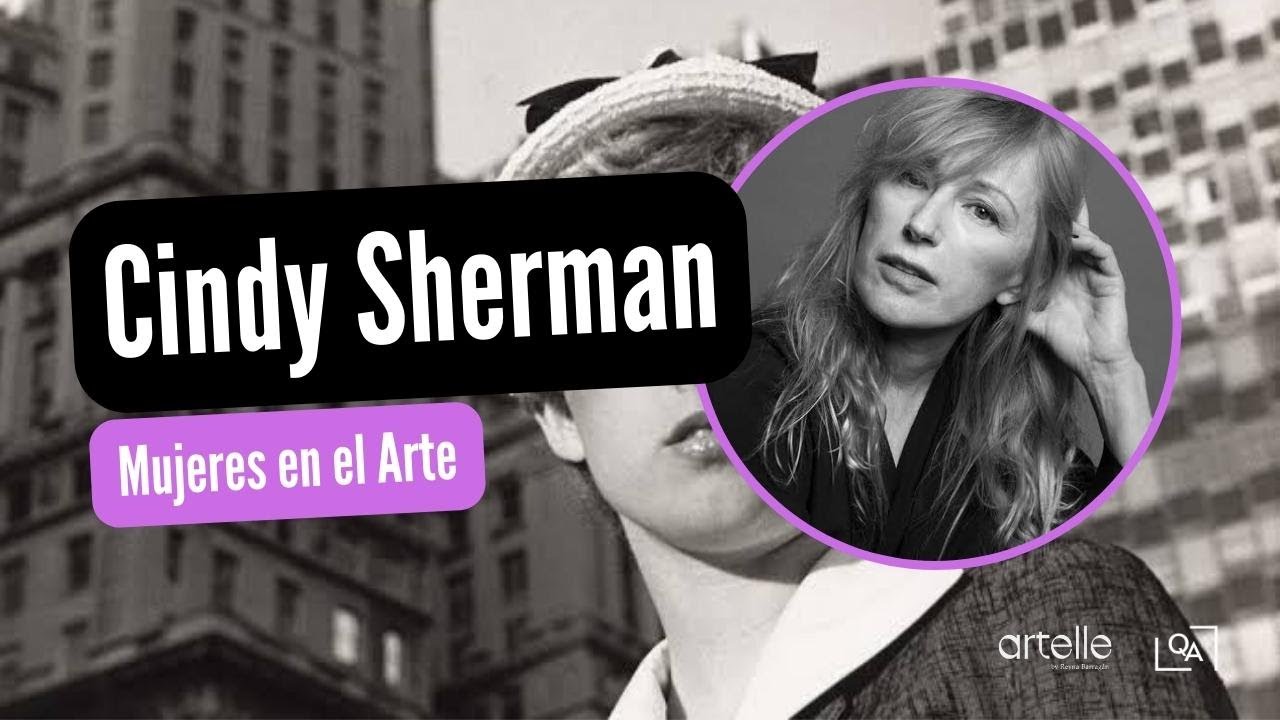
Mujeres en el arte: Cindy Sherman
567
Sherman's artistic practice evolved significantly over the decades. In the 1980s, she experimented with various visual forms including centerfolds, fashion photography, historical portraits, and softcore sexual imagery. Her series Centerfolds (1981) was inspired by central pages of fashion and pornographic magazines, featuring 12 photographs of 24 by 48 inches. In 1989, she created the Sex series in response to controversies surrounding NEA funding, using medical mannequins assembled in various sexual positions. Between 1989 and 1990, she created History Portraits, depicting scenes from European events of the 15th century and early 19th century. Between 2003 and 2004, she created the Clowns series, where digital photography allowed her to create colorful backgrounds and montages of numerous characters. In 2008, she created Society Portraits, featuring characters that appear completely familiar despite not being based on specific women, critiquing prevailing beauty standards in a culture obsessed with youth and status. Sherman is considered part of the Picture Generation, featured in a major exhibition at the Metropolitan Museum of Art. In 2012, she had a major exhibition at MoMA featuring a photographic mural accompanied by selected films. In 2017, she collaborated with W magazine to create a Selfie series based on the social media trend of staged candid photographs. Sherman has collaborated with various fashion brands including Dolce & Gabbana, Prada, and Marc Jacobs. In 2016, she created Imitation of Life, a series where she posed with vintage makeup and clothing to present famous actresses but aged.
Click to watch →

Les 10 photos les PLUS CHÈRES du monde
33.1K
This segment explores how art photography evolved from self-portraiture to early color techniques. Cindy Sherman's Untitled #153 (2011, $2.7M) demonstrates how self-portraiture can critique societal expectations through transformation. Edward Steichen's The Pond Moonlight (2006, nearly $3M) represents early color photography innovation using the gum bichromate process, pioneered by the Pictorialism movement that first recognized photography as legitimate art. Only three originals exist, illustrating how scarcity and historical significance drive value.
Click to watch →
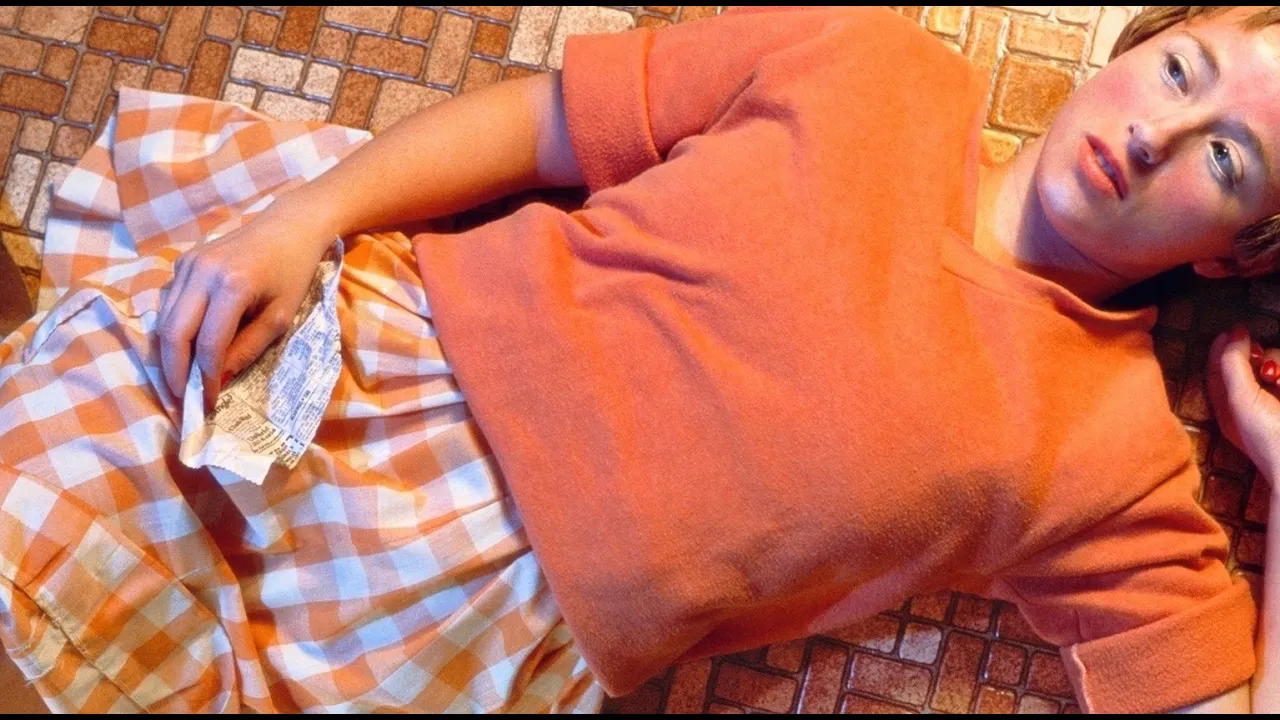
Cindy Sherman: Untitled #96
771
In 1981, contemporary artist Cindy Sherman created the Centerfolds series as a bold reinvention of her earlier Untitled Film Stills, using color photography and horizontal format to explore identity questions by having herself portray uncertain female figures holding newspaper classified ads that read 'Know your self, know your future,' thereby challenging viewers to question how media formats and advertisements shape our understanding of identity and self-perception.
Click to watch →

Фотография — это искусство? Из цикла «Искусство видеть»
113.8K
Cindy Sherman always presents herself in her work but never as herself. In her 'Historical Portraits' series, she uses herself as a model to deliberately recreate and parody famous paintings from Western art history, such as Botticelli's 'Judith' with the severed head of Holofernes. Her approach involves deliberately crude reproduction with fake props, exaggerated makeup, and intentional degradation of the original compositions. Sherman's work explores how images are constructed from cultural references and how we are composed of borrowed images from our cultural environment. This approach connects to the broader artistic tradition of deconstruction and critical theory, examining how cultural images shape our understanding of identity and reality.
Click to watch →
Cindy Sherman at the National Portrait Gallery
33.4K
Throughout her career, Cindy Sherman predominantly created images of women, though these are not self-portraits but rather performances of personas. Her intuitive approach involves gathering props and makeup to see where they lead, sometimes discovering unexpected combinations that create compelling images. Sherman's work remains relevant across decades, from first-wave feminism in the 1970s to contemporary selfie culture on Instagram. Her Society Portraits (2008) series satirizes traditional commissioned portraiture by creating faux bohemian characters with excessive jewelry, glittery accessories, and deliberate imperfections that expose artifice. Similarly, her History Portraits (1988-1990) deconstruct traditional portraiture spanning the Renaissance to 19th century using prosthetics and makeup exaggerations, making viewers complicit in recognizing fakeness while recalling gallery paintings. This evolution demonstrates how Sherman consistently uses artifice to critique artistic conventions and societal expectations of beauty and status.
Click to watch →
Deep Dive
Judith Butler's theory of Gender Performativity, exploring how gender is socially constructed and performed.
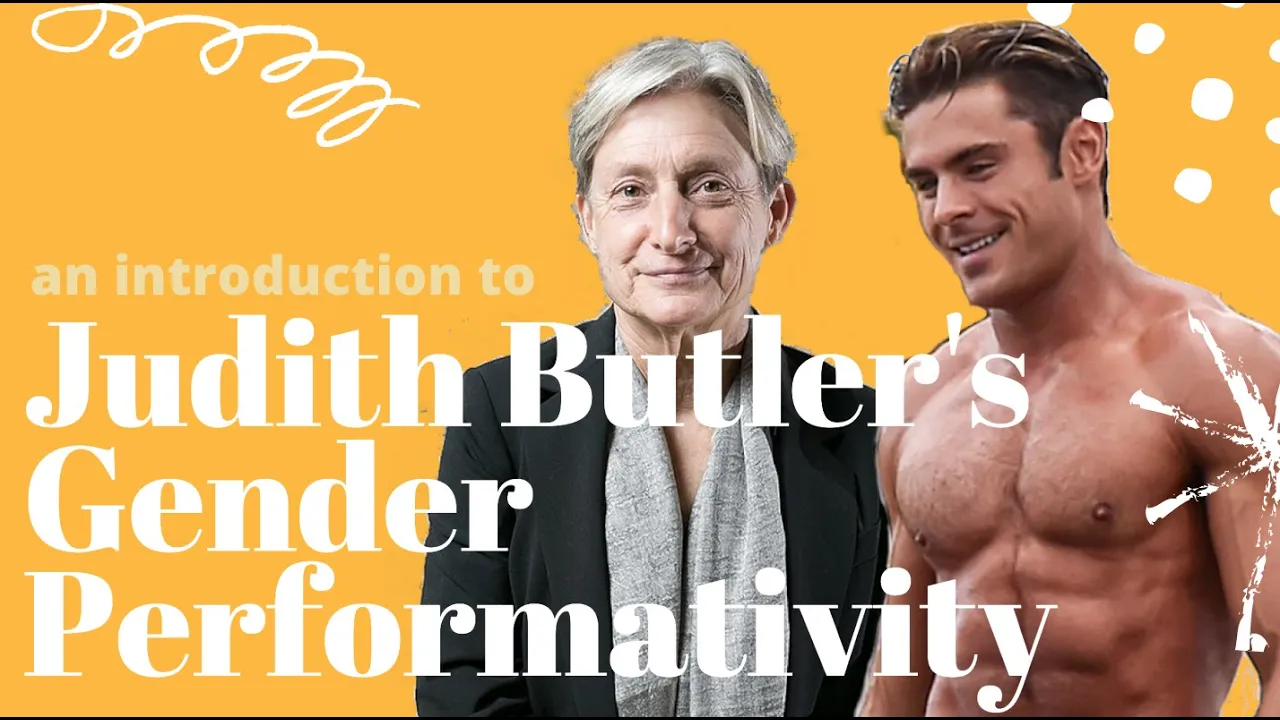
Judith Butler's Theory of Gender Performativity, Explained
209.8K
Judith Butler's theory of gender performativity proposes that gender is not an inherent or essential quality but rather a social construct created through repeated stylized acts performed over time; Butler distinguishes between 'gender is performed' (taking on roles) and 'gender is performative' (producing effects), arguing that gender identity emerges from social practices rather than existing as a stable internal essence, which challenges traditional distinctions between sex and gender and has sparked ongoing debates within queer theory regarding its implications for understanding transgender and gender non-conforming experiences.
Click to watch →

PODCAST 73: LGBT+
86.4K
Judith Butler's theory of gender performativity argues that gender is not an innate identity but is constructed through repeated social performances. Gender is a social construct that is performed and reinforced through everyday behaviors, rather than being a fixed biological reality.
Click to watch →
deliliği seçmek | Miley Cyrus
148.9K
Judith Butler's theory of performativity explains that gender is not an innate quality but a result of repeated actions and behaviors. Gender is linguistically divided into two categories (male and female), and from birth, individuals are assigned to one category. Society then expects them to behave according to their assigned gender and to be attracted to the opposite gender. This cultural system requires everyone to perform gender in ways that reinforce these expectations. Through repeated performances, individuals create an illusion of natural existence, believing their performances are their true selves. Performativity is not about consciously choosing an identity but refers to unconscious actions we perform because that's what society expects of us.
Click to watch →

Judith Butler y la Performatividad de Género - Filosofía Actual
164.6K
Judith Butler argues that gender is not a natural or inherent quality but a performative act—constituted through repeated social performances within a patriarchal framework of compulsory heterosexuality. Drawing on post-structuralist thinkers like Derrida and Foucault, Butler contends that there is no pre-discursive subject or essence prior to cultural construction; instead, identity emerges through continuous imitation and repetition of culturally prescribed behaviors. This means that neither gender nor sex exists as natural categories outside of discourse, and the apparent stability of gender binaries is an illusion created by power structures that naturalize certain behaviors while prohibiting others. Butler suggests that recognizing gender as performative opens possibilities for subverting these frameworks, though she cautions against both deterministic fatalism and voluntarist individualism in understanding identity formation.
Click to watch →

Episódio 01: Demissexualidade, Ideologia e Gênero com Guilherme Terreri (Rita Von Hunty)
70.8K
Judith Butler's theory of gender performativity has been widely misunderstood. Butler does not say gender is 'performance' but rather that it is 'performative.' The difference is crucial: 'performance' implies a pre-existing actor who performs, while 'performative' means that the act itself creates the reality it describes. Butler's theory builds on J.L. Austin's linguistic philosophy of 'performative utterances'—statements that create reality through being spoken. Gender exists only to the extent that it is performed—through language, social practices, and repeated acts. This does not mean gender is 'fake' or 'not real,' but rather that its reality is constituted through performative acts.
Click to watch →
Deep Dive
Analysis of other contemporary artists who use self-representation to challenge identity, such as Yasumasa Morimura or Nikki S. Lee.
Know the Artist: Yasumasa Morimura
14.3K
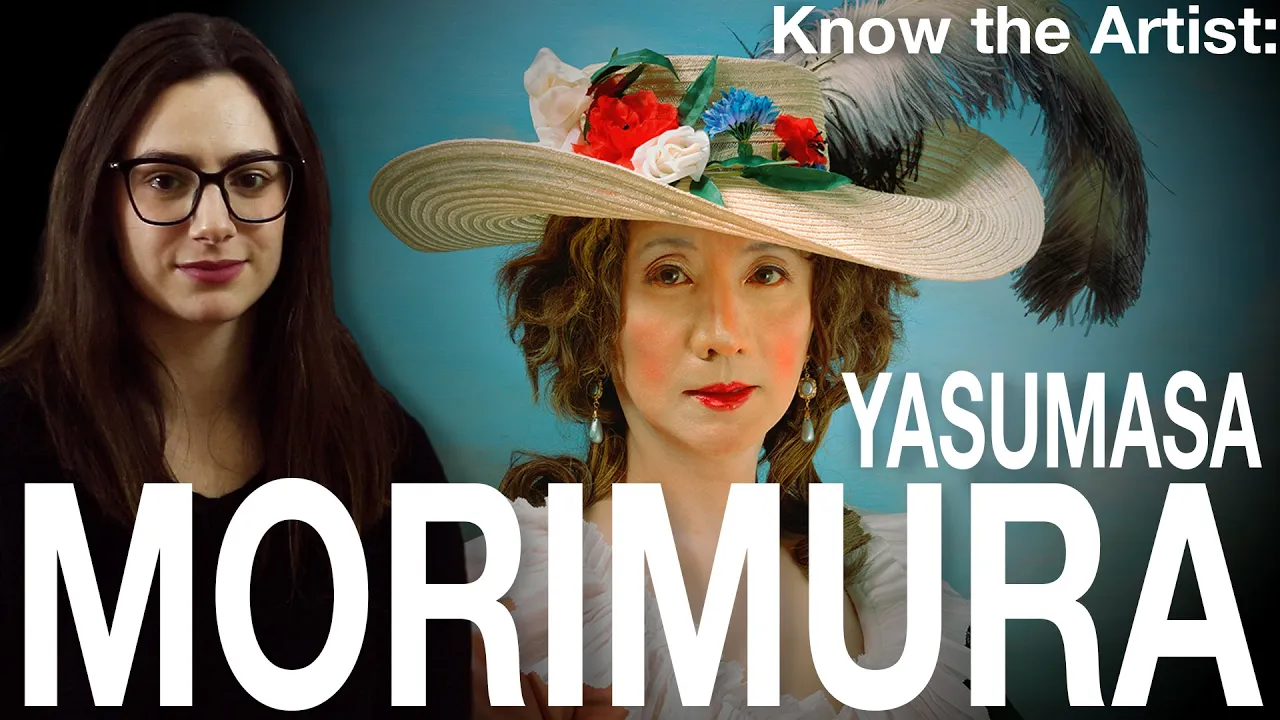
Japanese conceptual artist Yasumasa Morimura (b.1951) challenges Western-dominated art history by transforming his face into famous artists and subjects—from Van Gogh to Frida Kahlo to political leaders—thereby questioning fixed notions of identity, authenticity, and cultural ownership of artistic legacy; his work demonstrates how self-portraiture can serve as a powerful tool for rewriting historical narratives and inserting marginalized perspectives into established art historical timelines.
Click to watch →
L’identità ri-vista. Le forme dell’autoritratto nell’arte contemporanea – Angela Madesani
1.3K
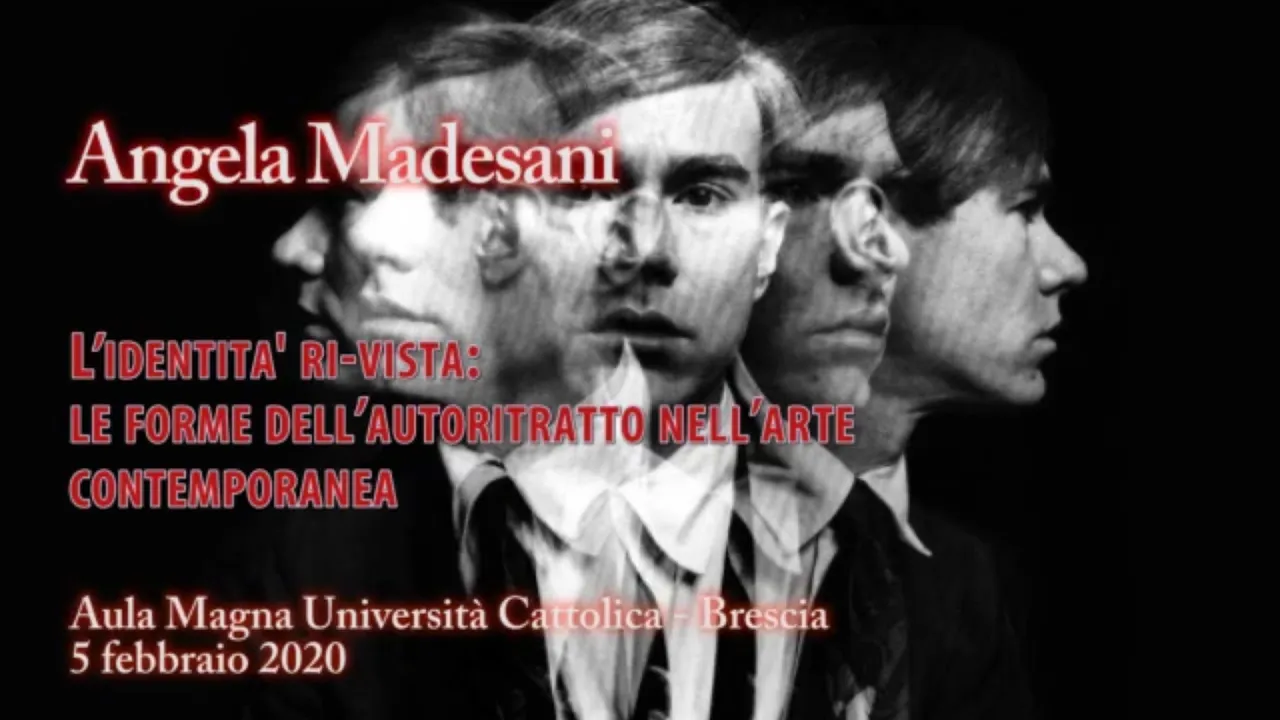
Francesca Woodman (1958-1981) was an American artist known for her haunting self-portraits that explored themes of identity, mortality, and the female experience. Her work often involved self-representation through mirrors, shadows, and staged compositions that created mysterious, almost ghostly images. Yasumasa Morimura (1950-2012) was a Japanese artist known for his performance-based self-portraits that involved him dressing up as famous historical and contemporary figures, challenging traditional notions of identity, gender, and artistic authorship by having the artist become the subject of their own artwork.
Click to watch →
MORIMURA Yasumasa Interview, 2018
1.4K
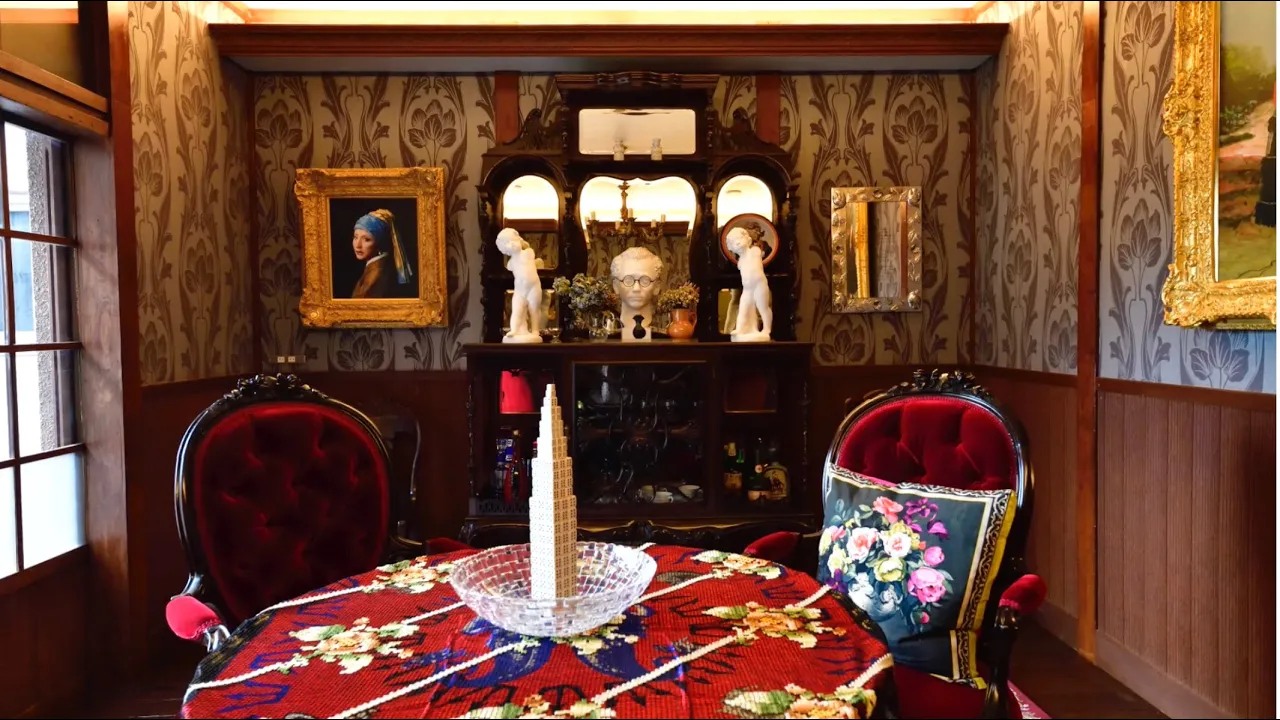
Artist Yasumura discusses how instant photography (Polaroids) represents a vanishing era of authentic self-expression, as digital technology threatens to make traditional photographic methods obsolete; he reflects on his 30+ years of creating self-portraits and questions whether he should continue mastering this fading technique or embrace emerging digital technologies that allow people to change their appearance as easily as changing clothes, fundamentally altering the concept of identity and artistic authenticity.
Click to watch →

Japan, Part 6
139
Korean artist Nikki S. Lee explores whether identity is inherent or projected through performance. Her infiltration projects involve adopting identities of various communities—swing dancers, senior citizens, and ethnic groups—to test whether external markers (clothing, behavior, language) grant acceptance. She documents varied reactions, noting more pushback when infiltrating African-American or Hispanic communities. Her 'Parts' series questions what narratives are cut off and what viewers are not seeing. This work challenges assumptions about authenticity, belonging, and cultural appropriation, demonstrating how identity can be constructed and performed rather than simply inherited.
Click to watch →

Exploring Art - Picturing Other: Character Development in the Photography of Genevieve Gaignard
120
This lecture examines how three contemporary female photographers—Genevieve Gaignard, Nikki S. Lee, and Cindy Sherman—use self-portraiture to explore identity, each employing distinct approaches: Gaignard creates personas reflecting her mixed-race identity to examine intersectionality; Lee infiltrates subcultures to explore cultural belonging; and Sherman transforms herself completely to deconstruct stereotypes and reclaim agency from the male gaze.
Click to watch →
Deep Dive
The impact of Sherman's work on modern digital self-representation, including the curation of identity on social media platforms.
Cindy Sherman's Self-Portraits and the Selfie Culture | HENI Talks
58.9K
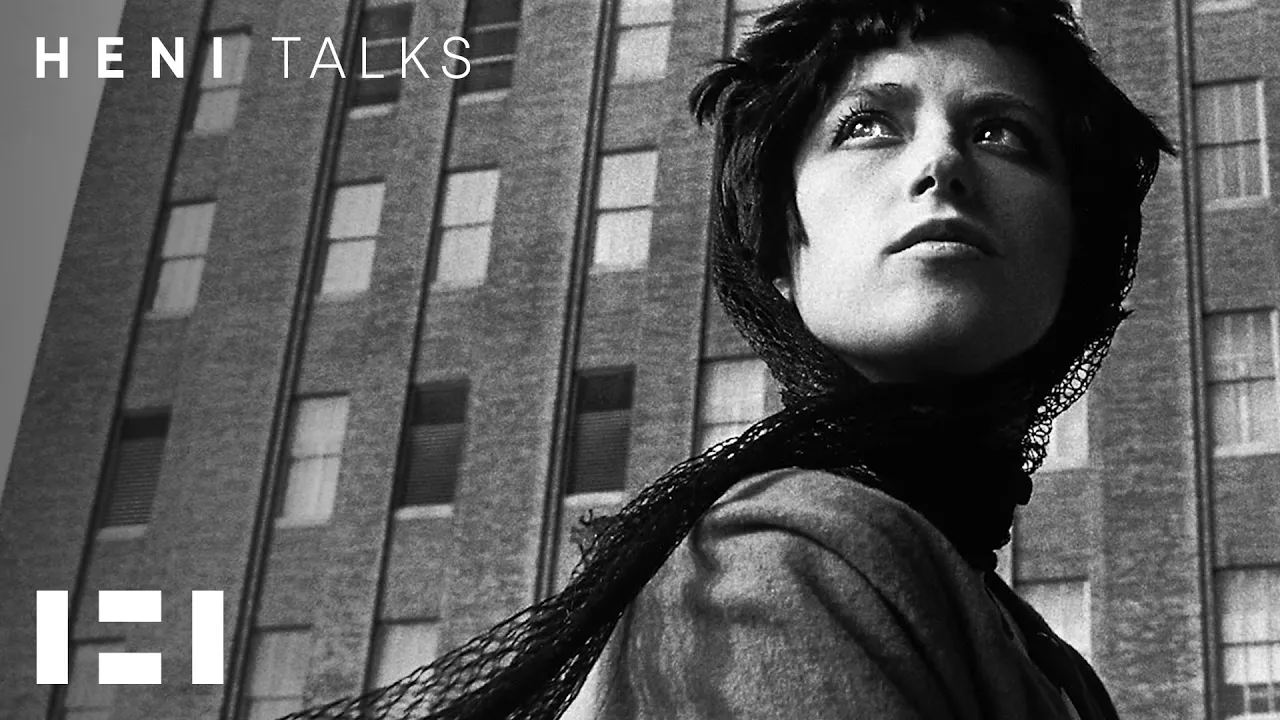
Art historian Hal Foster explains how Cindy Sherman's pioneering self-portraits, particularly her 'Untitled Film Stills' series, explored the gap between actual identity and desired image, introducing the concept that identity is a construction and subjectivity is a performance; this artistic approach anticipated and influenced the selfie culture of our times by demonstrating that self-representation involves deliberate performance rather than authentic self-expression.
Click to watch →

Quién es Cindy Sherman? #fotógrafa #foto #fotografia #arte #historiadelarte
44.8K
Cindy Sherman is a pioneering artist who uses her own body as a blank canvas to deconstruct identity, demonstrating that femininity is not an inherent essence but a media construction shaped by societal expectations and the male gaze, as evidenced in her series like Untitled Film Stills, History Portraits, and Society Portraits.
Click to watch →

Google Study on Selfie India | आप दिनभर में कितनी Selfies लेते हैं? Sudhir Chaudhary on Selfie | DNA
141.5K
Selfie editing serves as a psychological coping mechanism where individuals compensate for perceived life deficiencies by projecting idealized self-images onto social media. This behavior reflects a psychological tendency where those who feel inferior use digital tools to create perfect representations. Western beauty standards heavily influence this culture, with pressure to achieve fair skin over brown skin. Globally, over 10 billion selfies are taken daily, with women's photos outnumbering men's. Social media platforms receive 180 million photos daily, with one week's uploads equaling the world population. This massive scale demonstrates how digital self-representation has become a fundamental aspect of modern identity formation and social validation.
Click to watch →
Notre visage à l'heure des réseaux sociaux, par Marion Zilio – Brut Philo
27.2K
Modern digital filters and masks allow users to create animated masks and escape standardized beauty norms, paradoxically revealing identity rather than hiding it. The instantaneous nature of modern photography has created a 'hypernésie' of one's own face, contrasting with earlier episodic self-representation. The face is increasingly discretized into data for facial recognition, raising questions about control and subjectivity. When posting images on platforms like Instagram, individuals must consider who owns their face and how it will be economically transformed. People can resist beauty standards through digital 'bricolage' techniques, reshaping how humanity thinks about and evolves.
Click to watch →

Asupan ngakak bareng ibu negara JAMPAS
279.3K
This segment explores how individuals construct and present their digital identities on social media platforms. The creator discusses the concept of self-representation through digital avatars and online personas, including the use of filters and digital tools to modify one's appearance. The segment illustrates how social media platforms enable users to experiment with different identities and how these digital representations can differ from real-life appearances. The creator also discusses the challenges of maintaining authenticity while managing multiple online identities and the psychological impact of digital self-presentation.
Click to watch →
Visual Clues
Identity Play
Crafting Style
Visual Clues
0:00- 1
Analyzes cinematic look through lighting and reactive pose.
- 2
Highlights artist's deliberate mimicry of film conventions.
- 3
Explores the narrative suggestion without a clear story.
The Critique of Complicity and Reinforcement of the Male Gaze
While Untitled Film Still #21 is widely celebrated as a feminist deconstruction of patriarchal cinematic tropes, an influential counter-perspective argues that the image ultimately reinforces the very male gaze it attempts to critique. Critics from this viewpoint suggest that by meticulously replicating the aesthetic pleasure, vulnerability, and seductive mystery of mid-century cinema, Sherman's work functions as a highly fetishized object of desire. Instead of subverting voyeurism, the photograph invites it, becoming complicit in the consumption of the female body as a passive spectacle. Furthermore, some theorists argue that Sherman's self-positioning as both subject and creator creates a closed loop of self-absorption that limits genuine political critique. This perspective challenges students to consider whether parodying oppressive visual structures inevitably reproduces their harmful power dynamics, rather than dismantling them.
Introduction to Postmodernism and the 'Pictures Generation' art movement of the late 1970s.
Feminist Film Theory, specifically Laura Mulvey's concept of the 'Male Gaze' and the objectification of women in cinema.
The aesthetic tropes of Mid-Century Hollywood cinema, including Film Noir and B-movies, which heavily influenced the visual style of the series.
The distinction between traditional portraiture and performance photography.
The evolution of Cindy Sherman's later work, including her 'History Portraits' and 'Clowns' series, to see how her critique of identity shifted with color photography.
Judith Butler's theory of Gender Performativity, exploring how gender is socially constructed and performed.
Analysis of other contemporary artists who use self-representation to challenge identity, such as Yasumasa Morimura or Nikki S. Lee.
The impact of Sherman's work on modern digital self-representation, including the curation of identity on social media platforms.
93.8K views298likes4:22@smarthistory-art-historyOriginal Release: 2012-03-20
(jazzy music) Voiceover: Hi, I'm Shana Lindsay.
Voiceover: I'm Beth Harris.
Voiceover: Okay, we're here to talk about this image.
It's called "Untitled Film Still #14."
Voiceover: It does look like a film still.
Voiceover: It does.
There are certain things that give it that look, which is what she's going for here.
Voiceover: So it's not really a film still.
Voiceover: Right, exactly.
It's the appearance that this is a film still.
Voiceover: She did a whole series of film stills; photographs that look like film stills.
Voiceover: Over a number of years.
This is sort of at the beginning of that phase when she does that, so this is one of the earlier ones.
She wants all of them to look like they might be from some sort of a narrative.
Voiceover: This is Cindy Sherman herself.
Voiceover: Right.
That's the thing that a lot of people don't recognize; that she's in the photograph herself.
She always dresses up and really kind of morphs from one- Voiceover: She can look really different in each of them.
Voiceover. Exactly.
She dresses up, obviously.
Makeup helps.
In this case she's trying to look like she's in a 1960s, probably, film.
Voiceover: It makes me aware of the conventions of how things look in movies, the sort of rhetoric of that kind of storytelling.
Voiceover: Exactly.
The lighting.
Voiceover: When she moves her head, the look in her eye.
Voiceover: In almost all of these film stills she looks reactive.
She's reacting to something, which is part of what's giving us this clue that we're looking at something that's supposed to be narrative.
She's darting her eyes away.
It's hard to say why.
People often read it in different ways; disgust, fear, anxiety.
She's never a totally self-possessed person.
She's always in relation to something that's somehow outside of our frame of reference here.
Voiceover: I wonder what that says about being a woman?
Voiceover: Right, exactly.
I think that's sort of some of the issue that she's trying to raise here, that perhaps our sense of self is contingent always on something else.
Women's sense of self is always contingent on something else.
Voiceover: And that being a woman is always, in some way, a performance.
Voiceover: Yes, that's oftentimes the way these are understood; that she's kind of masquerading, donning these different outfits.
Some people see this as kind of liberating; that what she does is she in some ways dislodges the idea that your identity is fixed.
Voiceover: And it can be chosen instead.
Voiceover: Right, so by masquerading you're sort of choosing to act in a certain way or choosing to make yourself read or understood in a certain way.
Some people see her film stills as liberating examples.
Voiceover: For women.
Voiceover: For women, yes, in particular.
Voiceover: So your identity isn't something that's culturally imposed, but something that's freely chosen somehow.
Voiceover: Freely chosen, but then also what's ironic is that she keeps, in the series she chooses these ultra-feminine roles.
Voiceover: And very stereotypical in a way.
Voiceover: And because they are reacting, they seem slightly fragile.
It plays on both things.
I think she wants to borrow the idiom from film; that that was established by people like Alfred Hitchcock; the blonde victim to some degree.
Voiceover: So something about to swoop down on her.
Voiceover: But nothing ever does.
It becomes, also, about her practice, about Cindy Sherman's practice more so, certainly, than the narrative, which here does not exist.
There is no story to be told.
Voiceover: And never develop into a story.
Voiceover: Right, exactly.
Things that she's chosen photographically here, the upward focus.
You're at a very privileged perspective on this person; very, very close, so you know this couldn't be a snapshot.
It would be very hard to get a snapshot like that.
By just angling, positioning the camera, she's edited out anything that looks contemporary.
She's able to put herself in front of these older buildings and have it look authentic.
Voiceover: Like it's from 20 years earlier.
Voiceover: Which are all things, of course, that a filmmaker was doing.
(jazzy music)
Up Next

7:13
The Circle by Dave Eggers: A Critical Book Review
@TalesTeacups
161 views•2016-12-28

23:14
Visual Analysis Essay: How to Analyze Graphic Novels in College Writing
@nataliepleimann5941
1K views•2020-10-14
4:55
Film Blocking Techniques for Directors: Space, Shapes, Lines
@StudioBinder
1.9M views•2018-07-23

4:00
Evolution of Darth Vader: Anakin Skywalker's Animated Journey Across Star Wars Films
@TellItAnimated
13.4M views•2019-03-30
Related Study Plans & Knowledge Roadmaps
Structured learning paths in Film Analysis
film-analysis
Sensory Cinema: Foley, Haptic Sound & Texture
01Introduction to Film Sound and Foley Artistry
02Micro-Sounds, Textures, and Extreme Amplification
03Haptic Audition and Film Phenomenology
+ 1 more learning modules
12h4 modules
Explore Roadmap
film-analysis
Breaking the Fourth Wall: Mockumentary & Satire
01The Invisible Wall: Basics of Cinematic Illusion
02Looking at the Lens: Direct Address & Character Glances
03The Mockumentary: Satire, Realism, and Complicity
+ 2 more learning modules
12h5 modules
Explore Roadmap
film-analysis
Analyzing the Long Take: Cinema, Space & Ethics
01Foundations of Film Grammar: Montage vs. The Long Take
02Choreography and Mechanics of the Simulated One-Shot
03Phenomenology of Film: Real-Time Spatial Continuity
+ 1 more learning modules
14h4 modules
Explore Roadmap
film-analysis
Anachronistic Music: Period Drama & Subversion
01Foundations of Film Sound and the 'Needle Drop'
02Traditional Authenticity vs. Revisionist History
03The Rise of the Anachronistic Soundtrack
+ 2 more learning modules
12h5 modules
Explore Roadmap