


















Dave Eggers' dystopian novel 'The Circle' explores the dangers of total transparency through wearable cameras, following a naive protagonist named May who becomes obsessed with social metrics like likes and viewership while losing sight of important warnings from others; the reviewer criticizes the book's unrealistic premise, weak character development, uneven structure, and predictable plot, ultimately giving it a low rating of 1.5 out of 2 stars.
The Circle by Dave Eggers: A Critical Book Review
Added:Familiarity with the plot, setting, and main characters of Dave Eggers' novel 'The Circle'.
An understanding of classic dystopian literature conventions, such as those found in George Orwell's '1984' or Aldous Huxley's 'Brave New World'.
Basic knowledge of literary analysis concepts, specifically how character arcs (such as tragic or corruption arcs) are used to convey thematic messages.
A foundational grasp of modern privacy concerns, data harvesting, and the influence of major tech monopolies on daily life.
An exploration of Shoshana Zuboff's sociological framework of 'Surveillance Capitalism' and its real-world economic applications.
A comparative analysis of 'The Circle' with its sequel, 'The Every', to examine how Eggers' critique of technology has evolved with the rise of AI.
Study of the philosophical concept of the Panopticon (originally by Jeremy Bentham and expanded by Michel Foucault) in relation to digital surveillance.
Researching current digital ethics policies, such as the GDPR, and the ongoing legislative battles surrounding user data sovereignty.
161 views6likes7:13Original Release: 2016-12-28
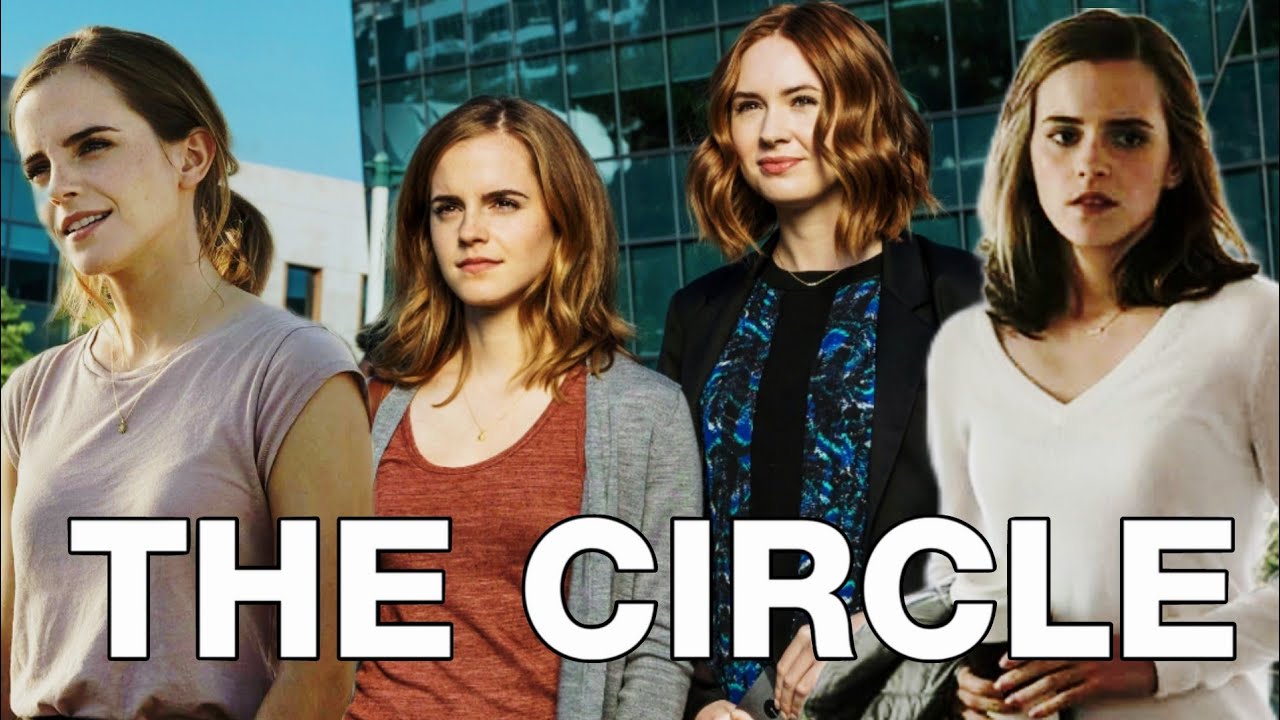
hey everyone its lexi and today i will be doing a review of the circle by David Eggers knows you don't know this could be a movie coming out in 2017 starring emma watson and tom hanks and those two are like my favorite actors so i decided why not let's go check it out let's let me kind of read the book to see what this movies about so it follows the story of a girl named may who ends up getting this job at this really big company that's kind of like a Google actually where they're very technology base they I'd say it's mostly a blend of Amazon and Google in terms of like the powerhouse and they kind of do a lot of the technology improving the world like making the world a safer place and so yeah may end up getting this dream job and she is very grateful because her parent her father also has MS and this job has really good health care um but um so it kind of helps her father as well but um yeah so she ends up like you can see in the beginning of this book that essentially she used I will be trying to be very paying as possible but she ends up getting a kind of I guess job within her job to UM documentary life so the companies so the company is like policy that they're trying to push for is global transparency with everyone and the hope that coins will go down there'll be politics kind of like they'll be no more like lobbyists or all that so it's a kind of an interesting concept I think so they proposed wearing like this little camera around your neck and people can watch it at all times watch what you're doing at all times and so may ends up being one of the few that becomes kind of like the spokesperson for wearing this and it just kind of takes off from there I'm trying to be as vague as possible but that's basically basically what the front cover says in terms of that so yeah so I don't know like I had really high hopes going into this especially because it's going to be a movie starring Tom Hanks and Emma Watson so I was really kind of looking forward to kind of this and kind of the dystopian aspect of Technology and just having like private space but I found may to be a very naive and weak character she cares more as the story goes on she cares more about how many likes she gets or how many viewers she has and she if not everyone likes her like she's worried so much about what other people think and the likes and having being transparent and all that Judge she loses sight of what everyone else around her is like trying to tell her and she become so obsessed with this like I don't know she found as I found her to be a world really weak character which is interesting because she's going to be played by emma watson so i don't know if they're changing this in the film I don't even know what comes on it all comes out in 2017 but I don't know if they're changing that or not but it just seems pretty weird that i'm watching who kind of goes for like strong female characters this one's pretty naive and there's not really much to her she's very superficial and she just cares about likes and like obsessed of how she stands within the world and she wants to be known she wants to be remembered and so I don't know I thought that was um oh I didn't really like that aspect of it and also liked this book is there's it's divided into three books the third book is literally like two and a half pages the first book is like 300 and then the second one is like 200 and I felt the first like book in particular to just be quite a waste of time actually if the book stirred up book to with some background in it I think it would have been better but I felt like it just dragged on sometimes it was just like this isn't relevant and um yeah and it's not written in chapter so it's literally like one giant essay so that was a bit challenging as well also I don't know I felt this this kind of transparency to be very unrealistic because I understand and like how the general masses were kind of pushing for everyone to be transparent especial the government so I don't know like I can see like some people going along with that but I felt like a lot of people were I feel like a lot of people won't go along with that just have everything like watching you at all times having cameras in your houses i'm wearing a camera around your neck I felt thought to be kind of unrealistic and sorry I'm getting a cold again um yeah but I found that to just be unrealistic and there's a lot of plot holes in this novel and the ending I could kind of guess what was going on and there's like this mystery character and I kind of figured it out from the beginning like kind of who this was so I don't know I gave this a 2 out of 5 stars I did not really like it at all like I don't know I feel like this was this the author just does not like technology and this was like his soapbox like he was standing on the soapbox and explaining like all this stuff and I don't know and there's a couple sexies in here that were just really really kind of awkward and uncomfortable to read I think I don't know like I was reading the reviews on Goodreads and they say this is like his this author's first book with a female protagonist and yeah they said like if it would have been better if it was told from a guy's perspective because some of this stuff like yeah like it was just like mmm not sure how I feel about that but yeah overall I did not really like this book I like how it tried to like work for the message of Technology and like like too much technology and what like the implications are if there's so much out there of ourselves and like the consequences but i don't know i did not really enjoy it i gave like a to like a one and a half out of two stars it wasn't i wasn't what I was expecting and I'm really curious to see how they go about doing this movie because I've watched the trailer um and it seems like a little different than the book so I don't know if they're kind of spice up Emma Watson's character a little bit because she usually does play strong female leads so yeah we'll see about this one but yeah if you are interested I say maybe skip out on the bug like it's almost 500 pages at 300 but are just like unnecessary so yeah I would just skip out on the book if you're interested in go seeing the movie because even though it's not out yet I'm still interested in seeing the movie just because it's tom hanks and I'm Watson so you know what it has to be like held to some standard so yeah that's all I have to say about this one I was kind of really excited about reading it but I was kind of I don't know disappointed in the end so yeah that's it guys I hope you enjoyed this review let me know in the comments below if you've read this book or if you're interested in seeing the movie and all that so yeah don't forget to give this video a thumbs up and I will see you next time bye guys
Up Next
21:57
Surrealism Art & Freud's Psychoanalysis Explained
@frederickgalang3598
148 views•2026-07-02

20:12
Unfriended (2014) Screenlife Horror Film Analysis and Review
@theboredcyborg
372 views•2019-08-20
4:55
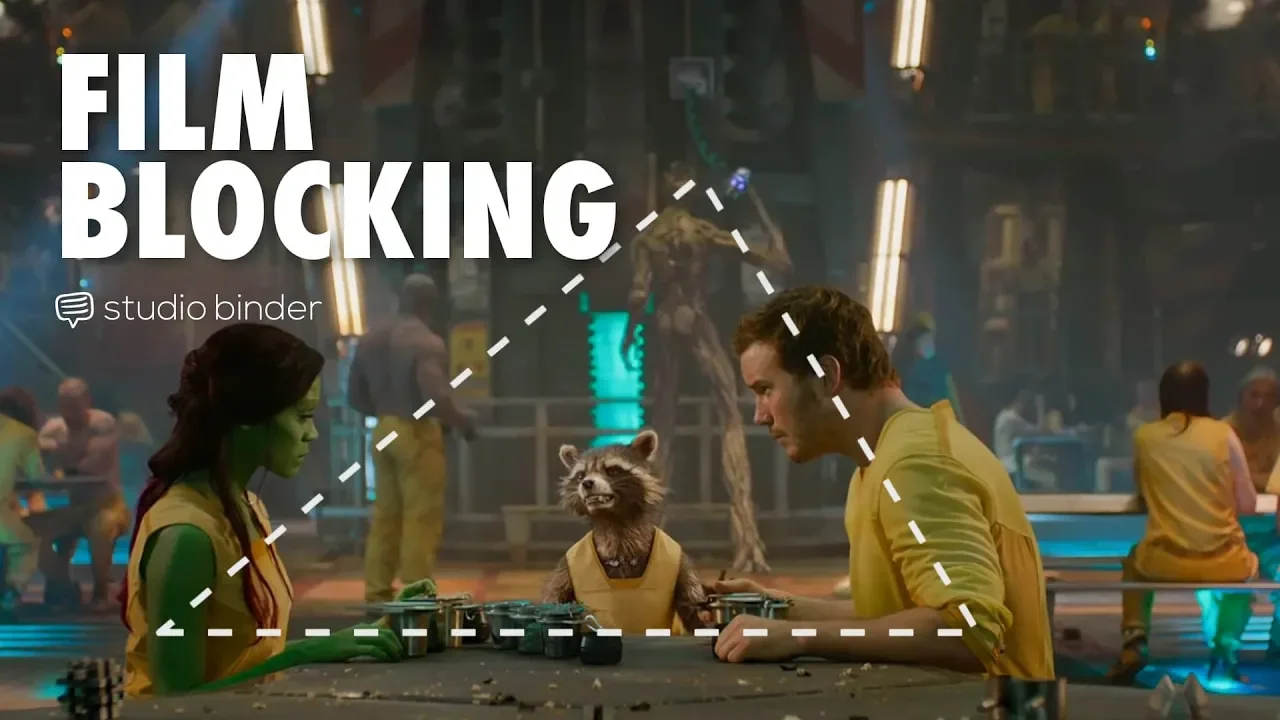
Film Blocking Techniques for Directors: Space, Shapes, Lines
@StudioBinder
1.9M views•2018-07-23

4:00
Evolution of Darth Vader: Anakin Skywalker's Animated Journey Across Star Wars Films
@TellItAnimated
13.4M views•2019-03-30
Related Study Plans & Knowledge Roadmaps
Structured learning paths in Film Analysis
film-analysis
Sensory Cinema: Foley, Haptic Sound & Texture
01Introduction to Film Sound and Foley Artistry
02Micro-Sounds, Textures, and Extreme Amplification
03Haptic Audition and Film Phenomenology
+ 1 more learning modules
12h4 modules
Explore Roadmap
film-analysis
Breaking the Fourth Wall: Mockumentary & Satire
01The Invisible Wall: Basics of Cinematic Illusion
02Looking at the Lens: Direct Address & Character Glances
03The Mockumentary: Satire, Realism, and Complicity
+ 2 more learning modules
12h5 modules
Explore Roadmap
film-analysis
Analyzing the Long Take: Cinema, Space & Ethics
01Foundations of Film Grammar: Montage vs. The Long Take
02Choreography and Mechanics of the Simulated One-Shot
03Phenomenology of Film: Real-Time Spatial Continuity
+ 1 more learning modules
14h4 modules
Explore Roadmap
film-analysis
Anachronistic Music: Period Drama & Subversion
01Foundations of Film Sound and the 'Needle Drop'
02Traditional Authenticity vs. Revisionist History
03The Rise of the Anachronistic Soundtrack
+ 2 more learning modules
12h5 modules
Explore Roadmap