Douglas Sirk, a German-American filmmaker who fled Nazi Germany and found success in Hollywood, revolutionized melodrama by embracing rather than hiding the artificiality of film sets, using vibrant colors and stark lighting to create intentionally unrealistic worlds that simultaneously mocked and celebrated the genre's conventions; his approach involved casting established stars like Rock Hudson in implausible scenarios while daring audiences to recognize the cracks in his carefully constructed narratives, resulting in films that were both beautiful and self-aware critiques of melodramatic storytelling.
Douglas Sirk Explained: Self-Aware Melodrama in 3 Min
Added:Deep Dive
Understanding the narrative and stylistic conventions of the classical Hollywood melodrama, historically categorized as 'women's pictures' or 'soap operas.'
Douglas Sirk and the Woman's Picture
801
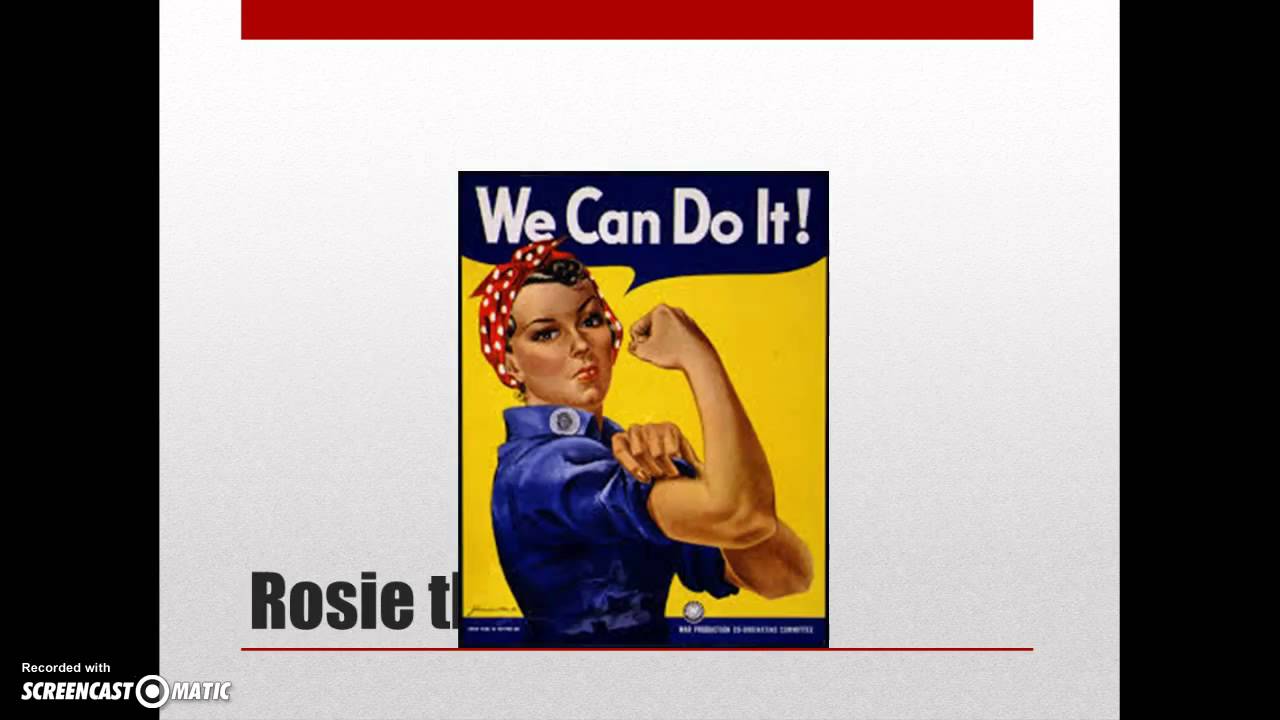
Melodrama is a genre characterized by exaggerated emotions, stereotypical characters, sensational plots, and interpersonal conflicts, standing in opposition to realism. In 1950s Hollywood, about one-third of films targeted female audiences with big stars like Joan Crawford and Bette Davis, but were derogatorily called melodramas or weeps. Feminist scholars rescued these 'woman's pictures' from obscurity, revealing narratives about domestic stories, romantic and family problems, and women's difficult choices between career, love, family, and personal happiness. Social melodrama synthesizes social criticism with melodrama, providing pleasure in seeing the fates of people and institutions while enjoying the triumph of virtue. Historically, melodramas have been the only genre where women are central. Laura Mulvey's theory identified three looks: the male look (controlling narrative), the female look (passive object), and the spectator's look. The male gaze is associated with fantasy and mastery of control, while fetishism involves objectifying women. Janine Basinger noted that in woman's pictures, women are central but often reaffirm that a woman's true job is to be just a woman.
Click to watch →

The Ebell Institute For the Study of Women's History in LA: Full Conversation
326
This segment explores the phenomenon of 'women's pictures' as a dominant genre in 1930s-1940s Hollywood. Producer Sam Goldwyn surmised in 1935 that women comprised nearly 70% of the US film audience, and it was women who were largely responsible for the stardom of female stars. At least half of the top-grossing films of the 1930s could be considered women's pictures—a genre ranging from comedies to dramas, literary adaptations about working women, maternal sacrifice melodramas ('weepies'), and other narratives featuring strong female leads. 'Gone with the Wind' (1939) remains the top-grossing film of all time when adjusted for inflation. This demonstrates that even when women were edged out of behind-the-scenes production roles, the demand for female-centric storytelling remained strong, and the film industry recognized women's economic importance as both consumers and stars.
Click to watch →

PWR'D by Geek Bomb: Alicia Malone!
9.7K
Women's pictures were films from the 1930s-1950s centered on women's stories, typically ending with marriage and love. These films were propaganda about what women should be, but paradoxically, they often showed women as pilots, news reporters, and professionals. While the endings reinforced traditional values, the storylines actually demonstrated women's capabilities and options beyond marriage.
Click to watch →

Robert Mitchum: Con el llego el escándalo
1.1K
Home From the Hill (1960), directed by Vincente Minnelli, represents one of the peaks of classical Hollywood melodrama. Unlike his earlier musicals, this film immerses viewers in a Southern drama that is virile, dry, and harsh yet deeply moving. The film explores a closed family universe marked by years of silence, pride, and resentment. The patriarch W Hatut embodies the rigid American macho archetype, while his legitimate son Hon is overprotected and naive. The illegitimate son Reif, despite lacking privileges, emerges as the true moral heir with lucidity and dignity. The boar hunt sequence serves as a powerful symbolic ritual marking transformation, yet contains inherent ambiguity about whether the son has truly escaped his father's patterns. The film systematically deconstructs traditional masculinity, showing all male characters trapped in prescribed roles as hunter, drinker, and conqueror. The distinctive visual style uses browns, golds, and ochres, creating an emotional texture that recalls Cubism. Dreams become traps rather than refuges, and only Reif survives because he never idealizes anything. The ending appears hopeful but leaves a bitter taste—the burial of the father opens the door to something new, but the price has been extremely high. The film poses the fundamental question of what it means to be a man, representing one of the hardest and most honest melodramas of classical Hollywood.
Click to watch →

Introduction to Laura Mulvey's "Visual Pleasure and Narrative Cinema"
83.8K
Classical Hollywood employs two strategies to manage women's perceived threat: objectification and voyeurism. Women are positioned as exhibitionist objects displayed for visual and erotic impact, becoming motifs of erotic spectacle pervasive in cinema, painting, and civilization. The asymmetric gaze—where men look and women don't look back—creates voyeuristic power imbalances. This structure encourages spectators to possess women through gaze, establishing fundamental patterns of visual consumption that prioritize male pleasure over female agency.
Click to watch →
Deep Dive
Familiarity with 1950s American cultural history, specifically regarding post-war consumerism, suburbanization, conformity, and strict gender roles.
What Life Was Really Like in 1950s America
293.7K
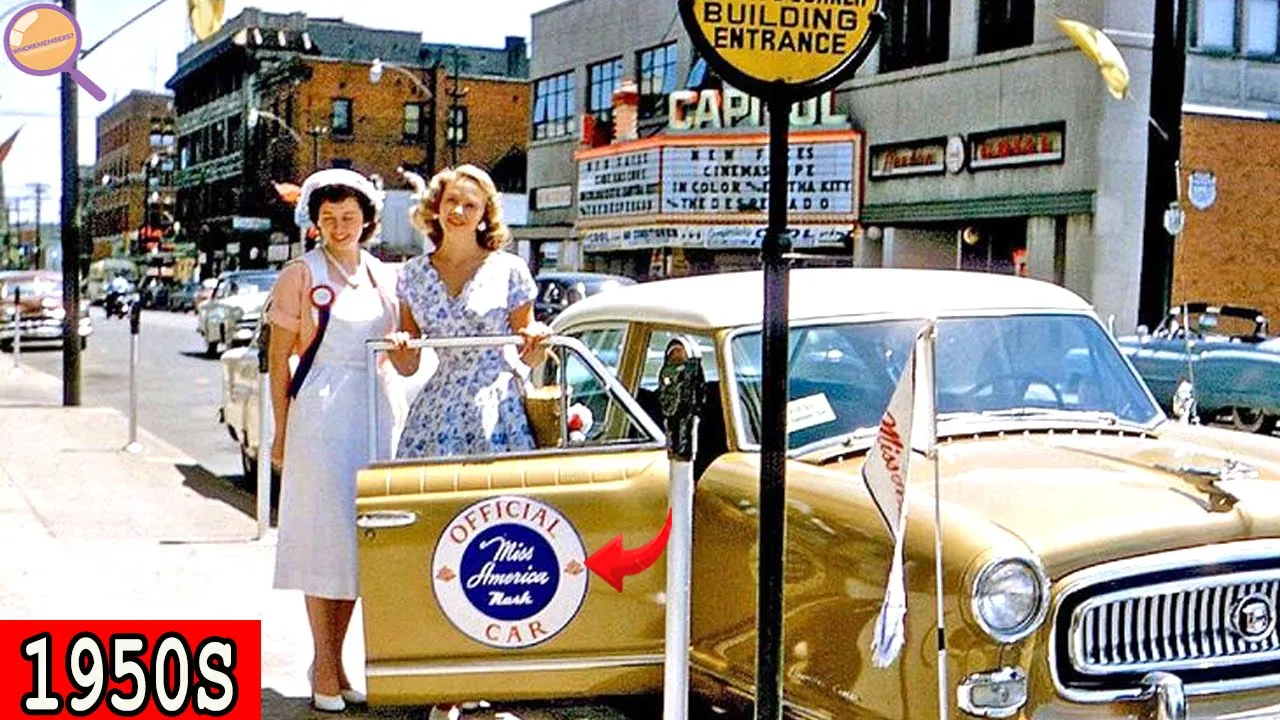
The 1950s marked America's golden age of capitalism, with GNP doubling from $200 billion to over $500 billion between 1945-1960. Wages rose steadily, with average annual salary increasing from $3,210 to $5,100 by 1959. The nuclear family became the American dream symbol, typically consisting of father, mother, and children, with marrying age around 23 for men and 20 for women. Gender roles were highly traditional, with husbands as breadwinners and wives managing households. Dr. Benjamin Spock's 'The Common Sense Book of Child Care' advised trusting parental instincts and treating children as independent individuals. After WWII, millions migrated to suburbs, with developers like William Levitt pioneering mass production techniques building thousands of identical homes. The GI Bill subsidized low-cost mortgages for veterans, making suburban home ownership cheaper than city apartments. Television transformed entertainment, with ownership soaring from 9% in 1950 to 90% by 1959, creating shared family experiences. Rock and roll emerged as a cultural revolution, with Elvis Presley achieving 12 number-one hits. Paris regained its status as the international fashion capital after WWII, largely due to Christian Dior's 'New Look' collection launched in 1947, featuring jackets cinched at the waist and full skirts using nearly 20 meters of fabric. The 1950s was the birthplace of modern fast food culture, with drive-thru restaurants becoming popular and the term 'fast food' recognized by Merriam-Webster dictionary in 1951. Sports passion was endless, with baseball selling over 15 million tickets annually featuring legends like Yogi Berra, Stan Musial, Ted Williams, Mickey Mantle, and Ernie Banks. Job listings were divided into separate columns for men and women, reflecting ingrained gender stereotypes that limited women's career paths. The Civil Rights Act of 1964 legally ended this practice by prohibiting employment discrimination based on sex. Littering was once a widely accepted social behavior due to few public trash cans and lack of environmental awareness, with people commonly throwing candy wrappers, bottles, and cigarette butts on streets or out of car windows. This changed significantly through environmental campaigns like 'Keep America Beautiful' featuring the Crying Indian, raising public awareness about protecting shared living environments.
Click to watch →

LET'S GO BACK TO THE 1950s! LONG ALL-AMERICAN ADS Walk-thru! #asmr
89.9K
The speaker shares personal experiences about her mother, who lived through World War I, the Depression, and World War II. Her mother developed frugal habits from living without running water or electricity in the 1920s, and even in her 90s, she saved everything including jar lids. When she passed, her estate revealed she had become a hoarder. The speaker contrasts this with the 1950s consumer boom, where Americans purchased 75% of the world's cars and appliances. Television emerged as the new media giant, revolutionizing advertising. Cigarette advertisements made numerous health claims that would later be proven false, with brands like Chesterfield, Camel, and Lucky Strike using star power and medical-sounding claims. The era also featured 'atomic age' culture, with housing marketed as concrete blast-resistant homes designed to withstand nuclear attacks. Automobiles featured distinctive designs like the Nash Rambler, Ford Thunderbird, and Cadillac, representing prestige and wealth.
Click to watch →

Fly With Me | Full Documentary | AMERICAN EXPERIENCE | PBS
736.9K
In the 1950s, it was very clear what women's roles were supposed to be: the American home. This was reflected in television, books, and school lessons. Women were expected to get married and raise a family, with the picket fence representing the ideal life. Men were expected to be leaders, take dangerous jobs, and hold important positions.
Click to watch →

Mind Control Through Television: 1960s Social Engineering Ep. 2
163K
During the 1950s, all Americans whether from the city, suburb, or small town were expected to look a certain way and neatly fit into the mainstream. Husbands and fathers were the breadwinners while wives and mothers stayed at home, cleaned houses, cooked meals, and raised children. Teens and young adults dated and went steady, which was the prerequisite to becoming engaged, then expected to marry, start families, and assume the same domestic roles as their elders.
Click to watch →
Oliver Stone & I Spoke In 1992 & It Was Fantastic
74.9K
The 1950s American society emphasized strict conformity, with clear expectations about appearance and behavior. Men were expected to wear ties, shirts, and jackets daily, feeling 'naked' without them in public. Life followed rigid schedules, with activities occurring at specific hours. This conformity extended to education, where students focused on getting good grades and avoiding trouble, with limited options for nonconformity such as smoking cigarettes or minor delinquency.
Click to watch →
Deep Dive
Basic knowledge of film analysis and 'mise-en-scène'—specifically how color, lighting, reflections (mirrors), and set design can convey deeper symbolic meaning.

What's A (Good) Film Director? - Film Language 101
200
Directors use symbolic elements like national flags to connect films to historical and political themes—in Avatar, the American flag represents American imperialism; in Get Out, it symbolizes Black exploitation. Mise-en-scène, meaning 'putting up on the stage,' is the primary tool directors use to convey information through images rather than dialogue. Camera placement conveys power dynamics: high-angle shots suggest submission, low-angle shots suggest dominance. Directors can subvert conventions—in Citizen Kane, Welles reverses low-angle symbolism to show Kane crushed by his own empire. Camera movement creates realism (handheld in Children of Men), expresses emotion (static for control, handheld for overwhelm in Se7en), and creates subjective experiences (Halloween's killer POV). The dolly zoom distorts perspective to convey vertigo, terror, or spatial stretching. Lighting creates atmosphere and reveals character psychology—in film noir, Venetian blinds place characters between light and shadow, showing inner turmoil. Color defines group identities—in West Side Story, blue for Jets, red for Sharks, with a sharp dividing line. Color drain can symbolize hope disappearing—in Memories of Murder, Bong Joon-ho drains colors to show hope and life disappearing from the Korean landscape. Set design reveals character psychology and social structures—in Spirited Away, the bathhouse is a metaphor for society with lowest classes at the bottom, middle classes higher up, and Yubaba at the top. In Snowpiercer, Bong Joon-ho confines working classes to the rear while the leader sits at the front, always positioning the camera on the same side—rear cars always on the left, wealthy always on the right.
Click to watch →
Why Roma (2018) Resonates With Us
50.4K
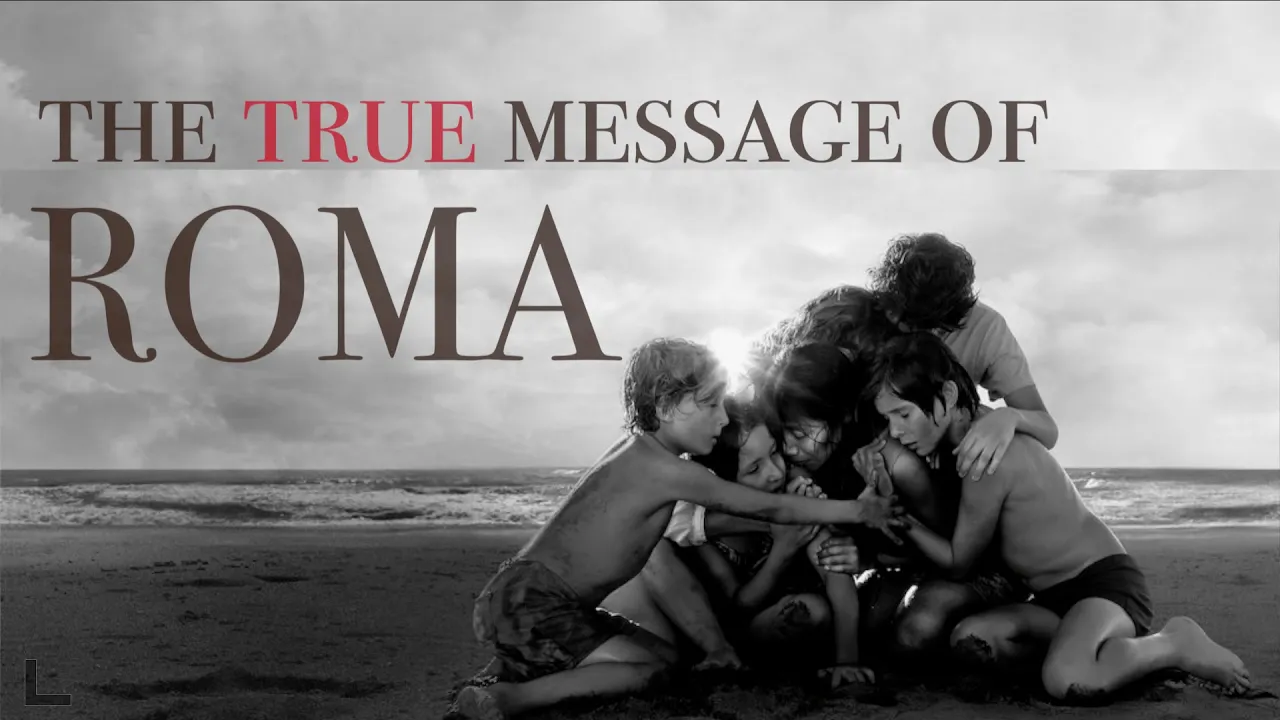
Mise-en-scène refers to the arrangement of everything in front of the camera, including not just actors and props but also details like mirrors with fingerprints and faint light coming through windows. The background of where characters walk has its own stories with emotional complexity equal to or greater than the characters themselves. The arrangement of the entire scene grants characters the tools to speak, move, and shine.
Click to watch →

Film Analysis 101: A Complete Guide to Watching Movies Critically
807.5K
Mise-en-scène refers to everything that appears in the frame—costumes, locations, lenses, lighting, and all visual elements that result in what we see on screen. It encompasses the dozens or hundreds of choices that filmmakers make to create meaning. Cinema exists on a spectrum between pure realism (reproduction of reality) and pure formalism (entirely artificial). Most movies exist in classicism, combining realist elements (naturalistic performances, subtle editing) with formalist elements (musical scores, camera movement). In Home Alone, glossy Hollywood lighting, 35mm film, and realistic settings combine with musical scores and exaggerated camera angles to communicate Kevin's perspective.
Click to watch →

Профессиональные #режиссёры. Экспертное мнение Диденко наоборот
6.5K
Color and lighting are essential artistic elements—the director must understand how different colors and lighting conditions affect mood and meaning. In 'The Mirror,' three variations of the same dress in different colors were used to allow filming at three different times of day, each with different color temperatures. Authentic set design requires attention to every detail, including peeling wallpaper, rusted pipes, and a ceiling about to collapse. Film production operates on three levels: narrative (plot, characters, dialogue), sound (dialogue, effects, music), and visual (image), with the visual level being most responsible as it directly affects how the audience perceives the story. Color can be used as a dramatic tool to develop action and reveal character depth, as demonstrated in 'Red Desert' where only autumn colors were used to represent the end of life.
Click to watch →
ARTS OVERLOOK: Student Art | Film Colossus Series | Snow Sculptures
304
Motifs are repeating elements in a movie that serve as clues to deeper themes. In The Shining, motifs include reflections in mirrors, the duality between characters, and recurring imagery like cats. Mise-en-scène refers to everything appearing in the frame, including background details like pots, fires, and other objects. Stanley Kubrick was known for including specific, detailed elements that take years for audiences to notice. These recurring elements and background details are inroads that help viewers understand the deeper meaning and structure of the film.
Click to watch →
Deep Dive
An introduction to Auteur Theory, which posits that a director can inject their personal artistic vision and critique into standard studio-system genre films.
Film Analysis 101: A Complete Guide to Watching Movies Critically
807.5K
Auteur theory assigns a primary author to a film, typically the director, and examines the film within their body of work to find recurring themes, ideas, and stylistic elements showing a distinct artistic vision. However, the auteur doesn't necessarily have to be the director—it could be an actor (like Tom Cruise for Mission: Impossible), a producer (like Kevin Feige for Marvel), or another key figure. The theory provides context by looking at how a filmmaker's larger body of work connects to individual films, though it's important to acknowledge collaborative nature of filmmaking and studio influences.
Click to watch →

Making Star Wars Episode 1: FULL Documentary
809.1K
The auteur theory of film posits that directors are deeply connected to their movies, with everything they write representing their personal life and experiences. For writers-directors, creating a film requires extreme emotional investment, as the process takes two to three years of their life. The director must be in love with the project for at least four to five years, and often for the rest of their life. This personal connection drives the creative decisions and artistic vision that define a film's unique identity.
Click to watch →

Спецвыпуск «Киноистория». Клим Жуков и Жан Просянов о фильме «Спартак» (1960)
459K
The concept of the 'auteur' (author) in film emerged from French film criticism in the 1950s-1960s, particularly through the work of critics like François Truffaut. This theory posits that directors are the true authors of films, responsible for all creative decisions. Stanley Kubrick was influenced by this theory and sought to assert complete control over his productions, challenging the traditional studio system where producers and studios had final say.
Click to watch →

What is an Auteur? Auteur theory explained! Film & Media Studies revision
49.9K
Auteur theory, originally introduced by French New Wave director François Truffaut as 'author policy,' proposes that master directors can be identified by their consistent visual style (mise-en-scène and cinematography) and recurring thematic concerns across their body of work, allowing audiences to recognize a director's unique imprint on their films regardless of the script or collaborators involved; this theory, while acknowledging filmmaking's collaborative nature, emphasizes directors like David Fincher, Christopher Nolan, Wes Anderson, and Quentin Tarantino who demonstrate distinctive artistic signatures through deliberate visual choices and thematic consistency.
Click to watch →

Super Hornio Brothers! The Real Super Mario Movie- Tales From the Internet
784.5K
Auteur theory identifies directors whose individual style and artistic touch are so distinctive that their works are unmistakably their own. The video provides examples including Quentin Tarantino working at a video store becoming a human archive of film history, Kevin Smith maxing out credit cards to make Clerks, and Buck Adams creating Super Hornio Brothers due to his passion for The Super Mario Brothers Show.
Click to watch →
Prerequisite Knowledge
- Concept 01Understanding the narrative and stylistic conventions of the classical Hollywood melodrama, historically categorized as 'women's pictures' or 'soap operas.'
- Concept 02Familiarity with 1950s American cultural history, specifically regarding post-war consumerism, suburbanization, conformity, and strict gender roles.
- Concept 03Basic knowledge of film analysis and 'mise-en-scène'—specifically how color, lighting, reflections (mirrors), and set design can convey deeper symbolic meaning.
- Concept 04An introduction to Auteur Theory, which posits that a director can inject their personal artistic vision and critique into standard studio-system genre films.
Subsequent Learning
- Step 01Conducting close visual analyses of Douglas Sirk’s masterpiece films, such as 'All That Heaven Allows' (1955) and 'Imitation of Life' (1959).
- Step 02Exploring the concept of 'Camp' and irony in film theory, examining how exaggeration and artificiality are used to critique dominant cultural ideologies.
- Step 03Tracing Sirk's direct influence on later auteur filmmakers, such as Rainer Werner Fassbinder ('Ali: Fear Eats the Soul') and Todd Haynes ('Far from Heaven').
- Step 04Investigating Feminist Film Theory of the 1970s and 1980s, which historically rehabilitated the melodrama genre from 'frivolous entertainment' to vital social critique.
Cirk's Style
Legacy & Tone
Cirk's Style
0:00Playing Section
- 1
Explores Douglas Sirk's ironic melodramas with vibrant, artificial sets.
- 2
Uses exaggerated plots and archetypes to comment on Hollywood phoniness.
- 3
Highlights his use of color and lighting to express emotional states.
Sincerity, Sentimentality, and the Myth of Retroactive Subversion
While modern film studies celebrate Douglas Sirk as a subversive, ironic critic of 1950s American consumerism, a significant counterpoint argues that this 'ironic reading' is an over-intellectualized retrospective projection. Critics and historians, such as Tag Gallagher, argue that the subversive interpretation—largely popularized by 1970s academic film theorists—ignores the genuine emotional sincerity and earnest sentimentality of Sirk’s work. From this perspective, Sirk’s films were not detached, mocking critiques, but masterfully crafted 'women's weepies' designed to evoke deep empathy and conform to Hollywood studio expectations. This counter-perspective suggests that reading Sirk solely through a lens of intellectual irony robs his melodramas of their primary power: their authentic emotional resonance and sincere engagement with the struggles of his contemporary audience, rather than a detached political critique.
Deep Dive
Conducting close visual analyses of Douglas Sirk’s masterpiece films, such as 'All That Heaven Allows' (1955) and 'Imitation of Life' (1959).

Ep. 03 - Imitación a la vida
126
Douglas Sirk's 'Oldat Heaven Allaus' (1955) centers on a romantic love affair, while 'Imitation of Life' (1959) focuses on social themes. Sirk was obsessed with the title 'Imitation of Life' because it represents trying to be something you're not, which is central to his melodramas. His background in German Expressionism and art history under Panovski influenced his highly symbolic visual style. He considered melodramas to be cheap soap opera stories but attempted to give them metaphysical significance through visual grammar, drawing inspiration from classical Greek tragedy. His films feature women appearing behind bars and grilles, symbolizing their trapped condition, reflecting post-WWII tensions about women's roles.
Click to watch →

Douglas Sirk's 'All That Heaven Allows' (1955)
321
Douglas Sirk's 1955 melodrama 'All That Heaven Allows' explores how love can be a transformative force that challenges societal constraints, featuring a widow who defies social expectations to pursue a relationship with a younger man, demonstrating that authentic love requires bravery and that individuals should prioritize their own desires over societal conformity.
Click to watch →

Imitación a la vida (1959) - Película de culto por Mario Giacomelli
11.6K
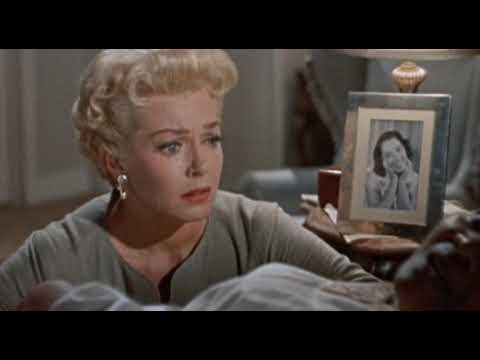
Douglas Sirk's 1959 film 'Imitation of Life' is a masterwork of classical melodrama that explores themes of racial prejudice, identity, and societal hypocrisy through the story of Lora Meredith, a successful actress who neglects her daughter while her African American housekeeper Sarah Jane struggles with her own daughter's shame about her ethnicity; the film features exceptional cinematography by Russell Metty, music by Frank Skinner, and a powerful gospel performance by Mahalia Jackson in the climactic scene.
Click to watch →

Imitación a la vida 2/2 Que grande es el cine
5.5K
Douglas Sirk's 'Imitation of Life' (1959) represents a deliberate farewell to Hollywood melodrama, featuring deliberate artistic choices including precise framing, mirror symbolism reflecting Sirk's fascination with Velázquez, and a structure that transforms from conventional melodrama into a social document capturing American society from 1947-1958, with the title's ambiguity suggesting that beneath surface appearances lies deeper truth.
Click to watch →
Imitación a la vida (1959) de Douglas Sirk (El Despotricador Cinéfilo)
7K
This video is a film analysis by El Despotricador Cinéfilo, a Spanish film critic channel, examining Douglas Sirk's 1959 film 'Imitation of Life' (original title: 'Imitación a la vida'), which explores themes of racial identity, social prejudice, and the struggles of African American women in 1950s America through the story of a mother and daughter navigating life's challenges.
Click to watch →
Deep Dive
Exploring the concept of 'Camp' and irony in film theory, examining how exaggeration and artificiality are used to critique dominant cultural ideologies.

Concept of Camp by Susan Sontag
685
Camp is characterized by love for unnatural things, favoring gay relationships to defy traditional norms. It is extra virgin, meaning uncommon and unusual practice. Camp embraces exaggerated gay style and artificial love for artificial things to break tradition. It serves as an attitude revealing artificiality of culture and challenging traditional norms of taste and property. Camp manifests in art, fashion, literature, music, film, and behavior. Writers use irony and humor to recognize absurdity and contradictions in everyday life. Camp employs parody, exaggeration, and satire to expose and critique societal norms. It is political, associated with marginalized groups, and for queer individuals, it becomes a form of self-expression and resistance against social conventions, embracing artificiality and flamboyance to challenge mainstream ideas of gender, sexuality, and identity.
Click to watch →

Kivánságműsor | #FilmHírStream S02E36
16K
The host explains that 'camp' is a film genre characterized by artificiality, stylization, theatricality, irony, playfulness, and exaggeration. He references Susan Sontag's definition and connects it to the Rocky Horror Picture Show as an example of perfect camp. He argues that camp is a form of art that can appeal to diverse audiences regardless of their position on social issues, and that camp's theatrical and exaggerated nature allows for artistic expression that transcends traditional genre boundaries.
Click to watch →

Welcome to the Capitol | Ep. 775
96.4K
Camp is an aesthetic sensibility characterized by artifice, exaggeration, and irony, originally defined by Susan Sontag in her 1964 essay 'Notes on Camp' as 'the love of the unnatural, of artifice and exaggeration.' This aesthetic serves as a form of cultural criticism where sophisticated observers mock sincerity and authenticity, creating a cultural gap between those who understand and appreciate irony versus those who take things at face value. The Met Gala exemplifies this phenomenon, where celebrities wear deliberately ridiculous outfits as a form of ironic self-expression, while critics argue this represents a breakdown of objective cultural standards and an insular display of cultural superiority.
Click to watch →
Cine aparte • La daga en el corazón
19.9K
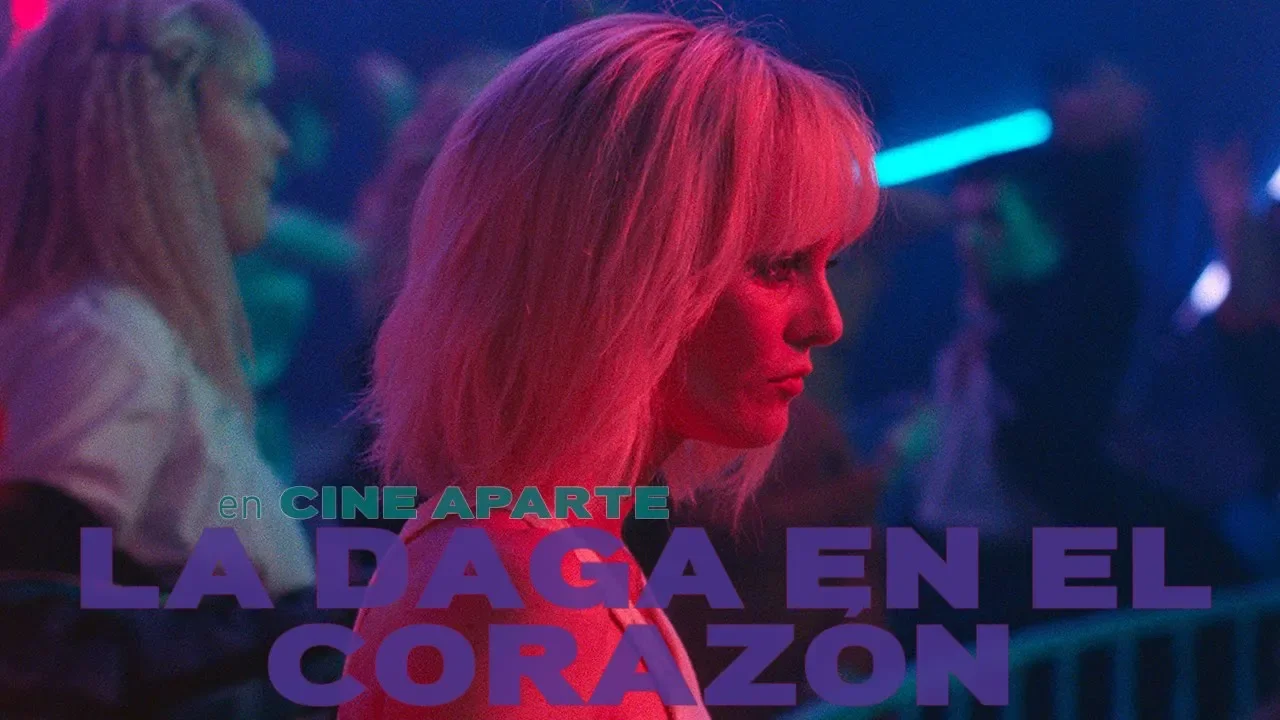
Camp is an aesthetic and sensibility characterized by deliberate exaggeration, artificiality, and excess that embraces what is considered 'bad taste' with conscious irony, as defined by Susan Sontag in her 1964 essay 'Notes on Camp.' The film 'The Dagger in the Heart' by Yann Gonzalez exemplifies camp aesthetics through its blend of horror, romantic drama, and gay porn elements, featuring a protagonist who creates satirical films within the narrative, demonstrating how camp operates both formally and psychologically in cinema.
Click to watch →

Nurse 3D (2013)
6.9K
Camp is defined as a sensibility rather than a simple aesthetic category, characterized by love of artifice and exaggeration. It involves an aesthetic style that finds appeal in bad taste and ironic value. Camp aesthetics disrupt modernist notions of high art by inventing beauty value through invitation of different apprehension and consumption. Key elements include artifice, privity, naive middle-class pretentiousness, and shocking excess. Camp can be either naive (where seriousness fails unintentionally) or conscious (where filmmakers intentionally embrace silliness). The concept challenges traditional distinctions between high and low art, suggesting that deliberate badness or excessive theatricality can become its own form of artistic achievement.
Click to watch →
Deep Dive
Tracing Sirk's direct influence on later auteur filmmakers, such as Rainer Werner Fassbinder ('Ali: Fear Eats the Soul') and Todd Haynes ('Far from Heaven').
Ali: Fear Eats the Soul (R. W. Fassbinder, 1974) Introduction by Todd Haynes
284
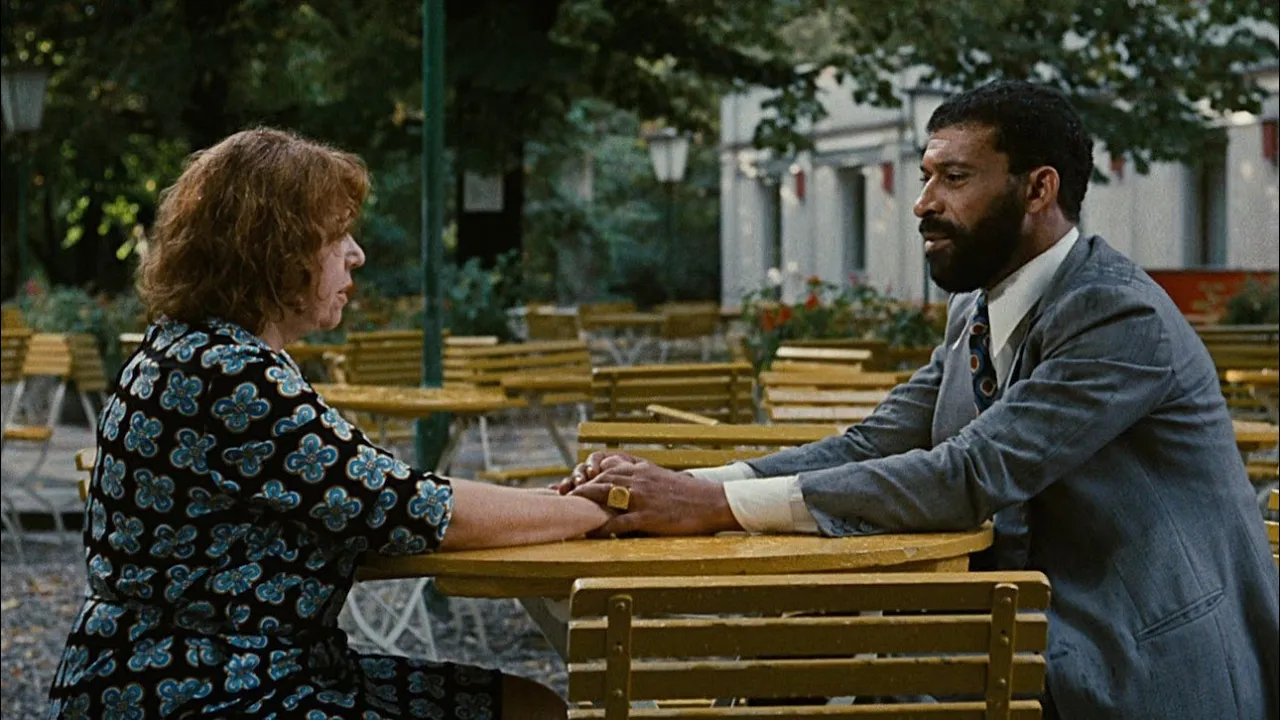
Rainer Werner Fassbinder's early career (1969-1971) emerged from radical German theater experiments during the counterculture's political peak, placing him among peers like Godard in directly political cinema. His initial decade reflected rigorous critique of dominant culture and generated extreme pessimism about human possibilities. However, encountering Douglas Sirk's films in 1971 transformed his approach entirely. Fassbinder was completely taken off guard by Sirk's direct tenderness, demonstrating that simple narrative language could show suffering while maintaining emotional depth. This experience clarified his project and challenged his contempt for Hollywood forms. Sirk's portrayal of women as thinking, active agents rather than reactive figures profoundly influenced Fassbinder, who subsequently developed some of cinema's most memorable female performances. This evolution illustrates how formal innovations in one cinematic tradition can be transplanted to serve different political purposes in another.
Click to watch →
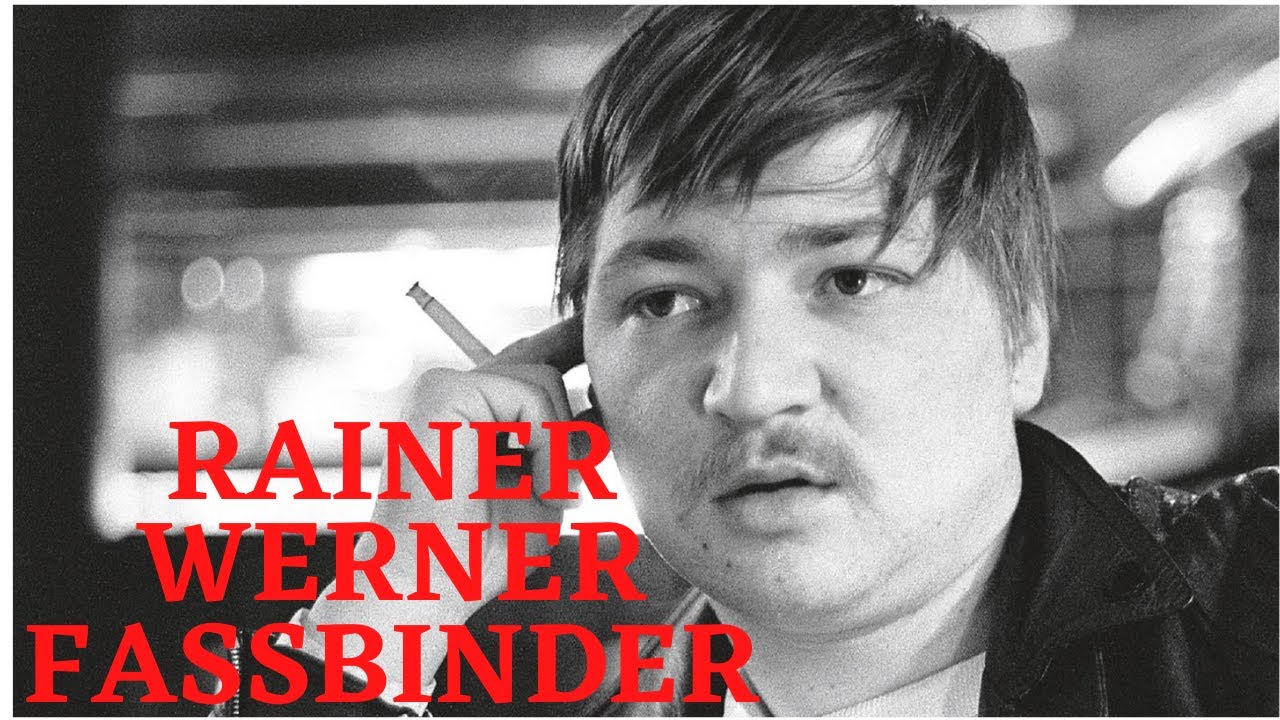
A Brief Introduction to Director Rainer Fassbinder
42.2K
Rainer Werner Fassbinder (1945-1982) was a highly influential German director who pioneered New German Cinema alongside contemporaries like Werner Herzog and Wim Wenders; known for his prolific output of up to 4-5 films per year, his work evolved from Brechtian alienation techniques in early films like Katzelmacher to accessible melodramas influenced by Douglas Sirk, addressing taboo topics such as homosexuality, alienation, and societal oppression, with landmark films including Ali: Fear Eats the Soul (1974), The Merchant of Four Seasons (1972), and the BRD trilogy examining post-WWII German society.
Click to watch →

R.W. Fassbinder par Jean Douchet - 'Le Mariage de Maria Braun'
5.3K
Fassbinder was profoundly influenced by Douglas Sirk, a Danish-born filmmaker who worked in Germany during the Nazi era before emigrating to Hollywood. Sirk is considered the greatest melodramatist in cinema history, known for films like 'Mirage de la vie' (The Taming of the Shrew). Fassbinder claimed Sirk's melodramatic techniques for his own purposes, using the melodramatic tradition not to simply play the genre but to use it as a vehicle for social commentary. The lecturer explains that Fassbinder uses melodramatic conventions to explore how individuals suffer under societal laws and how they attempt to represent themselves within societal evolution. The central character in Fassbinder's films is society itself, with individuals serving as representations of broader social forces.
Click to watch →
Douglas Sirk and the Woman's Picture
801
Douglas Sirk was Danish but worked in Germany during the high points of German expressionism in the 1920s and 1930s, involved in left-wing issues and theater. Famous for his mirror shots, he left Nazi Germany in 1937 and arrived in the US. His first film was in 1943, and he worked at Universal Studios from 1950, making comedies, Westerns, and war films before becoming noted for complicated melodramas showing the dark side of upper-middle-class life. Imitation of Life seems conformist on the surface, focusing on two women: Laura (ambitious) and Annie (living in two worlds as an African-American maid and community leader). The film recommends happiness through conforming to domestic roles as wife and mother. However, these films have been reinterpreted since the 1960s and 1970s by feminists, the New German Cinema, and Cahiers du Cinéma as subversive rather than conservative. An element of disavowal is the use of television and mirrors as ways of looking into lives. Rainer Werner Fassbinder, a key director in the New German Cinema, was heavily influenced by Sirk and used his style to critique Germany and the West.
Click to watch →
Ep. 03 - Imitación a la vida
126
Douglas Sirk was German of Danish descent, with a father who was a journalist and someone of middle-class intellectual background. He studied art and philosophy in Germany, where one of his professors was Panovski, a famous art historian known for his work on iconography. This background influenced his highly symbolic and exaggerated visual style. He considered melodramas to be cheap soap opera stories from newsstands that he didn't particularly care about, but attempted to give them a more metaphysical component through his visual grammar, drawing inspiration from classical Greek tragedy. His influence extends to directors like Hitchcock, Tarantino, de Palma, Fassbinder, and Winding Refn, demonstrating how the genre's visual and thematic elements can be subverted and expanded.
Click to watch →
Deep Dive
Investigating Feminist Film Theory of the 1970s and 1980s, which historically rehabilitated the melodrama genre from 'frivolous entertainment' to vital social critique.

Orhan Pamuk: Masumiyet Müzesi’ni izleyenler bana da kızıyor, ben Kemal değilim!
6.3K
Pamuk traces the tradition of melodrama from 18th-century theatrical works through Balzac and Henry James to his own novel, arguing that successful melodrama combines tear-jerking emotional moments with social critique. He explains that virginity was far more important in Turkey in the 1970s and 1980s than today, remaining both taboo and significant in contemporary society. Pamuk analyzes why love stories are compelling: what makes love 'love' is the inability of parties to be together, and audiences love seeing obstacles between lovers. He deliberately avoided happy endings because he wanted to explore struggle and conflict. The series reveals Füsun's true nature more clearly than the novel - her defiance, attempts to force her own life, and efforts to make her own life work for herself. This section demonstrates how cultural taboos shape narrative structures and why audiences gravitate toward stories of impossible love.
Click to watch →
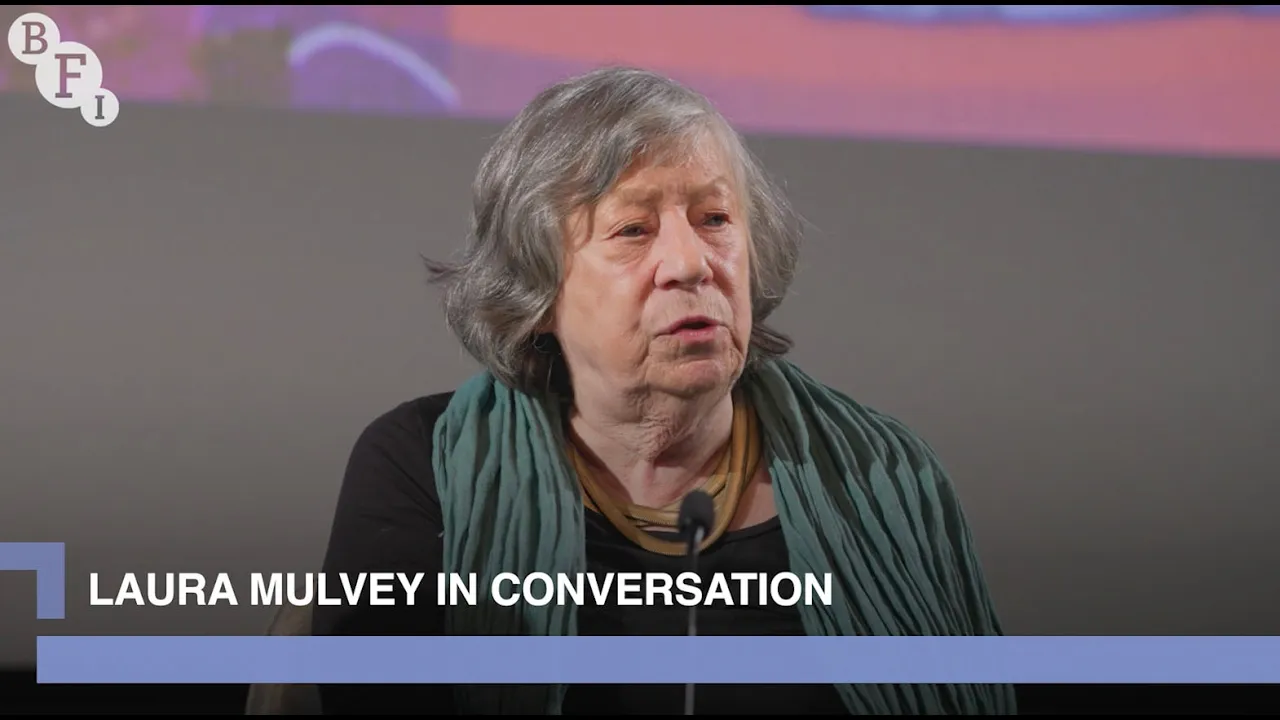
Laura Mulvey on the cinema experiences that changed how she understood film | BFI in Conversation
1.1K
Women's film festivals emerged in the early 1970s as a cultural response to the women's liberation movement, aiming to excavate and rediscover lost works by women filmmakers. The Edinburgh Film Festival's women and film event was the first of its kind, operating on intuition and reputation rather than advance viewing. This period represented the cultural extension of political work, with ideas traveling and people facilitating their movement. The Mulveys created theory films like Riddles of the Sphinx and Amy, inspired by historical figures like Amy Johnson. The essay 'Visual Pleasure and Narrative Cinema' analyzed how Hollywood cinema represents women as spectacle and commodity, using the third person singular masculine pronoun 'he' throughout to shock readers into thinking about universalizing assumptions. It used Freudian analysis to examine the patriarchal unconscious, its anxieties, vulnerabilities, and fetishisms. Textual analysis of film involves watching films on editing tables, which represents both violence and liberation. The turn toward melodrama in the 1980s reflects political upheavals, where events outside the domestic sphere were processed through domestic narratives. The 1980s was a moment of historical crisis when monuments were being taken down in the Soviet Union, raising questions about how societies represent their history during upheaval.
Click to watch →

b75 first open class broken blossoms
207
In 1919, 'melodrama' referred broadly to drama plus live organ music. By the 1940s, it became 'women's weepies.' Douglas Sirk in the 1950s built critiques of studio demands into melodramas capable of social commentary, though unnoticed until the 1980s. Melodrama anticipated film noir techniques (characters shrinking down streets indicating doom). The genre evolved while maintaining core concerns about authentic connection versus transactional exchange, showing how genres recalibrate across eras to address changing cultural dissonance.
Click to watch →
Douglas Sirk and the Woman's Picture
801
Melodrama is a genre characterized by exaggerated emotions, stereotypical characters, sensational plots, and interpersonal conflicts, standing in opposition to realism. In 1950s Hollywood, about one-third of films targeted female audiences with big stars like Joan Crawford and Bette Davis, but were derogatorily called melodramas or weeps. Feminist scholars rescued these 'woman's pictures' from obscurity, revealing narratives about domestic stories, romantic and family problems, and women's difficult choices between career, love, family, and personal happiness. Social melodrama synthesizes social criticism with melodrama, providing pleasure in seeing the fates of people and institutions while enjoying the triumph of virtue. Historically, melodramas have been the only genre where women are central. Laura Mulvey's theory identified three looks: the male look (controlling narrative), the female look (passive object), and the spectator's look. The male gaze is associated with fantasy and mastery of control, while fetishism involves objectifying women. Janine Basinger noted that in woman's pictures, women are central but often reaffirm that a woman's true job is to be just a woman.
Click to watch →

Designing for Difference by Tara McPherson
308
Feminist film studies emerged from an entanglement with critical making in the 1970s and 1980s. Feminist filmmakers understood theory and practice to be constitutive of one another, recognizing that technology systems were never neutral. They investigated how communication technologies reinforced social inequalities at levels of representation, design, implementation, grammars, and structure. They created alternative networks for media circulation and integrated making and critique through pedagogical experiments. This historical context provides models for politically engaged humanities-based engagement with digital technologies today. However, as the field became institutionalized, the conjuncture of theory and practice that was crucial to its establishment became difficult to maintain. Digital media studies and digital humanities now offer possibilities for renewing dialectical interdisciplinary inquiry valued by feminist filmmakers of that era.
Click to watch →
Cirk's Style
Legacy & Tone
Cirk's Style
0:00- 1
Explores Douglas Sirk's ironic melodramas with vibrant, artificial sets.
- 2
Uses exaggerated plots and archetypes to comment on Hollywood phoniness.
- 3
Highlights his use of color and lighting to express emotional states.
Sincerity, Sentimentality, and the Myth of Retroactive Subversion
While modern film studies celebrate Douglas Sirk as a subversive, ironic critic of 1950s American consumerism, a significant counterpoint argues that this 'ironic reading' is an over-intellectualized retrospective projection. Critics and historians, such as Tag Gallagher, argue that the subversive interpretation—largely popularized by 1970s academic film theorists—ignores the genuine emotional sincerity and earnest sentimentality of Sirk’s work. From this perspective, Sirk’s films were not detached, mocking critiques, but masterfully crafted 'women's weepies' designed to evoke deep empathy and conform to Hollywood studio expectations. This counter-perspective suggests that reading Sirk solely through a lens of intellectual irony robs his melodramas of their primary power: their authentic emotional resonance and sincere engagement with the struggles of his contemporary audience, rather than a detached political critique.
Understanding the narrative and stylistic conventions of the classical Hollywood melodrama, historically categorized as 'women's pictures' or 'soap operas.'
Familiarity with 1950s American cultural history, specifically regarding post-war consumerism, suburbanization, conformity, and strict gender roles.
Basic knowledge of film analysis and 'mise-en-scène'—specifically how color, lighting, reflections (mirrors), and set design can convey deeper symbolic meaning.
An introduction to Auteur Theory, which posits that a director can inject their personal artistic vision and critique into standard studio-system genre films.
Conducting close visual analyses of Douglas Sirk’s masterpiece films, such as 'All That Heaven Allows' (1955) and 'Imitation of Life' (1959).
Exploring the concept of 'Camp' and irony in film theory, examining how exaggeration and artificiality are used to critique dominant cultural ideologies.
Tracing Sirk's direct influence on later auteur filmmakers, such as Rainer Werner Fassbinder ('Ali: Fear Eats the Soul') and Todd Haynes ('Far from Heaven').
Investigating Feminist Film Theory of the 1970s and 1980s, which historically rehabilitated the melodrama genre from 'frivolous entertainment' to vital social critique.
11.1K views259likes3:01@againsttypefilmsOriginal Release: 2022-02-09
[Music] this is douglas circ explained in three minutes douglas circ was a german filmmaker who was primarily known for the melodramas he created in the 1950s with these films he attempted to explore the bizarre lives of the characters within melodramas and embrace the phoniness of the classic hollywood film after studying art and philosophy cirque began his career as a stage director eventually becoming a household name in the german theater scene cerca preferred directing classic plays but financial struggles would force him to direct more popular genres like comedies and melodramas after the rise of the nazi party cirque left germany because of his wife's jewish heritage and his own political beliefs beginning a career in hollywood circle would continue to make melodramas but infuse them with an extra layer of style and irony circus of color was reminiscent of a musical combining vibrant costumes and stark lighting to visually display the emotions of the scene most of the films at the time were shot on sets but attempted to disguise it in some way circ instead embraced the fakeness by building sets that were beautiful and obviously fake the world that cerk created in his films was intentionally idyllic like the back of a postcard the actors embody the archetypes you'd expect of these characters with an occasional wink and a knot as they encounter the bizarrely contrived situations that only a melodrama would have in the film magnificent obsession rock hudson's character accidentally kills a doctor falls in love with that man's wife accidentally blinds her and becomes a brain surgeon who operates on her and cures her blindness the actors he chose were known stars of sincere melodramas his most frequent being rock hudson so most audiences had a hard time recognizing the irony as did critics at the time who called his movies women's pictures his unique approach to this genre has made it hard to directly pin down what tone his movies were some will point out the surreal and satiric elements of his movies argue a more cynical approach while others latch on to their whimsical style bizarre plots and characters and believe that these are used to tell a narrative that playfully remarks on the beautiful but strange lives of people within these movies douglas said he hated telling his viewers what to do and what to think choosing to instead tell stories that were as beautiful as they were artificial daring his viewers to notice the cracks and why they were there if you're interested in watching some of his work i'd recommend starting with written on the win a magnificent obsession after having a taste of his style i'd suggest checking out his most critically acclaimed and arguably best film all that heaven allows thank you so much for watching [Music]
Up Next
2:31
In the Mood for Love at 25: Wong Kar-Wai's Cinematic Improvisation
@KPBS
978 views•2025-08-26

23:14
Visual Analysis Essay: How to Analyze Graphic Novels in College Writing
@nataliepleimann5941
1K views•2020-10-14

4:55
Film Blocking Techniques for Directors: Space, Shapes, Lines
@StudioBinder
1.9M views•2018-07-23

4:00
Evolution of Darth Vader: Anakin Skywalker's Animated Journey Across Star Wars Films
@TellItAnimated
13.4M views•2019-03-30
Related Study Plans & Knowledge Roadmaps
Structured learning paths in Film Analysis
film-analysis
Sensory Cinema: Foley, Haptic Sound & Texture
01Introduction to Film Sound and Foley Artistry
02Micro-Sounds, Textures, and Extreme Amplification
03Haptic Audition and Film Phenomenology
+ 1 more learning modules
12h4 modules
Explore Roadmap
film-analysis
Breaking the Fourth Wall: Mockumentary & Satire
01The Invisible Wall: Basics of Cinematic Illusion
02Looking at the Lens: Direct Address & Character Glances
03The Mockumentary: Satire, Realism, and Complicity
+ 2 more learning modules
12h5 modules
Explore Roadmap
film-analysis
Analyzing the Long Take: Cinema, Space & Ethics
01Foundations of Film Grammar: Montage vs. The Long Take
02Choreography and Mechanics of the Simulated One-Shot
03Phenomenology of Film: Real-Time Spatial Continuity
+ 1 more learning modules
14h4 modules
Explore Roadmap
film-analysis
Anachronistic Music: Period Drama & Subversion
01Foundations of Film Sound and the 'Needle Drop'
02Traditional Authenticity vs. Revisionist History
03The Rise of the Anachronistic Soundtrack
+ 2 more learning modules
12h5 modules
Explore Roadmap