












In the 2017 film Lady Bird, director Greta Gerwig and cinematographer Sam Levy employed a combination of naturalistic lighting, warm color grading for Sacramento scenes, and cool tones for New York City to create a memory-like aesthetic; they used practical lights as both illumination and atmospheric elements, employed static camera shots with proscenium framing techniques, and utilized the Alexa Mini with Panavision lenses shot at 2K resolution with amplified digital noise to replicate the organic texture of early 2000s Xerox photocopies, demonstrating how technical choices in cinematography can translate abstract visual concepts into tangible cinematic experiences.
Lady Bird Cinematography Analysis: Greta Gerwig's Visual Style
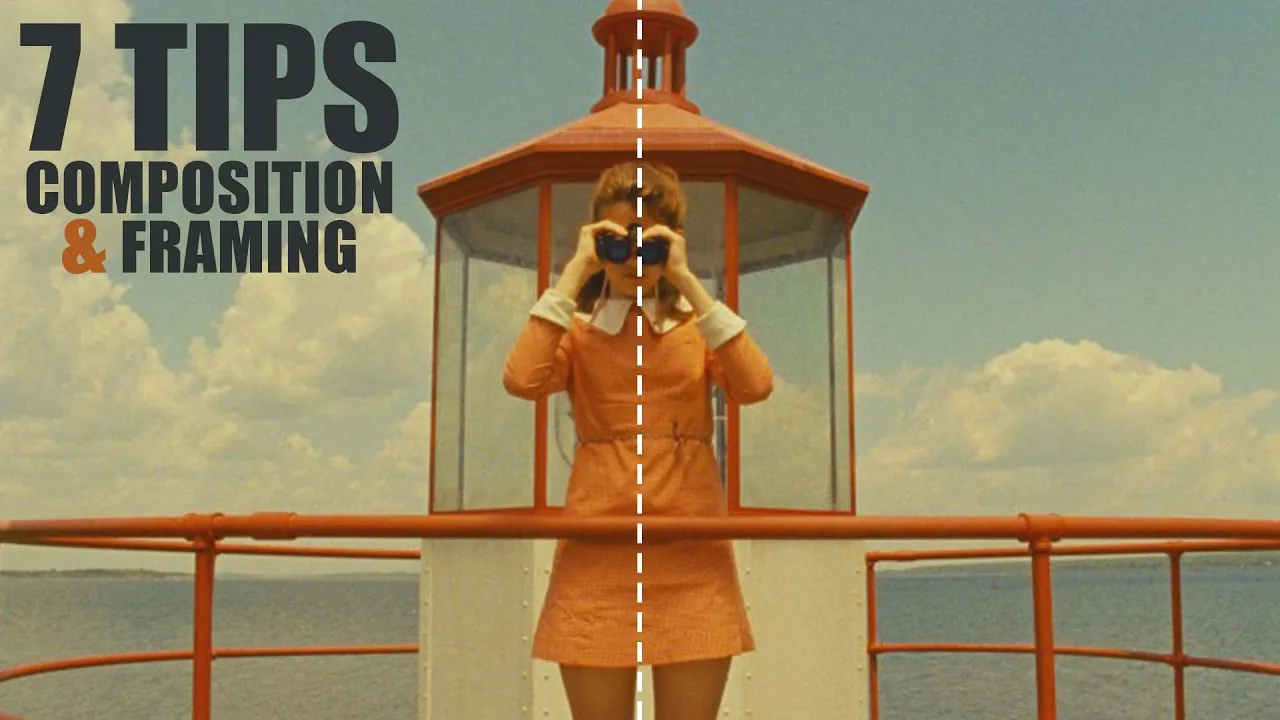
Added:Fundamental cinematography terminology, including camera angles, shot composition (e.g., rule of thirds, head room), and basic camera movements.
The basics of film lighting theory, specifically the difference between high-key and low-key lighting, and how color temperature (warm vs. cool tones) influences spectator emotion.
An understanding of mise-en-scène and visual storytelling—how elements within the frame (props, costumes, set design) work in tandem with the camera to convey narrative meaning.
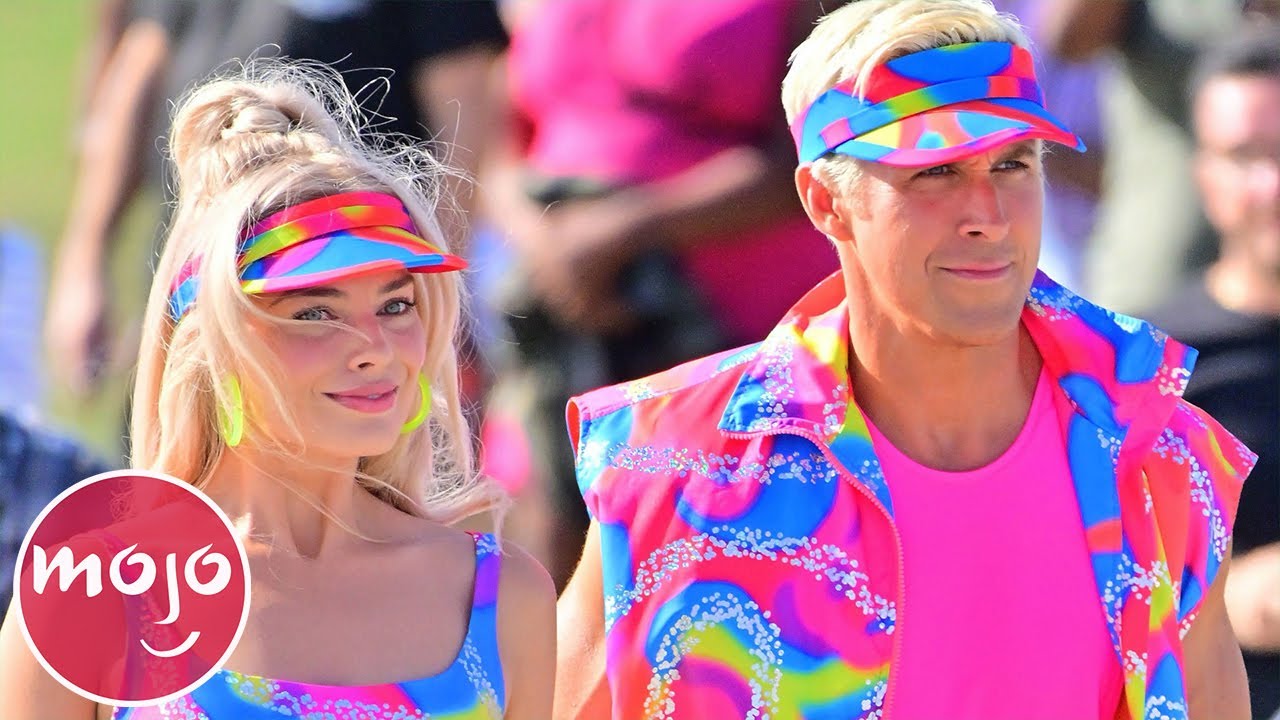
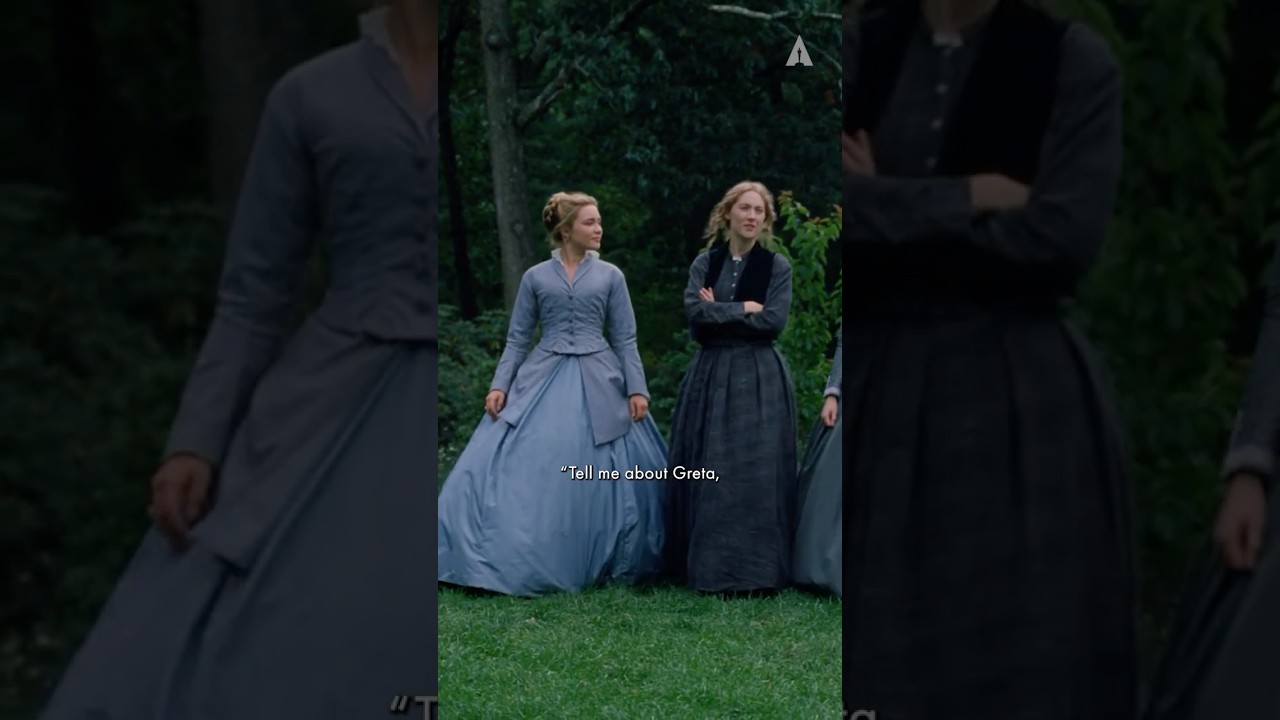
A comparative analysis of Greta Gerwig’s collaborative visual style across her broader filmography, such as her work on 'Little Women' (2019) and 'Barbie' (2023).
The study of digital color grading and look-up tables (LUTs), specifically analyzing how digital cameras (like the Arri Alexa used in 'Lady Bird') are manipulated in post-production to emulate classic film stocks.
An exploration of the 'mumblecore' and American independent film aesthetic, examining how budget constraints and character-driven narratives shape camera choices.
Practical application projects, such as storyboarding and shooting a short scene that utilizes specific camera lenses and lighting setups to visually represent a character's internal psychological conflict.
4.4K views139likes6:02Original Release: 2021-01-19
whilst only directing two feature films greta gerwig has already shown us her distinct style and what makes it so unique in today's video i'll be breaking down the cinematography of her first film lady bird and in a later video i'll break down how she shoots a scene i plan to make these short videos surrounding a single film once a week alongside the howard director shoots a scene series today i'll talk about everything from the preparation to the lighting and what equipment her and sam levy used to create the look for the film [Music] in an interview about lady bird gerwig stated that she wanted the film to look like a memory but not overly so cinematographer sam levy who had worked with gerwig as an actress on previous projects such as francis harr and mistress america said that he wanted to turn her somewhat abstract visual concept into a reality and worked heavily with their colorist alex pickle to make it possible they spent nearly a year preparing for the film even though the official prep time is only six weeks which is standard for a cinematographer they spent the year breaking down the script watching films and looking at different photography and paintings which allowed them to develop a shared language for example this photo from 2003 shot by french photographer lisa sofiti which they described as plain and luscious sam levy spent a lot of time researching light from the film and took hundreds of photos to make diagrams of the sun's path so that he could plan for the best time of day to shoot the scene as well as using greta and jonas smash corotally the first ad is stand-ins to create a shot list they opted to shoot the film on location in sacramento and throughout california as well as the end of the film being shot in new york city the majority of the movie was shot in a very controlled way either on dollies or sticks with only one handheld shot in the film this allowed them to give more meaning to handheld for the scene set inside the house the lighting is naturalistic but in the grade they push a very warm hue which allows us to separate ladybird's life in sacramento from new york city where we are greeted with a much cooler grade they used many practicals and whilst this also creates them than an image it can also act as a kicker light whilst at the same time still giving us a warm glow to the rest of the frame the prom scene was another set in which they used many practicals and achieved a dream-like effect even though it's a short scene we get the feel of it immediately as a stereotypical early 2000s prom the camera stays static throughout the scene but at the same time close on lady bird and julie they use red to light the scene which represents excitement and energy that illustrates what the characters are feeling in the moment one of the scenes that stands out to me is where she visits the church in new york after leaving the hospital the warmer grade which counters what we see in the rest of the scene set in new york are very reminiscent of her old school's church which immediately tells us that she's back in a place where she feels comfortable and safe in effect it creates a memory the shots in ladybird's bedroom are also stereotypical in the way that they have fairy lights and have decorated the walls with pictures of friends and artwork that she has made like the rest of the film it is in a very natural setting the practicals create a nice hue and again act as a kicker to sercia in the opening scene we see both ladybird and her mum in the hotel room we also never see them this close in the film again this is also the point where they are most intimate with each other there is a soft light coming through the window which creates a subtle silhouette on the two it is described by sam levy as a relationship between mary and jesus as this is the style of lights used in a lot of religious paintings they also use the technique known as frames in the frame by framing them both in the window the reasoning behind this being the fact that they wanted to create as many proscenium frames as they could throughout the film this shot in the coffee shop where we see ladybird and julie watching kyle perform with his band creates a very dark and somewhat murky feeling the majority of the scene is kept stark but they still reinforce the natural light to make it more noticeable we have a clean frame on both circa and beanie but when we get our first close-up of timothy we see him through the eyes of lady bird as he is framed within a frame which as i mentioned gerwig and levy wanted to create as many proscenium frames as possible we then switched to center framing and a slow dolly in center framing is often used to create tension between characters and using a zoom or dolly in only amplifies the feeling again the colors are warm and create a cozy and safe atmosphere [Music] they used the alexa mini and paired it with old panavision ultra speed mark ii's known for their artistic lens flare and subtle star pattern bokeh as well as using panavision's p vintage lenses which have been redesigned and restored to modern housing known best for their smooth organic image making digital not look like digital was one of the main issues that they had whilst grading and the colorist alex pickle did an incredible job replicating film stock part of that was shooting in 2k on the alexa mini as opposed to 3.6 k as that would have been too vivid and sharp for the project the grain that ends up in the film is actually just digital noise from the alexa which they amplified in post and used a lot in the mid tones they used the look of xerox printers for the final grade as it created the organic texture that they hoped to achieve they did this because in the early 2000s which is when the film is set teenagers at the time would make photocopies to put in their rooms and greta wanted to capture that feeling on screen [Music] i hope you enjoyed this cinematography breakdown of ladybird if you have a film that you would like me to break down please leave a comment down below thank you for watching and i'll see you next [Music] time [Music] you
Up Next

14:12
Call Me By Your Name Ending Explained: Film Analysis
@thetake
1.9M views•2018-03-15

23:14
Visual Analysis Essay: How to Analyze Graphic Novels in College Writing
@nataliepleimann5941
1K views•2020-10-14

7:14
Waves Cinematography: Style and Aspect Ratios Explained
@AngusDaviesDP
21.3K views•2021-04-10

4:00
Evolution of Darth Vader: Anakin Skywalker's Animated Journey Across Star Wars Films
@TellItAnimated
13.4M views•2019-03-30
Related Study Plans & Knowledge Roadmaps
Structured learning paths in Film Analysis
film-analysis
Sensory Cinema: Foley, Haptic Sound & Texture
01Introduction to Film Sound and Foley Artistry
02Micro-Sounds, Textures, and Extreme Amplification
03Haptic Audition and Film Phenomenology
+ 1 more learning modules
12h4 modules
Explore Roadmap
film-analysis
Breaking the Fourth Wall: Mockumentary & Satire
01The Invisible Wall: Basics of Cinematic Illusion
02Looking at the Lens: Direct Address & Character Glances
03The Mockumentary: Satire, Realism, and Complicity
+ 2 more learning modules
12h5 modules
Explore Roadmap
film-analysis
Analyzing the Long Take: Cinema, Space & Ethics
01Foundations of Film Grammar: Montage vs. The Long Take
02Choreography and Mechanics of the Simulated One-Shot
03Phenomenology of Film: Real-Time Spatial Continuity
+ 1 more learning modules
14h4 modules
Explore Roadmap
film-analysis
Anachronistic Music: Period Drama & Subversion
01Foundations of Film Sound and the 'Needle Drop'
02Traditional Authenticity vs. Revisionist History
03The Rise of the Anachronistic Soundtrack
+ 2 more learning modules
12h5 modules
Explore Roadmap