
















In Trey Edward Shults' film 'Waves,' cinematographer Drew Daniels employs dynamic camera movements (including 360-degree spins), strategic aspect ratio changes (ranging from 1.33 to 3.0), and bold color palettes to visually represent characters' psychological states and emotional journeys, demonstrating how technical cinematographic choices can serve as narrative tools that extend beyond traditional visual storytelling.
Waves Cinematography: Style and Aspect Ratios Explained
Added:Understanding the basics of aspect ratios in film history, such as standard widescreen (2.39:1), academy ratio (1.37:1), and high-definition (16:9).
Fundamentals of camera movement (e.g., panning, tracking shots, handheld) and how they influence audience emotion and perspective.
The core principles of color theory in cinema, including color grading, saturation, and the psychological impact of specific color palettes.
An introduction to film grammar and visual storytelling—specifically, how form (visual style) reflects and enhances narrative theme.
Analyzing other contemporary films that utilize dynamic aspect ratio shifts (e.g., 'Mommy', 'The Grand Budapest Hotel') to compare narrative motivations.
In-depth study of the collaborative relationship between director Trey Edward Shults and cinematographer Drew Daniels across their filmography.
Applying dynamic visual storytelling techniques, such as shifting color palettes and aspect ratios, to student film projects or screenplays.
Exploring advanced color-grading software (like DaVinci Resolve) to understand the technical execution of the complex color shifts seen in 'Waves'.
21.3K views1Klikes7:14Original Release: 2021-04-10
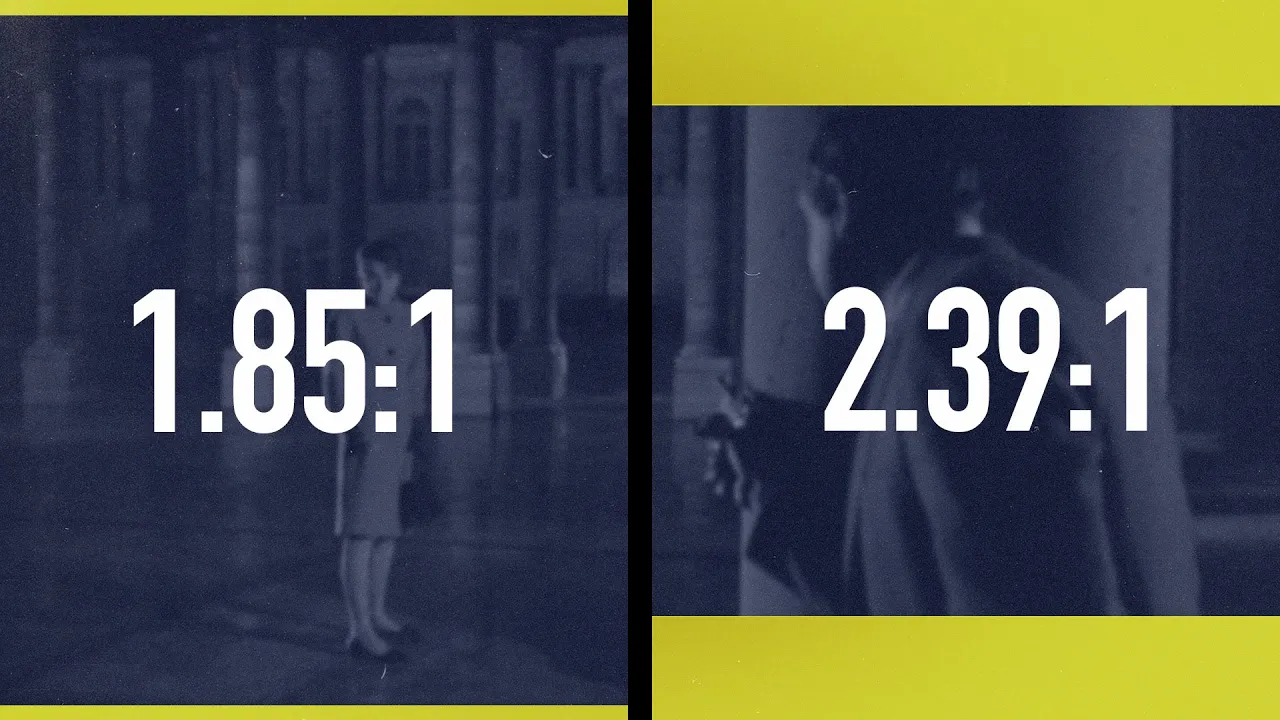
[Music] waves was one of the most visually striking and emotionally devastating films of 2019 directed by trey edward schultz and shot by drew daniels it shows the story of a family from south florida and the downfall of their sun and the repercussions that it has on the family in today's video i'll be going over the cinematography of waves by breaking down the film talking about their use of movement and color as well as why the aspect ratio changes so much i'll also be going over what equipment that they use to achieve the compelling look if you're watching this then you have hopefully seen waves and know about the 180 that it takes halfway through i'm going to quickly go over acts 1 2 and 3 and break down the highlights of each before i analyze the cinematography but if you have seen it recently then go to this point waves shows the life of a family going through a tragedy we see the perspective of two characters throughout both tyler williams and his younger sister emily tyler is shown to be pushed in order to further his career by his father but takes a toll on him he turns to drugs and alcohol after finding out that his girlfriend alexis is pregnant and that she decides to keep the baby they end up breaking up and tyler's mental health starts to deteriorate after seeing her with other people the film has a sort of midpoint climax where tyler drives to a house party to confront alexis he drinks heavily at the party and follows her into the garage where an argument quickly turns physical he hits her causing her to fall to the floor and hit her head we then find tyler running away and driving home before being arrested which is when we find out that alexis has died from her injuries he is sentenced to life of the eligibility of parole in 30 years this is when the film takes a turn and we follow his sister emily for the next hour whilst this half of the film is often seen as boring or tedious in reality it is showing you the effects that your actions have on others around you we find emily going through school and struggling with the fact that she could have stopped her brother and is now feeling guilty she meets luke one of tyler's old teammates and he is able to get emily to open up and talk to him she pushes for luke to make amends with his estranged dying father which he does and she consoles him after he dies the film ends with the same shot that we see in the beginning emily riding her bike down an empty street with her arms in the air she's finally free from the guilt that she felt from her brother a mentor once said to me only do a film of somebody you'd want to go on a road trip with and trey is absolutely one of those people drew daniels has shot every one of trey edward schultz's feature films and over the years they have gotten to know how each other work the cinematography of waves is both extravagant but still right for the story their wide use of aspect ratios throughout how they use movements are all aspects as to why this film has some of the most compelling cinematography in recent years daniel's use of movement throughout waves is unique we range from frantic movements to slow and just to zoom in moving the camera is extremely important to treyarch schultz though in an interview about the cinematography he said to me it's trying to let the camera be an extension of the character's headspace where they're at internally emotionally the most memorable scenes throughout are probably those where we have thrown 360 degrees several times it allows him to take the audience into the character's world when talking about why the circular camera movements are important to him schultz said when i was a teen my room was my personal place and then it was my car being in the car with somebody i love was ultimate freedom but also that age is chaos so spinning between their bodies felt like tyler and alexis's relationship that camera movement felt like an image of young love it's beautiful and free but also dangerous and scary that motif comes back later between emily and luke when they're in a similar state in their relationship in waves the aspect ratio is yet another extension of the character's state of mind and you can really see it during the pinnacle fight scene between tyler and alexis the frame shrinks making us feel more confined in the space and ultimately more entranced in the story in tyler's storyline we range from 185 240 266 which is the native aspect ratio for anamorphic on the alexa mini then 3.0 and eventually 1.33 emily's half starts in 1.33 moving to 2.66 and ending up at the beginning in 1.85 talking about the changes in aspect ratios schultz said at times i treat the ratio changes like chapter markers schultz wanted the color much like the camera movement to be another aspect of the cinematography that feels true to what the character is feeling and brings you into their world according to schultz though a specific color doesn't mean a certain emotion it was more about what these colors feel like when talking about their use of bold colors in the film short said when you're that age you're emotional and you feel everything the saturation feels spiritually honest to tyler and emily overall schultz and daniels used a range of techniques in order to achieve the unique look of waves from extravagant camera movements to their range of aspect ratios they have created an electric yet alarming world [Music] daniel's used the ariolxa mini paired with a multitude of lenses from panavision primos ultra speed mark 2s and slz 11s but there are so many lenses used that i can't go through all of them the alexa mini is a semi-budget cinema camera and was perfect for the film due to its small form factor and incredible sensor schultz and daniels decided to mix spherical and anamorphic which is unusual but not unheard of this was partly due to the extravagant change of aspect ratios but also because it allows the audience to get closer to the character's headspace they decided to use it with tyler anytime he was involved with a controlled substance and using it in the opposite way with emily when showing love there are several uses of extravagant flares throughout the film and this was down to the fact that schultz fell in love with panavision's ultra speeds and how they were able to create a circular flare ultimately everything from their wide use of aspect ratios to both colors and movements helped make the cinematography in this film unique but iconic schultz will use whatever lens or equip equipment that he has to in order to create a vision that he had in mind and he had a great team to help him i hope you enjoyed this video looking at drew daniels cinematography on waves and why trey edward schultz decided to do what he did if you have a cinematographer or film that you'd like to see me do a video on leave a comment down below if you found this video helpful a thumbs up is appreciated and if you'd like to see more videos like this then hit the subscribe button thank you for watching and i'll see you next time
Up Next
8:43
Zodiac Cinematography Analysis: Visual Storytelling in David Fincher's Film
@TylerMowery
139.7K views•2017-01-24

23:14
Visual Analysis Essay: How to Analyze Graphic Novels in College Writing
@nataliepleimann5941
1K views•2020-10-14

6:02
Lady Bird Cinematography Analysis: Greta Gerwig's Visual Style
@AngusDaviesDP
4.4K views•2021-01-19

4:00
Evolution of Darth Vader: Anakin Skywalker's Animated Journey Across Star Wars Films
@TellItAnimated
13.4M views•2019-03-30
Related Study Plans & Knowledge Roadmaps
Structured learning paths in Film Analysis
film-analysis
Sensory Cinema: Foley, Haptic Sound & Texture
01Introduction to Film Sound and Foley Artistry
02Micro-Sounds, Textures, and Extreme Amplification
03Haptic Audition and Film Phenomenology
+ 1 more learning modules
12h4 modules
Explore Roadmap
film-analysis
Breaking the Fourth Wall: Mockumentary & Satire
01The Invisible Wall: Basics of Cinematic Illusion
02Looking at the Lens: Direct Address & Character Glances
03The Mockumentary: Satire, Realism, and Complicity
+ 2 more learning modules
12h5 modules
Explore Roadmap
film-analysis
Analyzing the Long Take: Cinema, Space & Ethics
01Foundations of Film Grammar: Montage vs. The Long Take
02Choreography and Mechanics of the Simulated One-Shot
03Phenomenology of Film: Real-Time Spatial Continuity
+ 1 more learning modules
14h4 modules
Explore Roadmap
film-analysis
Anachronistic Music: Period Drama & Subversion
01Foundations of Film Sound and the 'Needle Drop'
02Traditional Authenticity vs. Revisionist History
03The Rise of the Anachronistic Soundtrack
+ 2 more learning modules
12h5 modules
Explore Roadmap