






![Projektor Ruś, czyli kino nie tylko domowe [TOWARY MODNE 39]](https://i.ytimg.com/vi_webp/qH4NpZZPWiw/maxresdefault.webp)
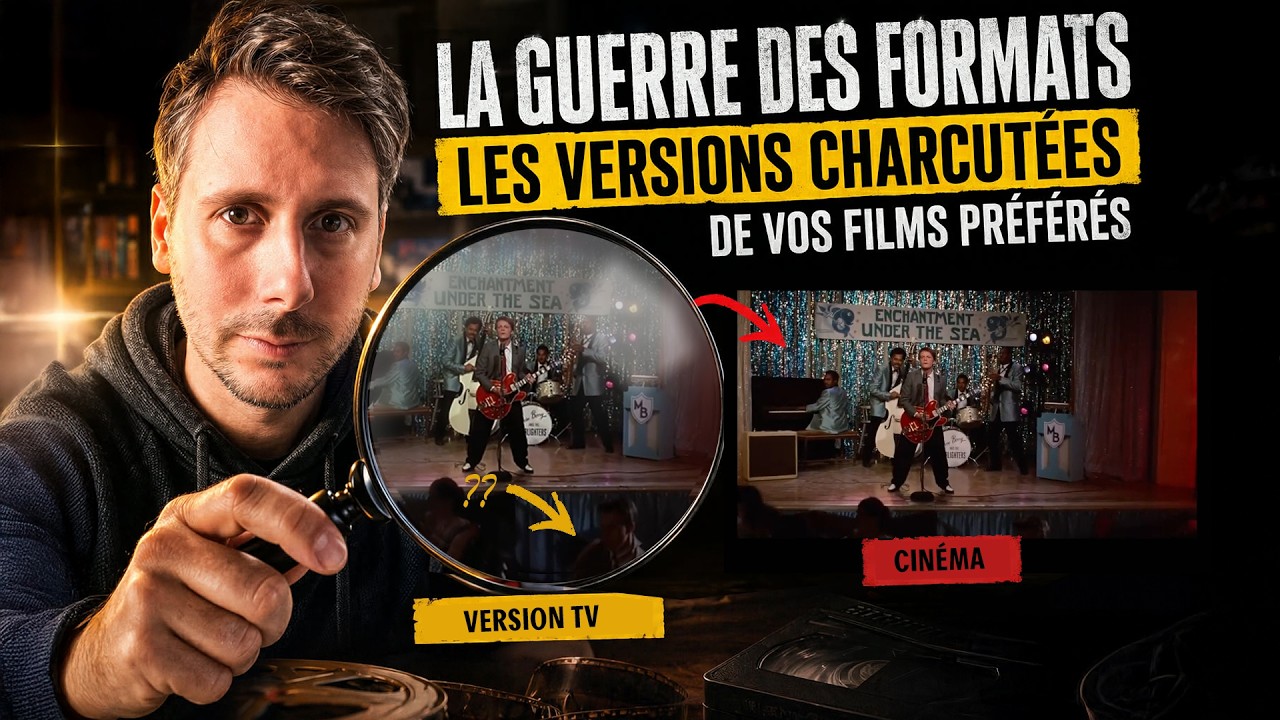














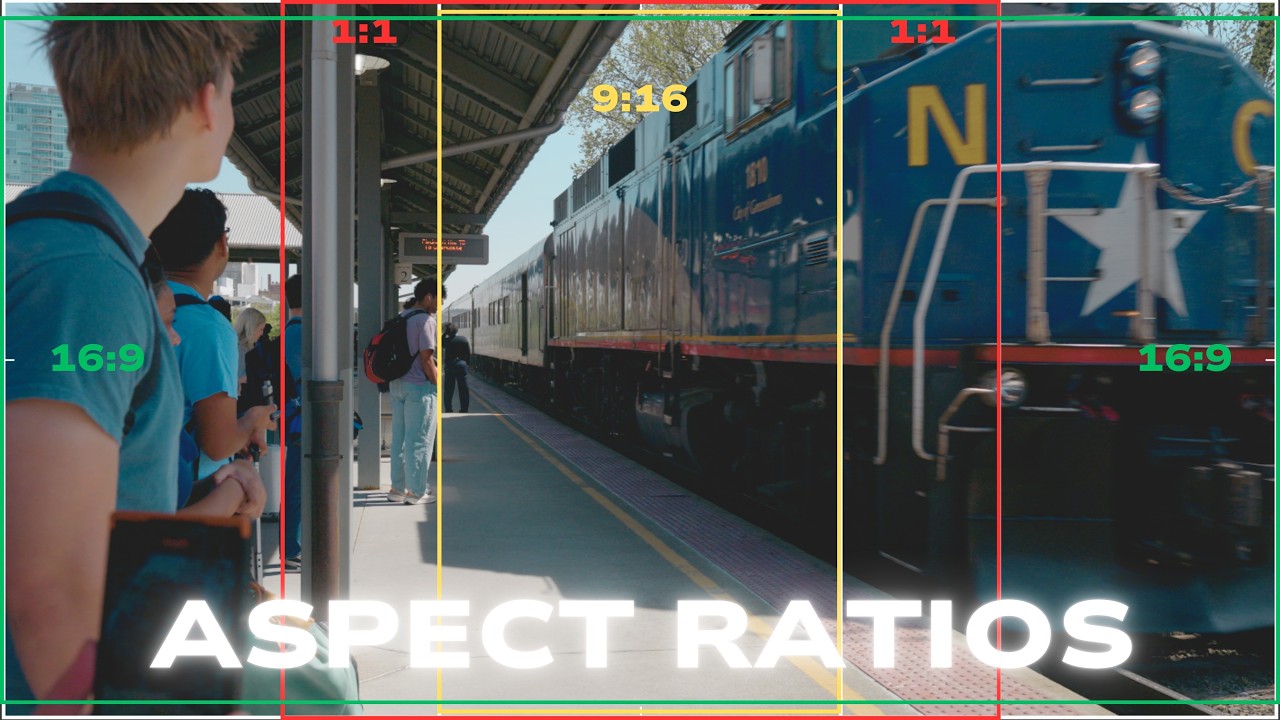
Aspect ratios in cinema are rectangular frame dimensions measured as width-to-height fractions (e.g., 2.40:1), determined historically by film perforation systems and later by creative choices; filmmakers select aspect ratios based on contextual factors such as historical period representation (narrower ratios like 1.33:1 evoke silent film eras), recording device simulation, timeline differentiation within a single film, or to exploit cinematic advantages like wider frames for layered compositions and expansive geography versus narrower frames for subjective character focus and psychological containment.
Aspect Ratios in Cinema: A Guide for Filmmakers
Added:Basic concepts of camera sensor dimensions, resolution, and physical frame measurements.
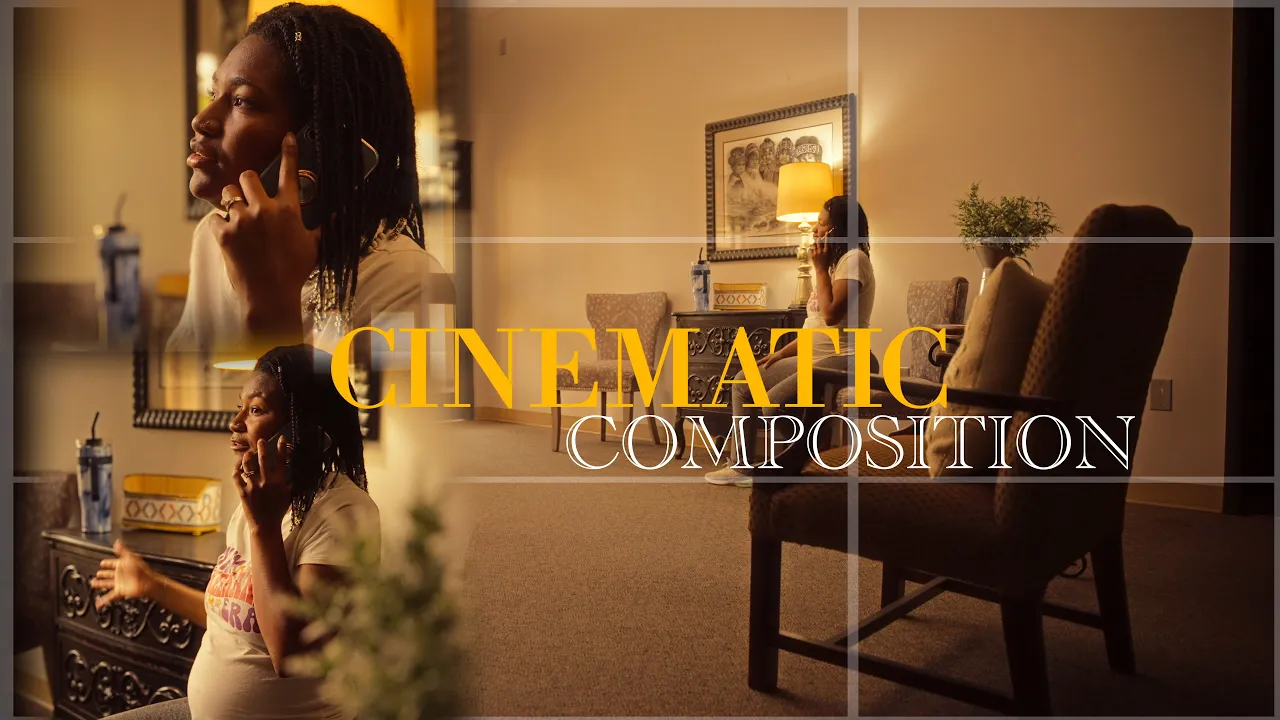
Fundamental principles of photographic composition, such as the rule of thirds, headroom, and visual balance within a frame.
The historical context of standard projection formats, particularly the transition from early silent film standards to television.
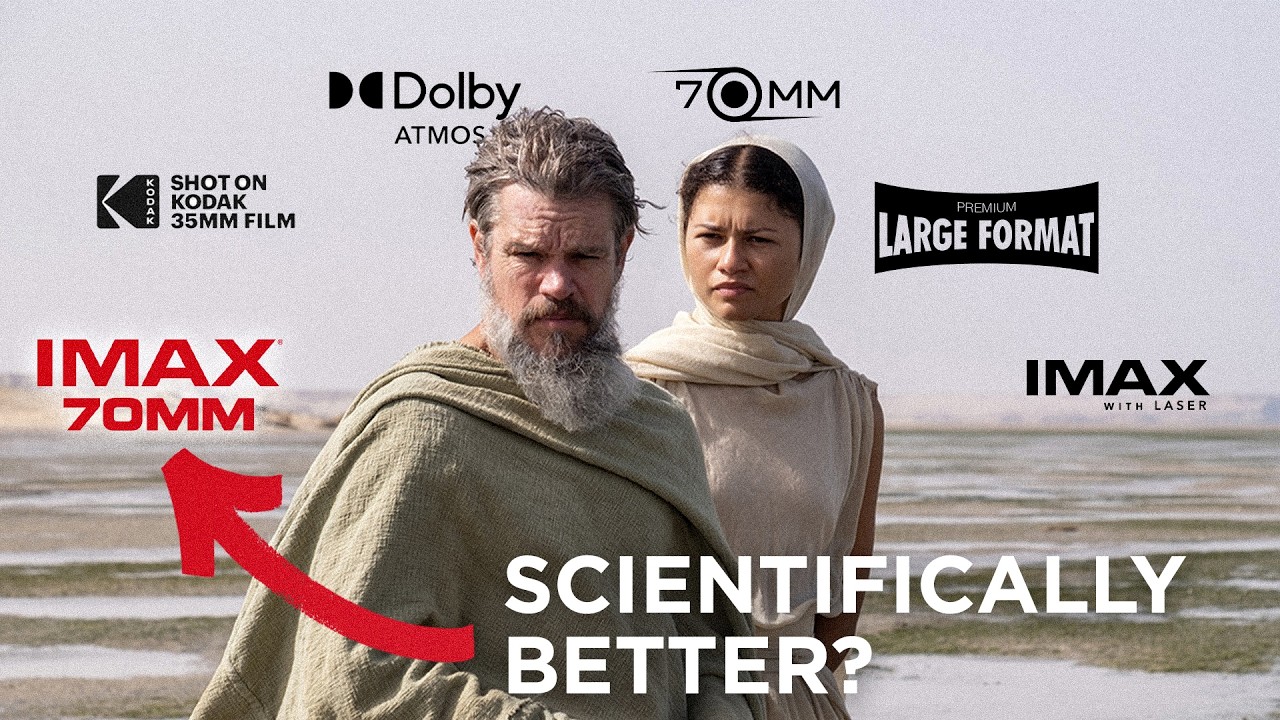
Understanding the basic distinction between physical film stock (e.g., 35mm, 70mm) and digital sensors.
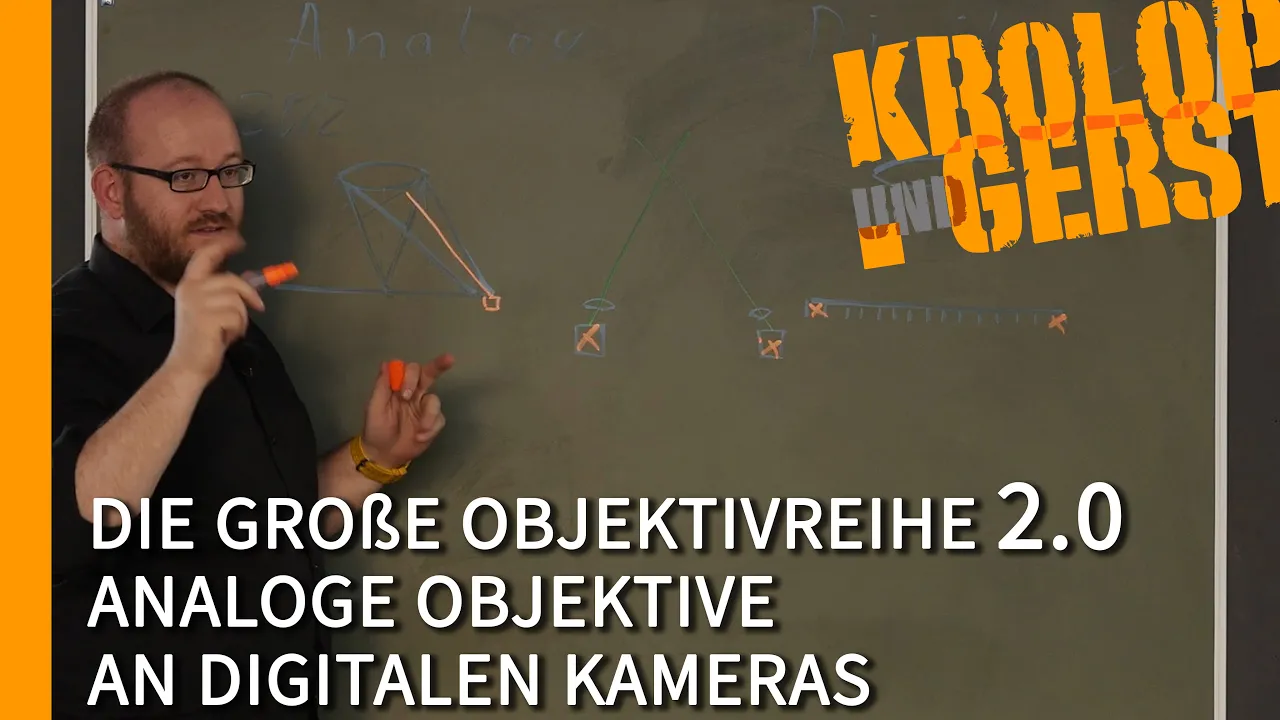
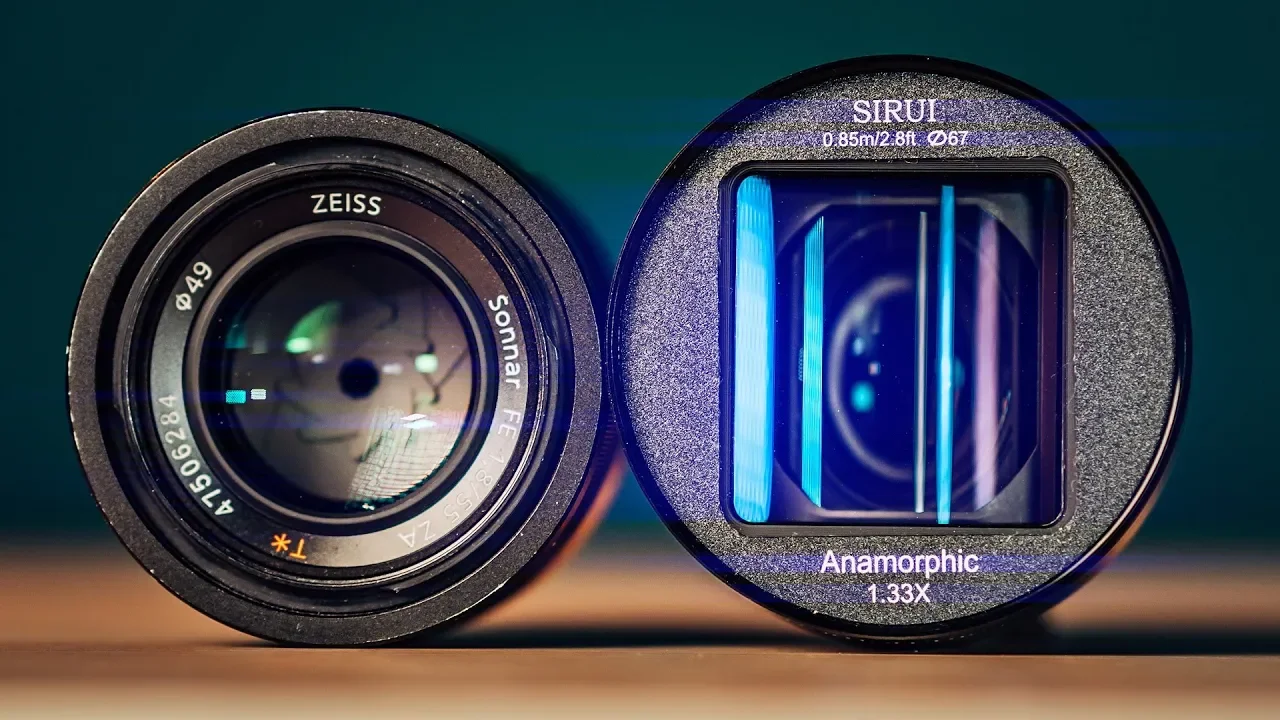
The technical and aesthetic differences between shooting with anamorphic lenses versus spherical lenses to achieve widescreen formats.
Advanced post-production workflows for aspect ratio manipulation, including letterboxing, pillarboxing, and pan-and-scan methods.
Analyzing and executing dynamic aspect ratio changes mid-film as a narrative device (e.g., shifting ratios to represent different eras or psychological states).
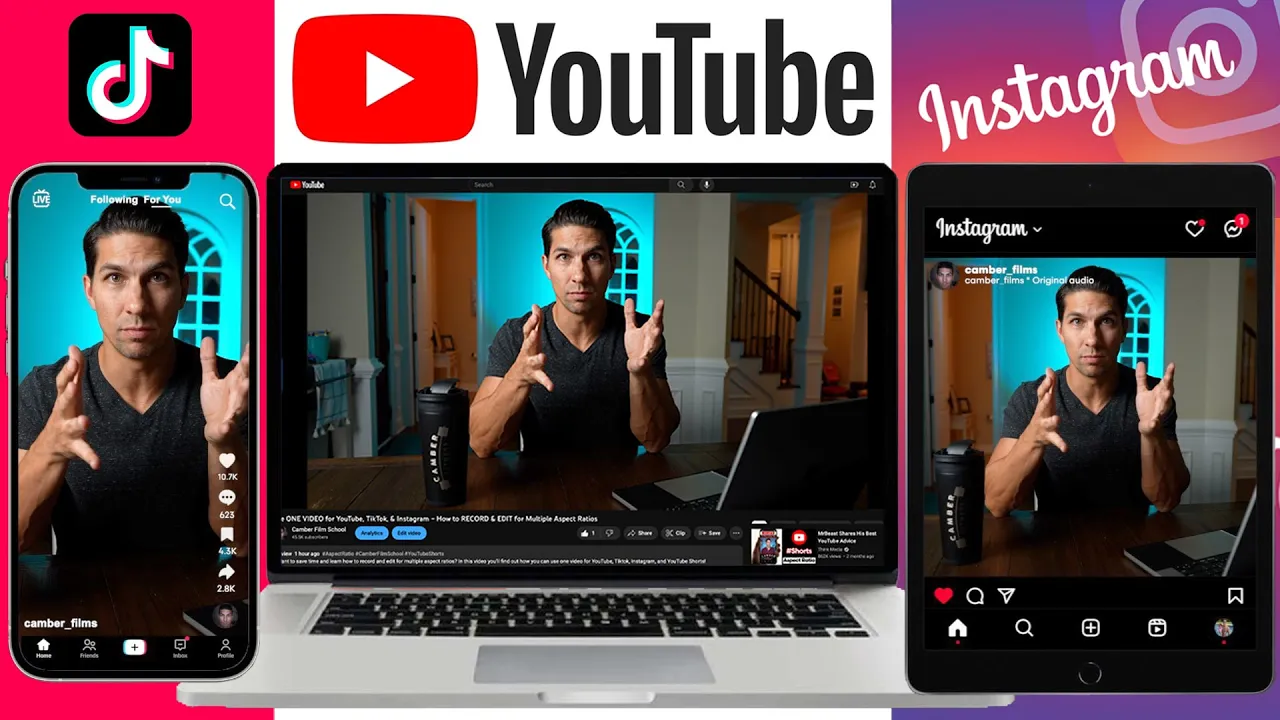
Setting up and using on-camera monitor frame guides during production to successfully compose shots for multiple delivery formats simultaneously (e.g., 16:9 and 9:16).
143.3K views5.8Klikes12:40Original Release: 2022-10-09
This video is sponsored by Squarespace, the all-in-one platform to build a beautiful website for your business.
Although we’ve become accustomed to watching online video content, like this video, in a 16:9 format, films can actually be shot and presented in all kinds of different shapes and sizes: or aspect ratios.
These rectangular form factors usually have a horizontal width to them that better mimics the point of view of the human eye.
With all of these different aspect ratios to choose from you may wonder which of them is the best to shoot your next film in. So, in this video I’ll try to aid that decision by first going over some popular aspect ratios that are used in cinema and then explain why using different aspect ratios makes footage feel different by using a few creative examples from some popular films.
The dimensions of a 2-D video frame are measured in pixels, which can be simplified and factored down into a fraction. For example this video clip is made up of 1920 horizontal pixels and 800 vertical pixels. When we divide 1920 by 800. We get 2.4. Therefore we say that this widescreen frame has an aspect ratio of 2.40:1.
Throughout the history and development of cinema, certain aspect ratios emerged which became standardised choices for capturing and projecting an image. Cinema started before the age of digital editing software: where it’s easy to crop video to any ratio desired.
Back then, the aspect ratio was determined by how cameras captured images onto film. For example, early silent films used the full horizontal length between the perforations of a 35mm film negative, and used the horizontal space of 4 perforations. So each frame represents a picture that is 4 perforations long, also called a 4-perf pulldown. This gave a 4:3 or 1.33:1 aspect ratio.
Over the years, changes in camera technology created new aspect ratios. When sound was first introduced in cinema it had to be added as a thin strip on the negative and therefore cut into the horizontal space of the 1.33 frame, creating a squarer 1.19:1 aspect ratio.
This was later deemed by the public to be too square, so it was replaced by a wider, standardised 1.375:1 or what was called an Academy aspect ratio. This became the dominant aspect ratio for Hollywood films from the 40s and was popular until the introduction of widescreen.
Partly to address dwindling audience numbers and to differentiate the cinema experience from the 4:3 TV format, a more expansive 1.85:1 aspect ratio was introduced.
This was shot in the same way using 35mm film and spherical lenses, but this time the top and bottom of the image was effectively cropped until they arrived at a surface area that was closer to three perforations tall, rather than four.
To get an even more expansive, grander looking feel, required the creation of a new format that used a different kind of lens: anamorphic.
This format still covered the full width of the 35mm frame and used four perforations of height - but it captured this space on the negative using anamorphic lenses which stretched and distorted the image to cover the full frame.
This squeezed image could later be de-squeeezed until it got back to an image without distortion. De-squeezing it created more horizontal length and produced an aspect ratio of 2.39:1 which is commonly rounded up and called 2.40.
There are some slightly more niche aspect ratios like: 1.43:1 Imax, 1.66:1, 2:1, and even the ultra wide 2.76:1 Ultra Panavision 70 ratio.
But far and above the two most common cinema aspect ratios today are 1.85:1 and 2.40:1. Most cinema releases that are digitally projected are done so using a DCP, which is basically a hard drive with the digital file on it. The two most common aspect ratios for a DCP are either scope - which has a 2:40 aspect ratio - or flat - at 1.85:1. So, getting to any niche aspect ratios requires cropping the video file within one of those two formats.
But, how do we choose between all of these different formats? Before we get there, I’d like to thank Squarespace who sponsored this video and made it possible.
You can’t run a business these days without a website. And, because as a filmmaker you are your business you can’t be without one.
You need an online presence for clients to browse your work, a page to bring all your social accounts together and a contact point for collaborators to reach you.
Squarespace is an all-in-one platform that you can use to easily create a stylish and functional website.
It has great tools, such as a member’s area for generating private content for your audience, libraries to display your creative work and blogging tools which I use to categorise, schedule and integrate my YouTube videos with an article on my Squarespace site.
So, head to Squarespace.com for a free trial, and when you’re ready to launch, go to squarespace.com/indepthcine to save 10% off your first purchase of a website or domain.
Now that we know some of the available aspect ratios that can be used, it’s time to talk about what makes these formats different from each other. Like picking a lens and lighting a scene, the aspect ratios that filmmakers choose for their project is also a creative choice.
The reasons for this choice range from more concrete, practical reasons, to more difficult to define, emotional impulses. And, although there are nuances to choosing certain niche ratios over others, the decision of what aspect ratio to shoot in basically just boils down to a choice of how wide or how narrow you want the frame to be.
“My intent was to have the entire film play in the gigantic 1:43 aspect ratio on a giant Imax screen. Compositionally I really started falling in love with that concept because Superheros as figures tend to be less horizontal.
A lot of the work we’re doing is trying to restore the full frame.” One component to this choice are the historical ties that come with certain formats. In the same way that shooting with a handheld camera has ties to the documentary genre and therefore has ties to realism.
Generally, the narrower the aspect ratio is the more old world it feels and the wider it is the more modern it feels. This tie to period is a product of the history we discussed earlier where Hollywood silent films were shot in narrower ratios like 1.33:1.
So a movie like The Artist, uses 4:3 as a pretty obvious visual cue to mimic the aspect ratio of the time period of the silent movie format that the story tells.
“He was talking like this to say, what about doing a silent movie. I thought he was like maybe doing a silent movie in the modern way but he said, ‘I want to do a movie in the 20s: black and white and silent and square format.’” Particular aspect ratios can also be chosen to represent footage taken with a particular recording device, whether in a mockumentary style with timecode and frameline overlays like in District 9 or to emulate the point of view of whoever is recording from a smartphone like in Searching.
Some filmmakers have used different aspect ratios within the same movie. For example The Grand Budapest Hotel delineated the three different time periods in the film by shooting them in different aspect ratios. The 1930s scenes were shot in the Academy aspect ratio, the 1960s scenes were shot in an anamorphic ratio and the 1980s scenes used a widescreen ratio.
Other directors, like Christopher Nolan, have used different aspect ratios in their films because they like to use the native aspect ratios of whatever format they are using without cropping it to conform to a common ratio. Dunkirk cuts between some scenes that are shot in the taller Imax format and others shot in the longer 35mm anamorphic format.
From these kinds of more overt rationale for shooting in a specific aspect ratio, we can also choose a frame size in order to exploit its cinematic advantages.
Extremely wide aspect ratios like 2.40 or even 2.76 contain more lateral space. It makes them a better format to layer information within a shot. Multiple planes can be used when framing, to include characters and story elements in the foreground, middleground and background.
“When you’re in Mini’s there are always two plays going on simultaneously. There’s the foreground play where the actors are closer to the lens and to the camera and they’re doing their things. But there’s always a background situation and the audience really has to keep track of the foreground play and the background play.” Because a wider screen ratio is able to see more background information it’s better at contextualising the geography of the space in a location. The extra width also lends itself to landscapes and expansive, epic sets to show off the grandeur of the location by expanding it.
For this reason it’s popularly used to capture big budget epics, with large set pieces with lots of moving parts that requires a certain photographic width to include them.
On the other end, narrower aspect ratios are better for films that deliberately want to withhold context, or frame single characters from a subjective point of view.
Son of Saul did this by framing with a narrow 1.33 frame that was glued to the protagonist.
How wide a frame is can also influence the emotions that audiences ascribe to the image.
Super wide frame shots of desserts can make them seem vast and unending, while a tight shot of a character in an almost square frame can make a space feel psychologically much more contained and cut off.
“Obviously it’s unusual to have something in this day and age to have something in this aspect ratio. I mean, a confined space obviously felt like 1.33 so that’s what we’re gonna do.
I don’t know where I even first heard of 1.19 but I heard about it and was like, maybe this is one opportunity where we can do this. It’s somewhere between 1.33 and 8x10 photography.” Ultimately, choosing an aspect ratio is entirely dependent on the context of the film. Different ratios can be used to invoke historical ties, present a specific recording point of view, differentiate between timelines, be used to accentuate certain cinematic advantages or even create a kind of emotional impact.
Above all, whatever aspect ratio you choose, make sure that the choice is a considered one that leverages this element of filmmaking to further the telling of your story.
So that brings us to the end of another video. As always, a final thanks to all of the kind Patrons who keep the channel going with their support and receive these videos early and ad free. Otherwise, until next time, thanks for watching and goodbye.
Up Next
25:59
Aspect Ratios Explained: A Filmmaker's Guide to Framing
@FilmEditingPro
41.6K views•2021-04-17

12:54
Triumph of Orthodoxy Icon: Byzantine Art & History Explained
@BenCallan
2.1K views•2024-08-06
12:05
Essential Lighting Concepts for Cinematographers
@InDepthCine
418.2K views•2020-11-08

1:42
Game of Thrones Opening Credits: A Cinematic Analysis
@gameofthrones
46.3M views•2011-04-18
Related Study Plans & Knowledge Roadmaps
Structured learning paths in General & Interdisciplinary Studies
general-studies
Elevator Engineering: History, Physics & Cities
01From Hoists to Safety Brakes: The Dawn of Vertical Lift
02Hydraulic vs. Traction: The Engineering Physics of Elevators
03Modern Speed, Safety, and Algorithms
+ 2 more learning modules
12h5 modules
Explore Roadmap
general-studies
Rubber: Material Science, History & Geopolitics
01Origins of Natural Rubber & Mesoamerican History
02The Chemistry of Natural Rubber & Vulcanization
03The Geopolitics of the Rubber Boom & Colonization
+ 2 more learning modules
12h5 modules
Explore Roadmap
general-studies
Containerization: Evolution, Logistics & Trade
01Ancient Trade & Bulk Cargo: Amphorae to Barrels
02The Industrial Revolution & Cardboard Packaging
03The Containerization Revolution: Malcom McLean
+ 2 more learning modules
12h5 modules
Explore Roadmap
general-studies
Textile Tech: Evolution, Labor & Global Impact
01Pre-Industrial Textiles: Handloom & Cottage Industry
02Mechanization: The Spinning Jenny to the Power Loom
03The Factory System & Global Labor Transformation
+ 2 more learning modules
10h5 modules
Explore Roadmap