















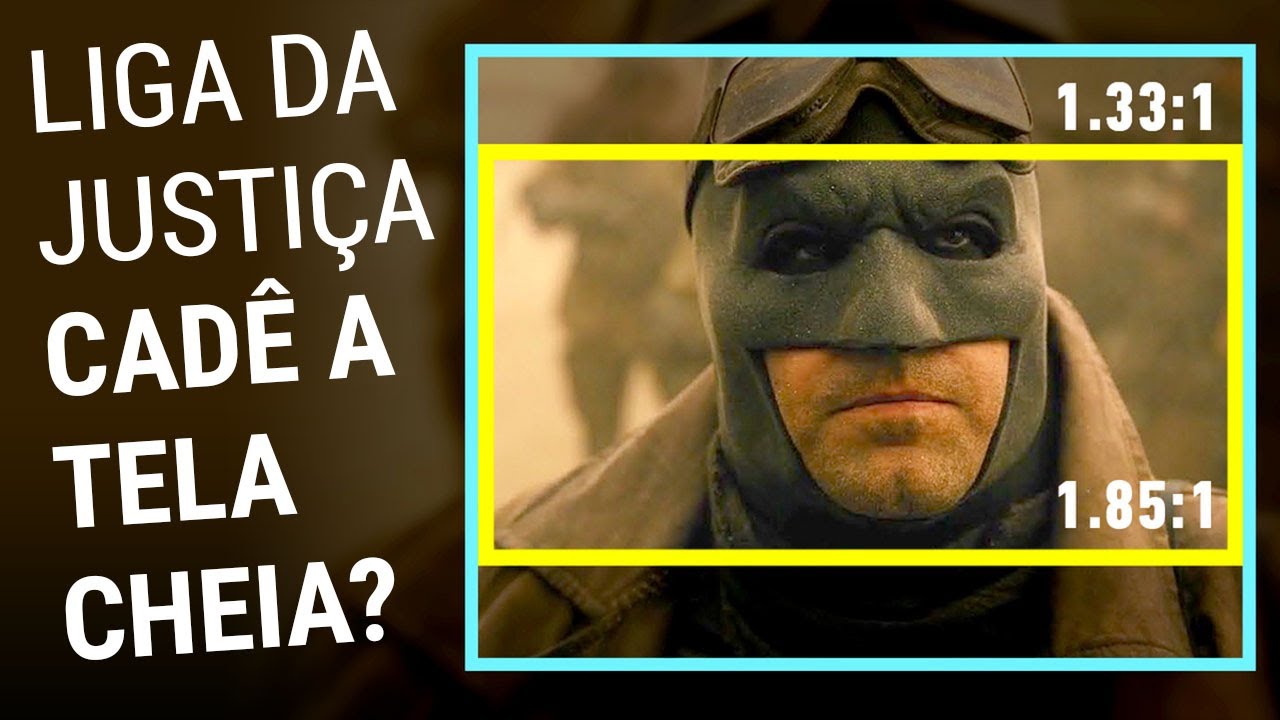




Aspect ratios—the proportional relationship between a film's width and height—fundamentally shape how stories are told in cinema, with different ratios influencing composition, staging, and audience engagement; the 1.33 (Academy) ratio suits intimate character moments, 2.35-2.4 (CinemaScope) creates epic, immersive environments, and 1.85 offers a balanced compromise that accommodates both human subjects and environmental context, demonstrating how technological constraints and creative choices interact to define cinematic language.
Aspect Ratios Explained: A Filmmaker's Guide to Framing
Added:Basic principles of photographic composition, such as the rule of thirds, headroom, and visual balance within a frame.
Understanding the difference between image resolution (the number of pixels, e.g., 1920x1080) and aspect ratio (the proportional relationship between width and height).
A foundational understanding of how camera sensors and film gates capture images in different shapes and dimensions.
Familiarity with standard cinematic shots (e.g., wide shot, medium shot, close-up) and how they function in visual storytelling.
The optical and physical differences between shooting with anamorphic lenses versus spherical lenses to achieve widescreen formats.
Mastering technical post-production workflows for multi-format delivery, such as adapting a 16:9 project for vertical (9:16) and square (1:1) social media platforms.
Analyzing historical and modern cinematic case studies where directors dynamically changed aspect ratios mid-film to signify shifts in time, memory, or psychology.
Understanding practical formatting techniques in editing software, including letterboxing, pillarboxing, active reframing, and shooting in 'Open Gate'.
41.6K views2Klikes25:59Original Release: 2021-04-17
hey everyone and welcome to another film editing pro tutorial in this video our trainer leon is going to dive deep into the topic of aspect ratios what are the different types of aspect ratios that you can use for a film why might you use one over another to tell a story how have aspect ratios changed over time and what's coming in the future alright let's begin in 1888 thomas edison filed a document with the u.s patent office in which he conceived of a device that would do for the eye what the phonograph does for the year but before his team could build their first motion picture camera they needed to establish the size of the film they would use in edison's employment was an engineer named william dixon kodak was already manufacturing roll film for use in their popular box cameras the film was 70 millimeters wide dixon takes the film cuts it in half punches 64 perforations every foot and 35 millimeter film is born as the film is run through the camera vertically the width of the frame is decided the only decision that remains is the height of the frame for reasons unknown dixon settles on the image being four perforations high and so the first movie aspect ratio is born 133 is less deliberate than you might think it's almost arbitrary instead of working from the size of the frame outwards they worked from the size of the film inwards as is often the case circumstance and technological limitations played a significant role in cinema's development a pattern that we will see repeated let's see how aspect ratio shaped cinema we're going to consider how composition and staging have changed focusing on three types of shots singles groups and environmental 133 is great for shooting singles the face can fill the frame yet it doesn't feel confined it is difficult for the background to cause a distraction because we do not see much groups of two can produce a very intimate frame larger groups of people can present a challenge horizontal arrangements often called clothesline staging can make the frame look cramped depth or recessive staging works much better 133 gives more room to compose vertically than wider aspect ratios as 133 is more square you can see why it excels with depth staging because of the frame's lack of width important compositional elements are often positioned vertically within the frame this exposes a weakness it's not great for landscapes in fact the 133 frame seems most effective when it only has a single point of interest or focus it doesn't tend to handle two things very well [Music] look at the difficulty that the filmmaker encounters in this example when trying to fit two points of interest into one frame it's not that it's bad it's just not comfortable for over 60 years 133 or 1375 which allowed room for an optical soundtrack reigned supreme in the 1950s with theater revenues dropping hollywood looked to widescreen to pull audiences back to the cinema it's a format they had experimented with but never with any lasting success using larger film stock or cropping the standard academy ratio all incurred different challenges to solve this problem in 1952 cinerama was devised on set three 35 millimeter cameras were sandwiched together in an arc in the cinema three synchronized projectors seamlessly stitched the triptych back together on a huge 90 foot wide screen audiences loved it widescreen was here to stay but before it could go mainstream a better solution was required 20th century fox developed the answer a system they called cinemascope they repurposed french technology invented to give tank drivers a wider field of view by putting an anamorphic element in front of the camera's taking lens they could squeeze a wider image onto a regular 133 frame in the cinema the projector would be equipped with another anamorphic lens that stretched the image back to the correct shape cheap effective and accessible cinema scope lenses had a squeeze factor of 2 when used with an open gate it yielded an aspect ratio of 2.66 it was more commonly cropped to between 2.35 and 2.4 to allow room for an optical soundtrack how would this brand new frame affect the way films are made well filmmakers had two options they could treat scope as less a slice of the old frame blew up details and created abstract compositions or they could treat scope as more a horizontal expansion of the standard academy ratio let's see how that works in practice now a close-up is overwhelmed with all this surrounding space this is important to know because a close-up is not necessarily about how close you can get to someone but it's often about the exclusion of other information from the frame so to achieve a close-up you have to block your actors carefully to get a clean single now the movie starts to inherit a different aesthetic because of the empty areas in the frame is that a good or a bad thing it depends on the context other filmmakers decide to go the other way widescreen is less pushing the close-up even closer and in some cases pushing it so close that it abstracts the image the attention is back on your subject but with a very different feeling techniques emerge to control the frame miz on scene or theatrical design is helpful the set can be designed with the aspect ratio in mind elements of the set are used to control the frame in this instance aperture framing by putting the actor within a door or a window we've essentially created a frame within a frame to get them back into a shape that better suits human dimensions over the shoulder is another popular tool used in scope to control the frame the back of the actor's head is used to reduce the size of the frame this is often called dirtying the frame [Music] filmmakers decide to go for a compromise between less and more the close-up chopped off at the next shot starts to become more prevalent in scope it would never work in 1-3-3 it would be too intense but with the extra width it works how does the new frame handle two shots in a medium close-up a certain amount of intimacy comes from the audience's inability to look anywhere else in the frame [Music] a similar framing in scope has a different aesthetic it offers distraction and more space for the audience to roam of course you can push closer to make the frame more intimate but that too will have a different feel in this example to fill the frame the filmmaker has chosen to rotate slightly off axis keeping the shot partially in profile allows us to see the faces of both actors but the shoulder and head of the nearest actor is starting to feel the frame miz on scene is also used to make the scene feel more intimate the peripherals are darkened and made more claustrophobic how will scope handle groups of people small groups can sometimes be awkward again because of the empty space so clothesline staging becomes a very popular way of handling large groups of people you can see how much better scope is at handling clothesline staging depth staging becomes a little more difficult because of the lack of height but here we see a successful combination of a little bit of everything mizar's scene reduces the width of the frame a little while clothesline staging and a little depth is used to arrange the characters in particular this brand new super wide frame excels at environmental shots after all widescreen mirrors the world around us because it's panoramic let's talk briefly about blocking cinemascope called for an altered aesthetic because of the wider frame the spectator's eye is invited to rome making connections that in the standard 133 aspect ratio were more tightly determined what does this mean in this scene from singing in the rain the action happens exactly in the middle of the frame that's the only place you need to look but in this similar scene filmed in scope from la la land the action moves about the frame at some points there are two things going on at once you as an audience member have to decide which part of the image you are going to watch the shape of the frame means that two points of interest can be comfortably posed in the same frame whereas in 133 this sort of staging would look odd this is almost a regression back to the tableau style filming of old in the early days of cinema everything was shot in tableau style a static camera would capture the entire scene without cuts the audience was free to look around as the action unfolded but technique evolved the close-up and constructive editing was invented the art of filming a scene with singles and close-ups became the norm filmmakers began to more tightly control where the audience looked the move back to less restrictive framing might in part be due to how the size of the screen changed as part of the conversion to cinemascope cinemas had to increase the size of their screens a typical 133 screen was about 20 foot across a cinemascope screen was anything up to 60 feet scope offered many challenges but this larger frame was where scope really started to become an advantage not only was the screen getting larger but the frame felt bigger a shot could essentially include two medium close-ups thus the frame was starting to affect more than just the image it started to affect the way a movie was edited when there is more information in a single frame there is less need to cut the size and shape of the frame aided cinematographers in composing images with greater context the subjects his muse and his environment could now fit into one single frame allowing the audience to roam it freely almost to participate in the process of discovery rather than be a passive passenger at the mercy of the editor cinema scope brought 133's reign to an end what came next it's 1954 the year after the huge commercial success of cinemascope paramount studio wanted their own widescreen technology because in part they were sick of paying 20th century fox money to license their cinema scope system which wasn't even that good after all it was a first generation product so they took 35 mil film and instead of running it through the camera vertically they ran it horizontally now the width of the film no longer constrained the width of the image they could make a wider image without making it smaller paramount deliberately designed their new camera system to accommodate a variety of aspect ratios the new landscape of cinema that featured different aspect ratios meant there was increasing disunity in the size and shape of screens featured in theaters the practice of protecting for different aspect ratios became common natively this division shot in 1.5 but was intended to be exhibited in one of four aspect ratios 133 166 185 and 2.0 we're going to focus on its most enduring legacy paramount's recommended aspect ratio of 1.85 they had the ability to choose any aspect ratio so why 1.85 here is a page right from this division's own promotional material it says optical experts believe that the frame that encompasses the comfortable viewing area is in the approximate ratio of 1.85 to 1.
in other words the aspect ratio of human vision is 1.85 this is a significant decision at last an aspect ratio that has actually been given some scientific thought [Music] first thing we notice about 1.85 is that it's a great size for people and it still offers a limited view of the environment but not enough to require the filmmaker to work to tame a wider frame it's very versatile but it doesn't offer the abstraction of 2 4 or 1 3 3 so you won't see as many unusual compositions 185 seems to just work it's very balanced possibly a testament to its origins the supposed aspect ratio of the human eye it can handle clothesline staging and thanks to the frame's extra height it can also handle depth staging effectively it can also do some of the same things that scope can like contain two shots in one environmental shots are no problem either it can handle a variety of landscapes both long and deep take a look at how 185 can solve some of the compositional problems of 2 4 and 133 there is enough space to see the environment but not so much as to be distracting the greater height allows for more depth in the scene allowing cinematographers to shoot if they wish 133-esque images one more example triangular composition that is awkward in scope is now comfortable in 185 many many more aspect ratios have been shot and exhibited throughout the years some are based around new technology others are refinements of existing technology others yet are matted crops of existing formats but you can think of 133 185 and 2-4 as the small medium and large of the world of aspect ratios the merits of similar aspect ratios can often be evaluated by considering their closest equivalent still it's worth considering a few more another attempt to address the resolution issues of 35 mil was the mgm 65 camera system later known as ultra panavision 70. coupled with a 1.25 times anamorphic lens mgm 65 yielded a stunning aspect ratio of 2.76 it's capable of presenting incredible set pieces but struggles with more intimate subject matter look how much empty space is required to frame a clean single in 276 clothesline staging is on steroids but with careful and deliberate framing it can create engaging compositions in the pursuit of an ever larger and more detailed image imax was invented similar to the way that vistavision turned 35 mil film on its side imax bought the same revolution to 70 mil film the imax frame is huge imax is designed to be shown on a huge screen as wide as 100 foot it makes it feel widescreen but super tall at the same time similar to scope its large frame encourages the audience to explore but now with a shape more similar to 133 in the 1990s technicians drew up the standards for high definition television they wanted to create an aspect ratio that worked equally well for legacy 133 tv broadcasts and movies shot in the popular 2.4 aspect ratio so they settled on the average between the two 178 is so similar to 185 it shares all of the same strengths and weaknesses [Music] in a funny kind of way technological innovation has driven the rise of the vertical aspect ratio smartphones shoot and display 178 or close to but to do that you have to rotate them 90 degrees a mixture of human nature and poor ergonomics means a lot of people don't rotate their phone it's great for people because people are tall and thin it works well for some abstract compositions but it really struggles with anything environmental 2.0 is currently enjoying a renaissance it's existed in various guises for years but has recently become a go-to format for streaming services like netflix amazon and apple it's a nice middle ground between 178 and 24. people love widescreen however excessive letterboxing on small screens can waste precious screen space so 2.0 seems to offer a good compromise the allure of widescreen without the waste of letterboxing it's worth briefly considering what's happened to the size of our screens most people tend to watch tv on a screen no smaller than 32 inches but typically around 40 to 50 inches but something interesting has happened since the invention of the smartphone it used to be that the size of the device people watched content on was getting steadily bigger smartphones have turned that trend around does the size of these screens affect the way we would choose to use a particular aspect ratio for example is it harder for audiences to roam a 2.4 aspect ratio looking for subtle clues placed by the cinematographer when the screen measures mere inches across different aspect ratios suit different compositional styles and different subject matter it's undeniable that a face better suits the dimensions of taller aspect ratios and that panoramic vistas suit wider formats but beyond their pragmatic differences different frames elicit different psychological and emotional responses at the risk of generalizing 133 will forever remind many people of old movies and standard definition television it can instantly make something feel old scope is often associated with high budget action movies for many it instantly feels expensive and epic more moderate aspect ratios like 185 have a more neutral perception and on a standard high definition tv nothing is more invisible than its native aspect ratio 178 are driven by perhaps the most pragmatic motivation the aspect ratio of the device the movie will be seen on for years movie producers have been influenced by the size of the screens in cinemas television producers have faithfully transitioned from 133 to 178 as they follow the consumer trend and now online producers are protecting for or sometimes straight up shooting in vertical some movies even feature multiple aspect ratios changing aspect ratio can be used to differentiate time periods or maybe underscore the epicness of a battle scene in jurassic world john schwartzman the dp wanted to shoot in 2-4 but the producer steven spielberg wanted the film shot in 185 like the original because it allowed more headroom for the large dinosaurs in the end a compromise was reached in the form of 2.0 ida was shot in 1375 because it is evocative of the era in which the film was based the story is set in a convent and symbolizes its nuns and novices thoughts of god and heaven above by using this tall aspect ratio and often framing with lots of headroom in the grand budapest hotel wes anderson wanted to differentiate between the three time periods featured in the story therefore the film features three aspect ratios one three seven five two three five and one eight five damien chazelle wanted la la land to elicit the feel of old musicals shot on cinemascope so they shot it in scope with an aspect ratio of 2.55 josh whedon and seamus mcgarvey decided to shoot avengers assemble in 185 according to some interviews that decision was heavily influenced by just one shot in the movie the eponymous shot where the avengers assemble tall large and small can all fit more easily into a 185 frame than they would have into a 2-4 frame [Music] there are many different reasons to shoot in a particular aspect ratio but whatever your reason make sure you aren't just slapping black bars on your footage because it looks cool let the story drive your decision making process and once you've chosen an aspect ratio design every set every composition and every cut to suit that frame good videos are all about story the frame is the window through which we experience the story the frame has taken on many shapes and sizes regardless it is simple four sides rectangular in shape but just as complex does not mean complicated simple does not mean simplistic the frame is a motive it has nuance and history but at the end of the day we don't want people to be looking at the frame we want them to be looking through the frame if you can create something invisible then you have achieved your goal all of the attention all of it should be on the story aspect ratio is a tool one of many that we have in our arsenal use it well use it with understanding and use it for a reason hey there for tons more free editing training head over to our website at filmeditingpro.com free training here you can download free editing guides along with high quality video training courses created by our team of professional hollywood editors our tutorials cover a wide range of editing topics like cutting awesome movie trailers editing action scenes how to work with music and sound design and a lot more all of these free guides and videos are available at filmeditingpro.com freetraining i'll see you next time you
Up Next

10:36
Mark Kermode Reviews The Lighthouse: Cinematic Analysis
@kermodeandmayo
308.6K views•2020-01-31

12:54
Triumph of Orthodoxy Icon: Byzantine Art & History Explained
@BenCallan
2.1K views•2024-08-06

9:49
FastAPI vs Flask vs Django: Choosing the Right Python Web Framework
@TechWithTim
302.5K views•2024-05-26

1:42
Game of Thrones Opening Credits: A Cinematic Analysis
@gameofthrones
46.3M views•2011-04-18
Related Study Plans & Knowledge Roadmaps
Structured learning paths in General & Interdisciplinary Studies
general-studies
Elevator Engineering: History, Physics & Cities
01From Hoists to Safety Brakes: The Dawn of Vertical Lift
02Hydraulic vs. Traction: The Engineering Physics of Elevators
03Modern Speed, Safety, and Algorithms
+ 2 more learning modules
12h5 modules
Explore Roadmap
general-studies
Rubber: Material Science, History & Geopolitics
01Origins of Natural Rubber & Mesoamerican History
02The Chemistry of Natural Rubber & Vulcanization
03The Geopolitics of the Rubber Boom & Colonization
+ 2 more learning modules
12h5 modules
Explore Roadmap
general-studies
Containerization: Evolution, Logistics & Trade
01Ancient Trade & Bulk Cargo: Amphorae to Barrels
02The Industrial Revolution & Cardboard Packaging
03The Containerization Revolution: Malcom McLean
+ 2 more learning modules
12h5 modules
Explore Roadmap
general-studies
Textile Tech: Evolution, Labor & Global Impact
01Pre-Industrial Textiles: Handloom & Cottage Industry
02Mechanization: The Spinning Jenny to the Power Loom
03The Factory System & Global Labor Transformation
+ 2 more learning modules
10h5 modules
Explore Roadmap