






![Cup of film (비평)ver. [영화 비평 초보자편/비평부터 방법론까지/같이 알아봐요 :)/장르론/작가주의/구조주의/이데올로기론/정신분석학/후기구조주의/일단 드루와]](https://i.ytimg.com/vi/Qyns-CbVAQA/sddefault.jpg)






![[О кино] Истоки хоррора](https://i.ytimg.com/vi/QRDKuVUpIxQ/maxresdefault.jpg)





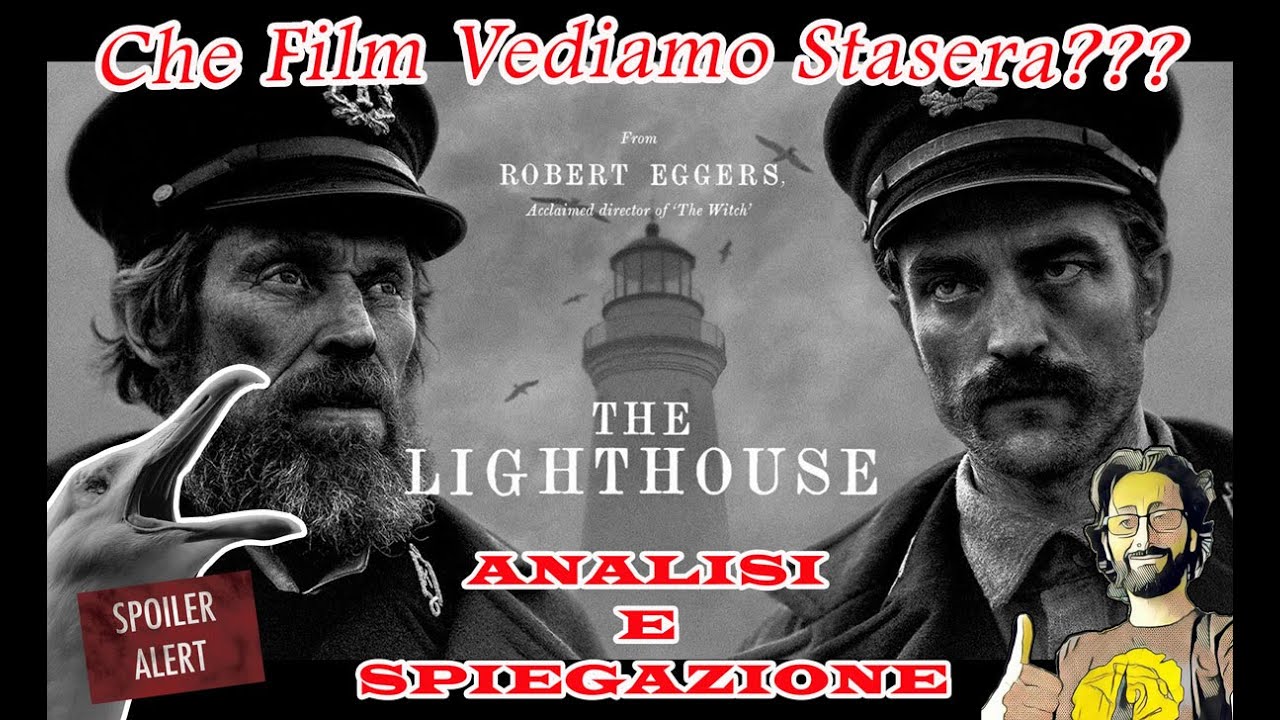
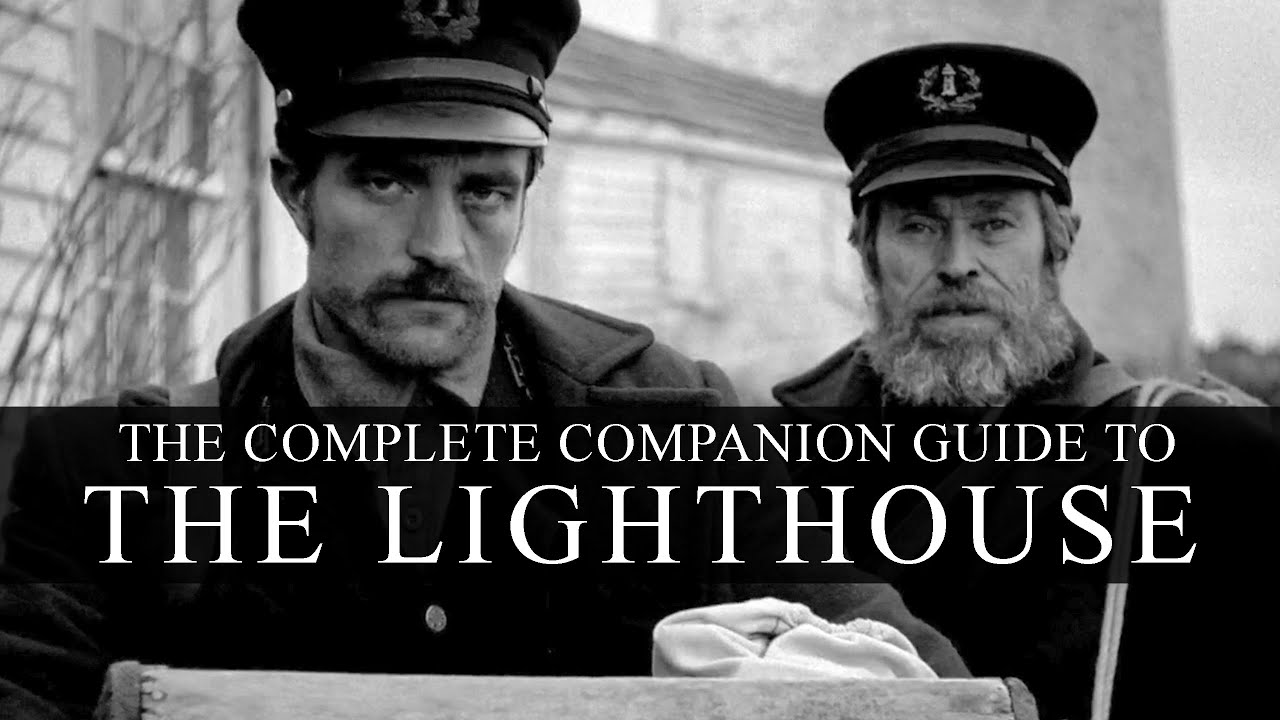
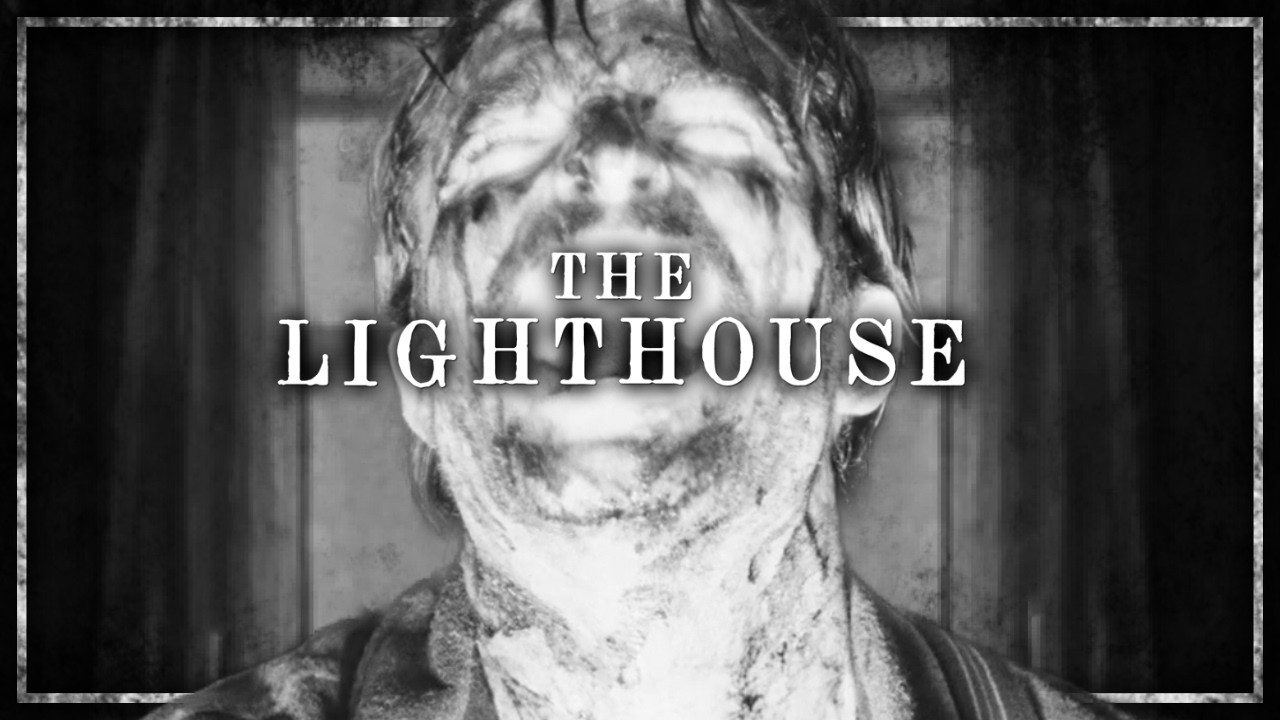
Robert Eggers' The Lighthouse (2019) masterfully employs claustrophobic cinematography, a 1.19:1 aspect ratio shot on 16mm film, and atmospheric tension to explore psychological horror, drawing inspiration from Edgar Allan Poe's unfinished fragment 'The Lighthouse' and real-life maritime mysteries like the Flannan Isles disappearance; the film demonstrates how extreme isolation, paranoia, and the disintegration of identity can create profound horror without relying on conventional jump scares.
Mark Kermode Reviews The Lighthouse: Cinematic Analysis
Added:Fundamentals of cinematography, specifically the use of restrictive aspect ratios (such as the historical 1.19:1 ratio) and high-contrast, black-and-white lighting schemes.
An understanding of psychological horror tropes, particularly how physical isolation and confinement are utilized to represent mental degradation and subjective reality.
Familiarity with classical mythology and maritime folklore, specifically the myths of Prometheus and Proteus, which serve as foundational allegories in the film's narrative.
Basic principles of film criticism, including how to analyze a critic's evaluation of performance, directing style, and thematic depth.
An auteur study of director Robert Eggers, comparing the thematic and stylistic elements of 'The Lighthouse' with 'The Witch' and 'The Northman'.
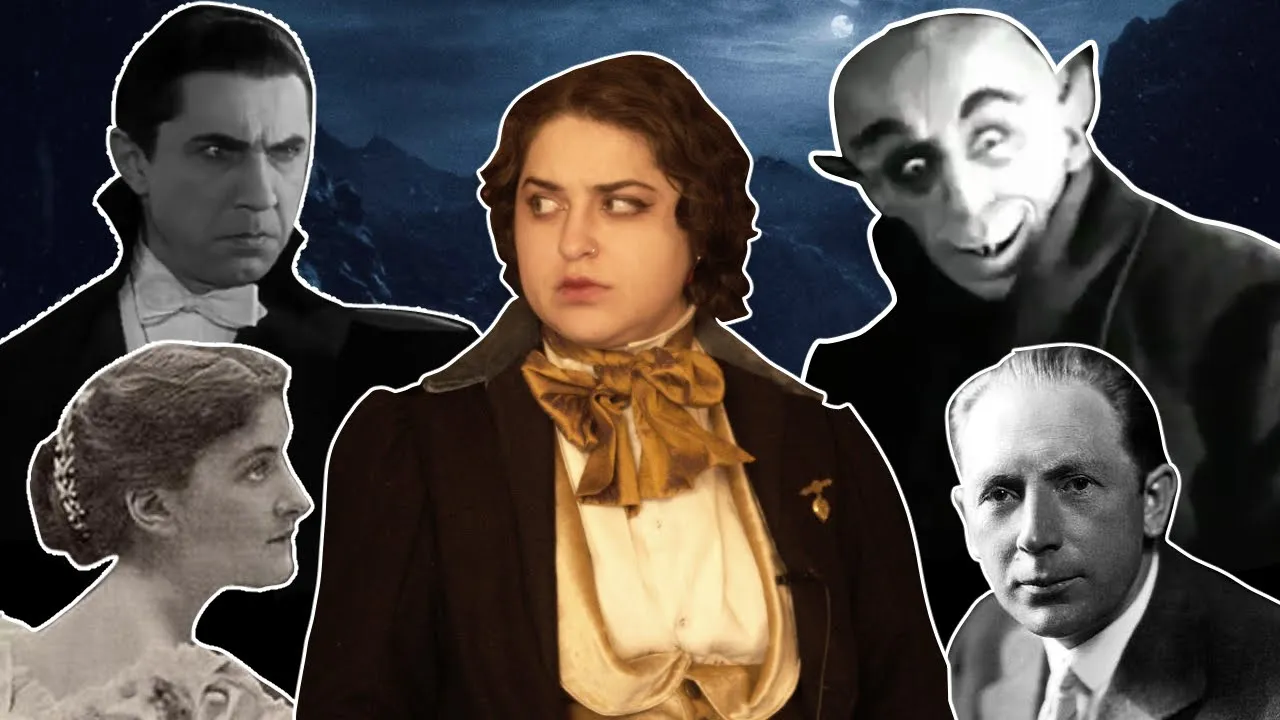
An in-depth exploration of German Expressionist cinema (e.g., 'The Cabinet of Dr. Caligari', 'Nosferatu') to trace the historical lineage of the film's visual style.
Advanced study of sound design and foley artistry, examining how auditory elements like the foghorn are used to establish atmosphere and drive narrative tension.
A psychological analysis of the character dynamics using Freudian or Jungian theories, focusing on ego dissolution, shadow projection, and Oedipal conflicts.
308.6K views4.4Klikes10:36Original Release: 2020-01-31
so I've seen the film a couple of times now I've seen it on a small screen and I've seen it on a big screen with a with a big loud sound system the first thing I should say is this is a film that you need to see in the cinema don't wait for it to come under streaming services or you know seek out a cinema to see it because it needs to be it's an experiential movie because also the ratio as you've said is small this model very small on your television set Lee I was reading about the the origin of it and Robert egg is saying that his brother max had been attempting to work on an update of this unfinished fragment by Edgar Allen Poe called the liars which is a really weird thing omits only you can read it in like five minutes it's a fragmentary story that is a series of diary entries of somebody and isolated in lighthouse begins January the 1st 1796 and it gets as far as January the 4th and the manuscript ends and there is it's unfinished there is also a theory that actually maybe it is finished maybe the finished is January the 4th and then nothing else and the last line written on it is the basis on which this structure rests seems to me to be chalk so it's a story about somebody isolated in this environment which they think should be safe but they can hear stuff going on and they're not quite sure why they can hear stuff going on but they get the sense that the thing they're in is built on unsafe land and it's so there is a whole kind of you know house falling down since this kind of impending doom this sense of isolation and although the the the story of the lighthouse as we have it now which is Robert and Max agus scripted it together the PO is long gone but that sense of dread because what I said to you know that in the in the distant part you said well that actually of course it absolutely makes sense so it's mutated into something else but it does still have that atmosphere when you said to Willem Dafoe you know it's been perhaps missed sold as a horror film which incidentally I think was the same of the witch people were told that the witch was a big scary movie and I think which is really disturbing really disturbing but I think some people went to see it expecting quite quite bang scares which is a kind of completely different thing so Robert Pattinson is from Wilson who arrives at this lighthouse where Willem Dafoe's Thomas tends the lighthouse and he's a it's a barren rainy place where they promptly get isolated and we what happens very early on is that Robert Pattinson discovers this like a like a little carved mannequin of a mermaid in his mattress and he sees Thomas up by the lighthouse taking off his clothes somehow kind of staring like and we told you know you can't wait Gator you can't go up there I tend the light you do all the menial jobs we heard some of that in the in the clip that you played and the thing starts to develop into a kind of slightly sort of tentacular hypnotic because as I said they run out supplies they start drinking as they start drinking everything about all the kind of paranoid underbelly of the story starts to you know get worse and worse and there is a sort of a sense of their identities become confused at one point when first character says how long have we been here for weeks or two days like they've lost all sense of time meanwhile they are beset by seagulls who may or may not embody spirits of you know of ancient myth there's one thing but he's bad luck to kill the seagull which kind of invokes you know Ancient Mariner and you know the albatross and all that sort of stuff and as you quite rightly said there is a sense that none of this is going to end well there is a seek you know that beginning not going to be a happy ending so the first thing to say is that I mean I really really liked it um bushka cinematography is extraordinary and has been nominated for awards and quite rightly so shot in this is really really tight fashion the which was 166 which is a kind of older ratio which is taller because in taller rather than it is wider because so much of the which was taking place against the background of trees and this has really got that claustrophobic enclosed feeling and I do think the cinematography is quite astonishing and of course it you know it is shot from when I watch it the first time I said you know the interesting thing is this is like a companion piece to bait the mark jenkin film well I just discovered today that they're doing a double bill at the NFT I think it is on Monday the BFI Southbank in London in which they are going to show the lighthouse and bait and I believe that Mark jenkin who made bait is going to introduce lighthouse because weirdly enough the films are totally similar when you look at what it is that Robert Eggers is he's kind of achieving with his with his you know visual sense that is something very close to that driven sense of a specific vision that um that mark jenkin has there are also in the background as I mentioned the Poe thing you know you might see similarities to the story of I reviewed a film last year called The Vanishing which was also known as Keepers not that vanishing it was known as keepers which is a film which is based on the Flannan Isles lighthouse disappearance of 1900 in which but guys went out to a lighthouse and all disappeared and it's one of those kind of great mysteries what happened to them and the general feeling is either some storm not all over there or they all went crazy because people in isolated you know enclosed experience in closed environments that will happen there is also a kind of strange touch of I know this sounds like a crazy comparison but things like sunshine and event horizon that sense of you know this being drawn towards a dark light being absolutely mesmerizing in sunshine about as they get closer and closer to the Sun it develops a kind of almost like God like the Sun and all that is going on in the background but the thing that really makes it work is it also reminded me at times although again is a very very different story of a field in England which had that same sense if you think of the tent walk scene from a field in England and if you say to somebody what exactly is happening in that scene that's oh I don't know but I find it really really disturbing can you say what was there's a scene in in in a field in England in which these kind of these travelers have basically fallen under the spell of Michael Smiley's character and Reese shear Smith goes into a tent where something really demonic is happening but you don't know what and then he comes out of the tent in slow motion attached to a rope and it's just a shot of him walking out of the tent with his smile on his face which is like the smile of the possessed and it's a slow-motion all it is is him walking out of a tent on the end row and he's one of the most frightening things I've ever seen and there are individual moments in the light house in which you get that same sense of I don't quite know why this is so disturbing I don't quite know why this is so oppressive I think there are a number of reasons firstly I think the performances are great you do get the impression that those two characters have been you know stuck together in a very confined but you know space for what seems like a very long time although as he says how long have we been here I don't know and they've lost sense of time and I always find that a particularly creepy idea that idea that you no longer know how long you've been somewhere you know if you've been there weeks have you been there days we've been there hours who knows plus there's the thing about the disintegration of identity which is one of the things that the film is about because there is this kind of weird thing going on about transference of who did what and they start having conversations in which they appear to be talking as each other and then there are these strange kind of moments in which as the drunkenness as the madness as the debauchery takes over the film itself sort of slips into these almost dreamlike States so it's one of the it's one of those weird things in which it's a film in which nothing happens a lot and the nothing is really is really disturbing and really profoundly affecting and if you said what's it a story of which you virtually did you said to wonderf oh tell us the story he said well it's the story to hoax trapped in a lighthouse and it is but it's so much more than that it is it's just you know it's a story about about transference about paranoia about brooding horror about personal disintegration this throbbing soundtrack and them you know the mark calden throbbing score which again actually reminded me of the of the analog synth work that's going on in the background of bait and and I great performance by Robert Pattinson who hasn't done a bad performance in living memory now except for perhaps the French King in um in whatever that was got in the king in the king yes friend yes I shall taunt you a secondhand and willem dafoe with a beard that was so convincing that it can only have been his that cannot be a prop beard right he must have just allowed himself to turn into the wild man of Borneo with that beard it's a it's it is really something I'll be honest I'm not entirely sure I know what but that's when we like about it and in the same way as when I came out of I came out of the Witch and I felt really profoundly shaken and I saw the witch twice and I same thing I just recently went to see the lighthouse again to see it projected to see it with her you know and it's it's really something yes I is my question to you I it's not a question it's a statement okay I think it is possible to admire a movie and to enjoy the performances that you're watching yeah and think that the final piece of work is astonishing and I couldn't wait for it to finish which I mean that as a compliment no I know you do I know desperate to get off the island yeah as they were yeah but I was more desperate and I didn't have diesel fuel to drink no I just asked you I'm not gonna say this yes oh good because that because the live stream is off what about what hasn't pressed the right button oh I know but what about the moment yes didn't that just hasn't that just really stayed in your mind how apparently leads back Oh fine well then what about that morning astonishing what an astonishing moment that was for people to just join us to see you acting out that and what about the tableau vivant but you know the bit I mean yes yes but I don't want to think about no you to think about me re-enacting it
Up Next

58:48
Digital Credentials Consortium: Learner-Centric Higher Education
@SkywayInitiative
4.9K views•2020-05-18

12:54
Triumph of Orthodoxy Icon: Byzantine Art & History Explained
@BenCallan
2.1K views•2024-08-06

9:49
FastAPI vs Flask vs Django: Choosing the Right Python Web Framework
@TechWithTim
302.5K views•2024-05-26

1:42
Game of Thrones Opening Credits: A Cinematic Analysis
@gameofthrones
46.3M views•2011-04-18
Related Study Plans & Knowledge Roadmaps
Structured learning paths in General & Interdisciplinary Studies
general-studies
Elevator Engineering: History, Physics & Cities
01From Hoists to Safety Brakes: The Dawn of Vertical Lift
02Hydraulic vs. Traction: The Engineering Physics of Elevators
03Modern Speed, Safety, and Algorithms
+ 2 more learning modules
12h5 modules
Explore Roadmap
general-studies
Rubber: Material Science, History & Geopolitics
01Origins of Natural Rubber & Mesoamerican History
02The Chemistry of Natural Rubber & Vulcanization
03The Geopolitics of the Rubber Boom & Colonization
+ 2 more learning modules
12h5 modules
Explore Roadmap
general-studies
Containerization: Evolution, Logistics & Trade
01Ancient Trade & Bulk Cargo: Amphorae to Barrels
02The Industrial Revolution & Cardboard Packaging
03The Containerization Revolution: Malcom McLean
+ 2 more learning modules
12h5 modules
Explore Roadmap
general-studies
Textile Tech: Evolution, Labor & Global Impact
01Pre-Industrial Textiles: Handloom & Cottage Industry
02Mechanization: The Spinning Jenny to the Power Loom
03The Factory System & Global Labor Transformation
+ 2 more learning modules
10h5 modules
Explore Roadmap