




















The Digital Credentials Consortium (DCC) is a university-led collaboration of 12 institutions working to develop and implement standards-based, learner-centric digital credentials using the W3C Verifiable Credentials standard. The consortium addresses key challenges in digital credentialing including schema flexibility, learner control over credentials, privacy concerns (particularly GDPR compliance), and interoperability across educational systems. The DCC focuses on creating an interoperable credential wrapper that enables learners to maintain control over their educational records while ensuring these credentials can be verified by employers and other institutions. The consortium emphasizes use-case driven implementation, with pilot programs at institutions like McMaster University and Georgia Tech demonstrating practical applications for student verification, skill recognition, and career pathway development.
Digital Credentials Consortium: Learner-Centric Higher Education
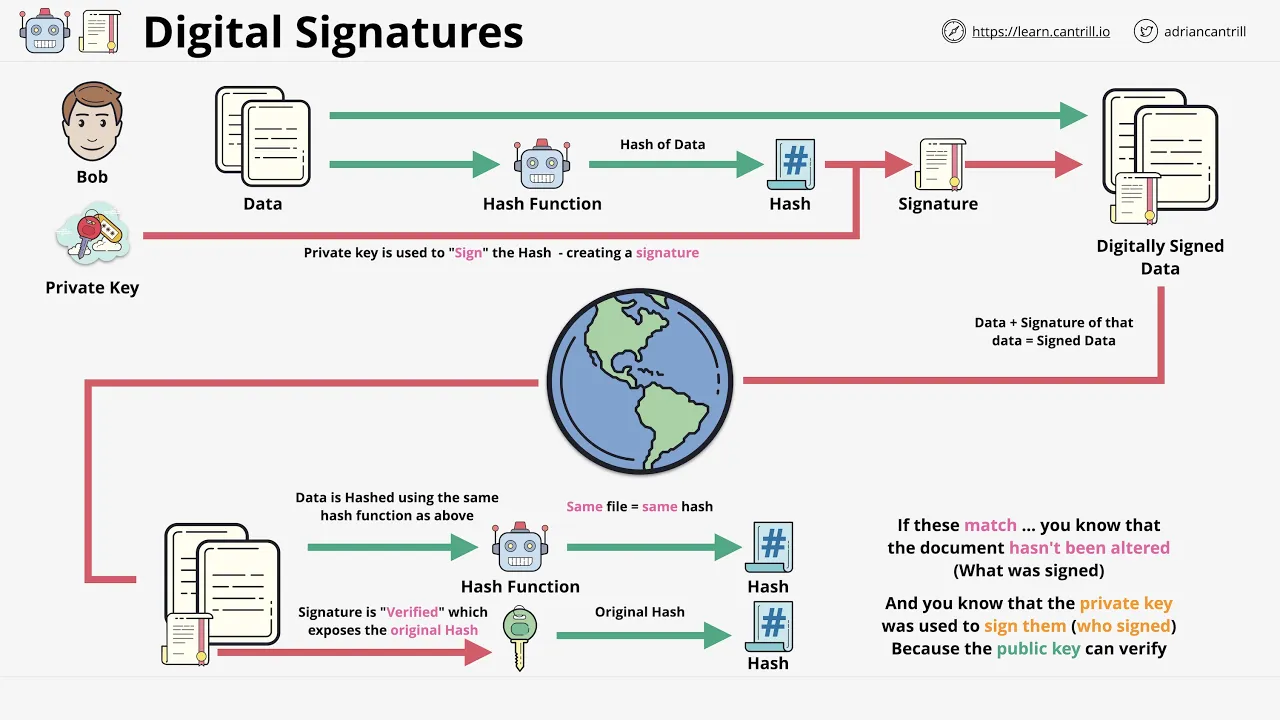
Added:all right welcome everybody to the education 3.0 research Network monthly webinar series where we've been unpacking and learning about all of the really amazing projects happening in the end 3.0 space by head 3.0 we mean you know the distributed and decentralized Internet of Education all of the wonderful work that's being done to help you know bring us into the 21st century you know more efficiently in terms of the infrastructure for education and employment we started this four months ago of the first of which was a for ASU and the trusted learner Network the second was B for Broward and the amazing work that's being done there in the Broward I mean last time to see for this to lab or the Colorado work that's being done across the state there and today we have the absolute pleasure to present to you D a digital credential consortium and it is a remarkable effort MIT and many other amazing universities and have a wonderful group of folks so I want to just take some time here to introduce first Greg than the dude who is 3.0 group and he can kind of tell you what's coming on next and then present the panel so again thanks everyone for joining and join us again on the third Friday of every month we'll have another one next time Thanks thanks Chris so we're very excited to hear from this group today in this time of co vyd I think we were all expecting that there will be a unprecedented wave of disruption happening in higher education continuing through next year many if not all higher education institutions will have a very different residential experience if any residential experience at all and so that will lead to a wave of expected closings of of higher ed institutions which will lead to a wave of transfers of students and just a tremendous amount of disruption that the technology that we're going to be hearing about today provides a foundation for how we can begin to address so I'm looking forward to this presentation and I want to keep all gonna keep on interjecting a little bit as we go along to as we say in it in three oh how do we make it real how do we make this real how do we show the concrete examples of how this can impact at the scale of the Internet the way that students learn at all aspects for their life so Kim do you want to introduce the panel and share your slides yeah so and actually I'll do it in a little bit different order I'll start with a brief introduction to DCC and talk about how we relate to other efforts of ones for example that you've been talking about in these in these webinars and then I'll end introducing the panelists and you know their their specific expertise and focus and why I invited them to come here with me you know we have a great group in DCC who have a wide amount of experience thinking about an implementing digital credentialing scheme so we're very lucky to be working together and working with everyone in the ED 3.0 Network let me start by sharing my slides okay um can you see this yes we can excellent okay so digital credentials consortium I'm well briefly I'm joined by James Chartrand from McMaster and Matt Lyle from Georgia Tech on cam Hamilton Duffy from MIT and we're here to briefly talk about digital credentials consortium okay so what is a digital credentials consortium we're 12 universities committed to standards-based learner centric credentials and we published our white paper just recently at while vigor 2020 feels like years ago what's interesting about the white paper is that we had a little a little innocent section at the beginning about why digital credentials for higher education and I think that now we don't find ourselves being asked that question as much so that part's kind of nice well no there's no positives but in any case we at least we have that established and so you know the good thing is about the is that the people in this group have been thinking about digital credentials for a long time and fortunately through the ED 3.0 Network III innovation network and our partners sitting in Europe we've been thinking about this for a while I think we have a really good baseline set up there's still a lot of work to do the digital credentials consortium or very use case driven and I'll get to a slide later on that talks about the phase one pilots underway I have to the right the list of our founding members in the digital credentials consortium so we have a some more international set of universities and all focusing on on different aspects of the digital credentialing problem which makes it a really good collaboration so so yes I should start out by saying we are University led our primary focus is use cases in higher education but we do see ourselves as part of the broader effort to bridge post-secondary and lifelong learning and I'll talk about how we are achieving that in the next slides and our goal is to contribute to an education landscape that increases learner agency promotes more equitable learning and career pathways so a brief note on our approach a lot of us all of us in the DCC had experience with digital credentials in different ways some of us use sort of earlier versions of standards that didn't didn't quite address the problems that we needed to solve so it's a combination of things that maybe the schema wasn't flexible enough maybe the way that the learner I was identified didn't really allow the learner to express control over the credentials or to have them be fully controlled by the learner portable maybe they relied too much on the issuer to you know permanently host and provide the credentials so over time with all of our approaches and this is partially how DCC came about is we're beating our heads against the wall running into the same problems flexible schemas concerns about right to erasure and that that come about through privacy frameworks like the gdpr and other emerging regulatory frameworks so we didn't think that anything was quite there it's we're still not quite there but we did identify that some emerging standards the w3c verifiable credentials w3c decentralized identifiers were key parts of the puzzle and and as we'll talk about later that's also being used by many efforts involved I notice in Monet is on the call and we've been working closely with him to put us in touch on it on the European effort side but so given that some parts are still missing what we wanted to do is given that where you versity LED we could really help push forward some of the missing pieces so those include standards and protocols and I'll briefly mention but then most importantly learner focused tools and standards we felt like yes there was good coverage on the issuer side but where things really fell apart is what happens when you get to the learner and what it's like for the learner to share their credentials and so we we really identified a shortcoming there and we wanted to address that so we do work with standards development or get more but then also we're working with the broader ecosystem commercial partners etc to ensure interoperability and viability so I do want to say first clarify what is the credential and verifiable credentials because I think in the education space you know that that means something very specific but in verifiable credentials long story usefully called verifiable claims it's now called verifiable credentials so now we get to we we get to explain it every presentation that the credential is is just it's an assertion it's a claim it could be something like a passport it could be a like a bearer passing a ticket or some kind of membership card so so that's what credential means in our in our terminology here so why did we why are we drawn to the w3c verifiable credentials standard so we see ourselves as we talked about in the white paper we searched see ourselves very focused on the credential envelope so not the content of the credential itself I think that's very well covered by standards developing organs you know IMS global tasks you know on the US side and then even more beyond what we what we're interested in is the idea of an interoperable verifiable wrapper which we felt that verifiable credentials addresses so we think about it in terms of the value it provides metadata about you-know-who the issuer the learner is how to how to establish strong link those two even real world identities or or you know kyc type of information depending on the use case but that are also privacy enabling metadata that allows flexible proof mechanisms information about the credentials status and then also the vocabulary so here's a key part is that linked data is very core to our to our approach and what we want to do in what where our approach is partnering to define what those vocabularies are what the content is but so you know building up this this interoperable wrapper that can store a wide array of content is really critical for interoperability of these credentials and a standard way of gaining trust in the credentials the the ability to prove it's not been tampered with the ability to link it to identities and I do want to note a good progress which is that this approach is being used as a basis for the ILR wrapper in the effort that Jim Goodell is leading so we're very happy that that's happening another aspect of the w3c verifiable credentials data model so the ecosystem it puts the holder or the learner in the center of credential exchange so this is a very key aspect of you know the design considerations how how proof in how trust and the credential is established so one thing I do want to call out as well is it calls out sort of an abstraction around verifiable data registries that's one thing that's evolved a lot over time is our thinking about the role that blockchain plays you know in verifiable credential data model and implementation guide you'll see a lot of details considerations around privacy and security in earlier approaches that many of us were working with it didn't allow that sort of nuance and flexibility so if you do want to have very you know more high stakes credentials things that might have personal data in it there are ways that you do that that are different from sort of the earlier approaches of just anchoring the credential to a blockchain so I already touched on some of these but we do see ourselves in terms of specific efforts that that we're working on you know we see ourselves as having a critical role in helping expand on previous efforts so verifiable credentials data model the centralized identifier is one piece of it but I think there's still a lot of information to be learned about how these can be used in real world scenarios how do you bridge these two you know auditioning legal frameworks like the GPR and then applying lessons learned from earlier blockchain based solutions I think it's still the case that we're all talking past to each other is a hash of a data on a blockchain sufficient for you know anonymization it's not but but you'll see a lot of the debates are kind of confined Twitter right now and you know how that goes so I think we wanted to add more nuance and actually work through our partners to get some more specific clarity also for commercial vendors because it's you know it's it's hard to get that at this current state what's missing in the ecosystem standards and protocols so as I mentioned you know the we have the credential data model you know the wrapper covered I think that we're still in the early days of defining what it means to exchange credential in you know at scale so for example say that the learner said has thousands of credentials they're not going to go through a file browser and pick one and share it so the verifiable credentials data model through the notion of presentations or grouping of credentials has the idea of building you know working with sort of fine-grain credentials and aggregating them into a bigger claim but those are still very very early phase so it's not just the exchange it's the the storage and indexing mechanism how do you easily you know search your credentials to know what you have does it does it match what the relying party is asking for does it follow you know trust guidelines that the relying party is laid out for example which issuers they trust you know more work around digital identities for issuers and learner's there's a lot of interesting work here in linking both to existing trust mechanisms but in the case of a lot of work that I think not Joella me oh and i can include links to this after is doing how do how do you link these digital credentials into real world identification scheme so ëitís is is in in that case that he's really looking into but how do you make the identity parts of it real because otherwise we're just you know building something that that won't be used anywhere defining these flexible schemas and in link data I think that that's a big way that you know verify the credentials data model has been a standard for for a while but I think in the education space we're really plowing forward faster than others and so I think we see ourselves as having a key part of connecting this work to education stos and so more direct learner agency I think I've covered that but but also and I think most critically the development of a transparent governance model that keeps the learners rights at the center and by working as a university led effort that's something that we can really push forward and make sure learner learner rights are are the first concern so I'm reaching the end so how do we work how do we try to pull all this broad effort off because I talked about a lot of things a lot of efforts but again we're really focused on our initial use cases are you know higher education scenarios credential envelope partnering for everything else so how do we do that you know so one I should call we're very committed to open source open standards we're engaging with the public through w3c verifiable credentials for education task force we've had some good attendance from both industry and groups that are attending here standards education standards orgs so we're collaborating with standards groups and networks I think a lot of those are called out to the icons on the right so you know w3c I Triple E which I think we talked about in in some of these webinars in the past too centralized identity foundation in terms of the the contents of credentials there are groups like s and IMS global and then I think one area where we're really benefiting is that a lot of the EDC I your European digital credentials infrastructure and related standards groups have been doing they've been working with verifiable credentials and as I mentioned in the case of linking verifiable credentials dudes to ìitís there I would say that a lot more work for vetting the solutions to real-world uses are more mature so we've been fortunate to be increasingly partnering with many of these efforts and learning from their success and then lastly networks like the t3 innovation network is how we're a large part of how we're identifying partners to work with to make sure it's you know real use cases so and so yeah I think that those sort of partnerships are where we see ourselves is creating a vital ecosystem of options so DCC is not developing commercial products we want to make sure that the standards are being developed you know especially the thought around the learner side so that there is a ecosystem of options so that the learner and you know so that no one is locked in it's the solution so and we're doing that by partnering with a range of people I think I'll just skip past this this is from our white paper but it's sort of calling out how we how our efforts work so you know we have the open source libraries that are issuing the open standard services that we can stand up but these are these are items that commercial partners can either use you know they can either just directly write the standard they can use our libraries or services we're we're also working a lot in terms of integrations linking to learner identity methods authentication methods for the university but then also you know more broadly throughout the university the student information systems any other sorts of you know of data systems both on the incoming so the admissions and outgoing you know registrar's side so here's here's where it gets real Greg this is this is this is the magic so we're as I mentioned very use case driven I think that a big missing piece is with all of you know a lot of what we've seen in verifiable credentials and related efforts is that you know people will will sort of stop at the at the user or maybe maybe even like the user the learner is showing the credential in their wallet but what do you do after that you know sherry on LinkedIn is great but after LinkedIn what do you get this does anyone trust that thing that you put on LinkedIn does it help you get a job so we want to make sure that we're exercising each leg of the path and so we're doing that in in true to form our pilots are working in a very decentralized way so for example University of Milano is working on solutions that integrate with edci and europass - but let me call out a specific end in scenario let's see so ok here we go so I won't I'm not sure I'm allowed to name names of companies yet but one pilot that we're working on is the idea that ok so there's a specific company that that likes to hire you know students for internships so - before they hire them they have to know for sure that one they're a student - they are an undergrad versus a master student so these are required for for you know these are regulatory and they determine the pay right now it's a you know phone call manual kind of verification so what we're doing is working - with the issuer - issue exactly those credentials going through the learner so that the employer and it's going through a applicant tracking system can verify yes their student you know they are a masters versus an undergrad so that's an interesting path because we're going through you know the issuer the learner applicant tracking system onto the employer and you know so we're starting small that's not everything that the employer needs to know about the student but that's a critical piece the critical piece that they had to manually verify before that they can get out of the way um Georgia Tech and this is one reason I'm very excited to have Matt Lyle here they've been working heavily on usability pieces and so they've had some students that are focused they've done studies already about usability and and more specifically non usability of existing digital credential wallets the idea that you know the terms that we use are still really informed by say like Bitcoin wallets and they're not intuitive to people in terms of notions of higher learning oh let's see I'll move on and then we can come back to that slide if if interested so how do you how do you work with us we are well as I mentioned working through those groups like t3 innovation network the various standards groups but then also we have our verifiable credentials for education task force meeting every Monday I have a link at this location and I have our DCC resources available here I'll share these slides after and so who are we I'm as I mentioned you've heard a lot for me and the architect I'm very involved in a lot of these standards group co-chair the w3c credentials community group on the diff steering committee in the past I was - co-creator of block starts which is partially how a lot of us on the group got here we're all working on block certs implementations beating our head against the wall for you know things that didn't quite work with that model I have James Chartrand from McMaster University he is a co-chair of the w3c verifiable pensions for education task force and he architected and implemented McMasters digital credentialing solutions so I think that he's from his experience and and I think more broadly McMaster as a university has done amazing work they're very all in to learner controlled credentials so I've been really excited to have big master involved they're their registrar's you know executive team everyone is very much committed to making this real so I think that I'm excited because we have a real opportunity to work with them and understand how best to integrate these into their systems and then we have Matt Lyle a director of digital learning technologies I'm forgetting this acronym so he'll fill me on that it's at he's from Georgia Tech very involved in creation and development of Technology enhanced learning experiences and as I mentioned earlier he's been focused for a while on usability of digital credentials and tools to manage them so that's us and at that I'll turn over for I guess Greg to take over well James and Matt and do you want to come in huh hey everybody and I was just gonna say I think I saw oh nevermind I was gonna say I thought I saw that James went away that he came back so Matt dealer my connection might be a little at peace I got that who would like to start Matt James hey so as I can go first as Kim said I've worked this so the acronym C 21 u stands for Center for 21st century universities which is a mouthful so we just say C 21 you but we prior to joining up with digital credentials consortium we had been piloting block certs and at Georgia Tech and primarily for non-credit bearing type activities seminars professional development things like that but then I guess last year was when we really got started working with some of our master students and our human-computer interaction master's program to do some UX research on the idea starting with the idea of specifically about block search but kind of expanding more generally about digital credentials so um yeah so that's me James so as Kim said I'm at McMaster up in Canada and as she said we've just got a a very lucky situation here where we have a lot of by and from the University so we've been able to make a lot of good progress are we started in on this I guess a little bit over a year ago with boxer and issued degrees last spring for a subset of the University and just for engineering students because a lot of what we're doing is supported by the engineering faculty at McMaster but now this spring with kovat the Registrar has decided that they're going to push ahead and issue all degrees across McMaster using the same system which is great we are at the same time very fortunate to be working with Kym and Matt and the other people that could soar ksham on this new system for a couple of reasons but the main one probably is that people at McMaster in the Registrar especially are very keen on moving towards transcripts at the moment right now we put the degrees up on you know the the anchor through the degrees is on the Bitcoin blockchain which is fine because it's public information but with the transcripts it's clearly more private and people just aren't comfortable putting up that information even if it's a hash so we're very hopeful that with this new system we can move towards transcripts and also then move our degrees onto this new system as well okay well James main we'll just just start with and keep with you for a second so that sounds that sounds very real all right that's all of your diplomas you said write all of your so just the diplomas that's though so I guess the question is is you know it's a couple questions of so as you think about how to get the transcripts and do you have a way of thinking about sort of what people call transcript versus resume which is a transcript being an immutable hole that cannot have selected parts taken out or as a resume as a user selected curated version of their life any thoughts about that sure in well first stop in the spirit of keeping it real and concrete initially I think the Registrar would be keen just to have a bit of PDF that's been signed so this gets to the idea what the consortium was doing with the envelope and into this envelope we can put quite simply initially probably just the PDF how'd it's signed by the Registrar and then that can be given out to you know employers or whoever who can instantly verify that it came from the registrar looking further down the road towards what you're talking about there is there's certainly interest at McMaster about doing things like that especially from the Dean the Dean of engineering issue our Puri is very keen on moving towards micro credentials and kind of re-examining the curriculum and looking at how it can be broken up or recombined but initially we have a very concrete focus and that's just to well to move our what we have now the degrees into this new system and hopefully also to get even just a simple copy of the transcript done well just on this I can add something on the competency side so UC Irvine our close contact of ours there has been working on that for a while that's as you know it's incredibly challenging so fortunately you know we have someone that's been thinking a lot about you know in a course description how do you define what sort of skills and competencies you expect the the learner to have at that in and she's been kind of banging this drum with the professors there for a while and so I think that that's some of the best progress I've seen in terms of you know starting to get that information so I think we also need to turn around and see what is it you know how do we define the sort of reusable vocabularies and you know sir what what did we point to you there how do we how do we capture those I think that's something that we're eager to partner with some of the broader groups here on that because I think that that's where less of our expertise lies in terms of these these texana means that people are using but I feel like through the UC Irvine pilots we can start having a very good use case from actual course data and you know like I say even even better mapping that through to what is a skill that an employer would would you know would honor and accept because you know the critical part of that and one thing I should clarify I probably don't clarify before is even though you know we're a bunch of four-year universities I think that there's a lot of buy-in that the current model is pretty broken the idea that you have to wait all the way to the end of this four years to get this degree and you know the idea that well increasingly will happen real life happens you know your opportunities to really focus on education traditional education may get interrupted and so what are the skills that you can take and capture with you I think that that's a very critical piece and will become you know we have a really good opportunity to start pushing for in there and that's excellent cuz as we know that in America approximately half of the students who start higher education complete and so for basically half of those who are higher ed students you get debt but no degree right so how do we make that that every step of learning along the way is a meaningful step that can help them along their path to lifelong learning and help connect them to other employment opportunities so Kim so if if Jim's if the McMaster is able to do all of their diplomas what about MIT when how long will it take for MIT to have all diplomas issued in the way that McMasters are going what's your thoughts what do you think is that a year from now two years from now what do you think um it'll it'll be soon yes so I would imagine that it's yeah so there's a combination of how we're getting there so um a lot more are happening now just through the sort of system that's already set up but it's not quite set up yet it's similar to James case you know people can do degrees but then when it moves to higher safe things that transcripts you know there's still work to be done I think that we're very close to that so I don't want to commit to a date on air and but it's very soon in yes I tend to be very realistic about these things and so I I don't hype over hype so I can quickly I mean what we're using at McMaster is something that you know Kim and the people at MIT built so for her we're using what they did and we were very fortunate to be able to pick up their product and block certs and drop it into our system amazing amazingly well so we owe a lot to them okay let me just go to Matt so you know Matt a crow which is all of the registrar's in I think just the u.s. I'm not sure if they extend to Canada you know they've just announced that they're ready to go with an adoption of the IMS global comprehensive learner record what's your thoughts about Georgia Tech how fast can your institution go and what's your prediction about how fast the entire industry of higher ed can move in this direction well so as far as Georgia Tech goes our focus with digital credentials has been more on the non-academic side as I mentioned early a lot of our earlier pilots a lot of our focus have been on with Georgia Tech professional education and with just not the non academic side of things that you were - tech we see that as a really good place to move quickly and to start and pilot things and then move in to the academic side so we're we're not as far along as MIT and McMaster as far as when it comes to issuing diplomas and things like that so yeah I think so one of our grad students just finished up another round of usability interviews with a group of Georgia Tech students and these were done sort of during the the like the heat of the moment with kovat is over the last few months and I one thing I thought was really interesting I think this gets to your question Greg about how how fast things will happen is the students this time this go-around was a lot more talked about I need real-time and I need fine-grain I need to be able to express my skills and I need to do it right away like Kim said a moment ago waiting four years is too long but for these students that granted this was a relatively small sample because um we you know we were in the middle of kovin but this group of students about eight or nine everyone and one thought waiting to the end of a course was too long they needed to be able to say the week after they've obtained the skill that they they can express that to someone in a verifiable way so to me that feels a little different than some of the past interviews we've done there's a lot more urgency about being able to express my skills my expertise from these students and there was in the past and the other interesting thing too that I think will probably have a big impact on what we do is there's a lot of talk about I don't necessarily there is a difference between West how students describe credentials and how faculty um we just finished a round of faculty interviews as well and students talked about you know I'd like to get a credential that just says I'm a beginner at this thing or I'm just starting at this thing where as Faculty's mindset is really like they have to show a level of expertise before I'm comfortable issuing a credential so I think there's things like that and and that that perspective from students about I want to be able to show right now that I'm a beginner at this thing but I'm getting started I think is also being impacted by a lot of the changes going on with our economy and a job market and things like that so anyway I I feel like as you said at the very beginning that that our current state of things is gonna move this initiative a lot faster and I'm also hearing that from these students in these interviews we've been doing excellent so I think I'm Matt hailstone well I can map be unmuted Matt are you there can you hear me yes Matt please go ahead yeah excellent I appreciate that the opportunity so just earlier they talked about can talk about gdpr right and there's two aspects I just wanted to bring up the learner and their request to be forgotten but also the education institution and their need to be able to have some type of record right I'm not sure if it's just a very this individual was asked to be forgotten and that's all that we can and hold but at least some kind of record that we know okay this person we have some type of an experience with them before and previously I'm not sure how much p.i information would be needed to be able to identify the individual but this kind of like the protect the interest of the institution but also fulfill the request for the individual kind of competing needs or interests there and I'm wondering if verifiable credentials can help in that scenario on both sides of the story I'm not sure how but kind of bringing up a use case and I'm gonna ask you to ask that question again a little clearer I get what he's asking okay good so in apologies I think that pugs snoring is getting kind of loud so okay he's talking about the idea that I mentioned the the right to be forgotten as provided by GDP are but there's pressure in both directions um you know the the right to be forgotten if you send a request you're not guaranteed it can be erased sometimes there's a public interest or whatever and in that data being retained so you know how do you balance both both concerns and I like I really like this question because I think it hints at okay so a lot of what we the standards that we're talking about are associated with you know sort of a movement called self sovereign identity and you know selfs our own identity is you know the idea of putting the learner in control of their data but it's it's sort of a not really up to date term I think that what I've realized over time is I think a lot of the original framing of it is kind of flawed because you might think of it as based in like the 1919 90s kind of used cryptography to solve everything like no information to no-one everything is private what has been a real gap in the the sort of technology led approaches is that we lack the nuance to apply to real world scenarios so this is something that came up a lot through our work with t3 so the the FERPA people pointed out you know what about all the special cases so they would hear people talk about learner controlled and they would say well this contradicts this FERPA regulation and I think one thing that that we need to get clear with sort of this wave of application and when I feel like we're doing through the through this network is is realize the role that technology plays and realize the role where regulatory including local considerations plays so verifiable credentials can work with that I think that that's another key element of being very use case driven so even amongst our university members there are there's pressures like you mentioned in both directions so you know some the European ones of course there's GDP are sometimes transitively those those spread as well some issue some issuing universities have a requirement to hold on to the records for certain amount of years some might have requirements to you know delete after a certain or not hold on to after a certain amount of time so I think these things are we need to have it so that these types of concerns that are more regulatory and you know context sensitive in nature so that there there's a role there which you know combination of you know verifiable credentials sort of having its boundary of what it can solve but not expecting it to solve the full story so I think that that's another area where we've gained more knowledge over time one thing I'll point you to there is we've Barbara and Nissenbaum has has a notion of contextual integrity as it relates to privacy I think that that's a really interesting model that I've seen pointed to to help describe the different privacy concerns that are relevant in different cases and you know there's a lot of there's also kind of more formal models that sort of talk about how we can talk about credentialing and identity in these contexts and so so yeah I think that we're finally making progress on on broadening the conversation so that everyone that needs to be part of it not just the technologists are involved excellent we have a question from Mary strain here she says might we want to consider the pedagogical framework for how competencies are assessed and recognized so the credentials are recognizable through existing paradigms of achievement to those outside the issuing institution do we run the risk of issuing so many verifiable credentials that they lose currency and value outside of the university I'm gonna I'm gonna actually start with you know Kim the conversation that you and I have been having in the past few days which is directly about that right which is that you know I come from a background of focusing primarily in k12 k12 in the u.s. we've had we've had standards state academic standards you know detailed like a hundred statements per grade per subject and then a summative assessment at the end of each grade right very very concrete now that's sort of the opposite of the university experience we're in many ways the culture is is that the more soon generous the professors area of research the more the more exceptional their research is received in the community so the idea of making it a commodity where your course is directly translated into someone else's course and maybe it's not exactly the same but you ultimately are saying there's 87% of that course that translates and if you do the remaining 13% than the credit transfers that sort of counter to the culture often of university but we have we've been working in k-12 and on pace the competency and academic standards exchange I think we have a really robust standard and open-source tool stack and registry you know a distributed registry what what is the way that you all think about how this is going just both culturally and technically how you can get to the point where you can say let's say we just said let's start with every introduction of computer science course in the country and just those if we could just make those explicit about what the course objectives are in that course and then use maybe computer science principles computer science teachers association and other national frameworks to kind of hub-and-spoke create comparability well what's stopping universities from doing that now and how can we accelerate that yeah I can take it starting it so I think that that's an area where I see ourselves as we are not really in the position to define those but I think we have a strong advocacy role that we can take so I think on a couple sides the thing that I noticed in terms of even constructing the the courses and what are the skills that you expect to get out of it the instructors aren't necessarily set up now to think about it in that way that's slightly different from them so I think that there's you know education that needs happen I would say both directions but many directions so there's the idea as what's happening with BC talent cloud getting employers to be precise about the skills that they're looking for as opposed to the generic things that we see nowadays Rockstar react to the of her something you know so specifically what are you looking for so there's there's that side there's you know when you're constructing the courses but then there's also the part that I think Mary was was talking to as well which is how do you make sure that they there's some mapping so you mentioned one way to do that but I think there's also the idea that as an issuer you know how how do you know which ones are valuable how you know what issue I think the way I see it is that there's that work it's gonna take a while I wish it could happen very fast I think that we'll be in a situation where you know we won't know everything upfront and so one aspect of it would be that as issuers we can support different formats now that's that's not helping the problem that may be seeing is making it worse but in terms of what a relying party is asking for you know part of these exchange protocols is saying like these are the skills that I recognize these are the you know vocabularies that I recognize so you know making sure that these are these use cases are known and pushed back to the issuer but then in some cases those those can be addressed through mapping and things like that but I think where I really see us working is the advocacy role drawing attention you know both in our choices in making that very public what we're doing but then also you know pushing on all directions like if they you know and internally and the instructors you know sort of with our partners trying to pull up what those requirements are but I think that the real heavy lifting is in orgs education data standards and related orgs that are actually defining these we need to be in a very tight with with them and making sure we're we're doing the right thing I would go to Matt and James about this but I do want to just acknowledge Brant red who's on the attendees and is doing some really spectacular work with t3 Network creating a a technical translation between the different competent machine readable competency formats so there's both the technical layer in terms of translation then there's a Content layer of translation and so both of those types of things are underway and so I let me go to a Matt do you want to talk about examples of areas ontologies and taxonomy x' are defined in machine readable formats and your university yeah well I was pointing over here because Mary's question is popping up over here I was also gonna mention the project through the t3 innovation network that's doing some competency mapping I think I think that's really interesting I mean it's Mary's question was do we run the risk of losing some value and that and it being commoditized and I think we definitely do run that risk I think one of the things I like about the DCC when we start first started learning about them was the focus on learner control um and just really putting it in the hands of the learners how they present who they present to how they package and so I think from the learners perspective some of that's mitigated because they're able to control what package of the idea is that where they will be able to control what package and what combination and what types of credentials they present to others but then Greg asked what stopping universities like Georgia Tech and I think it it's less of a technical hurdle and it's more of a design consideration I think I think just the the know-how or the time or the incentive for faculty to be able to design their courses in a way where they clearly outlined their competencies and their learning outcomes and that it's and that's sort of the DNA of their their courses are clear I I think that that's one of the biggest hurdles because I just don't think we're set up our faculty many of our they aren't set up to be able to do that your knowledge also Dan goal who's on the attendees and who was really pushing the envelope in how we look at non-academic machine-readable competencies as well so some of the work that he's brought in with the algebra project and really looking at persistence and a lot of the key enabling social emotional behaviors that are arguably even more important for equitable access to education across the ecosystem but James do you want to talk any more about competencies and machine readable versions and how you saw me after well one thing I'd say is you had a session I think maybe two months ago with Bill long and I thought he described it really well he he said it was overwhelming with goodness overwhelming people with goodness which i think is exactly right I mean if you give out if you've got a gazillion I'm just saying what everybody knows already but if you give out a gazillion credentials and there's no clear way to judge them or or to compare judgments nobody's ever going to be able to use them so you imagine a recruiter at a company they don't want to have to make judgments they want the judgments to be made for them that's what a degree does to some extent and they just want a yes or no yes they don't want to have to dive in and look at all the the great things that people did you I think typically those things would be shown during the interview but and so I mean I don't I'm by no means an expert on that it's you know I'm sorry I will say one thing because they work at McMaster is a lot of it is falling within the engineer the Faculty of engineering there is a process by which engineers are accredited and in Canada at least I imagine it's the same across the states as well and there's I think a very well-defined set of criteria and so we've talked a little bit about that at McMaster at about possibly two micro-credentials for each of those different pieces which are already well defined but again the I mean getting professors to buy into that or you know I think would be very difficult well we'll see whether the new economic conditions you know if there is as some people have hypothesized a massive higher ed bubble and that's gonna come crashing down as as escalating costs far beyond inflation and declining completion rates expose this gap of people saying really seventy eight thousand dollars for that you know in America you know so maybe we're gonna see new things right maybe we're gonna seem new much more value driven approaches and maybe those will leapfrog into the future we think about the digital wallet right and I guess you could take the wallet and now jeans say okay I've got this digital wallet but it's full of these non exchangeable gems right and they're like pebbles and now I've got like a thousand of them and so now I go and I want to know in my wallet go make a transaction with someone else and so I've got my one thousand gems and I want to now go and exchange them at you at this it wouldn't be a very efficient economy right what you need is they need to be machine readable quantifiable to a degree and they need to be exchangeable you need to be able to say I've got this thing it rolls up into this other thing and now I want to exchange that thing with you and same way in your wallet doesn't need to be that everyone uses the same currency this idea that we've kind of wait and so there's one agreement about one master taxonomy of learning no it can be just that there's an exchange rate I've got my currency you've got your currency we agree on an exchange rate and now we can make these transactions occur so what if anyone wants to comment on that or whether we should go to another issue well just a quick comment which is that I think that's one reason that we're very glad we haven't an issue university led effort because we know that we're still in the early days and we don't want to leave learners in the lurch - - you know just some versioning problem we didn't know this this sort of information like this this is the best way to express a thing and so you know the way that we're seeing it is yes we rely heavily on on versioning technically to you know make sure that that people can continue to use old credentials but that we're giving them access to the up-to-date version so that they can get the most value out of their credentials to me play let left so one minute format one minute for James yeah final comment Matt sorry I was muted no I don't I mean I guess the only other thing I think that we haven't talked about is thinking more about the terms we use and if we're really going to drive adoption and get a lot of people to buy into something like this um Kim mentioned this earlier but a lot of the terms we use come out of cryptocurrency and for the average person don't mean anything to them so I do think as we move forward I don't know I don't know the answer to some of these questions but there are terms that were using like issuer and wallet and even credentials that don't mean much to the layperson so I do think as a community we've got to agree on some of that stuff - and James we're out of time but any last word oh just say thank you it's been great very enjoy thank you everyone thank you thank you Matt thank you Kim Chris Taylor Duncan the whole learning economy group thank you so much and we'll see you in a minute well actually and let me say one final thought here I know we're out of time there were a lot of questions we didn't get a chance to answer I can't promise system I'm going to attempt to send those questions around and maybe we can follow up with an email on those so I want to thank everybody for coming again be with us on the third Friday from next month we're gonna have another great discussions so everyone enjoy your Friday terrific thank you Chris bye-bye
Up Next

How to Create a DID and Issue a Verifiable Credential: A Step-by-Step Guide
@docknetwork
2.8K views•2022-06-23

Triumph of Orthodoxy Icon: Byzantine Art & History Explained
@BenCallan
2.1K views•2024-08-06

FastAPI vs Flask vs Django: Choosing the Right Python Web Framework
@TechWithTim
302.5K views•2024-05-26

Game of Thrones Opening Credits: A Cinematic Analysis
@gameofthrones
46.3M views•2011-04-18
Related Study Plans & Knowledge Roadmaps
Structured learning paths in General & Interdisciplinary Studies