


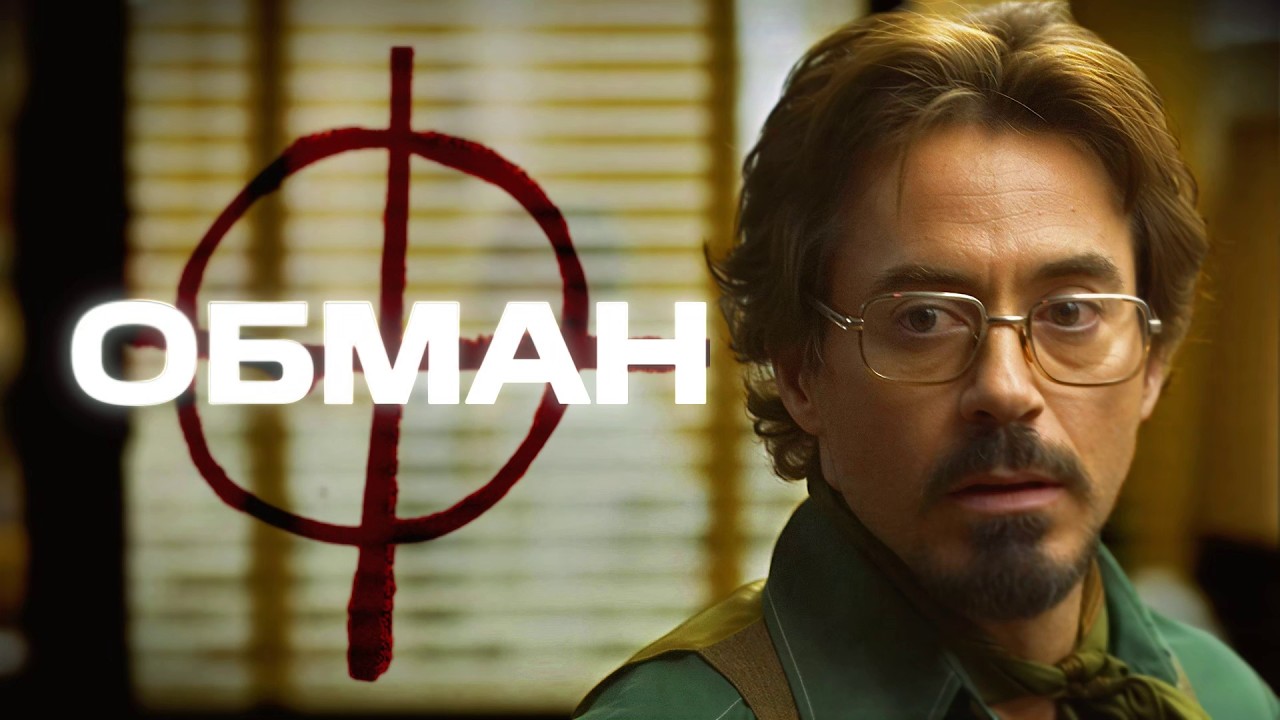
















In David Fincher's Zodiac, the scene where Robert Gray Smith confronts Bob Vaughn demonstrates how cinematography techniques—such as camera angles, framing, blocking, and negative space—can manipulate audience perception and build psychological tension. The scene uses upward angles to establish power dynamics, unbalanced compositions to create unease, and strategic camera movements to heighten paranoia, ultimately making the audience experience the same fear and uncertainty as the protagonist even when the fear may be unwarranted.
Zodiac Cinematography Analysis: Visual Storytelling in David Fincher's Film
Added:Fundamentals of Cinematography: Understanding basic camera movements (pans, tilts, tracking shots), framing (composition, headroom, rule of thirds), and lighting styles.
The Concept of Mise-en-Scène: How directors use the arrangement of actors, props, and lighting within the frame to express narrative and emotional subtext.
David Fincher's Directorial Auteur Style: Familiarity with his signature use of precise, computer-controlled camera movements, desaturated color palettes, and digital workflows.
Narrative Mechanics of Suspense: Understanding how psychological thrillers manipulate audience information to generate tension, dread, and paranoia.
The Digital Film Revolution: Examining the technical and aesthetic transition from traditional celluloid to digital sensors, specifically the Viper FilmStream camera used in Zodiac.
The Legacy of Harris Savides: A deep dive into the naturalistic lighting techniques and visual philosophy of Zodiac's cinematographer.
Comparative Procedural Cinema: Analyzing how visual storytelling in Zodiac compares to classic paranoia thrillers of the 1970s, such as 'All the President's Men' and 'Klute'.
Invisible Visual Effects: Studying how digital compositing and CGI are utilized in historical period-pieces to recreate environments seamlessly without disrupting realism.
Practical Directing and Camera Operations: Applying Fincher's rigid camera discipline (matching camera speed to actor movement) to student or independent filmmaking projects to enhance suspense.
139.7K views6.3Klikes8:43Original Release: 2017-01-24
David Fincher is known for his meticulous directing and unique visual style his style Grew From a background in music videos and he used the same style as he moved into directing feature films finer cinematography is some of the most thought out and intentional work being done right now today I want to analyze my favorite scene from David Fincher's zodiac and highlight and explain some of the cinematography decisions that were made this scene takes place near the end of the film when Robert Grey Smith goes to talk to Bob vau to find more information about Rick Marshall the man Grace Smith believes to be the Zodiac before I begin analyzing this scene I want you to keep in mind an important fact this entire scene is constructed from the perspective of gry Smith the audience only knows what gry Smith knows and we should feel how he feels with this in mind let's get into the scene the wide exterior shot just gives us some facts it's night and it's raining outside the first shot we see within the house gives us information that becomes important later on Von locks the door notice Von's reflection in the nearby mirror Von locking the door and the presence of the mirror become important later in the scene we enter the kitchen and Dolly back into the master shot this shot is the master for the majority of the scene vau settles into the left side of the screen creating a balanced comfortable shot with both men in frame the tension is low in the beginning of this scene now we get the first medium close-up of gry Smith tension is still low so far this scene is simply about acquiring more information about the Z zodiac do you remember the Zodiac when gray Smith mentions the Zodiac to vau for the first time there is a change in tone in the master vau moves into profile hiding half of his face from the audience this specific blocking Direction shows the audience that he may be holding something back as V talks about his distaste for Rick Marshall we get the first medium closeup of vau this first close-up shows that V has a definite relationship with Rick Marshall as the camera go shot reverse shot notice how vaugh is shot from an angle looking up up Wards and gry Smith is shot from an angle looking downwards vaugh is beginning to understand what this meeting is about and the cinematography foreshadows his control of power the master pulls back leaving what was once a balanced frame now gry Smith sits alone just off center with dark negative space to the right of the frame where Von disappeared gry Smith still looking for information is comfortable in this moment because he is being shown something new he shares what used to be his medium shot with vaugh in a comfortable two shot the up we get gives us a connection to V and the Zodiac even though we don't currently suspect V to be the Zodiac after Von hands grce Smith the film reel the two characters move back into the balance master and shot reverse shot that we saw earlier in the scene this cinematography sends us back into the low tension calm that we felt in the beginning then vaugh gives crucial information Mr gry Smith I do the posters myself it's my handwriting with one line tension fills the scene notice that the the cuts between shots become significantly slower after this Revelation as gry Smith folds the poster the shot of him changes to include the door in the background subconsciously reminding the audience what sits behind gry Smith we cut into an unbalanced close-up of gry Smith to highlight the fear that sits in his eyes behind him out of focus vong grabs the audience attention by flipping on the light Grace Smith delivers a line of exposition and we are reminded of what was said earlier in the film not many people have basements in California graith turns his head and looks directly into the lens keep in mind we are still in gra Smith's point of view this shot is not a first-person point of view from V because of how close it is this shot is so close on gry Smith because he feels paranoid and trapped by the man standing in front of him v stands in the center of the frame outlined by the basement door the shot angles upwards at him giving him an air of complete power the reverse shows gry Smith looking small and helpless in the center of the frame the downward angle adds to the lack of control felt in the shot there is an important moment in the cinematography as the two characters descend into the basement vau walks down the stairs turns on the light and enters the basement Fincher could have had graith follow within the same shot but he doesn't instead we get this very symmetrical shot of Grace Smith walking down the steps notice how close the walls are as graay Smith walks down adding to his claustrophobic descent into the basement also notice the phone that sits at the bottom of the steps this was not in Von shot the implication being that this may be the phone that the Zodiac uses to make his calls if it's uncommon to have basements in California how much more Uncommon must it be to have a phone line down there as well vaugh walks through the basement in almost complete silhouette gry Smith moves into Shadow as he follows vau deeper in the basement represents evil and darkness the very place that a murder could happen as gry Smith moves into the basement notice how the camera angles upwards this is to prepare the audience for this moment you live alone gray Smith hearing footsteps above him vau grabs the log book to give information V's presence in the center of the frame and the book at the very center shows that this is about the information he is giving grce Smith's presence in the frame continues our fear of what could happen vau now stands on the left side of an unbalanced frame the harsh light above him creates Long Shadows around his eyes and creates a menacing look this is how grce Smith perceives vau but it may not necessarily be reality vau moves back into the Shadows to deliver a menacing line do you think he saw the film in our theater and was inspired grce Smith and the audience begin to believe that vaugh may be the Zodiac as gray Smith hears the noises again the camera pushes very close on him adding to the claustrophobic feeling of the basement and the overall tension of the scene gray Smith feels trapped as gry Smith begins to back out the camera dolly is with him the camera leaves V dolling Back In Fear And we hear the sound of the tea whistling which adds to the tension vau cuts the lights this is the climax of the scene if vaugh was the Zodiac this is where gry Smith would die as gry Smith climbs back up the stairs the sound of the teac kettle whistling gets Extremely Loud grce Smith gets to the front door from the beginning of the scene and realizes it's locked gry Smith sits pushed to the right of the frame with the mirror behind him to prepare for we move into an over the shoulder shot from V's perspective vau looks large and fills the left of the frame with gry Smith looking weak on the right side this is the closest we get to vaugh in the entire scene it's saved for this moment he again has Shadows that darken his eyes the close-up of the key diffuses the tension Von isn't going to kill him he isn't the Zodiac he is setting Grace Smith free gray Smith bolts out the door tension is diffused he's escaped we go back to the master shot from the beginning of the scene and we end on V's smiling face this scene is so wonderfully constructed because it exists to give the audience the same paranoia and fear that is felt by the main character even if the fear is unwarranted Fincher used cinematography to make the audience draw conclusions about a character even though there was no concrete evidence in a film that is all about attaching the audience to paranoia and Obsession such meticulous technical work is a must hey guys thank you for watching uh I just want to let you guys know about a couple things first off I started a podcast um it's a film podcast where I talk about movies that have just come out and older movies uh if so if you want to check out that it's going to be linked below uh second off I wanted to just tell you that uh the last few weeks uploads have been pretty sporadic and I haven't been able to sit down and work like I've wanted to uh because of Christmas and other things that have been going on uh so now upload should be going back to a regular every other Tuesday I'm going to go to a two we instead of a one week U to give me more time to make better videos uh I want to have this channel quality over quantity as much as possible um and finally I just want to let you guys know uh that all of your comments that you make um about how you are enjoying this Channel and the encouraging comments that you make those help me out so much and help me to continue to make these videos so I just wanted to say thank you for that and um I'll see you in a couple weeks
Up Next
10:56
The Cinematic Style of Xavier Dolan: A Video Essay | TIFF 2015
@TIFF
203.4K views•2015-01-05

23:14
Visual Analysis Essay: How to Analyze Graphic Novels in College Writing
@nataliepleimann5941
1K views•2020-10-14
4:55
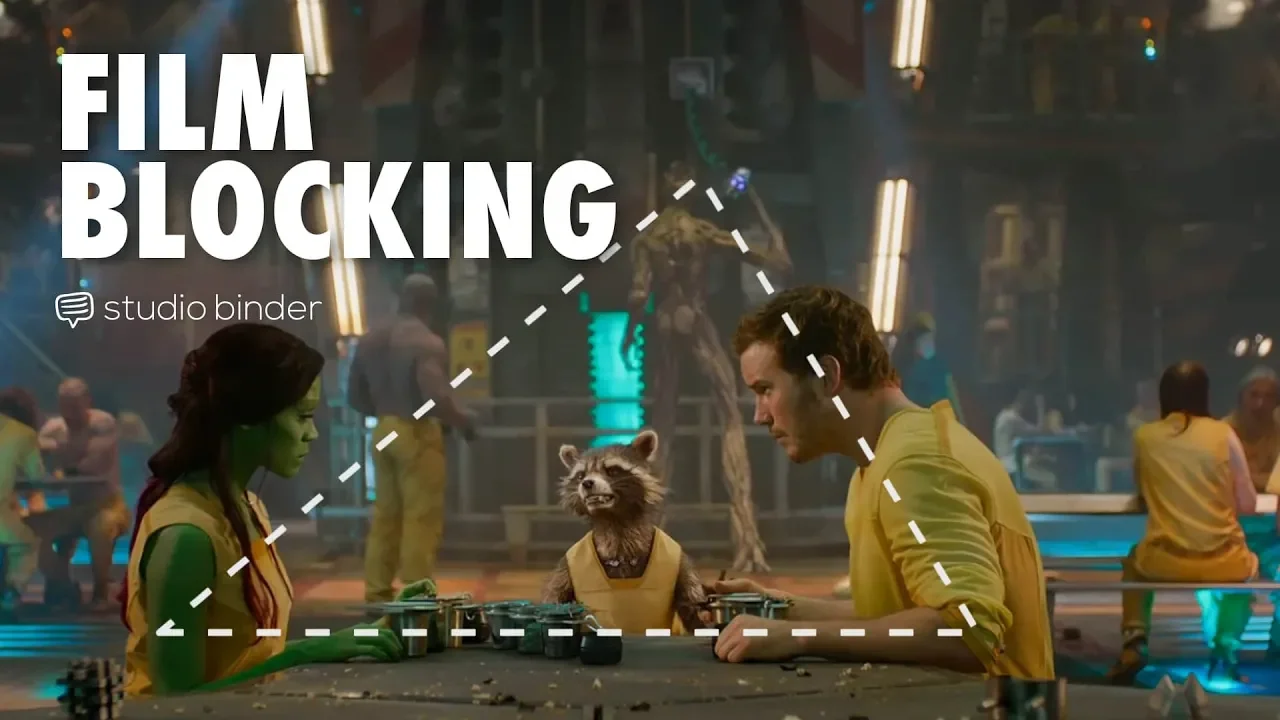
Film Blocking Techniques for Directors: Space, Shapes, Lines
@StudioBinder
1.9M views•2018-07-23

4:00
Evolution of Darth Vader: Anakin Skywalker's Animated Journey Across Star Wars Films
@TellItAnimated
13.4M views•2019-03-30
Related Study Plans & Knowledge Roadmaps
Structured learning paths in Film Analysis
film-analysis
Sensory Cinema: Foley, Haptic Sound & Texture
01Introduction to Film Sound and Foley Artistry
02Micro-Sounds, Textures, and Extreme Amplification
03Haptic Audition and Film Phenomenology
+ 1 more learning modules
12h4 modules
Explore Roadmap
film-analysis
Breaking the Fourth Wall: Mockumentary & Satire
01The Invisible Wall: Basics of Cinematic Illusion
02Looking at the Lens: Direct Address & Character Glances
03The Mockumentary: Satire, Realism, and Complicity
+ 2 more learning modules
12h5 modules
Explore Roadmap
film-analysis
Analyzing the Long Take: Cinema, Space & Ethics
01Foundations of Film Grammar: Montage vs. The Long Take
02Choreography and Mechanics of the Simulated One-Shot
03Phenomenology of Film: Real-Time Spatial Continuity
+ 1 more learning modules
14h4 modules
Explore Roadmap
film-analysis
Anachronistic Music: Period Drama & Subversion
01Foundations of Film Sound and the 'Needle Drop'
02Traditional Authenticity vs. Revisionist History
03The Rise of the Anachronistic Soundtrack
+ 2 more learning modules
12h5 modules
Explore Roadmap