






![The History of Queer Coding [CC]](https://i.ytimg.com/vi_webp/GsO4fZYHQic/maxresdefault.webp)


![[CRITIQUE] HAMNET, LE MAGE DU KREMLIN & AMOUR APOCALYPSE](https://i.ytimg.com/vi/McuENp9X5gg/maxresdefault.jpg)



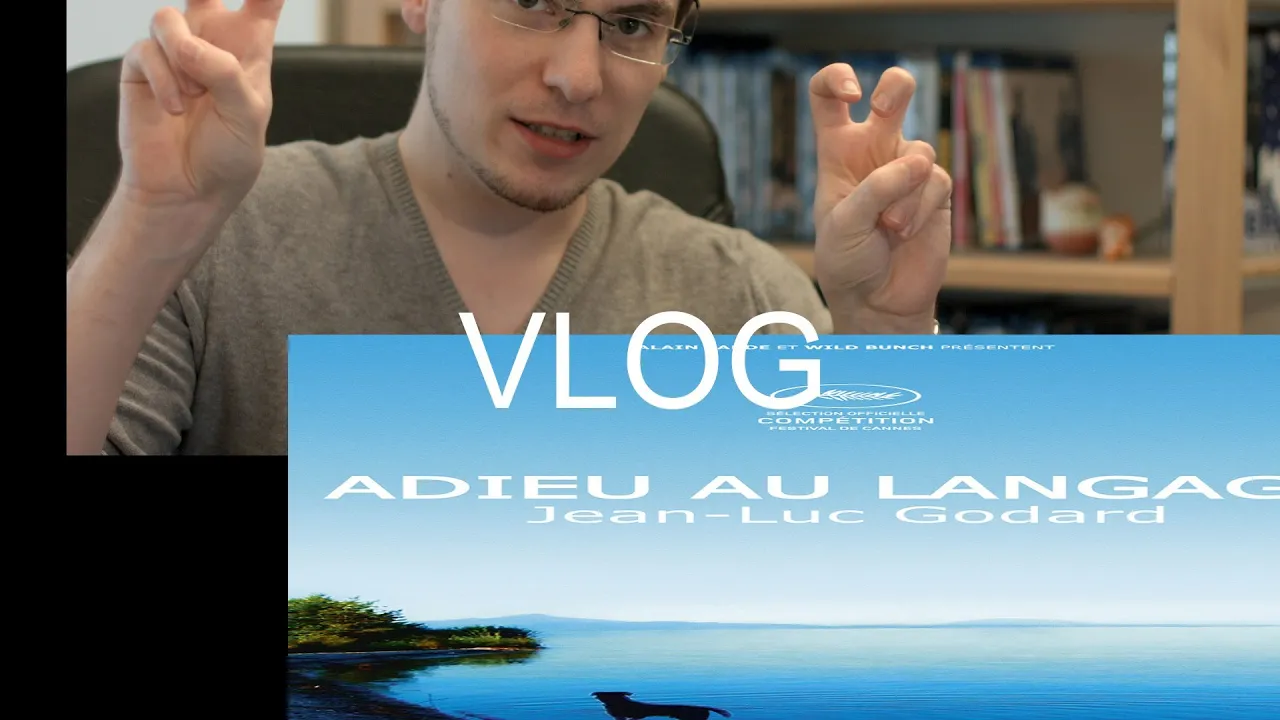

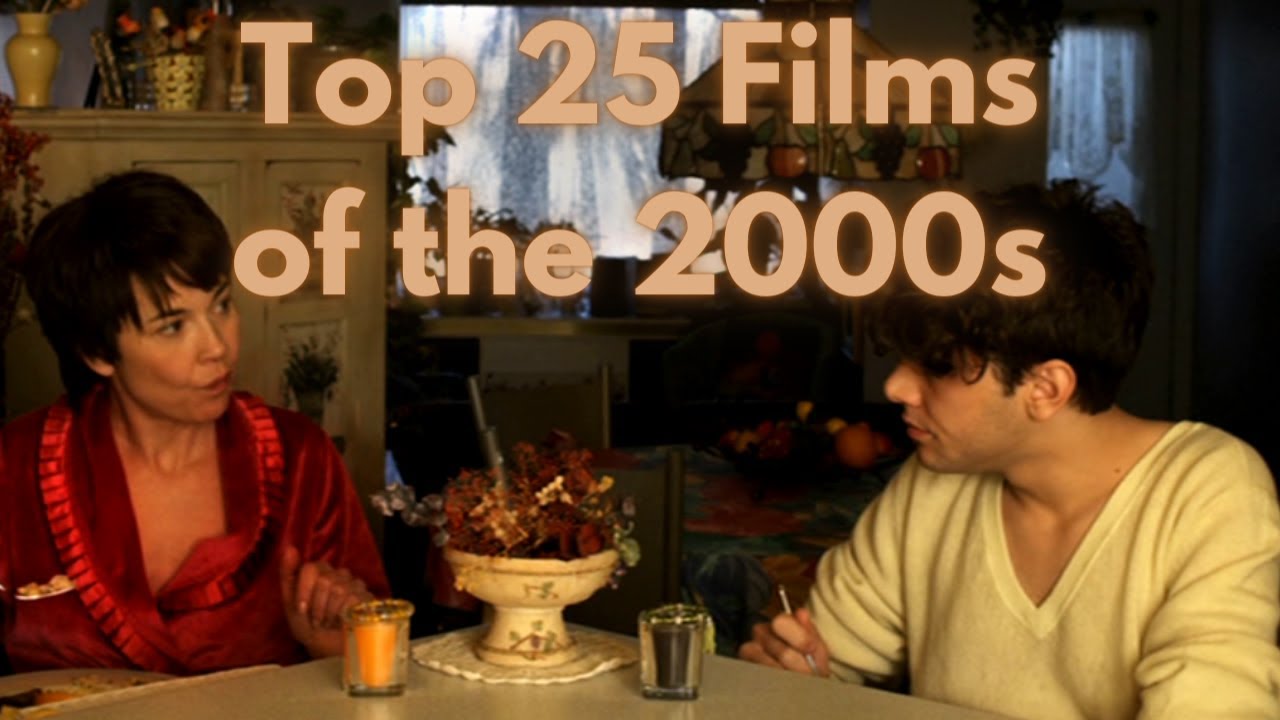

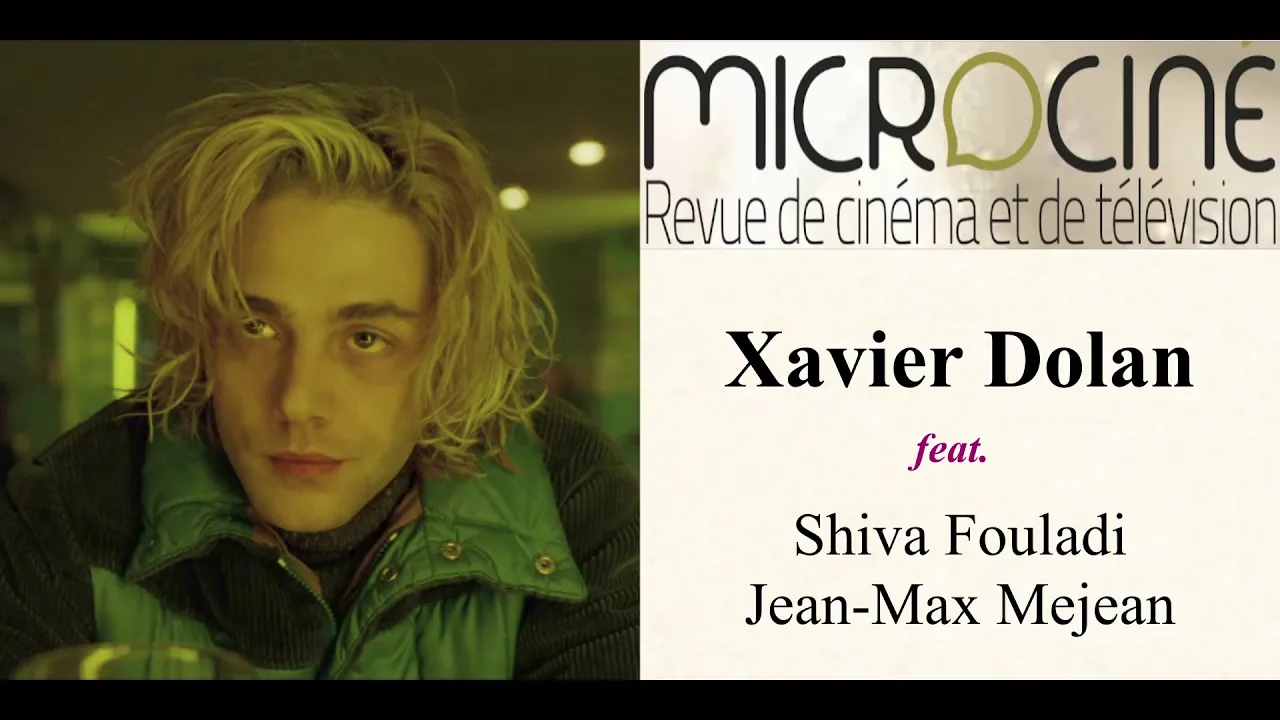






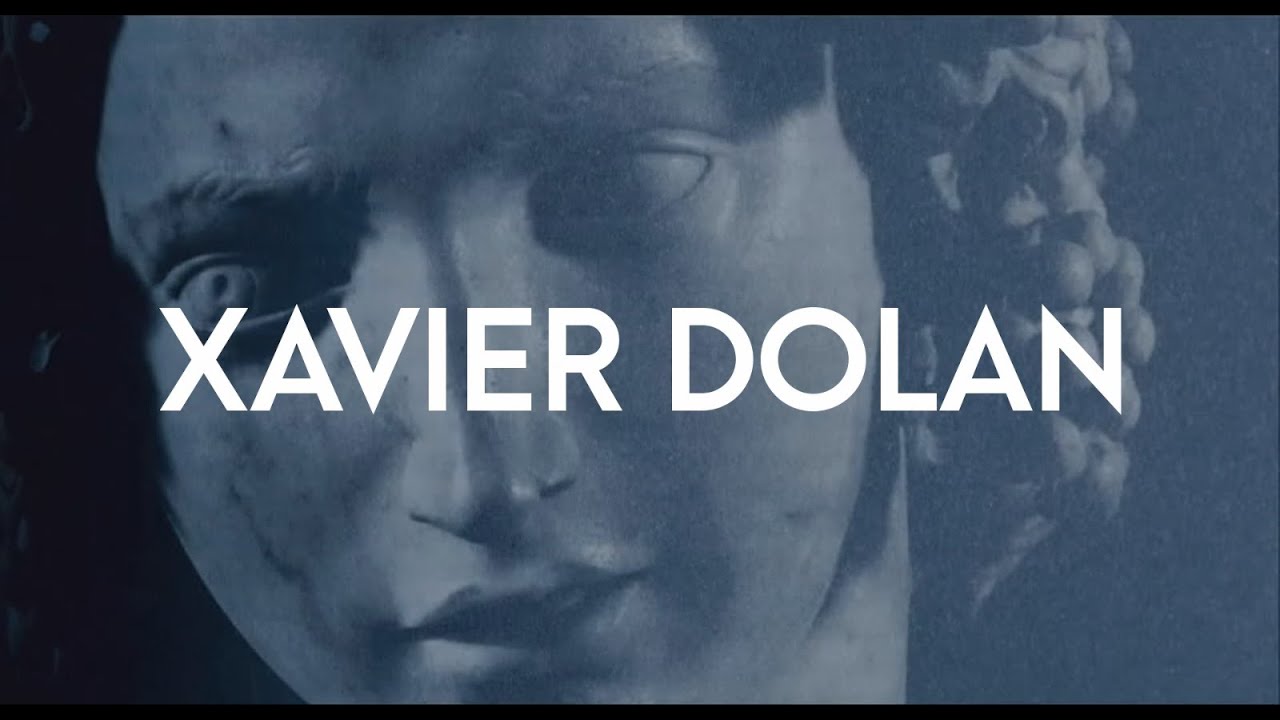
Xavier Dolan's filmmaking style is characterized by sustained, evolving formal techniques—including back shots, high-angle downward looks, slow motion, symmetrical framing, and hallway doorways—that consistently serve to represent his characters' perspectives, desires, and anxieties rather than functioning as mere stylistic flourishes; these techniques create a deliberate mediation between audience and character, positioning viewers both alongside and apart from the characters' experiences while maintaining a coherent visual language across his filmography.
The Cinematic Style of Xavier Dolan: A Video Essay | TIFF 2015
Added:Introduction to Auteur Theory, focusing on how a director's personal vision and signature style define their body of work.
Fundamental film terminology and formal techniques, particularly aspect ratios, color grading, non-diegetic music, and slow-motion editing.
The history and themes of Queer Cinema, to contextualize Dolan's frequent exploration of LGBTQ+ relationships and identity.
An overview of contemporary French-Canadian (Quebec) cinema and its cultural landscape.
A comparative analysis of Xavier Dolan's cinematic influences, such as Pedro Almodóvar, Wong Kar-wai, and Jean-Luc Godard.
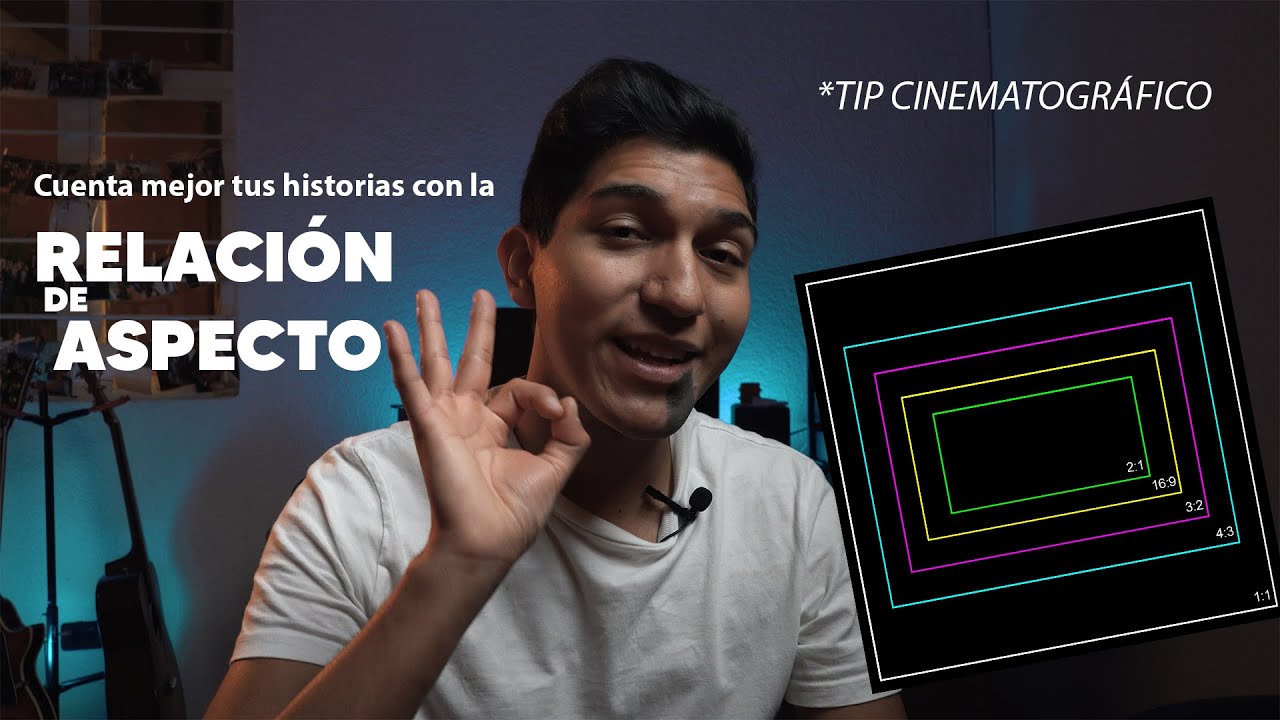
Advanced study of aspect ratio as a storytelling tool, examining how shifts in frame size affect spectator psychology (e.g., in Dolan's 'Mommy').
Exploration of the 'New Melodrama' genre, analyzing how heightened emotionality and pop music are used in modern filmmaking.
Practical application: Conducting a formal sequence analysis of a Dolan film (such as 'I Killed My Mother' or 'Laurence Anyways') focusing on visual motifs.
203.4K views4.8Klikes10:56Original Release: 2015-01-05
[Music] special [Music] when K quad director zavia delon's first feature I killed my mother premiered at can in 2008 the critical reception mostly surrounded his age at the time of production 19 once that obligatory disclosure was made reviews often drifted toward the formal qualities of the film described variably as freewheeling featuring abrupt and sporadic flourishes and ultimately stylistically Mercurial by the time of heartbeats his second and equally formerly minded feature the conversation had shifted from a director's raw decisions to a question of influence these aesthetic comparisons became a seemingly necessary component always including the same names and rivaling discussion of Story characters and performance with the release of mommy his fifth feature film and the fourth to Premier can where it won the jury prize alongside Jean Luke gar the readings of delon's style from critics often focus on it as ornamental rather than its relation to the story this perhaps stems from the constantly shifting narrative projected upon him with the release of each film rather than a look at all of his films with a focus on the film's forms with that perspective it's not sporadic flourishes or Mercurial shifting of technique that one Witnesses but rather a sustained evolving use of techniques that we might call the style of zavier Delon throughout each of delon's films complex and sometimes erratic characters bristle against the world around them including the people nearest and dearest to them in I killed my mother Oar has a volatile relationship with his mother thrown into sharp Relief by his boyfriend's liberal mother and his nurturing French teacher in heartbeats Francis and Marie compete for the affection of Nico to the detriment of their own relationship in Lawrence anyways Lawrence discovers his identity as a woman complicating his career as a teacher and his relationships with his parents and long-term partner Fred in Tom at the farm the death of Tom's boyfriend Gom brings him into a destructive codependent relationship with gom's brother while the psychological condition of Stevie and Mommy takes its toll on the possibility of a healthy relationship with his mother and the world as a whole they are characters that find themselves not just in moments of Crisis but generally undergoing a period of transition often spurred by these crises though delon's formal devices in these films clearly draw attention to themselves they are uniformly in service of establishing a portrait of these characters their perspectives desires and anxieties indeed in three of the films we find characters in the films pontificating on their lives as part of the narrative structure of the films and just as these different characters share certain elements of their personalities across the films so too does the mode of representation were repeated techniques over five features attest to a Delon style if Delon style is so connected to the representation of his characters an important starting point for this investigation is the question of how they are shot the audience is often presented with images of the backs of these characters heads attesting to a difficulty of access to them as people they are characters that even at their most open remain apart from a complete understanding by the audience yet this camera camera setup also positions the audience in a similar perspective to the character seeing some of what they see and following behind their harried movements similarly there is a visual motif of these characters looking downward when they are shot from the front sometimes with the camera domineering over them at a high angle if these films are portraits these are the moments where the viewer is denied the access expected in that type of representation particularly the eyes of the subject emblem atic of the weight of the situation pressing down on them the viewer's position in these moments is not alongside the character but apart from or upon them here the audience is belonging more to Society at large than with the character themselves in each of these devices it's clear that despite how close these films come to their characters there remains a divide to some degree that precisely mirrors the position of society however in other circumstances the audience is given an extremely privileged POS position in the mind of these characters balancing the [Music] representation in each film there are memories fears and Fantasies that manifest visually to offer a better understanding of the worldview of these particular individuals the heightened perspective of a character and the audience's observation coales most notoriously in delong's use of slow motion initially a point of comparison to other filmmakers dong has laid claim to this device across his five films it is used in moments of rry Revelation and performance often paired with music there is the feeling that these moments represent the character's own self-representation not just embodying their emotional state but also how they would direct the moment themselves or at least demonstrate how they are aware they are being watched in each of these films the main characters are either artists or at least careful curators of personal style we again get the sense of how Dong's style is at once emblematic of his characters and yet also exists at a mediated distance this distance becomes literal in Lawrence anyways which introduces the motif of long shots of hallways doorways and hallways have always had a significant place in delon's films embodying characters movements to and from domestic spaces as the camera tracks in or out characters are framed like paintings in their domestic spaces though this is often in conjunction with the crises they face meanwhile the audience is both ushered into these Spaces by the moving camera as well as repelled by it by Lawrence anyways the transitory nature of these framings pertain to the protagonist's discovery of her gender while accompanying feelings of isolation and including those felt by her partner Fred are underscored by the distance between the camera and the characters the framing of shots and the blocking of characters within them is Paramount to the investigation of delon's style and this is perhaps no clearer than in his use of symmetrical framing when a frame is composed with complete symmetry it illustrates all of the points discussed portraits of characters and their relationships to one another and the awareness of mediation between the character and the audience each of delon's films centers around key and sometimes overwhelming relationships and as such so too does the formal representation oscillating between antagonistic and interdependent these relationships are visually mapped out through symmetrical groupings within shots or shot reverse shot systems they develop an aesthetic Harmony that can be ju opposed with asymmetrical frames when this balance is upset within the story resulting in an off-kilter atmosphere in the image when the same lack is felt by the characters beginning with Lawrence the Symmetry becomes even more intertwined with the concept of the portrait where the 43 framing allows for shots of one and two individuals to fill the frame or rather the frame is formfitting to the characters similarly Tom at the farm introduces the devices of the characters literally influencing the frame when the already widescreen Thriller becomes even more widescreen when the anxiety experienced by the protagonist reaches its Peaks both formats illustrate the connection between formal symmetry the frame itself and the characters in their relationships a connection that has remained Central to these films even as Delon develops new ways to express this interest visually in mommy's unique onetoone aspect ratio reflecting the latest in portraiture Instagram aspect ratio and the rise of the selfie this relationship between film style and the characters it conforms to describes each of the formal motifs observed here which are present consistently throughout delong's filmography rather than seemingly random elements injected into each film instead even new developments of past techniques or the introduction of new ones contribute to this overall literal balance between form and content or rather for and characters that can be labeled the Delon Style [Music] [Applause] [Music]
Up Next
73:19
Dissecting Xavier Dolan's Mommy: Mental Health and Lost Love
@Shelves2Screens
316 views•2022-04-26

23:14
Visual Analysis Essay: How to Analyze Graphic Novels in College Writing
@nataliepleimann5941
1K views•2020-10-14
4:55
Film Blocking Techniques for Directors: Space, Shapes, Lines
@StudioBinder
1.9M views•2018-07-23

4:00
Evolution of Darth Vader: Anakin Skywalker's Animated Journey Across Star Wars Films
@TellItAnimated
13.4M views•2019-03-30
Related Study Plans & Knowledge Roadmaps
Structured learning paths in Film Analysis
film-analysis
Sensory Cinema: Foley, Haptic Sound & Texture
01Introduction to Film Sound and Foley Artistry
02Micro-Sounds, Textures, and Extreme Amplification
03Haptic Audition and Film Phenomenology
+ 1 more learning modules
12h4 modules
Explore Roadmap
film-analysis
Breaking the Fourth Wall: Mockumentary & Satire
01The Invisible Wall: Basics of Cinematic Illusion
02Looking at the Lens: Direct Address & Character Glances
03The Mockumentary: Satire, Realism, and Complicity
+ 2 more learning modules
12h5 modules
Explore Roadmap
film-analysis
Analyzing the Long Take: Cinema, Space & Ethics
01Foundations of Film Grammar: Montage vs. The Long Take
02Choreography and Mechanics of the Simulated One-Shot
03Phenomenology of Film: Real-Time Spatial Continuity
+ 1 more learning modules
14h4 modules
Explore Roadmap
film-analysis
Anachronistic Music: Period Drama & Subversion
01Foundations of Film Sound and the 'Needle Drop'
02Traditional Authenticity vs. Revisionist History
03The Rise of the Anachronistic Soundtrack
+ 2 more learning modules
12h5 modules
Explore Roadmap