




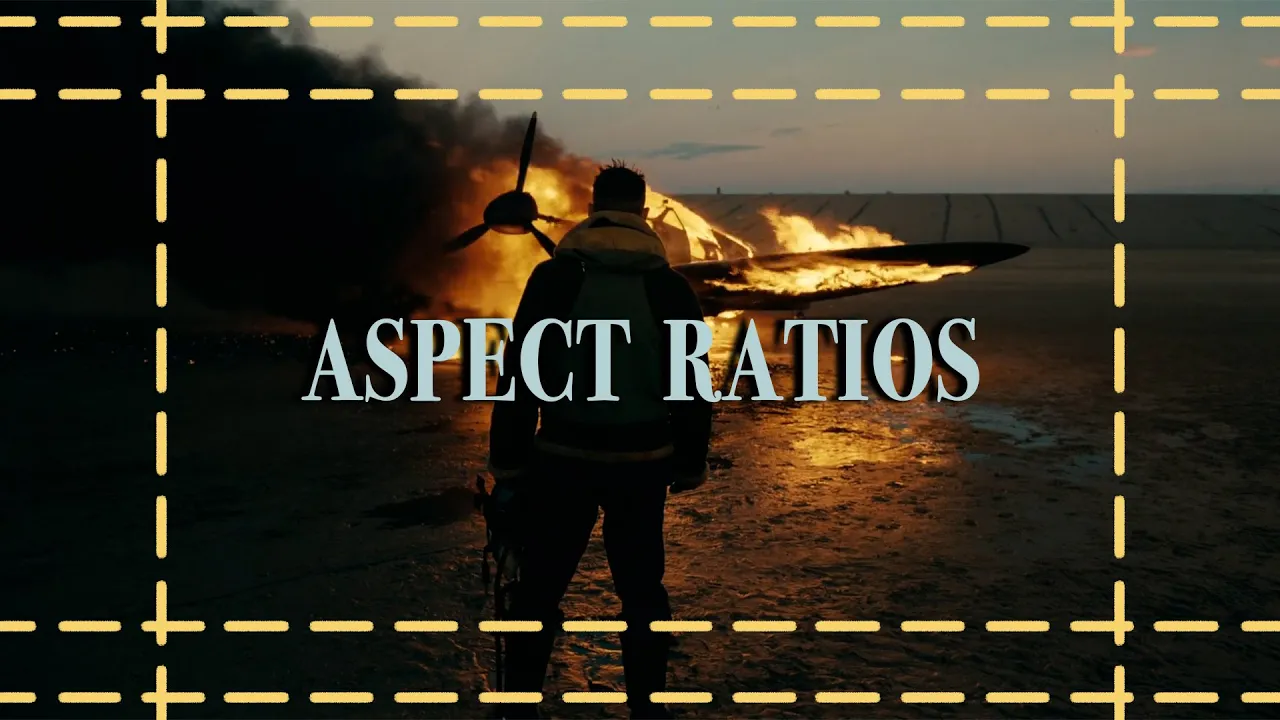


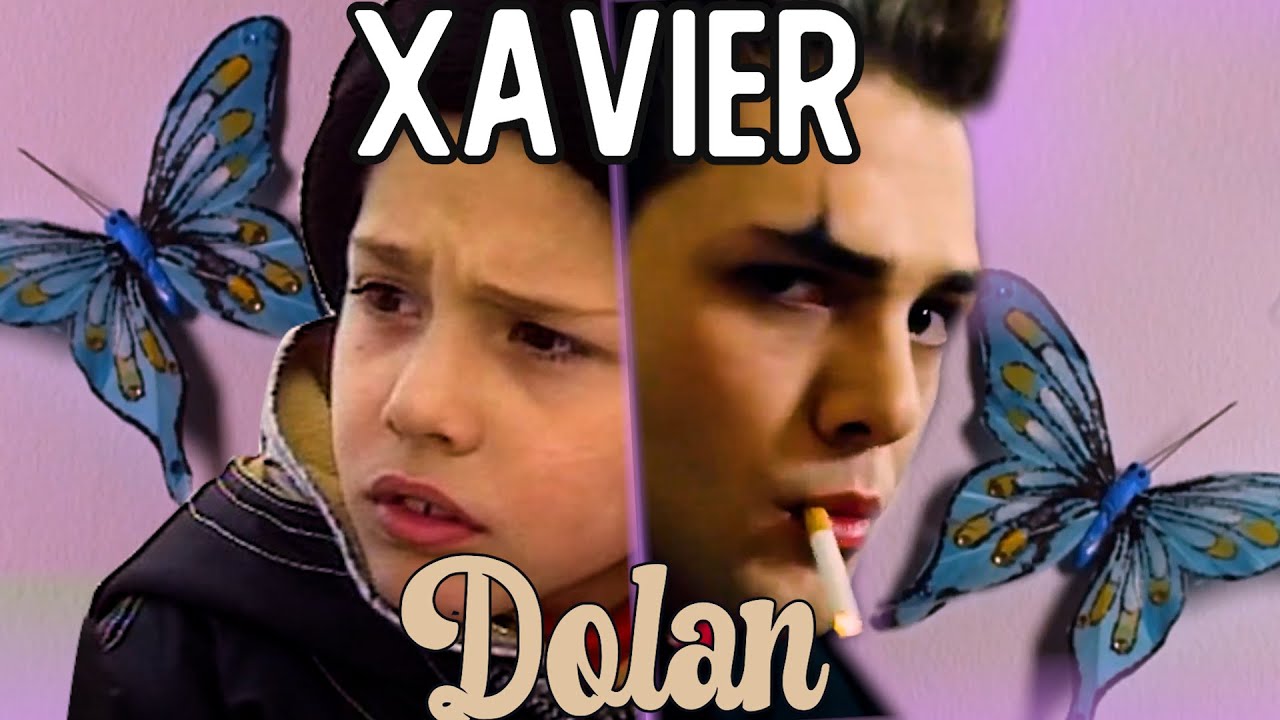



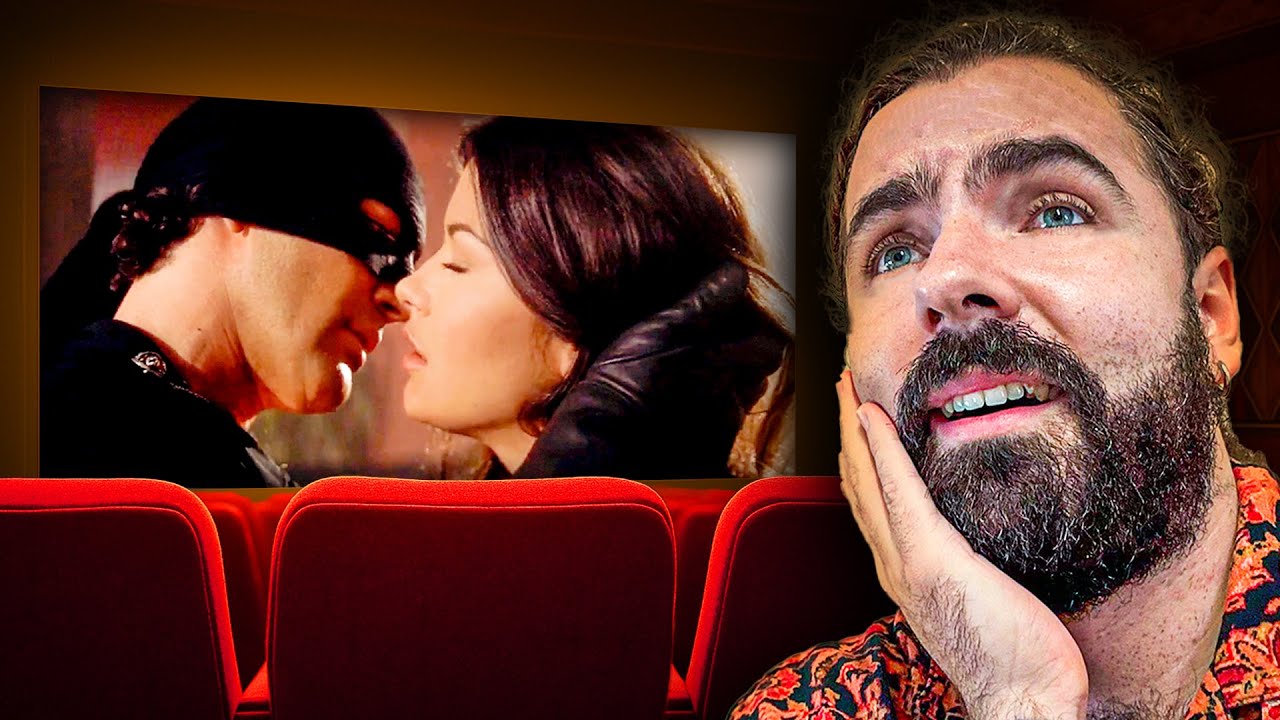
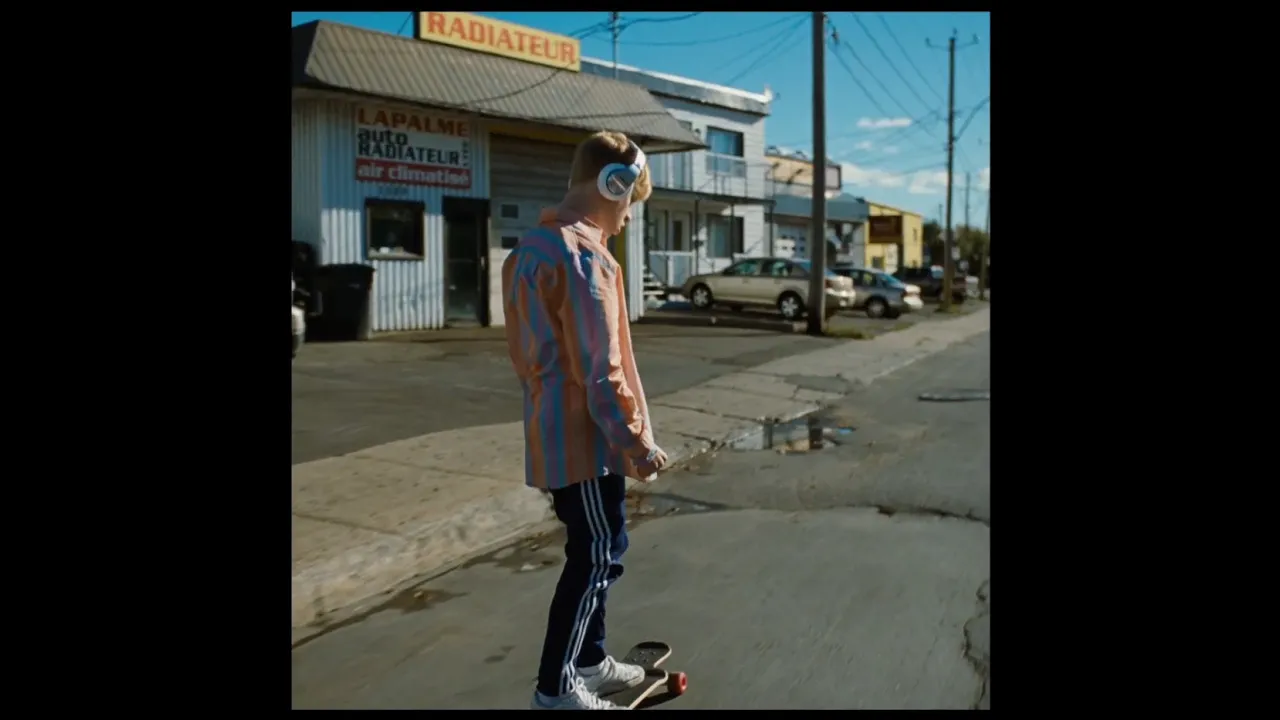
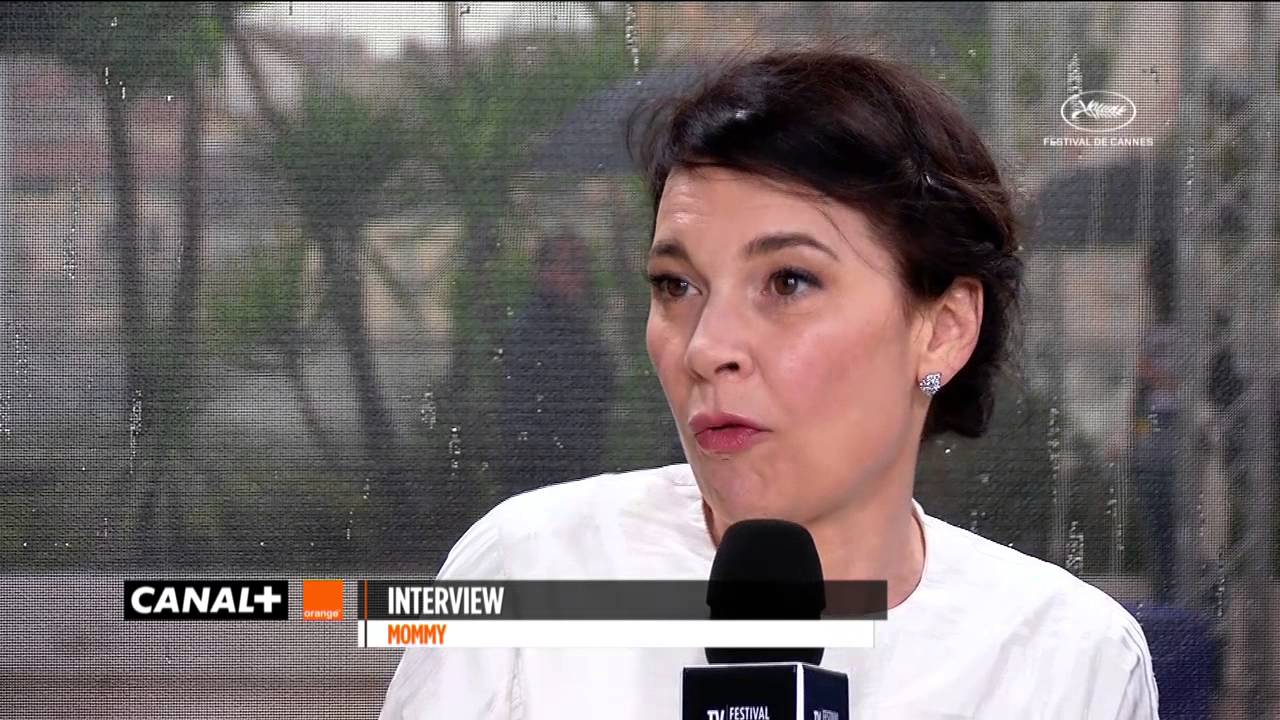
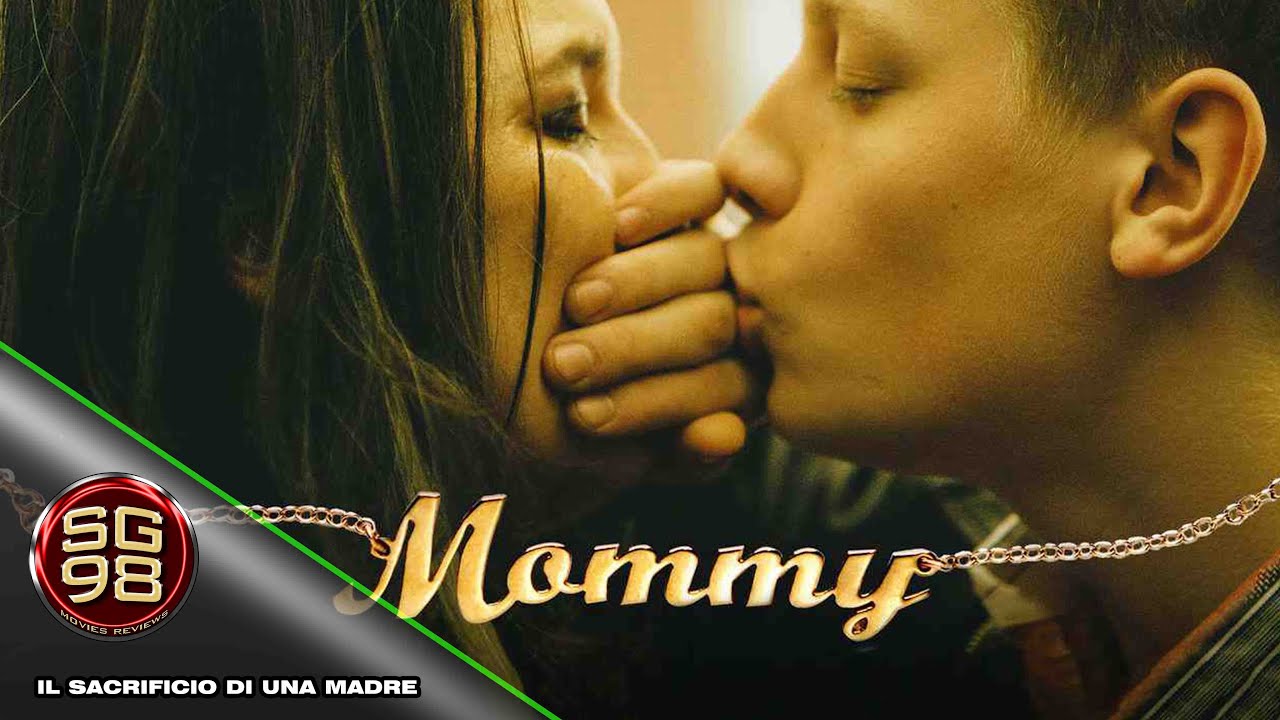
The one-by-one aspect ratio in Xavier Dolan's Mommy creates a claustrophobic, immersive experience that forces viewers to focus intensely on characters' faces and expressions, making them feel trapped inside the characters' psyches and amplifying the emotional impact of the film's themes of mental illness, family dysfunction, and institutionalization.
Dissecting Xavier Dolan's Mommy: Mental Health and Lost Love
Added:Familiarity with Xavier Dolan's directorial style, particularly his recurring thematic focus on dysfunctional maternal relationships and Quebecois cultural identity.
A basic understanding of adolescent mental health disorders, specifically Attention Deficit Hyperactivity Disorder (ADHD) and Oppositional Defiant Disorder (ODD).
Introduction to Attachment Theory in psychology, specifically how trauma and codependency manifest in parent-child dynamics.
An understanding of the cinematic use of aspect ratios (such as the 1:1 square ratio) to convey narrative and emotional constraints.
In-depth analysis of Dolan's famous aspect ratio shift in 'Mommy' as a landmark technical and narrative device in modern cinematography.
Comparative study of institutionalization laws, analyzing the film's fictional 'S-14' law against real-world mental health acts and minor psychiatric commitment policies.
Exploration of Melodrama and Queer Cinema theories, examining how emotional excess and non-diegetic pop soundtracks are utilized to challenge traditional cinematic realism.
A comparative film analysis between 'Mommy' and Dolan's debut film 'I Killed My Mother' to trace the evolution of his stylistic and thematic approach to maternal figures.
316 views0likes1:13:19Original Release: 2022-04-26
[Music] [Music] welcome back to the cinema condition i'm your host mendoza i'm a filmmaker and i am the creator of the nerdcord podcast network that is the network that hosts this show and of course it has been a long while my friends and i didn't think that i'd get the chance to do an episode but you know when stuff stops like getting off your back and you know once you start taking stuff off your shoulders you have time coming up so i'm not even sure when our last episode was or what like where i was in our last episode because i'm not sure if our during our last episode if i had graduated yet or if i had a job but a lot of things have changed but of course today we are looking at xavier dolan's 2014 film mommy with none other than our wonderful guest the host of chew on this and just all around renowned cinephile and lover of film that is none other than michael chu what is up guys thanks for having me we're all it's been a minute since we've spoken last it's good to catch up with you a little bit before we start i'm hyped to talk about this movie it's one of my all-time favorites ever so good oh man i we're gonna have a lot to talk about this movie but uh yeah it's been a while bro i've i've been in what's it called like between like full grind but also just like yeah trying to give myself the break i deserve but at the same time i'm not really taking a break and it's all been wild y'all it's just i'm very very very um tired as of late and i am happy to be able to find time to do this though so last time that i that i did this show i barely was got it got employed so yes um i haven't been here in a while my friends um i guess a little update for y'all who are listening to this if you never want to go listen to this uh but since then i finished my film i finished editing my film and i got employed and we i covered my first film festival and i'm going to be covering my second film festival in the next week on this week um i'm flying out to houston for houston cinemas film houston to the march festival and i'm going to be covering that but uh mikey for those who may not know who you are brother you want to go ahead and introduce yourself sure first of all i want to say congrats to you dude because making a movie is no small feat and you're doing it man so congratulations congratulations on school um right now i'm i'm coming back on youtube i do a show that raul mentioned um chew on this where i bring on creators mostly content creators some people that are just collectors some people are just friends just talk about themselves and talk about primarily what got them in the film but i'm slowly realizing as like we're getting back to the return that i kind of want to broaden that out a little bit just get to know people you know get to know stories and i think that's something that i loved about our episode is that we got to know so much about your story and your family's story and that's i think what the heart of the show should be and what the heart of the show is i guess in formation like what people are enjoying so yeah man can't wait to get back to it can't wait to have you back on um and we'll definitely be talking movies regardless but oh [ __ ] yeah good time man yeah yeah i'm happy to see you man mikey is a really good friend of mine he's a good guy um he's somebody who helped us tremendously uh with before he leaves funding and because like he's gonna be able to see the film uh actually next not next week in two weeks hell yeah i can't wait it's not exciting yeah man it's i know it's been a while but like i said i just been i've been i've been out here just doing so much stuff man but i'm glad that we were able to do this because this was actually going to be the next episode but like there was a couple times that we so two times that we tried to do it things got a little bit what's called fell through because i just been busy as all hell and i didn't get the chance to watch the film i actually had like all my notes already written for this like the introduction and stuff and they know maker so that i had that already done but um yeah i finally was able to watch it i told mikey like hey man we can do this like this next one i'm trying to do at least two episodes this month i'm trying to what's it called uh record two episodes so i think i'm gonna be good to go i think i'll be able to get another one in soon but don't yeah man i've just been uh super busy but how have you been bro today what's going on oh today not much man just got some breakfast and lunch worked out a little bit and and went over my notes for this episode one more time i'm excited i'm gonna go see the beta test in a couple hours after we're done here um but yeah it's been a good weekend good weekend for film lovers if you're if you are going to the theater you're probably seeing something good this weekend so yeah i'm really i was really bummed that at nashville i wasn't able to get the uh screener for beta tests man damn yeah man i've heard nothing but i love jim cummings i've heard nothing but amazing things about this one too i've heard it's his best so i cannot wait i might have to tell him so mess what's it called tweet him to tone to send it to mfah while i'm out yeah man i loved thunder road thunder road was incredible and i haven't seen anything else for him but thunder road is beautiful yeah it's funny i'm the opposite see i haven't seen thunder road but i've seen wolf of snow hollow um and i absolutely loved that movie it was one of my favorites of uh last year so i can't wait to see thunder road can't wait to see the beta test and um even his little appearance in halloween kills was a welcome surprise it was great oh my god we're not gonna talk about halloween here i am not going to talk about halloween kills here but um i yeah i just it's been a busy day for me today uh this is gonna be my second show of the day and i'm gonna have to do another one later tonight as we do live show but um just been uh hanging out here uh yesterday i went to go see eternals i saw the turtles yesterday in theaters oh yeah dude i saw that on friday what'd you think of it oh i loved it man i loved it yeah yeah ciao is just this is a great director man absolutely i mean it just completely was not what i was expecting at all um and that was the best part of it i don't know how it'll hold up on a re-watch i'm gonna rewatch it again this week but damn first watch was awesome yeah i'm gonna have to wait for it to hit disney plus but um yeah i'm hoping uh because of my fingers that next week i mean this because this is like already sunday we're already oh yeah brand new week man yeah yeah um i hope that this week i get to watch uh spencer when i'm out there oh my goodness that one has been on the radar for too long right now bro yeah dude especially after you had seen emma i gave it a watch as well and that i feel like amped up my anticipation for spencer even more even though i didn't love the movie i loved so much of the direction and just how subtle a lot of like characters like eye movements or just very very small things and i'm i'm imagining that with this story and just yeah i can't wait to see it it's going to be mind-blowing for sure i'm so excited man but i'm glad that we were able to get you here man uh this is your first ever appearance on the cinema condition man yeah dude it is and it's for a movie that i feel like is worthy of an extremely great episode that i hope we deliver today it's gonna be so sick hell yeah bro yeah i have never seen this film y'all and we have never talked about this filmmaker so of course i've been out for a while but don't think i forgot how i do my shows here and of course i know how to do my shows um so let's go ahead and introduce you all to the filmmaker known as xavier dolan so sabre dolan is a canadian filmmaker born on march 20th 1989.
he was a child actor in commercials before he started to direct art house films he reserved he received international acclaim with his 2009 partially outed by autobiographical film i killed my mother that won three awards from directors fortnight at the uh khan film festival since 2009 he directed eight films along with adele's music video for hello even though he does not have a s particular inspiration for his style he is a huge fan of the films of michael heineken we know who that is for sure love him another great director one of the best 100 and a lot of his films tend to deal with mother and son relationships so uh of course i had never heard of xavier dolan but um i had a friend actually before um we had actually i had actually watched this film we were talking she was like oh like you know i had gone through this like big phase in my life where i watched purely like french canadian films oh wow i was like huh she's like there's this one director that he's so good you know and she's like it's like i can't remember he's like and i was like i only french canadian i know is denis that's it oh yeah only the knee and i was like is it xavier dolan and then she goes yes yes yes i was like oh he's like you've been she goes i've seen a lot of his movies they're really really good movies and i was like oh well you know i have to do an episode of my podcast about him and we're going to be talking about one of his movies and she was like that she had said that this one was really good and she's like she really liked this one she said it was like really up my alley for sure but um yeah i i had never seen this film and of course we do not discriminate against first watches here my friends so we want to go we don't do we we definitely do first watches i've done a lot of first watches before on this podcast so i think that makes the the conversation a lot more fun too that we're able to like to so that way you have somebody who's re-watched this like multiple times versus me who's only seen it once and i can bring in my my um my view of the film and what i think the film is trying to say but um i'm really excited uh to say to do this so let me go ahead and introduce you all to xavier dolan's mommy so the inspiration behind this film comes from the director's real-life discovery of antoine oliver and the music of ludovico finale finale uh the film is shot on a one to one aspect ratio it won the jury prize at the 2014 khan film festival along with the canadian screen awards ooh and that's honestly all i've got here for like you know information on this film of course the film has to do uh the plot of the film is basically uh in the future well not distant future it's it's supposed to be like 20 like 2019 or 2018. yeah they say they say that like the opening title i think it's like 2016 or something like that yeah yeah so 2016 uh a law passes in canada that basically allows uh you know families with financial distress or just uh families with children who are you know psychologically uh impossible to like take care of something like that for when i when i when i gathered basically if the if the family does not want to take care of them anymore the mother has the right to hospitalize them which would basically be institutionalizing them into an institution mental institution and throughout our film we follow the journey of a mother and a son with violent tendencies because of his adhd and his after he gets out of jail from uh from an incident and we follow this journey of them to in trying to um you know amend their broken relationship but also uh create a safe relationship for themselves as they try to uh stay together for the sake of having a family but uh you know things come to things come to a very very very depressing halt sometimes and you know our journey is filled with bumps in in the road and a lot of uh a lot of learning curves and uh that is mommy uh michael i've never i've never seen like i never seen mommy so you know usually this show is not concerned whether i like a movie or not but there are instances whether there are instances when i watch a movie that i am floored by and i'm in love with and just incredible that i honestly give my opinions on the film and i want to tell you bro this was incredible i mean i'm so happy you loved it beautiful movie they're at first i was like oh like this is gonna this is this seems to be taking a certain approach i'm like i don't know what we're going for here and i think that we might stay at this like certain type of like you know beat to the story but like the more we progress and the more that we learn more about uh these characters and the more that we see the the cinematic language of xavier dolan being presented i just fell in love with the movie more and more and of course you know it reaches its beautiful like incredible climax and you know and we we keep going and this movie just never stops man it never [ __ ] stops it doesn't it really does i think that's the best way to say it like you don't realize how encapsulated you are into the story and the characters until like real [ __ ] starts happening because for a lot of the time it's just like you don't really know what the plot of this is i'm just kind of it's like you're just watching days in the lives of these people for a good portion of it um and yeah it's it's the way it sneaks up on you that is kind of it kind of resembles life in a way as well where it's just like the most unexpected good and bad things happen when you least expect it you know what i mean and i think the movie captures a lot of things in a unique way in a way that is so like has its own language when you're talking about the way they show love or freedom in this movie i feel like it's truly like one of a kind and it's yeah dude i'm so happy you loved it it's one of my favorites like i said it's great yeah um you know i was gonna before we actually go into like the topics that i have here that i like you know the pinpoints of things that i want to bring up about the film and what we're gonna try to say i was really interesting when i was doing my research to see that he was influenced by michael haneke and i was gonna ask you like as a repeated viewer aren't is there a little bit of those beats of michael hunnicay in this film because on a first watch i definitely wasn't able to pick that up because i'm too concentrated on like story and everything but like did you see anything that kind of resembled anything that kind of reminded you of what michael henneke see i don't feel too strongly about that either i don't see a lot there that resembles like one to one in filmmaker one to one in themes but i will say that in the same way that hanukkah or hanukki just like really chooses to take his time and just show like uncomfortable bits for like let's just say a scene could could literally be like 30 seconds in a cut he'll just keep it on for like a minute and a half two minutes just to really let it sink in and it provides like this uncomfortable unease to you um and this this movie does that in different scenes and in different ways it's not really disturbing in in in that way but um the scene that comes to mind is like steve like running around the shopping cart it's like it plays out like that whole song like it's probably like two and a half or three minutes and you kind of just watched yeah yeah the whole song plays even like that that white flag intro by dido like that they play that whole song out but more so in that scene with the shopping cart it's almost like you're just watching him just behave like that that is simply it like you're not watching like any type of story development necessarily or any type of um relationship forwarding or that you're noticing it's just really just like you're watching steve just like by himself and what he's doing um and i think in that way in terms of how intentional it like dolan takes his time with certain things in that sense i feel the hanukkah um like comparison there but in terms of the filmmaking other than the fact that it just is dope as hell i i don't see too many uh direct comparisons i would say that there's one example that i picked up on that felt very reminiscent of a certain point within funny games um okay my favorite yeah so of course in funny games when everything is going down what's it called we have that shot where what's it called our antagonist looks at the camera and just looks and goes like that yeah there is a shot here when everything seems to have done well right everything went right yeah dai finds the letter finds all it gets the letter is reading it and she's looking directly at the camera kind of like in a way of in funny games it's like you know i just subverted your expectations of what you thought this movie was going to be and in a way i feel like that was the same thing in here where what's it called uh dai looks at the cameras like well i bet you thought that that was going to be it right you thought that it was gonna end there and then you thought that we were gonna finish here you know like and she holds on for a moment because she looks at you for like a good five to ten seconds see that's the thing i've never i've never noticed that i can't wait to rewatch it that scene in particular because after one of my favorite scenes in the movie um and just pick it up from there because no i've never noticed that i could totally see that being intentional i feel like that scene just i feel so disrupted and disturbed by the nature of that scene and how happy you feel the moments before and i feel like i mean i'm sure we'll talk about it but the song choices and the placement of the songs are also just so meticulous and intentional that in most movies it might not work especially with songs this popular a lot of very very popular songs are used throughout the soundtrack but it manages to work in a way that really helps push the story along in my opinion at least yeah so um there is i mean to just begin the the conversation i'm gonna want to go ahead and get the uh one one one of the big aspects of this film out of the way so that way we can at least talk about it and understand at least bring my understanding of why i believe the director used this so let's talk about the aspect ratio let's talk about the aspect ratio so it's shot in one by one but there are two instances in the film where it like goes back to its like regular a regular aspect ratio i'm not i'm not gonna pretend to know what aspect ratio it is guys it looks like your standard what's it called uh uh one six by nine but yeah i'm just full you know yeah it's full it's full screen full screen we'll call it full screen we'll call it full screen yeah it goes back to full screen uh i felt the aspect ratio was very needed here uh i think that yes um as kind as what's it called com as as what's it called as claustrophobic as we can get to making this film yeah as very tight as you can get to making this film i think it brings in that feeling of like this is truly how it feels to be inside the head of steve throughout this whole movie like you feel this tight like you can't breathe like you can't do you can't see anything like like everything is happening and you really can't see what's happening and like you know it's like i feel like throughout this film we're really you know inside the psyche of not just steve but at points die as well dies die psyche yeah it's it's another thing about the movie that i find so brilliant because it also sneaks up on you because when you're watching it at first it's extremely jarring like you feel like you're missing so much of what's happening until you realize like after that first like car crash right you go oh my goodness they're just like zooming in on people's faces and you're just like this close to them like there's no room to move or to operate or to breathe really and as you said like you start to realize especially at the cumulative scene where he pushes the borders you go okay we are inside this dude's mind like we are inside this dude's heart his body um and that tightness and claustrophobia and that feeling of being lost right of really not being able to see beyond what's right now right in front of you is is captured so amazingly with the borders and like you said with um dye's character too when she has that dream sequences of things that are gonna be okay she feels free at that moment right maybe this could be the truth but you know it is not the case and you you it and that's why those moments hurt even more is the slow push back to the aspect ratio the original aspect ratio it's painful man so painful and it's just so like it's also kind of reminding me like you know like what does why does it matter for us to see what's left what's being what's not being covered by these but you know what we need to be paying attention and what we need to uh what we need to be focused on are these characters and it's just like like something like what's it called uh i don't know if you've ever seen son of saul some of the songs is a painful film but it's shot on four by three it shot four by three aspect ratio but most of its shots are like a first person kind of view or like you know mostly are like medium close-ups so like you don't see a lot you know but when you are seeing it it's there like so you're kind of moving through those concentrate through the concentration camp and you're seeing like the out of focus of the bodies that are around but you're still looking at the people in in in in the foreground instead of the background so you know in here it was just so interesting the way that it was provided it was presenting it because it's like you know concentrate on them for now because like them are them are the only people or people who are actually in frame are the only people that seem to matter in in our story right now yeah no there's no need to be distracted by you know the other things that are outside of our frame yeah and like i i did not realize how much of an impact that this movie had on like the next five or six years of indie movies that i had seen all prior this like movies like waves basically trey edward schultz is like filmography right like so much of his use of aspect ratio in my opinion feels very inspired by this movie especially in waves which is another movie i really really love but yeah the the way that this is kind of bled through in so many different films like you're saying center song everything it's like yeah the use the use of aspect ratio is one that oftentimes feels needless in movies now especially in a lot of independent movies i've seen where they tried to play with in different ways just for the sake of doing it um yeah this this is just like it feels like a breath of fresh air even on a re-watch just like wow this person that made this cares so much about everything that's happening right now yeah so i yeah and that's why this felt like so unique to what i was watching because i didn't expect you know this i expected to get annoyed about this aspiration i was like because yeah y'all don't get it one by one literally one by one aspect ratio you won't even see like my face if i did in this video yeah you would see you wouldn't even see like you probably see mikey's ear yeah but that's it you know it's it's it's not a com it's not a conventional aspect ratio but it works here it really works and you're able to and i would go as far to say that this is still a really beautifully shot movie with with with that oh dude yeah a thousand percent like i feel like you could take so many frames from this movie and it would be like a painting or a picture you'd find in like a coffee house yeah like like like an artsy coffee house or something like it just it yeah it's just so tight and because of it you're forced to for you're forced to like focus on [ __ ] sometimes in this movie that you don't want to even focus on really you know what i mean some some very uncomfortable moments throughout this movie um yeah and some very like discombobulating ones too like i think of the scene in the bar like when he's trying to do the karaoke and those people are yelling at him like you could feel like that build-up of pressure you know you could feel everything because of how tight the frame is and it's yeah well especially that scene where kyla like reacts that first time with him and he gets on top and she's bro like you're there and it's like holy [ __ ] i can't freaking breathe right now yeah and the movie's intense in like a very unconventional way too like for example that scene right it's just so sudden and you're waiting for a moment where steve is kind of like putting his place in a way um and when that happens like that scene is so important too because it provides like that switch where you realize like steve doesn't even understand like the full extent of his behavior not even at all almost like he does not understand boundaries really well he doesn't understand like the ability to differentiate like sexual love versus like motherly love or like friendship love um and you kind of just that's when you start feeling bad for him and i think the movie is brilliant because for the first half of the movie with the very little knowledge you know about steve i don't know how you felt the first time watching it but the first time i watched i was like this kid is like annoying as [ __ ] like and he is horrible like for the first bit of the movie like yeah he does some absolutely and does and says some absolutely horrendous things and yeah it isn't until you really like obviously you sympathize with him because he does have mental issues but then it comes a point where you go it's just beyond that like this kid just needs to be loved like that's it you know yeah well that's that's what's so great about the performance in this movie so like yes of course i was um throughout this film like especially the first half i was like this guy's a piece of [ __ ] yeah yeah dude like this kid is back but you would see every single moment that he was around kyla uh or just every moment he was like around his mom and he wasn't in public that desperate look of just that said like just love me like i want to be loved yeah it's like it's it's it's that facial re that facial uh acting and that like body language every single time he wasn't out in public like he just his face read as like i'm just in constant pain i'm in constant pain and all i need is for you to love me and you know he just doesn't get that he doesn't get he doesn't get but he also like he's just been so traumatized that he's not able to understand you know and differentiate between love and what love is and what a healthy friendship is and what you know so yeah yeah i'm gonna gonna go oh sorry no no go for it go for it i was gonna say we're gonna go ahead and get into like one of the first things here so um obviously this film really concerns itself with depicting uh mental illness and especially adhd especially uh a form of adhd that comes with violent uh tendencies uh and i felt that um that this film was well you know this film did a pretty good job at this um but um i felt that what's it called um there were moments in here where it was like it was you really felt that unpredictability you know it it never felt disingenuous never felt irresponsible of a portrayal i felt like it was like real like and also i read that you know nolan basically based this off of like people he knew and people he interacted with and people he was observing and they're in their interactions while living with adhd um what did you what did you think about the portrayal of adhd man um see i don't know anyone personally affected with it to this degree at least so i can't say how realistic of a depiction it was but to me it felt like a very um unbiased look at um what it's like to have adhd and it really puts you in the shoes of steve at multiple points throughout the movie and like you said dude the look of just just please love me and just please help me i think is a lot of what really gets it through why his behavior is the way that it is and it's heartbreaking because of that so just to know that that's based off of people from doane's actually actual life like i totally i totally totally totally can believe it because all the characters in my opinion like as flawed as they are feel entirely realistic for better and for worse like that's just who they are you know yeah and i wasn't you know i'm not saying that steve is violent because of his adhd i think his violent tendencies come from uh his upbringing uh losing his father at a young age um also just uh being ignored uh not being properly loved uh i think that he found a way to express his anger in a very what's it called rough way and uh that coupled with you know the probably the the the mess that his brain is it a lot of it you know it helps to him to unleash his violent tendencies but i'm not saying that you know he's violent because of his mental illness um and i thought that just there was you know steve's characters are so interesting in that sense it's just how much we kind of like have those moments where steve isn't necessarily like in the right yeah but you know you're like this kid is trying at the very least he's trying because like especially that bar scene he got the balls to do that he goes up there and he's just like you're in that tight shot and you're really like reading off his face it's like they're making fun of me and all i wanted to do was just try this just sing their song dude yeah i just wanted to sing my song and i'm like i'm trying this like i'm being vulnerable with y'all i'm doing something i would have never done before like um and you just have that great what's it called reading off that face because of just this great performance by him by the actor but or just like every moment that he's with kyla like you know he he feels like his brain is kind of like simmering down after you know that first first interaction you know how he really kind of learns to appreciate kylo so much and uh you know just kind of like i said it's just him like being vulnerable but in a way of saying like please appreciate me please love me because like it's obvious my mom fears me more than she loves me yeah to a certain extent i definitely believe that and also it's like i think it's the three thing the thing that brings the three main characters together is the like the desire to be loved they all feel like severely unloved in some way like we don't really get to see kyle's like home life or whatever but you get like a pretty clear implication that it isn't great you know it's it's just concerned with work and yeah it's like a very thankless and loveless marriage it seems like and then yeah dye is just alone she's been alone this whole time she hasn't seen her kid in however many uh was it months or years i don't remember like it's it's they say at the beginning like it's been a long time since she's seen steve prior to meeting up with him yeah so then her readjusting to that and then steve just wanting to be loved and i caught this on this viewing where like he's looking at his dad's stuff or like his old stuff and he sees like the picture of his dad and the it zooms in a little bit and you see his reflection before you can see his dad's face and i had never noticed that before but this time i kind of took it as he's not just trying to fill like the role of being the son like he's trying to give die the role of him being like an adult too and he like to me like he tries to demand respect like very early on the movie saying like you know i'm an adult too like i'm your equal you know but yeah i think that's what makes that those scenes of uncomfortability in terms of like how he interacts with dye like make a little bit more sense to to to the viewer at least yeah well he's you know he's trying to fill in the shoes of his father he's trying to be the man of the house you know because it's typical like that right you know the role of the man of the house ends up being like given to the the next uh the next male in the house after that the other one passes or just leaves and um you know in a way that steve is trying to fulfill you know the role of being the protector of his mother definitely but also being that sort of like um that sort of like you know call like calming thing for her his mom trying to be the the loving figure for his mom when he realizes when he should realize that like he doesn't need to do that he just needs to be a son or her son and you know and it's difficult for him though it's it's like really really difficult because he doesn't know how to be her son right now and uh yeah you know that first so like y'all don't under y'all if y'all didn't see this movie just like that first instance of like how violent it gets um he comes back with the necklace and stuff and like things get thrown around and like you know hits him in the head with like a vase and you know it you feel that fear right there man like you know it's a horrifying scene dude yeah it feels straight out of like a horror movie like out of nowhere she's getting choked she hits him like you said then he starts chasing her she starts the bookshelf down and and you you feel complete because this is also before the scene that we mentioned earlier with like steve and kyla's um like confrontation so steve at this point is just beyond like an uncomfortable character to just like have to be around and have to watch on screen so like in that moment yeah dude you're like you're running with um die you're just like get the hell out of there you gotta go now you gotta go yeah and so just it's just really what's it called uh saddening to see the the way that the journey of him and his illness follows because we have so we have these moments where it's really hard and then it finally gets good it gets good because like he develops a really genuine beautiful friendship with kyla um you know i wouldn't even say friendship i i think that he finally develops a motherly a mother relationship with kyla that he never got from his mom yeah totally yeah and we have that beautiful release in the in the middle of the film where you know like he's free things are good and then we just go back and we see how like and we see the uh extent of like how the illness is gonna get getting worse and just you know him end up getting to the point where you know he has to be turned he has to be given to the to the hands of the state to be dealt with and it's just um it's it's truly it's really interesting the way that you know dolan decided to portray the illness but also show like this is kind of how difficult it would be for mentally ill people when you have a cut when you have a country that basically um that that basically criminalizes you for being mentally ill yeah yeah and even then it's not just criminalizing mental illness it criminalizes uh poverty yeah dude and it's it's like a scary thing just not just watching it go down it's like in the back of your head the whole movie that at any point that i can just be like all right well i'm just gonna send him here you know what i mean like at any point in the first half of the movie she could have done it she doesn't um and then when it finally reaches its head like you're not even ready for it it's in the moment when you least expect that that's going to happen and it does and it just is even more heartbreaking you feel for steve so much because he has so much trust in in them you know kind he like you said he builds that friendship or that motherly mother-son relationship too with kyla and the culmination of that is like to him an ultimate betrayal of trust of love and um of everything that they built together it's it's absolutely crushing it's absolutely crushing yeah and kyla and kyla feels it too yeah because she even like you go like that last scene she's like i wouldn't abandon my family and it's like i don't think she's talking about them dude she's talking about about steve you wouldn't have abandoned yeah dude yeah but it just brings up a really good conversation also about like you know the the eternal battle between law and morality right you know like you have this law that's extremely [ __ ] up you know just because this is a law and it's in its and it's a and it's a option shouldn't be the option you take like you know as a mother you should be able to fight fight for your child as much as you can you know as a parent you should be able to fight to have that child as much as you can and when it gets really hard you shouldn't have to give up you know because that's your child you gave birth to that bro yeah dude it's your blood it's your blood it's got half of you and uh it's it was just to me to have that implication of like this you know it's not an inciting incident but it's you know that implication of something that's like kind of looming the whole time because you're like oh when are they going to finally get this law in place because it's like we're going to see it be activated and it's like it's it's just going to be really really um really heartbreaking because like even she regrets it there almost immediately yeah yeah and it's just you know how ho how hard it must be to you know not just like night because it's like this is a fictional law but like you have how different is this from like you know giving your child up you know like oh it's it's fighting hard no i don't want to deal with this kid anymore i was going to give them up you know or what's it called uh saying sending him sending them off to like boarding school you know like oh they're they're like difficult to handle i'm just going to put them off and ship them off like those are things that are not necessarily against the law but like it's against morality it's against like yeah if you have being a parent and that's like even at the beginning like that's where she's picking him up from is like another place that she had sent him to originally i'm pretty sure right so and and like when we get to the end like you're saying it does bring in the question like did die do the right thing like you're right is is is there a line to which love is not enough and they bring that up like at the very beginning of the movie the like the person doing like the transitionary process to get steve back with dye is like love just doesn't like fix everything and die like laughter and fast she's like yo well it's my son so i'm gonna do it and then when the movie ends and even the last song born to die by lana del rey like that's literally one of the lyrics sometimes love is not enough you know and it's it's just such like a heartbreak everything about the movie hurts dude i think that's the best way to say it it just [ __ ] hurts because like you empathize with diet too i mean it gets to a point where it's like he like full-on kisses her do you know what i mean and in that moment you could kind of see like her realization gropes her breasts too yeah dude and she's like well this has gone to a point and he tries he like tries to commit suicide there's a suicide attempt there as well and she just is like completely overwhelmed and she feels unequipped to like handle any of this and you empathize with her too because you feel bad for steve but he's being put in that horrible situation where all trust is lost but also you feel for die so much because she's she's in fear too you know what i mean like she's in complete fear of not just like losing her son to you know his mental illnesses and him becoming a more violent person but also for herself and for both of their futures like if she continues to because she's an enabler right for the majority of the movie she doesn't really like but like you know refuse the stuff that he's doing even when the scene where he touches her breasts her reaction is not like a normal like motherly reaction to some [ __ ] like that after yeah it's more like juice there's like a clear lack of boundaries even before the movie already starts and and that brings into the thing too or it's like nature versus nurture you know what i mean like die raised him without a lot of these boundaries after the dad died so it seems and you wonder too like how much does that lead to steve being the way that steve is you know it's a completely unfair position for him to be and it sucks it's horrible and it's and it's not just with like you know with steve because like we never really find out why kyla wasn't teaching but in that moment yeah that happened with steve i think she got to the point where she put her hands on a kid or something that's a really i've never heard that interpretation that's really i could totally totally see that yeah because she's like oh i'm taking a sabbatical like no girl i don't think you take it as a radical i think you got fired yeah and that adds to like the whole aspect of like her stutter then if you go by that theory because then she just fears to even reach a certain level of emotion or of anger right before she goes back to snapping on a kid like she does with steve so wow i'm gonna look at that differently the whole yeah because she says like i'm not ready to work with kids again yeah and it's like yeah i have a feeling that like somebody got a little bit too what's it called too close with her like two like wanted to step up and uh she ended up having to put her hands on a kid yeah because she says like they're high school kids too right i think she says that so they are older and within steve's age range so that makes that makes a lot of sense for sure yeah but like and that's one thing the whole way that they tackle education in this movie too um god i just i'm telling you man like it sucks how like like i said there's a lot of things that are criminalized within this movie you know mental illness criminalized but poverty is the one thing that is also criminalized the most because it's obvious that dye does not have a grand education yeah when you have when you're placed in this position like in the real world that we are living outside of this movie you have a kid who you can't send to school because you are because he's unable to interact with others because of violent tendencies and you don't have the proper education to give them a homeschool education it must be so difficult to have to sit down and be able to do this where you're kind of like i don't have money to ask for a tutor yeah but i'm lucky that i was able to make friends with the girl who's across the street who is a two who is a old high school teacher because it just felt like it felt so heartbreaking in that first scene to have to see what's it called die try to teach him and she's just like i don't know what the [ __ ] yeah she's looking at the books like i have no idea what any of this means it's like and and you're right like that adds a whole new layer to it too because it's like you're saying one she would have to homeschool him which she she doesn't have the education to have to be doing that in the first place so she has to learn alongside steve basically and then teach him um and then she doesn't have the money to send him to school or get a tutor so then the option is leaving him at home alone right and to go to go get money and to go work um in order to figure something out and that's another heartbreaking aspect of the film where you realize you realize that like steve's probably been alone like for the majority of his life even with both parents were alive like a lot of the time they were probably working you know what i mean it's like damn dude this kid you just got a whole ass unfair shot at life and like it's very real in that way it is very real and tragic in that way that a lot of situations just born into you can't fix that you can't pick your family and stuff like that and you know it's and it's not anybody's fault that just the reality of the situation the reality of the film that they set up and that's not and that's why necessarily i didn't like you know feel like um guys reaction to him stealing was warranted i of course it should have been a moment where she should have like put pull them aside and be like hey man like you know you're not supposed to do that because like that shit's going to land you back in jail but it's like that came from like a part of i think steve's brain where he's like i just want to help my mom dude i can't work i obviously can't work and i'm not i'm i can't get these classes because i'm terrible at school like i got to do something because like i don't think we're going to be able to eat and like that that came from like uh like an instinctual like you know part of his brain where he was like i just want to [ __ ] help my mom because i really love her yeah and like she can't she's not working we don't have money like what am i gonna do you're gonna have to [ __ ] steal now of course you probably shouldn't have steal stole like the the necklace that was a little bit that pushed it over the edge yeah that was a little bit of his crime tendencies coming into play but like stuff like the food like that was him like reacting on instinct totally yeah and it's like you and that's another scene where you're saying like the acting is so brilliant because you could see his heart breaking like by the second every line of dialogue that that dice says as that scene goes on just like continues to like tear him down more and more until he like goes in like this unleashable like rage like this this red zone you know what i mean and it's yeah it totally sucks because that is like one of the few scenes where dai like actually tries to discipline him and it's one of the few scenes where steve is doing something wrong sure but it's something that he's trying to help like he's genuinely has like the best intentions with what he's doing for once especially at that point in the movie is one of the few like times we see him behaving in a way that is illegal but morally like he is trying to do the right thing and help his mom out and the reaction that she gives him completely just [ __ ] him up dude yeah dude yeah and um and he's just like the whole time i'm kind of thinking about like you know like obviously somebody who's more well-off was well off would be able to get like really good outpatient treatment for um for this kid so that we can go to like a really good like facility to get some help for his first be put on good meds because like they're poor man they don't have much like they're he's not gonna get the right treatment he needs yeah and you know even then in canada we're like you know health care is a little bit better than what's it called in america it's still a very classless thing that separates you know really good proper treatment versus like fine or okay treatment where like steve needs more than like medication he needs treatment he needs uh he needs therapy he needs cognitive behavioral therapy like you know he needs a lot of other things that in his position in his family they're not able to afford yeah and even like by the end when the s14 law is like kind of showcased i guess you kind of see what's happening with him and he's like on the phone it just like you realize too like this wasn't even is this even gonna help him because no he's just like drugged up out of his mind like he's on the phone with his mom he's like i'm so [ __ ] high right now and it's like dude like yeah like what you're saying is he even being given the right medication is even be going through therapy or he's just like locked up like it's just essentially like he's in prison and just they gave him like a bunch of stuff to like subdue him is essentially what it is it's essentially state-sanctioned abuse bro yeah it's it's basically they can hit him and they can hit him abuse legal abuse like you know this law basically allows the state to not have any repercussion for abuse and it's literally sanctioned by the state and it's it's it's like that is like the one of the hardest parts to watch like there's a lot of stuff in here that's pretty hard to watch like it's not easy to watch it's a hard watch for sure but to me the hardest stuff to watch is when those guys come out with those tasers and everything dude it started being down on him and it was like like this is what you just turned your son to you turned your son to the hands of the state and the states is gonna pull the state's gonna pull out every inch of its power that it has now that you gave away your son to make sure that he lives through hell because yeah if if it truly was good treatment he wouldn't have jumped off the window you wouldn't have tried to jump off the window yeah like no like this is it's it's [ __ ] stain-sanctioned abuse it's just yeah that scene where he thinks that she's gonna go to the restroom and then also those dudes come out and you can and that's another scene where like the acid ratio is like perfect because you can see like in the very background like some people walking over and you can't really make out like what they look like and you realize there's three of them dressed the exact same way and you go oh [ __ ] she is signing him up to go to that s14 thing and he's about to basically get arrested and get some dude in a horrible way and that scene is just so brutal like he's screamed like he's literally screaming for help like he is like please god just do not do this to me like i'll do anything just don't do this to me and they're just like you sign the papers so sorry he has to do this no yes he's like he's really like primitive like way like kind of primitive yells but like also very like innocent please like a child like yeah he's like yeah he transports himself back to like being a child and he's like mom please help me like please don't let them take me away and it's so [ __ ] heartbreaking man but also like how important that friendship to to with him and kyla it really shows there because kyle is just like like i don't think kyla was told that they were gonna do that see i thought that the first two times i watched it and then this most recent time it's like right before dai has like that dream sequence um you can see kyla and she's like standing by the window and she looks like so like forlorn by all this so that kind of insinuated to me that she has a knowledge of what's happening and she's just not going to say [ __ ] and just be here to say this it's not her place exactly it's not her place and she can't say it because it's not her place but when she's out there and she's crying and she's like i i like with every fiber of my bean i wish that i could find a way to like throw your her head right there it's like i wish i could like adopt this kid somehow i wish that i could like because it all just comes out in that in that confrontation with her and she's like you know basically saying like if that would have been my kid i wouldn't have abandoned him yeah dude it's like you did the wrong thing it's so brutal too because like dai has no friends like they make it very clear in the movie that like her for the formation of her friend with kyla and that dude down the street who later becomes like a big head paul i think his name is yeah oh [ __ ] that guy yeah [ __ ] paul man like those are the only two people like that she talks to is essentially what they show and then at the beginning of the movie she doesn't even know who kyla is right so and you could see like the desperation in her eyes too when kyle's like oh well yeah i'm moving next weekend you know and she's just is kind of like ready to put this whole thing behind her and dies like will you guys come over for dinner or like gonna come visit or whatever and it's like she's like please don't leave too like she can feel it and yeah it sucks the whole situation is just shitty for all of them and that's the worst part about it yeah and it's just like you know and i was going to go back to like the the law in like especially the hospital because like look at just how they like these workers are like in that last scene that ending these workers are just chatting like it's just another normal thing around dude yeah no literally they're just digging another normal day in the office we're just [ __ ] around and it's like dude do you not see what y'all are doing to these kid people like these poor children children bro they're not even of legal age yet yeah being handed to you to basically abuse them and you're here just like that's another day at the office we're just gonna [ __ ] around right like yeah it's it's wildly insane how like stripped of morality those those characters are and like really just show the morality the state is the country is because of passing that law yeah and everyone you see in like those positions of power whether they're people that are running the schools or they are the orderlies of that place like are all like such [ __ ] in the movie like they are all like just [ __ ] your kid like just send them off to one of these things and we'll do we'll take care of it or whatever you gotta pay for it though but we'll take care of it they're all just like yeah you know it's just their job it's crazy like a lot of these like a lot of these kids are just simply just looking for love and looking for the attention that they want that they were just never able to get as they were kids and that's steve i mean it's that stephen's side in and of itself it's like it's just this because steve isn't an adult yet he's just a child he has a child who just like desperately desperately wants his mother's love like yeah he may not like he doesn't understand that's why that dynamic of the family is just so interesting to me it's like he doesn't really see his mom as like his mom you know yeah and that's why like that's why i tend to say that like kyla really was the mom for him because like when she asked them to like you know don't call her babe or anything like that and don't like doing it like that like you respected it real quick and like immediately mm-hmm immediately and maybe it was the fact that like she put her hands on him but like like oh this person here cares about me enough to want to you know be here every day when she really doesn't have an obligation to be here because like she could easily be none you're not even paying me dude yeah why am i here like i don't have to deal with your kid and like if if just you know that's but like we go to with with die in her and steve it's like it's more of a french it's like no we're not even a friendship bro it's more like you know like we're just here living together because like yeah dude they're like roommates it's not really a family it doesn't really feel like a mom yeah like she just like walks in on him jerking off and he's just like why don't you just knock like is it just like the dynamic is like just like really odd and very very strange and she doesn't even react to it strange at all she's just like well you know don't leave your door unlocked you know and [ __ ] like that it's like what is happening right now but you're right that that kyla kind of takes that like motherly role and in fact like you got that in my head more right now because then you look back on like the scene like at the bank right where dye is like crying it's like the cover of the movie where he like puts his hand on her mouth and kisses it yeah and he's kind of like in a lot of moments he is behaving like almost like a father figure in a weird way where he's like i'm gonna take care of you like this is gonna be fine like stuff that a son should not have to say or worry about or do he's trying to do all of it and i think that adds another whole layer onto the scene later where he steals and whatnot but yeah dude it's crazy yeah you know because he's like concerned more with being the protector and being you know like you know the the loving figure for her then you know being the son and you know like him desperately being like i shouldn't have to be doing this [ __ ] like you're supposed to be the one taking care of me you're supposed to be the one loving me yeah yeah and like i feel like a lot of that you know was like that relationship was probably strained from the get-go after his his dad died you know and uh because it's obviously it's obvious that you know that guy took a step back and really what's it called uh pushed her son away yeah well very very clear it's very it's very very clear that like she just feels so unequipped to handle it that she'd rather someone else take that burden or take the brunt of it and you could even you know think about that with the character kyla too or she's kind of just like all right you do it you know to an extent obviously she needs to make money and she needs to provide for steve and her but also you feel like she feels like this giant enormous sense of relief that kyle's just willing to do this and that she doesn't have to worry about it anymore and that's when that freedom happens with the wonder wall scene and everything where they all are at the peak of their free freeness and their freedom yeah yeah and then of course that dreams god that dream sequence like oh dude here's everything here's everything i've ever wanted from you and sadly you won't ever be able to have this like you won't be able to graduate high school you won't be able to marry uh uh what's it called somebody you won't be able to give me a a child a a what's it called a grandchild and just how like heartbreaking that is not just for die but like you know for steve it's like it's like girl if you're feeling this way imagine how steve feels like yeah to feel like oh i'm pretty much never going to amount to nothing because i'm at a constant war with my brain because at home i just never have that love and because i've never had that love i'm not going to be able to respond to being given love by a partner eventually and you could like he mentions like the dreams that he has too like the goals and the things that he wants to do yeah and he he feels confident that he can do it at that point but it starts to make you wonder like this is one of those movies that like it hurts to think about what happens after this movie ends um especially if you're dying steve and you're just like damn like their lives are never going to be okay like [ __ ] is just going to be like this forever it's horrible it's it's it's horrible it's just it's so [ __ ] sad it's so sad it's a sad it's a sad movie man it made it i don't know if it made you cry but it makes me cry every single time i've watched it makes me cry i was really emotional which is cause like i have cousins who dealt with who deal with adhd like you know i've i have cousins who this probably if i were to show them this movie it hits a little too close to home yeah to them and uh it's something that's just like not even like the implication of the law and per se but just like the idea of like as much as you try and as much as you you've been you tried for so long this person who you love more like who's supposed to love you unconditionally doesn't show you it and it's like i'm at it you're at an age where like you're supposed to be an adult but it's at those later ages where you really start to see the effects of not being given that at such a younger age yeah so uh was there anything else you wanted to bring up before we close out the conversation man um dude i just want first of all i want people to go watch this movie if they're watching this and haven't seen the movie like we haven't like we've talked about it for an hour and like we've barely even scratched the surface really of the movie because that's how much there is there um dude i don't know man it just like we're talking i think that the ending the last shot and the wonderwall scene are two of like my favorite movie scenes of all time beauty bro like yeah i think we should talk we should give those scenes a little chat about because it's like dude when he when he pushes the borders you just like you could you could just feel that there's no other way to describe that like if we saw that in a theater like it would be even more life-changing than it is just watching it at home but even that effect of you've been sitting there for an hour and then you feel this like aspect ratio and then you forget about it completely until that scene because it becomes you know him being like i'm done i'm done living like i'm going to free myself it's going to be okay from the cages of my brain i'm going to move this out and i'm going to free myself [ __ ] and i'm going to be okay and it does it in the most beautiful manner ever and it's like that's why that moment where it doesn't what's it called where we go back to the one by one it's just so like it's so like that's that's my one instance of fear in this movie where it's like because it happens and it just closes back in and she's just looking and she's like it's about to get worse before it gets better yeah and you could feel that the shift and tone happen again where in the beginning of the movie it was pretty dark and dramatic then you get that moment of levity and then it goes back to even that dramatic aspect again multiply it by like three or four and that's where we're at now and i think i don't know how intentional this was i'm assuming it was very very intentional from um dolan because he picked all the songs himself is the fact that he used wonder wall for this scene specifically which is a song that most people know most people even if they don't like it they know the lyrics to it because it's one of like the most played songs ever um and it's like the sense of familiarity and comfortability that you get that you haven't had the whole movie and then it's immediately followed by like the lowest of lows is is another layer to like the heartbreaking nature of the movie you're like wow that was so fun five seconds ago and now here we are and it's even worse than we were at before um and how i want to know like before we get on here your interpretation of the ending because i've heard so many different ways people have viewed it i would love to know what your thoughts on it man that last shot really looked like he was close like he was really close and if my knowledge of cinematic lenses and just camera uh do me well it looked like that worker was nowhere near being able to catch him so i think that he successfully committed suicide gotcha yeah it's it's hard to say after at a certain point because it's like it's it's left unknown for a reason right but then it's like no matter what like this is so [ __ ] because he he either jumps out the window right dies gets really hurt and then thresh back into the institution again or he just runs completely like just face first like into the window and is probably abused like even further for this act of defiance right and it's just like there is no is there there's no happy ending but for this one moment this la la this ten seconds as he's running through this window he feels free almost again things are gonna be okay and it's just so [ __ ] insane and heartbreaking bro and it's the sad part is to say that him commuting suicide is probably the best case scenario in that moment because like i'm going to i end this quickly or i go keep living through hell in this film in this in this institution because it's not gonna get better it's not they're going to keep doing worse so it pains me to say but in that moment what he was doing was probably the best the best what's called uh the best scenario for him and the best decision that he could make and uh it's really sad to kind of come to that conclusion because it shouldn't have be that way because his mother should have fought for him more and not resorted to the law but like i i felt like steve towards like the end of the movie already knew what was coming he just didn't want to accept that his mother would have to do that because like yeah you know you did that in the the thing in the convenient in the in the store you know in the the place and it's like you know i think that that was steve kind of like well i think i know what's going to go down but i don't want to convince myself that my mother is willing to you know to give me up like that so i'm gonna try to like end this before it gets worse but uh yeah i i i think that steve knew that he was eventually gonna have to end up at there at the constitution what a movie man mommy and that concludes our our conversation on mom jesus christ um it's been great having you bro thanks dude i i i was absolute pleasure to chat about i can't wait for you to rewatch it we could talk about it even more because like i said there's so much even like when they show the microwave when they when steve frost comes back and it just says hell for a second before becoming hello dude just like the little things like that that you catch make this movie one of the best and i'm so happy thank you for having me on the show and thank you for having me on to talk about this movie in particular was an absolute pleasure despite helping me man just like the themes dude always any time dude come on we help each other need somebody to just kick my ass a little bit so i can get back to doing the things i need to do of course if you don't so i forgot to tell you this but you know you're supposed to choose a movie before the the episode ends for you to do your next using but if you don't have a choice right now it's okay because this was like more like hey i'm trying to come back and i'm trying to do this show again if you already have one that you think if you want i think i do okay i think i do you can always change it and i'm sure that i'm gonna give you two slots next season so you're good i appreciate that man well i think at least i think i was tossing back two in my head but i think i want to go with this one in particular because i know you haven't seen it i know a lot of people haven't seen it and i kind of wanna i like picking movies that that are gonna maybe get some new eyes on it it's a movie that i'm sure you've heard a lot about a lot of mixed things about song to song i think it's time for you to see it roll oh man we're going to cover our first malek here bro i hope so dude that would be fun that song a song would be fun that's a movie i've watched too many times as well that's your favorite malek film right at the moment yes it is i what else [Music] uh knight of cups i have seen tree of life i but i need to give tree of life another re-watch because i don't think i was in the right place to be watching that movie at the time yeah um and i've seen like half of the thin red line i need to watch badlands for sure i want to watch all of the thin red lines i think that has potential to be right up there as well but yeah those are the things that i'm done yet dude i haven't seen his g his quote-unquote like masterful good stuff you know what i mean i've seen his garbage that's why you're right to most people that's why you're recommending um but hey i mean i'll put it here bro yeah dude to be fair like i genuinely feel like that movie like it strikes a chord with me i totally get why people are like this is just the most pretentious like obnoxious people are complaining about being rich movie ever i totally get that and that's how i feel about night of cups and people have drawn that comparison as well to me and be like how do you like song to song if you don't like knight of cops but we'll talk about it hopefully next season dude i can't wait of course bro of course um thank you so much for coming on man of course do you want to honor me thank you you want to let the people know where they can find you sure um well i'm coming back to youtube at the end of this month i feel like every time on this show i've said that at this point or every time i've been like on your channel like i've said like i'm either coming back or i'm like leaving youtube for a while but yeah i'm coming back to youtube hopefully this time permanently um for more chew on this i want to do some like video essays and stuff so you can find me at michael chu on youtube um michael chu for real the number four on twitter and uh michael chu on letterbox those are like my main forms of social right now instagram michael shoe i don't really post that much there but you can find me there too sick man um and as always y'all can find me on instagram and twitter astronomy chicano and i'm on twitch uh twitch.tv scenario chicano and i'm on youtube as well 100 mendoza because i am 50 i'm 43 subscribers away from having my own custom url um but of course you can go to before i leave film on instagram for any updates about before i leave and how you're going to be able to watch it and stuff you know that will come when it comes and uh of course my friends um i hope you all had a wonderful time and um i i it's funny through seasons and like a bunch of episodes are in i still don't know how to end this show but i i'll i'll let you know my friends um that there's a lot of there's a lot of things going on man and no a break is not bad uh i'm a break ain't bad dude i was gonna i was able to give myself a break to kind of reconvene with the show because i was able to do this really good episode with mikey so um of course you know uh stay tuned i don't have a guess for next week's episode uh next week's next time next episode so um we'll see who i bring on and i think that keeps the um suspense really fun so i further to my friends i'll catch you all next time [Music] i
Up Next

28:39
Film Critique of Cheap Thrills and The Grand Budapest Hotel
@RedLetterMedia
702.7K views•2014-04-06

23:14
Visual Analysis Essay: How to Analyze Graphic Novels in College Writing
@nataliepleimann5941
1K views•2020-10-14
4:55
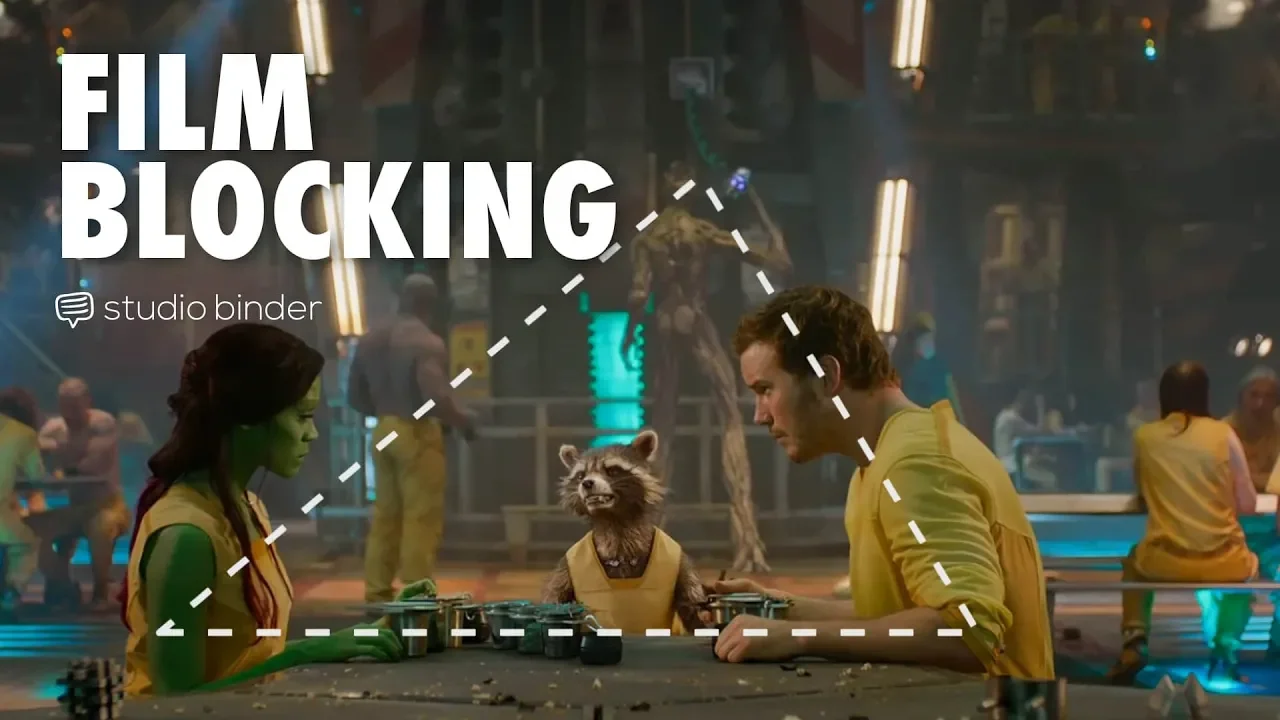
Film Blocking Techniques for Directors: Space, Shapes, Lines
@StudioBinder
1.9M views•2018-07-23

4:00
Evolution of Darth Vader: Anakin Skywalker's Animated Journey Across Star Wars Films
@TellItAnimated
13.4M views•2019-03-30
Related Study Plans & Knowledge Roadmaps
Structured learning paths in Film Analysis
film-analysis
Sensory Cinema: Foley, Haptic Sound & Texture
01Introduction to Film Sound and Foley Artistry
02Micro-Sounds, Textures, and Extreme Amplification
03Haptic Audition and Film Phenomenology
+ 1 more learning modules
12h4 modules
Explore Roadmap
film-analysis
Breaking the Fourth Wall: Mockumentary & Satire
01The Invisible Wall: Basics of Cinematic Illusion
02Looking at the Lens: Direct Address & Character Glances
03The Mockumentary: Satire, Realism, and Complicity
+ 2 more learning modules
12h5 modules
Explore Roadmap
film-analysis
Analyzing the Long Take: Cinema, Space & Ethics
01Foundations of Film Grammar: Montage vs. The Long Take
02Choreography and Mechanics of the Simulated One-Shot
03Phenomenology of Film: Real-Time Spatial Continuity
+ 1 more learning modules
14h4 modules
Explore Roadmap
film-analysis
Anachronistic Music: Period Drama & Subversion
01Foundations of Film Sound and the 'Needle Drop'
02Traditional Authenticity vs. Revisionist History
03The Rise of the Anachronistic Soundtrack
+ 2 more learning modules
12h5 modules
Explore Roadmap