

























Effective film criticism requires evaluating both artistic style and narrative purpose, as demonstrated through reviews of Wes Anderson's 'The Grand Budapest Hotel' (praised for its charming, light-hearted farce and stylized visuals but criticized for overshadowing ensemble cast) and 'Cheap Thrills' (noted for its dark comedy elements but criticized for predictable storytelling and lack of deeper message).
Film Critique of Cheap Thrills and The Grand Budapest Hotel
Added:Introduction to Film Studies: Understanding basic cinematic elements such as mise-en-scène, cinematography, tone, and narrative structure.
The Auteur Theory: Familiarity with how a director's personal creative vision manifests in their work, particularly relevant to Wes Anderson's distinct style.
Mainstream vs. Independent Cinema: Understanding the differences in production, budget, creative freedom, and distribution between Hollywood studio films and independent/non-Hollywood films.
Genre Conventions: Awareness of the tropes and expectations associated with dark comedy, psychological thrillers, and stylized period dramas.
Auteur Analysis of Wes Anderson: Conducting a deep-dive comparative analysis of Wes Anderson's filmography, focusing on thematic consistency and symmetrical visual grammar.
Social Commentary in Exploitation Cinema: Exploring how low-budget thrillers like 'Cheap Thrills' utilize extreme scenarios to critique socio-economic disparity and human behavior.
The Art of Film Criticism: Studying the methodology of formal film reviews, including how to construct arguments regarding a film's cultural impact and technical execution.
Comparative Narrative Structures: Analyzing how non-traditional narrative structures are used in independent cinema compared to classical three-act Hollywood structures.
702.7K views13Klikes28:39Original Release: 2014-04-06
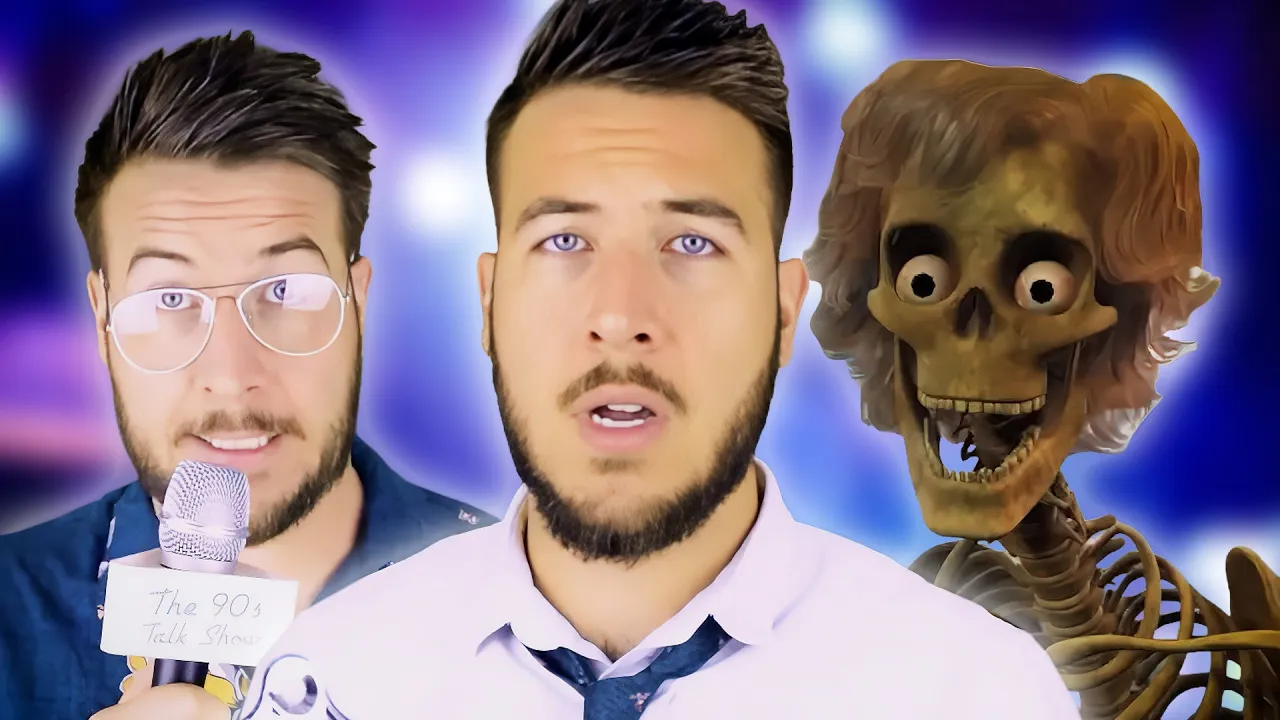
half in the bag where's the beef come in hi Mr Rosen Blatz I'm Jay I'm your 3:00 appointment ah yes uh Mr Harry S plink versus the city of Milwaukee and where is Mr planket are you a relative of his uh no I'm not I'm just a friend but he said it's okay for me to deal with this matter he uh he wrote this note [Music] um I'm afraid I'll have to speak with Mr pinket personally unless of course you have power of attorney no I don't I only have the power of gry skull uh Mike bring in Mr planket hello I'm Mr planket as you can see I'm still alive and I get J and Mike permission of attorney ho ho ho ho ho I'll sign any paperwork you asked me to sign oh oh my glasses fell off I'm clumsy but I'm still alive why do my sunglasses I told you we should have used [ __ ] glue well I tried and it wouldn't stick to the skull to the exposed rotting skin tissue he's had some difficulties lately where his caregivers and uh uh you you know he's he's feeling a bit under the weather recently he's been he's looking a little pale you know just it's some of the medication he's been on Sir I've seen Weekend at Bernie's and you are no Andrew McCarthy that is clearly a dead body and I'm calling the police excuse [Music] me this has been a horrible horrible failure don't worry Jay if we were able to fool the lawyer into thinking Mr planket was still alive we can fool the police too seen any good movies [Music] lately hey Craig these guys want to buy on next round man I'm Colin this is my wife Violet it's Violet's birthday today so we thought we'd go out on the town get a little crazy Violet and I came up with this idea for an awesome night what do we have to do whichever you fellas does this shot first gets 50 bucks boom wait what oh meanwhile wait what Cheap Thrills is a new black comedy starring Pat Healey Ethan Embry and David Kenner the IMDb plot keywords for this film include Money Bar poop dog killed human excrement defecating vomit cocaine murder sex scene and eating one's finger this essentially sums up the entire film with barely any other substance Jay what did you think of Cheap Thrills and why did you have me watch this laugh you [ __ ] laugh did you hate it that much well I didn't know anything about this movie well that's a great reason to pick I hadn't seen uh even a trailer I saw the poster and I was like okay I think I know what they're going for just with the tone of the movie just by the poster um so when I recommended that maybe we do it it was more because hey let's watch something different because uh we we haven't done a half in the bag since the RoboCop [Music] remake we've been busy with other projects but a big part of the reason for that is what the [ __ ] are we going to see like the 300 sequel I did see that by the way it was it was okay I didn't see it but that's my review of it um so I was like let's try something different so I didn't know what I was getting into with this movie any more than you did um fair enough it's good to take a stab at something uh something than completely unexpected yeah I I applaud your effort something other than Spider-Man 2 Captain America 4 The Avengers 2 3002 part two uh yeah it's it's something different right right um so yeah I watched the movie started watching it not knowing anything about it not knowing anything where it was going how dark it would get any of that stuff um but overall I thought it started very clunky I didn't like the end Dean I thought it was predictable and left a bad taste in my mouth and then the rest of the movie I was all over the place uh as far as how I felt there were parts of it I really liked uh where it felt like it hit the right kind of tone of being a really really dark comedy I don't know I I think shock value was completely lost on me now well I was watching the movie and I was I was trying to figure out like what is the point of this I I liked a lot of stuff in it I like the performances in it a lot um and then the credits came and it said written by by Trent haga and I knew that name that's a guy that used to work for troma uh and it's playing over the end credits with an agent orange song and I was like oh they think they're punk rock yeah now I get it you will never forget this night 1 2 3 all right even if you never see us again you will never forget us I think that's awesome yeah give him a yeah the film is very easily and simplistically set up the same day he gets L coincidences lots of coincidences the same day which which is right off the bat it felt like a a college uh screenwriting course script where it's like oh you've lost your job and you're being evicted and the same day and it's like okay get it he needs money uh he goes into a bar to drink his sorrows away and he runs into an old friend coincidentally coincidentally and coincidentally David Kenner uh and his wife mhm uh who is played by Sarah Paxton um who apparently is a psychopath of some kind who Lo loves uh gets pleasure from seeing other people get hurt which is set up later in the film um uh David ketner is wealthy and wants to give these guys money to do horrible things it's her birthday he it's her birthday so it's for their own entertainment so the film escalates into depravity and the two main characters doing horrible things for money and I don't know if there's any kind of message to it but generally that's the premise yeah that that's kind of my problem with it is I was like by the time I got to the end I was like what was I supposed to get out of this like if the point was to do any sort of like I don't even know commentary on the growing divide between the rich and the poor or something like that but it's so obvious like they're not doing that are they right unlike you I did see the trailer for this as you said we should watch this movie called Cheap Thrills I said okay well what is that looked up the trailer I watched it and I believe in the trailer it says from the producers of your next which if I can diverge for a moment I wanted to talk about yorx okay go for it did you see it I love yex I think it's great it starts off kind of like dumb and predictable and you're like what is this and then it turns completely into a farce yeah and and you're like completely subverts your expectations yes and you're like wow this is this is really entertaining and clever and fun and I I saw the same tag from the producers of your next and I'm just like give it a little give it a little time there's going to be something more there's going to be a really good twist like David David Kenner and his wife those two can't just be wealthy they can't just be paying these guys for their own jeap Thrills yeah there has to be another layer to this that's what I kept waiting for yeah and it never came no this M is for us you got to win it okay $800 whoever can hit inside their house this is breaking and entering just come home what are we doing next huh cut your pinky off what just had to do whatever we say I will knock you out Co it let's rewind well the film actually stole its uh story line from an episode of The Simpsons oh really yes um Mr Burns uh pays Homer to be his Amusement assistant and he gives him cash uh to do horrible things I'm just trying to work up the courage to ask Burns for a raise oh wait hey are uh you going to have time to talk talk to Doug about the race today First Rate job monkey do I get paid now where's my money baby made a boom boom oh good Heavens here you go monkey I I like the twist early on when they decide to rob him I wish they would have followed through with that but then it's sort of like it meanders in the middle a little and um and yeah it's kind of up and down as far as those those aspects are concerned yeah there was one stretch that that really worked as a the type of black comedy that I like which is uh when spoilers what are we doing next huh cut your pinky off when he's going to pay him to cut off his pinky and it's like the two of them uh the two main guys like bargaining over who will do it for you know the least amount of money and then that whole sequence where they got to cauterize it and it's still the finger isn't cut off all the way and it's dangling there and I liked that that part of it and I wish the whole movie kind of had that same sort of tone and energy I I guess I'm kind of glad that it didn't ramp up to stupidity levels like let's go here and steal a helicopter blah blah whatever so it kept it realistic in creepy black comedy kind of way but it it it lacked the backing of of a really good of a point of a point a really good character Arc really good lesson a really a interesting twist yeah that's the thing is I predicted the ending as like I know where this is going to go um and and I was hoping it didn't do that I was hoping it would subvert that in a way that that kind of makes you cuz I I I like feel bad movies I like dark Bleak movies that make you feel like [ __ ] when they're over it's why I like Lars von Trier uh but you have to feel like you're getting something out of that not just dark and Bleak for the its own sake just to make you feel miserable without gaining any sort of insight into these characters or any sort of commentary on Humanity I think there were there were a lot of people out there kind of like the people that like the torture movies I don't get anything out of torture movies I get a lot of stuff out of horror movies if there's a real good psychological element to it that really scares you torture movies where people just go ooh ooh there's you know they're they're cutting their hands off they're stabbing them and it's got to me it's fake it's a movie there's no psychological element to it it's just Gore Gore is fun you know um but this I could see a lot of people just enjoy the gross out elements to this the shock elements and just having fun with it it's made for the troma audiences and there are smarter better cleverer more clever troma things um but this was um I was like oh okay got it let me tell you this no matter how much money's in that box I am not sucking his I can email these to you later why do you want to be a lobby boy who wouldn't at the Grand Budapest sir and so my life began Junior lobby boy in training under the strict command of Mr Gustaf H many of the hotel's most valued and distinguished guests came for him I love you I love you she was dynamite in the sack by the way she was 84 I've had to hold it The Grand Budapest Hotel is the latest film from acclaimed filmmaker Wes Anderson it stars Ray fines and pretty much everyone else that you've ever seen in another Wes Anderson movie hey remember that movie The Secret Life of Walter midy what a hit what does that have to do with Grand Budapest Hotel I don't know I just thought of it right now the Grand Budapest Hotel or hashtag gbh on Twitter is about the adventures and exploits of concierge gustof H played by fine and a wacky murder mystery Caper Anderson succeeds in finding that last genre on Earth to Hipster the Obscure works of German author Stefan Z so Mike what did you think of the Grand Budapest Hotel hated it that was a reference to Men on film from In Living Color Circa 1984 I wasn't even born then no of course uh how could you not like Wes Anderson film um you don't like some Wes Anderson film The no that's not true M um that's a lie in fact um the only West Anderson film I turned off was the royal Tenon bombs I think it was a particular mood at the time I started to watch it and it was Ben Stiller in a red jumpsuit and two miniature Ben Stillers and and it I watch literally five minutes of it and I'm like I I don't have the mental patience for this right now but all the other West Anderson movies um great of course um my favorite of course Life Aquatic Life Aquatic probably my favorite too uh I really like Dar Jing limited all all of them are good and he has his obvious goes without saying his specific style yeah that's something that some people complain about though that he has this style and he does the same thing every time but that I don't know he's made different types of movies that you can all tell visually that they're his movies but you have like The Fantastic Mr Fox which is a wonderful movie and like this movie too Grand Budapest Hotel which I liked a lot as well um it's a lot more light-hearted than his movies there's usually this undercurrent of melancholy and this doesn't really have that little bit little bit towards the end a little bit but not like his other movies this is a more straightforward farce a lot of the times which I like he's simulating a genre kind of but um yeah I would say his movies have become very stylized to a specific uh thing that he does now like I don't remember earlier movies has being quite so specifically stylized they feel like they take place in the real world like bottle rocket Rushmore Royal tenant bombs after that is when he started to make science fiction films yeah yeah where he has it's it feels like like a cutout like you know when you open up a story book and it's 3D you know the popup pop-up story book it kind of feels like that and he does all his drawings and um he this room's next to this room and there's no logic to it it's like a little kid making something yeah actually this one's probably more grounded than like Life Aquatic is where he really went off the deep end with like the no pun in with like the uh stop motion sea creatures and stuff like that and and yeah this is a little more grounded in reality but it's uh except for the uh the ski Chase sequence oh the best scene in the movie it was actually exciting it's I I like uh the action action in Life Aquatic is laughable because it's shot from Super far away and everything's awkward and that has its own kind of charm to it but this was like that was very stylized that ski Chas scene with uh ra fines and his zero is the kid's name right his bellhop and uh chasing after William defo and it's not meant to look realistic it's intentionally uh it's stylistically designed to be that way where it looks fake and uh but it's great it's wonderful but he he can diminish those effects um she's been murdered and you think I did it hey stop you're looking so well darling you really are I don't know what sort of cream they've put on you down at the morg but I want some this is Madame D's last will in Testament M your Gustaf h i bequeath painting known as boy with apple wow what who's Gustaf H I'm afraid that's me Donnie Ray fines is great in this I don't know what else I've seen Ray fines in honestly I know he's been around forever he's been Lish patient I never saw The English Patient he was in the uh The Avengers the first Avengers film with Uma Thurman well if if there were one detriment I would say that Ray fine steals the show so much that he overshadows all the other actors pretty much I mean zero good it's like a kid role in a West Anderson movie like the leads in Moonrise Kingdom where it almost seems if they were in a different movie this would come off bad yeah exactly and um and then all the other uh Anderson regulars are underused you know Bill Murray's in it just briefly and and all the others which is fine but I always see the Wes Anderson movies as an ensemble we should say the movie uh is sort of a story within a story within a story there's there's multiple framing devices for the main Narrative of the movie and they're shot in different aspect ratios yeah um which you know a little show offy but I didn't mind it and I thought he utilized it well Wes Anderson's known for the way he frames shots where he places his actors in the frame and and condensing it to this this box I thought he did a good job of of of kind of reframing the way he would normally shoot a scene especially like there's lots of scenes in elevators like this confined space like it's good in that aspect ratio it's a good aspect ratio although they say that the 16 by9 aspect ratio is the best because it is the the peripheral view of the human eyes okay so what you're saying is B Anderson [ __ ] up he he is a a horrible [ __ ] up and a fraud if I learn you ever once laid a finger on my mother mother's body living or dead I go to bed with all my [Music] friends we need to make a plan for your survival hide this it's in code and you might need a magnifying glass to read it but it tells you exactly where and how to find boy with apple I'm a baker I'm not a fence if that's the [Music] term let me ask you this Jay what what is there Wes Anderson backlash like do people just hate him I don't know if it's backlash I think it might be people that are sick of his style because it is a very it's not like a Woody Allen where his style is almost no style he just kind of shoots things and let it happen let it happen and you watch his movies and you know you're watching a Woody Allen movie because of that his movies are so stylized and everything is so precise and so detailed and and so mannered and I think that just turns some people off he develops good characters and it's and doesn't feel completely forced or phony and um I wasn't as emotionally engaged as other Wes Anderson movies but but this one is is trying to be more of a light-hearted farce so you can't fault it for the the best word to describe it Charming Charming I was actually this one more than any of the other ones I was thinking as we were watching it like this probably is more accessible than some of his other movies like I can see this playing to a wider audience because it is it's more s of jovial and funny than than his other movies have been yeah it's it's the dialogue's fast moving things are fast moving you gotta kind of pay attention to keep up you know it's like but um yeah it it it's whimsical and uh uh you know we're not bowing to the greatness of Wes Anderson as you know the savior of Cinema or anything like that so don't think that I I I really like his movies no that would be the Savior Cinema that would be uh Brett Ratner [Music] you can't arrest him simply because he's a bloody immigrant take your hands off my lobby boy so Mike would you recommend the Grand Budapest Hotel no no I am looking for Spider-Man to more action Spider-Man fights Electro and the lizard and and I should say that that and uh an May part of the reason we picked the movies we picked to talk about this week uh is I was looking at uh like I mentioned the 300 sequel who cares and I was looking at the movies coming out over the next few months and this is a a a dismal time for movies all the big movies they all just look like I was CLI uh flipping through you know months and it's like I feel like I've seen this already right Transformers 4 like I I can't even muster up the energy to want to see that to make fun of it like I don't care we've said this before it just feels like soulless product yeah and that's the thing is like with definitely with Grand Budapest Hotel and even Cheap Thrills like they feel like movies made by people as opposed to something made by a robot or a committee you know where they the bigger movies especially the ones that are coming out this year just Everything feels so calculated you know what's weird the the the Michael Bay teenage M Ninja Turtle movie comes out this year it comes out in August and they don't even have so much as a poster yet maybe movies are going to be uh they're going to turn into like um you know and they don't screen movies for critics and then they come out they're they're going to stop showing trailers for movies the Ninja Turtle movies out now just go see it what if they just stop making movies and they just have posters and you pay to go into the theater everyone just sits there and eats popcorn and then yeah and plays on the phone for an hour and a half yeah and then they leave and then you have credits roll it's just the blank screen for an hour and a half and then credits roll and that's how they know to leave the theater you Hollywood accountants love this idea or or just um or just a screen of of white with noise like just a consistent noise or would you have like explosions and people yelling like get get in the car well see that would take production effort you know someone would have to write that and they're in a a writer's Union and they would have to get paid just white noise and a screen and for 2 hours and it would it would be very similar to the ending of Man of Steel yeah sensory uh overload starts to nauseate people to the point of vomiting and then they call it a movie like Man of Steel where it's just you know it's just a sensory overload and then people pay money it's a place to go eat popcorn and check your email on your phone yeah yeah and uh and you hear loud noise and then when you leave you say that was great in fact they'll just start calling movies numbers oh sure 1638 9.2 no you still have to have a catchy title oh really yeah okay have you seen 1698 3.8 cuz I have it's [ __ ] awesome no you still need you can call it you know uh a GI Joe Annihilation still come up with titles that people recognize so Jay would you recommend Wes Anderson's new film The Grand Budapest Hotel no I would not either spend your money and see 300 Rise of an em have you ever been questioned by the authorities yes on one occasion I was arrested and tortured by the rebel militia after the desert Uprising right well you know the drill then zip it gentlemen the police are on their way I suggest you get that corpse out of my office this instant but it's not a corpse it's Mr planket and he's still alive Mike we're not fooling anyone the truth is sir we were just trying to get the cash settlement for Mr plinkett's lawsuit his house was unfairly torn down and then he died eating too many cheeseburgers that's right Jay plus he lived in our VCR repair shop for a whole week and he smelled real bad so we feel that we deserve all this money you two don't deserve diddly Squad what you fools I've been alive this whole time my identical twin brother bar s plink kidnapped me from the bingo hall months ago and stole my identity in an attempt to get my money but then he accidentally died eating cheeseburgers I guess I just escaped from his basement where he had me tied up please don't point out the irony in this matter well the real Mr planket I'm glad you're here so I can finally close this case the city of Milwaukee is prepared to offer you $1.6 million in restitution for the loss of your historic house oh that sounds great but uh I think I'd like to go with our second option oh my God what is the second option the city has offered to completely rebuild Mr plinkett's house from scratch all the debris reassembled but in a different location what they estimate this will cost $1.5 million which is cost beneficial to the taxpayers so they're pushing for that one no Mr blinket no don't do that no that's a terrible idea with $1.6 million you could buy a brand new home and have tons of money left over you boys just don't understand I've got a lot of great memories associated with that house it's a place where I was born 100 years ago why it's the house I lived in with my sweet wife until she died in 1933 she's buried in the backyard oh I forgot well now I guess she's buried under the freeway whoops but that place is a part of me and I want it back no matter the cost or the logic great great now do me a favor and get that dead [ __ ] body out of my office all [Music] right oh sorry oh [ __ ] can you get can you get it through here get him to help this is his [ __ ] problem can you help us what what's wrong trying to get the body what you doing with my [ __ ] brother here get them out where's I'm trying I'm stuck well the chair is stuck sh Dr them on the floor give me the body it his pants are falling down this is disgraceful get get the chair out of here and get him in the chair get him in the chair I'll take the wheelchair out separately put the corpse in the chair and then we can get the whole thing out at once what are you doing where's his hat don't forget his hat I got listen listen oh Jesus Christ where's this go all of his clothes have come off now all of his clothes this is just rocus where does this arm go oh God his arm come off I got to put an arm on my brother would it be all right if we left here no all right just I figured I I has to get down I figured oh no the door shut on trying to get this part I got get the door where get that get that shair out of the way okay okay okay I got it free I got it free okay here listen I can't reach that I I can't get past this chair so I'm going to toss him to you here we go here we go I I'm sorry I'm I'm really I got poor aim just start a fire we'll cremate them we'll cremate them right now toss them to me and I'll get them out of here throw them okay he's too heavy help I'm trapped under my dead Jay this is becoming a fart it's it's really oh my God Mr plink Mr planket get up I'm going to attempt to talk I'm got an arm
Up Next

31:22
Everything Everywhere All at Once: A Multiverse Analysis
@CinemaWins
1.2M views•2023-02-20

20:12
Unfriended (2014) Screenlife Horror Film Analysis and Review
@theboredcyborg
372 views•2019-08-20
4:55
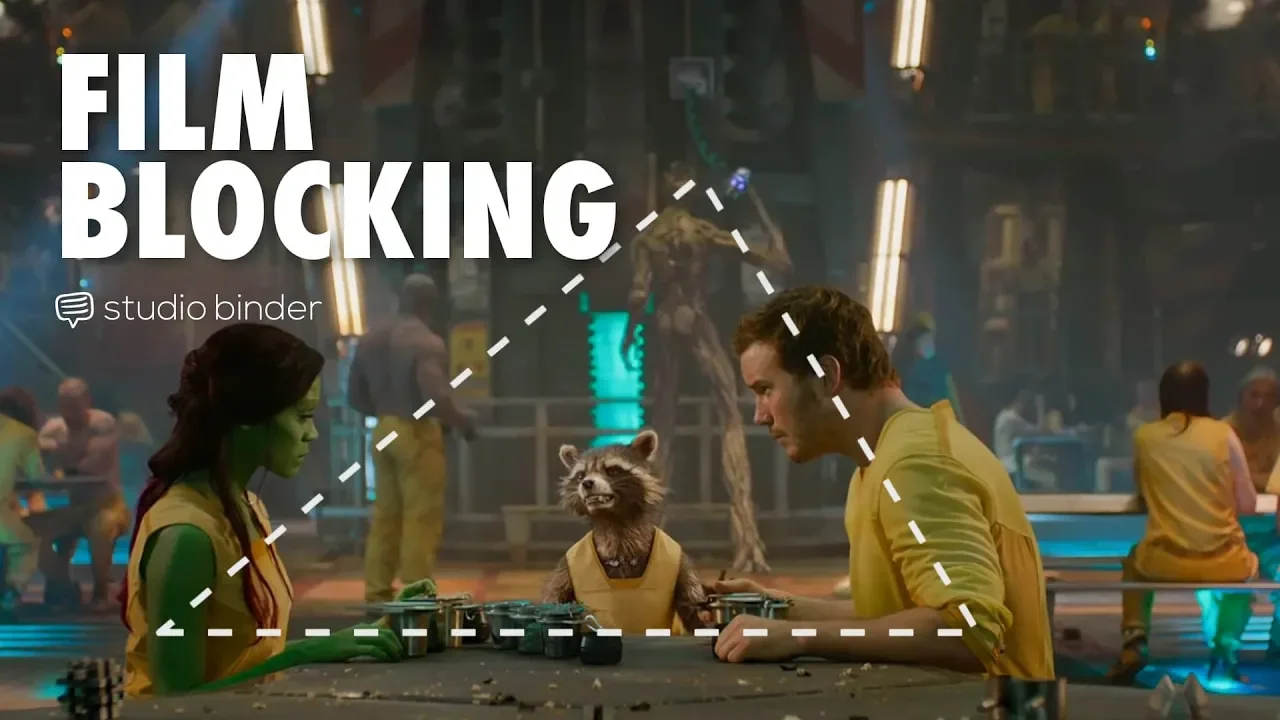
Film Blocking Techniques for Directors: Space, Shapes, Lines
@StudioBinder
1.9M views•2018-07-23

4:00
Evolution of Darth Vader: Anakin Skywalker's Animated Journey Across Star Wars Films
@TellItAnimated
13.4M views•2019-03-30
Related Study Plans & Knowledge Roadmaps
Structured learning paths in Film Analysis
film-analysis
Sensory Cinema: Foley, Haptic Sound & Texture
01Introduction to Film Sound and Foley Artistry
02Micro-Sounds, Textures, and Extreme Amplification
03Haptic Audition and Film Phenomenology
+ 1 more learning modules
12h4 modules
Explore Roadmap
film-analysis
Breaking the Fourth Wall: Mockumentary & Satire
01The Invisible Wall: Basics of Cinematic Illusion
02Looking at the Lens: Direct Address & Character Glances
03The Mockumentary: Satire, Realism, and Complicity
+ 2 more learning modules
12h5 modules
Explore Roadmap
film-analysis
Analyzing the Long Take: Cinema, Space & Ethics
01Foundations of Film Grammar: Montage vs. The Long Take
02Choreography and Mechanics of the Simulated One-Shot
03Phenomenology of Film: Real-Time Spatial Continuity
+ 1 more learning modules
14h4 modules
Explore Roadmap
film-analysis
Anachronistic Music: Period Drama & Subversion
01Foundations of Film Sound and the 'Needle Drop'
02Traditional Authenticity vs. Revisionist History
03The Rise of the Anachronistic Soundtrack
+ 2 more learning modules
12h5 modules
Explore Roadmap