















![[NCS 영상촬영 180504] 렌즈운용 조명조절하기](https://i.ytimg.com/vi/g8HpZo4Fxp0/maxresdefault.jpg)

Cinematography is built upon three fundamental elements that directors of photography (DPs) must master: exposure (controlling light through shutter angle, aperture, and ISO to achieve proper brightness), lighting (using continuous light sources to create visually appealing atmospheres and maintain consistency between shots), and camera positioning and movement (including framing choices like the 180-degree rule and understanding how different movements psychologically affect audiences). These three elements work together to build and capture the visual look of a film that supports the story being told.
The 3 Fundamentals of Cinematography: Exposure, Lighting, and Camera Movement
Added:Basic camera anatomy and functions, such as how a lens captures light onto a camera sensor or film plane.
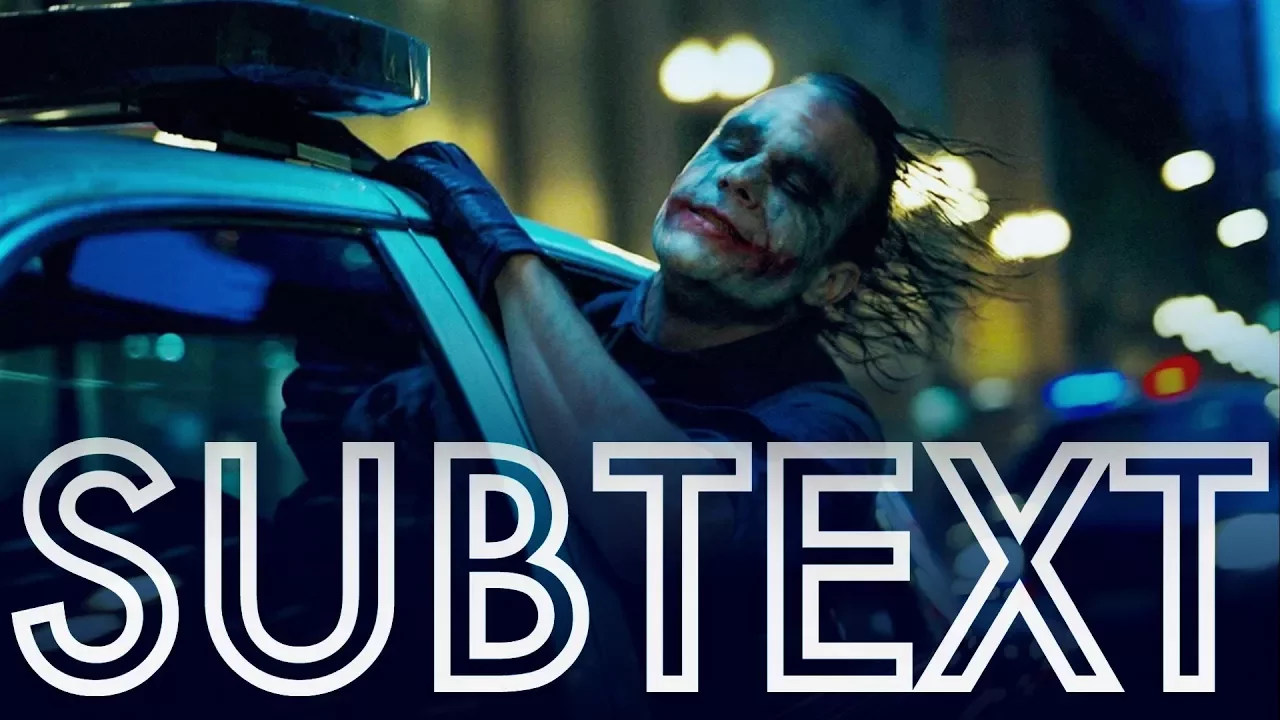
The core concept of visual storytelling, understanding that camera choices are used to convey emotion and subtext.
Fundamental image composition principles, including basic shot framing (such as close-ups, medium shots, and wide shots) and the Rule of Thirds.
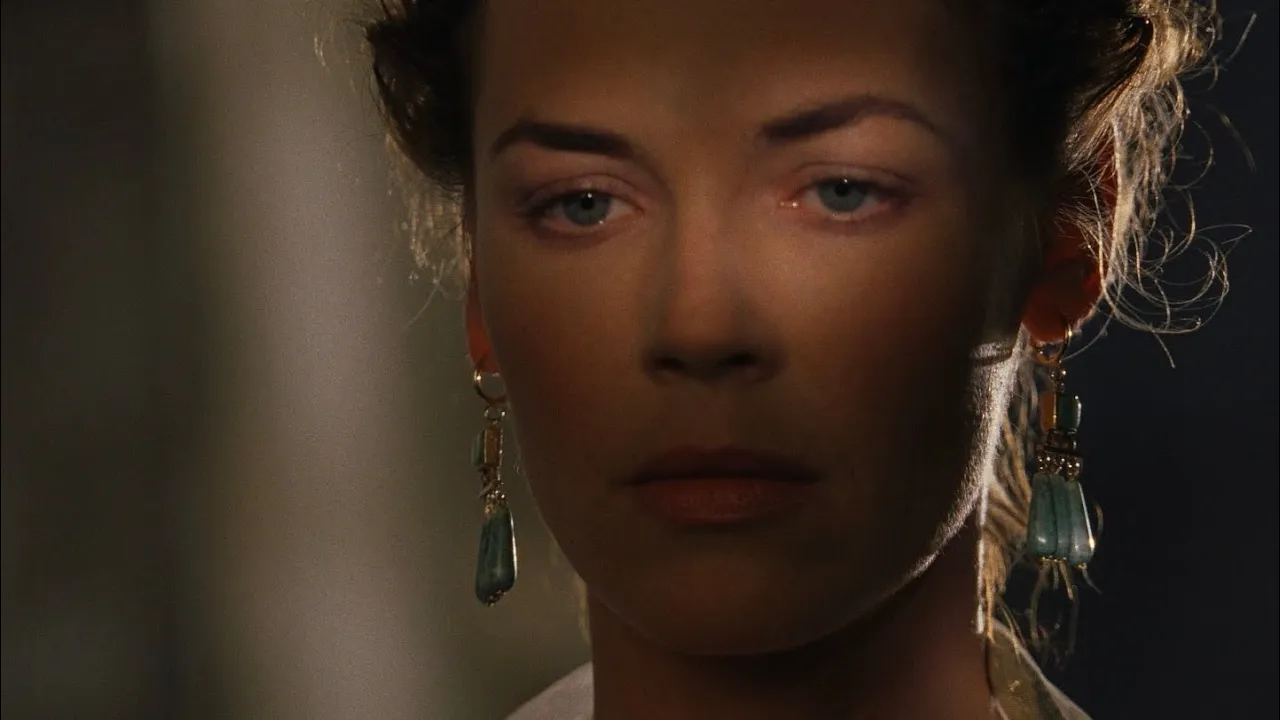
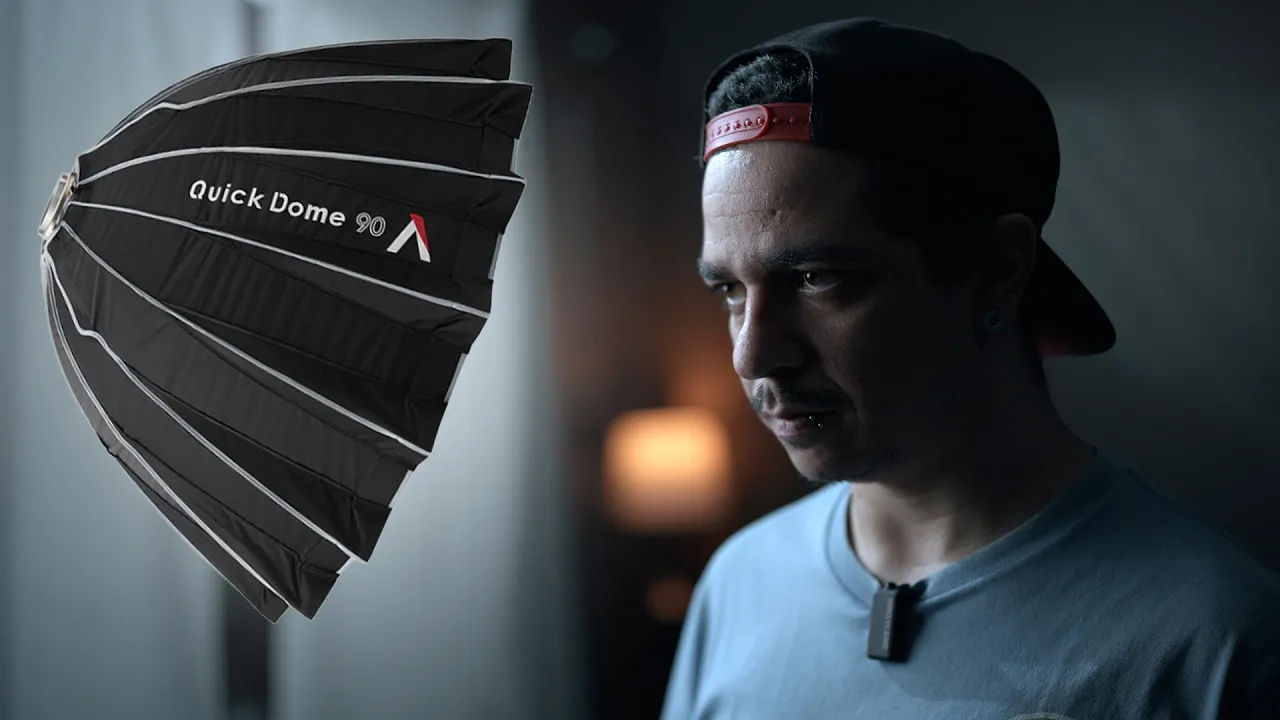
Advanced lighting setups, including the physics of color temperature, diffusion techniques, and the implementation of three-point lighting.
The mechanics and narrative theory behind specialized camera movement tools, such as Steadicams, gimbals, cranes, and dollies.
Lens theory and selection, examining how different focal lengths, depth of field, and lens characteristics alter the psychological perspective of a scene.
Color grading and post-production workflow, analyzing how on-set exposure decisions dictate the creative possibilities during the digital intermediate process.
662.9K views24.1Klikes11:29Original Release: 2021-12-05
As you can probably gather from the name of this channel, I usually make videos that skip over some of the basics and make content that is a bit more, well, in depth.
But since I’ve had some requests in the comments to make a video that goes over the basics of cinematography I thought I’d do just that.
As the role that the cinematographer takes on is a fairly technical and complex one, it’s a bit tricky to distill all the nuanced things that they do into a single YouTube video.
However, I think the most important duties of a director of photography or DP can best be distilled into 3 basic elements: exposure, lighting and camera positioning and movement.
These three elements align with the three departments on a film set which the DP manages: the camera, lighting and grip departments.
To be a cinematographer you need to be able to control all three of these elements and manipulate them in order to capture a visual style which suits the story being told.
So let's focus on each one of these departments, or aspects of cinematography, to show why they are crucial in order to fulfill the DPs overarching function of building and capturing the look of a film.
Let’s start with a fairly necessary feature of cinematography, the camera.
To capture an image light passes through a glass lens and hits the film plane, which could house a digital sensor or a film stock.
How the footage will look is determined by the amount of light that hits the focal plane and the sensitivity of how easily the digital sensor or the film stock absorbs that light.
This is what we call exposure.
It refers to the amount of light that is exposed to the film plane.
Letting in more light will result in a brighter exposure, while letting in less light will mean a darker exposure.
One of the most important parts of a cinematographer's job is measuring and ensuring the correct exposure is achieved.
Exposure is an important tool that DPs can easily use to create an image that reflects the correct tone and story.
A simple example can be found in comedies versus horror films.
Typically comedies have a brightly exposed image which reflects the light, comedic tone of the story.
While horror films often have a darker exposure which sets a broodier, scarier psychological tone.
To control exposure with the camera, the cinematographer can adjust three different variables: the shutter, the aperture and the ISO or film speed.
Motion picture cameras usually use a rotary disk shutter.
This is a semi-circular disk that spins in front of the film gate.
When the disk passes the film gate light will be blocked and not let in.
As it turns there will be an open section where light will be able to hit the film plane.
Since the shutter takes up a percentage of a circle in film cameras it is measured in degrees which is referred to as the shutter angle.
Adjusting the shutter angle affects the amount of time that film is exposed to light.
So, making the angle smaller, like 45° means that the rotating shutter will block more light.
Therefore the exposure will be darker.
Inversely, making the shutter angle bigger, like 270°, means that more light will be let through and that the exposure will be lighter.
The shutter angle also controls the secondary function of motion blur.
A smaller shutter angle will constrict motion blur and make footage feel choppier, while a larger shutter angle will increase motion blur.
Conventionally the shutter is therefore kept at 180°, which makes movement feel ‘normal’ to the human eye.
Cinematographers therefore primarily usually use the other two variables of aperture and film speed to control exposure.
Aperture is the hole in the lens that can be opened or closed to let in more or less light.
On cinema lenses this value is measured as a T-stop and as an f-stop on still photography lenses.
Opening the aperture, shooting with a smaller stop number, means that the hole is large and more light is let in.
Closing down the aperture, shooting at a deep stop, makes the hole smaller and lets in less light.
Finally, the ISO or film speed refers to how sensitively the digital sensor or film stock responds to light.
A low film speed such as 50 ISO is less sensitive so will be darker and a high film speed such as 800 ISO will be brighter.
So to expose an image which is not too bright and not too dark, cinematographers will manipulate this ‘exposure triangle’ of shutter angle, aperture and film speed until the footage has the correctly exposed look.
This video is sponsored by Skillshare.
Skillshare is an online learning community for creatives with a range of classes on topics such as cinematography, directing, editing and many others.
They have many other introductory classes on cinematography that go over the concepts I’ve mentioned in more detail, such as a class on ‘Film Lighting Made Simple’ by Dandan Liu.
In it she covers all the basics from three-point lighting, to colour temperature and diffusion.
Whether you’re a hobbyist, looking to get started or a working professional, Skillshare has a perfect class for your level!
The first 1000 of my subscribers to click the link in the description will get a 1 month free trial of Skillshare so you can start exploring your creativity today!
Now that we know how to manipulate the brightness of an image by manipulating the amount of light that is let into the camera, cinematographers must focus on how the light that is let in actually looks.
Film lighting is usually done with continuous light sources.
This is where the output of an electrical light remains fixed and consistent, unlike in stills where a flash, a brief burst of light, is often used.
There are two primary functions of lighting in film: first, creating a look for the film which is visually appealing and which suits the tone and supports the storytelling of the content which is being filmed, and second, maintaining a consistent source of light so that the exposure does not fluctuate unevenly during shooting.
A mistake I made when I got my hands on a camera and first started shooting short films was not focusing enough on lighting.
Beginner cinematographers, myself included, often think creating a beautiful image comes from having a nice camera to shoot on.
That it’s all about having the newest, fanciest gear.
However the most important part of cinematography and creating an aesthetically appealing image is rather to focus on how the image is lit.
There are no hard and fast rules when it comes to lighting, but familiarising yourself with some basic lighting ideas and even just being aware how the light hits a subject and affects the way a shot will look, is the most important first step.
If you’d like more information on this I’ve covered some basic lighting techniques in a prior video.
The second reason that lighting is important is that if you are shooting only using natural light, it has a tendency to change throughout the day.
For example the sun may begin by shining through a window and then move overhead, throwing the interior into shadow.
But, having a strong light source placed outside a window that replicates the sun's light will minimise any changes that might prevent different shots in a scene from matching up.
Maintaining consistent lighting and cinematic continuity between different shots photographed at different times is an important part of being a DP.
Now that the exposure is under control and we have lit a scene in a consistent way that supports the visual style of the story that is being told, the third most important basic element of cinematography is the placement of the camera and how it moves.
Some directors may leave a lot of this to the DP.
Others may like to dictate exactly how the camera moves or a shot is framed.
Regardless of the creative input, it is the job of the cinematographer to technically execute those choices.
When it comes to camera placement there are some basic guidelines which should be followed, such as the 180-degree rule.
This states that the camera should be kept on one side of an imaginary axis when shooting a scene that cuts between two characters.
So that the first character is always frame right of the second character.
However, on occasion, filmmakers have intentionally broken this rule for effect.
How each shot in a movie is framed and executed should be a conscious choice by the cinematographer and director, as different movements will have different effects on an audience.
Just as different songs can make you feel different emotions, so too can camera movement.
But perhaps in a more subtle way.
For example, a manically operated handheld camera has a different feeling to a buttery smooth tracking shot.
Therefore, when it comes to placing and moving the camera, cinematographers need to be knowledgeable about both the psychological effect that camera movement and framing has on an audience, and an understanding of various grip rigs and gear that can be used to create those moves.
So there you have it: exposure, lighting and camera placement and movement.
Three basics that every DP consciously controls.
As I mentioned at the beginning, these three things only touch on the fundamentals of cinematography.
There are a whole host of other decisions that DPs have to make on a minute by minute basis on set.
But, when you’re starting out, be sure to remember these three basic elements and focus on using them to bend the visual tone of the cinematography into a shape that best suits the story.
As always I welcome any comments or advice you’d like to share down in the comments section.
Thanks to everyone for watching and a special thanks to all the patrons for your dedicated support.
It greatly helps me to keep producing regular content on this channel.
If you’d like to support the channel another way I also have merch with custom illustrated film designs.
Otherwise, until next time, thanks for watching and goodbye.
Up Next

9:04
Hoyte van Hoytema Cinematography: Style, Gear & Philosophy
@InDepthCine
219.1K views•2020-05-28

23:14
Visual Analysis Essay: How to Analyze Graphic Novels in College Writing
@nataliepleimann5941
1K views•2020-10-14
18:19
Long Takes in Filmmaking: Techniques and Impact
@InDepthCine
31.3K views•2024-07-28

4:00
Evolution of Darth Vader: Anakin Skywalker's Animated Journey Across Star Wars Films
@TellItAnimated
13.4M views•2019-03-30
Related Study Plans & Knowledge Roadmaps
Structured learning paths in Film Analysis
film-analysis
Sensory Cinema: Foley, Haptic Sound & Texture
01Introduction to Film Sound and Foley Artistry
02Micro-Sounds, Textures, and Extreme Amplification
03Haptic Audition and Film Phenomenology
+ 1 more learning modules
12h4 modules
Explore Roadmap
film-analysis
Breaking the Fourth Wall: Mockumentary & Satire
01The Invisible Wall: Basics of Cinematic Illusion
02Looking at the Lens: Direct Address & Character Glances
03The Mockumentary: Satire, Realism, and Complicity
+ 2 more learning modules
12h5 modules
Explore Roadmap
film-analysis
Analyzing the Long Take: Cinema, Space & Ethics
01Foundations of Film Grammar: Montage vs. The Long Take
02Choreography and Mechanics of the Simulated One-Shot
03Phenomenology of Film: Real-Time Spatial Continuity
+ 1 more learning modules
14h4 modules
Explore Roadmap
film-analysis
Anachronistic Music: Period Drama & Subversion
01Foundations of Film Sound and the 'Needle Drop'
02Traditional Authenticity vs. Revisionist History
03The Rise of the Anachronistic Soundtrack
+ 2 more learning modules
12h5 modules
Explore Roadmap