








![[189] Digitalizzare Pellicole Medio Formato](https://i.ytimg.com/vi/44bA6c6or7w/maxresdefault.jpg)




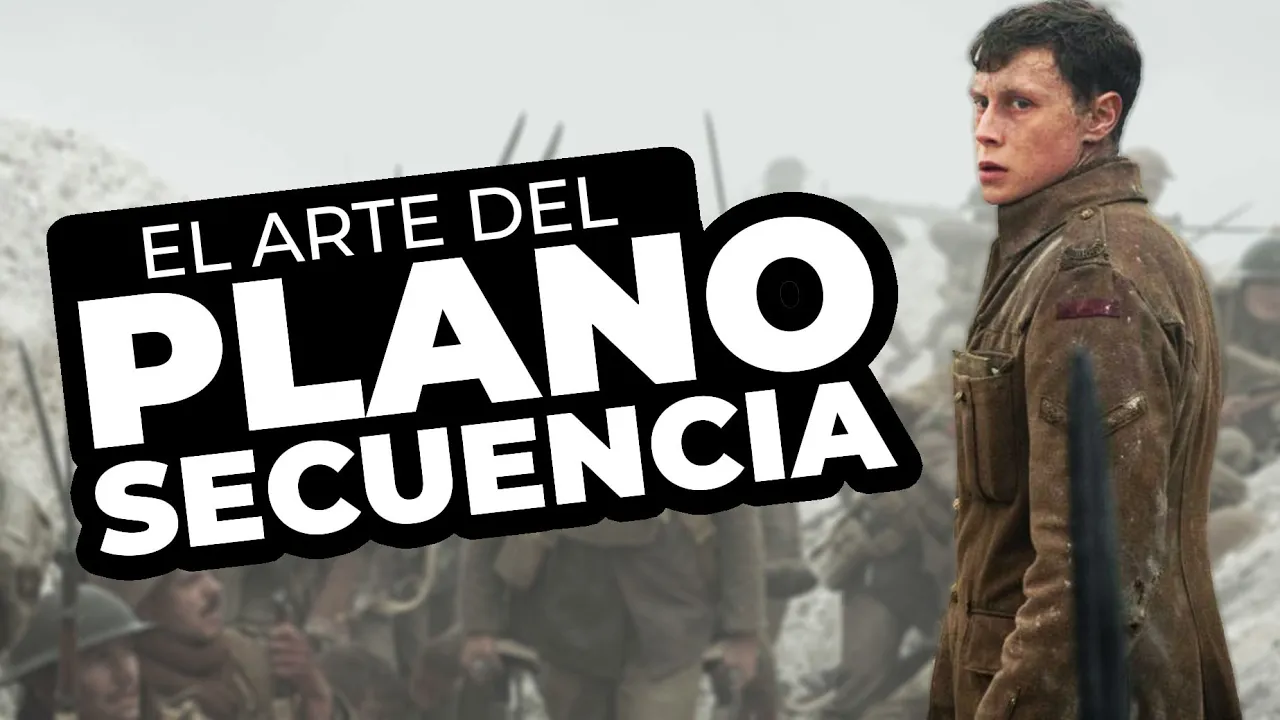
The film 1917 employs a revolutionary one-shot technique where the camera never cuts away from the two main characters, creating an immersive real-time experience that forces the audience to feel every step of the journey. This approach required meticulous planning, including measuring every step of the journey, rehearsing dialogue on location, and building over a mile of trenches, with the camera mechanics and actor performances perfectly synchronized to create a continuous, unbroken narrative that draws viewers directly into the trenches alongside the soldiers.
1917 Filmmaking Techniques: One-Shot War Epic Analysis
Added:The concept of a 'long take' (sequence shot) and how it historically differs from traditional continuity editing.
Basic camera movement vocabulary, including tracking shots, panning, crane shots, and the mechanics of Steadicam or gimbal stabilization rigs.
The fundamentals of cinematographic lighting, particularly the challenges of shooting in natural, ambient light versus controlled studio setups.
An understanding of 'hidden cuts' and invisible transitions used in filmmaking to stitch separate takes together seamlessly.
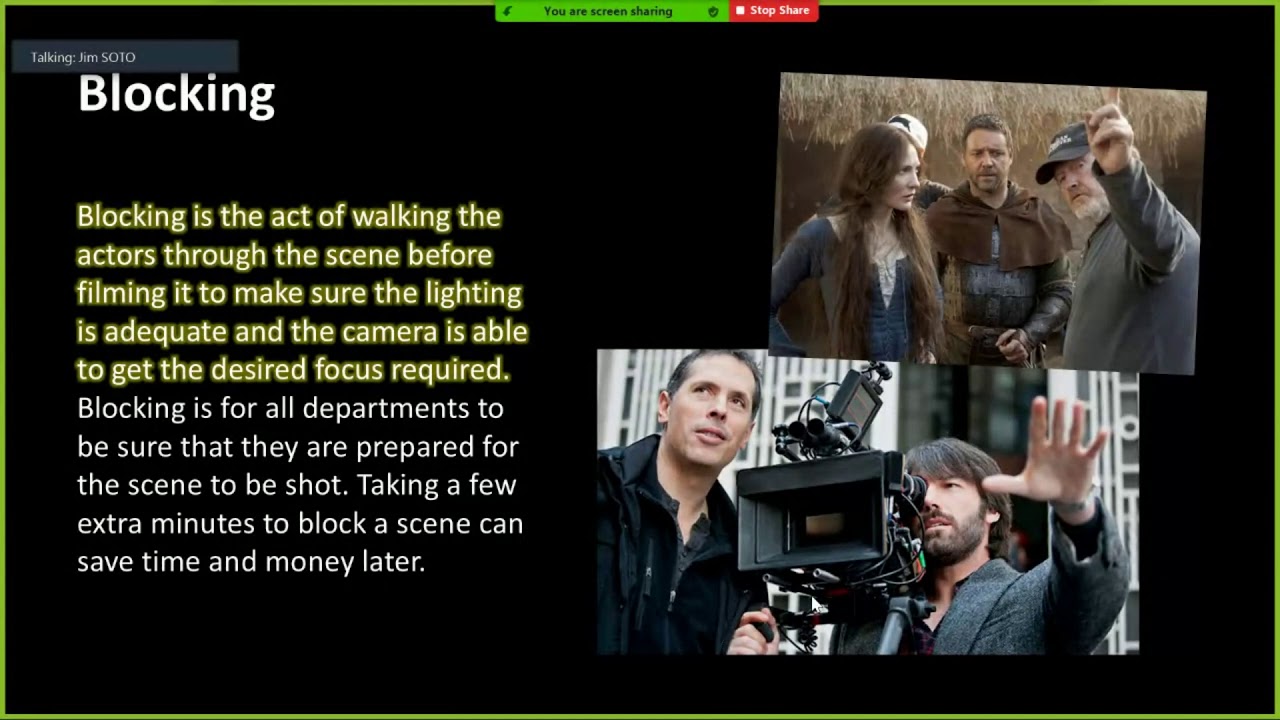
Advanced blocking and physical choreography techniques required to synchronize actors, camera operators, and environmental special effects in a single, continuous run.
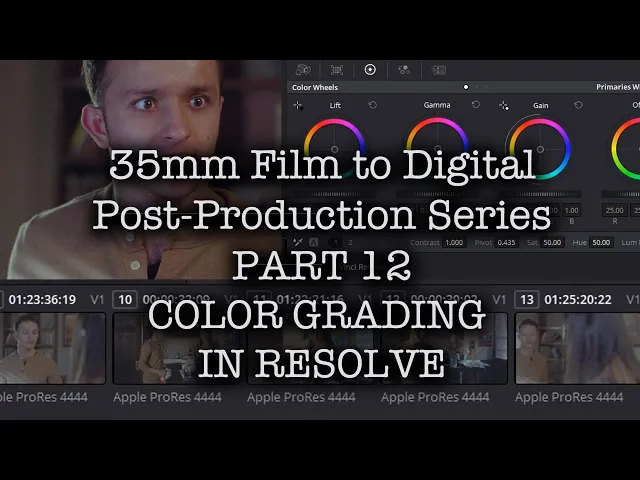
The technical post-production workflows of digital stitching, CGI transitions, and consistent color grading across varying outdoor conditions.
The cognitive and psychological effects of the 'one-shot' technique on audience immersion, empathy, and narrative tension.
A comparative study of true single-take films (such as 'Russian Ark' or 'Victoria') versus simulated single-take films (such as 'Birdman' or 'Rope').
2K views20likes11:23Original Release: 2019-12-10
after finishing the last Bond movie I wanted to try and find something that I've never done before and I kept really scripts and there was nothing that I wanted to do and eventually my agent and PIPA who's producing this movie said why don't you just write your own script and I made a lot of fuss about I don't write you know they just just try this film is very much Sam's passion project it's a thing that he had in his mind for a number of years and was just looking for a way to get the chance to make it the idea for the movie came from when I was a very small kid my grandfather fought in the First World War his name was Alfred Hubert Mendez and he went to war in 1917 he was for messenger on frontlines and he was given the job of carrying the message from post to post and I started with this fragment really aa very good bike pick a man bring your kit the movie is based around to the journey of two men and I wanted the audience to have a relatively new experience with those men I wanted to feel that they didn't know them and it's a real luxury to be able to make a movie on this scale with two actors who really have relatively speaking new to the game George makai and Dean Charles Chapman who were playing Scofield and Blake both of them are extraordinary young actors George embodies some of the qualities that I was looking for there's something about him that's funny old-fashioned and internal and then Dean Charles Chapman food place play it's a wonderful instinctive actor it must be something big if the generals here you have a brother in the second Battalion yes sir they're walking into a trap your orders are to deliver a message calling off tomorrow morning's attack fundamentally it's a very simple story two men have about eight hours to get from one part of the western front to another we've got to cross into enemy territory on a resurgence time to deliver a message that will save 1600 lives let's talk about this for a minute why if we're not clever about this no one will get to your brother I will Blake is the heart of the film it's Blake's love for his brother which accelerates the story and gets them moving in many ways the movies about that friendship and what happens to it they help each other but in ways they don't really fully comprehend if you don't get there in time it will be a massacre good luck from the very beginning I felt this movie should be told in real time every step of the journey breathing every breath with these men fell integral and there is no better way to tell this story than with one continuous shot from the first moment I talked to Sam about the idea as a one-shot movie I knew it was going to be really immersive still know it's meant to make you feel that you are in the trenches with those two young men and the camera never ever comes away from the two characters sometimes you have a camera being carried by an operator hooked on to a wire the wire carries it across more land and it's unhooked again that operator runs with it then steps onto a small Jeep which carries him another four hundred yards and he steps off it again and goes around the corner there's always that sort of get out of jail card that you have of the movie well you know we might be able to cut around there so we might take that scene out that's not possible on this film the dance of the camera and the mechanics all have to be in sync with what the actors doing there's like a piece of theater every take once it starts it can't stop there's something goes wrong you just have to keep going and there were so many sayings that I just completely got lost in autumn the journey sometimes the saint was six minutes long and when they call cut I would completely forget who I was and I was Blake if you told it in a conventional way don't think you would have felt the energy you're always moving forward you never go back and the planning was absolutely key [Music] the challenges are prepping this movie are the challenges of prepping a normal movie times about five we had to measure every step of the journey in the early days of free arcing menschell Sam and Roger turnt up to this open field that was pretty much nothing there other than grass and we had the script in around and we literally just walked and talked every single scene to say how long it took us to get from A to B the scene has to be the exact length of the land and the land cannot be longer than the scene and the scene cannot be longer than the land and so you have to rehearse every line of dialogue on location and that's where overlaps with doing theater because the world has to be crafted around the rhythm of the script we are a lot of group conversations about the sets whether it was over models or illustrations that Dennis have done we wanted to understand the physicality of what we had to build we built over a mile of trenches to dig it was quite a task when we were digging we were still doing rehearsals we were still staking out the trench lengths so that we could hone in the exact distances that we needed you almost have to change the way you think about how we view movies as a viewer and how we make movies as a filmmaker the art department more than anyone has been really affected just figuring out the scale of how large these sets need to be this is a highly choreographed piece so every inch has to be accounted for it was an amazing amount of work every place that we went was a magnitude of problems to solve you have all these locations that are basically just ground and you have to create something out of it Roger and Dennis had to work together to figure out a set that can incorporate where the camera needed to be making sure it felt natural and organic within the scene was the timeline and the picking clock when you start the film there's no turning back and the myriads of problems that come up everything will hit you and everything did hit us in order to create the spaces that we did [Music] let's go back to why this film does not take place in a series of interiors this is endless exterior no location ever repeats - you're constantly moving through landscapes being such a exterior movie we're very dependent on the light and the weather and we kind of realized well for a start you can't really light it because you know if you were running down a trench and turning around 360 degrees there's nowhere to put a light anywhere and because we were shooting in story order we have to shoot in cloud to get the continuity from scene to scene so some mornings when the Sun would be out and we couldn't shoot so we would rehearse were rehearsing and it would be waiting around everyone for their eyes up in the sky trying to see how long it take for the Sun to move behind the cloud in as soon as it comes over you've got this 5-minute window everyone would be like come on go go go [Music] so you are also in the lap of the gods one of the key elements in realizing this film has been Roger Deakins input from the very early days Roger was right by Sam's side working out exactly what it was that Sam was looking for anytime a shoot a film I want to put the audience in this world whether it is a fantasy world or real world like 1917 there's a scene with bad all these flares going up over the top of the town and those flares were lighting the whole scene so we needed to figure out how much time the flares needed to be in the air to get the look we were after they had this model where they were testing which way the shadows booth what was key was the way the light fell through the windows to create the shadow and the layers of light he almost feel that the ground beneath his feet is moving because the light is moving there's something nightmarish about it and strange what roger vacanze has done with his film is amazing some of the camerawork just blew my mind Roger is always so inventive it was like no other form of filmmaking that I've ever experienced before you have to construct a journey for the camera that's every bit as interesting as the journey of the actor what I wanted was one ribbon like a snake moving forward in which the information that you needed happened to fall in front of where the camera was pointing the fact that we're moving always forward it does have a compound effect the gradual growing menace and that constant sense of threat of what isn't similar of what might be around the corner is baked into the DNA of this movie there is only one way this warrant Last Man Standing it's really important that we don't forget the people who fought in the First World War there's a duty to remember them and remember what they did the things that these soldiers go through are horrendous it's sentiment in a way that I don't think any other war movie I've seen it until you actually see on a screen you don't really realize how immersive it is and how that technique kind of draws you into that for me engagement is very important and that is behind the way in which we've decided to shoot in this film at the end of the day you just hope you made something special that people feel personally about when you achieve that it's really beautiful and exhilarating [Music]
Up Next

15:28
Film Studies Basics: Realism, Theory & Movements | Calicut University Module 1
@easysem5638
10.8K views•2022-03-14

23:14
Visual Analysis Essay: How to Analyze Graphic Novels in College Writing
@nataliepleimann5941
1K views•2020-10-14
4:55
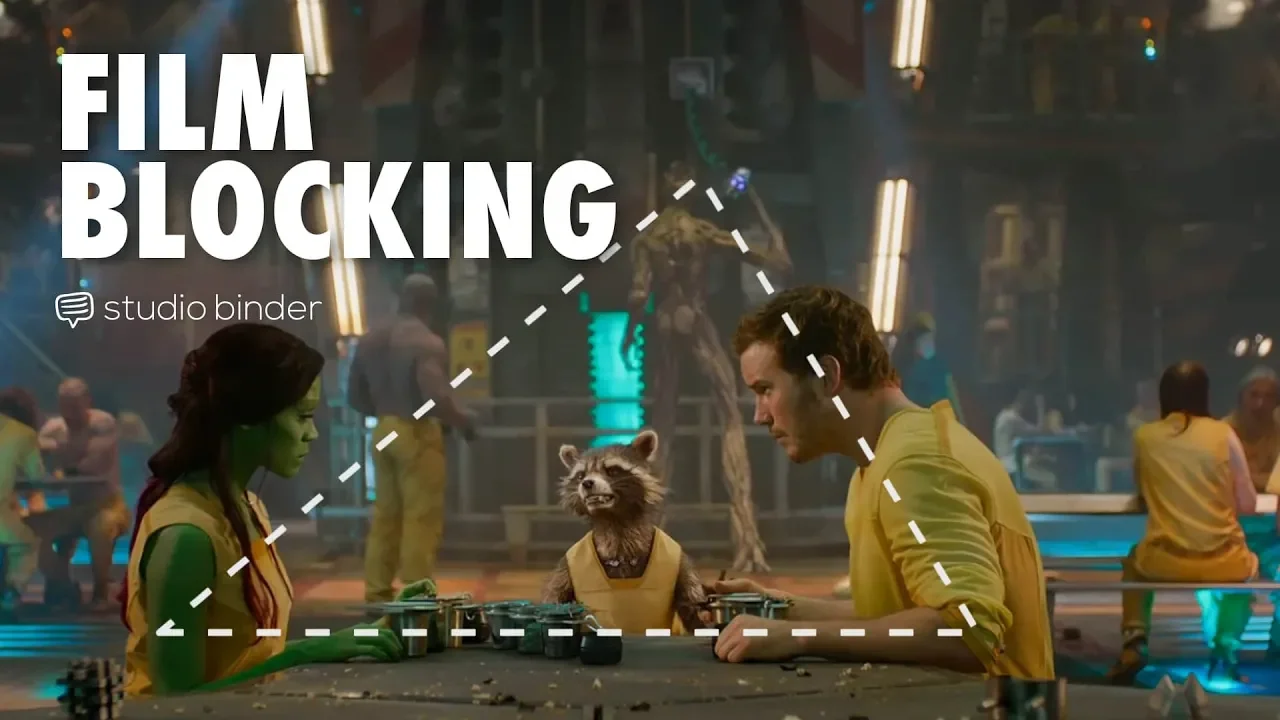
Film Blocking Techniques for Directors: Space, Shapes, Lines
@StudioBinder
1.9M views•2018-07-23

4:00
Evolution of Darth Vader: Anakin Skywalker's Animated Journey Across Star Wars Films
@TellItAnimated
13.4M views•2019-03-30
Related Study Plans & Knowledge Roadmaps
Structured learning paths in Film Analysis
film-analysis
Sensory Cinema: Foley, Haptic Sound & Texture
01Introduction to Film Sound and Foley Artistry
02Micro-Sounds, Textures, and Extreme Amplification
03Haptic Audition and Film Phenomenology
+ 1 more learning modules
12h4 modules
Explore Roadmap
film-analysis
Breaking the Fourth Wall: Mockumentary & Satire
01The Invisible Wall: Basics of Cinematic Illusion
02Looking at the Lens: Direct Address & Character Glances
03The Mockumentary: Satire, Realism, and Complicity
+ 2 more learning modules
12h5 modules
Explore Roadmap
film-analysis
Analyzing the Long Take: Cinema, Space & Ethics
01Foundations of Film Grammar: Montage vs. The Long Take
02Choreography and Mechanics of the Simulated One-Shot
03Phenomenology of Film: Real-Time Spatial Continuity
+ 1 more learning modules
14h4 modules
Explore Roadmap
film-analysis
Anachronistic Music: Period Drama & Subversion
01Foundations of Film Sound and the 'Needle Drop'
02Traditional Authenticity vs. Revisionist History
03The Rise of the Anachronistic Soundtrack
+ 2 more learning modules
12h5 modules
Explore Roadmap