









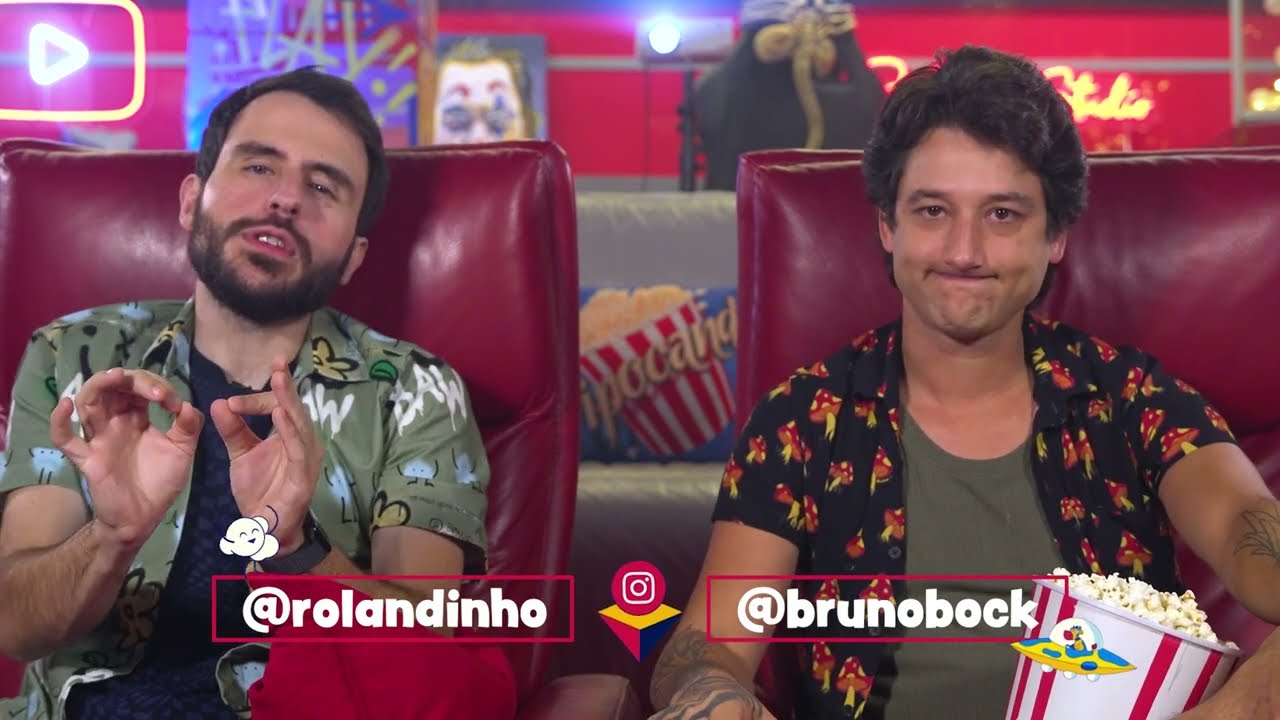



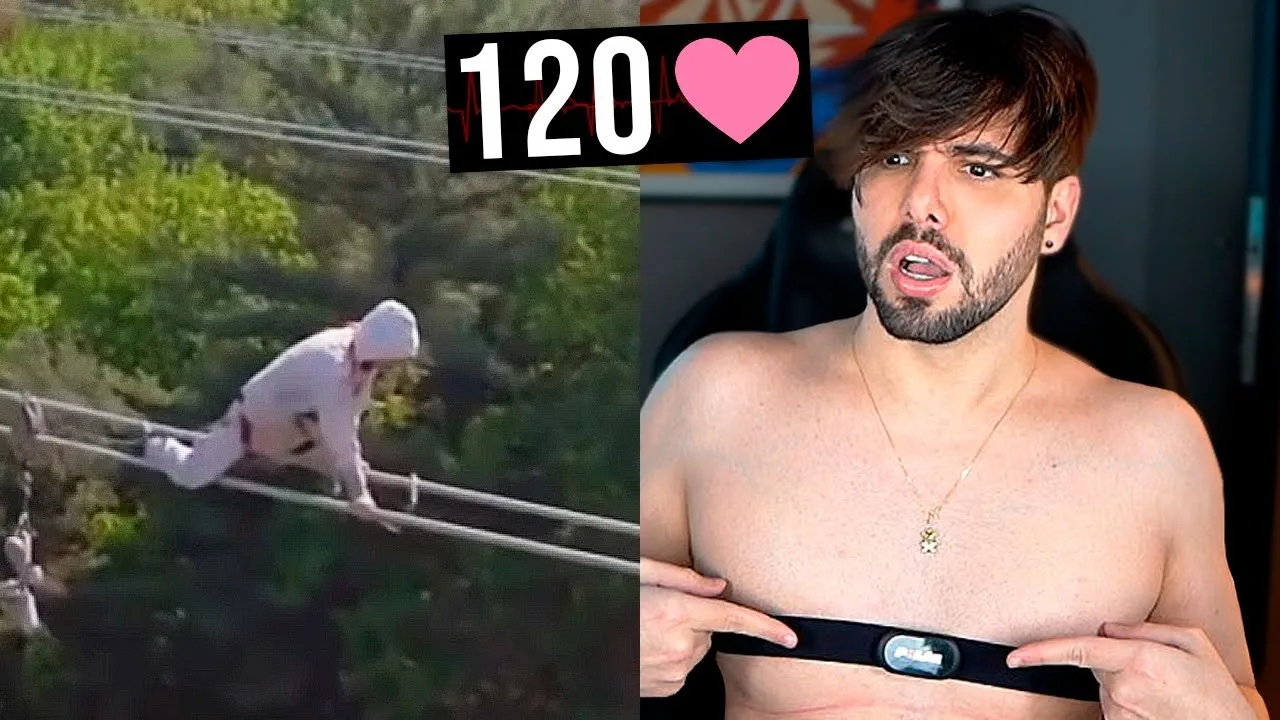
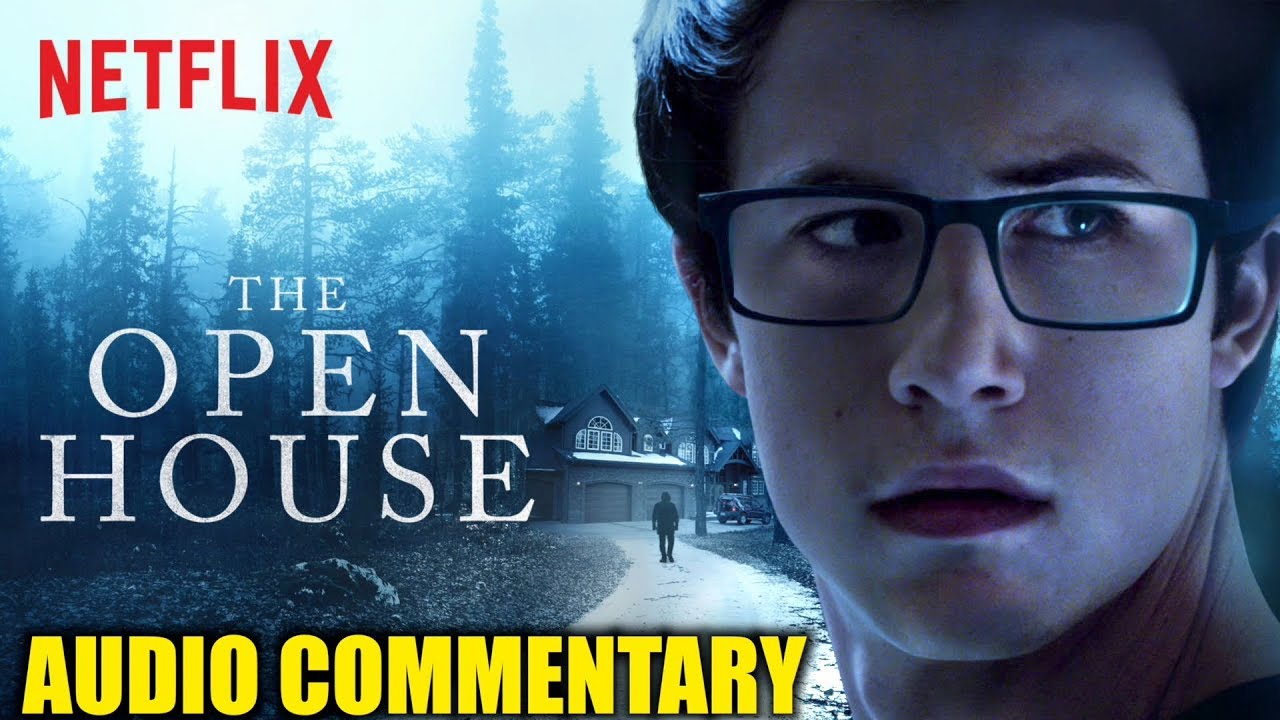



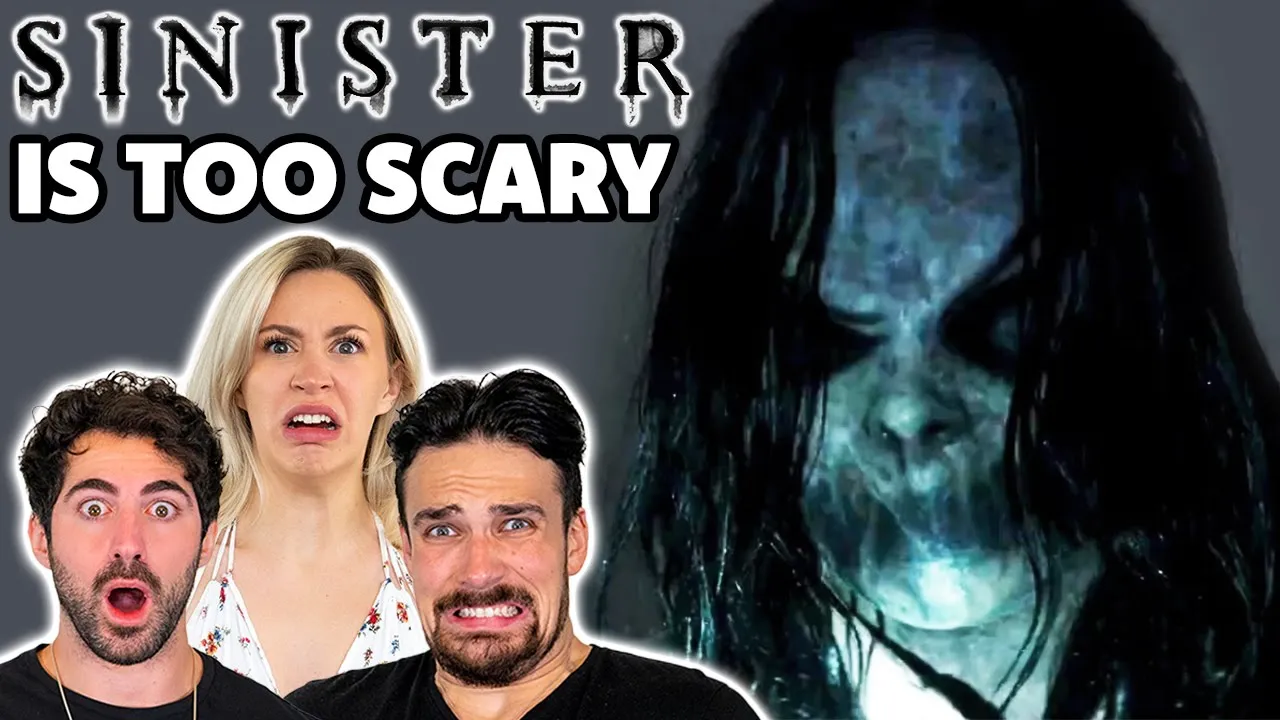
This video demonstrates how horror films create tension through environmental cues like open doors, darkness, and sound design, with the hosts' real-time reactions revealing how these elements trigger fear responses in viewers.
Fear Response Analysis: Reacting to Sinister (2012) Film
Added:Fundamentals of film language and cinematography, including lighting (chiaroscuro), framing, and the role of sound design in establishing tension.
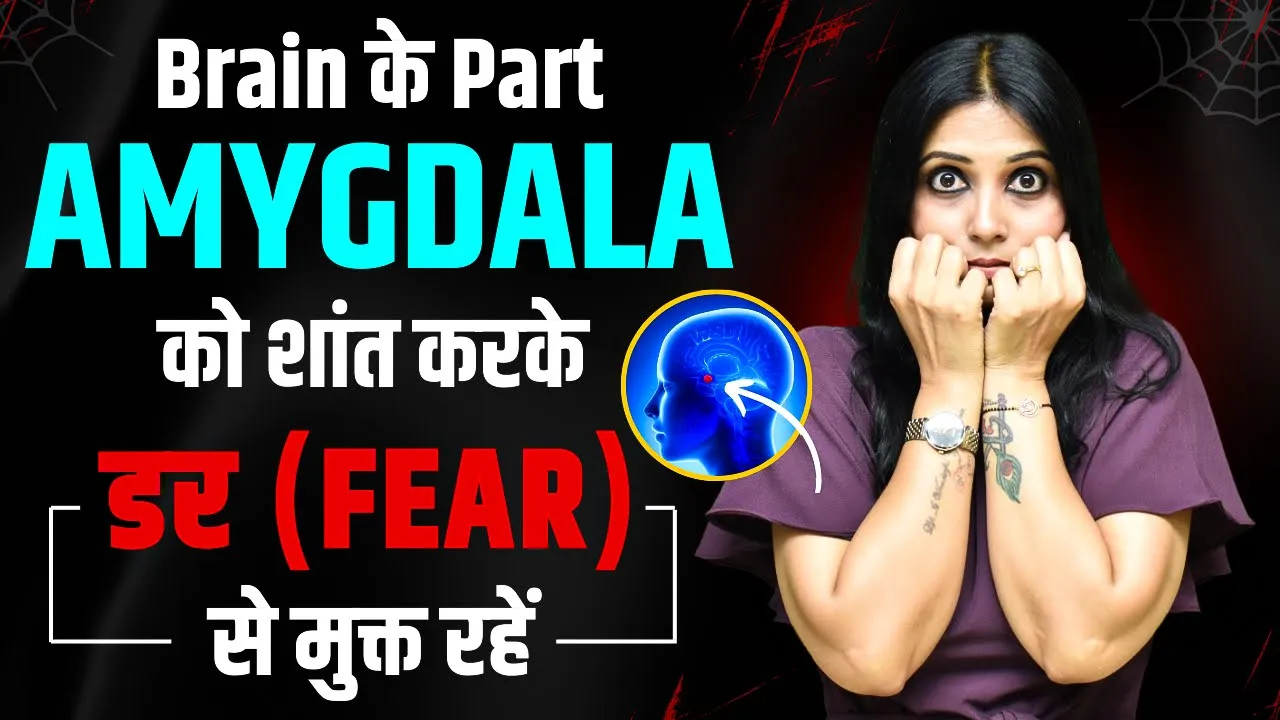
Basic biological and psychological mechanisms of the human fear response, such as the fight-or-flight response and the activation of the amygdala.
An understanding of horror genre conventions and tropes, particularly supernatural horror and the use of the 'found footage' narrative device.
The concept of 'recreational fear'—why audiences voluntarily seek out fear-inducing media for pleasure and catharsis.
Advanced psychoacoustics in cinema, exploring how sound designers use infrasound, Shepard tones, and auditory dissonance to trigger physiological anxiety.
Empirical methodology for measuring audience fear responses, such as analyzing heart rate variability (HRV) and galvanic skin response (GSR) in media psychology studies.
The narrative structure of tension and pacing, specifically examining how filmmakers manage the 'tension-and-release' cycle to prevent audience fatigue.
Societal and psychological reflections in horror, studying how films like 'Sinister' tap into collective cultural anxieties and primal fears (such as the threat to the family unit).
190.9K views11Klikes17:54Original Release: 2021-10-23
oh oh my god the style i want to be him the razzle merch available now on shop.razzle.media we got hats oh that's hot shirts i'm gonna come sweatshirts and hoodies oh yeah so go to shop.razzle.media and take advantage of free shipping on all orders this is gonna be a little bit different than some of the videos that you're used to but also similar to some of the videos you're used to yeah so anyway uh as you can see we have face cams for this one and there's only two of us and the reason for that is that uh razzle has determined that we are the the scarediest little [ __ ] of of the whole razzle group the most spookable like they did a study and this is apparently like the scariest movie like they do like i don't know if they tested heart rates maybe they did like an excel spreadsheet of scare moments nope already hate it that's okay oh no they've rigged it they did a rube goldberg machine oh oh they've rube goldberg machined it ah they put science to the test i'm terrified of moving though we both moved recently actually pretty terrible that that is drip i think it is it is drip we're both we're both the most spookable and also the most not in tune with what drip is oh this we're just gonna be calling everything drip yeah but they're wearing a they actually went out with with shoes instead of flip-flops hold on drip look at this carrying drip oh my god he's got kids this is terrifying oh is he a ghost writer but not like a ghost writer but like a writer about a writer of ghosts or is he ghost writer is he ghost writer this movie would be more terrifying with nick cage so it really would that's according to yeah we know the formula that made this the scariest movie why is he so much taller than ethan hawk how tall is ethan hawk 510.
so that that guy's tall sheriff is tall yeah that is a tall sheriff i promise yeah he's a liar yeah he's a dick but a sexy looking liar he is he's a sexy looking dick close the goddamn door yeah what are you there are not moths there right i guess if you never turn a light on i guess oh my god it's a scorpion ryan would be [ __ ] i think pennsylvania's a bit [ __ ] north for scorpions though yeah is this pennsylvania well that was the pennsylvania sheriff so it'd be pretty odd if it wasn't oh i didn't realize it said pennsylvania the car he just drive he just drove down to texas to be like this is in bad taste they got movies they look oh hanging out family hanging out that's [ __ ] that's [ __ ] up barbecue he's gonna be burning people oh i bet the barbecue is gross too hey okay okay okay hold on hold on ethan hawk's kind of a baddie gotta give her the tricep kiss that'll get her in the mood i don't like that their door is slightly open it bothers me just a little bit it wouldn't bother me if that yeah they don't light their houses they leave doors open yeah they were born in a barn is ethan hawk jesus [ __ ] oh his foot came up and i got scared of that that's how prepared i am for this movie to [ __ ] me i'm as prepared for this movie to [ __ ] me as i am for ethan hawk to [ __ ] me hey guys you got kids maybe shut the door where did it come from where did it go where did it come from i don't like it yeah [Music] that's oh there it is it's still oh [ __ ] [ __ ] i've already seen this [ __ ] i got invested in the family hangout my whole [ __ ] house is dark i'm like legitimately kind of freaked out already it's the film the film noise is is uneasy yeah who did make the film mommy's really doing we get drunk and watch horror homemade horror films it's like [ __ ] james franco and half the time he looks like ben stiller i i see both at the same time i i absolutely am with you on that the glasses give him the extra ben stiller i think well actually you guys just never shut a [ __ ] door all the doors are open and it's entirely it can be drafty okay oh she can't find the bathroom poor kid he pissed in the washer poor kid also [ __ ] stupid the bathroom's right there your bedroom's right there yeah i don't let my kids draw on the [ __ ] walls that because i might be shitty dad well is it barbecue time i think it's barbecue time i'm not looking forward to the family barbecue god i i'm fi i already know that it's gonna get [ __ ] i think all of the titles are probably puns this is the pun movie oh oh my god i'm not i don't i don't want it my phone vibrated and i almost [ __ ] my pants people want us to roast the people in the movies and it looks like this movie is doing it for us yeah i don't i don't feel good about that joke i'm just still trying i'm still trying to make content through it all tommy's doing doing a commentary why is he not making jokes you just gotta say i've seen this porn before and then like yeah have you seen that porn before sadly no yeah i'd like to say i haven't either light your house or don't light your house what is that lamp even doing yeah probably fine right this is too early in the movie for something too spooky everyone who moves into this house dies and we should stay here it's not your fault come on yeah it's his fault it's kind of actually his fault yeah definitely his fault so they really get just doing the rube goldberg thing or that's a person pulling on it yeah i think it i think it's the same person recording oh what the [ __ ] yeah feel up his chin tell him what you do i drew a tree with four people hanging from it oh go to your room chubby bunny are we sure he wasn't just playing hangman in the school game what i was going to say was he was given the opportunity to play to play hangman and then drew a couple extra people you're a real man of the people oh come on amanda that's ethan hawk james franco ben stiller yeah no man of the people yeah man of four people oh maybe this is nobody shuts doors in this house yeah it's not very okay oh [ __ ] [ __ ] no hmm nope i don't want to see it oh don't do it you're overdoing the glasses thing i'm not gonna lie yeah the glasses thing worked the first time i don't you know i didn't particularly want to see it though i was looking at this symbol like i just thought it was a family crest i didn't put two and two together there when he scrunches up his face he's got a little benedict cumberbatch too he is the everyman but that's not this house different house you're right just turn a goddamn light on you don't need a tiny flashlight i mean i think all the lights went out but he hasn't even tried to turn them back oh did they yeah because there was light and then there wasn't oh to be fair i'm not the i'm not gonna go over to the light switch and just be like what if i turn it off and back on again this is gone i'd go and check the light switch and then i'd go and check the phone has that ever worked i mean power's only gone out once or twice in in my time you just haven't don't have enough data i don't think there was any fun footage in that one i think it was i think there was fun footage do you think these murderers are getting off without putting the fun footage first they've they've got a formula they're sticking to it holy [ __ ] was that a roomba on the ceiling oh no they put a roomba in the ceiling yeah hey ben when you hear a noise in the middle of the night do you just close your eyes and hope it's fine yeah that's that's me yeah i am not a let's go check this out type of guy same i am a if that's a murderer i'm already dead type of guy if something wants to kill me they're going to have to come get me the camera's moving i think i'm going to like what we see i'm pretty positive i won't like what we see dude the camera that we're watching from is moving which makes me think it's somebody holding it i guess maybe oh my god what the [ __ ] was that what if your son's in there real quick using the knife to open the box when the last person that was in a box was his son mr boogie mr boogie that is a [ __ ] like that's a dj name yeah i was gonna say it sounds like a 70s disco music maker he's fat gut look at him mr boogie got a death bomb yeah yo mister he put on some weight a little chunky not gonna make fun of him again you know you do you all my lights are on mr boogie just kind of thick yeah like he's stick with it you know aren't we all yeah he's 5 10.
that can't have been more than like a three foot fall [ __ ] dumbass snakes don't have feet man this guy hitting him with science what is science the the go through snakes don't have feet i learned something today did you not know that before well like what if they had like really tiny feet under their skin that helped them move that would be weird maybe could be i guess i haven't cut open a snake to find out but we get drunk and watch the news we do this guy's beating us to everything so ultimately what feels better seeing justice done having your hand uh on your [ __ ] while another hand what the [ __ ] all right what feels better writing a good crime story oh we do seem like oh i was gonna say is that him is that the grassy knoll the draw the drawing didn't have him in the bushes i'm gonna be the the kid no he wasn't there yeah yeah come on kid get your [ __ ] together how are the police supposed to figure this out if you're gonna put him off to the side when he was in in the middle like oh i'm sure he was over there they're looking in the wrong [ __ ] direction but i bet they put him in the wrong goddamn spot again oh yeah he's not even in the building he's outside the window driver's side not even near the car literally [ __ ] idiot drive accurate kids drawings man is that jared leto i feel like mr boogie's going to move or something in the image he's going to get down he's going to get down oh yeah he's going to get he's going to like move oh yeah there it is and i was i said it and i said it and i still wasn't ready close our goddamn door haven't you people ever heard of closing the goddamn door somebody else getting in on the [ __ ] we get drunk and watch content yeah i think so not on my watch no he just brought on a guest for this episode it's just grant it's great he's crazy over here like hey guys in the bushes oh yup yup yup i didn't like that um i've got a very particular set of skills when they can make me a nightmare first oh my god oh that's all the kids you called it ben that was right light your goddamn house turn on some goddamn lights afford to [ __ ] quadruple light your corkboard first one i found dates back to the 60s the 1960s yeah well the 1860s before film you dumb piece of [ __ ] [ __ ] dumbass no the 2060s dumbass like what the [ __ ] what question is that you said the 1960s like it was a long time ago it was the only other option long time ago ago on work oh they're going to run them over with a lawnmower yourselves doing lawn work yeah that guy's bald as [ __ ] well you know baldness is kind of cool sometimes he really is bald though jesus is that what i look like ugh i don't like the pov this is not my favorite kind of pov i'm not going to lie i have not seen this porn before pov lawn mower mowing their lawn i didn't want to be right though ah did you just bring him in food without a bra my brawless wife brought me a sandwich not asked for what's that got a little mlb cameo behind him yeah lb logo an mlb cam cameo the whole oh my god they did a jump that was it that was the that was the this is the scariest movie of all time that was the moment oh my god i can't hear god dude i can't oh my god i need some release they're definitely having an affair yes mr oswald is is there something that you want to tell me i've been thinking about you when i masturbate i don't i'm not saying that you have a drinking problem right okay i don't think that oh thank god he's not saying we have a drinking problem god oh my god cheers cheers razzle oh thank you well we're having fun yep now we having the conversation hey while we're at it i've been [ __ ] the deputy you should move out of the house i didn't [ __ ] the sheriff it's morning time we're supposed to be safe yeah that's full of bees yeah i think the house is full of bees he's got the keys because his house is full of bees why would you interrupt movie night yeah it's be quiet yeah silence your cell phones okay so mr boogie is absolutely oh my god wow is the speed limit different at night the sweaters drip but like something tells me you were told that and then you never stopped wearing it just forget it existed i would just go back to bed yeah that's me extended cut endings oh are they extended cut endings he's gonna get drunk and watch the extended cut like we did with suits with suicide squad i only saw the person getting run over by a lawn mower but now i want to see like you know what they do with the remains and the rest i want to see how they like do they get it in the like little collective bag and they dump it out where do they dump it out in a trash can do they have the woods next door to them that they dump out there like i saw the connection they die when they move the dates the addresses each family that you had me look up had previously lived in the house where one of the earlier murders oh no all five you get scared out of the house and then you get killed that kid thinks he's way cooler than he is of course it's her too because she's wearing the [ __ ] weirdo smock okay well one thing's for certain i'm never moving again i will stay here and i will never leave i will research every place that i've ever lived to make sure oh god [ __ ] movie [ __ ] you scott derekson [Music] now [Music]
Up Next

10:34
Enter the Void: Visualizing Psychological Trauma in Film
@SpikimaMovies
570.2K views•2021-03-17

20:12
Unfriended (2014) Screenlife Horror Film Analysis and Review
@theboredcyborg
372 views•2019-08-20
4:55
Film Blocking Techniques for Directors: Space, Shapes, Lines
@StudioBinder
1.9M views•2018-07-23

4:00
Evolution of Darth Vader: Anakin Skywalker's Animated Journey Across Star Wars Films
@TellItAnimated
13.4M views•2019-03-30
Related Study Plans & Knowledge Roadmaps
Structured learning paths in Film Analysis
film-analysis
Sensory Cinema: Foley, Haptic Sound & Texture
01Introduction to Film Sound and Foley Artistry
02Micro-Sounds, Textures, and Extreme Amplification
03Haptic Audition and Film Phenomenology
+ 1 more learning modules
12h4 modules
Explore Roadmap
film-analysis
Breaking the Fourth Wall: Mockumentary & Satire
01The Invisible Wall: Basics of Cinematic Illusion
02Looking at the Lens: Direct Address & Character Glances
03The Mockumentary: Satire, Realism, and Complicity
+ 2 more learning modules
12h5 modules
Explore Roadmap
film-analysis
Analyzing the Long Take: Cinema, Space & Ethics
01Foundations of Film Grammar: Montage vs. The Long Take
02Choreography and Mechanics of the Simulated One-Shot
03Phenomenology of Film: Real-Time Spatial Continuity
+ 1 more learning modules
14h4 modules
Explore Roadmap
film-analysis
Anachronistic Music: Period Drama & Subversion
01Foundations of Film Sound and the 'Needle Drop'
02Traditional Authenticity vs. Revisionist History
03The Rise of the Anachronistic Soundtrack
+ 2 more learning modules
12h5 modules
Explore Roadmap