
















Post-production sound is a critical half of filmmaking that transforms raw audio recordings into an immersive soundscape through a multi-stage process involving sound editing, effects creation, dialogue refinement, and final mixing; this process requires specialized professionals including supervising sound editors, sound designers, Foley artists, and re-recording mixers who work with tools like equalizers, compressors, and reverbs to balance dialogue, sound effects, and music according to scientific principles of amplitude, frequency, and dynamics.
Post-Production Sound for Film: The Complete Process Guide
Added:Understanding of basic acoustic principles, including frequency, amplitude, and digital audio fundamentals like sample rates and bit depth.
Familiarity with the primary phases of film production, specifically distinguishing between production sound (on-set recording) and post-production.
Basic proficiency with a Digital Audio Workstation (DAW), including knowledge of multi-track editing, waveforms, and signal routing.
Awareness of the core elements of film sound: dialogue, sound effects (SFX), foley, and music.
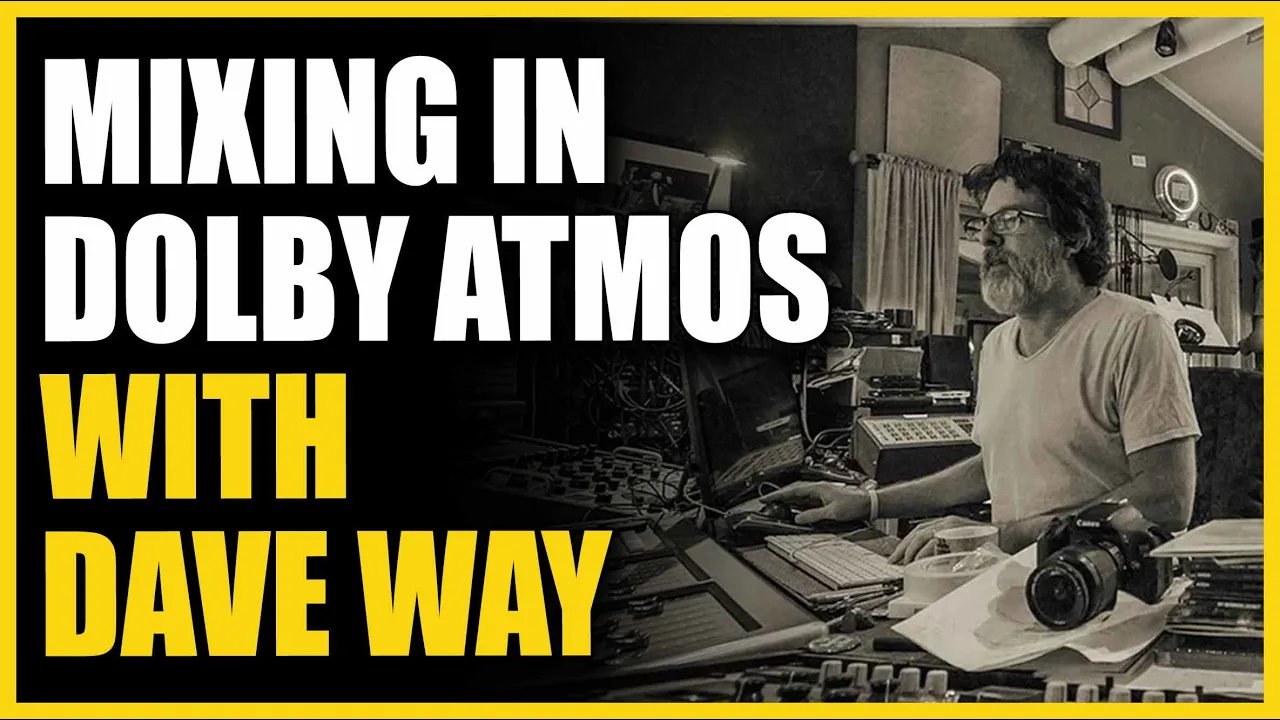
Advanced mixing and spatial audio techniques, including mixing in surround sound (5.1/7.1) and immersive formats like Dolby Atmos.
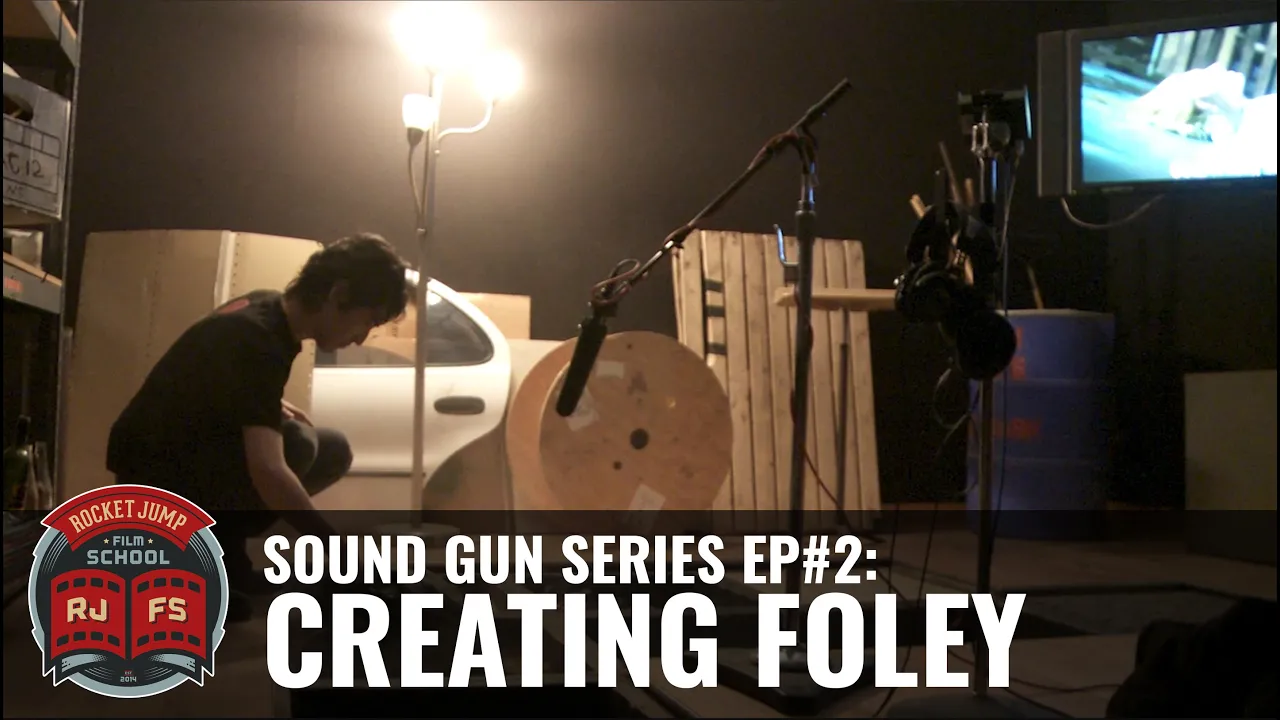
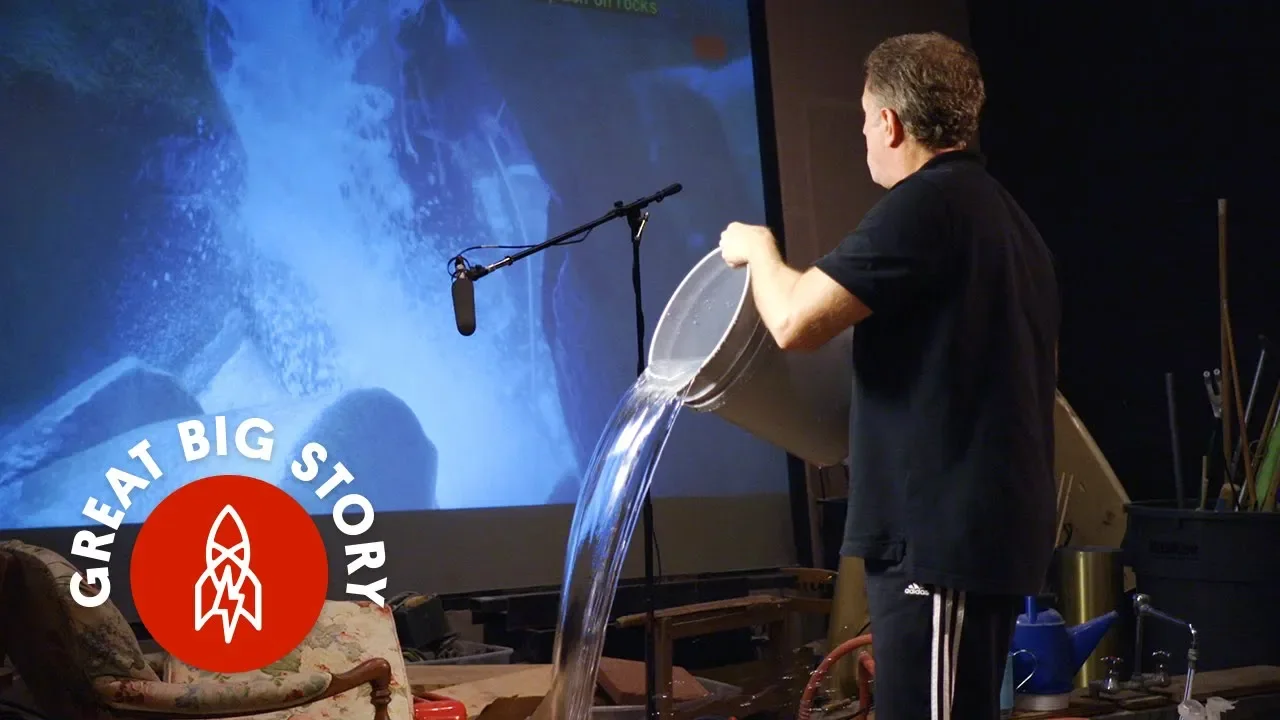
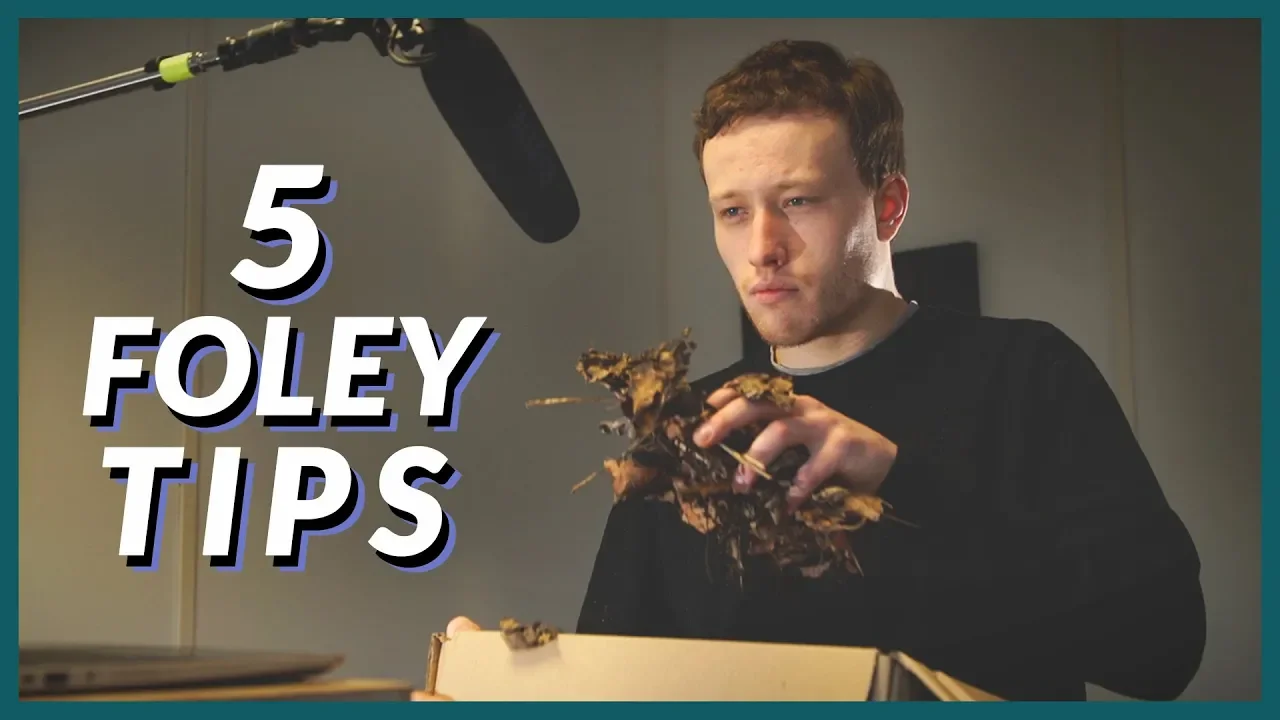
Techniques of Foley recording and performance, detailing how to sync and perform custom sound effects on a Foley stage.
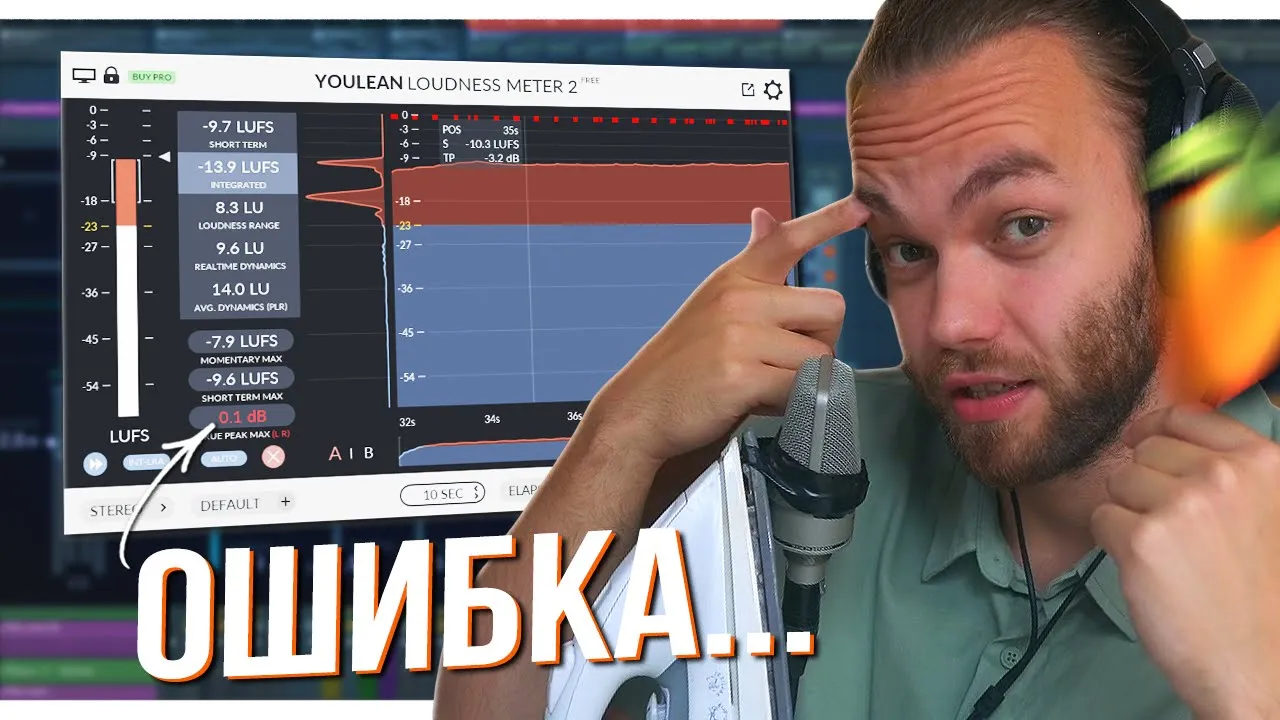
Industry loudness standards and delivery specifications (e.g., LUFS/LKFS) for different platforms like theatrical release, broadcast television, and streaming services.
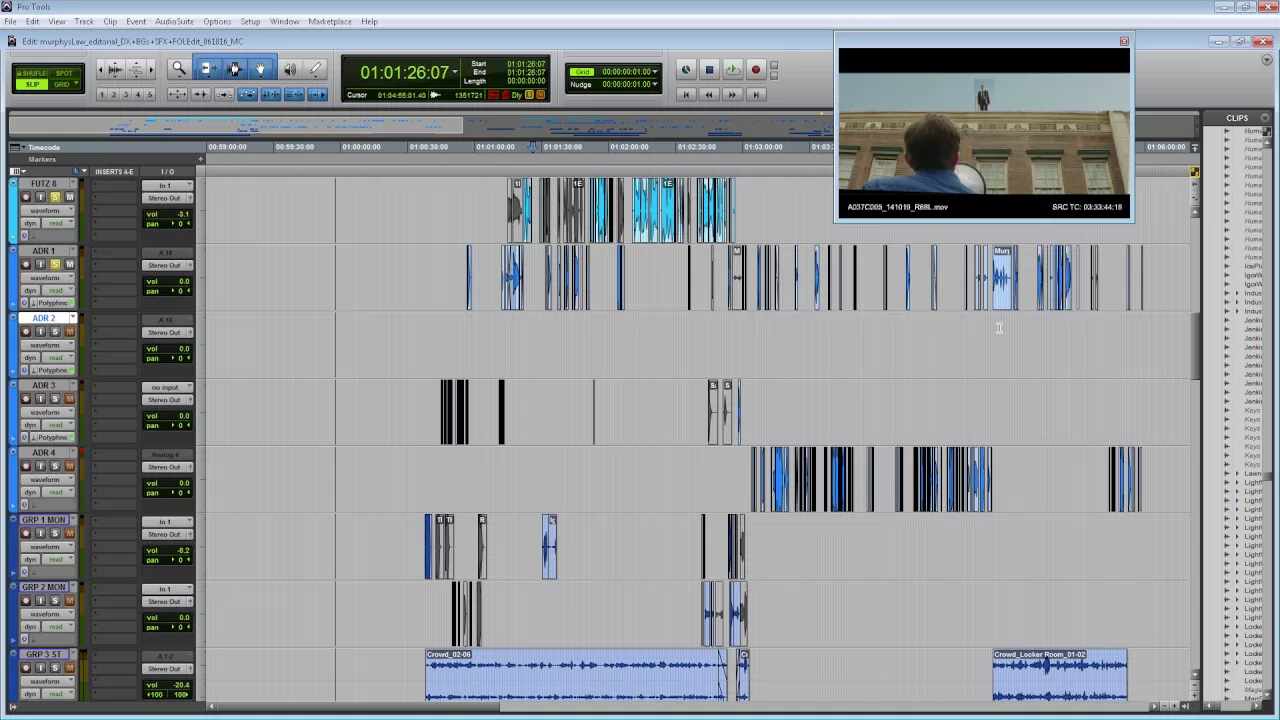
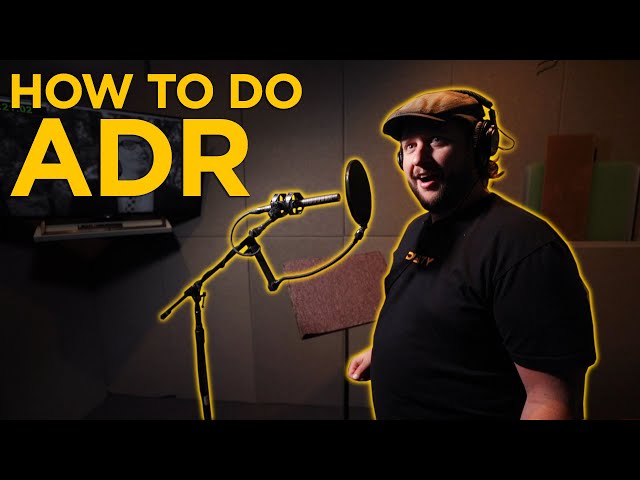
Dialogue editing and Automated Dialogue Replacement (ADR), focusing on repairing damaged production tracks and matching studio ADR to on-set recordings.
142.4K views6.2Klikes25:19Original Release: 2025-03-17
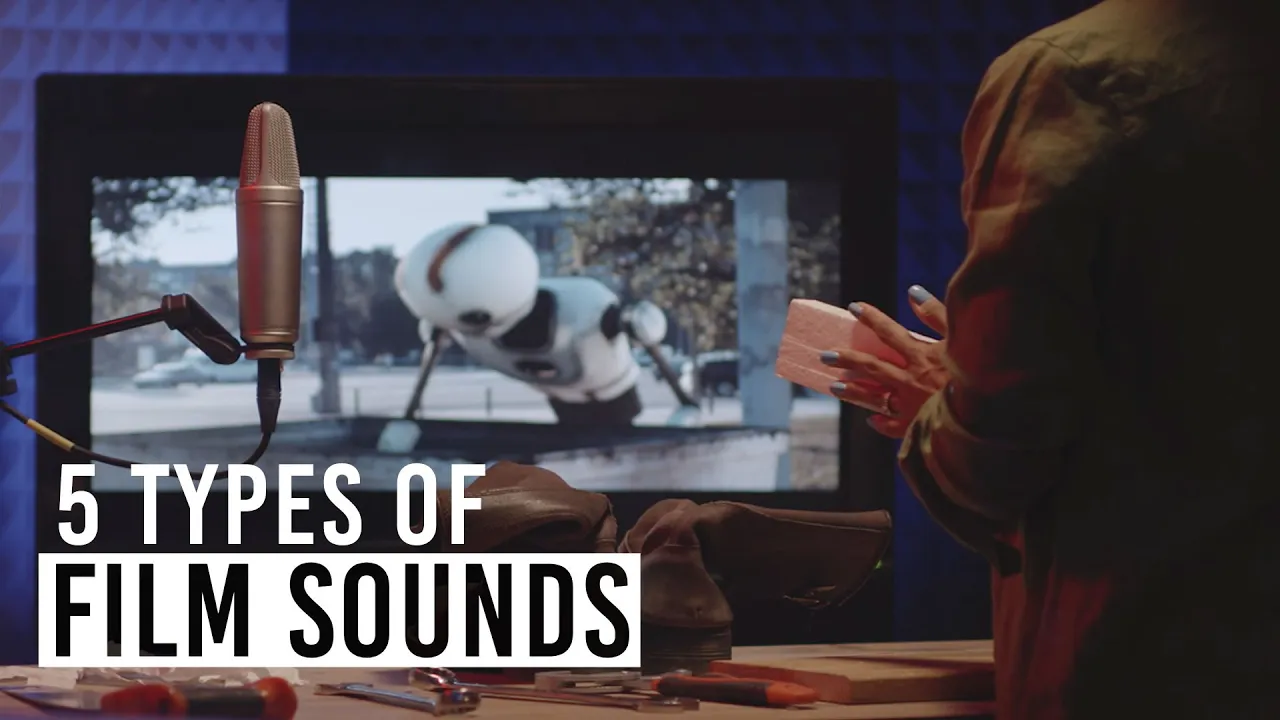
films are made up of sequences sequences are made up of scenes and scenes are made up of shots great chat kid that was one in a million in previous episodes we discussed composition animation and production sound in this episode we will look at what happens to that sound after it is captured [Music] this is episode 18 of the shot list post production sound before we hit the mixing board make sure to subscribe to Studio binder and enable notifications to stay up toate on all our film making videos time to listen carefully when people think of post production they typically think of an editor but cutting together the preacher is only half of a film the other half is building an immersive soundscape to go along with a cut post-production sound has several different elements and steps and involves a large team of Professionals in this video we'll give you the general overview of everything involved in getting sound from the recorder to the theater's speakers from Key sound terms to the roles of different post-production sound Personnel but of course this is just the tip of the Soundwave let's begin with the science of post-production sound post sound is an art form but it is also a science and sound professionals need to be well acquainted with the physics of sound to do their jobs a sound loudness is measured in amplitude this is the size of a sound wave represented in root mean square or RMS human ears respond to sound logarithmically where loudness is interpreted with exponential growth as such a decibel the unit for loudness is logarithmic audio workstations typically use dbms which use decibels to describe power another sound measurement is frequency which denotes the amount of sound waves in a given time this is denoted in hertz which is the number of cycles per second to our air frequency is tied to pitch the higher the frequency the higher the [Music] pitch sound Engineers also need to be aware of phasing a phase refers to the point in a way wave you begin your sound this is particularly relevant when working with multiple sound waves since depending on when they start they can cancel each other out there are also harmonics additional smaller sound waves which can occur within a larger sound a sound mixer may want to isolate or remove harmonics depending on what they're looking for additionally post- production sound professionals are concerned with the sounds envelope the shape a sound takes over time the time it takes for a sound to reach full volume is referred to as attack while how fast the sound levels off is called Decay sustain meanwhile refers to how long a sound is held and release is how long it takes for a sound to dissipate these scientific terms are only part of a sound engineer's vocabulary they also need to know post production sound terms the post- production jargon used by mixers and sound editors mostly refers to the tools at their disposal one tool that all mixers have to be familiar with is The Equalizer which boosts or reduces the amplitude of selected frequencies within an equalizer a mixer can create a high shelf which boosts or cuts higher frequencies a low shelf which boosts or Cuts low frequencies a high pass which eliminates low frequencies or a low pass which eliminates higher frequencies these techniques are all referred to as first order filters second order filters also called peaking filters are more specific these filters have three variables that a mixer can adjust the frequency that the mixer wants to Target the gain which refers to how much the frequency will be boosted or cut and the quality factor or Q which refers to how specific the adjustment should be a high Q means more frequencies will be affected whereas a low Q has a more narrow range a mixer can go a step further with a band pass which only allows a specific range of frequencies to pass through as well as a notch cut which is used to completely eliminate a specific frequency often a mixer will work with a graphic EQ which pre- selects frequencies that you can turn up or down outside of The Equalizer another term sound Personnel should know is dynamic range this is the difference between the loudest and softest sounds in a mix a compressor can reduce this dynamic range bringing up the quieter noises or down the louder ones a multiband compressor breaks a track into separate frequencies that can all then have their own compression applied to them a limiter meanwhile is a compressor that acts as a ceiling for how loud a sound can be an expander does the opposite of a compressor increasing a dynamic range a common form of expander is the Noise Gate which reduces the level of the quietest sounds this can be useful for a sound editor trying to remove background ambient noise or an engineer can use fast forier transform commonly referred to as fft this can precisely manipulate frequencies to remove unwanted sounds and finally there is Reverb which can be naturally captured on set but can also be added in post through a combination of multiple decaying Echoes these Echoes can create the sense that a sound is in a specific space with these terms in mind let's turn our attention to the different roles within the sound Department beginning with sound editing sound editing refers to getting all the sounds needed for film in the right place sh my this effort is led by the supervising sound editor also known as the sound supervisor the supervising sound editor is the head of the post production sound department and as such builds the team and collaborates closely with the director and producers on the film they are often a jack of all trades working with the various members of the department while also managing the budget and schedule they are also handson as supervising sound editor Don Sylvester explains the sound editor will assemble the sounds and cut them and there may be more than one sound editor there could be 10 and each person then will be responsible for a certain aspect of the sound not all the sound a sound designer is also typically involved in this process a designer will get creatively and technically involved with making an editing sound sound designer Paul Davies explains the importance of the role more interesting filmmakers understand that sound design is part of their storytelling Arsenal and that we can use sound to create the emotional world of the film because Sound Works on a different level different area of the brain to pictures and images and what's more perhaps more primitive fundamental area which is why it's often so effective in horror films and thrillers hey a sound effects editor will help in this Mission they are tasked with finding recordings from libraries and place them onto the timeline before they get to work the supervising sound editor and sound designer will meet with the director to discuss their vision for the film and what will be required from sound this is called a spotting session the sound editor and the re-recording mixer will then work together to build a digital audio workstation template which will include tracks for sound effects Foley dialogue and more organization is Paramount since thousands of sounds will soon be added to this layout typically the sound team will be working in Avid Pro Tools the industry standard sound editing software once the door is laid out the dialogue editor will get to work using the files delivered by the picture editor that contain the raw dialogue recordings the dialogue editor will then trim clips swap out takes and even repair audio if needed using equalizers to remove hums or hisses and software like isotope RX to remove extra noise typically the dialogue is the first sound element that's edited since it will lay out the framework for the sounds that will fill in around it once the dialogue is put together a team's Focus will often depend on the nature of the project and the Creative Vision sound designer Richard King explains his approach try to do broad Strokes first rather than get into the fine detail immediately cuz sometimes you can just go down a rabbit hole and you kind of lose sight of the whole thing whereas if you go with broad Strokes Maybe do backgrounds first or do one aspect of the scene that's most prominent find something that grabs you and pulls you into the scene but you don't get too too deep into all of this work is done after the picture edit is locked if there needs to be an adjustment to the picture cut the sound team will need to embark on a process called Rec conforming in order to get the sound in the right place again because this br is so time intensive and expensive changes to a locked picture are avoided at all costs almost always a post- production sound team will need to add a significant amount of their own sounds to the sound recorded on set as such a sound team will need to devote much of their time to sound effects there is an elaborate process to create a full soundscape in post- production sound editors and designers will often search through vast libraries of pre-recorded sound to fill out that timeline but there will often be sounds that need to be created specifically for a project this is where a sound effects recordist can come in this is a field recordist who creates custom effects with high-end equipment this can be a highly experimental process mixer Michelle Catalan describes the effects recording process for sound of metal Nicholas he recorded a lot of different things with a lot of different kind of microphones contact microphones even a stethoscopes microphones he had a lot of different textures and and sounds so he brought all of them to the mix and then we were like um seeing which ones the combinations of which ones were going to work better [Music] Foley artists meanwhile will perform Custom Sounds that require specific timing such as footsteps or clothes rustling fairly artist John Rush explains detail is our business we want want to make sure that whatever we see on that screen we are making the most honest representation thereof sonically when I look at a scene I hear the sounds on my head so all I have to do is figure out well okay that sound I hear in my head how do I actually get that down on tape if you will the Foy artist will create sound in a Foley pit which has multiple different surfaces for footsteps as well as different Fabrics tools and more that can create different specific noises while the Foley artist performs they are recorded by the Foley mixer and a Foley editor will place the sounds within the track lay there are multiple different kinds of effects that a sound designer needs to take into account the most notable effects are called spot cut or hard effects these are the obvious sounds on screen that include door slams or punches then there are design effects which are unnatural noises that need to be built this can be anything from an alien creature to a laser Blaster there are also background effects which immerse a viewer into a sound skate these are typically longer ambient noises which can have a huge impact on the mood of a scene sound designer Gary rystrom describes his approach to Westside stories background effects the first sounds I get to do is not just City but a city getting knocked down old buildings getting knocked down wrecking balls and such and it gave me a great opportunity later on when we're in re marenos shop with Tony we hear demolition going on outside the window we never see it again actually after the first scene but you know it's there you know that there's this undercurrent of the world disappearing maybe I'm done with trouble you are never done with troubles NOA never uhhuh background effects are also useful in covering up imperfections in a dialogue recording you do like me I don't you likeed me yesterday oh did I yeah I thought you did but if dialogue is too damaged the sound department will need to turn to ADR light in the ship anything that's not bolted down goes overboard ADR stands for automatic dialogue replacement and is overseen by the ADR mixer who works with the director and talent to try to recreate dialogue originally performed on set here we go take one I hit the ship but they used a decoy the sink on that one that was great sink great happy that one was happy I'm very happy for that one an ADR mixer will often try to position the microphone in a way that recreates the space of the scene what is the greatest power but because ADR is so difficult to get right not just technically but also in regards to Performance it is often avoided unless absolutely [Music] necessary with a full soundscape of dialogue and effects created only one crucial sound element is missing the music film music can be separated into two categories score and soundtrack a score is music written by a composer specifically for a movie and we eventually get into this key with this [Music] one soundtrack meanwhile is any music in a film including songs that have been licensed for the movie but not created for it technically speaking the term soundtrack refers to all of The Sounds used in a movie music or not but today this usage is less common a movie's score is overseen by a composer who writes the music and typically oversees its production famed movie composer Hans Zimmer describes his process I spend far too much time playing with synthesizers and making sounds for a project until finally somebody says you know we're running out of time we got to get this movie done and now take these themes and make them work to the scenes and very often you know once I've written this and once I really figured out what the sound of the movie is what the notes are what the arrangements are you know and it then comes to actually going and doing the scenes of course a composer must work closely with a director to understand the needs of a project James herner explains I'm writing something it may be stunning to me and it may be an absolutely wonderful reaction to the film I'm watching but you're working for somebody and you're hired by somebody who may may not share the same tastes and frequently doesn't and sometimes you get into situations where you think you've created as I said something lovely and the person you're working for says yeah but can you make it a little cuter or can you make it a little happier or can you make it a little and you always have to sort of keep in mind that no matter what you do you really are working for somebody else but a music department comprises more than just a composer a music editor will work as a liazal between the director the composer and the picture editor they ensure that the music being produced is in line with the director's vision and the cut of the film and often develop temporary tracks or temps to help guide the composer James Bellamy outlines his role you're kind of a representative of the composer to the uh to the editor and vice versa as well you kind of represent the film crew to the composer a music editor will also coordinate with a music supervisor who helps find and legally obtain pre-existing music Mary Ramos the music supervisor for Quenton Tarantino explains her job what I'm there to do is support the director's Vision so we'll meet and we'll kind of talk through themes and talk through Styles and sometimes they have an idea and sometimes they don't so I'll help them hone in on the style by sending a bunch of different types of things and you know do you like this no okay do you like this so we'll hone in on that and then Target it so that's where I'll start and then and then that's where the fun comes in once I have the ideas set and the style set then I can go through all the different music I've been collecting with the music added in all of the sounds should be in place next comes the sound mixing sound mixing refers to making all the different audio elements in a movie sound right working with levels and Dynamics to mesh all of the different soundscapes together and creat something cohesive this process is overseen by the re-recording mixer who begins mixing after the track lay is finished and the director has approved Dune sound mixer and designer Mark Mangini explains the Final Mix should be a time when Deni can make the big The Meta decisions of we got to focus on the dialogue let's lower the music and and that's not the time when the director should be saying I don't think like the sound of the ornithopter I don't like that that rumbly thing so this empowers Deni to really be his best at Final Mix the re-recording mixer will typically use a control surface or mixing desk to balance and control various audio tracks They will listen through studio monitors which are specialized speakers that emit an accurate representation of the mix usually this is all placed on a mixing stage which emulates a theater but prioritizes sound there are three categories of sound elements voice music and sound effects usually dialogue is in the center of the mix at around minus10 DB while the sound effects are built around it to create surround sound nothing should hit zero DB which is referred to as peaking and can result in Distortion one of the mixer's most valuable tools is the EQ adjusting the EQ on different sounds can ensure that they don't cancel each other out or result in phasing there are a few rules of thumb many mixers use reducing the background sounds at 1200 HZ can let the voice feel more prominent boosting 160 HZ adds power while boosting 5,000 HZ adds presence and 4,000 to 10,000 HZ elevates Clarity there will often be a few different mixes that will need to be delivered at the end of the process a theatrical mix will typically have more dynamic range while a mix for online distribution will have less final deliverables typically include a stereo mix a 5.1 surround mix for six speakers a 7.1 surround mix for eight speakers individual dialogue music and effects tracks called stems that are used for dubbing and trailers a theatrical mix completed in a Dolby certified Studio a broadcast compliant mix for television and an online mix for streamers like Netflix which have their own specifications sound makes up half of a movie experience and so it deserves a lot of attention post-production sound professionals can reveal new layers within a movie that a filmmaker may not have even considered while also creating an immersive auditory world for the audience to live in for an entire runtime post-production sound doesn't happen without a movie start your own film today with Studio binders pre-production tools from screenwriting to storyboard software [Music] until next time listen carefully [Music]
Up Next
24:32
Horse Footsteps Foley with Coconuts: A Sound Design Study
@MadeInFranceASMR
162.2K views•2022-06-05

26:22
Walking in the City: Urban Rituals and the Flâneur in Contemporary India
@PSBTIndia
1.9K views•2016-08-02
6:36
Directing Camera Movement in Film: Techniques for Directors
@StudioBinder
1.2M views•2018-07-30

1:42
Game of Thrones Opening Credits: A Cinematic Analysis
@gameofthrones
46.3M views•2011-04-18
Related Study Plans & Knowledge Roadmaps
Structured learning paths in General & Interdisciplinary Studies
general-studies
Artificial Light: History, Tech & Human Impact
01The Pre-Electric Era: Fire, Oil, and Gas Lighting
02The Incandescent Revolution and Grid Electrification
03Gas Discharge and Fluorescent Illumination
+ 3 more learning modules
14h6 modules
Explore Roadmap
general-studies
Elevator Engineering: History, Physics & Cities
01From Hoists to Safety Brakes: The Dawn of Vertical Lift
02Hydraulic vs. Traction: The Engineering Physics of Elevators
03Modern Speed, Safety, and Algorithms
+ 2 more learning modules
12h5 modules
Explore Roadmap
general-studies
Rubber: Material Science, History & Geopolitics
01Origins of Natural Rubber & Mesoamerican History
02The Chemistry of Natural Rubber & Vulcanization
03The Geopolitics of the Rubber Boom & Colonization
+ 2 more learning modules
12h5 modules
Explore Roadmap
general-studies
Containerization: Evolution, Logistics & Trade
01Ancient Trade & Bulk Cargo: Amphorae to Barrels
02The Industrial Revolution & Cardboard Packaging
03The Containerization Revolution: Malcom McLean
+ 2 more learning modules
12h5 modules
Explore Roadmap