




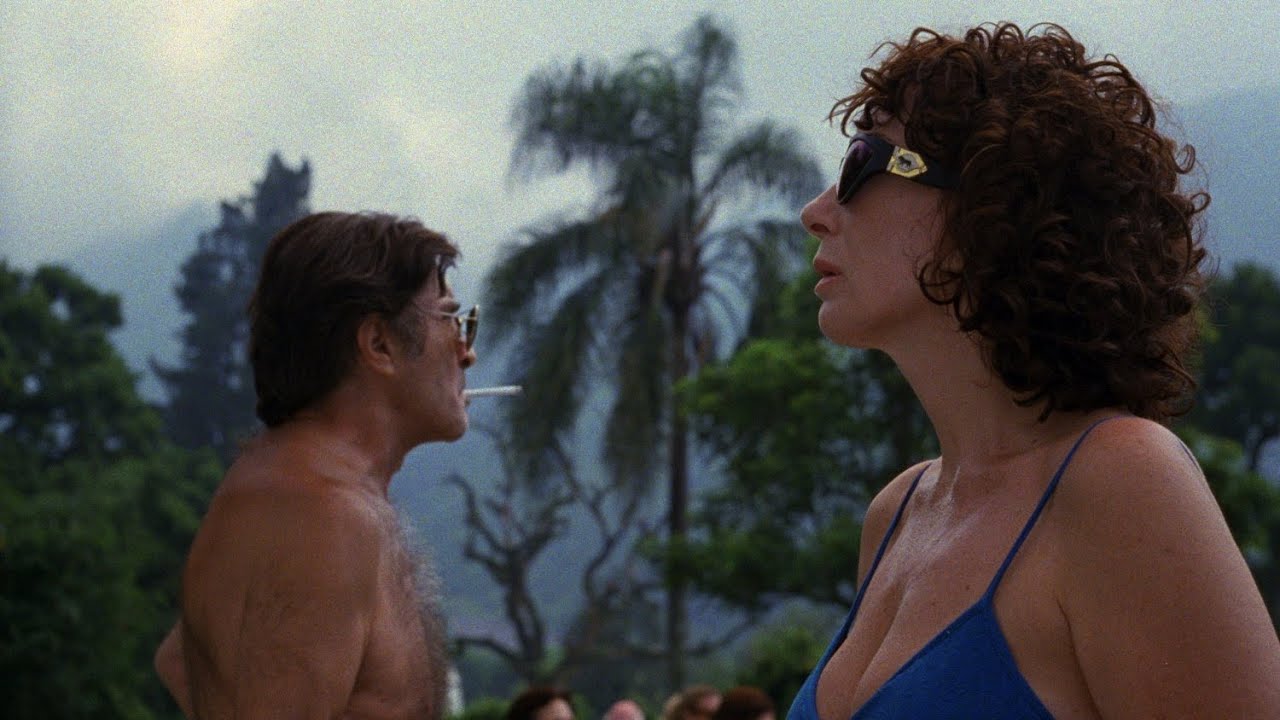
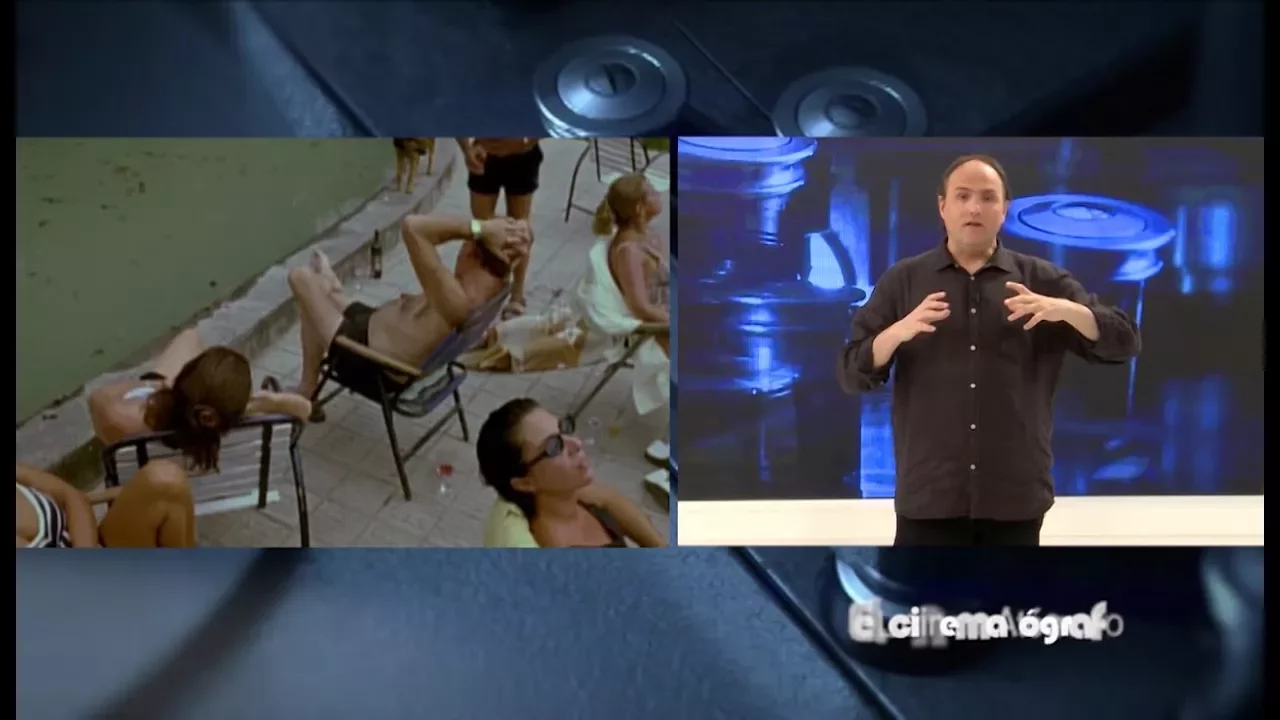
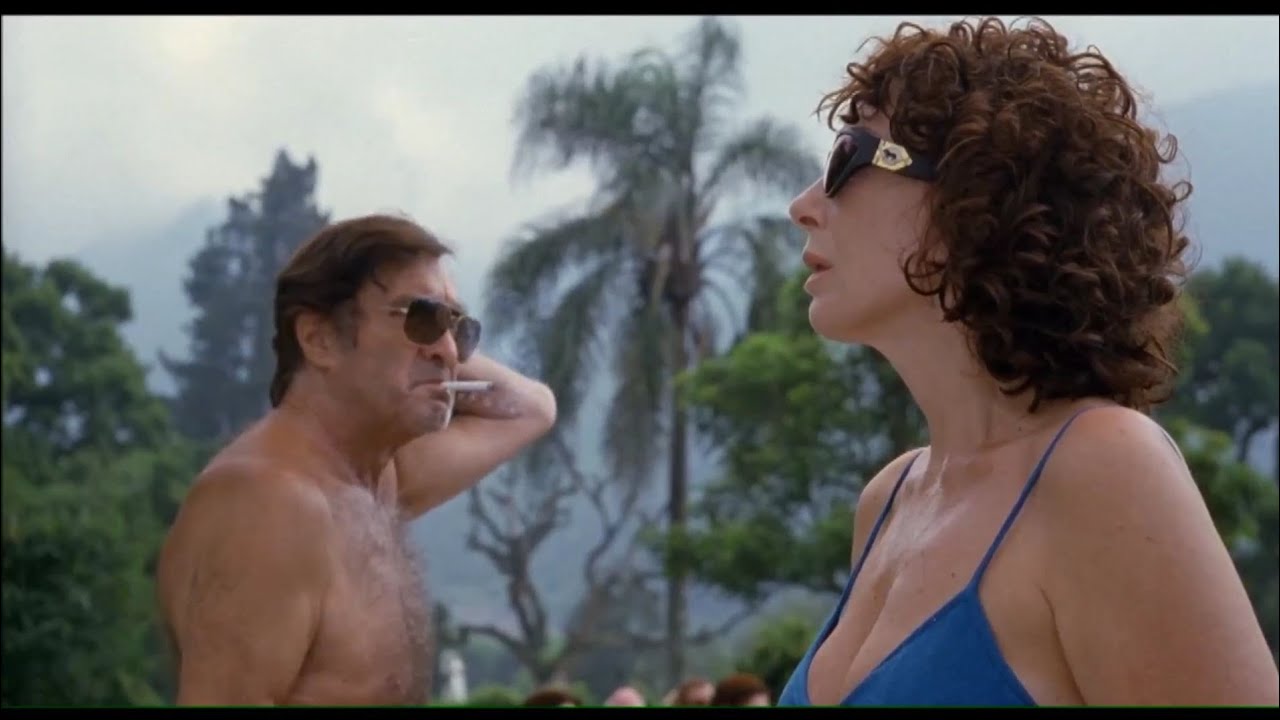
![videoensayo: La ciénaga de Lucrecia Martel [la importancia del sonido]](https://i.ytimg.com/vi/IrgSIv-waW0/hqdefault.jpg)
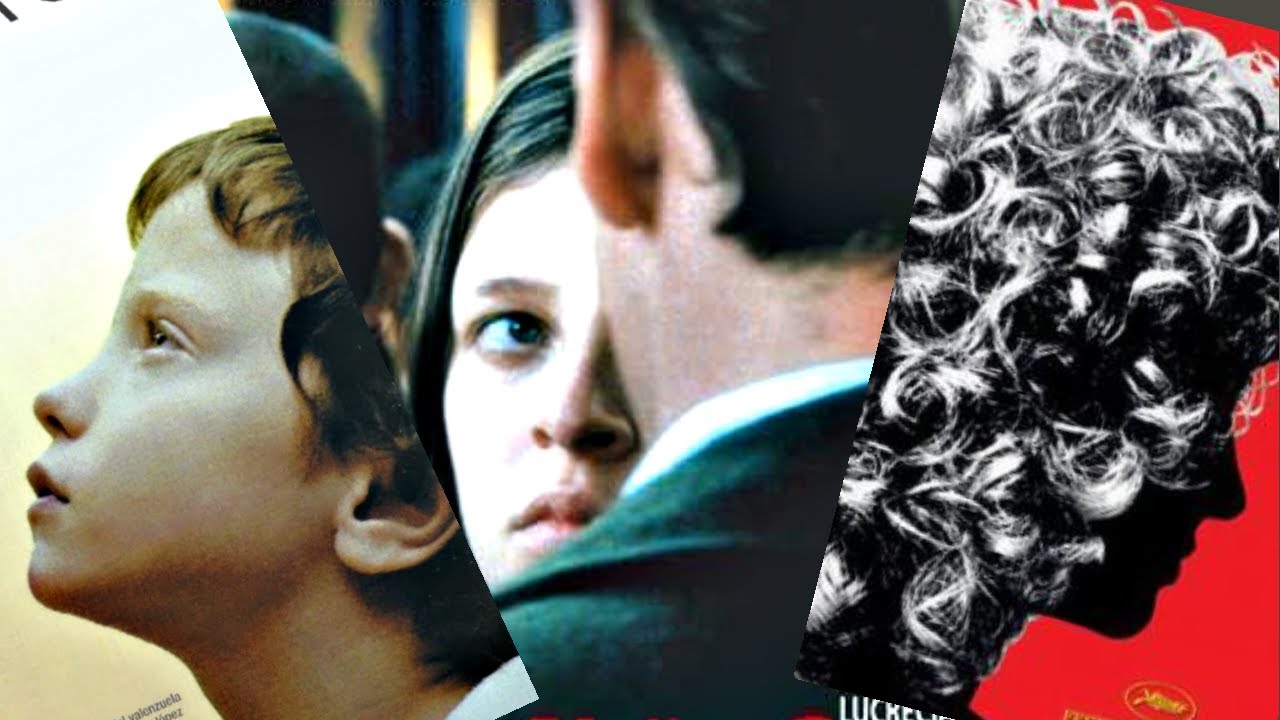






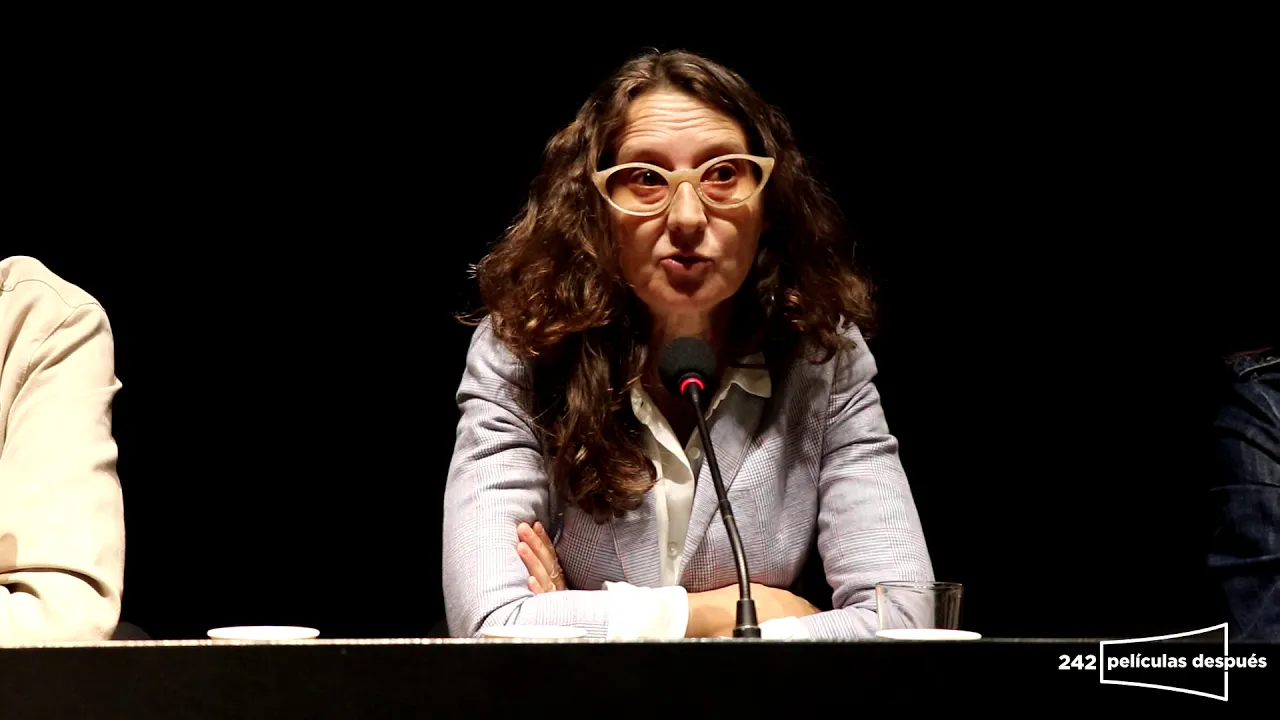


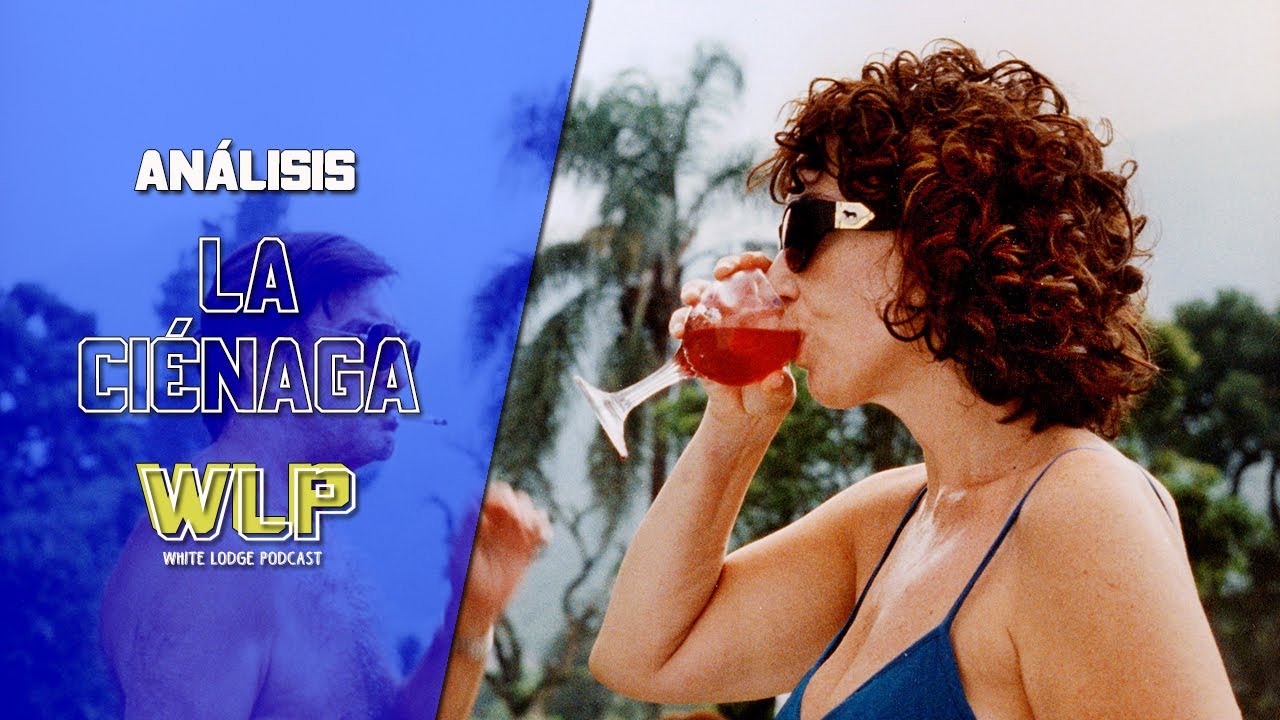


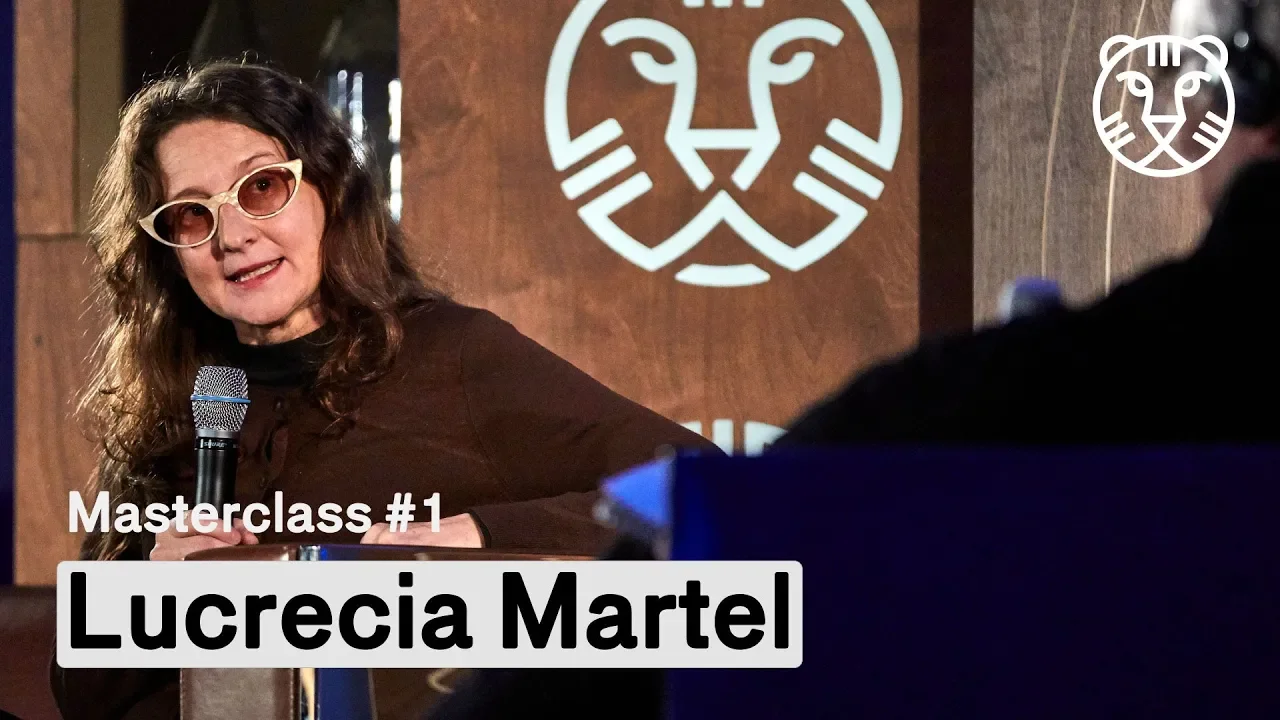
Filmmaker Lucrecia Martel explains that her approach to cinema involves subtraction and reduction, writing more than she shoots and editing to create tension through ellipses and deliberate ambiguity. She discusses how stories can create confusion and horror through their form rather than just their content, and how her films challenge audiences by not immediately revealing character relationships or narrative intentions. Martel emphasizes that her films are based on lies and artificiality, requiring actors to perform precisely what she wants rather than relying on real suffering or truth.
Lucrecia Martel Discusses La Cienaga at Film Society Q&A
Added:Introduction to the 'New Argentine Cinema' (Nuevo Cine Argentino) movement of the late 1990s and early 2000s, including its socio-political context following Argentina's economic crises.
Familiarity with the plot, themes, and characters of Lucrecia Martel's debut feature film 'La Ciénaga' (2001), specifically its portrayal of a decaying bourgeois family in northwestern Argentina.
Basic film studies concepts of audio-vision and sound design, as Martel is renowned for using off-screen sound and complex sonic textures rather than traditional visual cues to build narrative tension.
An understanding of non-linear narrative structures and 'slow cinema' aesthetics, which prioritize atmosphere, sensory details, and domestic stagnation over goal-oriented character arcs.
Analysis of Martel's subsequent works, specifically 'The Holy Girl' (La niña santa) and 'The Headless Woman' (La mujer sin cabeza), to complete the study of her thematic 'Salta Trilogy'.
Advanced exploration of film sound theory, utilizing texts by theorists like Michel Chion to analyze how Martel challenges the dominance of the visual image in cinema.
Comparative analysis of 'La Ciénaga' alongside other global modernist filmmakers who critique the bourgeoisie through domestic spaces, such as Luis Buñuel or Michelangelo Antonioni.
Researching postcolonial and class dynamics in contemporary Latin American cinema, examining how domestic labor, indigenous relations, and provincial isolation are represented on screen.
18.9K views367likes52:11Original Release: 2018-05-24
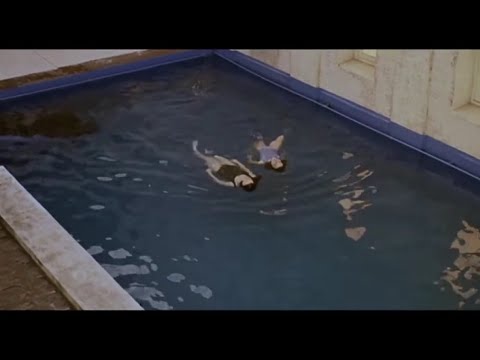
[Applause] and we have Carlos Gutierrez to help with translation thank you again for being here with us this week so since you know we have will have the opportunity to hear you talk about Zama and about your later work and other screenings I thought we would start tonight since we've just seen La Cienega by talking about how you got to this remarkable first film which i think is one of the the great first films and one of the you know most important films of this century I'd like to hear you just maybe say a little bit about your your how you came to cinema and in the first place how you discovered cinema growing up in Salta which is the town that we see in the first three of your films maybe we could start with that boy no II love our lucky shot at OE todavía no no siento que que miracle Sinop por qué pasa tanto tiempo de una película yatra que como el goon poco exotic own movie de truth is that even nowadays I don't think I work in cinema because between each film there's a lot of time that I think it's more kind of an something an anecdote in my life a premium or permanente like a first feature ISM permanent first feature first feature ISM Pedone cuando cuando era chicka-chicka desert scientific I know if they in the Bonnano say so no Gavin McInnes in de cine creo que Ventura so un poco lame ahem porque el momento mi papá comprar una camara de video Aloha yahoo cinta yo film a mucho I mean Familia yo tampoco the book y es que pensé a Aikido sir seen my predict game of en la look look at my Ficino siempre mm Pahoa Leonora diva they were on la cuentos de mija well the conversaciones mahine la la cuestión de ho Dali no you know when I was young I wanted to be a scientist I never pictured myself as a filmmaker and probably what brought me to the image was video camera from that my father brought in the 80s and I started shooting my family but even then I was not you know I was not too close to to cinema probably what brought me closer to the film narrative was all those tales make that those conversations of my grandmother's they are on narrative so he'll walk away says my particular person is a mohel mundo el cine not confirmed by most in my cinema la relación con el cine retro propia relation gone and scenic commercially a lament a to Erick estar en relation con con la production mundial del cine mm parece que el lummus logic work a relation to no tiene con el cine say opportune good yo cidade o own observation del mundo I think film people and generally we confuse our own relationships cinema we think it has to do more with a world cinema production rather than kind of a natural relationship that stems from curiosity curiosity or observation from the observation of my world um I'm curious you mentioned your the stories of your grandmother what what kinds of stories did she tell you ahora dosa but garam but an atom but again only Iram owes de la cama Jose Aaron para que no la hora donde la gente doorman la siesta kg entre la una y la la Quatro para tener IE this was 16 monkeys usaba mucho nice a bokken horrible stories it was actually a way for us to to keep us still particular during the siesta hours between 1:00 and 4:00 and it was a system that was juiced at the time DNA the DNA interesante si el rato el cuento de Road yuh pocket ambience in at the road que la forma no sólo los acontecimientos case acquaintances in o la forma genera la funcion laughs laughs on Sunday in Mobile is our estaba en la forum in la forma del quaint oh yes oh hello muy interesante no es solamente argumento sino la forma yes way to put a sonido there's something interesting those horror tales and applies to horse in him as well that the form the form not the facts generate that function of immobilizing and that was what I found interesting that was a baby that is a plot that is not only a plot but also the form and that's what I found interesting and that relates to sound we will we will come back to sound but I just wanted to follow up on on this this idea of these stories and in some ways you know just watching this film La Cienega has is a little bit about the the power of stories or the danger of stories if you think about the story of the the dog that turns out to be the African rat and what a role that story plays in in the film and where did where did that did that story come from a particular place for you I can now say Quebec City against a story about existing toilet in America tell a story on the syncytium entails a no record no servitude Alyssa the algo it's a session el fondo it's a lien que protection animal it opens and ok whom Poirot he possess cobra que una rata he knows say we came in checkin dacovia las ratas yes le produce universi enter really is a confusion look at me inter-service acquaint OS Lana to dallisa a zone alert they'll in the perception Delana to ELISA this attitude and maybe this 3 exists also here in the US because it's it's it's all over Latin America and basically it's not recognizing the nature of something you know so this secured protecting that this dog that ultimately becomes a rat and and and and all of this and that creates a confusion confuses people so it's the the horror of the perception of something else it's a functional siempre incinerator rod a condo island Issei uh order super gamos Achilles enough for de esta Satoshi on e UV receipt oh I woulda a bow veneer analytic told a Latin America we don't know East Asia a giant sada intro sure you don't consider K his oke it's an it's an effective so that functions also in horror simmer for example now if you had said I'm gonna introduce a latter American filmmaker and but she's not her and then I show up back with decorates a lot of a confusion that's and that's what I find interesting en la en la cienaga ed importante so como la petición de la virgen no quiero comprar televisione con una rata pedo pedo a de-esser Confucianist is Ana - Talisa Divina que no hay ningún cambio get the tuna no hermanos I mean La Cienega that was you know that was it so the police you know I chose the apparition of a virgin and I don't want to say that the virgin I don't want to compare the virgin to the rat but that's you know that's that's what I want to create kind of that confusion divine confuse that confused to be divine come confusion goes over in a - del que no cows honeymooner rapid no causa consecuencia Sabrina to Dallas so very natural thing that doesn't have a supernatural effect doesn't create any effect the job they almost po collodion esta película kid show freak on me mama valerian he cannot rent a e mi mama but a free Mahalo arachidonic acid emitted el tank even this supona kappa TCA with him sean o Jahnavi nada mi mama their repentance washer daddy viola with Ian Europeans a sea gentleman Thomas she's just a bien de la virgen Mannion a su vida can be a poor complete o yo nunca so sodium so actually the origin of a film is that I went to I went to see the bridging with my mom and you know we see we saw the water tank my mother said my mother started crying and she saw the Virgin but I didn't see it so I was thinking you know if she saw the Virgin that's gonna have a big effect on her life the following day but that didn't happened yeah II Sal tahuna region donde Permanente meant a se parece La Divina de se parece Christo en un buffet siap r SI la virgen Ella home Vitas Ella loose la ma de Maria se parece a non-vegan de agua say Permanente meant a una reunión contacto con lo de vino y sin embargo is not a human receipt alarcón Tina salt you know sulfa it's it's very connected to divine and and there's a very lot of similar cases you know we see there's been a people see a Christ on a stake verging on a light bulb or you know the M of a of Mary in the bowl of water so this it's a region with a lot of contact with a lot of contact with the divine then again it's one of the most racist regions in Argentina yes kosis extraordinary as you know Canadian consecuencia hatred in ideas and basically it's the idea of that extraordinary things done create extraordinary actions so wisdom was faith a big part in the Catholic faith was it a big part of your childhood see my cousin mark Adam said no no suntan traditionally hood lowpoo say he was a cosa me pop I had not taken me mad cat en la Virgen quando separation thankee pedo know to be Monica pedo pedo and La Valle essentially militant a accion católica de Aquila religion podía cumbia del mundo en si de so now in my house my house was not very traditional of you my father was a my father was an agnostic and my mom believed in the Virgin only when they ship you when only when the bridge appear in the water tank so no I did believe that religion could change the world but you know what you know what I thought see you know fue muy mystical consejos my problem kalos yes si se completamente porque el misti see motojima inmediatamente ah and friend article a contradiction and la la see you know if I've at fifteen you're very mystic it's probably that at sixteen you become an atheist because you know you just change your you do beliefs so you said you got this video camera as a teenager but you were more interested in in science so can you tell us a little bit about like just what happened after that how you ended up you know studying film and making film what was the what was you know how did you go from science to see a but not to my first to the other window side is a yeah yeah II be a be honest I poco no father no no no leave it okay Sally encanta la carrera que no podía to the odd he showed a passive a celebratory tiempo Union country una cosa que me parece muy scientific Ikeda and a animus technically Marchionne en tu says in Si and si polka t hablando como si fuera me on storage in Tonopah Nevada Tonto and I know Lonnie Machin says here con con la cámara puesta sobre una Mesa Gina didn't Grenache a case a movie an cosas como si a wall denied so look at simple supuesto he yet induce a may fear to the ID so you so I went to studied to win Osiris and at the time there were some booklets with all the careers all the professional careers that one could study and you know there was one that I found it seemed like very technical very scientist difficult I think animation techniques oh my god I'm talking as if I'm 80 years old but that wasn't too long ago so the animation was made in a table of caliphs in a mechanism like a Walt Disney with with no budget into this yeah yeah he may see me doing a chick okay Danny I'm mark claro que quien hacer un poco como en dos e como que era Mo's amigo in doses entonces lo próximo err estudiar seen a todos a liamail por que hay una crisis economical escuela cena no función abba pero seguimos siendo amigo ya Samos corto Apprendi moja see haciendo corto viendo el gouna película no tantas legend o SF well El Camino so I befriended some kids that have had a better idea that what why they wanted to study so the next thing was to you know to study filmmaking but it was a crisis at the back then and you know the the film school was on the phone it but we learned you know reading making short films with endo that we didn't do that many and that's how we find that's how we found our path so maybe we can talk a little bit about just you know how la cienega took shape you had made a few short films before making this feature there's always a tendency to read first features it's autobiographical and this film is said Salta and I'm just wondering if you can talk about just you mentioned like this this moment with your mother and the Virgin and the water tank what were the other you know were there are other autobiographical impulses other things that came into the writing of this film look but it's a key long Lumas in [Music] you must Angus T and apana me in in the cultura the Saltire unal a possibility that the deckle a story of where the silica you know terminada haciendo la même okay montón de gente que VA i cannot have a look away yes l'autre cosas era is in tempe DM is a tea is impossibly da de a septal in tempura del exist n co mana estar siempre pensando que Dios tiene que resolver algo y un poco secand osela responsabilidad el existence hidden SEMA is of cocoa for de la cosa Kim Kim Kim ecbatana hunter lo siento que tienen la cena so I guess the most anguishing aspect of of South s culture was thinking that history was cyclical that one would end up doing what you saw in other people and also the impossibility of the the fragility of the existence not taking a not taking existence into one's hands come on delegate responsibilities la vida in an algo not really he owned one kid otra cosa a Hina I love done years so many buddies he respect parenting yeah delegating life's responsibilities into something else into something foreign to once we like religion and I thought that was a missus parading the was a difficult sort of developing this fell I'm just one I'm just thinking about like a first-time filmmaker presenting a script like this you know maybe here like you know this on the surface seems to be a film with too many characters it seems to be a film where it's like unclear what's going the relationship between characters is deliberately unclear I'm wondering if you had any difficulty you know getting this film off the ground because it is a very ambitious a very ambiguous film for a first-time filmmaker to try to make oh no quando in Sundance la primera cosa Buena noticias esta stay young trajo flaky gana Mohan sand and some premio get Alania che guevara montón de plata in eso significa behad alguna manera que que la película en algún momento save a set Montone a platter and o cientos en cuenta mil dólares para que un montón de plata para nosotros que no tenemos una to avea e di e to him workshop the the young con una persona here Alimentum muy muy serious patada Zelda Linda Stahl seen a que me dicen que que tenia que modificator el orden de la película a poner la mujer que se que al final porque la película de so virginal Kalika y curiosa poor game porque yo no tenían ninguna certeza yo nunca bitchin a pellicle and yell el primer hyunkuk Rivia it's in this accredited lo que may be recommended for example when in Sundance the first good news that we got with this film is that we got the NHK award which for the screenplay which was a lot of money that meant about 250,000 which for us was a lot of money at the time because we hadn't got anything else and that meant that the film was going to be able to be made somehow and as part of it I had a workshop and with some people in the in the industry or provide film professionals and they told me to change the order of the of a woman that falls because the film they told me the film was about an alcoholic alcoholic woman and and and and I and that they accident had to happen at the end so I didn't challenge much of that because I didn't have experience writing scripts well it's a sort of Mucha gente me on yes I would like a tantrum ain't any of our gente diciendo Lucrezia MIDI hotel casa y so de alguna barbara de cha-cha I you know quanto people in the city shoulders recommend a gated and le on you can add up premiums if team and we official opener so young you know I also advise on script writings probably in 20 years people are gonna tell me that I advised them I've told them a barbaric thing and actually there's quite a few that I tell them to throw this grip to the Tri throw the script away and actually they've gone into winning some prizes even though I think that they should have from the description egg refresh ok pass yes sir Hill grandpa Lee you know no do para Mis Coletta's e en peligro Kia Ora the loss in excess of the labs por el mundo don't duel me mundo penis sobre causes mu del Cod opener so Briana muy Delicato Kunis critters you somet isone la persona que aquí también see so me that I know that meant a a que todo el mundo your penis orally on the big dangerous nowadays is the axis of screenwriting labs you know because everybody makes an opinion so it's a delegate that somebody who's written a screenplay it's submerges has to listen to all these different opinions even a modem we for the Porto's love hi loves love's love's the de cosas the the script para para lo hereness a ecchymosis a poo DSL impaired a or or a home yo no se hace pudy sa peau difficult a-- noxee stay so in elrod el fracaso una parte important t semen trabajo cuando Java so and this it's become a fashion so there's a loves for every for everything I'm you know it's like a about purifying screenplay and I think I mistake the failure is part of the work we do cuando yo estaba en la cuarta semana de roda hay de la cienega la product hora que fue la única product or en Argentina de los Montone a hello' Kelly really el yunque aceptas a la película kkf elitist antic inclusive a jack namu haricot Mucha a vision en la cuarta semana me dijo esta no es la película case Aquarius era una película Fria son mucho Plano cortos parece que esta aqui Vogue and oh I'm one one extra thing in the on the fourth week of shooting they producer latest antic who actually was a one who was one who decided to support me among the many Argentine producers who has a lot of vision on the 4th week she told me you know that's not the film I wanted to make all these short shots I think you're mistaken he opened same a solution here on a possibly que tenga saw something John not any idea no tenia muchas potential capital no no same agora commissar lot Roman era he is with a hacer algo que no XE t es una farmacia muy peligroso por que puede ser un absoluto fracaso you know está siendo fracas el el dinero también y otra persona and i thought maybe maybe you're right you know I don't have I don't have experience but you know maybe make something out of nothing it's a it's a dangerous affirmation but we people are investing in the film investing money yeah it's interesting you mention you know screenwriting labs because I actually cannot imagine a film like this surviving the process of going through a lab today I think they would like because the labs are about as you say like standardization this is about like a kind of you know the streamlining of the story but Meno vente pagina por que tenia siento cincuenta lien and that's considering that I shut 90 pages because they were young script had 150 pages okay this is actually my next question yes I I was wondering about your process it is such a dense film and so much of it is you know so much of the action is off screen and off camera in a way and I'm wondering if you'd the process for you of creation creation is one of subtraction and in some ways of reduction reduction and distillation because you know do you typically write more than you need and then shoot less do you shoot everything and then just like edit it down to less because I think in all your films there's this process where it seems distilled no no so II enamorada they need a look at creo needle okay needle okay film on tango gated RT dos in boom problema so did a short time trailer polka will do this no no nothing we say I got the most on the platen see way okay Nova Nova de la cosa cattivo you know I'm actually not in love with what I right or what I shoot so for me it's easy to this card you know that's one of a few few virtues that I might have that I'm you know I'm not in love arrived where I write oh pero una cosa que que ayuda mucho el a la terre de porque final maintain para esta película la terre de vino muy bien yes tener que tener bien cleric amoeba murder like seen in terminals a sonido Kiko Sahiban ekaterina of a toda Asumi permittee a filmer menos entonces a nunca nunca to any tanta plot andy tanto tiempo como para tener montón de cosas simply to wake a hotel me yeah the man's in Elko no sir Oh tener una dia Massimino clara de como Viserys when you don't be permitted ambien a hotel my mass you know something that helps is this it's the story something that helps is actually the austerity you know in part to be clear whatever how what I need to create a scene allows me to to film less I've never had so much money or so much time so I have to also always adjust to what I have so that helps me to to have an idea of how to construct an and have to constructs the the sound but this some I think another thing that your films are I think work really effectively in your film is the the use of ellipses and I'm wondering if that comes from the process of reduction as well the ellipses and also what is it withheld there's so many moments in this film where like you cut before we know what happens before you always cut before the end to see you always cut before we see the result of the action here and that also seems to me like related to to shun rrah - horror in some way because you talk about horror as you know as a touchstone for you and I think about the titles of your films but Cienega is the swamp and you know like the headless woman I feel like these are all like kind of genre or horror titles and in some way see I know it's a joke pienso kundi and seven now it is a película he was seven others Wendigo some comedians porque yo who know it esto lo dijo que el gouna camera heat Rondo told us his anus tienen cosas de Sousa's pisaq a nose hola he say muy mal oh oh oh poor a el precio de que son película serie he la gente no Levin judayu namioka lava sorry we don't ambient police reality to lock us away but again some película tan serie come operation yeah I've yes I think people are gonna look back on these films and and look look like as comedies and I say this is it being recorded I mean all the scenes have something funny but I think probably the prejudice prejudice that you know it's something serious so but I think you know I think they're funny I have a friend that that seems a very funny and yes I'm all those be titles are related to it in particular Millington diesel a particular total of yellow bikini meal intended owes a ya mean so my producer muy gracioso saber que en no missus yeah and there's a lot of misunderstandings all of the dialogues have misunderstandings and I think that you know that's very funny but maybe I'm not good at it the quarter-final it did he put a película es que no tienen que no se farinelli trauma in don't know no he didn't NL expected or la locura della drama even darpur ciondolo drama necesita he need our attention the otra manera yes drew Quito facil para que need attention and about cutting at you know at the end of this before the end of the scene you know other filmmakers like me that are not stick to the storyline that are not chasing the storyline we need to generate sessions some some other way and that that's the trick we have cutting before the end I become a muy important internal trauma case a con do Nolan control at Romano's por que por cualquier cosa is I question s ethicist date Rosella trauma de cualquier trauma del concepto de trauma es una affirmation muy fuerte acerca de la causa consecuencia de como si organiza la causa consecuencia you know they said this this philosophical issue when one talks about the plot and the ethical questions around the storyline is about it's about the cause-effect and what's around that cost effect it ambience una Conception sobre el tiempo y cómo funciona el tiempo yeah in Canada ELISA so he came as we classic okay por supuesto CH o over us incredulous pero también and and at Rapallo montón de gente que sabe que Manoli Silvan it per get so many kima muy duro repertory la causa consequence here respect Oh Lydia Lydia needed el tiempo and it's a conception of it's a conception of time and how it works you know these classical schemes I mean of course they produce wonderful films but they also trap a lot of people in this linear sense of the time in this in this cause effect so all this is what you're talking about like just tension and ellipses and misunderstanding and circular time this is what you mean when you say the film structure is like a conversation a phone conversation with your mother see so many cuenta después de que el hecho la película I realize that after may have made the film but okay it's a película primero current Aminu - no esta perdido disappearance entienden below parent echo e either puesto de la Polly toda la película taco true e de como una hoot if occassion tratando de creer que existe algún tipo hoot efficacy ona la muerte de una gaita - de la película stock on three the same so the first 40 for the first 40 films the first 40 minutes of a film you know we don't know the relationship between the you know between the characters so the film is actually is justified around the justification of the death come on todos los lagos sobre Karissa Murtagh Murtagh Luciano - todo es como que de encontrar un sentido lo que no tiene sentido all the games when you know Lucien Lucien was dead that is always wanted to make sense out of something that is senseless yes yes I took to the DDA clásica de la conversación con my mama Cuarenta minutos que no se DMS tab Londo Corrado - okay silly pero kin and lair mano the keen pero que casado con quien either place middle cuenta que de pouso terminal a conversation in Oh c'est de kere a locum acadia decir que pasa mucho esta película a he bit of poison oh no entiendo que he laying tension total no soap no soap wouldn't intervene mediate o yatras La Diva even Fiona said in the phenomena que que para me la película de mo Anissa in the Selenia you know when I took to my to my mom I don't really know for the first 40 minutes I don't know what she's really talking about you know the this relative who's my with who so the conversation ends and I don't really know what she was she really meant so to try to you never do you never get the total intention you don't grasp it immediately so that's what that's the phenomenon I wonder how I wanted to get no creo que la gente gentleman the Krakatoa dukkha Vanessa sistema yeah yes a me a costume brea ESO y en eso siento mucho placer in me parece una buena forma de organizar LaHaye con con la diva con todas a characteristic akkadian a la conversación me paracin me parece que es una gran for MIDI organizer roulette oh and but actually probably that was not my intention but I was educated in that system and I find pleasure of it and that's a good way to organize the ideas wanted to ask you to just talk a little bit about visual choices in the shooting of this film it's a film with a lot of people and it's a film with a lot of very crowded frames like you know frames in which there are many people arranged often they often seem too close and that is sort of the point of the film and I think we see this recurring in some of your films eczema has also has some frames that way and do you know sort of talk a little bit about just the I get the logistical challenge of working with that and also just the formal interest of putting all these bodies into a frame in el único sake gemilut cuenta que hago case s algo por que para mili my continuum problema grande kiki is as Dementors of potential una Buena Mohini Jake Arietta viendo el vaca gonna say yes yes was sick you know they had a pencil SME T audience event and it'll probably you know in generally there's something I really say I realize I do and I think the image has a big problem that is very referential so once is an image and he merely thinks that we know what what the image is about that's my theory cuando una foto de paso de esta situación un g paso de segundos da own cosa que el piso esta me do para Reba I'm on tone de personas sin tada hay algunos siento Fazio a tengo Mucha demon formación ESO me majima I come para me genera a problema que hay un problema de nuestra cultura que creer que sabemos el mundo so when I make a click you know sort of a sort of sorting click and I see that if the floor is simply made it that there's people there same t see it's you know I get a lot of I get a lot of information and for me that generates a problem that you know the problem that does that thing that we know about the world to the visual at the creek ago mineral mundo our visual cultural things it dominates the world culture ah who do Christiana D de que la luz y la verga estan juntas I think that's a problem judeo-christian christianism that truth and life are together en cambio en la cura de esta el que en la tierra en esta el Diablo el Diablo desconocido locate mmo's look lo que no lo que no comprende Mo's habla con su su rose esta no corrida yeah me me parece que eso es mejor para ser car si el mundo que creer rapid emetic unit en de todo so on the contrary in the darkness who seen the darkness the devil they unknown the things that we to know the whispers so I think that's a better way to get closer to the world yuuna cosas que me monsieur de mucho is in Quadra trait and OD no dad killa homogeneous no pueden traducere sir rap you a noona palabra sobre todo ESO si por una Puerta que no se exactamente claro SI una Puerta una ventana que hizo entonces salon Quadro je Pongo XE t Pongo todo una Puerta para que hay mas tiempo para que para que el pensamiento salento porque el pensamiento rapido derpy so for me one way is one way for me it's a framing not trying to translate an image immediately - into a word for example you know that or but you know just the way framing if I if I frame it with the exit sign and the way frame it you know we'll come to conclusion immediately so it's more giving a more slow process of thinking avoiding an immediate thought upon it let me just one more question and then we'll take a few from the audience I wanted to talk about sound which you've obviously mentioned before and it's a very important part of your films but I think the sound in the opening sequence of La Cienega is especially striking it is a very prominent comes exaggerated use of sound it's almost an opening that tells us to look and listen in a different way in this film because you have the ice cubes in the glass and the dragging chairs these jarring like it's almost like a it's almost like a message to the viewer at the very beginning of the film no eso es porque cuando nosotros hicimos la cienega el cine argentina vania con una tradición de costumbre mo de mujer le moco's Tom Britta Kyra muy Posada yeste película Cajon trataba de familias a para mean necesita become Oh a necesitar kill effector tengo una posición nueva Albert Allah I mean that's that relates that when we made La Cienega the Argentinian cinema time came from a costume with custom prism style of realism so for us making the film we want to create a put the audience in a new disposition is a choice a prima donna Ricardo de mucho preparation porque la pilita no tenían esse casa que vemos concede ons ability' no tenían el piso Dona pasar donde vas airmobile AREPO Sorrento say to him okay contra de Sao muna especial para quisieron by Birla's das repo Sarah's elegy Mo's repose Eric Wedge NSA epic R&D facility era una repos Aloha no setenta care and a metal a todos de sola mentos esteban picados si mucho antes de hacer el sonido de la película para que se seen a few si Senora meant a muy a strident a so that first scene actually we required a lot of preparation like the swimming pool the location that we got that simple didn't have that floor so we had to bring out great that floor to create that that vibration and and those lawn chairs that were outdated so so we had to also bring them and and sort of create the LMS out for the sound to be strident we can take a couple of questions from the audience I don't know if we have microphones yeah okay we'll just we'll take a couple of you wanna raise your hand the microphone will move in your direction any hands yes right there the question is just about the process of working working with the actors casting and directing them simply trabajo con una gran buddy that the Taurus II Murphy row for mothers released in termina de NOC Tori's you wanna los ninos case on ninos con cada persona que tener una una forma particular de de trabajar con una cometa todo Chama bien Trudeau a seguir Alma todo que cada persona tiene para para para que se sienten como lo hee I you know I'm always work with a big diversity of actors and of course the kids are just kids so which each one I work differently I don't have a method provider but rather I follow each each of them method to make them film comfortable not libros hypnosis okay no just a Crotona special men tape at Argentine liberal hypnosis que tienen unos villalobos coma Sona prácticas hypnosis unit uno de ellos están muy bueno por que dicen ahora Oh Ted Vassar condo a un estado el enta meant a say Vassar condo una Sado CN de la loire de la carne oh no it is a system a yellow of the hypnosis you know I have some hypnosis hypnosis books one written specifically for Argentina and the dialects are great for example now you're getting closer to the grill and you're smelling the steak is not equitable in Argentina but a cervical impact on mutual Tamil asado a steak retopo dunno case co e BBEdit and EMI probably Markey Harvey Weinstein porque Ella photos can easily browse on dose of pitocin is not greeted by energy by by an Argentinian but this person was certainly very affected by the state culture and it's written by somebody that would probably have more problems at hobby Weinstein these days because the film I mean the book has a lot of sub problematic problematic images I don't name not this time the the mujer joven is he was a hypnotist of young women look at in ending today santipura it so show me he would of to the really young those are my screen fighting books look look at in it in today's Sunday sauce likely to de lo que hace la técnica de crédito de de de saucé textos tiene que ver con when I ran on Lemnos it tiene que ver mucho calor expedition econ decir lo que el otro cree que esta pensando vez la carrera el otro guest appearance on de lo que no está diciendo y una cosa muy parisi de hacer para mi kono Hector Lavoe con lo Hattori Soto : no octo DS a lo que no Li police that Liliana case Lu aprenden porque no tienen inter enemy and - Parris oh you know this and that's a kind of a screenwriting technique you know which is based a lot of in respiration and to think that the other person is to make the other person thing that you knowing that keeps knowing what you what we're saying and that I use our with that with known actors the ones that I cannot give in with the screen screenplay in advance Precambrian Nina no le pas des desi room Kelly um text o porque en su voluntad de ayudar a la película yellow aprender de memoria entonces la blah la blah le deceased es las palabras prion distinto Orden para que no se la aprenden un Orden le kundali kundali Conda you che cosa y cuando a hacer la toma seguramente lo que te amo CC stave en tu trabajo diagnosis body C Runa Koh Samui per se de lo que crivit a yo siempre necesito que los actores Deegan lo que kriby por que por que las películas que yo hago so muy artificiales so muy a Ramada muy muy mentiroso on tuesday necesito que si muy preciso todo so for example you know we that kid if you give him the the screenplay the kid in his good way of making the film world work he'll try to memorize everything by the book so you know III just tell him the words and in different orders so by the time we shoot my hypnosis works he tells the you know the the he tells what I want him to say so I always you know I always need the actors to say to tell to say the word side I want because my feelings are very artificial very artificial um consejo is came in select element either yesterday or fabuloso consecuencias khamoshi owners reallocation arancini son a partir de tolosa mentiras yes we have muy interesante is si funcionamiento and when advice that I give you for free is that film is a lie and that all that creates all the emotions its they stand firm from a lie into this but a knowingness witnesses said yo que nadie su for them but I said unhappily Kula is a he they as a guy came alt return act or an actress but a keylogger and he saw some Barbara Dallas it LLC name is Tina Zamora Visia que que todo if mentira into the no hace falta ninguna Sacramento real ninguna L'Oreal peril or a la cosa so you don't need any special you know you don't need suffering a didn't and didn't need to make the Acura the Acura suffered I think those are by probiotic ideas cause everything is based on a lie so you don't really need that's offering you importante porque me parece que hace una stupidest que creen que Nelson a la verdad vanam book Oliver - Oliver - un problema encima m-pesa nar say con la verdad es una do test directamente so I find that very important because because [Music] truth is it's a problems looking looking looking after truth is it becomes a stability we are out of time but that is also a great note to end on you'll have other opportunities to hear the craziest week next screening tonight and also tomorrow so thank you so much [Applause]
Up Next

23:14
Visual Analysis Essay: How to Analyze Graphic Novels in College Writing
@nataliepleimann5941
1K views•2020-10-14

87:21
Film Phenomenology with Vivian Sobchack | Interview
@cinematologistspodcast
450 views•2024-11-28
4:55
Film Blocking Techniques for Directors: Space, Shapes, Lines
@StudioBinder
1.9M views•2018-07-23

4:00
Evolution of Darth Vader: Anakin Skywalker's Animated Journey Across Star Wars Films
@TellItAnimated
13.4M views•2019-03-30
Related Study Plans & Knowledge Roadmaps
Structured learning paths in Film Analysis
film-analysis
Sensory Cinema: Foley, Haptic Sound & Texture
01Introduction to Film Sound and Foley Artistry
02Micro-Sounds, Textures, and Extreme Amplification
03Haptic Audition and Film Phenomenology
+ 1 more learning modules
12h4 modules
Explore Roadmap
film-analysis
Breaking the Fourth Wall: Mockumentary & Satire
01The Invisible Wall: Basics of Cinematic Illusion
02Looking at the Lens: Direct Address & Character Glances
03The Mockumentary: Satire, Realism, and Complicity
+ 2 more learning modules
12h5 modules
Explore Roadmap
film-analysis
Analyzing the Long Take: Cinema, Space & Ethics
01Foundations of Film Grammar: Montage vs. The Long Take
02Choreography and Mechanics of the Simulated One-Shot
03Phenomenology of Film: Real-Time Spatial Continuity
+ 1 more learning modules
14h4 modules
Explore Roadmap
film-analysis
Anachronistic Music: Period Drama & Subversion
01Foundations of Film Sound and the 'Needle Drop'
02Traditional Authenticity vs. Revisionist History
03The Rise of the Anachronistic Soundtrack
+ 2 more learning modules
12h5 modules
Explore Roadmap