




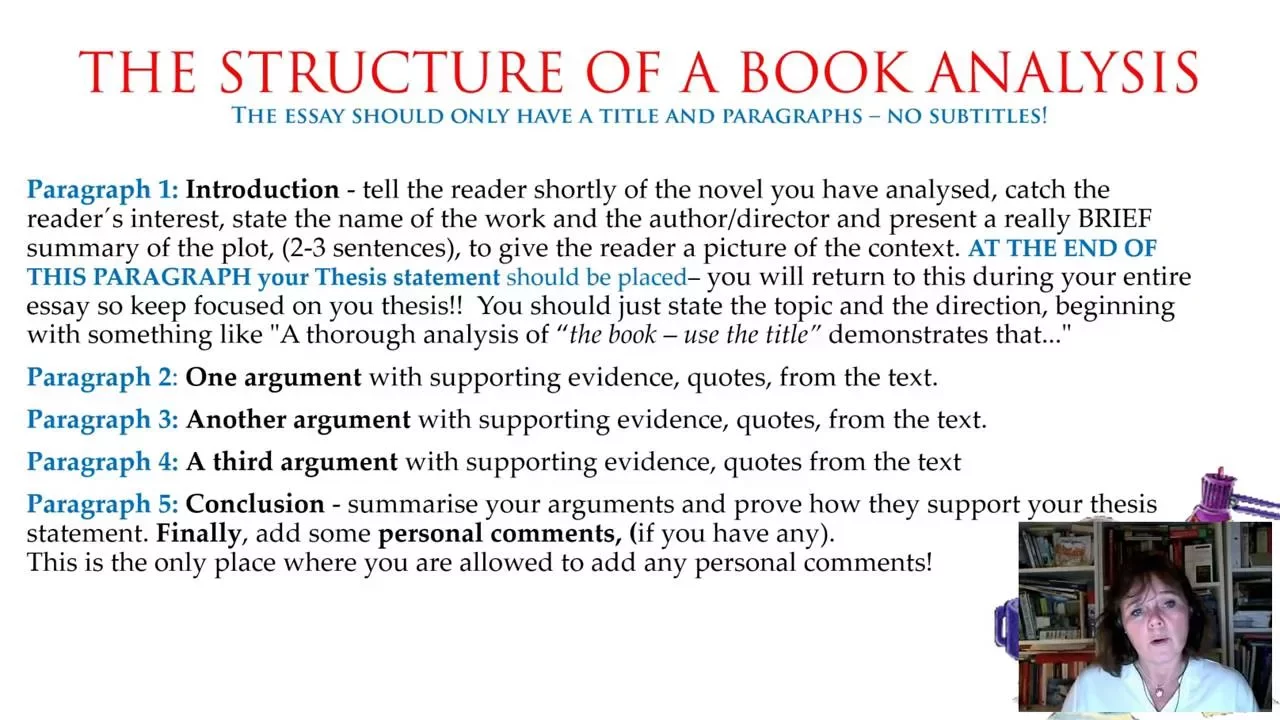










A visual analysis essay on a graphic novel requires analyzing three key criteria: how images enhance or detract from the narrative, how stylistic art choices (colors, detail, composition) impact presentation, and overall story elements (imagery, symbolism, characters, plot); the essay must include background information on the graphic novel and author, a thesis statement outlining the analysis approach, three body sections corresponding to the evaluation criteria, and a conclusion summarizing key insights, all formatted in MLA style with three sources including the graphic novel and two secondary sources.
Visual Analysis Essay: How to Analyze Graphic Novels in College Writing
Added:Basic understanding of college-level essay structure, including how to formulate a thesis statement and organize body paragraphs.
Familiarity with foundational MLA (Modern Language Association) formatting and citation guidelines for textual sources.
Core literary analysis skills, such as identifying themes, character arcs, and narrative structure in literature.
An introductory understanding of visual literacy, including how basic elements like color, framing, and composition convey meaning.
Deepening analysis using established comics theory, such as Scott McCloud's concepts of 'closure' and the 'gutter' in 'Understanding Comics'.
Applying semiotic analysis to decode complex cultural, political, and social symbols embedded within graphic narratives.
Expanding visual analysis skills to other multimodal texts, such as films, video games, or digital advertisements.
Constructing a comparative analysis essay that contrasts a graphic novel adaptation with its original prose source material.
1K views6likes23:14Original Release: 2020-10-14
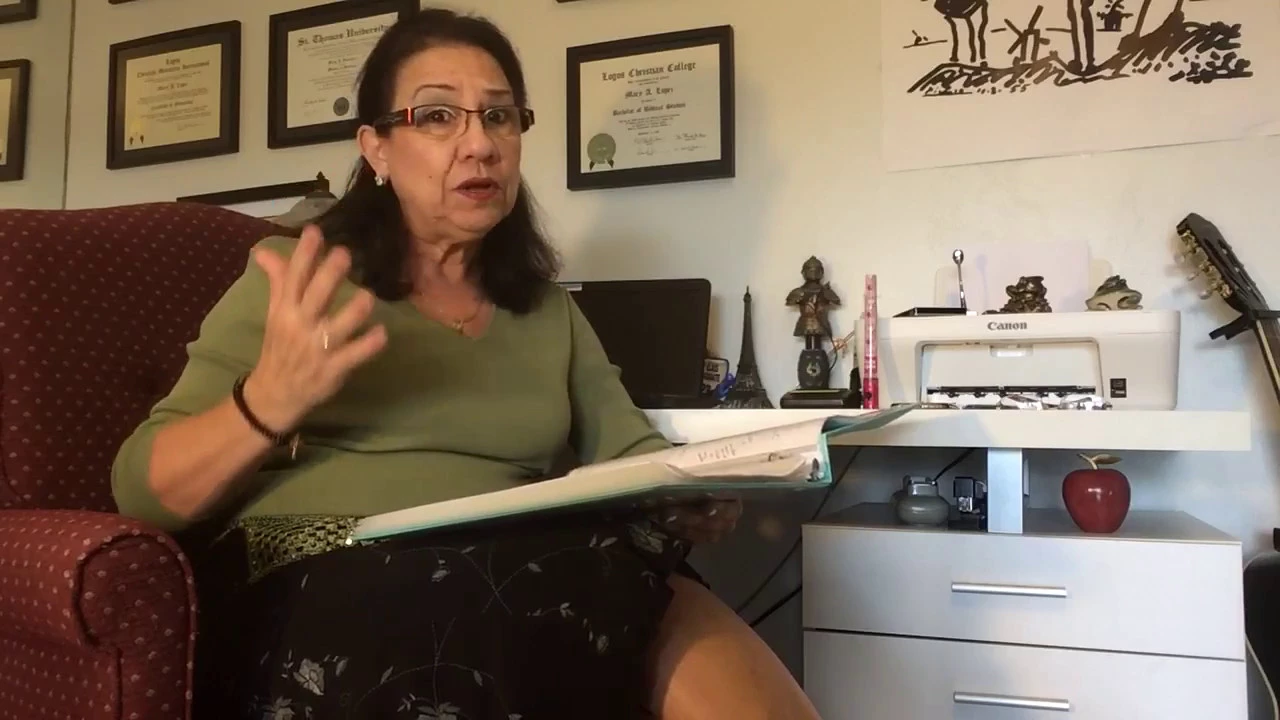
hey folks and welcome back today we're going to be talking about your visual analysis essay this will be your first essay project for the course before we get started um talking about the essay requirements i'm going to give you a little bit of information into how to read graphic novels um for this essay project you will be reading a graphic novel um and so i if you've never done it before i just want you to have some background on this particular genre so graphic novels sometimes referred to as a comic book is a sequential comic style narrative in book form um it's a medium not necessarily a whole genre because many different genres exist within the graphic novel realm you have romance and horror and sci-fi and superhero and so it's more than just a genre and then graphic novels can be analyzed for both their text and their image images and so it's a little bit different than just a typical novel like any other text graphic novels are read from left to right from top to bottom now obviously the um the only instance in which this wouldn't be the case is if it's not published in a language that reads that way um specifically like a manga or something like that um there are some elements of graphic novels some just kind of key terms that i want you to be aware of and i'm going to go through specifically what all of these are so you can kind of see examples of this so panels panels are squares or rectangles or maybe other shapes that contain a single scene so we can see several different panels on this page dialogue balloons are conversations between characters just like the other text balloons are read left to right and top to bottom and how much dialogue or dialogue balloons is in a particular graphic novel it's just going to depend on the author or the artist then you have thought balloons and these instead of dialogue contain the thoughts of a single character and usually dialogue balloons are smooth all the way around where you can see this thought balloon is kind of bumpy and that indicates to the reader hey this is just something the character is thinking not necessarily something the character is saying then you have captions these um boxes contain information about a scene or a character but they're separate from a character's words or thoughts it's kind of like expositional information so now here's just a couple of other cool things about graphic novels graphic novels transition from panel to panel and page to page in order to do a couple of things maybe they're slowing down time maybe they're emphasizing an action sequence maybe they're utilizing uh juxtaposition for emphasis and meaning so this is something that you want to pay attention to when you're reading graphic novels and then lastly perspective graphic novels utilize the same terms as film and photography do to demonstrate perspective so maybe we have a close-up shot or a medium shot or even a long shot you have tilt ups tilt downs excuse me panning and tracking and all of these are terms that you can use to really describe what is happening on the pages of your graphic novel okay so let's talk about your essay you will write an analysis of a graphic novel of your choosing the only thing that i ask is that it's full length and not a non-serial portion of a graphic novel um so that means you have to go pick out a graphic novel not a comic book comic books often look kind of like very thin magazines where graphic novels are a little bit thicker and they tell a whole story and i'm going to show you um some suggestions for great graphic novels but you obviously can pick any one that fits in this category so analyzing a graphic novel is fundamentally different than analyzing other types of literature because the images allow for detail and complexity and possibly story arcs that are different from other genres these stylized images distinctly present the narrative alongside the use of written language or sometimes even in place of written language so here is some examples of pages or panels from graphic novels um this one in the top left corner is from a graphic novel called american born chinese and you know we can see that the artist made some particular choices in this graphic novel we can see that you know the characters in this novel are kind of drawn simplistically if we look at their hands and faces there's not a lot of detail that's intentional so you would ask yourself why did the author or artist make these particular choices well this is you know maybe written about young people so it's supposed to display a certain kind of simplicity why did he choose the colors that he choose or chose things like that the image on the right side of the page is from a graphic novel called blankets it's a coming of age story it's the story of a guy sort of coming to terms with what his religious beliefs are and are they going to be the same beliefs as his parents we can see in these two panels on this page um that they're supposed to be you know some degree of beauty and art in you know this scene and what's going on this is done in black and white so you ask yourself why did the author or the artist choose to relay these images in black and white instead of color it's a choice it's not that they like didn't have money for ink in the bottom left of the screen this is a whole page from the graphic novel v for vendetta and even though it's very small we see some choices it's got a lot of color in it but it doesn't necessarily feel bright and happy because it also has a lot of darkness in it once again those are choices that the artist made it feels very light very much like an old detective style comic that's a particular artistic choice that the author made um this last image this one right here kind of in the middle of your the bottom half of your screen this is from persepholus um and this is a graphic novel written from the perspective of a young girl going through the iranian revolution and so we can see that the drawings are very simplistic they're in black and white there's not a lot of detail in the faces or even in her home and this is a time that she felt like was very confusing for her so it makes sense that there wouldn't be a lot of description or detail in the images that she chose so hopefully these are just some snippets of graphic novels that give you an idea of kind of what i'm talking about when i talk about um artistic choices because that's what you will be evaluating here so you're going to make an argument about your graphic novel that you chose whether it's good or not so good and you're going to evaluate your graphic novel based on the following criteria how the images enhance or detract from the narrative this is a personal evaluation did the images help you understand the story or did they keep you from understanding the story and how and why then the second criteria that i want you to use is how the stylistic art choices impacted the presentation did they use colors or did they not use colors did certain colors represent certain things was there a lot of darkness was there a lot of blank space was there you know a lot of smiles on all of the characters faces how much detail was used and how does that um relay the story to the reader and then the last thing that you're going to evaluate is just the overall story elements you can focus on imagery or symbolism characters plot any of those things but how did you like the story or not like the story based on what you read in the graphic novel so in the introduction of this essay what i want you to do is give me some key background information on the graphic novel and where it fits into the canon of the author's work is it the only graphic novel that they've ever written is it one of 70 that they've written was it a personal story about their personal life or was it a reimagining of a superhero that already existed so just give me some information if there's any historical details concerning the author or the circumstances surrounding the story's creation um stick that information in your introduction or maybe your conclusion and then give me a really good strong thesis your thesis should indicate which of the stories elements you're going to analyze and what should be gained through such analysis go ahead and underline your thesis for me this does a couple of things it makes it easy for me to figure out what you intended for your thesis to be and it helps you recognize whether or not you have a good solid thesis to sort of serve as the backbone for your paper but wait i forgot how to write a thesis if that's what you're saying that's okay we're gonna do a quick like 60 second thesis reminder um slide so a thesis is one sentence that tells your reader what your topic your stance and your main points are going to be this is going to give them sort of a general road map for your paper by the time your reader gets to your thesis they should kind of know okay this is what the paper is going to be about it's a big job for just one sentence but a well-written thesis can help you as you write the paper and it can help your reader as they read the paper so here's an example thesis the hate u give should be required reading for all high school students because of the author's compelling storytelling because of the novel's important contributions to the ongoing conversations of racism and police brutality in america and because of the book celebration of black culture so this is a great thesis for a couple of reasons first of all topic i know by reading the sentence that the paper is going to be about the hate u give stance i know by reading this sentence that the author of this paper likes this book she says that she thinks all high school students should read this book and i know what the main points of her paper are going to be she's going to cover the author's compelling storytelling she's going to cover the novels important contributions to the ongoing conversations of racism and police brutality and she's going to talk about the book's celebration of black culture so as i read this sentence i now have a road map in my head for exactly where this paper is going to go that's what a great thesis looks like and that's how i expect you to end your introductory section then in your body you're going to have three body sections that each focus on one of the evaluation criteria so um the first section is going to be how the images enhance or detract from the narrative the second section is going to be about the stylistic art choices and your third section is going to be about your overall evaluation of the stories elements so this tells you what exactly to put into each section notice none of these sections are a summary of the graphic novel obviously i expect some information in your essay about what the actual plot was in the graphic novel but please don't just tell me what happened in the graphic novel that's not really what this paper is instead rather you are analyzing um and making an argument about whether or not the graphic novel was good based on these three criteria and then in your conclusion restate your thesis and tell me what you learned about visual images artistic choices story elements anything that you learned by analyzing the story that's what you give me in the conclusion and then what was the lasting impression that you had concerning this graphic novel what have you sort of uncovered or discovered in the use of these visual images that is worth remembering what do you want your reader to know about this graphic novel what do you want to leave them with okay so this paper will be written in mla format you will use in-text citations and a works cited page these are all pretty basic things for an mla format of paper um you will have three sources for this assignment you will have a primary source which will be your graphic novel and then you will also use two secondary sources one of them needs to be biographical information about the artist or the author now in graphic novels sometimes the artist and the author are the same person sometimes they're not if they're not then you obviously will need biographical information about both of them and most authors or artists have their own website and that's usually a good place to get information about them if your third source doesn't need to be biographical information you can use a second work you can use a critique or a review but really it's kind of up to you and then this paper needs to be three pages plus a works cited page um so it will be typed it will be double spaced it will be 12 point font times new roman all mla format basics um now that is three full pages so you can't just get to one center or sorry one sentence on the first page i mean on the third page and be like okay i hit three pages i'm done three full pages of double spaced text but wait i forgot how to use mla format um don't worry i have resources in the resource folder on blackboard um you can email the writing center um you can use google but also i'm going to give you just kind of a quick refresher course and what mla format looks like mla format now you're not going to be turning any physical papers in but um eight and a half by eleven paper which is kind of the general setting in microsoft word anyways double space everything the heading the works cited page the whole paper block quotes everything in mla format is double spaced use um 12 point times new roman or a similar font and then set all uh margins to one inch on all sides and you're going to indent the first line of paragraphs one half inch you do this because you do not skip lines between paragraphs um in mla format you have a heading and a header the header is in the header of the page and it is your last name and a page number the heading is going to be your name your professor's name the class name and then the date and then the very next line we do not skip lines in mla format um you're going to put your title and then you go down to the next line and you start your writing now as passionate as you are about your title it's not bold it's not bigger it's not purple font it's just regular mla format just like everything else and this is actually a sample mla format that is on blackboard that you can go and look at if you have questions or you want to see the whole paper now an in-text citation is a brief reference inside your paper that indicates hey i borrowed this idea or this direct quote from another source it directs the readers in your of your paper to go to your works cited page and it's not obtrusive you just put it at the end of the sentence um so an in-text citation will include the author's last name and a page number enclosed in parentheses if there is no author an abbreviated title now what do you cite you need to cite any information idea or words that come from another source you do not have to cite common knowledge so for example you do not have to say uh where you know what source you got like the civil war was between the north and the south but if you're going to tell me that you know general john smith lost his left leg in the battle of gettysburg and then went on to create prosthetic legs for soldiers for the rest of his life um i need to know where you got that information anybody that the average per anything that the average person wouldn't know that's what you cite and then in mla format you have a works cited page this works cited page is going to list everything that you cited in your paper if you did not cite it in your paper you cannot put it on your works cited page and if it is in your paper it has to be on your works cited page so those two numbers need to match if you have three things cited in your paper you have three things listed on your works cited page and then each citation on that works cited page is made up of these nine elements and they're always in this specific order and then each element is followed by the specific punctuation mark shown here pay attention to this little graphic take a picture of it save it on your phone do something so that you always know how to create a citation now your works cited page should be on a separate page from your essay like i said it's formatted according to mla standards please put your list of citations in alphabetical order and like i said just a moment ago every citation in your paper must be on your works cited page and vice versa so for this assignment you have to use three outside or three sources your graphic novel and two other sources so i expect all three of those to be quoted in your paper as well as listed on your works cited page your works cited page should be the last page of your essay and then your citation should be left justified and have a hanging indent for subsequent lines and i'll show you what that looks like oh just kidding um there's an example of what that looks like in the sample mla paper okay um this next couple of slides are just some great graphic novels you absolutely do not have to choose one of these um but these are just some ideas to get you started um the complete persepholus uh mao so we talked a little bit about the complete persepholus over this is about an 11 year old girl going through the iranian revolution mouse is about the concentration camps of world war ii um but they're told from a different perspective kind of the jews are portrayed as mice and the nazi soldiers are portrayed as cats this next one american born chinese we looked at a graphic from that that's about a um second generation immigrant just kind of cr coming to terms with his identity um this one on the right here is blankets by craig thompson this is like i said earlier about a guy coming to grips with his religious beliefs um i kill giants is absolutely one of my favorite graphic novels um it's about a little girl who is a giant slayer v for vendetta was made into a movie a while back but it's a great graphic novel by alan moore kind of about revolution and it's set in a world that is similar to ours but has a slightly alternate timeline okay so if you have questions about this project this essay i know that was a lot of information don't don't hesitate to ask feel free to reach out um please download the um essay instruction sheet that is in blackboard so that you can have it use it as a checklist to make sure all of the things that you need are in that essay and i can't wait to read about what you read
Up Next
52:11
Lucrecia Martel Discusses La Cienaga at Film Society Q&A
@filmlinc
18.9K views•2018-05-24

87:21
Film Phenomenology with Vivian Sobchack | Interview
@cinematologistspodcast
450 views•2024-11-28
4:55
Film Blocking Techniques for Directors: Space, Shapes, Lines
@StudioBinder
1.9M views•2018-07-23

4:00
Evolution of Darth Vader: Anakin Skywalker's Animated Journey Across Star Wars Films
@TellItAnimated
13.4M views•2019-03-30
Related Study Plans & Knowledge Roadmaps
Structured learning paths in Film Analysis
film-analysis
Sensory Cinema: Foley, Haptic Sound & Texture
01Introduction to Film Sound and Foley Artistry
02Micro-Sounds, Textures, and Extreme Amplification
03Haptic Audition and Film Phenomenology
+ 1 more learning modules
12h4 modules
Explore Roadmap
film-analysis
Breaking the Fourth Wall: Mockumentary & Satire
01The Invisible Wall: Basics of Cinematic Illusion
02Looking at the Lens: Direct Address & Character Glances
03The Mockumentary: Satire, Realism, and Complicity
+ 2 more learning modules
12h5 modules
Explore Roadmap
film-analysis
Analyzing the Long Take: Cinema, Space & Ethics
01Foundations of Film Grammar: Montage vs. The Long Take
02Choreography and Mechanics of the Simulated One-Shot
03Phenomenology of Film: Real-Time Spatial Continuity
+ 1 more learning modules
14h4 modules
Explore Roadmap
film-analysis
Anachronistic Music: Period Drama & Subversion
01Foundations of Film Sound and the 'Needle Drop'
02Traditional Authenticity vs. Revisionist History
03The Rise of the Anachronistic Soundtrack
+ 2 more learning modules
12h5 modules
Explore Roadmap