



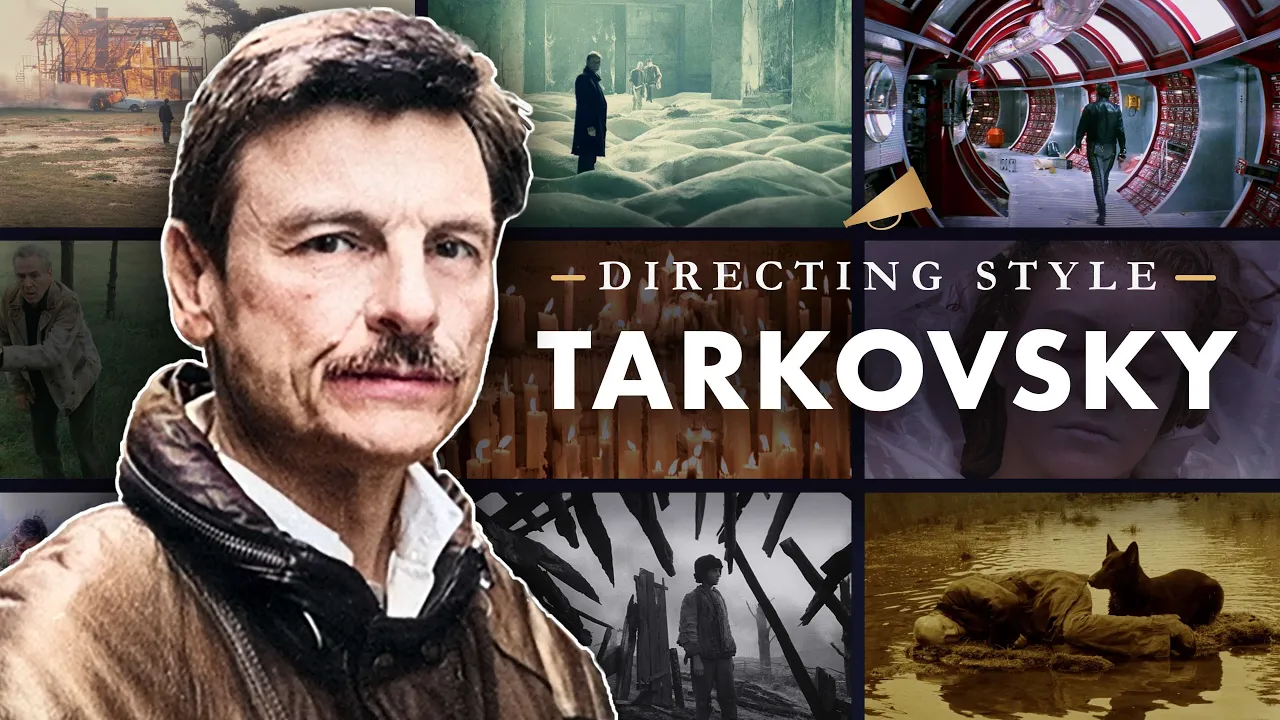



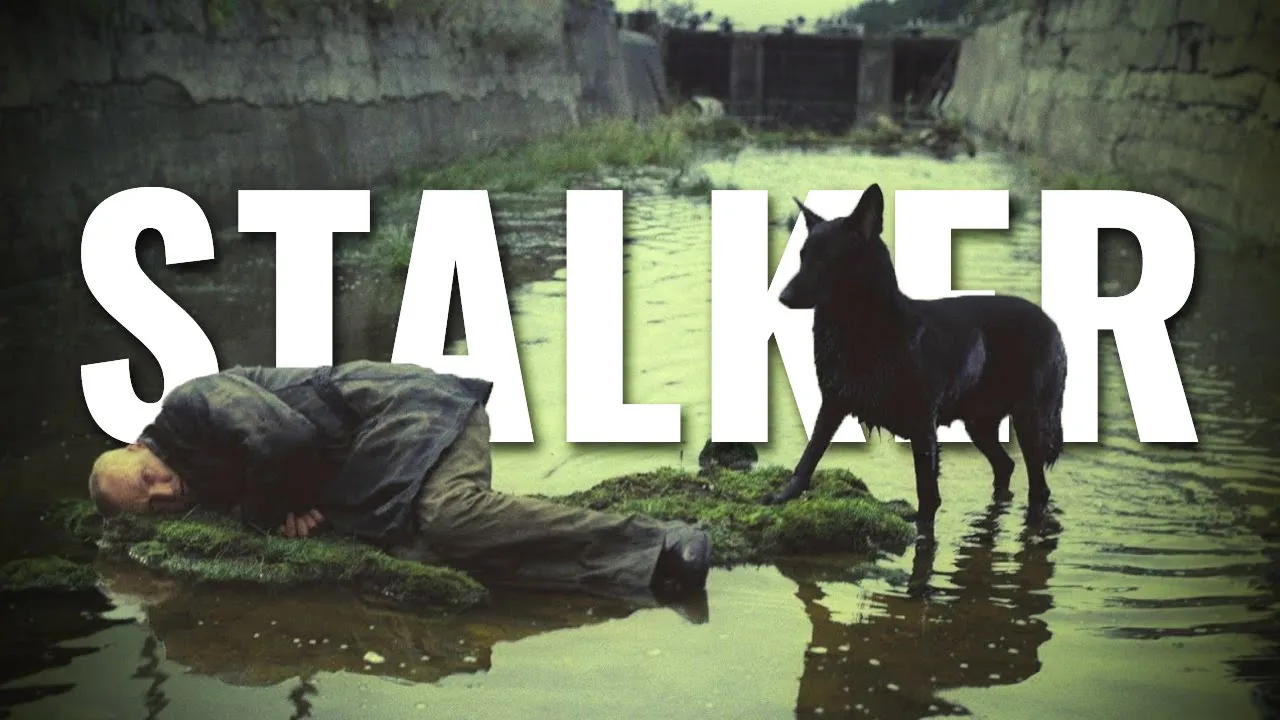
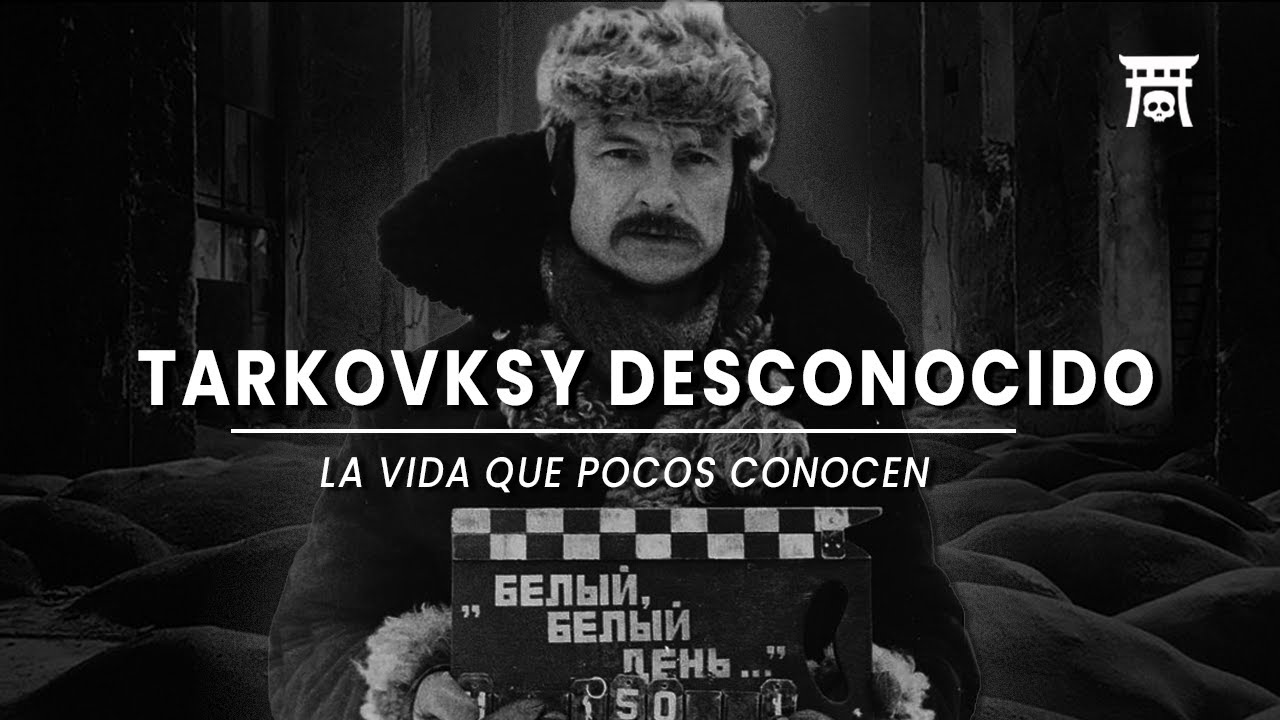












Andrei Tarkovsky believed that authentic film sound should create an emotional aura rather than merely illustrate on-screen action, and that ideally, a fully realized film could have no music at all, instead using environmental sounds and electronic elements to construct a resonant sonic world that reveals new levels of meaning; this approach is exemplified in films like Stalker and Solaris, where natural sounds are carefully curated and layered with electronic elements to create atmospheric depth and psychological resonance.
Tarkovsky's Soundscapes: Panel on Audio Landscapes in His Films
Added:Fundamental concepts of film sound theory, specifically the distinction between diegetic, non-diegetic, and trans-diegetic audio.
An introductory understanding of Andrei Tarkovsky's cinematic philosophy, particularly his concept of 'sculpting in time' and slow cinema.
Basic familiarity with the plots, aesthetic style, and thematic elements of Tarkovsky's key films: 'Stalker', 'Solaris', and 'Andrei Rublev'.
The historical context of 20th-century electronic music and Soviet audio synthesis, notably the role of the ANS synthesizer in mid-century film scoring.
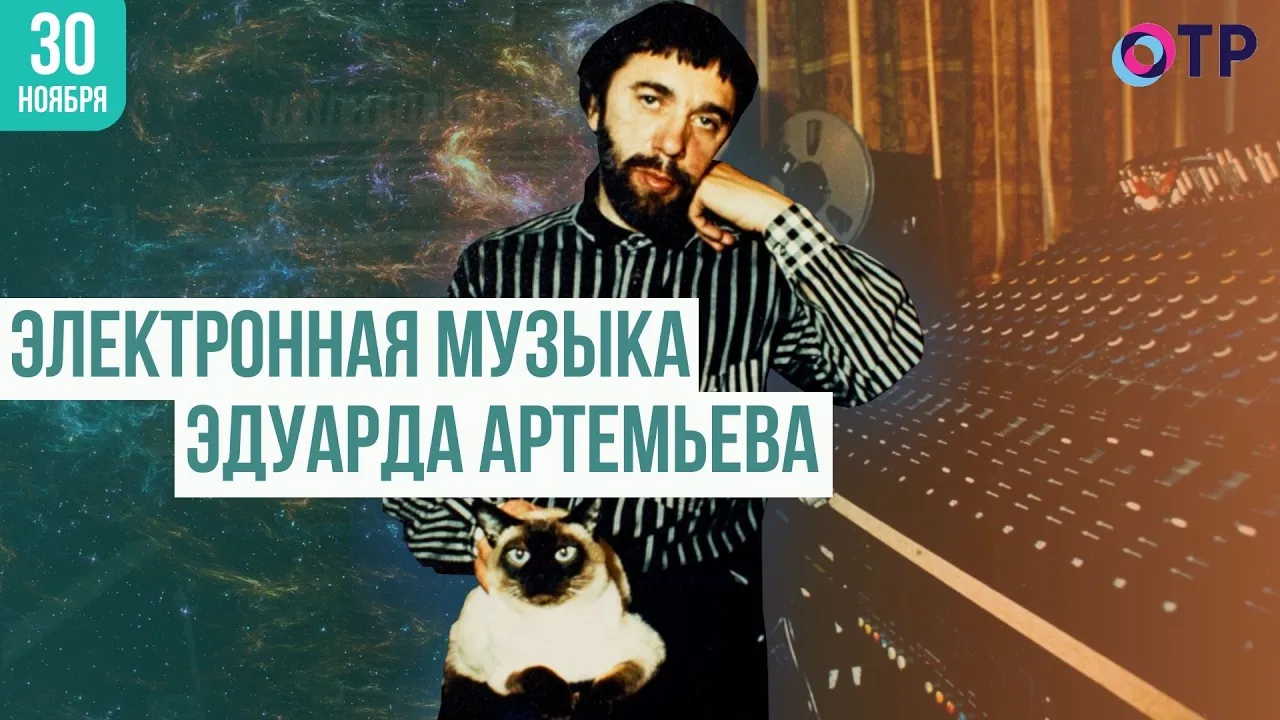
Advanced analysis of composer Eduard Artemyev's electronic music techniques and his specific collaborative methodology with Tarkovsky.
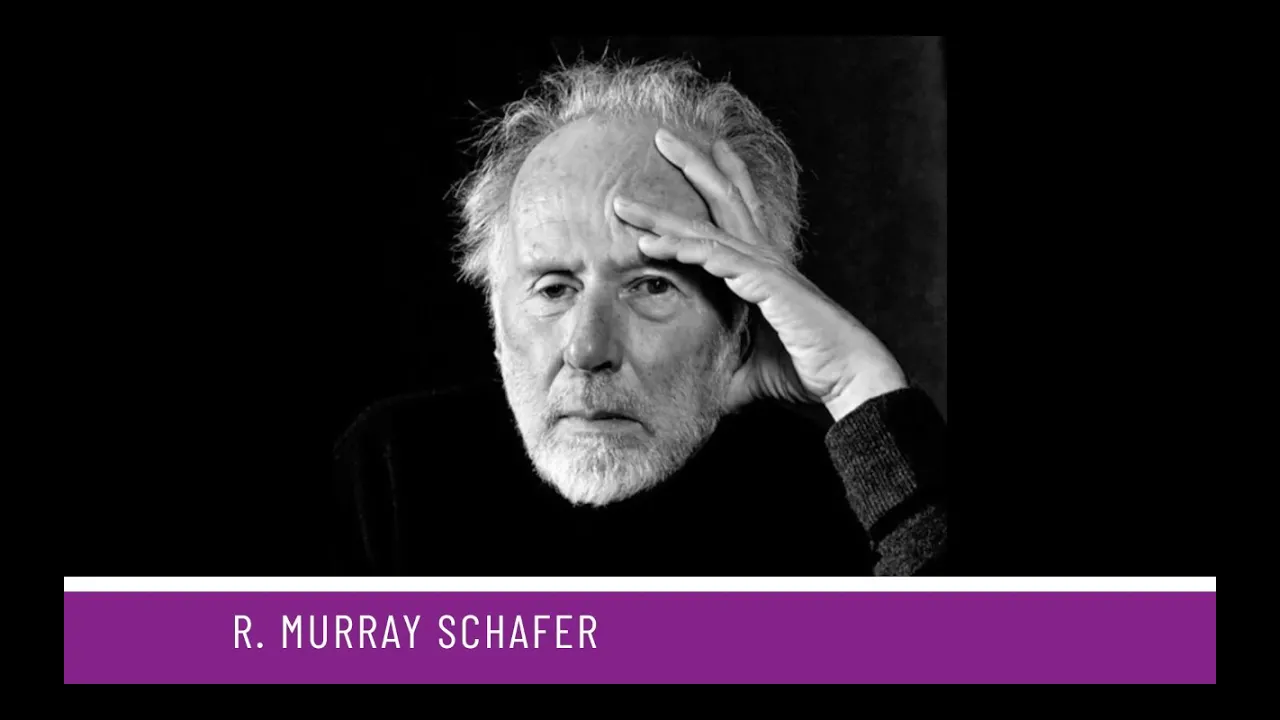
The study of Acoustic Ecology and soundscape theory (such as the work of R. Murray Schafer) as a framework for analyzing spatial construction in cinema.
Comparative analysis of sound design in 'slow cinema', comparing Tarkovsky's auditory techniques with directors like Robert Bresson, Béla Tarr, and Michelangelo Antonioni.
Practical application of Tarkovskian audio design principles—such as using environmental textures as musical elements—in modern filmmaking, game design, or ambient music production.
13.2K views260likes1:38:09Original Release: 2016-08-30
part of a program called sculpting time um which is um a retrospective touring program um of the films of Andre tarkovski um all seven of which have been um restored and they're showing in these brand new uh restored versions as part of a a nationwide um program of Cinema screenings which began in May but is still ongoing so if you haven't um managed to catch any of them yet in the cinema um there is still some on at the region Street Cinema in London um and they're also available on online with via Ken home Cinema so if you're here if you've come out on this incredibly hot night um you're probably already quite committed to um tarkovski and uh sure you know quite a lot about him already so I won't sort of do a full biography um just to say that in case you in case you don't know born in 1932 in Russia um he made seven feature films before his death in 1986 and these complex um met metaphysical and often highly personal films were widely acclaimed throughout Europe um although they were often less well received and often in some cases actually uh suppressed or only limited released um through this Soviet censorship and he made his last few last two films Nostalgia and the sacrifice in Italy and in Sweden but since his death he's obviously been recognized um in Russia as well as throughout the world as one of the great Russian artists and his work continues to inspire not not only filmmakers um but I think also visual artists and increasingly sound um sound artists and and musicians and writers so tonight I'm really pleased to chare this discussion which focuses on one of the aspects of tarkovsky's films that has always fascinated me um and I think as it does many other people and that's the unique Sonic and musical environments of his films this is an aspect of film making tarkovski himself um paid great attention to and I think inevitably given his preoccupation with with ideas around time and memory both of which are expressed in sound particularly effectively um in his book sculpting in time he writes of the importance of Music um in creating an emotional Aura rather than as he calls it a flat illustration of what's going to happen on the screen and yet he also talks about the idea of going beyond music um he says that if a a film is ideally fully realized it it could and it should actually have no music at all and he says I quote um it may be that in order to make the Cinematic image sound authentically music has to be abandoned and he says it can be replaced by Sounds in which Cinema constantly discovers new levels of meaning and I think when we listen as well as listen to as well as watch films such as stalker and mirror um and Nostalgia you you hear this put into practice sound what tarkovski calls the resonant World um it becomes the music of the film and these so these are intensely musical films but they're also films in which the idea of music is challenged and expanded for The Listener um so uh the the artists and writers that I've um very pleased to have on the panel here tonight um they've selected some um excerpts from various films which I think will provide some interesting starting points for discussing some of these these ideas um so I'd just like to to introduce tonight's panelists and then we can maybe start watching watching some stuff um so um Trevor mat here is an artist and composer who works mainly with electronic sound uh one of the founders of the black audio film Collective he continues to work closely with um filmmaker Jon comra and in 2012 they collaborated on the installation at the gravide of tarkovski for which Trevor made the soundtrack um this is Sam Davis uh Sam's a writer he writes about music and film for um the wire and Sight and Sound magazines he's currently um the columnist at Sight and Sound who does the soundings column which is a monthly column that um looks at Music and Sound on film uh Juliet Jakes here on my my left um is a writer and critic who has written for Guardian freeze um lrb and um the film magazine vertigo her book trans and Memoir was published last year on Vero so U really great panel thanks thanks for being here everyone um so as I said we we um we asked everybody to uh select some excerts from films and I thought maybe we could start um with one of those straight off um and I'd like to start with the one that Trevor chose um Trevor chose um an excerpt from the film stalker which was made in 1979 Trevor do you want to talk a little bit about the clip or would you rather we saw the clip first and then talked about it afterward afterwards be good yeah okay so if we could watch Trevor's clip and this is um it's the opening of uh stalker [Music] [Applause] [Applause] [Music] h [Music] [Applause] [Music] o [Music] oh [Music] I e for [Applause] [Music] [Music] [Applause] for [Applause] for for right [Applause] so Trevor why did you why did you choose that except because it best represents the certain concerns that we have or I have in the um making sand pieces and for the films yeah the the I love the flute playe at the beginning part and then even to when we cut to the the sound of the the train so I like the idea that you can have the composed pieces and then the these other individual sounds that are Blended together to make a create an atmosphere even from the squeaking of the floor balls to doing the zip to the light bulb everything's ited so the atmosphere has been set up there's like a uh Aroma been laid down in in in some pieces so that's why I chose this one do you remember when I mean when did you do you remember when you first saw that film and and whether it had an effect on you is it something that you you kind of the thing is I think i' probably watched it seen it in college or when I left college and the other members of the group would have seen it and we would have spoken about that and I'm only now realizing how much the the structure of the sound is very similar to to my Approach what is it that's similar in would you say in that in that in the film it feels that is he pulled away the the natural sound and replaced it with another layer sounds so everything's been item up footsteps have been added so like there's a ripping out of the natural space sound and replacing it with a iten sound again but also the way of the music being made up of different um s elements but even cuz I was watching I was thinking is the sound in the space or is it like an internal Sonic experience as the camera pans across cuz you hear some sort of classical music being played so it's like is it inside an internal um musical note or is it the sound of the the room vibrating so yeah and it's never I mean that's up to you to decide isn't it which I think is something that's that's really exciting and I think probably for you as an artist as well really interesting it's quite it's quite a liberating idea isn't it that you can present sound in the film and it doesn't have to be clear where it's from it doesn't have to it can be mysterious it's it's cuz it's like a you know I keep saying it's a bit like using Lego bricks you building modules or building shapes and you're working it with the the rhythm of the the the cinematographers and the editors so it's like a it's a continual collaboration so we shoot the stuff we edit and then we we repl some of the sound or you try to give a third character which is the musical character within the within the pieces as well so yeah the idea of layering I know is very is very Central to what to what you do I mean not just to create an effect but it has a kind of philosophy and a kind of politics to it as well doesn't it yeah we able to um get a deeper meaning into into the like literally like ghosting um the past within the present so you have the Sonic leakage of uh old voices or new voices happening in the same frame so you have this the room resonating with the the the sound of past events is sort of like a part of it yeah it's interesting I think that you chose stalker because of course the story of that I mean it's very Loosely based on the novel roadside picnic by um ALC and and Boris shatki but like the the sort of premise is is that you know there there is this space the zone you know where there is this kind of leftover stuff um which is in some ways it's malevolent there's like traps or things that go wrong but it's also a place where people's desires are gred and that so this quite powerful idea about things that are left or kind detritus and but also sort of there's something in there that that is also very good or very I don't know it's quite Bas again you can see as like the psychological state of a country or a person so maybe it's that sort of the legacy of stuff is the it never it never ever goes away there's after revolution there are still markers there's still um resonances of past events still in the people and and marks on the land as well so that's what I'm thinking is it's got that sort of um the space is like us or he cuz he's going to MO two other guys to go and investigate so there something that's going on but definitely think that the the pulling away of the natural sound makes the experience even more ien yeah you know it's like he like you suck the air out of the room and then just given small loal marks and then the void carries through the the pieces as well yeah I think it really makes you aware as well of like the rhythm of of those everyday sounds and using water fire wind the The Barking of dogs distant sounds so you repopulate the space with different elements or um Elemental elements within that space But then you still have this musical refrain coming back through the piece again and then you have the IC sort of sort of build so it is is it is in this one film has all of the elements that I use in you know my to box of stuff that's it's that's amazing it's just contained in this in this in this one excert as well I mean what I don't know if if you two want to say anything about that that exert how yeah I was just thinking works for you you're saying about um remnants and things that resonate because later on he does the same layering of uh the train noise some classical music I think it's Bolero very later on and that's it's as it's the transition from when they leave the Zone they come back out I've always just thought that's I don't know never really worked out why he choose Bolero just seem to work it's cuz again you the color shifts from look this um sepia type world and then they leave it it's like oh we' got back into color now then okay so even that sort of shifts again so you know that you you you are moving through States and sound or the visual is giving you markers but the sound also marks out the atmosphere cuz it does feel like it's like a dead space there's nothing else going on or you may hear like a bird song or cuckoo or but there's nothing El so like I think it's like when you shooting it you have just took out the sound and replaced it with like the Foley sound of sort of sort of markers and then that made the film have even more of an spere so you are in sort of like um a new world you know different s but it's good I think it's yeah I think it was I think it was all post production S I think um which works really well in the zone because it has this weird it's like visually it's very alive but then sonically at times it like really like dead and you're not really sure whether cuz everything has just like you know when you're walking through water that becomes even more bright more in in your face so literally the sound of the the environment is now been charged with energy yeah has a certain atmospheric sort of um Aroma Sonic tone uh you're no longer in Kansas kind of thing yeah yeah yeah definitely some sort yeah it's it's funny because in some ways there is this kind of idea of it being almost I mean this is so not a tarkovsky thing to say in a way but but there is this this sort of sense that it has this kind of almost classical kind of Hollywood transformation it is you know it's like it goes from you know to to go from black and white to color you know with the world right I mean it's not of course it's not like that but it has it does have that element I think of a kind of fairy tale or fable or something where one world is becomes another world you know and and um yeah I think that's probably very conscious but it's it's done in this very unusual way this stylight it's very atmospheric um for the yeah I think is very is this a very poetic graceful um execution I guess this is cool any thoughts on the the music in in that I thought maybe it's something we start talking about yeah I mean actually um the excerpt that I'm going to show in a minute does something quite similar in terms of having the sort of diagetic sounds that would be in the the room or the space and a sort of amplifying of those by bringing in some sounds that are external like the the train noises and the sort of Transport sounds but also um you know some sort of subtle but increasingly strident syn sounds electronic sounds to sort of reinforce the kind of emotional message and the sort of atmosphere that's that's being created um yeah I mean I I haven't seen the clip from Andre Ru have yet but I can already see from seeing that clip and knowing what I'm queuing up next that there's a a sort of formalistic and thematic Unity even though I think Solaris and stalker are maybe kind of outliers in in tarkovsky's output they are aren't they and I think that's I mean I suppose one one one way of looking at that is the very basic one that they are kind of in a way science fiction films although of course they're so not they're so very different aren't they well although you know they are from a time so that's 1979 so since 1972 it's a it's a decade where science fiction is very interesting actually I mean you know even sort commercial science fiction is interesting at that time um I think so it's um how they fit into science fiction is generally seen as like well you know he doesn't really see them as that and they're not really that but actually they are coming at a time when you know um po it's post 2001 isn't it basically we were just talking earlier about whether or not that might have been any influence on Solaris we weren't sure but um well I think in some ways though stalker is almost not a science fiction film at all because although it kind of sets up as ambiguous that you know what the zone is and where it's come from and it's this place of Miracles and you could actually I think you could almost retitle it as like Shepherd and it makes as much sense because yeah that's kind of what he does he doesn't actually really stalk through the Zone he kind of shepherds to this many flock you know and they're supposed to have faith and and believe and they don't enough for him and then he you know takes them out um yeah yeah I mean the the idea of this the book is much more what is called roadside picnic for starters but the idea is much more about like waste you know and the things that are left like literally just like what what the aliens didn't want like literally just what they threw on the ground and I think that's it's it's a much the tone of of the novel is actually more it's quite it's quite humorous I think I don't if anyone's read it but it's it has a sort of it's quite play it's quite dark it definitely sort of plays on ideas of of of waste I think in a very interesting Industrial Waste kind of it's really um yeah it it's interesting how that Source material becomes something so completely different actually um I mean the music so the music for stalker and Solaris the original music is composed by Edward EMV um and I think I I was wondering if there's something to say here about like the role of electronic music in science fiction films of this time but also just that music generally like the the kind of atmosphere it it it creates and where does it fit into maybe a wider context of synthesizer soundtracks um yeah I mean what um tarkovski does with the sound for Solaris is very interesting I think because you you mentioned in the the quote that you read like tarkovski felt the perfect film wouldn't have any music and he didn't want to have music for Solaris he wanted um artm have to compose or sort of create some sort of atmospheric sort of soundscapes but not really kind of music as such in the way it would be understood as sort of film soundtracks at the time and obviously you know we mentioned 2001 you know something that very famously pulls in kind of Gori lietti and lots of other pieces of kind of pre-composed music to very very striking and very famous effect and T oby you know could have missed that um and he didn't really want to do the same thing with with Solaris and artm have talked him into it artm have talked him into using the um the coral Prelude and B minor F minor sorry the um by bark that uh opens and closes Salis and appears as a sort of motif throughout it and he does that um he kind of ties the um orchestral music to Earth so whenever you're kind of on Earth at the start of the film which which isn't in s slav lm's novel um the novel is set entirely on the planet and around the planet of Solaris and tarkovski uh brought in the opening scenes on planet Earth um and use the use the bark piece and sort of arrangement of that uh accordingly uh and I think it's very very successful actually I mean it becomes very powerfully associated with with the film even though obviously it's a pre-existing piece of music to the point where um the Lithuanian film artist d mantis nichos he made a a film called revisiting Solaris in 2007 uh which sort of constructs a chapter of lm's book where they're on the planet uh that tarkovski leaves out and you get um donatus um bonus who's the actor playing the lead role um to revisit his role as well and he uses the bark music to to really kind of incredible effect and really it of feels like that more than anything else that most strongly recalls the tarkovski original so um you know I think it's a really sort of happy set of circumstances that that artv was able to talk to ovsky around on this theoretical Point yeah I think it also kind of reminds us that film making is always a collaborative Venture you know however much we might talk about tarkovski in this sort of maybe slightly reverent way as the Director the her but of course the the people he worked with his cinematographers and and his composer I mean obviously he worked with other composers a bit but artv is a very important influence I think on him and and it's it's one of those sort of stories that that that really makes you think about how a film you know you can read tarkovsky's aims for his films or what he thinks the ideal theoretically Perfect film should be but actually in the making of that you know all these sort of different decisions and compromises are made which I think is um is always something to kind of think about when you're talking about film Music and Sound cuz it often can feel like a bit of a a it's not I mean it's not something that's always the first thing that people think about right obviously and it could seem like a kind of adjunct to the film but there's all these instances where it's actually the the composer or the sound designer or the music consultant actually plays this big part in creating the identity of of the film perhaps yeah I think since this it's easy to kind of forget that it's very easy to talk about synth and you think of people playing keyboards and you associate it with a particular kind of sound but it's actually meant to be kind of synthesizing and making these artificial sounds and a lot of I mean Oscar Salah you know the the birds um score he did which imitated you know bird song things like that you could watch stalker and not always know what you're listening to I think that's kind of there's like a groundlessness and you're not always sure you might be listening to a Foy sound effect or someone's actual footsteps or but you'll never actually know you know there are sounds that are kind of in between the two it's it's a synth siiz or it's some other kind of filtered treated sound um so yeah it's not it's not I mean it's not just the syn kind of theme that artmia has at the beginning in in the credits uh title sequence but is that construction of taking different elements the sound of a a train sound of a ship or the sort of small elements are been being re um realigned to create an atmosphere for a scene or even the walking through uh the water then you you got the footstep sound but then there's other sort of low frequency sort of sounds in the background again that feels fills that space and it rises and falls again and then it's the same thing with a even well when he turns the light on you this sort of gas fire sort of thing so like there's lots of little things to draw you into the the world so you have to believe in the logic or the the psychological State or the the the logic of that world is constructed with these things yeah you know that's I I think that's a it makes the story more believable or the journey more interesting or as interesting to be to be questioning where things are coming from it sort of recalibrates how you listen because some of the the sounds are so quiet and they it's micro details that you you you have to really focus in that you to to pick it all up and I was saying to Francis I tof you probably hat it it's almost like a head a headphone film that you need to be able to block everything else out completely to pick up on all the all the 's a Stillness to the film well into into St definitely like a very still atmosphere it's like it's literally even the way you moves in the frame as a certain sort of like pull all the way down even when they're outside in the countryside is still thinking it's it's been the natural sounds have been pulled out then replaced with another series of sounds again so it is like an architecture that you're building around um you know each frame which moves to the next frame which moves the story along or moves the the character into a new situation yeah no AB absolutely and I think that's nice thing about that as an idea as well it it fits very well with the idea of what um what a synthesizer is what a synthesizer does especially at this at this time in history and also how certain effects are created like I always love the bit with with the train where you can just hear a lot of Reverb I mean it's just like a plate Reverb or something but it's such a beautiful physical effect you know it's very simple effect but it does something very I don't know I I really feel it you know um and and what you were saying about the headphones I mean yeah probably in theory tarov you would not like that but he also writes in about why he chose or why he why he particularly felt electronic music worked in stalker um and it's be one of the reasons is because it has this interior quality because it kind of suggests an interior narrative like you were saying is it is someone hearing this in their head is it is it over there is it you know like so he felt that pure sort of like electronic tones and electronic manipulation they suggest that because they don't have like they're not um Al automatically like illustrative of something in the real world right so they actually so so maybe the headphones film is not such a bad but the twist is when you play uh like a folk song within the piece again that throws up another layer of um experience cuz it's it's now grounded in some historical or um Regional kind of pH thing I think I think when there's some like little fol songs or folk sounds that are sort of mixed in you think okay and it's blended with the other sounds as well it's quite provocative kind of yeah and certain kind of Melodies and modes as well which suggest if even if they don't literally you know imply but they they suggest something that has a place or it has a region but we don't know what that is we never really find out you know yeah um and I think just the the nature of the um equipment being used uh the sort ofs synthesizer that um evi murin um invented actually just before the second world war and sort of perfected in the 50s uh so a lot of the composers particularly artv were people who would have worked with um non-electronic uh instruments for most of their careers and were kind of intrigued by this new technology but they weren't you know they weren't exclusively electronic musicians in the way that you know even some people in kind of the US and Britain would have been by the by the 60s um hence I think this sort of approach that we're talking about of kind of merging kind of natural sounds um you know sort of classical or barck or other kind of pre-electronic composition and and the possibilities of the new technology um and of course you know Solaris and and stalker are made at a time when to the electronic music is still very much the future um and there's a sense of that sort of I think excitement about the possibilities of this technology that comes through in in both of those soundtracks yeah it's a time when that kind of electronic music is is still I mean it's a style there is a style but it's it hasn't quite kind of crystallized into I guess cliche and and also the ANS um synthesiz it I mean it's really it's really really unusual isn't it I mean it's very it's pretty unique um it's an optical synth right so it works with with light and so it's closest to I mean prob it's like a sort successful version of the Daphne Oram oramics machine or something like that it's a very it's a very unusual device as well right which which uses visual information to make sounds yeah and they're sort of printed on like five diss which I think in total can hold something like 720 microtones so you've got you know quite a big sort of Sonic palette but one that's still small enough for people to really master I think [Music] um yeah uh and there there's a compilation around of of kind of early electronic music from Russia made with the ANS synth from the mid 60s through the early 70s and yeah most of those composers only worked with that instrument um sporadically or occasionally or I think one of the M schnicker only once yeah and there's a piece on there called steam which I think is a really incredible piece of of purely electronic music but it was the only electronic piece that chika made right yeah I mean I think there was also very limited access to electronic instruments at that time for most people in in the world but I think particularly in Russia I mean the ANS is is yeah there's like a whole another sort of little history there that that is is fascinating to read about like how it's created this this futuristic instrument it's the National synthesizer of Russia you know I mean which is which is funny every country should have a national synthesizer and it's and it it it lives in the scriabin museum um you know it's it's very and and then and then eventually people just kind of forget about it and the studio that it's in starts to get used by slightly more countercultural people and and our have is there throughout the whole story which is really nice I think he he he goes with it and um so yeah it's it's I think the yeah there's like a a really interesting history there of like technology being used and not exactly misused but used in unusual ways actually yeah I mean you you also get the feeling in that clip from stalker I think that you know artm has been working at a time when John Cage's ideas are in the ascendency and and you know the sort of aloric elements to the soundtracks I think yeah no of course yes it's um well I mean those ideas I don't know how much they transmitted to to Russia but I would imagine Enough by that time I think people who were that interested in music would have been yeah been aware yeah um should we have a look at at your clip from Solaris now we s seem to have moved towards Solaris um and talking talking of the um ANS and artm so um again do you want should we just watch it and then we can talk yeah okay so can we watch clip number two so this is from Solaris which was made in 1972 for for [Music] [Music] [Music] we [Music] [Music] [Music] [Music] I he [Music] [Music] [Music] [Music] [Music] [Music] [Music] all [Music] I mean this this particular clip uh comes about half an hour into the film and the first time I saw it it was kind of the moment where the film went from being something I thought yeah this is quite interesting I think I'll stick with it to being yeah kind of transfixed by it and really the moment where I sort of lost myself in the film and nothing else mattered so I think it helped that I um I watched it I started watching it about midnight on a a summer night in 2003 after working a shift at gwick airport um so it felt sort of particularly appropriate you know the sort of alienation of that um that sort of urban industrial uh sort of society that it showed you know I mean area around Gatwick is is sort of similar it's a sort of JG Ballard uh sort of feel to it um that's the moment that really dragged me in I mean the the character you see omry Berton um he has been on the the mission to Solaris and he has come back very traumatized and um you've just been introduced to Chris Kelvin the um the psychologist Who's involved with the mission and uh him and uh Berton and Kelvin have watched a video of a a really Haring press conference that Berton has delivered um in very sort of um sort of post-traumatic sort of tones where he's struggling to talk about what happened but talks about seeing a child on the surface of of Solaris who we hadn't expected to see um and Kelvin doesn't believe him basically and uh he's he's very very um obviously really shattered that Kelvin doesn't believe him and so you see him driving away from kelvin's house and the way the um you know that that very very long scene of of of just uh Burton driving I mean most other filmmakers you know you're you're told in filmmaking um textbooks or classes you know get your characters from a to be as quickly as possible but tarkovski builds so much sort of uh intensity and sort of drama into just the solo Voyage of of Burton you don't even really know where going I don't think um and I was just blown away by it there was a really incredible scene and what I really like about the sound in this scene is um is obviously the way it starts off in in near total silence and just gradually the um the sounds that are just inherent to the the scene come in so you get the the noise of of his car and then all the other cars uh and then that very quietly building up of the um yeah the sort of the electronic noise that artm has created you get that very quietly coming through uh you know very much in sync with the the building traffic noises uh which also ties into the way that tarkovski sort of just flips from this sort of blue tint monochrome to to color um and and both of those things give you a sort of sense of the dislocation sort of confusion uh and the alienation that that the character is experiencing um I just think it's an incredibly striking scene yeah that that's it's really nice to hear it described like that in so much detail because um when I was just thinking about this talk and I was I was looking looking up a few things about the exts that you chose and one thing that made me laugh a bit was if you if you kind of do some internet research about that particular scene you get all these quite funny comments on like YouTube or whatever people saying why is there why is that like as if as if it as if it really helps to ask why the tar kovski film I mean doesn't really help it why I don't know but they're why is there that really I love soris but there's that really long Highway bit in the middle and what is that all about and never read YouTube comments no I mean obviously it's a silly idea but I mean makes the guardian look like tell Kell or something it's incredible but you know it does have this sense of like it's out of place it's out of time and it's and there it is but actually of course it does have this there is there is a real purpose to it and it's incredibly important to the film actually and it but it works so well stand alone as well I mean it could easily be the video to like a craft work or a radio head track I think um yeah no absolutely yeah it does it feels like a a short film perhaps in in itself yeah the funny thing about it is that it's he I me how long is that sequence about about five minutes so he spends 5 minutes with this guy in the driverless car going home um when Chris Kelvin flies you know from one uh Planet you know to to another uh that happens in like 20 seconds or something doesn't it it's it's a really it's it almost like it stands in you know he can't effectively do the rocket sequence the the inter plan travel sequence so he does this it's like this in space thing you know going from point A to point B in the modern world it's almost like its own um you know trippy experience um but the the tension is BU is building up as you're going along and then it's balanced off by when it cuts yeah it just like the sound just drops away that cuts extraordin is so you have that sort of again the tension is Building inside this guy then it's like the release yeah it's quiet and the release and the sound like you say the sound completely disappears and obviously we cut to this scene of kind of real natural tranquil yeah um so you know the the synchronization between the visual and the Sonic elements both formally and the thematically I think is astonishingly precise and considered um and you can see its influence um on Plenty of filmmakers since I think I mean I'm a huge fan of of Bellar who um much like tarkovski had a preferred composer was mile Vig and um Bellar is famous for thinking nothing of of having again you know if you're talking about characters getting from A to B as quickly as possible you know most characters most filmmakers would have somebody say there's something happening in town and you'd immediately cut to the town whereas Bellar will have the bloke drink most of his Pine on his own someone come into the bar and say something's happening in town and then the bloke will finish the pine at his own Leisure and then you'll get the whole 10-minute walk into town um but it'll be brilliant it'll be better than like any I mean the opening scene of Satan Tango has an astonishing soundtrack uh by Mah VI and very similar sort of electronic sort of or Electro acoustic sort of feeling um slowly building up this really ominous atmosphere and it's it's just cows it just cuts from cow to cow to cow in this Hungarian landscape and I was told it was 20 minutes long that opening shot and I watch Satan Tango recently it's only 8 minutes long and I was really disappointed I wanted to go back to my friend and said look you told me that cow scene was 20 minutes it's only eight and I didn't want it to end maybe felt like and I could have watched a lot more of of that traffic scene as well I could have easily watched another like 10 or 15 minutes of that um I could uh and and you know there's like a long car crashing in God out's weekend where you just you follow this incredibly long traffic shot um tracking shot along this this traffic jam um I think there's a real kind of beauty and sort of dignity and subtlety to those shots it's really strange actually because it's also exit music because that character is then out of the film he's gone yeah so he gets this extraordinary kind of send off that's it absolutely um and and and yeah you know what happens to him psychologically of course is is something that I think is in the back of your mind as a viewer for the rest of the films so you know this man has clearly been utterly broken by this Mission what what happens to the other characters what happens to him yeah I think the idea of staying with some something or someone is very integral to a lot of tarov films this idea of duration and long dur ation It's Kind it's almost like a kind of responsibility in some ways to to to this character I'm sure but it's I think um yeah I mean duration is something perhaps that is a theme that that recurs throughout not just like staying visually but also sort of get staying with something long enough that you really listen it seems like you're staying longer than you need to it seems and then it just goes on then something else may happen or it disc cuts and you're often to another location again another se but again but it's building uh attention in us it's doing something to we expect from to to to go but I think that's what I mean Solaris um yeah you know I watched it all in one sitting and then I actually watched it again a few weeks later um I watched it with my dad um my dad had walked out of uh home screening of renois L rega de a couple of weeks weeks earlier after about an hour and I thought what better to win him back than a 160 minute uh Soviet science fiction film but um we're both really sort of transfixed by it and it does utterly justify its length um but but more through yeah use of sort of sound and um and cinematography rather than the plot um I haven't actually seen the Steven Soderberg remake which is s half the length and I'm told it's not bad actually I'm told it's it's no it doesn't lose too much from taking a sort of different approach and a much shorter approach does it have a for minute taxi drive I don't think it has the 4minute taxi drive um I think it's in in EXs like that where you you see the influence of tarkovski not just on Cinema but on on kind artists film and video as well I mean that's probably something that that you can comment on Trevor I think not yeah you don't have to Once once scene uh not easily forgotten one scene easily forgotten um it leaves that's what I was saying before like there's um it's like a ghost that's ever present mhm but every now and again you get glimpses of it in in the room and it affects how you approach your own work um again like we saying the the tracking or the the long shot cuz there is a mesmeric kind of feeling when you're looking at the colored lights of the cars and it's either slightly speeded up and again that's so there um there is that and there obviously there's the shifting of color that moves moves around so yeah I think the thing it makes me think of as well is um is the kind of video or film that you'd see in installations it suggests to me that very clearly that that it could also another way of looking at would be sort multis screen even the track itself if you you could actually put a Beat onne that yeah has has a sort of suggestive the way the the composed elements become by the end of that scene they have become the dominant aspect of the sound whereas you know they they start off very much subservient the traffic noises um and yeah I mean I think you could do something very interesting by adding cuz it's I thought like could be like the like you know like in your backwards um tape and you play it backwards you get walk in back there's either pieces in that or even like Loops that giving you that Rhythm and then that's sort of mixed in and you're get you know like the sort of backwards pling sound as well but yeah it could easily be made into well it is a track yeah I mean I'm I'm sure our TF was aware of those sorts of experiments that were happening in the sort of 50s and 60s as well um because again even could just about pick up but like on the the low frequency the Bas in the tracks it's adding as well so the T part of the tension is that the base is coming a bit heavier yeah so that's getting it's getting a bit um it's getting a lot warmer so it's going to yeah remix of this probably be come out soon if you get license in then I mean the the the rest of the um sound throughout the film The Other artmia of compositions in they're also quite basy I think they're quite low frequency aren't they it's it's quite different from stalker which has this slightly more I don't know um it's kind of a smoother kind of sound and and Solaris it's it's really I mean I was just listening to someone I was making a playlist with something there's a lot of rumbling there's a lot of like that kind of um fearfulness I suppose but it's very maybe that's sort of too much of an easy thing to put onto base as a as a frequency but it does have that sense of something Rippling under the surface OIC s of sound but there is that sort of empty literally in space is there a silence so how to fill it you can put like low frequencies in in Cycles there some it it rises and falls and then there's emptiness again so you have that that sense that there's an absence of a body you know so there was that sort of thing going on in I mean I really like the sort of the feather touch of the the sound design in places as well I mean that's that's maybe one of the sort of more overtly sort of striking scenes in the film but um you know the scenes when when Kelvin has arrived on the the mission and he's starting to realize what's happening that people on the ship or around the planet are seeing the these apparitions that they can't account for usually of people who are long dead and you don't know who the character is yet but he just starts to see this woman you know through some of the kind of barely open doors and it's just these really kind of tiny sort of minimal like electronic Chimes that every time he sees sees this women pass by the these Chimes uh play and of course you you then get this sort of link between the Chimes and the the presence um I mean he could have gone further with that really uh one of my favorite film soundtracks is uh Jean luk godard's lay MC Prix and what I really love about that is the way you have this um this Central score by Geor delaro which is is very very distinctive and every time the central couple in mpri have an argument that um that piece of music plays and then it gets to the point where towards the end of the film Godard can just have the two characters sat in silence and the music will play and you just know from the music that they've drifted further apart and there's no need for any words it's really astonishing piece of of sound design um and T obviously goes for something slightly subtler but you know quite daring here yeah no absolutely I love that I love that score as well for the MPR and I I I love the the way it's it's so Lush it's so beautiful and one thing that go does to kind of really not let you enjoy it too much is to cut it in really weird places as well like it doesn't it never concludes or it concludes and it just you cuts off mid phrase or whatever which I think is really it's kind of really annoying you know that's the whole point and it's really smart Sam I read something you wrote recently about silence um yeah in films and um yeah not to sort of put you too much on the spot about that but it was it was about the way silence is is is used in in sort various different ways and I I felt I mean I wonder if there is a kind of T kovski in silence is there what is that CU different different sence silence means different things to different filmmakers I think yeah I think it can be really disturbing and and actually it's it's like is actual complete silence isn't it at the beginning of that clip which is really really rare because it's kind of considered to be bad practice you you might think that something's gone wrong with the projection or uh you there's some some technical fault but also it does it is you know it's unnatural to have a complete science in a film um and yeah I think he he he he plays like really interestingly like you know with these almost subliminal SS that you feel sometimes you don't even necessarily hear them do you um so he kind of he it's almost like he colors the silence rather than um uh you know has things coming in and out of it more violently than cuz at the beginning of the film it's um the plants in the water yeah yeah and it's like but it's it's quite PL the volume is low down so you just back near the the Rippling of of the water then it slowly sort of uh builds up again so it's another way of like can you you're seeing something but you're not hearing the thing or you're hearing something but you're not seeing the thing it's that sort of res shifting it's it's kind of interesting isn't it that total silence is actually really eer and sort of terrifying um and the most calming effects do come from from just use of sort of natural sounds I mean that opening scene of salaris that you mentioned has an incredible calmness to it and it may me think of um some of yazir U's films which use sort of particularly sort of rain um and the the sound of rainfall he uses rain a lot and pieces again yeah absolutely that's what I meant by the like using the elemental keeps replaying or even like the sound we was talking before the rain in this one is a bit mad it seems a bit weird yeah but it's again it either works as a Carmen or another Bridge you know to make you know that there's a different shifting from the Earth to another location again it's interesting that you mention elements the elemental because um I don't if you've seen Chris marus film about tarkovski but but he actually says that very that very thing but how important the elements are to to the films the you know the water the the Earth the fire there's a lot of fire as well right and and um I mean Marco doesn't talk about these things sonically he's talking about as a kind of visual and also like sort of metaphysical aspect of of of the films but he he kind traces all these really nice links between those things and how they appear together like in mirror that it's raining and then there's a fire you know um and he he connects it to tarkovsky's religion actually he connects it to Orthodox Christianity and its relationship with nature I mean I I don't know I mean I feel like I can't really comment on that exactly but it's an interesting idea nonetheless um but yeah there is this kind of uh earthiness like I think you you mentioned that before there there's a real like close connection with with those things the you know um very physical connection with those and I think it really comes across in the sound cuz anyone can film some fire but if it doesn't really sound like fire you know well that's something think it's interesting that you can play between the natural sounds and the electronic they're having a conversation they they exist quite well together and that's that's why I like the as a as a practice in filmmaker sound danst it's it legitimizes Yan's practice it says it's okay to do it so it's freeing up the the possib the possibility of how you can approach uh a project or a series of ideas cuz it's been proven yeah so like you can go to this and say okay this this guy's done it now how can you um add to that or what's possible cuz you don't there's not um you don't have to fit a particular idea of Cinema or particular idea of our s it works in cinema as in I the mod the American model or the Hollywood model there other models there other practices that can give you give you your own voice that would justify your own you know engagement with the sound and sound an image anyway and you actually used um sounds from tarkovsky's films in in your installation with with John and so how how did you could you sort talk us through that a little bit um how you how you went about it and what we stood stayed up late at night working we watch yeah we well I mean I suppose what what was the thinking behind that behind the projects and what and why why to kovski and you know why because like I said it's played of um um Spector that's been a part of our practice Yeah so is this paying homage to him in that in that way in the B that you can which is you know making a piece of work that this is this is it's not the old picture but it's part of the picture it's a part of the journey it's not the completion of the journey it's uh uh a letter it's a tone it's a word that adds to a song or adds to u a poem adds to um the desire to continue to create so is is is is he's one of the Seven Pillars then is is it simple he's one of the the um that supports uh a cultural practice so we pay respect in the way that we do in making making a piece in the in the in the name of you know right so it's even the logic would be to draw on his work but reconstruct it in a way in the you in the same sort of way but simar s so in in listening through the films and thinking about like how to how to use the sounds I mean maybe this is a hard question to answer but did did sort of things jump out at you that you hadn't noticed before because you listening with a particular purpose to sample and to yeah to extract is it like he's saying but is is a silence is listen to those seemingly dead spaces but nothing seems to be going on and that's the bit cuz you don't need to go for yeah no don't go for the subtlety just calm it down and let the the the momentum pull you through it's not it's not it's not um solely fixed on one One Tone one song one bit to sort of give you the knockout punch it's the it's the overall Arc of the of the piece that takes it takes it through right and there's lots of bits you can listen and find that's why my my imagery is simple it's like the Lego bricks again each different block is a different color that locks together and constructs you know it's simp yeah no it's nice as the sort of idea of something that's modular because what's like really attractive about that idea always I think is it can be added to yeah so it kind of implies that something is not is not finished and you give value to each piece as as you choose and you have you add um you rationalize it its quality it weight it substance it's um and then you listen to it and say yeah this works this is good or or you take it apart and start again see con construct something else build something else out of those elements it's it is about selecting those elements and then finding a way of actually locking them together that works for you or works for the field more works you know but yeah that's roughly what we're do um I think we might be a good time to move on to Sam's choice of clip because I was thinking well we've talk we're talking about natural elements and recordings and and representations of those and Sam's picked a clip from Andre rublo that really gets right in there in the natural elements um and also looks at painting as well which I think actually I'd like to come back to as part what you what you were talking about so so yeah yeah maybe if we could um watch the the next clip um so yeah this is from the 1966 film Andre rub do you want to introduce him this is a massive spoiler so if if you want to leave the room um this is from the very end of Andre ruv and it's um it's a film in eight eight parts he's the uh protagonist no he's he's not the protagonist and he's present through the film um but he's not always the the the main kind of actor within uh each section and at this point he's taken a vow of s and he's kind of in the background as a witness to the forging of a b Bel um so in a way the main character in this sequence is um borisa who's this uh adolescent boy who's told everyone he's got the secret of forging a bell which will actually sound um he you don't know whether he actually does know what he's doing uh so they they raised the bell and uh if if the Bell doesn't work they're going to be beheaded pretty much I think is the implication attention yes High Stak so that yeah that's the scenario fore fore for to spee fore [Music] fore for [Music] [Music] [Music] [Music] want [Music] h [Music] I [Music] h [Music] get [Music] for foreign speech for [Music] [Music] for you [Music] no Noe no b b oh [Music] oh [Music] oh [Music] [Music] oh [Music] [Music] [Applause] [Music] oh [Music] [Music] [Music] oh [Music] a [Music] [Music] oh [Music] [Applause] [Music] a [Music] [Music] [Music] go [Music] all [Music] oh [Music] [Music] all oh [Music] I [Music] I me I suppose I I chose that just because it's not um doesn't have that working relationship that he had with um artv but I just think it's such a masterful piece of film making the way it's constructed and the way it's been built up to through the film because he worked with a more um I suppose conventional composer for the score um of chikov and in fact that that that last section of the film there's there's no music before that point um and there are various kind of foreshadowing sonically of what what's going to happen he has a um a kind of vision of his his mentor um uh another painter called theophanies the Greek where there are these Cathedral bells ringing in the background and then the episode after that um he there's there are bells ringing at the end of that sequence and so all kind of it feed into this moment with the bell and it's actually a bit before that where they raised the Bell and the cranking of the ropes is this just incredible piece of very intense sound design it's a bit like in um rifi when they that long silent Heist sequence where they turn they ratchet these things around it like literally ratchets up the tension and you can they're pulling these ropes and everything's turning and going up and you're kind of just kind of your fingernails are griffing into things um but there's just so many other details like the two there are these two Italian emissaries you know off to one side chatting away in Italian it's never subtitled and um you know reminds you of like a detail from a Renaissance you know crucifixion or something you'll in the background you'll see some like men men arms you know playing dice um oblivious to the fact there's this kind of life and death um scene playing out in front of them um but just yeah just the tension and release the the lack of music and that last sequence building up to when the the Bell actually rings I just think it's amazing yeah the sound of the um before the Bell actually starts striking the sound of the what you call pendulum whatever actually swinging is really the Clapp yeah yeah it's such a great sound it's a bit like there um I can't remember who the composer is but the um the microphone piece with there the amp and suspend yeah Steve Reich the suspended P music P music yeah yeah um but just as as an exercising kind of tension and release and then the way it goes into color and the music comes flooding back and yeah I just think it's pretty remarkable I think the choreography of the music and the paintings is actually really stunning in that I mean I've watched I've watched that film quite a few times and I I it sounds weird but I often forget about that in bit and it always surprises me I'm like oh wow you know and it's because I mean I I was again this is actually something I was um I'm taking from the Chris marker film but he mentions in lots of tarov films he films a painting or paintings and and often in a film that would be kind of something that you might not do yourself as a director you might just get someone you know it's done as a sort of informational sort of documentary rather than like a particularly creative thing right but he he took great care in all his films to do it himself and and I think that that yeah the sort of the way that the music and the filming of the paintings is just it's I just think it's incredibly powerful yeah it's also the the the music was composed for a battle scene which they then didn't shoot um and he actually fell out with the composer because the of chikov was so annoyed that he used it for something he hadn't written it for um he then refused to do Solaris and that's why art have ended up doing Solaris so yeah and um I think Solaris and one or two of tarkovsky's later films nod back to Andre ruv by including shots of paintings or figurines from from ruv and I I I get the feeling it was the film that was sort of closest to his heart really I mean in fact yeah he made Solaris as he that was like his commercial film basically he couldn't get Andre rublev released so he thought all people like science fiction I'll I'll do a mainstream science fiction film and Solaris was the result and that paid for Andrew rev to be released I think not long after right um so yeah such a sort of pivotal film for him isn't it I think it's the film that engages probably the most with with idea of devotion devotion and religion but I think it does so in a way that's I mean I yeah I find really engrossing and not necessarily dactic which sounds crazy when you think about it's a very you know it's ends with all the paintings and and it it's but but to me I mean it feels like it addresses the idea of devotion and history um you know rather than it being explicitly like a Christian film I don't know if that if that's it's a really elegant way to work around having people you know kind of acting that they're painting masterpieces as well because you don't see him really you never see any of his work in the film you until very end sequence and just to reserve that the color stock for that payoff I think is really fantastic I I think it you know you really see the influence of of um sort of 1930s sort of Soviet realist films but the the the best end of that and I'm thinking particularly of eisenstein's Alexander nki of course with the famous pofv score for the the battle scene and um I think that looms large over Andrew ruv even though the the scene you mentioned with the specifically written score didn't make it into the Final Cut um so I think it's a film you can you can place in this you know very interesting Soviet tradition but as you say in a way that's a lot less dactic and a lot less sort of manipulative of the viewer I think than than some of the other works that preceded it yeah I thinking going really deep into the paintings as well you have maybe an echo e structuralist film making perhaps really looking at the material you know I it comes to what you're saying about the elemental earthiness is like the paintings are also like that the J position between what you saw before there the mud and the dirt and then you end with like an ethereal voices and then the gold so there's so for me it throws up that question of like you're in a dirt but you're make these well precious metal kind of pieces or I mean like I don't know if it's gold leaf or or it's gold but it's the Christ figure think that's so your devotional pieces of works are very um rich but in your but your day-to-day living is like you're still in the mud so you know the other guys on the autism being not in the accident so that's is that polar kind of environment I think I guess I just know J position yeah AR handling materials so they can't afford themselves on behal of their kind of their uh aristocratic patients yeah yeah but the voices are powerful cuz then you still can feel that low frequency yeah Rumble saw coming through the the piece again it's like had and also what he does with the bells after the Bell has rung what he does with um you know the layers of bells between that and the and the painting sequence is really fantastic it just kind of becomes this textural wash it's not really you're not really hearing the individual Bells anymore are you it's just kind of a tambal uh Cloud I guess what you say um Sam about the the idea of The Artisans working with materials that they they they actually are controlled by someone else you know I think it's really it's really interesting CU sometimes I think you can kind of lose sight a little bit of the politics of in tarkovsky's films because they're so beautiful and they're so mystical and they're so you know there's this kind of height to them that you know they're not like explicitly political in the way that some films are and and yet you know they do have this very deep sort of politics to them and especially in that that regard what you're saying that what it means to be an artist and to create and the kind of hierarchies that make that possible or impossible depending on who you are and like I don't know that's something that yeah I mean I don't this might be a stretch but I've wondered if the whole Bell sequence is meant to be a consciously not a bit of a metor for filmmaking because you know that that line about making a film is like you you know you're telling a joke you have to record every syllable separately and then try and piece it together and hope that you still got the timing right and it's a bit like you know they put all this work into the bell and it's either going to work or it's not they're not going to find out till the end um and unfortunately their lives are like depending on it so yes is that what film making is like it can be that yeah but yeah the idea that you're piecing together something that will be that will be Transcendent I suppose is is it's maybe romantic but is something that can be life or death right and I think that that's it's sometimes really good to be reminded of of that you know as as artists as well you know um yeah on that note so so hot like it's very hot yeah um I mean I think we could maybe finish finish up soon because it is boiling hot I'm sure you want to go out but would anyone like to would anyone like to ask any question questions or say or have any comments or like to say anything at all or are you all just wilting there someone at the back in the oh yeah in the stalk clip you hear the French national anth do you have a reason why you understanding why that might happen but I think it happens twice yeah I personally have no idea anyone yeah I don't know there's the more there's bolero and I I think I might be wrong in the original story isn't it meant to be a Western Country so I don't know whether he's deliberately and it says our small country I wouldn't in the little bit of expository text at the beginning I don't really think of Russia as being small so I don't know whether it's like an explicit although stalker shot in Estonia um I went there last year the um the the big tower uh that's in the zone that's that's in taling um which is a very small country so um that still doesn't really clear up the French Anthem I mean I think issue I was always thinking of that as like just a kind of effect of like maybe a radio dial or kind of like also just kind of displacing it somehow so that you don't really know where you are I mean that seems like the most basic but that's not really answering the question either um but it's it's it's the trains I'm just thinking this now but so maybe there is like an ESP thing because the the moving um yeah the moving glass on table which I can't do but the girl in the film can do um and you see her move it at the end and think you actually see that you see it you see the glass moving across the table at the beginning as well she's asleep but I don't know maybe that's her as well maybe maybe it's her moving the glass not the trainning again it's that internal external thing isn't it we don't know where the sound where the sound is coming from and um Perhaps Perhaps we're not supposed to know I mean yeah no idea sorry anyone else very yeah it's difficult to see um but I I think it looks like we're probably ready for a break um but we you know I'm sure we'll all sort of talk about it as we go so um just want to say thank you very much to Juliet to Sam to Trevor and to Ken um and BFI um for putting and The Wire magazine of course as well for putting this event on and before I have to I have to say sorry I have to say a couple of things on cen's behalf before um before we go I think I've said most of it but one thing that is important um is that so this this event um is made possible by um National Lottery funding um which means that we have to um fill in evaluation forms um just to sort of talk just to sort tick boxes about your experience of it um and so their forms are going to be handed out around about there um by the door so if if you're on your way out and you feel like you've got enough energy to do it um please do within the forms and uh yeah well thanks once again for coming and um yeah good night [Applause]
Up Next

8:40
MPU6050 Arduino GY-521 Sensor Tutorial: Wiring and Code Overview
@diyengineers
74K views•2021-05-06

12:54
Triumph of Orthodoxy Icon: Byzantine Art & History Explained
@BenCallan
2.1K views•2024-08-06

9:49
FastAPI vs Flask vs Django: Choosing the Right Python Web Framework
@TechWithTim
302.5K views•2024-05-26

1:42
Game of Thrones Opening Credits: A Cinematic Analysis
@gameofthrones
46.3M views•2011-04-18
Related Study Plans & Knowledge Roadmaps
Structured learning paths in General & Interdisciplinary Studies
general-studies
Elevator Engineering: History, Physics & Cities
01From Hoists to Safety Brakes: The Dawn of Vertical Lift
02Hydraulic vs. Traction: The Engineering Physics of Elevators
03Modern Speed, Safety, and Algorithms
+ 2 more learning modules
12h5 modules
Explore Roadmap
general-studies
Rubber: Material Science, History & Geopolitics
01Origins of Natural Rubber & Mesoamerican History
02The Chemistry of Natural Rubber & Vulcanization
03The Geopolitics of the Rubber Boom & Colonization
+ 2 more learning modules
12h5 modules
Explore Roadmap
general-studies
Containerization: Evolution, Logistics & Trade
01Ancient Trade & Bulk Cargo: Amphorae to Barrels
02The Industrial Revolution & Cardboard Packaging
03The Containerization Revolution: Malcom McLean
+ 2 more learning modules
12h5 modules
Explore Roadmap
general-studies
Textile Tech: Evolution, Labor & Global Impact
01Pre-Industrial Textiles: Handloom & Cottage Industry
02Mechanization: The Spinning Jenny to the Power Loom
03The Factory System & Global Labor Transformation
+ 2 more learning modules
10h5 modules
Explore Roadmap