





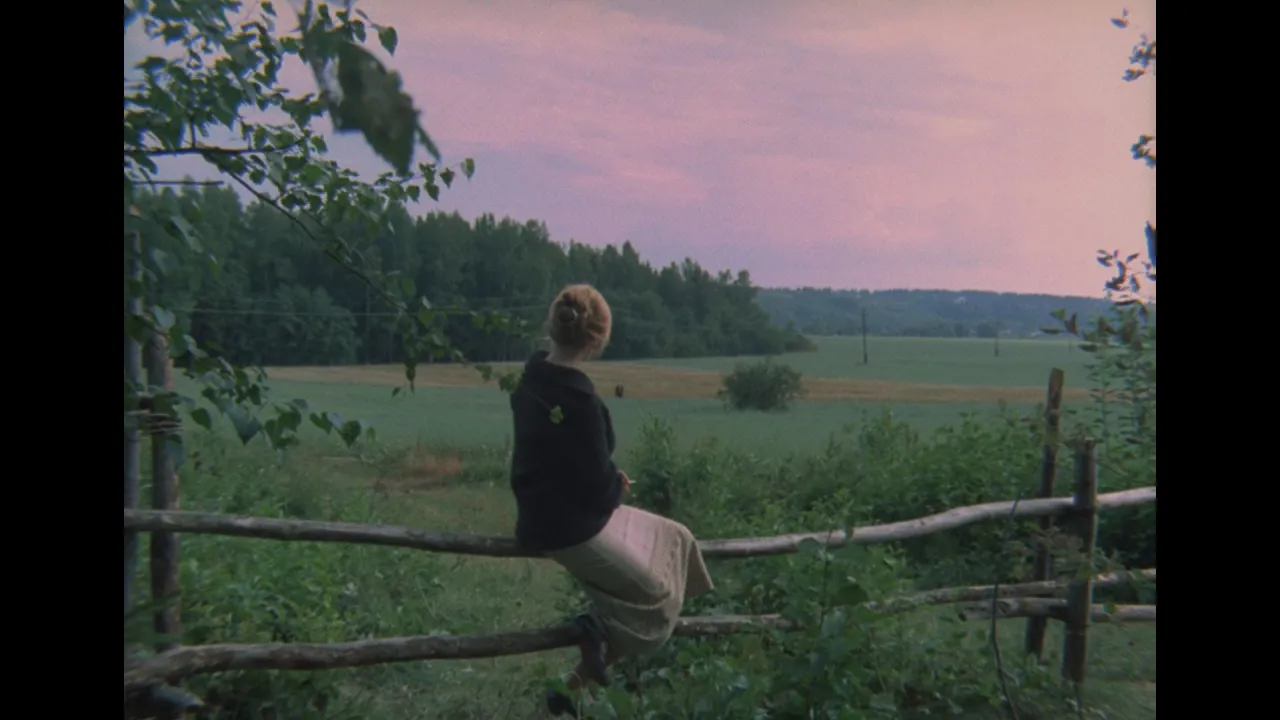
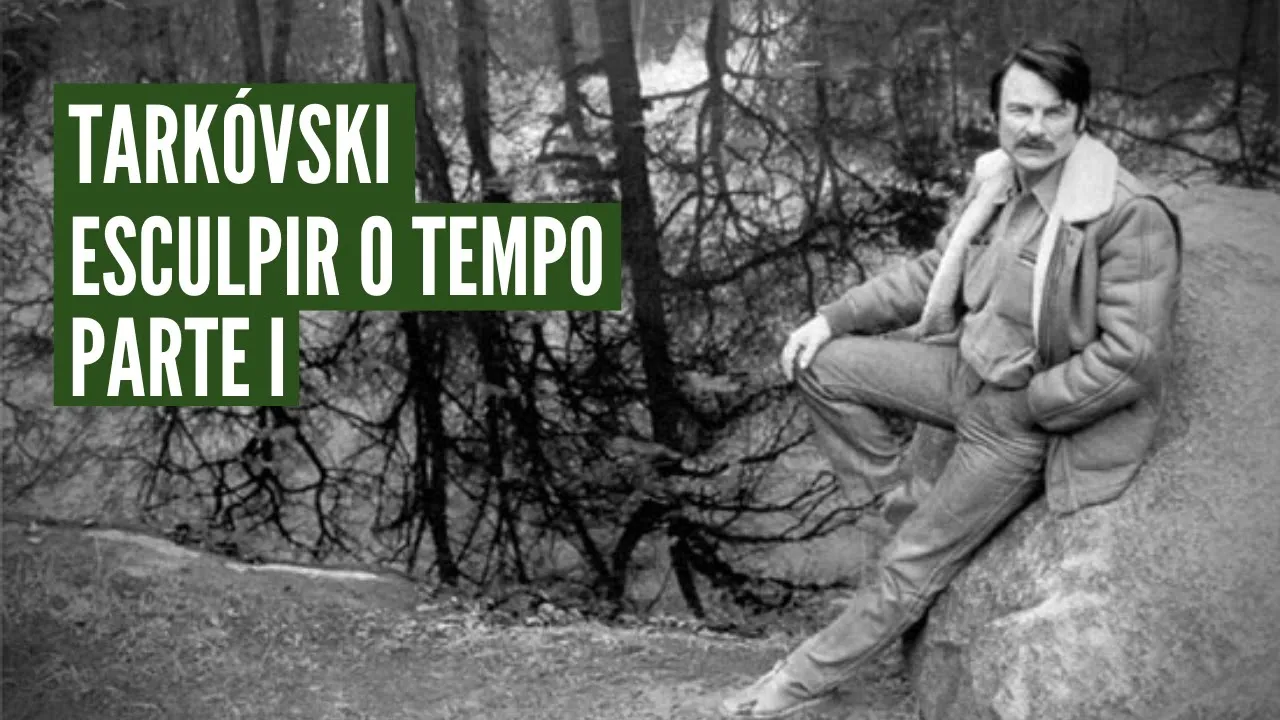

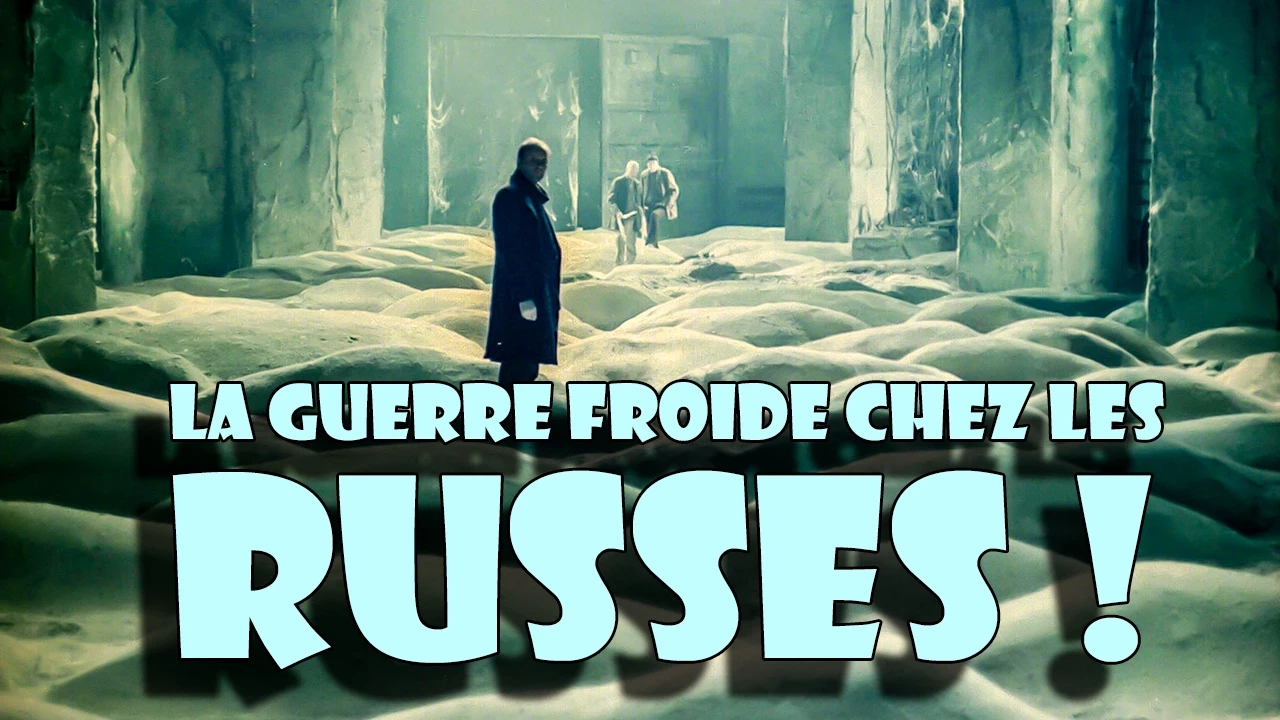


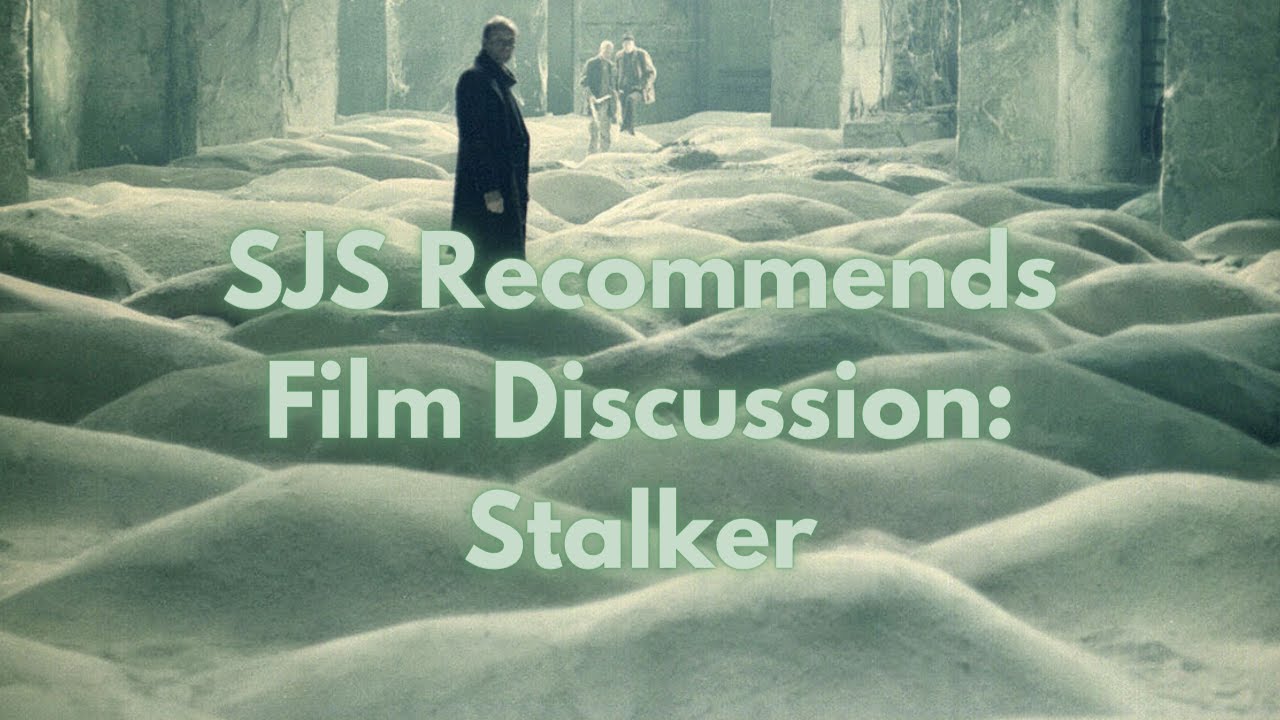











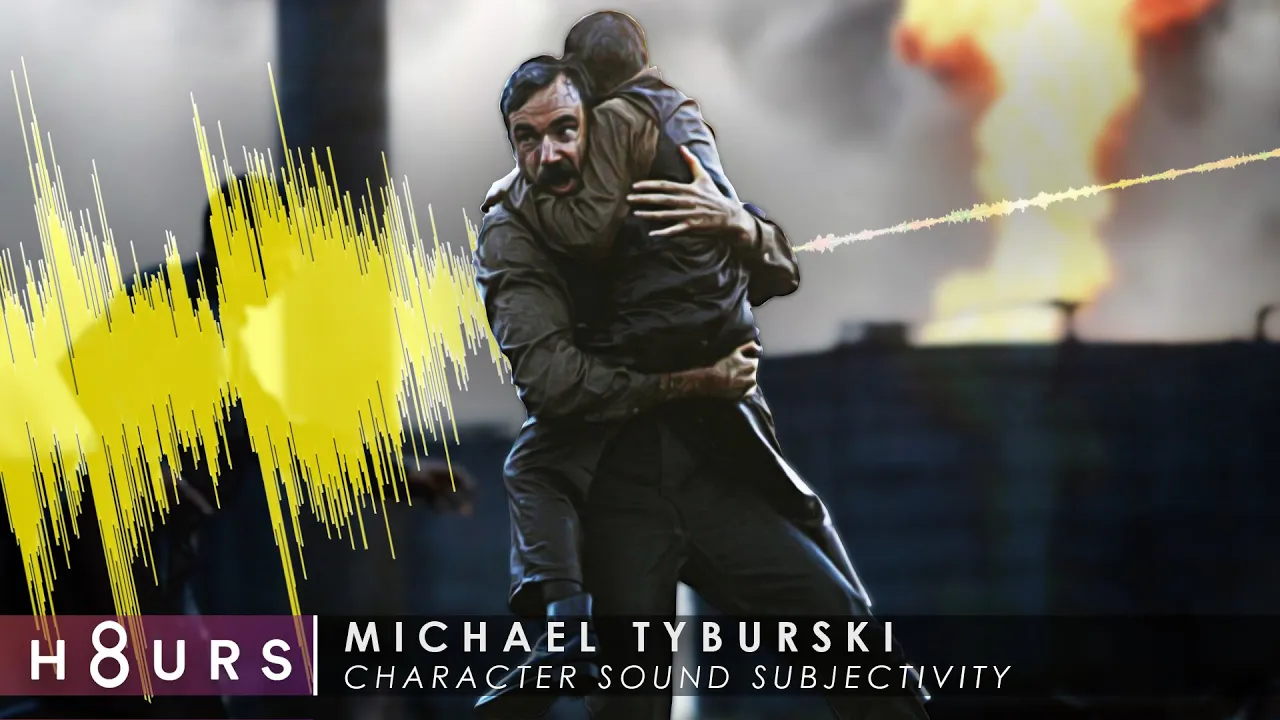



In Andrei Tarkovsky's film 'Stalker', sound design serves as an expressive tool rather than a realistic reproduction of reality, with the Zone's intense silence creating an otherworldly atmosphere that contrasts with the industrial cacophony outside, while Tarkovsky's philosophy in 'Sculpting in Time' emphasizes that sound should convey the conditional nature of reality and the characters' inner psychological states.
Tarkovsky's Stalker: Sound Design & Cinematic Space
Added:Diegetic vs. Non-diegetic Sound: Understanding the fundamental distinction between sounds that exist within the narrative world of the film and those that exist outside of it.
Tarkovsky's Cinematic Philosophy: Familiarity with Andrei Tarkovsky's concept of 'sculpting in time' and his signature style of slow cinema and long takes.
Narrative Context of 'Stalker' (1979): A basic understanding of the film's premise, particularly the journey of the Writer, Professor, and Stalker into the metaphysical space known as 'The Zone'.
Introduction to Film Audio Terminology: Basic awareness of key concepts such as Foley, ambient soundscapes, sonic texture, and acoustic environment.
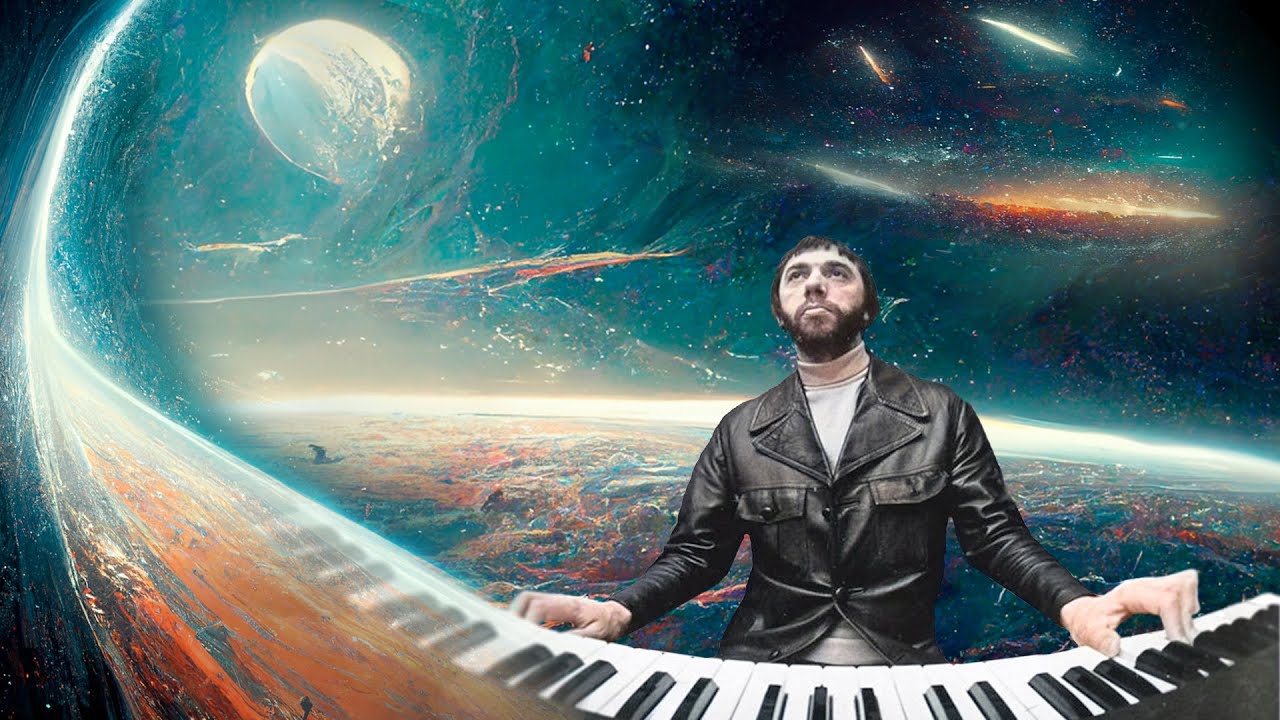
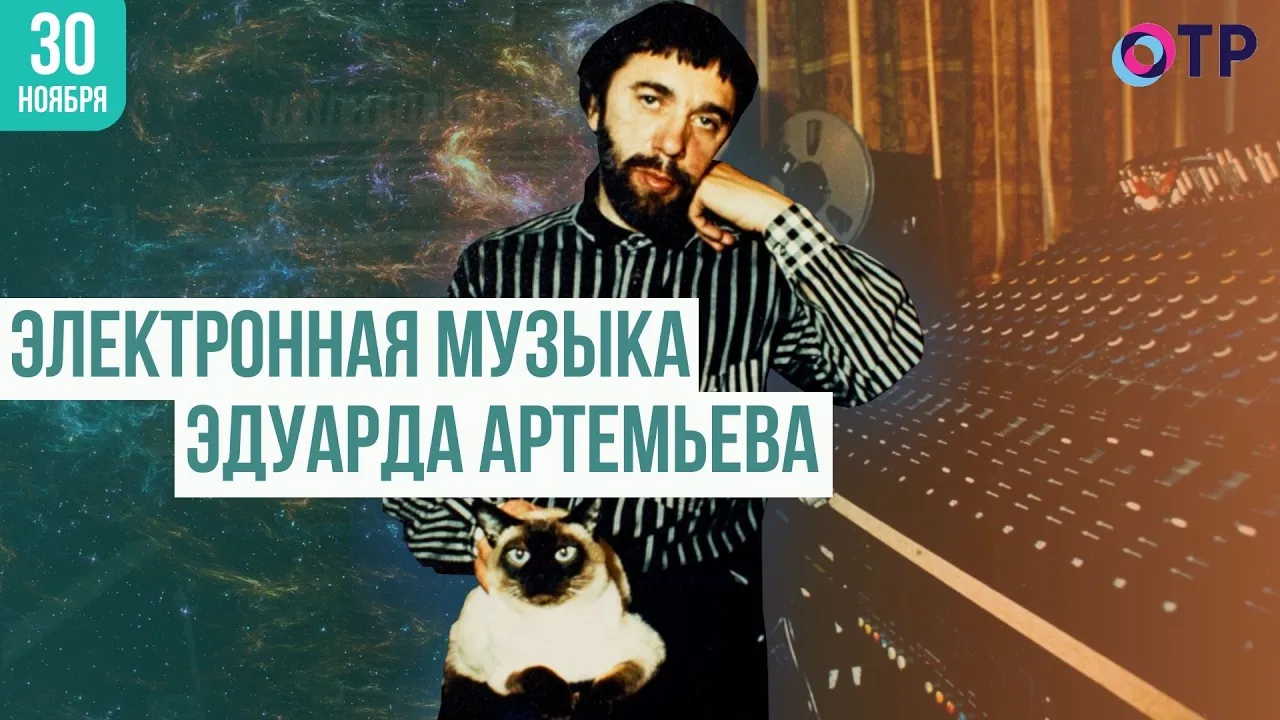
The Electronic Scores of Eduard Artemyev: Exploring the work of the pioneer Soviet composer who created the blended electronic and acoustic soundscapes for Tarkovsky's masterpieces.
Michel Chion's 'Audio-Vision' Theory: Studying advanced film sound theory, specifically concepts like 'acousmatic sound' (sound with an unseen source) and how sound renders image.
Soundscape Ecology and Psychoacoustics in Film: Analyzing how sound designers manipulate frequency, reverb, and natural noises to evoke specific psychological and emotional states in an audience.
Comparative Sound Design in Slow Cinema: Investigating how other minimalist filmmakers, such as Béla Tarr or Apichatpong Weerasethakul, use audio to construct immersive, contemplative cinematic spaces.
37.6K views1.4Klikes12:32Original Release: 2017-06-16
[Applause] [Applause] stalker is a difficult film to discuss it's obtuse poetic and complex a riddle wrapped in a mystery inside an enigma it follows three men as they journey to the zone and the serious supernatural area that is said to contain a room that will grant your innermost wish pushed a little which boost the first thing you might notice when you're watching stalker is the absence of music out of stalkers 160 minute runtime only 17 minutes of the film contain music with the first track appearing and around the 45 minute mark in fact Tarkovsky goes as far a state in his book sculpting in time but I don't believe films need music at all however stalker never feels lacking well so much budget for your what gnashing equals 1500 you work in Miami New York you know only pure scoffs and welcome positive action unity in movie composites go open e mr. stored in ears open so obviously in yet the Ottomans perform or shown zeros it happens to be not aware of the Rizk this would be a quasi April name year we have over the world Ice Age to multiple can create no snows phone shark ears like a cluster decay ship questions foolish name in a double-wide I think it's an apple a win or a little you can also make a few typos context is frenetic money undesirable doumyouji music assistive addition kanagavel Posca card with ETA - Oh delicious versatile Guinea hot a new neck exists cattle Rajeev keynoted a time cliche muzaffer Giacomo kercadiou Superdome on vegetable to attack or visit run off Tarkovsky felt that accurately recorded sound adds nothing to the image system of cinema for it still has no aesthetic content which is why he liked this scene from Ingmar Bergman's winter lives because the sound isn't accurate to reality its expressive we can't hear the rustling of clothes or dialogues spoken on the bank only the sound of the stream is audible but it doesn't matter because it forms part of the inner world that Bergman desired it forms its own reality stalkers sound design is similarly expressive outside the zone its industrial cacophonous and oppressive but at the same time it's rhythmic hypnotic almost musical however this all changes as the group begin to enter the zone listen to the way in which the sound transforms and how we're subtly pulled into both the inner world of these characters and the zone [Music] [Music] [Music] [Music] [Music] [Music] we don't need to be told or shown what the zone is we hear it first [Music] unlike the Hoss claustrophobic outer world the zone is intensely silent cook Petrucelli genius diversity yet it's just as claustrophobic we can see we are in a familiar natural environment of meadows and trees with a river in the distance but the absence of sound creates an unsettling otherworldly feel [Music] it the spirit of Goya furthermore the line between diegetic and non-diegetic sound continues to be blurred occasionally we'll hear wind blowing but see no visual reference experience two locations simultaneously [Music] or something like this will happen it's almost as if the zone takes on the role of an unreliable narrator we're never sure if what we're seeing or hearing is real and this conflict continues until the very end of the film Tarkovsky teaches us that in the zone reality is constantly in flux as such the sound design had to convey the fact that reality is conditional and at the same time accurately reproduce precise states of mind the sounds of a person's interior world like a poetic refrain images from the outer world seep into the zone a light bulb blowing out a syringe moved from a bedside table to murky waters or the sound of water over imagery of fire sound of course is also used like a refrain used this way music does more than intensify the impression of the visual image by providing a parallel illustration of the same idea it opens up the possibility of a new transfigured impression of the same material something different in kind plunging into the musical element which the refrain brings into being we return again and again to the emotions the film has given us with our experience deepened each time by new impressions the sound of a train returns to us again guiding us back to the outer world without experience in the zone has its meaning changed have the emotions and ideas associated with this sound evolved or do they simply remain the same much like the nature of the group's journey to the zone this can only be known to the individual there's an ebb and flow to stalker oscillating from life outside the zone to the zone itself and back out again there only do we swap from sepia to color and back again we return to the sounds of the outer world again we hear the whistle of a train calling us just as it called the stalker in the beginning the difference however is that we've brought a piece of the zone with us [Music] [Music] [Music] you
Up Next
98:09
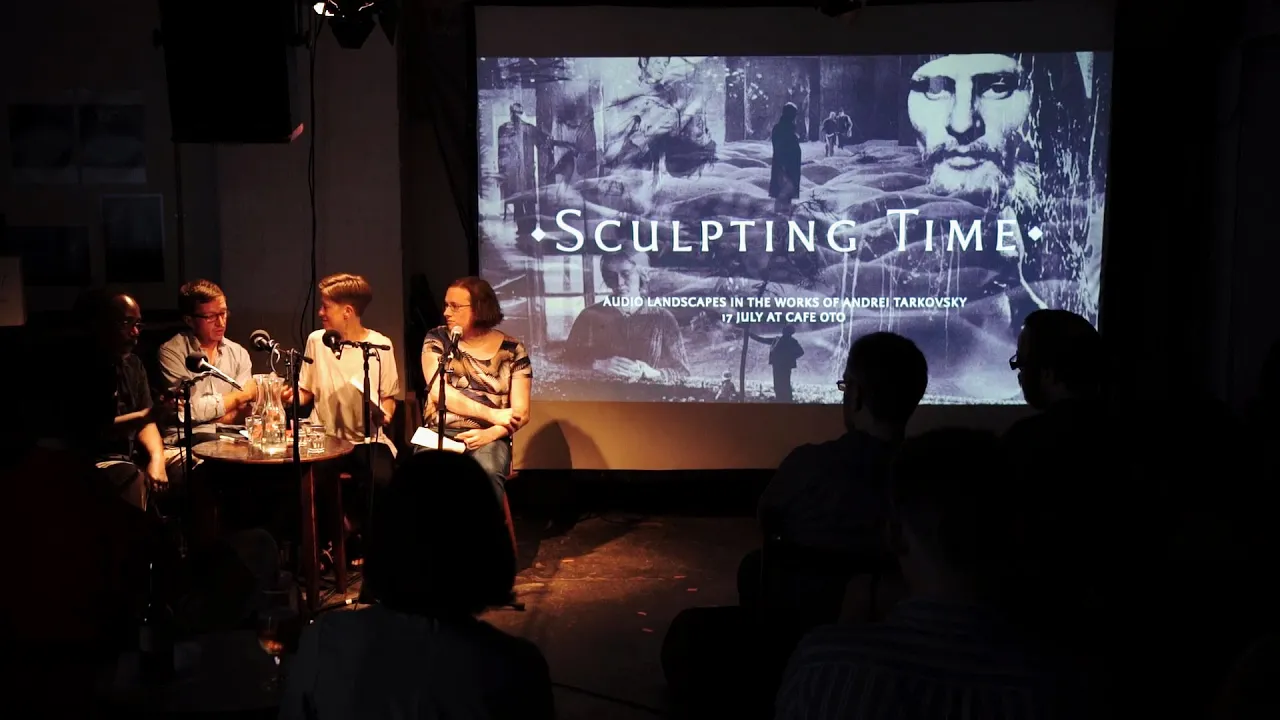
Tarkovsky's Soundscapes: Panel on Audio Landscapes in His Films
@Curzon
13.2K views•2016-08-30

12:54
Triumph of Orthodoxy Icon: Byzantine Art & History Explained
@BenCallan
2.1K views•2024-08-06

9:49
FastAPI vs Flask vs Django: Choosing the Right Python Web Framework
@TechWithTim
302.5K views•2024-05-26

1:42
Game of Thrones Opening Credits: A Cinematic Analysis
@gameofthrones
46.3M views•2011-04-18
Related Study Plans & Knowledge Roadmaps
Structured learning paths in General & Interdisciplinary Studies
general-studies
Elevator Engineering: History, Physics & Cities
01From Hoists to Safety Brakes: The Dawn of Vertical Lift
02Hydraulic vs. Traction: The Engineering Physics of Elevators
03Modern Speed, Safety, and Algorithms
+ 2 more learning modules
12h5 modules
Explore Roadmap
general-studies
Rubber: Material Science, History & Geopolitics
01Origins of Natural Rubber & Mesoamerican History
02The Chemistry of Natural Rubber & Vulcanization
03The Geopolitics of the Rubber Boom & Colonization
+ 2 more learning modules
12h5 modules
Explore Roadmap
general-studies
Containerization: Evolution, Logistics & Trade
01Ancient Trade & Bulk Cargo: Amphorae to Barrels
02The Industrial Revolution & Cardboard Packaging
03The Containerization Revolution: Malcom McLean
+ 2 more learning modules
12h5 modules
Explore Roadmap
general-studies
Textile Tech: Evolution, Labor & Global Impact
01Pre-Industrial Textiles: Handloom & Cottage Industry
02Mechanization: The Spinning Jenny to the Power Loom
03The Factory System & Global Labor Transformation
+ 2 more learning modules
10h5 modules
Explore Roadmap