









![[이동진, 김중혁의 영화당 #20] 100%의 알프레드 히치콕에 대하여 (이창, 현기증)](https://i.ytimg.com/vi_webp/2slqLyQpNtc/maxresdefault.webp)


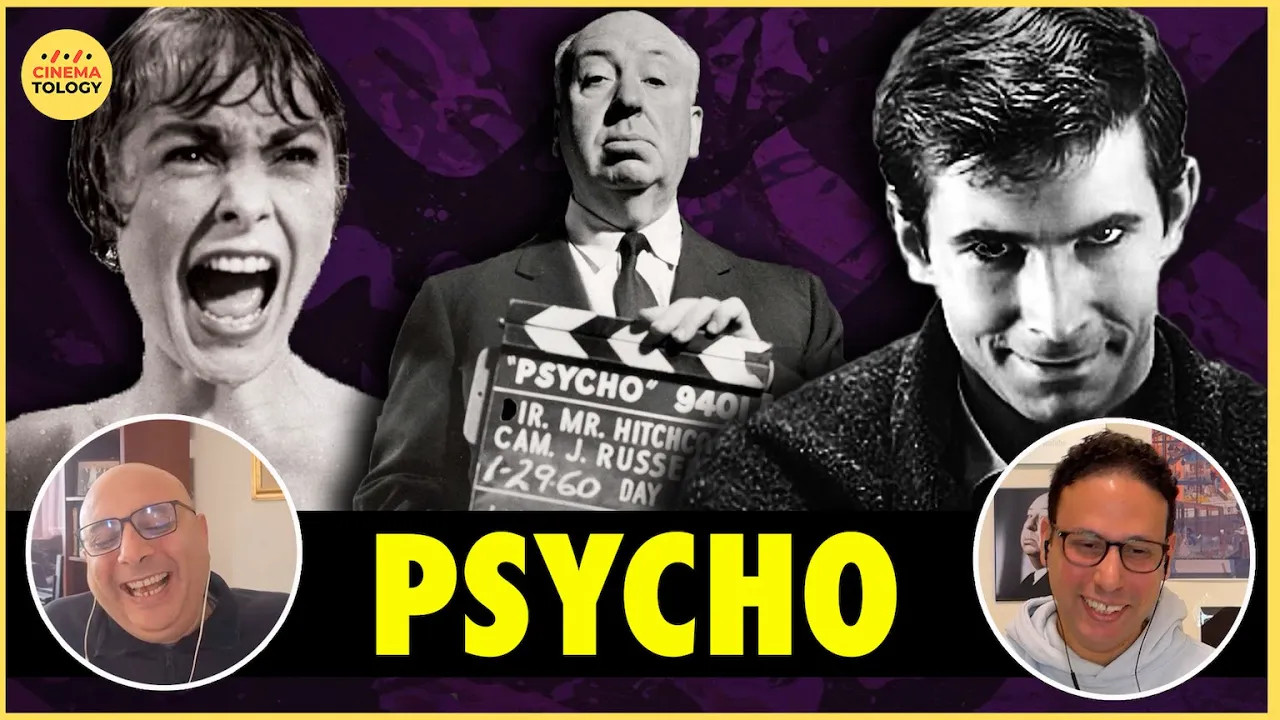



Alfred Hitchcock masterfully employed the Kuleshov Effect—a film editing principle where audiences project their own emotions onto characters based on what precedes and follows their expressions—to create suspense and explore voyeurism in his films. In 'Rear Window' (1954), Jimmy Stewart's character confined to a wheelchair spies on neighbors, representing cinema spectators watching films on screens; in 'Vertigo' (1958), voyeurism escalates to obsession as Stewart follows Kim Novak; and in 'Psycho' (1960), voyeuristic observation leads directly to violence. This trilogy demonstrates how Hitchcock manipulated viewer perception through strategic editing, making audiences feel characters' emotions even when actors showed neutral expressions, thereby exploring the psychological dangers of voyeurism across his career.
Alfred Hitchcock's Voyeurism Trilogy: Film Analysis of Rear Window, Vertigo & Psycho
Added:good afternoon and welcome to today's program my name is aaron payton and i'm the executive director of the 19th century charitable association which is located in oak park illinois our mission is strengthening our community through learning giving and the sharing of our landmark building and we're very happy to have you all here today before we get started i just want to let you know that something during the program might spark a question or comment and if that happens you can go ahead and leave it in our q a or in our chat and if there's time at the end of the program we will take those questions and we'll actually unmute you and you can ask them yourself okay without further ado let me get this party started by introducing today's presenter i am really excited to introduce him because not only is he an incredible presenter he's also a friend of mine so let me give you his bio first michael glover smith is a filmmaker author and teacher his work as writer director includes the narrative features mercury and retrograde in 2017 and rendezvous in chicago in 2018 which received rave reviews from critics including the sun times richard roper who noted smith creates characters who look and sound like people we know and roger ebert dot coms matt figureholm who called him one of the windy city's finest filmmakers i will attest to that as well in 2020 smith produced rob christopher's documentary roy's world barry gifford chicago narrated narrated by willem dafoe matt dillon and lily taylor which received its world premiere at the glasgow film festival smith received the siskel center's star filmmaker award in 2017 and made new city magazines film 50 list in 2018 and 2020 for being one of the 50 individuals who shaped chicago's film scene he is also the author of the book flickering empire from columbus university press in 2015 an acclaimed account of the silent film industry in chicago and he teaches at several chicago area colleges i will say that i met mike and his wife jill we just figured it out it was in 2011 at the chicago film festival where i worked and we have stayed in touch since then so i'm really happy to bring mike on screen right now so he can start his program all right have fun all right thank you okay uh good afternoon everyone thank you so much for having me i'm very excited to be here talking about alfred hitchcock one of my favorite filmmakers um i'm going to be talking specifically today about the theme of voyeurism um which is present in a lot of alfred hitchcock's very best films and we're going to look at clips from three movies that constitute a trilogy of voyeurism i'm talking about rear window from 1954 vertigo from 1958 and psycho from 1960. um i personally discovered hitchcock when i was a child i think i was 10 years old when i saw psycho for the first time in charlotte north carolina and i absolutely loved it and i think hitchcock is really a perfect filmmaker to introduce children to because his films are simple on a plot level and they're very entertaining they're also of course quite complex on a thematic level but uh in terms of storytelling they're easy to follow they're uh they work on your emotions and they also make you aware of what filmmaking is when i saw psycho for the first time i was really aware of the personality of the person behind the camera directing the film that was the first time i really became aware of what a director was and so as i got older my relationship to hitchcock's films changed i started to realize that there was a lot more going on in them than i had first thought his films have a lot to say about society they have a lot to say about human psychology and um they're you know incredibly uh complex on a thematic level so uh now that i am a film studies instructor i teach his films and so my relationship to them is very different than it was when i first discovered them but before i show you clips from the three films that i just mentioned um i want to show you a clip from his 1925 film the lodger which is a silent film that he made in england when he was first starting out long before he came to america this is my cat tilden by the way she's also a big hitchcock fan so she wanted to participate and if you haven't seen the lodger it's a really wonderful film and it's oftentimes referred to as the first true hitchcock film because he had actually made a couple of films before the lodger but this was the first thriller that he made and of course thrillers are what hitchcock is known for so all of the thematic concerns and all of the stylistic concerns that we associate with these great films from the 40s 50s and 60s are present in embryonic form in this early film from 1925.
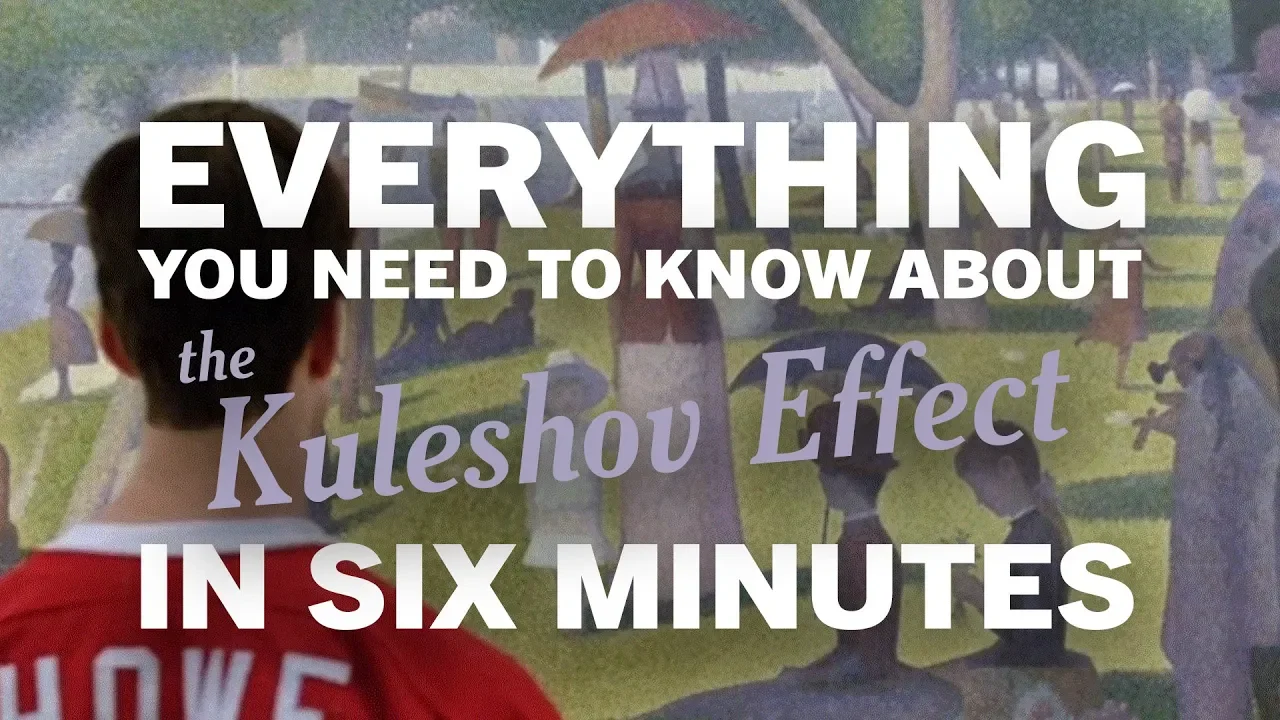
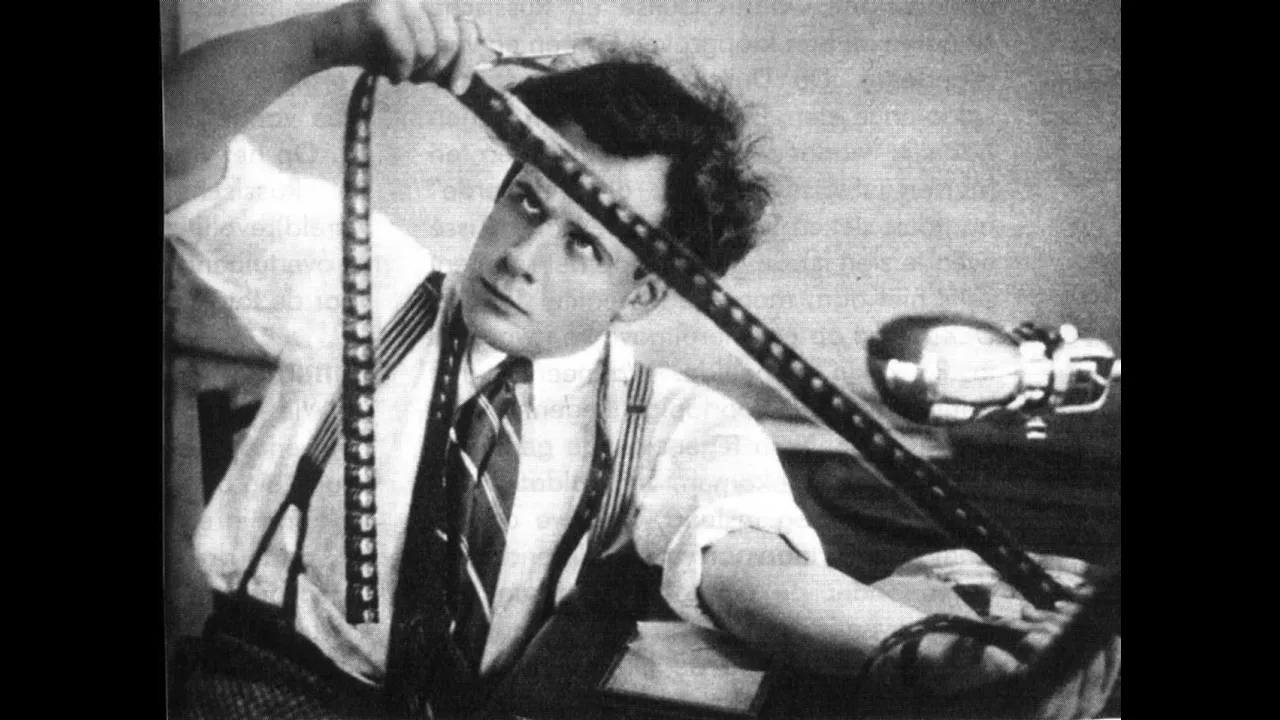
and you know i was i said a minute ago his films are enormously entertaining um i love the way he combines suspense with uh comedy and with romance he's able to blend all of those things together in a way that is really really entertaining and so um the lodger for those of you who have not seen it is uh based on um the story of jack the ripper um it's a fictionalized version of the jack the ripper story and in the film the killer is called the avenger and so the movie is uh basically about a lodger the title character played by the great ivor novello who arrives at a boarding house in london and ends up developing a romance with the daughter of the man and woman who owned the boarding house so the scene that i'm going to show you um is a scene that really does blend uh suspense comedy and romance in a way that i think is very very hitchcockian [Music] i don't know who you are but something's changed [Music] i don't know how you feel [Music] i'm feeling strange [Music] inside your tears [Music] inside your tears inside your tears [Applause] [Music] the games you love to play they make [Music] just for a while [Music] come through me like a knife is [Music] inside out [Music] inside [Music] [Music] [Music] [Music] [Music] ah [Music] [Music] [Music] [Music] do okay i hope you all could see and hear that clip as i said that was the lodger and that film actually had its world premiere 95 years ago this week i think it's a remarkably modern looking film for its time in terms of how it's shot and edited and what i love about that scene is it feels very romantic it feels very intimate uh you have the the man and the woman you know leaning over the chess board their faces are very close together he's complimenting her on her golden hair and yet at the same time you're also meant to question whether or not he's a serial killer so you know you have the great moment where he reaches for the fire poker and you are meant to uh suspect that he may use that to bash her head in and of course he doesn't he ends up stoking the fire with the poker so um that's where the humor comes in it's a very sort of dark strain of humor that runs throughout the entire film you also get that in the moment where he cuts the button off of her dress and of course also when he says i'll get you yet as he makes a chess move uh which is a line that has kind of a double meaning so is the character of the lodger is he the avenger you'll have to watch the movie uh to find out but i think if you haven't seen it it's a really wonderful introduction to the work of alfred hitchcock now i would like to talk a little bit about um hitchcock's editing which is very very important in terms of how he's able to tighten the screws and generate suspense in particular i want to talk about a style of editing that was developed in russia in the 1920s that had a big influence on hitchcock there's something called the kuleshov effect which some of you may have heard of you may have read about it even in mainstream film reviews oftentimes critics will refer to the kuleshov effect or the cooler shop experiment and the coolest shop experiment was named for an experiment by the legendary russian director lev kuleshov who um worked in the mid to late silent era and um what he did the experiment was based on a short film that he made that it consisted entirely of clips from pre-existing movies so he made a new short film by taking shots from other movies and editing them together to create a new film and what he did was um he took a shot of a famous russian actor's face a close-up and he intercut that shot with shots of various other people and objects so you would see a close-up of the russian actor's face and then he would cut to a shot of a bowl of soup then he would cut back to the russian actor's face and he would cut to a shot of a girl lying dead in a coffin then he would cut back to the russian actor's face and then he would cut to a shot of a beautiful woman lying on a bed and how the experiment worked was he would show this film to audiences and then he would give them a survey and he would ask them to identify the emotion that the actor was projecting at each moment in the film and the vast majority of the people who were the subjects of this experiment without fail they said uh when they watched the film that when the actor was looking at the bowl of soup he looked hunky when he was looking at the dead girl in the coffin he looked sad and when he was looking at the beautiful woman lying on the bed he looked like he was full of desire and so what this experiment did was it proved something about film editing which is that what we do when we watch a movie is we project our own emotions onto the characters on screen and um this was something that people had suspected but kuleshov was the first one to prove this in a scientific way by conducting an experiment and not only did the russian actors face seem neutral in between all of these shots kuleshov actually took the same shot and reprinted it over and over so audiences were literally looking at the same face yet depending on what that was intercut with they saw different things on his face so um you know that's as soon as the results of this experiment became known then filmmakers started to consciously employ this effect in trying to manipulate viewers and and alfred hitchcock you know talked about the kuleshov effect in interviews and it's something worth thinking about because i think it also proves that what we do when we watch movies we we you know oftentimes what we think of as good acting is really film editing because editing makes us feel like we know what a character is thinking or we know what they are feeling but oftentimes they're not projecting that it's the editing that gives us that impression and hitchcock knew that as well as anybody so i'm going to show you now a uh an excerpt from a filmed interview with alfred hitchcock where he actually talks about the kuleshov effect this is a really wonderful interview and a really good example of his sense of humor so enjoy uh seeing alfred hitchcock talk about the coolest up effect now the third way is what one might call pure cinematics the assembly of of film and how it can be changed to create a different idea now we have a close-up let me show what he sees let's assume he saw a woman holding a baby in her arms now we cut back to his reaction to what he sees and he smiles now what is he as a character he's a kindly man he's sympathetic now let's take the middle piece of film away the woman with the child but leave his two pieces of film as they were now we'll put in a piece of film of a girl in a bikini he looks girl in a bikini he smiles what is he now the dirty old man he's no longer the benign gentleman who loves babies that's what film can do for you or you for it as it were okay so uh that's the kuleshov effect right there um you know person looking thing scene a man smiling at a baby looks very different than a man smiling at a woman in a bikini even if it's the same smile so hitchcock was very aware of the kuleshov effect and he was also very aware of the kuleshov effect as it pertains to voyeurism in particular so before i talk about the voyeuristic trilogy of rear window vertigo and psycho i actually want to show you a film from the year 1900 this is a british film called as seen through a telescope and it's about one minute long and this is a very good illustration of how voyeurism has always been a very popular theme in movies and a popular theme in thrillers in particular now for those of you who don't know voyeurism is defined as the act of spying on someone but it's implied that the voyeur the person doing the spying receives some form of you know sexual gratification from the act and i think part of the reason why uh voyeurism is such an appropriate theme for movies specifically as opposed to other art forms like literature or music is because our site is our is the primary sense that we use um to experience cinema you know we watch movies um we hear them too but primarily um it's our eyes that we're using so um you know anytime there's a movie about someone who's looking and we are looking at the person looking it automatically becomes a kind of multi-layered experience now before long before hitchcock started making movies other filmmakers realized this and so the uh film that i'm going to show you as seen through a telescope is a really good early example of an exploration of the theme of voyeurism this is also a film that involves a dirty old man enjoy george albert smith's as seen through a [Music] telescope [Music] okay um wonderful uh little 60-second film there also three shots long whenever i show that movie in class um students always uh really laugh uh at the end of the film when the dirty old man is knocked off of his perch by the uh the younger man who is either the fiance or the husband of the woman whose shoe is being tied and by the way you know for the year 1900 this would have looked almost pornographic uh getting a glimpse of that woman's shapely ankle as she you know hikes her skirt up um and so uh what i always tell my students is the reason why we laugh at the end of this film is because we feel like this dirty old man is being punished uh because we know he did something that he was not supposed to do but why this film illustrates the appeal of voyeurism is that we as viewers we get to experience the same thing that this character does but we get to experience it guilt-free we don't have to suffer the same consequences that he does but we do literally see what he sees we uh the the film consists of three shots the first and the third shot are objective third-person shots but that second shot where he's looking through the telescope we are literally seeing exactly what he's seeing through the telescope but um you know we get to enjoy it vicariously but we don't have to pay the price that he pays and so this is how voyeurism works in movies in general and this is something that you're gonna see over the next three uh clips that i'm gonna show you from alfred hitchcock's films now rear window the first movie i'm gonna show you a clip from from 1954 is one of hitchcock's very best films for those of you who haven't seen it it stars jimmy stuart he plays a photojournalist who is housebound because he broke his femur in an accident so he's in a wheelchair and he can't leave his greenwich village apartment so he's very bored and in order to pass the time he starts to spy on his neighbors through the rear window of his apartment building and um you know perhaps it's his overactive imagination but he starts to believe that one of his neighbors may have committed murder may have killed his wife the scene that i'm going to show you is from relatively late in the film i'm not going to be giving any spoilers over the next three film clips but this is relatively late in the film and the scene that i'm going to show you involves jimmy stewart's girlfriend played by the great grace kelly um actually infiltrating the apartment of the man that they suspect has committed murder she's looking for evidence that they can turn over to the police and this is a very very famous scene when you watch it i want you to pay attention not only to um how voyeurism is treated in the scene but i also want you to think about this movie as being a metaphor for the process of watching movies it's been commented on by numerous critics and historians over the years that jimmy stewart's character being confined to a wheelchair is very much in the position of a cinema spectator and that when he looks out his window and he looks at the windows of his neighbors across the way each one of those windows to his neighbor's apartment is analogous to a film screen so it's almost as if you know he is uh there's a different movie playing in each apartment um that he looks at and of course the most exciting movie is the thriller um the one where he believes a murder has occurred so without further ado enjoy one of the most exciting scenes in rear [Music] window lisa what are you doing [Music] what are you doing [Music] [Music] me [Music] come on come on get out of there [Music] she said bring star wars phone the second you see him come back right now now give it another minute [Music] all right fellas from the beginning miss lonely hearts oh call the police give me the police sex precinct mr jeffries the music stopped lisa please [Music] hello look a man is assaulting a woman at 125 west 9th street second floor the rear chelsea 2558 [Music] [Music] [Music] [Music] oh [Music] please here we come [Music] what's she trying to do why don't you turn them in she's a smart girl smart girl she'll get herself arrested get her out of there look the wedding ring so that's a little bit of rear window absolutely masterful piece of filmmaking and again a good illustration of the kuleshov effect hitchcock is cutting back and forth between jimmy stewart and thelma ritter looking and then he's cutting to what they are looking at and um it's a masterful piece of filmmaking the moment that i love the most in that sequence is uh towards the very end when raymond burr's character notices that grace kelly is signaling the wedding ring to jimmy stewart and he looks from the wedding ring to jimmy stewart he's not only looking at jimmy stewart he's also looking into the film camera and he's looking at you the viewer whenever i show this movie in class uh during that moment when raymond burr looks at the camera students will gasp people who've never seen this movie before 18 19 year old 20 year old students they will frequently um exclaim obscenities at this moment because they're so uh nervous and that's the power of alfred hitchcock that is the power of alfred hitchcock um i think um you know rear window is also interesting in that the tone of the film is very sort of light-hearted there's a lot of humor in rear window it's a very light fun movie but as he continued to explore voyeurism in his career his films got darker they got more dramatic and eventually they became more disturbing as well and the consequences of the voyeurism of the characters became more serious with his subsequent films so a good example of that is vertigo from 1958 now a lot of critics consider vertigo to be hitchcock's finest film that wasn't the case when it came out it actually received fairly mixed to poor reviews but in the decades since a lot of people think it's his greatest achievement again it stars uh jimmy stewart and for those of you who have not yet seen it i'm not gonna spoil anything but i will tell you the basic premise which is that jimmy stewart's character is a retired police officer who is hired by an old college friend of his to spy on the friend's wife to act in the capacity uh as a private investigator um now the friend's wife doesn't uh the friend does not suspect his wife of cheating on him he actually wants jimmy stewart to follow her because he suspects that she has become possessed by the spirit of her dead grandmother so in the early sections of vertigo there are a lot of wonderful scenes of jimmy stewart following kim novak from a discreet distance she doesn't know that she's being followed he's tailing her all over san francisco watching her from a distance and we of course uh watch him as he watches her the scene i'm going to show you right now is a wonderful piece of silent filmmaking that lasts several minutes with no dialogue and yet it's absolutely gripping to watch enjoy this excerpt from vertigo [Music] [Music] too [Music] wow [Music] hmm [Music] [Music] [Music] oh [Music] uh okay so uh again a very intense uh piece of filmmaking um what i love about that sequence aside from the spectacular use of real locations in san francisco including golden gate bridge um the use of color uh the editing um i love the final shot of jimmy stewart and kim novak keep in mind he's been following her from a distance so this is the closest he's ever been to her and you can hear he's breathing heavily i don't think he's only breathing heavily because he had to carry her up those stairs i think it's because being that close to her is is an intense experience for him the way he whispers her name madeleine madeline if you watch this movie the very next thing that happens she's just tried to commit suicide she's unconscious after jumping into the bay what does he do does he take her back to his friend's house keep in mind this is his friend's wife no does he take her to a hospital no he takes her back to his own house takes off her clothes because they're wet and puts her naked into his own bed it is so wrong it is so perverse um and yet i think the point of this film it's the the real subject of the film is obsession and the film is about how voyeurism leads to obsession and without giving anything away i think it's ultimately a cautionary tale about how uh the dangers of projecting onto others the dangers of you know falling in love with someone that you don't yet know um so again the the consequences of the voyeurism uh are much more serious for jimmy stewart this time than they were last time and they will become even more serious in psycho from by the way as a side note if any of you guys are familiar with the song bad romance by lady gaga you'll know that she name checks all three of these films that i'm showing clips from she sings i want your psycho your vertigo shtick wants you in my rear window baby it's sick so lady gaga proved her cinephile cred i think by not just naming three random hitchcock films but naming three films that constitute a trilogy of voyeurism so uh without further ado i'm going to show you a clip from psycho which is all about a woman who steals forty thousand dollars from her employer and runs away runs away from home from her hometown and checks into a motel in the middle of nowhere again this is silent filmmaking the scene i'm going to show you is about four minutes long and you will hear no dialogue during this sequence yet it's an absolutely gripping piece of filmmaking [Music] [Music] [Music] [Music] [Music] so [Music] so [Music] [Music] [Music] so foreign okay i think that's a good stopping point we're almost out of time uh if you haven't seen the movie watch the rest of it to find out what happens um i will say that uh what i love about that sequence in relation to the voyeurism theme is the sense that this uh shower murder that occurs is somehow connected to the scene of norman bates the motel manager spying on her it's almost as if janet lee's character you know has to be punished because of the way that she excites him and hitchcock was raised catholic so guilt is a very prominent theme uh in a lot of his films and a lot of critics have drawn that connection between the theme of guilds and the the transference of guilt from one character to another uh they've traced that sort of back to his uh catholic upbringing and also the the notion that you know there's no real difference between thinking about doing something and actually doing it that's a concept that is definitely explored in a lot of his films including psycho and uh yeah psycho is absolutely one of his darkest films but like i said he had two modes of filmmaking he had his dark and disturbing uh thrillers like psycho like vertigo like frenzy and then he had his more lighthearted comedic thrillers like rear window like north by northwest like family plot and so on and so even though hitchcock only worked in one genre there's still a tremendous amount of variety in the movies that he produced a lot of different moods a lot of different uh feelings are explored in his work and i think as a filmmaker he has one of the most satisfying filmographies to study if you're a movie lover so this wraps up my lecture portion of today's presentation but my one hope is that you all after today will binge watch more hitchcock if you haven't seen any of the films that i showed you clips from today please i would recommend starting with those and if you have seen those move beyond you know the classics and seek out some of his lesser films many of which are just as wonderful as the ones i just showed you so uh we have a few minutes um during which time i think i can answer some questions so aaron can we go ahead and open up questions to the floor yeah uh firstly though um thank you very much it was wonderful and um a little fun fact about me for those of you who either know me or have been watching me week on week is um i went to school at the university of illinois in champaign and i was a film minor and there was a movie back when there was a movie rental places there was one right across the street from the quad called that's rentertainment and um you know this was during vhs times and there was a section of just hitchcock movies and it was someone had ranked them from one to like 37 i think they had and i watched i think i got to like 32 so i watched them all which i'd already known who he was and then i fell in love with him and i was telling mike that i wish i had taken a picture of my bathroom because i have many framed hitchcock pictures in my bathroom along with a charade um with audrey hepburn i know he's not it's not hitchcock but it's genre um so i'm so glad we're doing this um a couple people asked the same question so i'm just going to ask it for you um why did that person compliment that silent film with the modern music yeah so that uh clip from the lodger that i showed is from a 2012 restoration that was carried out by the british film institute and that was the score that they commissioned they got a young british composer to do a modern score um there's a debate among film fans over whether silent films should have modern scores or whether they should have old-timey sounding scores um if you you know the truth is silent films were never truly silent there was always music played so if you saw a film in the 1920s you were gonna hear music but it was never the same because the the music wasn't married to the film print so it was up to each individual theater owner to decide you know where is there going to be a piano player will there be someone playing records or if you were in a big city like chicago there would be a full orchestra you know in front of the screen playing an orchestral score so um i personally as a film scholar i i kind of like modern scores it i i don't think that's blasphemy but uh if you know most most of these restorations will give you multiple options so if you are a purist and you want to hear something that sounds like what audiences would have heard in 1925 you will have that option well that's cool uh marianne p i'm gonna let you ask your second question directly to mike do you wanna hi hi so um i think i missed something at the beginning when you talked about using hitch um introducing young people really young people to hitch and i wanted to know what you would recommend as a first film for kids that's a good question um you know i i i think it's it's this is completely subjective i mean aaron you're a parent i don't know what you would feel comfortable showing your daughter uh but as i said i saw psycho when i was 10 and i loved it aaron's saying too much absolutely not and i would probably do um like the man who knew too much or um to catch a thief or um north by northwest is really yeah yeah i would do i would yeah i would probably do more of the as mike was saying more of the comedic-ish ones but um because like even like rope is is more of a thriller it's not gruesome that one i think my kids would be like um you know whereas anything with um that's more vibrant or like has a lot of he does so many good um exterior like outside shots of like you know and i think those would keep attention of a small child um okay we've got more questions we have got more questions um gill this is a good question hi there michael that was great enjoyed it i had been toying with the idea of watching all of hitchcock and uh sounds like aaron had a chance back in college but uh i've seen different ones over time i'm wondering if i were to start again and want to go through his whole collection would you recommend doing them in chronological order or some other order and secondly are they all available on youtube or where do you recommend oh that's a good those are a couple of good questions uh first of all i would not recommend going in chronological order there are a lot of films um and you know while i think he has a really high batting average you know he he made films over a span of 50 years um you know some of them are you know better than others and i think uh i i would recommend doing the greatest hits first so i don't think there's anything wrong with hopscotching around his career um there are plenty of lists online you know where his films are ranked and i think starting with the best ones um will probably give you a better appreciation for the ones that are less highly regarded when you eventually do get around to them you'll you'll probably be a little more sympathetic if you start in the 20s and go into the 30s you'll probably i i think you'll be more inclined to judge those films more harshly and also there's there's a couple that he remade himself so would you recommend seeing the the original of that first and then to see the remake um for now so i don't think it matters i don't think it matters but there is an interesting debate that goes on to this day whether the original version of the man who knew too much is better than the remake and i'm team original i'm oh i'm team og man man i can never not pick jimmy stewart i'm sorry yeah there's no no world where i'm not gonna pick him um okay susie susie's got a good question you want to mute yourself and also can we say susie for your question your cat has been the biggest voyeur this entire um well my question or comment was that the first of the rear window was in black and white and i think it had a lot to me it was more impactful um can you hear me yes yeah and it was kind of like a negative of the film you know how you develop film with the negativity and um i felt that the the color brought everybody more alive in their beauty and everything rather than focusing on maybe the story and what was going on um that's just my observation i have to ask did you by chance watch it on a black and white television the first time because rear window originally was shot in technicolor well well for some reason i thought i watched it on the live screen in black and white huh that's how old i am i thought it was originally in black and white no it's definitely in color oh it is okay so but it wasn't black and white at one point right no oh never no nation it's i think they should do it in black and white okay there you go there you go i love it and i love it in color because of um jimmy's blue pajamas i had a broken leg one year another fun fact and i went as jimmy stewart in rear window and i got his pajamas and i slipped my hair back and uh dyed it um so aaron likes jimmy's blue pajamas and i like grace kelly's red lips and blonde hair yeah can you tell the thing for jimmy stewart actually my thing for cara grant is more than my thing for jimmy stewart i have both of them also in my bathroom okay um bonnie we're running out of time bonnie um you want to ask your question sure uh hi mike um yeah i had a question um so how would a director hitchcock or otherwise use this kuleshov effect um knowing that it exists i mean i've heard about it before i i actually saw it as a in stills where they would supposedly show a still from a movie and it was would be a guy with a bland expression and then like the woman in the bed and then another guy with a bland expression and you know somebody getting killed and people would say oh you know he's excited or oh he's horrified but um so how would you use that as a director i mean you wouldn't just say okay jimmy stewart uh you're just gonna have one expression here throughout we'll just cut cut it 50 times and the audience will think you have 50 different emotions i mean wouldn't you want right hey let's save a lot of film right well you know we'll save a lot of money i mean so you would still want the actor to try to express what the right so how how could you you know um build on thank you right and i i don't don't get me wrong uh i'm not i i don't i want to give credit where credit is due you know actors deserve credit and jimmy stewart was a phenomenal actor but um you know he i think the difference between film acting and theater acting is film a movie camera is like it's like a microscope you know it sees everything and um actors who have theatrical training you know they tend to be bigger than is necessary uh in in movies so somebody like um you know hitchcock if he was working with theatrically trained actors he he wouldn't tell them to not show emotion but he did you know try to get them to be subtle and natural and to not show any more than what would be necessary in order to try and you know get the get the point across he was also very technically precise too he would tell his actors you know he would say look down now look up you know he would tell them exactly where to look and you know how to move um which some actors don't like everything was very choreographed uh i think you need to hire bonnie for your next film she'll keep you on budget exactly um okay i'm gonna um because we're running out of time i'm gonna ask a couple questions that i'm seeing here two people um really wish you had used the birds in this program yeah was was there would you say that that would have been that's that's not they weren't really the birds wasn't really um the same type of film you're discussing though no it's a different type of movie it's more of a it's really more of a horror film and less of a thriller but i love the birds i think it's a masterpiece but you're right aaron it doesn't it didn't really fit in with the voyeurism thing the great thing about hitchcock though is there are a million you know um ways into his work you know i could i could do this same lecture next week and we could look at you know three or four different films and uh discuss a completely different you know aspect of his of his uh filmmaking well it's funny that you say that because rick greenman says that greenman says you should schedule michael for another hitchcock program so they are already clamoring to have you back um which i thought that was awesome um um joyce porter says hitchcock's daughter was so good in psycho why didn't she do any she didn't really do much more acting did she uh patricia hitchcock yeah patricia hitchcock is great in psycho um you know i think she she was you know a very ordinary looking woman and i think maybe um i i don't think she would have had the kind of leading lady opportunities that someone like janet lee or you know grace kelly uh would have had and i'm not sure how much she wanted to pursue a career as an actress but i agree with you she's she's fantastic um especially in psycho and she was not blonde correct she was not blocked so her dad would probably not cast her in too many more things is he um someone asked about that he was notoriously um he liked casting blondes he had a thing for blondes yes it's his muse i think um okay so i think we are um oh last question marianne resnick wants to know um like if and and just like gil was wondering if we are gonna like all of a sudden get into the um into the groove of hitchcock um where can we can we rent his films can we buy his films are we having to go to amazon is there a better place well i am old school you know i like physical media so um i like to collect blu-rays and that's really the best quality if you really care about um you know seeing films in the best possible quality there's a there's a great box set that's been put out um i think it's called the alfred hitchcock masterpiece collection where i think there's 13 or 14 of his best movies that come in a blu-ray box set and they're all you know they've all been digitally restored um and including collections uh criterion has quite a few criterion has quite a few um and i love the criterion collection actually criterion put out the lodger oh that's nice so guys you know how you're always telling your kids that they when they ask you what you want for your birthday or for holiday you're like i don't want anything ask for this and then they're gonna feel good and then you're gonna feel great because you get to enjoy it all um okay well we i just can't do any more questions this is here's another person saying bring michael back um people are just enamored with you mike um as much as you know i've enjoyed you for the last 10 years um please you guys give one more plug mic for your films um i got to see one of them at the cisco um one magical weekend um i didn't get to see the other one in an actual theater but i'm hoping that um once theaters really reopen you guys are going to be able to check his stuff out either in theaters or how can they find your films so my two most recent films uh are both streaming on amazon prime mercury in retrograde from 2017 definitely it's not it's not a thriller but it does show a hitchcock influence i'm always thinking about him you know when i make a film so mercury in retrograde um is is a film i'm very proud of it stars a great french actress named roxanne mosquito and then the follow-up to that rendezvous in chicago is also on amazon prime so you can check out my work there and you know shoot me an email afterwards and let me know what you thought and again if you loved his class this that class this presentation he does teach um at several local um colleges so i think some of them anybody can take the class am i correct or do you have to be ready anyone anyone can enroll i teach at oakland community college i teach at harper college and i teach at the college of lake county you have so many chances to continue having michael glover smith in your life so um mike we're so grateful um everyone who came on who is not a member thank you so much if you want to continue to enjoy our monday programs you can find the schedule at www.19thcentury.org if you want to make a donation so we can continue putting on amazing programs like this right on our home page there is a donate here button at www and again there's more information about our gala right at your right www.19thcentury.org well for everybody from the 19th century this is erin if you are not a member we are going to say goodbye to you if you are a member please hang out and like thank you so much you are wonderful thank you so much for having me okay see ya okay you
Up Next

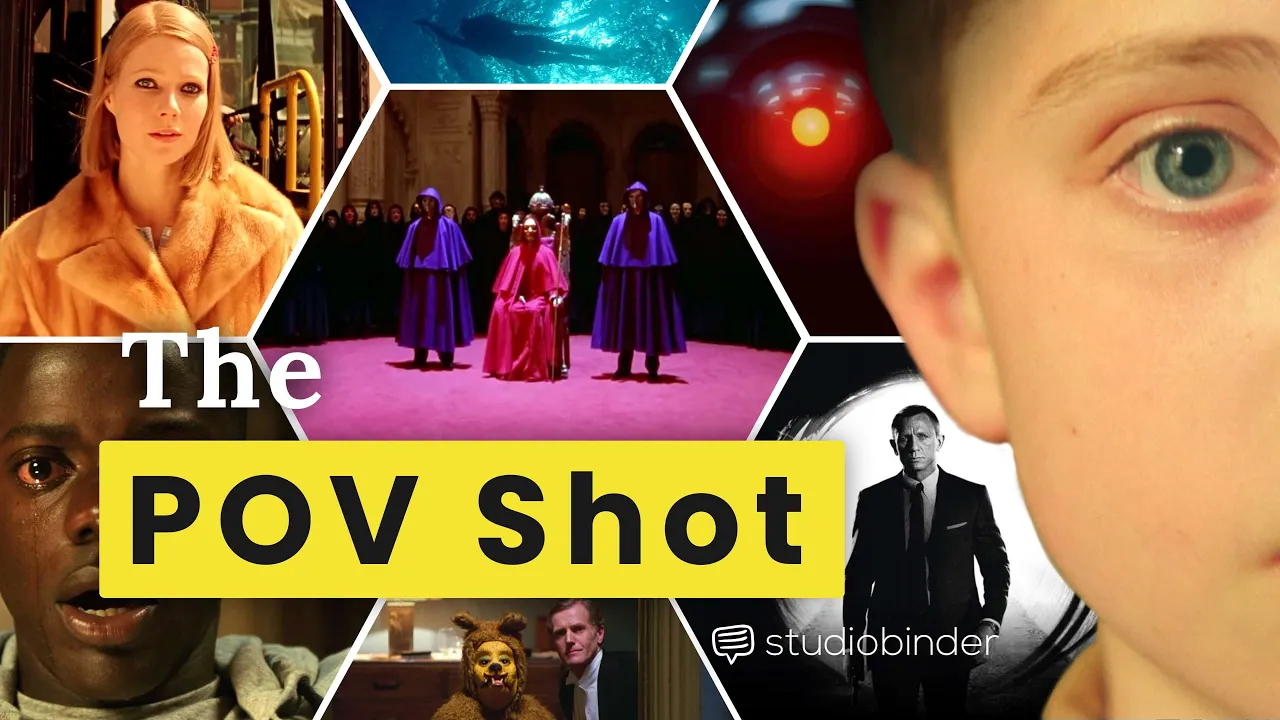
Cinematic Perspective: Subjective vs Objective in Film
@ThomasFlight
297.2K views•2023-12-19

Visual Analysis Essay: How to Analyze Graphic Novels in College Writing
@nataliepleimann5941
1K views•2020-10-14
Film Blocking Techniques for Directors: Space, Shapes, Lines
@StudioBinder
1.9M views•2018-07-23

Evolution of Darth Vader: Anakin Skywalker's Animated Journey Across Star Wars Films
@TellItAnimated
13.4M views•2019-03-30
Related Study Plans & Knowledge Roadmaps
Structured learning paths in Film Analysis