









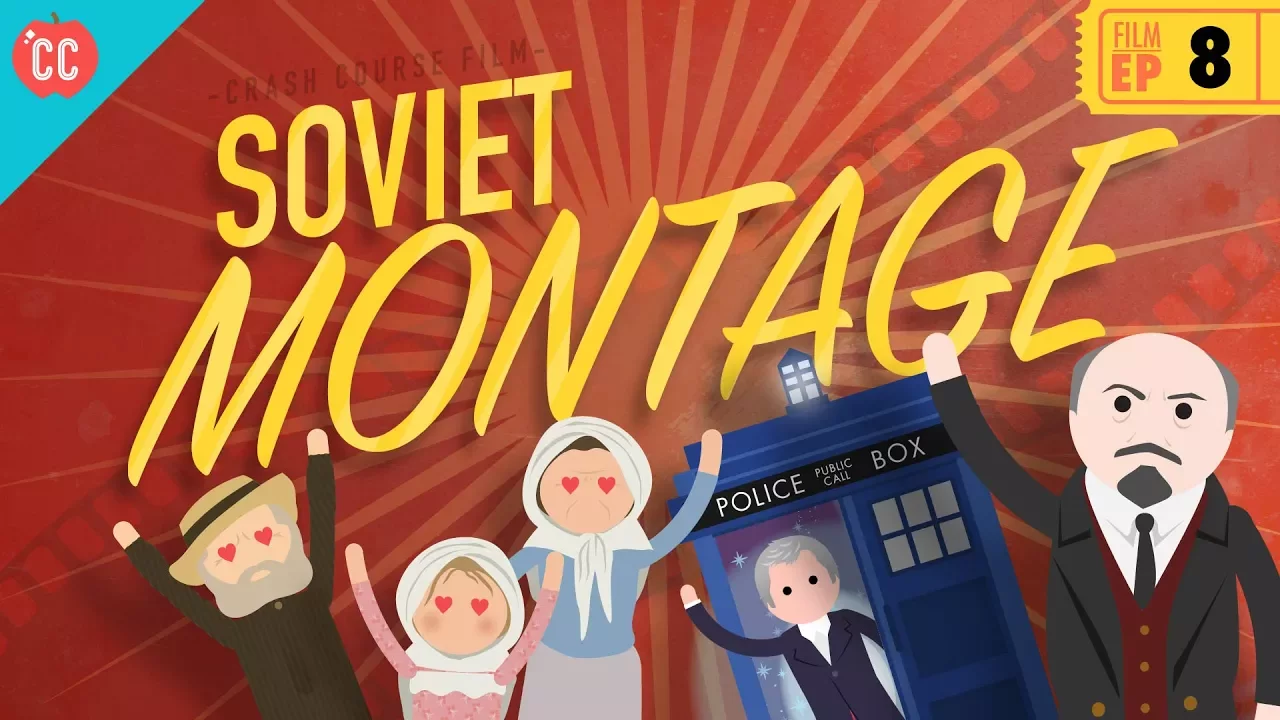


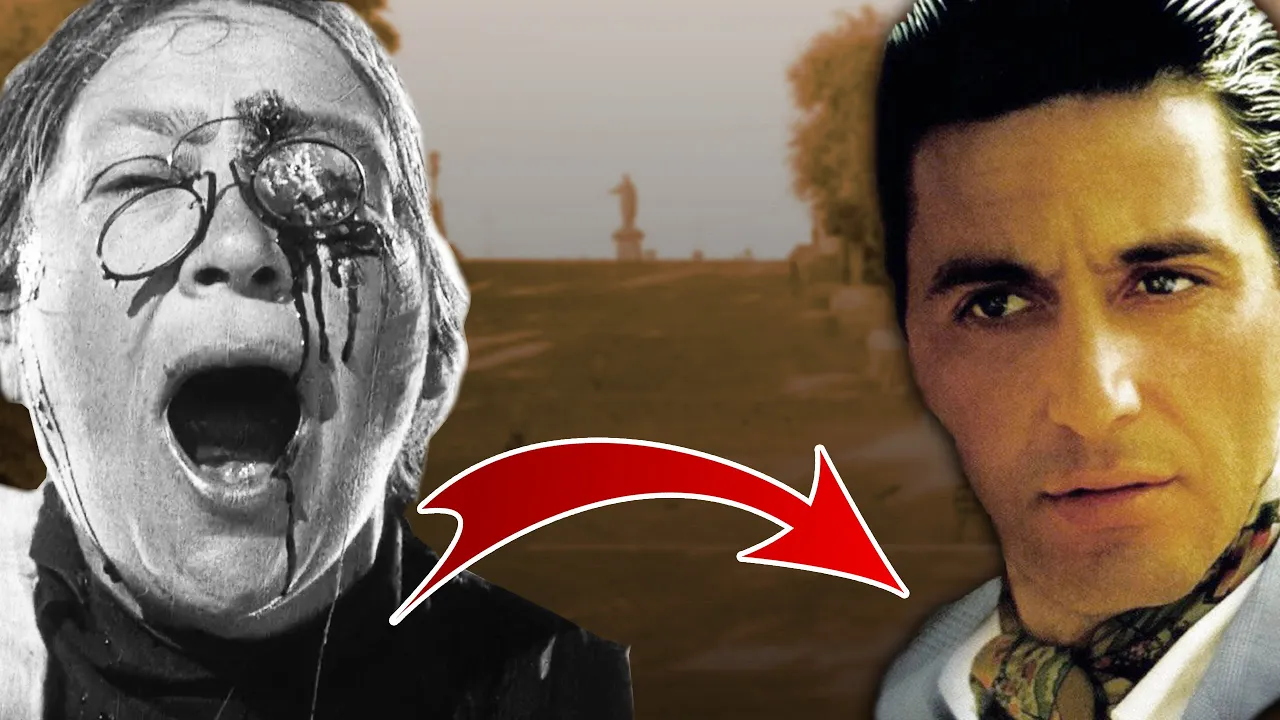
Soviet Montage Theory, developed by filmmakers Lev Kuleshov and Sergei Eisenstein at the Moscow Film School after the 1917 Russian Revolution, proposes that meaning in cinema is created not through individual shots but through the strategic juxtaposition and organization of film elements; Kuleshov demonstrated this through his famous 'Kuleshov Effect' experiments showing how the same actor's face could convey different emotions depending on what followed it in the edit, while Eisenstein extended this idea by arguing that montage allows filmmakers to break down and reconstruct material to create entirely new conceptual meanings, treating cinema as a language where two concrete images combined produce a third, higher-order meaning.
Soviet Montage Theory: Eisenstein, Kuleshov & Constructivism
Added:The fundamentals of classical Hollywood continuity editing (the invisible style) to serve as a contrast to Soviet techniques.
A basic historical overview of the Russian Revolution (1917) and the early Soviet state's use of media for education and propaganda.
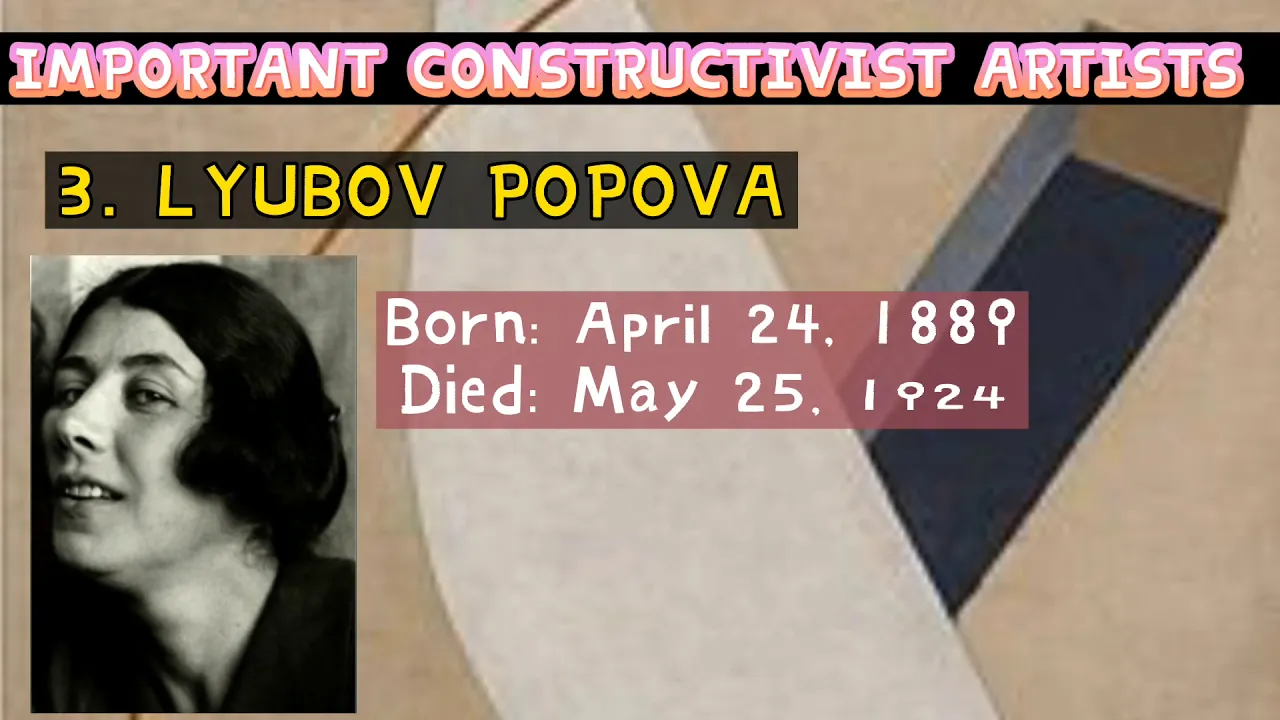
The core principles of Constructivism, an artistic movement that valued functional art, geometric abstraction, and industrial design.
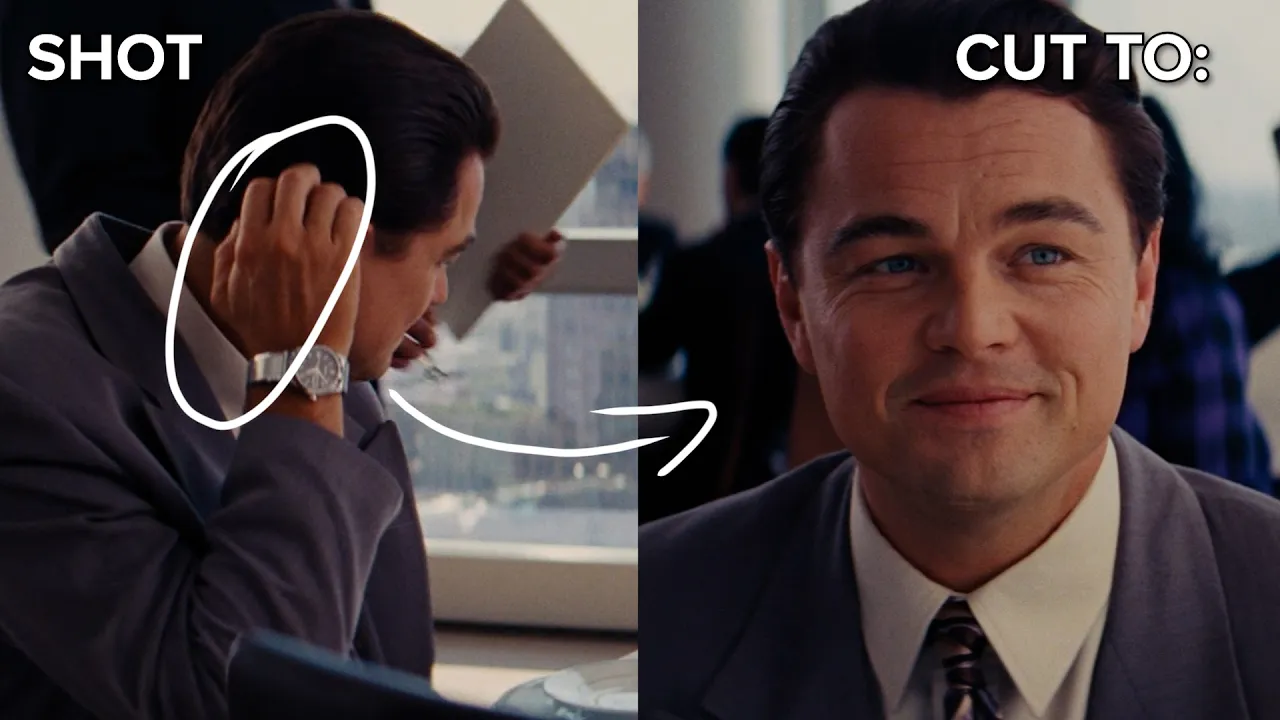
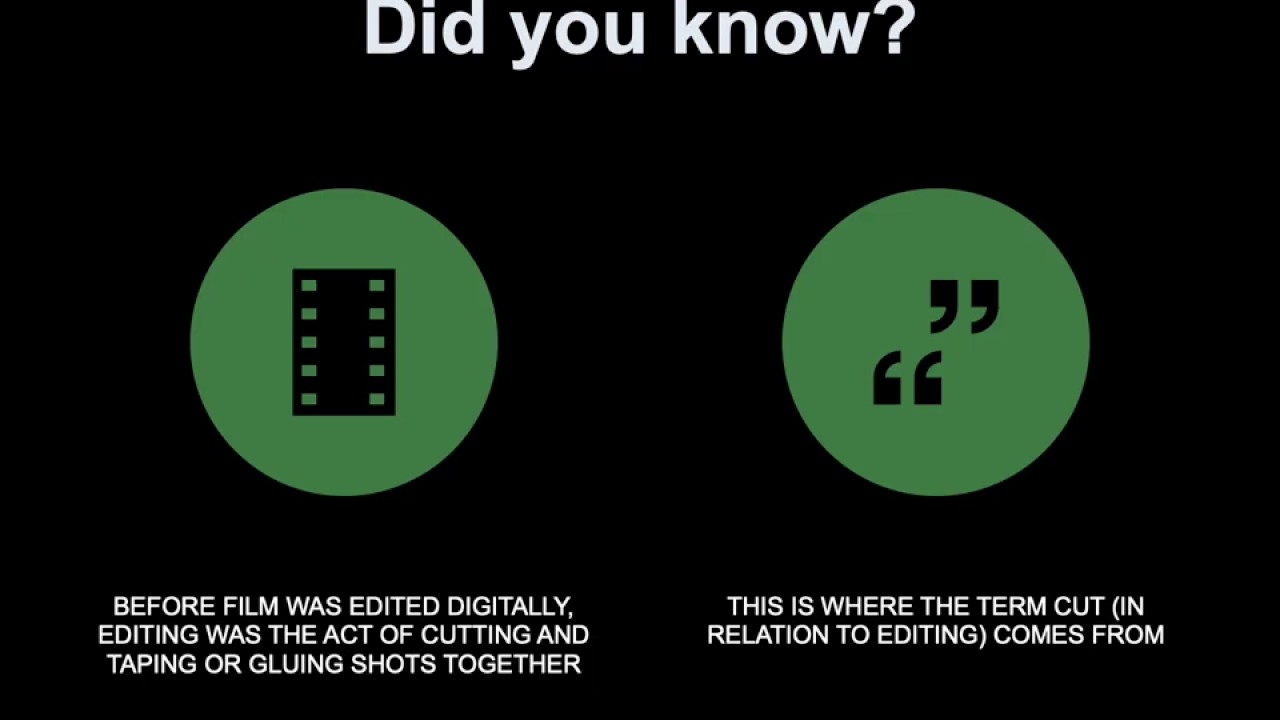
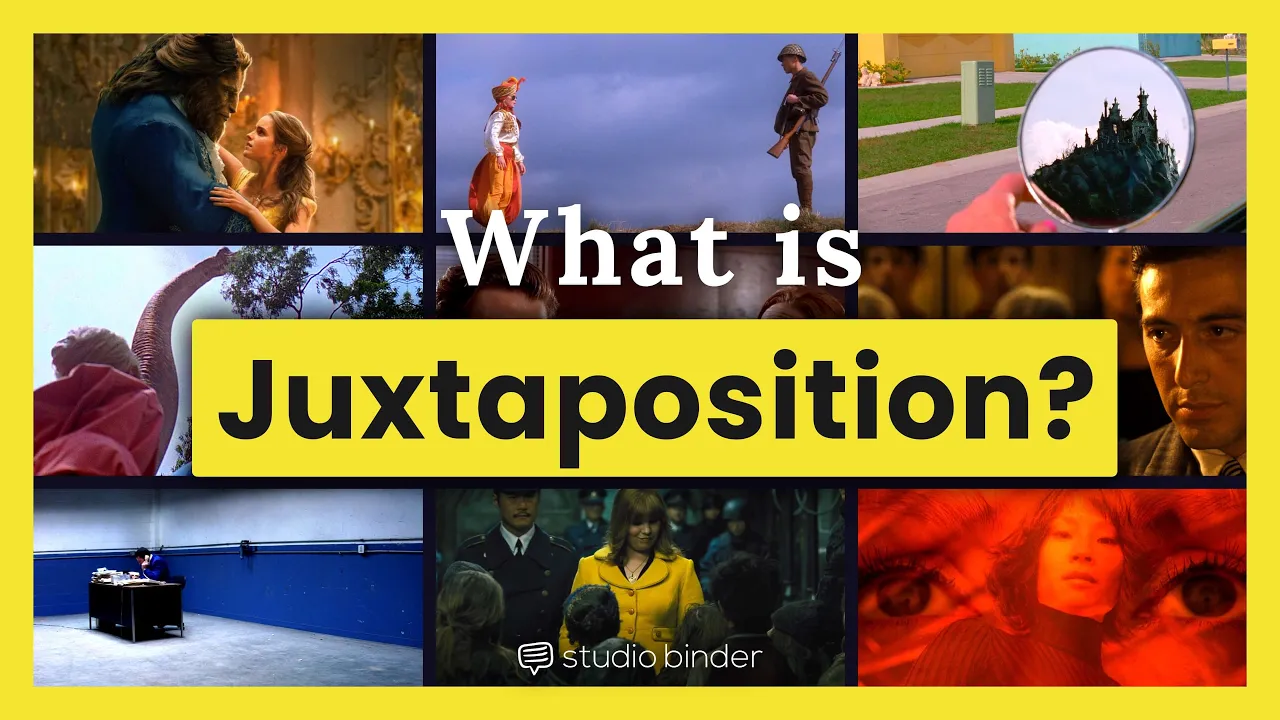
Basic film terminology, specifically the concepts of a 'shot', 'cut', and 'juxtaposition' in visual storytelling.
An in-depth study of Sergei Eisenstein's five distinct methods of montage: metric, rhythmic, tonal, overtonal, and intellectual.
The application of Marxist dialectical materialism (thesis, antithesis, synthesis) to the concept of 'montage of collision'.
How Soviet montage theory influenced later avant-garde movements, including the French New Wave and Italian Neorealism.
Analyzing modern-day adaptations of montage, such as its use in contemporary political propaganda, music videos, and commercial advertising.
29.9K views728likes19:09Original Release: 2021-01-31
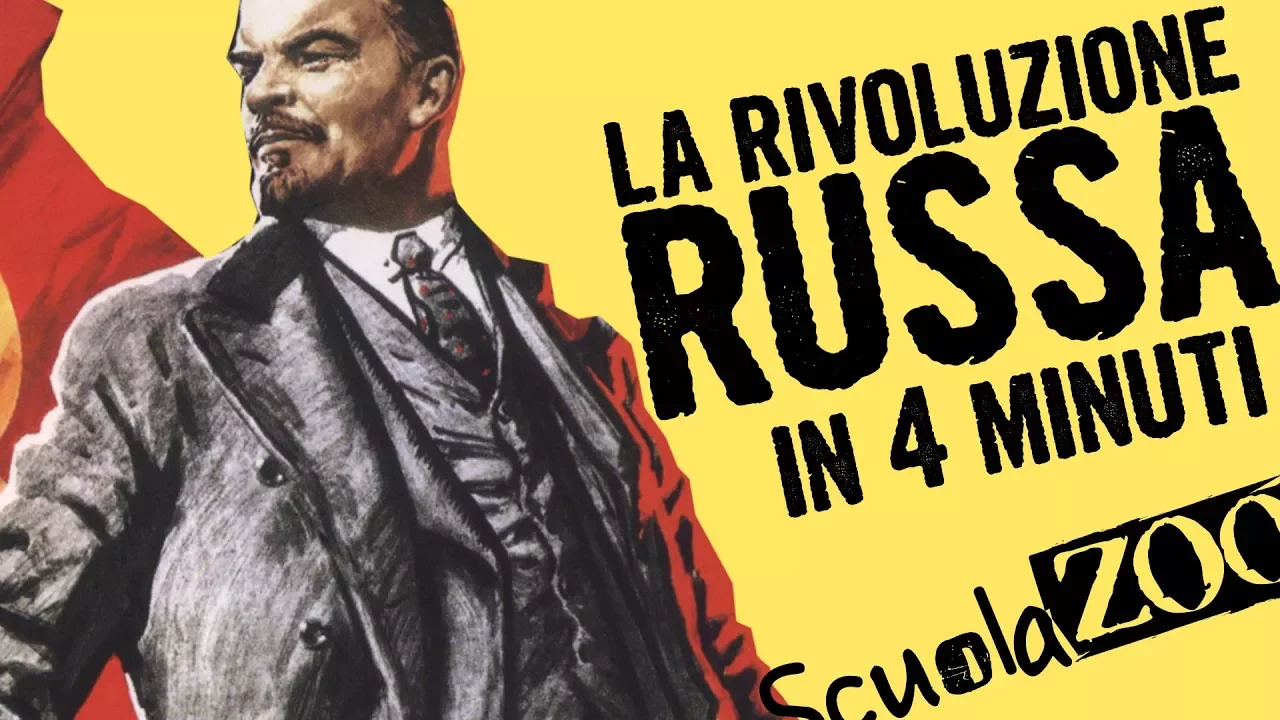
hi folks and welcome to our video lesson on soviet montage theory this is going to be uh an overview of some of the basic context some of the basic concepts and some ways to think about soviet montage theory with respect to the other theories we looked at in class first a couple pointers um most of you probably know this but i just want to make sure we're on the same page when i say montage that comes from the french word montage and the verb montere which means to assemble this doesn't refer to montage sequences as we mean them in film studies especially as influenced by classical continuity where a montage sequence is a kind of sequence that is compresses space and time and often summarizes an idea or a certain kind of action and it's multiple iterations over time like a training montage so that out of the way i want to break down this lesson into three basic components the first is constructivism and what that means the second is thinking about cinema as language the third is thinking about editing and meaning so let's look at constructivism first a bit of background to get us to russian or soviet constructivism a modernist art movement in the 19 teens and 20s director sergey eisenstein was a pioneer of film theory particularly the theory of montage but to really understand eisenstein's impact on cinema we first need to understand the history of editing up until 1925 and the state of soviet filmmaking after the revolution in 1917. by 1925 filmmakers had already developed the basic film editing techniques required to tell a cohesive story the major idea of both american and european filmmaking was continuity editing where a filmmaker tries to make the film match reality in a natural way creating an immersive experience for the viewer in a way that disguises the actual process of filmmaking filmmakers were using techniques like cutting on action where the director makes a cut to correspond with an action on the screen matching eye level cutting from someone's eyes to what they're looking at and cross-cutting cutting back and forth between two pieces of action happening at the same time these techniques help to build a realistic environment with easy to understand action over in russia communist revolutionary vladimir lenin was a big believer in the power of film he said for us of all the arts cinema is the most important and after the russian revolution in 1917 one of the primary goals of the new government was to consolidate power and to spread information to do this russia nationalized the production of films and created what would become known as the moscow film school after the revolution film stock was in short supply so instead of feature films soviet filmmakers focused on making short films for the purpose of propaganda and agitation called agitprop rather than producing feature films the students of the moscow film school focused on developing the theory of film they took imported films like intolerance and birth of a nation to study making hundreds of re-edits moving the order of frames shots and scenes into hundreds of possible combinations studying how the new orders changed the film's meaning and emotional impact okay so i kind of want to pick up where this video essayist left off the moscow film school confronted this problem uh there were no there was no raw film stock in the soviet union or at least a very short supply and so there was this ambition um by the soviet filmmakers and and soviet film thinkers to look closely at the way film is constructed um before they were to make their own films this is incredibly uh interesting if you think about your own role as film students both thinking about people who think of yourselves as filmmakers but also people who look at films in order to break them down and to dissect them and how the two things are um mutually inclusive in your education but i want to think about how this is related to a broader artistic movement happening in the soviet union and with respect to this idea of constructivism so look at kuleshov and how he thinks about this he says it became apparent to us that american films were best in terms of their influence on the viewer we began to analyze not only the separate shots of a film but studied its entire construction now this idea of construction and constructivism is very very important so i just want to kind of summarize what constructivism is it's an art movement that you can see in design that is kind of two-dimensional illustration in architecture and in painting and in theater and of course in film the way wikipedia defines constructivism is as a movement that rejected decorative stylization in favor of the industrial assemblage of materials again this idea of industrial assemblage another way of building on this definition is to say that in place of painterly concerns with composition contracts constructivists were interested in construction rather than emerging from an expressive impulse or an academic tradition art was to be built so i hope you can begin to see the way in which the major concerns of the soviet montage theorist that is what kuleshov thought and what uh eisenstein thought does revolve around this idea of looking at film with an emphasis on its pieces on its units and how those units are rearranged juxtaposed to create something new and there's many ways you can think of this metaphorically with respect to a world after the revolution how do we take a system break it down and then reassemble its pieces into something new this is incredibly important for the bolshevik revolution so here's a couple pieces of constructivist art this uh this illustration titled oppressed peoples of the world of the whole world you can see the way in which the illustration is clearly made up of discrete pieces it almost has a collage effect right the design elements remind us of those clean geometric lines and shapes of of modernism and of cubism but it's important to note the discreteness of each element you can see that discreetness of each element in the most famous constructivist work which is a um a design for a building that was never actually built this is totland's tower conceived of in 1919 what's important is that you can say see all of the pieces of the tower it is in some sense transparent to the eye it's not concealing its construction it is wearing its own construction on its sleeve it's an aesthetic of assemblage so think about this quote from kuleshov in that context he says we became convinced that the fundamental source of the film's impact on the viewer a source present only in cinema was not simply to show the content of certain shots but the organization of those shots among themselves so i want you to think about this idea when you read kulashov's writing so one of kuleshov's main ideas is often called creative geography and it's a concept that you're very very familiar with and in fact it's important that when kuleshov is theorizing editing or the possible effects of editing he's not inventing anything he's actually looking at the way things are have been created for the last say 25 years and he comes up with theorizations conceptualizations of what's already been done so the most one of the most basic ideas is what he calls creative geography which he talks about in this one example he says we film them edit the film and the result is that they are seen walking up the steps of the white house even though these people were never actually at uh quote unquote the white house so you can see that kind of idea in something as old as an 1899 early cinematic film kiss in the tunnel so kuleshov is interested in this cognitive faculty that happens when we see the viewpoint of a train moving forward we cut to an interior space clearly is not an actual train but our mind puts these two things together as say being contiguous right we we intuit the idea that oh we saw the front view of a train and the subsequent shot is the interior of that train and we see this all the time throughout the history of film but it's really the avant-gardis who take this principle and and show the seams so an avant-garde film like uh le chien on the loo from 1929 is going to use this principle but it's going to make you see the principle in action so when the woman shuts the door um we get a close-up and then of course the reverse shot is a new location and um she is suddenly on the beach it's giving the illusion of contiguity though there is no contiguity or another avant-gardis from the film that was assigned as a kind of short film to think with eisenstein a movie by bruce connor right even more importantly bruce connor like the soviets um in the early part of the moscow film school is working with found footage none of this footage is something that he shot but he creates new meanings when the sailor looks through the periscope he is seeing not the contents of the ocean but a kind of pin-up model um someone from an erotic film and then he reacts and then we get this idea and actually the film will kind of play with this um as kind of inspiring the motivation of the next subsequent shots as being kind of erotically charged looking again at kuleshov's writing he'll say about this technique he says you can splice the face of alexandra with the body of nata and again this will not be through trick photography but montage that is by the organization and the material rather than by a technical gimmick and i think kuleshov is revealing something important about his values here it seems important for kuleshov that this technique is not a gimmick and it's not say manipulating the footage it seems it seems important that kuleshov is not doing something like slow motion or fast motion or reverse motion things that actually change the nature of the footage he's respecting the footage but creating new meanings by changing the relationship between bits of footage that is the organization of the material and he kind of furthers this idea with when he says with montage it becomes possible both to break down and to reconstruct and ultimately to remake the material this is a deeply constructivist idea and you can almost see the ideology of a revolution wrapped up in this to break down the stuff of the world and to reconstruct the stuff of the world in order to remake the the material or remake a new kind of system so now let's look at cinema as language the little prologue to kuleshov's excerpt that i assigned talks about him this way kuleshov was the first filmmaker who began to talk about an alphabet an organization of inarticulate material and who worked with syllables not words it would be very useful for us to think about the constant invocation of language as a metaphor to think with when theorizing the possibilities of film and one way to think about this invocation of language is to suggest that we're moving beyond thinking about the organization of space and time that we got with say dw griffith and the emergence of continuity editing and we're starting to think about shots as chains in a signifying link that can produce new kinds of meaning kuleshov was interested in the organization of space and time as of course with someone like munsterberg but kuleshov's other work is going to push into the eisenstein emphasis on constructing new kinds of meaning which i think is quite and importantly different so once again we're moving from continuity editing's emphasis on space and time to soviet montage's interest in the construction of new ideas or new meanings so the kuleshov effect is a good example of a way of taking kuleshov into the realm of constructing meaning so let's look at what he says about this experiment in his own writing he says we had an argument about whether the particular psychological state of an actor experiences is is dependent or not on montage the montage was so edited that we involuntarily imbued a serious face with a changed expression characteristic of that playful moment it became apparent that it was possible to change the actor's work his movements his very behavior in either one direction or another through montage so the first thing i hope that you pick up on is this idea of expression which we talked about in our previous weeks with balash and epstein we have an almost contradictory opposite theory of expression that has to do not with what can magically occur when you translate an ordinary person's face into the space of a cinematic screen but that it comes from the juxtaposition of shots this is incredibly important to kind of think about the tension between these different film theories writing in the 1920s but what's equally important is to think about the emergence of this kind of a plus b equals c uh emphasis on signification right so famously the way cooler shop effect is often understood is you get a juxtaposition of singular singularly signifying images a face plus soup equals a new thing that is hunger or a face plus a dead child equals a new thing that is sadness meaning is created at a juxtaposition rather than being contained within an individual shot there's almost a way in which kuleshov wants to relate this to the way individual words constructed in a string of signification in a sentence can yield new and more complex meanings as a kind of thought experiment with the kuleshov effect i might ask you to play with at home just think about the way in which this works and the way you've seen the kuleshov effect in different films so i'll take a few examples from the films we've watched look at this face right here ask yourself how does it signify and then ask yourself if that signification changes when it's embedded within this context a so the question i might pose to you is is your analysis of the facial signification or the emotion being expressed in the image does it change when you get a verbal kulashov effect that is the voice over telling you what she's experiencing does that change the way you read her facial expression and the third thing i might ask you to think about is to re-examine our probably most kuleshavi in film in the sense of kuleshov effect which was a rival a film that plays on the ability for context to change the way in which we read the emotional expressions of a thinks about it he says in a different essay that i'm going to talk about a little bit in this presentation he'll say now why should the cinema follow the forms of theater and painting rather than the methodology of language which allows wholly new concepts or ideas to arise from the combination of two concrete denotations of two concrete objects this this should remind you of this important bit from the essay that we read the cinematographic principle he writes for example the picture for water and the picture of an eye signifies to weep the picture of an ear nearing the drawing of a dog means to listen a dog plus a mouth is to bark a mouth plus a child is to scream and so on and then he reminds us of the point of this metaphor that this is montage once again to think about this as the yielding of a conceptual meaning from two importantly concrete denotations it's important to remember that film is a medium that restricts itself to the representation of concrete things a camera can only film that which is concrete eisenstein is excited about this idea of taking two concrete things juxtaposing them and creating a new conceptual thing so he'll say this exact thing later in the essay he says the point is that the copulation of two hieroglyphs of the simplest series perhaps we should say combination is to be regarded not as their sum but as their product that is as a value of another dimension another degree each separately corresponds to an object to a fact but their combination corresponds to a concept the idea that just as in certain forms of language you can create conceptual ideas by yoking together two concrete nouns or things in the world perhaps eisenstein says cinema can do the same thing especially given that cinema has that as its disposal the representation or the filming of any concrete object or surface in the world so we might say that eisenstein is blown away by what language can do now if we remember from our previous weeks this very much goes against our thinkers uh epstein and bellage for whom cyber cinema liberates us from language and gets us beyond its constraints this is not a quote from either of them this is just me quoting them as if they were to kind of summarize their ideas my question for you as a way of thinking through this tension is how is it that this this thing called language can be so differently treated by two kinds of film theorists that equally celebrate the uniqueness of film as a medium for say changing our relationship to reality in other words how do balosh and epstein conceive language and how does eisenstein and kulashov conceive language that's a question for you to think about
Up Next
8:01
Eisenstein’s Montage Theory: Five Types Explained
@LaurenSchwartzbard
489 views•2020-05-15

23:14
Visual Analysis Essay: How to Analyze Graphic Novels in College Writing
@nataliepleimann5941
1K views•2020-10-14
18:01
Continuity Editing Explained: The 180 Degree Rule & More
@filmandmediastudieschannel
34K views•2021-07-19

4:00
Evolution of Darth Vader: Anakin Skywalker's Animated Journey Across Star Wars Films
@TellItAnimated
13.4M views•2019-03-30
Related Study Plans & Knowledge Roadmaps
Structured learning paths in Film Analysis
film-analysis
Sensory Cinema: Foley, Haptic Sound & Texture
01Introduction to Film Sound and Foley Artistry
02Micro-Sounds, Textures, and Extreme Amplification
03Haptic Audition and Film Phenomenology
+ 1 more learning modules
12h4 modules
Explore Roadmap
film-analysis
Breaking the Fourth Wall: Mockumentary & Satire
01The Invisible Wall: Basics of Cinematic Illusion
02Looking at the Lens: Direct Address & Character Glances
03The Mockumentary: Satire, Realism, and Complicity
+ 2 more learning modules
12h5 modules
Explore Roadmap
film-analysis
Analyzing the Long Take: Cinema, Space & Ethics
01Foundations of Film Grammar: Montage vs. The Long Take
02Choreography and Mechanics of the Simulated One-Shot
03Phenomenology of Film: Real-Time Spatial Continuity
+ 1 more learning modules
14h4 modules
Explore Roadmap
film-analysis
Anachronistic Music: Period Drama & Subversion
01Foundations of Film Sound and the 'Needle Drop'
02Traditional Authenticity vs. Revisionist History
03The Rise of the Anachronistic Soundtrack
+ 2 more learning modules
12h5 modules
Explore Roadmap