














![Rich Coote] Forcefeeld.](https://i.ytimg.com/vi/y4s99P0dNu8/sddefault.jpg)


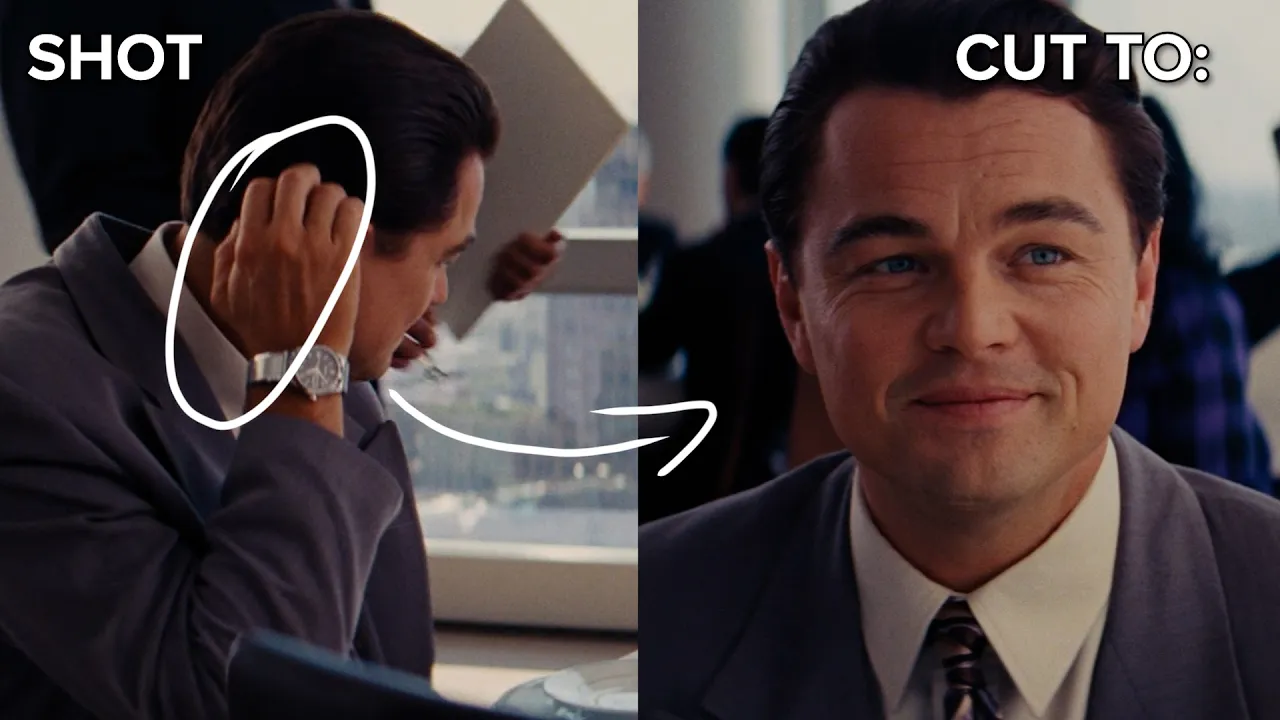

Montage is a film editing technique that combines neutral shots to create intellectual meaning, developed by Soviet filmmaker Sergei Eisenstein who viewed film as a tool for social change. The five types of montage are: metric (based on shot length regardless of content), rhythmic (based on content and visual patterns), tonal (based on shared emotional or visual characteristics between shots), overtonal (combining metric, rhythmic, and tonal elements to create moods), and intellectual (creating meaning through the relationship between shots, such as the Kuleshov effect where the same shot of a man appears hungry when paired with soup, sad when paired with a funeral, or lustful when paired with a woman).
Eisenstein’s Montage Theory: Five Types Explained
Added:Basic Film Editing Concepts: Understanding fundamental terminology like cuts, transitions, and the structural differences between a shot, a scene, and a sequence.
The Continuity Editing System: Familiarity with Hollywood's traditional 'invisible' editing style, which prioritizes seamless spatial and temporal continuity.
Historical Context of 1920s Soviet Cinema: A brief understanding of the Russian Revolution's impact on art and the state-sponsored push for cinema as a revolutionary tool.
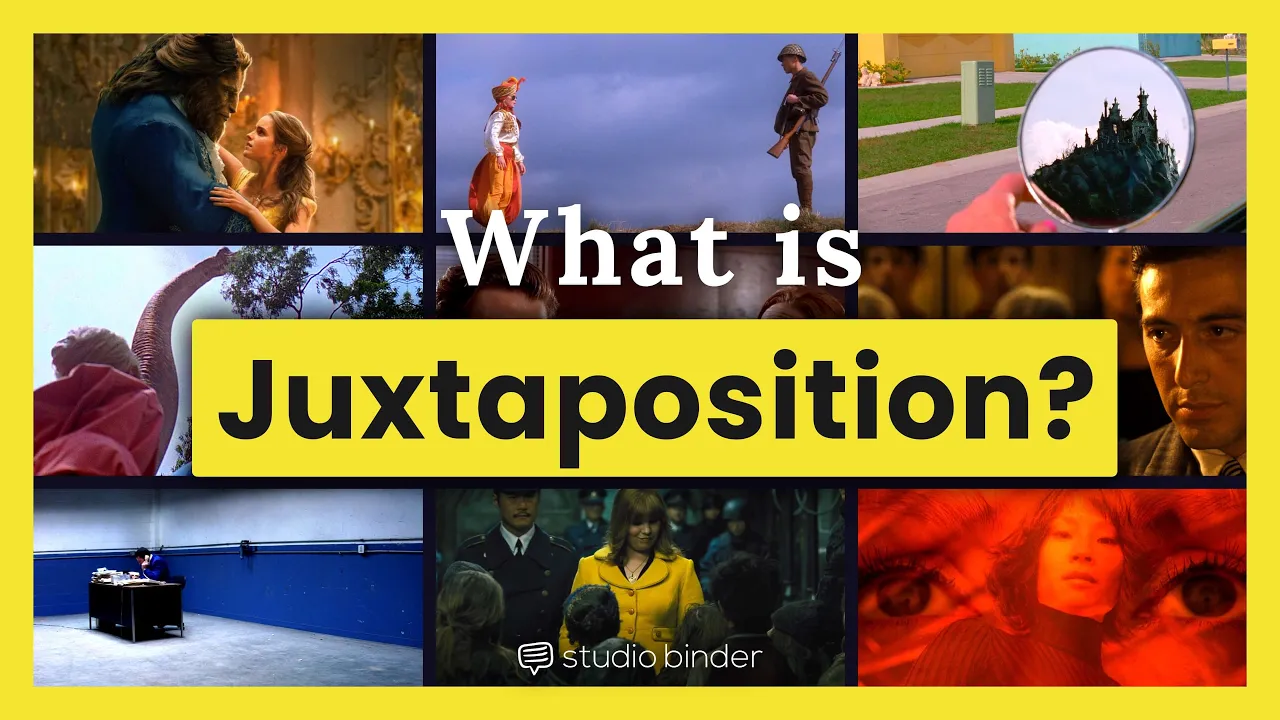
The Concept of Visual Juxtaposition: Knowing how the brain naturally attempts to find connections and meaning when two unrelated images are shown sequentially.
Textual Analysis of Soviet Masterpieces: Applying the five montage types to analyze key historical films, such as Sergei Eisenstein's 'Battleship Potemkin' and Dziga Vertov's 'Man with a Movie Camera'.
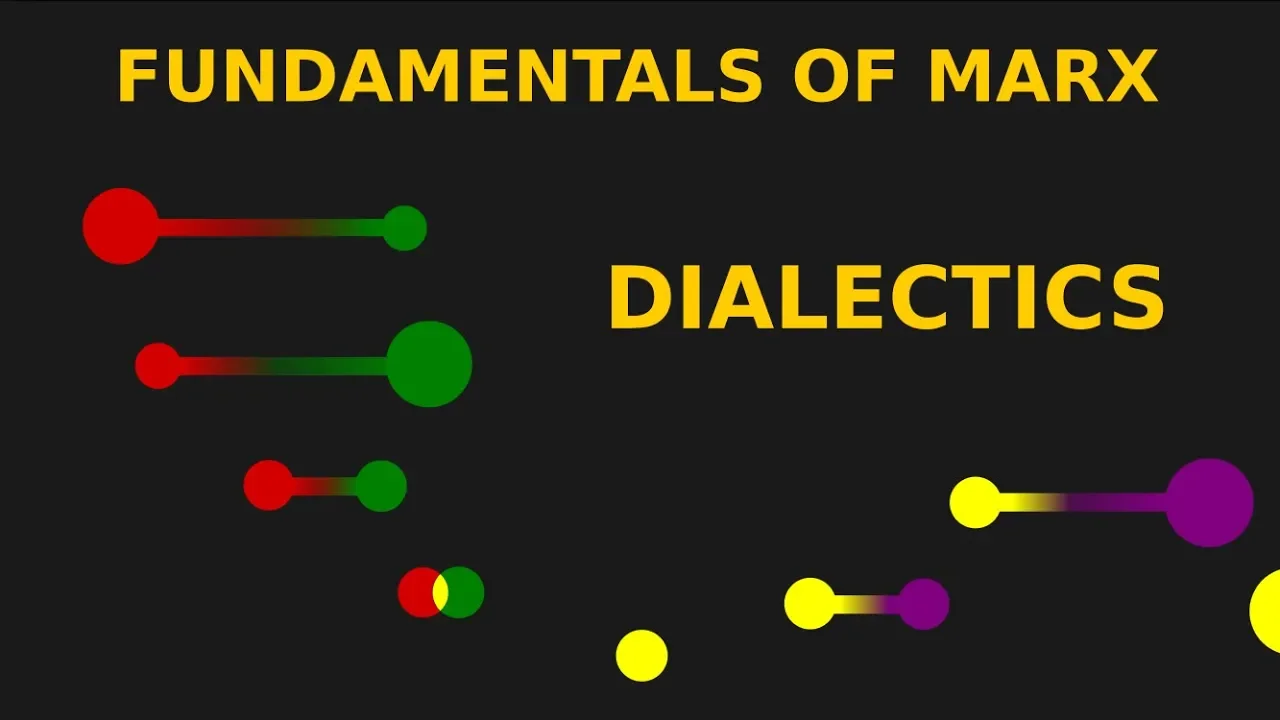
Marxist Dialectics and Film: Investigating how Soviet filmmakers applied Hegelian and Marxist theories of collision (thesis + antithesis = synthesis) directly to the juxtaposition of shots.
Evolution into Sound and Audio-Visual Montage: Exploring how the introduction of synchronized sound influenced Eisenstein's theories, leading to concepts of vertical montage and orchestral counterpoint.
Modern Editing & Post-Continuity: Analyzing how contemporary filmmakers, music video directors, and advertisers utilize Soviet montage techniques to manipulate time, rhythm, and audience emotion.
489 views19likes8:01Original Release: 2020-05-15
montage seeks to take shots that are single and meaning neutral and content and combine them to make intellectual contexts and series let's talk film my name's lauren and i'm a film student who wants to share what i'm passionate about with you as the name indicates this is a weekly series so be sure to subscribe so you don't miss the next film friday today i'll be talking about the soviet filmmaker sergey eisenstein sorry if i pronounced the name and his famous theory of montage eisenstein is known primarily for his works the battleship potemkin strike and october he was a major pioneer in montage both in theory and in practice and he really just pushed the movement forward which is why he comes up a lot of my classes and i think this would be another this is another great topic to share with all of you so something just to get out of the way montage is a type of editing but not all editing is montage this is something that i feel like i see a lot in my notebook as i like go back through i see montage does not equal editing good to know great moving on when eisenstein really came up with this idea of montage he really wanted it because he saw film as a medium for more than just mere entertainment a way to get some laughs and go home he saw it as a way for serious social change and while that has continued in some ways since him and his movement he really just like pushed it forward and showed how film sequences can be designed in a way to create and further meaning to enlighten the masses and to teach people inspire people and move people the theory of montage includes five types of montage metric rhythmic tonal overtonal and intellectual metric is probably the easiest one to understand and it's about the length of the specific shots not about the content within them so it doesn't matter if an action is in place if it's been if every shell is going to be say four seconds every four seconds we have a cut this could also be used with silly shortening clips as they go so say you're starting with like six seconds five seconds four seconds three seconds etc but once again it stills regardless of the content within the shot rhythmic montage is the most widely used montage and this is not about the timing but about the content of the shot in question so this would be like as an action unfolds but at a reasonable point to make a cut rhythmic montage is about creating a visual pattern within the shots maybe a visual pattern of continuity it really helps with pacing shots and a big example of this would be from battleship potemkin the odessa step sequence when the soldiers are coming down the [Music] stairs and then especially the baby carriage moment because you see the content is driving the shots not the length of the shots themselves [Applause] [Music] and time can really be warped like this and extra meaning and emphasis can be placed on the objects that are given more or less time then we have tonal montage total montage has to do with visual or oral characteristics of a shot that can kind of cross over from one to the next it could also be an editing decision made by shared emotional characteristics between two shots so maybe we have fog and fog blowing sand could be the blowing fog or make a sound bridge is an example of this in the sense that maybe you hear a scream and that scream transfers over to another scene an example of that would be in albuquerque's blackmail there's alice screaming a man on the street and then the landlady seeing the dead man in the room that's kind of like a uni uh a shared scream between these two characters the next form of montage is overtone montage overdrama montage really combines metric rhythmic and tonal to create moods and atmospheres that can be shared or contrasted across scenes overtonal cuts to the overtones and perceived impressions by mixing the pace ideas and rhythms a big example of this would be in the godfather in the baptism sequence as this references ideas of new life with the baptism right alongside the death with the murders michael francis ritzy do you renounce satan [Music] [Applause] [Music] the final type of montage in the theory of montage is intellectual and this is the one that really carried eisenstein up in the theory world of cinema this is when you cut according to the relationships between shots and by cutting the certain way that gives them that additional meaning it introduces ideas and really highly charged and emotionalized sequences one famous example is once again in the battleship potemkin there are shots of a stone lion it's like lying down then there's another shot stone line's kind of setting up and then there's a stone line sitting up and this is meant to symbolize how the sleeping people of russia are awakening something that's also relevant as this is that with the intellectual montage is the coolest effect so this is when you'd have like the same one shot varied with different shots and how the audience will perceive something else so i think so there's like a man he's kind of like has a neutral expression maybe this is a neutral depression anyways then you cut to a shot of soup then like oh the man's hungry but what if instead you cut to a shot of a funeral oh the man is sad and then i think they cut to shove like a woman like looking promiscuous it's like oh he's lustful but it's the same shot of the man but it's just by what you put it with that gives it new meaning and that's kind of what this intellectual is it's rising above the context that it was initially given which i think is amazing it's also important to note that methods of montage are not mutually exclusive you can have more than one going on at once you can have all of them in the same piece it really doesn't matter it's just however you want to convey your ideas in the piece and that wraps up this video if you learned something be sure to give it a like comment down below any feedback or questions you have and remember this is a weekly series so be sure to subscribe so you don't miss my general videos and the next film friday see you next time bye [Music] you
Up Next
19:28
Daisies: Czech New Wave Feminism & Discontinuity Editing
@filmandmediastudieschannel
20.2K views•2021-09-24

23:14
Visual Analysis Essay: How to Analyze Graphic Novels in College Writing
@nataliepleimann5941
1K views•2020-10-14
4:55
Film Blocking Techniques for Directors: Space, Shapes, Lines
@StudioBinder
1.9M views•2018-07-23

4:00
Evolution of Darth Vader: Anakin Skywalker's Animated Journey Across Star Wars Films
@TellItAnimated
13.4M views•2019-03-30
Related Study Plans & Knowledge Roadmaps
Structured learning paths in Film Analysis
film-analysis
Sensory Cinema: Foley, Haptic Sound & Texture
01Introduction to Film Sound and Foley Artistry
02Micro-Sounds, Textures, and Extreme Amplification
03Haptic Audition and Film Phenomenology
+ 1 more learning modules
12h4 modules
Explore Roadmap
film-analysis
Breaking the Fourth Wall: Mockumentary & Satire
01The Invisible Wall: Basics of Cinematic Illusion
02Looking at the Lens: Direct Address & Character Glances
03The Mockumentary: Satire, Realism, and Complicity
+ 2 more learning modules
12h5 modules
Explore Roadmap
film-analysis
Analyzing the Long Take: Cinema, Space & Ethics
01Foundations of Film Grammar: Montage vs. The Long Take
02Choreography and Mechanics of the Simulated One-Shot
03Phenomenology of Film: Real-Time Spatial Continuity
+ 1 more learning modules
14h4 modules
Explore Roadmap
film-analysis
Anachronistic Music: Period Drama & Subversion
01Foundations of Film Sound and the 'Needle Drop'
02Traditional Authenticity vs. Revisionist History
03The Rise of the Anachronistic Soundtrack
+ 2 more learning modules
12h5 modules
Explore Roadmap