













![Who is Miloš Forman? [Indie Wire]](https://i.ytimg.com/vi_webp/t8iCZuIYo_4/maxresdefault.webp)










Vera Chytilova's 1966 film Daisies exemplifies how discontinuity editing serves as a formal technique for feminist subversion, using abrupt cuts, jump cuts, and non-diegetic inserts to challenge patriarchal structures; the film's two-dimensional characters—intentionally designed as dolls or puppets—overperform their stereotypical femininity to ridicule male suitors, thereby exposing how women are reduced to visual objects in patriarchal society while simultaneously celebrating formal freedom through radical breaks from classical Hollywood continuity.
Daisies: Czech New Wave Feminism & Discontinuity Editing
Added:The historical and political context of 1960s Czechoslovakia, specifically the liberalization of the arts leading up to the 1968 Prague Spring.
The principles of classical Hollywood continuity editing, which serves as the traditional narrative structure that 'Daisies' actively subverts.
An introductory understanding of feminist film theory, focusing on how early cinema challenged traditional female representation and patriarchal structures.
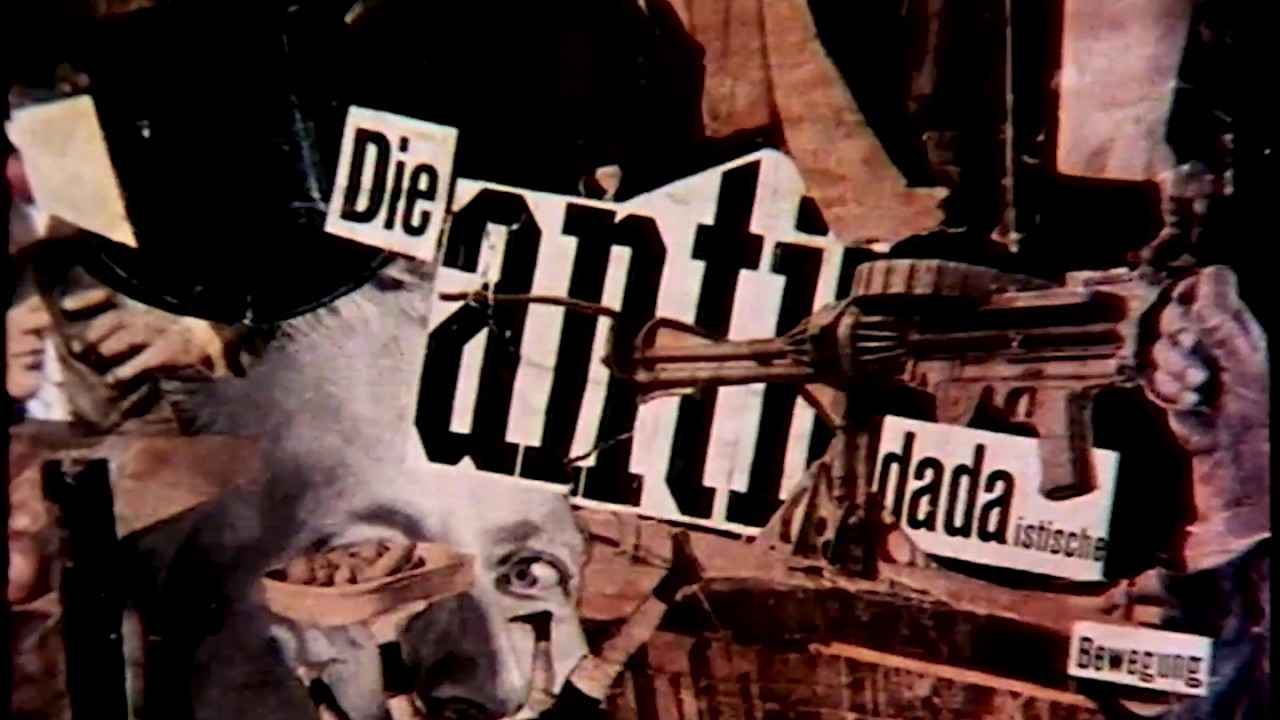
The influence of avant-garde art movements, particularly Dadaism and Surrealism, on cinematic form, collage aesthetics, and absurdist humor.
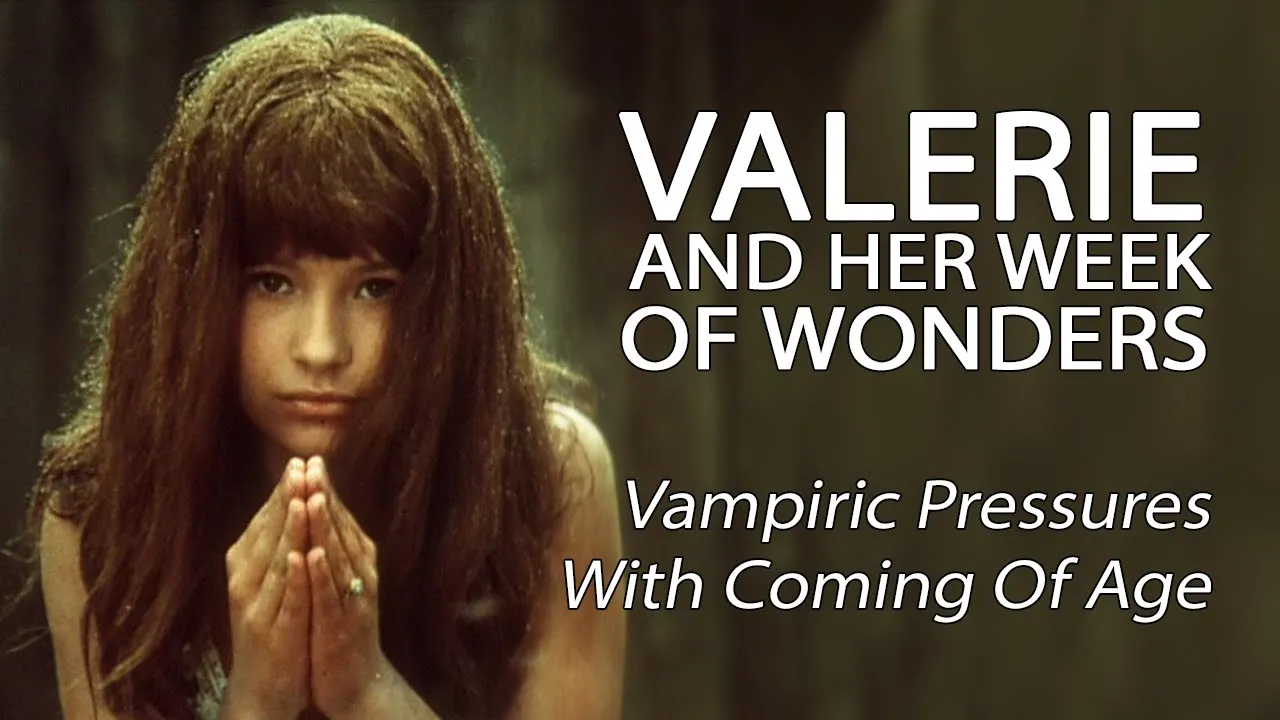
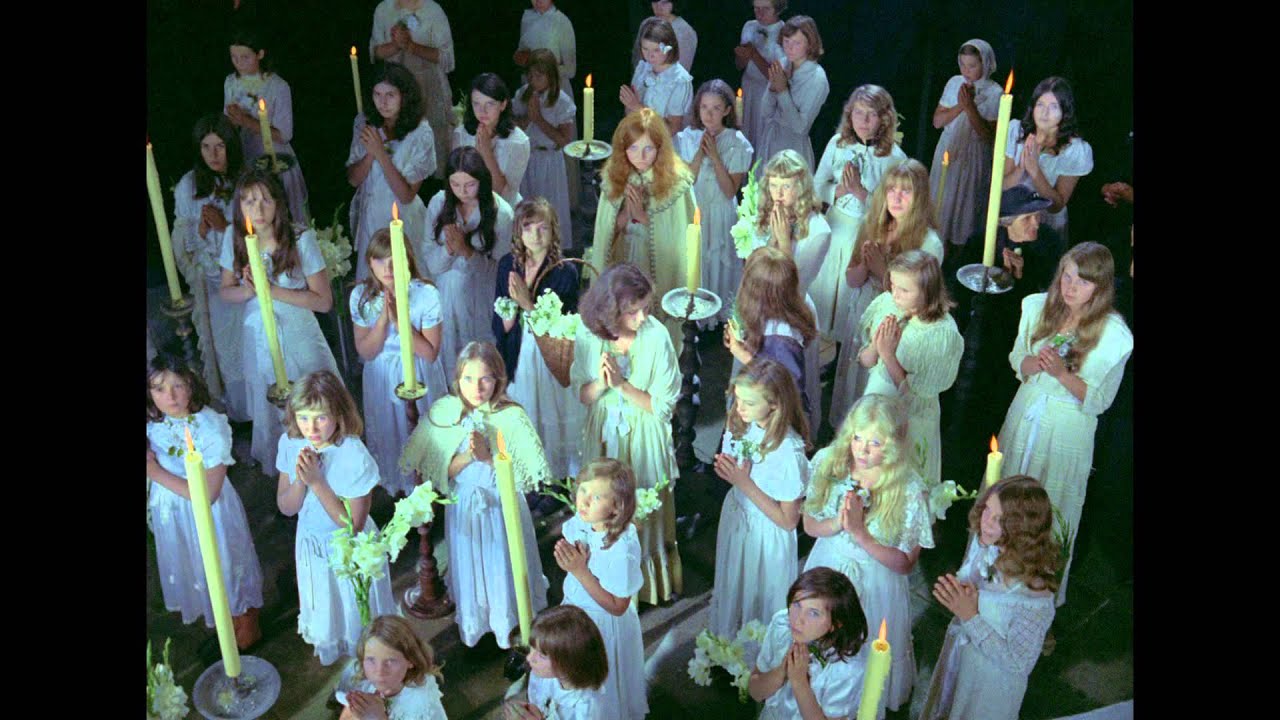
A comparative analysis of other key directors of the Czechoslovak New Wave, such as Jaromil Jireš (Valerie and Her Week of Wonders) and Miloš Forman.
The study of state censorship in socialist regimes and how Věra Chytilová's career was impacted by the normalization period following the 1968 invasion.
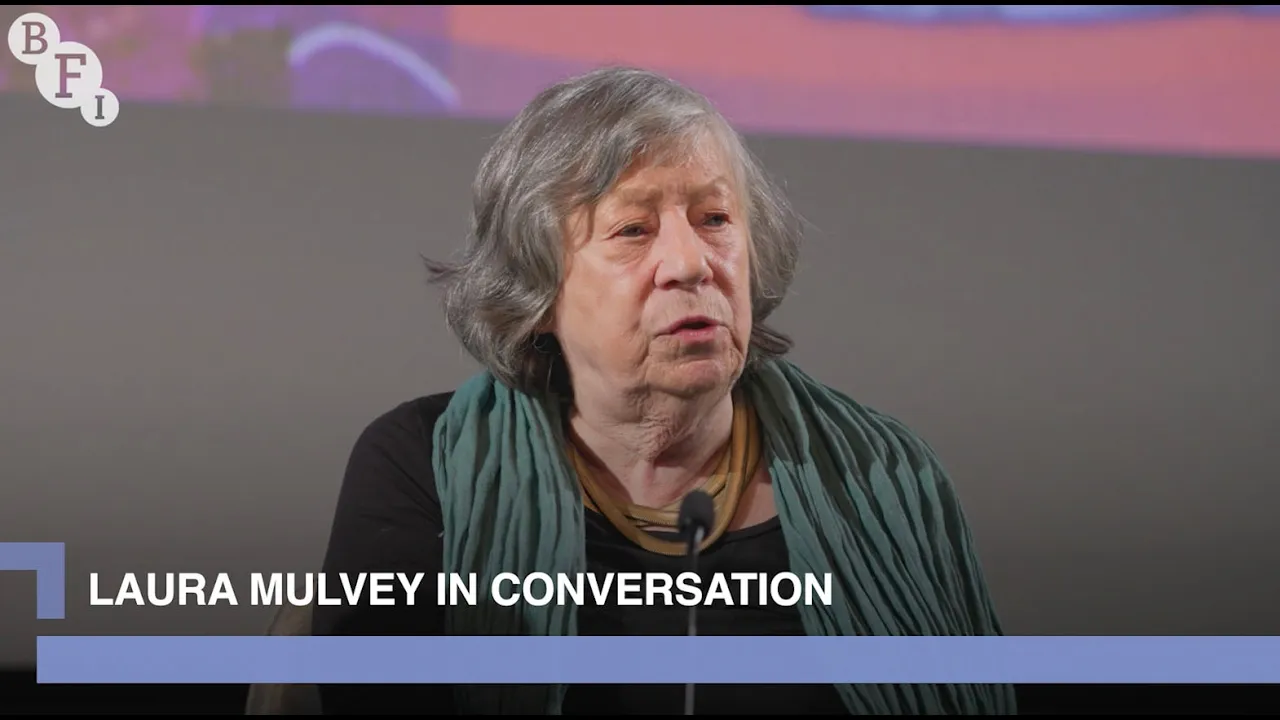
An exploration of 1970s feminist counter-cinema and its evolution through the works of filmmakers like Agnès Varda, Chantal Akerman, and Laura Mulvey.
Advanced film theory on narrative deconstruction, investigating how non-linear editing, color tinting, and sound design alienate and engage the spectator.
20.2K views711likes19:28Original Release: 2021-09-24
hi folks and welcome to our last installment in our series on editing we're going to talk about daisies discontinuity editing and a little bit about the ideology of the film in its historical context i want to call what it's doing a kind of feminist subversion but first a little bit of historical context as i mentioned in the film notes daisies is a an example of a film from the czech new wave um new wave generally is a film uh film history term that refers to a kind of uh burgeoning of kind of creative and anti-hollywood films coming out of the 1950s and 60s what we get here in the czech new wave is a kind of energy resisting a uh the soviet censorship that was happening in the 1960s james tweedy is a film scholar who writes a bit about this i'm going to quote a bit from what he says about the czech new wave he says the new waves emerging from the soviet sphere of influence attracted inordinate attention from critics and government officials who are interested in highlighting the discrepancy between free artists in the west allowed to pursue personal artistic expression state artists in the east forced to work through bureaucratically and politically dictated channels and the new waves of central and eastern europe a bastion of freedom within an oppressive communist order it's that latter category that daisies falls into a film that expresses a desire to manifest a certain freedom as a way of kind of sticking it to the oppressive order associated with the communist dictatorships that were ruling over freedom of expression in these parts of the world at the time he'll elaborate and say that the films of the czech new wave suggest that personal gratification is itself a socially powerful act no matter how counterproductive it seems and auto annihilation offers a radical alternative to efficient participation in or continued obedience to a social old order run by old men i hope that resonates a bit with the film uh also he'll continue to write in the west there was a tendency to judge the artistry of cinematic works coming out of the eastern bloc according to the level of dissent displayed they also judged both artistic merit and descent by the level of youthful exuberance and absurdist comedy on parade and the films become local manifestations of a more extensive youth uprising against implacable and dreary communist party authorities once again i hope this is giving some contextual understanding to the strangeness and wildness and absurdity that is daisies right it is not merely an antarctic film it has a kind of historical context for that for that anarchy and also he'll say the revolutionary politics of youth begins with the refusal to play an assigned part in the chorus and the cultivate cultivation of a demeanor a way of posing the body that clashes with an ideology of consensus and conformism i'm going to suggest that this idea of uh playing against kind of dominant modes of demeanor uh has a gendered component as well in daisies which i hope is apparent and also a kind of tricky thing to discuss and you can see this gender component to conformism right off the bat in the film remember this film is difficult to kind of track what's going on because things are so uh so wild and out of control it's barely a kind of narrative stitched together that we don't it's difficult to say what is exactly going on in terms of content in any given scene however we have to start kind of picking apart what we have you'll notice at the beginning of the film does give us some iconographic things to latch on to i hope that you sensed a kind of biblical set of references in the opening of the film where we enter almost a garden of eden and i'll play the opening just to remind you of what this was like so what we just saw was in a sense a reference to the first book of the bible genesis the uh the garden of eden right and that's fairly clear i think when you see the space that we're in right a kind of single field with a centered tree um and we're and it also makes sense that we're not quite in a real world right we've entered here uh we've entered the space almost magically and then you get these series of abrupt cuts where one of the marie's takes a look at an apple reaches for it and then kind of almost contemplates taking a bite what is the significance of this well i want to suggest that this invocation of even the apple is a way of invoking the iconography of female representation yes the idea that the form of female representation has been imposed with the structures of biblical representation but also eve functions as a representation of female rebelliousness right there's a way to kind of turn the figure of eve into a figure of almost feminist subversion which i also think goes along with the cinematic rebelliousness the formal rebelliousness that is uh on display in this opening scene after all remember how we got to this space we used classical hollywood techniques against their their intended use right we used to match on action to violate the continuity of space this is a radically discontinuous use of match on action to go from one space to the next also just consider the way in which this shot is composed it has a very flat quality right it almost looks like a medieval painting where we don't have a sense of renaissance perspective this background really confuses our sense of three-dimensional space and i think that's deliberate you'll also get of course the jump cuts and i hope you'll notice these jump cuts that happen as they start dancing like right there and there but you'll also get these non-diegetic inserts right there and i want to briefly show you what is actually happening when you see these non-diegetic inserts rapidly firing well what you're getting is in a sense every frame is a different image this kind of frame by frame non-animation or anti-animation is um a kind of trope of the avant-garde it's a way of exposing the apparatus of cinema which is used to hide the fact that it's giving us individual frames played at 24 frames per second to hide the kind of discreteness of each image here that discreetness is on display you could think of that as a kind of avant-garde exposure of the apparatus so a lot of the things that are happening here are both thematically rebellious and formally rebellious right not playing into the conventions of what movies generally generally do um and i want to kind of take this to vera hitalova the director of the film to think about the characters and how they are rebellious and in what way they're rebellious so vera will say or hit the level will say we made the girls look like dolls or puppets from the beginning because it was our intention to make it clear that this was not a psychological portrayal this was not actually realistic so you might say if they're dolls and that's clearly a a kind of accurate way of understanding what these characters are which is in a sense that they're not characters they're not fully fleshed human beings with deeply complex interior lives they're superficial almost cardboard cutout stereotypical young women how could this be a kind of feminism as i'm going to claim that it is well i'm going to use one passage from an excellent essay on this film by film scholar bliss kwa lim in which i think she summarizes this strategy very well she says i read daisies as a narrative of recalcitrant dolls who realized the limits of their position and set out to over perform their constructed characteristics to the point of severe infractions against the very masculine establishment that set the terms of their subjectivity i can see that this is kind of a jargon heavy way of saying something but i might summarize this by saying we can think of the marie's in this film as kind of stereotypes that know their stereotypes and that they overplay their stereotypical characteristics in such a way as to ultimately piss off the men that try to take advantage of their stereotyped femininity which you see throughout the film um take advantage of the man in the film and also take advantage of the masculine establishment patriarchy in general so you can see references to support this kind of thing and notice this moment in which they are walking down the street and the farmers that they're passing with with the corn don't notice them and then they have this revelation they say nobody pays attention to us i thought we'd suddenly disappeared into thin air well you can think about the kind of feminist uh idea here that's being manifested almost literally right the idea that um uh to be looked at uh as a condition of femininity is literally giving these women life and giving them a kind of uh self-awareness and when they don't have that to be looked at miss and this is a term i'm adopting from laura mulvey who we'll talk about in the week on gender and spectatorship when we don't have that they literally fear as if they will lose existence that they'll disappear into thin air i think these lines of dialogue are very suggestive of the kind of feminist subversion going on in this film and you can see that manifested here as well that like dolls they are kind of two-dimensional that they are more image than than human subject and you can see that emphasis on the two-dimensional imageness uh of them in this sequence in which they uh are are cutting um fabric around them and then it quickly becomes literally uh cutting each other right you can see that here right so i don't want to take this moment in the film as merely one of many absurdist um uh bits that lack meaning right um i think you can say that certainly this seems absurdist like that it wouldn't make sense to read it um but i think given the concerns of the film this idea of cutting the women right into these pieces that that kind of reveal the fact that they are just images especially here that the two-dimensionality being uh pronounced really does resonate i think with this idea of the of the dolls being uh or or of the marie's being like images um and you can see uh the kind of almost more literally a subversive behavior of the marie's in this sequence here not reflecting on their own two-dimensionality but here uh using their femininity uh their their hyper femininity to um ridicule the men who are in pursuit of them system so just like the last sequence what we have here is another seemingly absurd meaningless sequence but we have to maybe actually consider what we're actually seeing right what we have here are the two maries eating for the most part what you might say are phallically shaped foods right i think in a film like this uh you maybe can grant yourself the kind of freudian interpretation of some of these objects which bear a consistent resemblance to a kind of phallic shape at the same time that a male suitor is on the phone being completely ignored reduced to uh to ridiculousness and his utterance of of loving platitudes right um and what you have here is it's not as if the maries are say angry with this man they're completely oblivious to his uh to his uh his his romantic lines which i think is a perfect emblem of the kind of feminism that's going on here right um that they are not necessarily conscious radical feminists who are going out into the world and trying to change things they are they are actually characters whose kind of emptiness ends up making patriarchy reduce itself to a kind of ridiculous image right um there's something pathetic about the man on the phone here which i think is quite quite delightful um and then you'll get a celebration not just of the kind of anarchy that these uh two characters are reveling in but um a celebration of editing itself and discontinuity right you'll get graphic associations not causal logic that gets us from place to place right so one way to think about this film is to simply think well how do we get from one place to another what are the cinematic means by which that happens check it out in this little transition so i hope you'll consider this sequence as being merely a kind of purely graphic association leap from one thing to the next there is no causal reason we got from this space of the bedroom to this space of the restaurant everything that got us from one thing to another was purely a celebration of uh formal matching of graphic matching in a way right what we get first is the pendulum of the of the clock swinging or what was a clock swinging which sets off a series of non-diegetic inserts that move to the rhythm of that clicking and then we get purely for for no reason a shot of this kind of non-space of the of the sun tanning uh uh uh area right um in which the kind of oscillation of clicks happens with this oscillation of color filters instead of these images of flowers right and then when marie decides to take the other marie's flower cap and then as soon as she takes it we'll get a match on action that takes us to a new location but we don't know where we are now we know it's at the same place and then we'll find the flower cap to be in the water for and where for some reason apples bubble up for no reason but the apples will motivate they switch to the apples of the restaurant right it's it's not as if it lacks sense but the sense has nothing to do with causation it's like to do with plot it has no nothing to do with an actual representation of two people who have motivations to get things done it's simply purely formal right and so i want to end by just showing you how the flower cap in the film is this kind of motif um not not as a symbol i want to say i mean you can read it read it that way if you wish but it functions as a way to simply get us from one thing to another purely by means of graphical matching matching on action um just as a kind of a cinematic trick a a revelry in discontinuity for discontinuity's sake right here we get the moment where she dofs her flower cap throws it in the air and it lands on the water here we start a scene with a flower cap on the grass and then we find out that we're not in grass at all but rather we are in a room with a strip of astroturf lying on a bed here as we just saw one marie takes the flower crown cut to a interior shot or to a close-up shot and then you find it on a bit of water so this is the way in which i think the film can be understood as both thematically subversive and also formally subversive and those two things are implicated right seems like an absurdist film indeed it is but its absurdism has a purpose right that it kind of revels in revels in both a kind of formal freedom and a kind of freedom from the strictures of gender expression and also gender roles okay that's it for editing week we'll see you next time thanks
Up Next

13:47
Top 10 Propaganda Films of the 20th Century
@WatchMojo
613.4K views•2014-07-07

23:14
Visual Analysis Essay: How to Analyze Graphic Novels in College Writing
@nataliepleimann5941
1K views•2020-10-14

18:01
Continuity Editing Explained: The 180 Degree Rule & More
@filmandmediastudieschannel
34K views•2021-07-19

4:00
Evolution of Darth Vader: Anakin Skywalker's Animated Journey Across Star Wars Films
@TellItAnimated
13.4M views•2019-03-30
Related Study Plans & Knowledge Roadmaps
Structured learning paths in Film Analysis
film-analysis
Sensory Cinema: Foley, Haptic Sound & Texture
01Introduction to Film Sound and Foley Artistry
02Micro-Sounds, Textures, and Extreme Amplification
03Haptic Audition and Film Phenomenology
+ 1 more learning modules
12h4 modules
Explore Roadmap
film-analysis
Breaking the Fourth Wall: Mockumentary & Satire
01The Invisible Wall: Basics of Cinematic Illusion
02Looking at the Lens: Direct Address & Character Glances
03The Mockumentary: Satire, Realism, and Complicity
+ 2 more learning modules
12h5 modules
Explore Roadmap
film-analysis
Analyzing the Long Take: Cinema, Space & Ethics
01Foundations of Film Grammar: Montage vs. The Long Take
02Choreography and Mechanics of the Simulated One-Shot
03Phenomenology of Film: Real-Time Spatial Continuity
+ 1 more learning modules
14h4 modules
Explore Roadmap
film-analysis
Anachronistic Music: Period Drama & Subversion
01Foundations of Film Sound and the 'Needle Drop'
02Traditional Authenticity vs. Revisionist History
03The Rise of the Anachronistic Soundtrack
+ 2 more learning modules
12h5 modules
Explore Roadmap