

















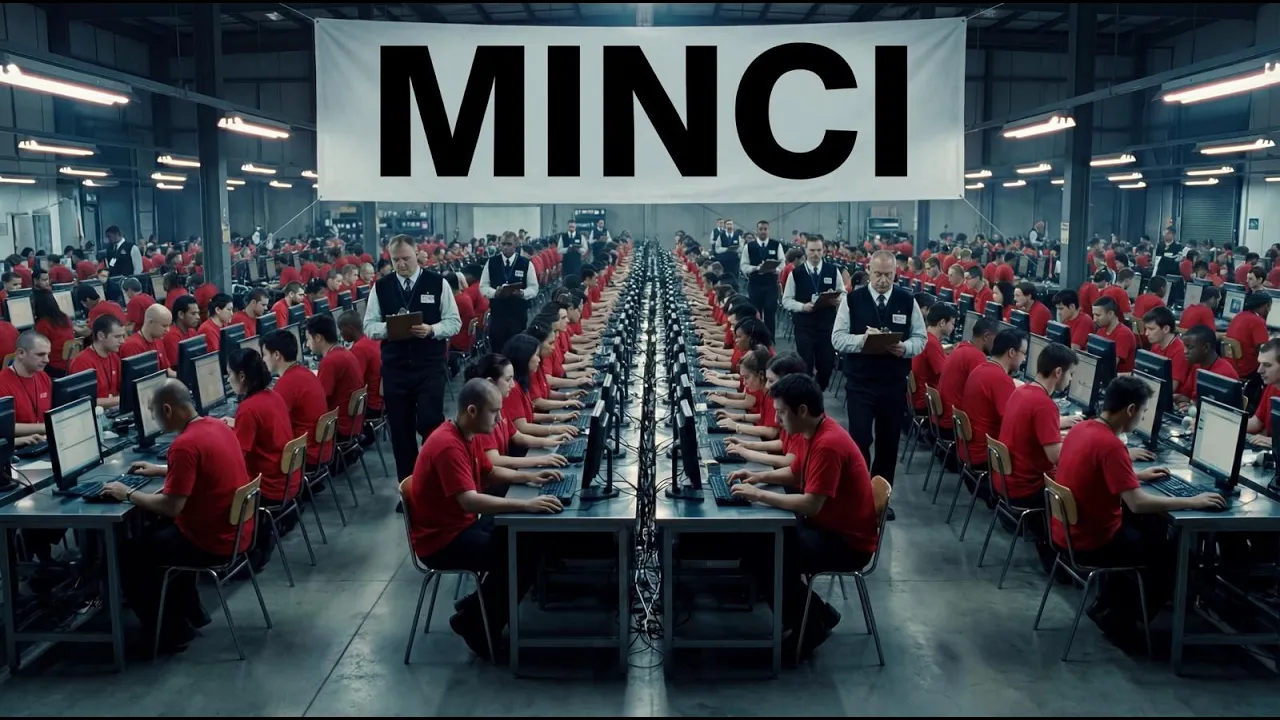










War propaganda films from the first half of the 20th century employed various techniques including combining real footage with staged scenes, using emotional appeals, and leveraging cinematic innovations like montage to promote nationalistic and ideological messages; effective propaganda films often blend entertainment with subtle or overt political messaging to influence public opinion and support for military causes, as demonstrated by examples ranging from Soviet documentaries depicting heroic resistance to Nazi films glorifying totalitarian leadership.
Top 10 Propaganda Films of the 20th Century
Added:Fundamental definitions of propaganda, including its distinction from persuasion, public relations, and objective journalism.
A basic overview of major 20th-century historical events, particularly World War I, World War II, and the rise of totalitarian regimes in Europe and Asia.
Introductory film studies concepts, such as editing techniques (e.g., montage), camera angles, framing, and how cinematography can evoke specific emotional responses.
The historical emergence of mass media and early communication theories regarding how message delivery influences large populations.
In-depth case studies of prominent propaganda filmmakers, such as Sergei Eisenstein or Leni Riefenstahl, to analyze their lasting stylistic legacies.
Analysis of modern digital propaganda, including the role of social media algorithms, echo chambers, and state-sponsored cyber-influence campaigns.
The evolution of wartime psychological operations (PsyOps) and their integration into contemporary military and political strategies.
Advanced media literacy frameworks to critically deconstruct bias, subtext, and manipulative rhetoric in current news reporting and political advertising.
613.4K views6Klikes13:47Original Release: 2014-07-07
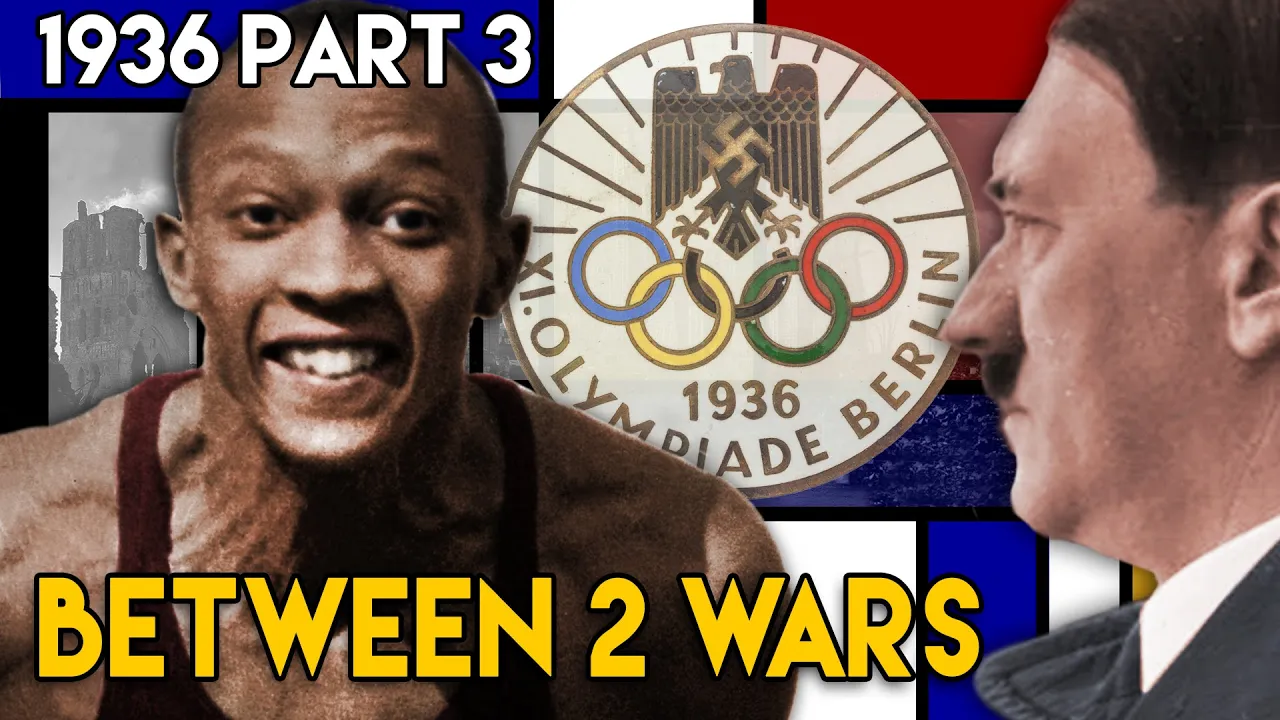
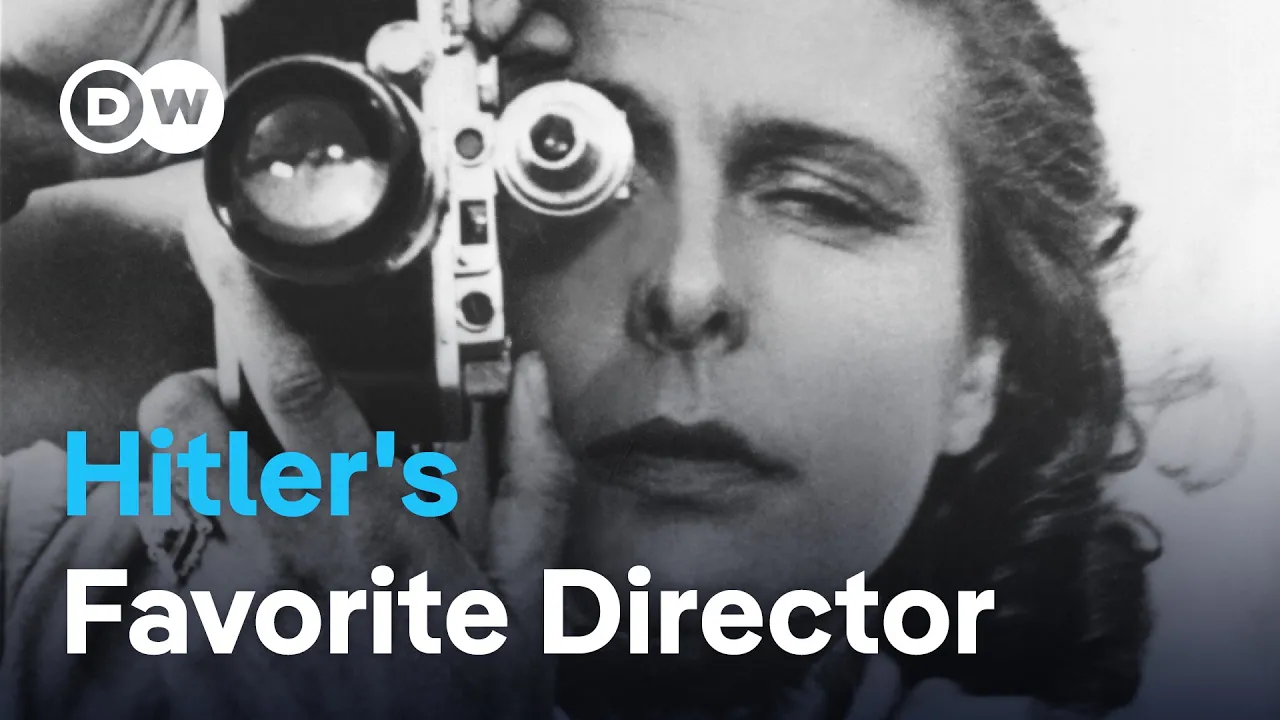
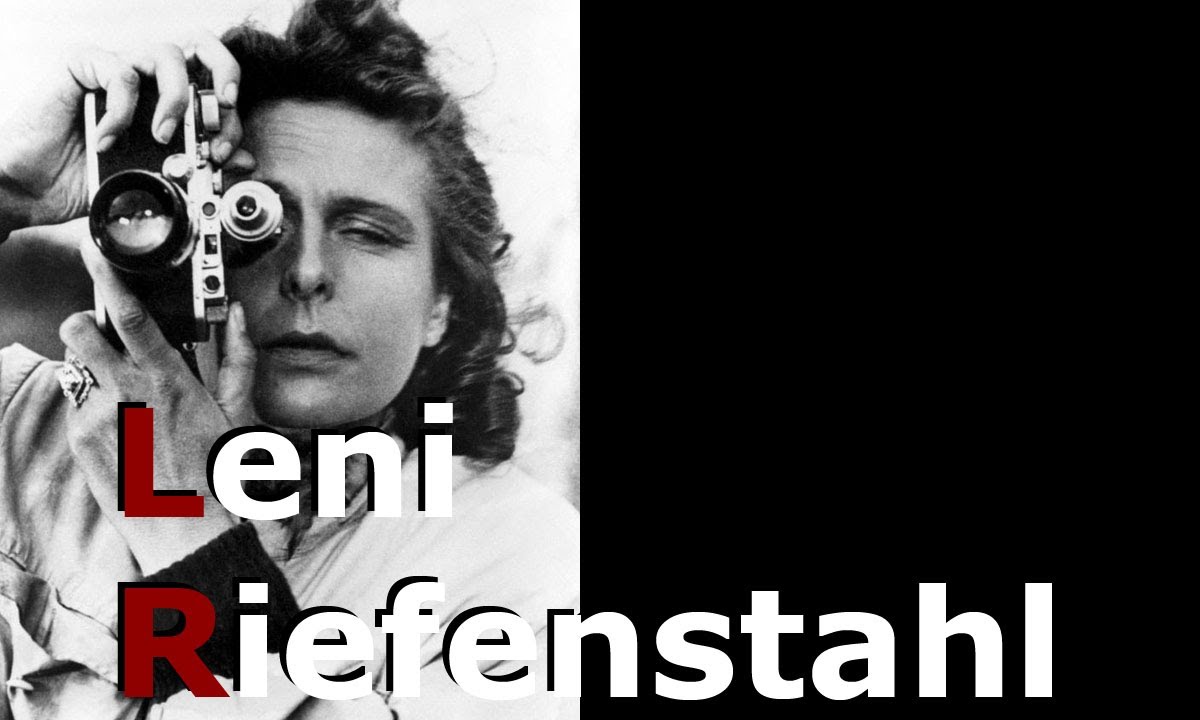
men of the Red Army the independence of our country is in your hands when War arises you know it's propaganda time the campaign in Poland gave us the opportunity to really get to know the Jewish people welcome to watchmojo.com and today we're counting down our picks for the top 10 propaganda films he's looking at you kid for this list we're looking at propaganda films from the first half of the 20th century that were effective in promoting their War rated themes that means other topics are off limits that airplane of yours looked exactly like a ruptur duck number 10 30 seconds over Tokyo hello hello York do little York I want you to get 24 b-25s with volunteer Crews down to egland field as soon as you can the job will take them out of the country for about 3 months released by Metro Goldwin mayor this propaganda film combines footage of actors and real soldiers to tell the story of the first air strike by the us against Japan following the attack on Pearl Harbor otherwise known as The doitt Raid gentleman Lieutenant Colonel d as you were great effort was made to ensure the film was as realistic as possible with sold ERS who fought in the raid offering perspective and genuine footage of real bombers used this years fellas take a good Gander we get back hope the folks want to know what Tokyo used to look like the result is a compelling and human film that paints a picture of what life during wartime was like if anybody on the field or off the field tries to engage you in conversation as to why you're here no matter how innocently I want you to get his name and give it to me and I'll turn it over to the FBI number nine Moscow Strikes Back they parade under a warm sun young men and women celebrating creative arts this was Moscow at peace this is the way of life our Russian allies are fighting to preserve this documentary takes viewers right to the heart of the battle of Moscow between the Soviets and Hitler's German [Music] forces gritty and raw the propaganda film features brutal shots of War fatalities interwoven between real scenes of battle [Music] attack but its power relies on its patriotism the Russians are depicted as a tough strong and irrepressible people this Army is approaching Moscow and Moscow citizens go all out for defense the winner of the USSR Stalin prize Moscow strikes back was also re-edited for time and content for us audiences and that version won an Academy Award the Dark Hour the will to Victory found Victory number eight [Music] Olympia Joseph Gobles was Nazi Germany's minister of propaganda but lenie reinstall was the woman behind the camera who broke new ground in terms of film making techniques released only one year before the start of World War II Olympia aims to show the glory strength and peacefulness of Germany by showing the success of the 1936 Berlin Olympic Games [Music] though the film and reefin stall herself soon fell into disfavor in the United States and elsewhere the importance of this propaganda film cannot be denied number seven Casablanca with the coming of the second world war many eyes in imprisoned Europe turned hopefully or desperately toward the freedom of The Americans is it's a universal story of love loss and doing what's right all set against the backdrop of World War II of all the Gin joints and all the towns in all the world she walks in a mine and that's exactly why Casablanca works so well as propaganda everyone can identify with its characters Louie I think this is the beginning of a beautiful friendship though its patriotic elements are arguably subtle they are undeniable Rick and Elsa struggle against the fascists what if you murdered all of us from every corner of Europe pundits thousands would rise to take our places even Nazis can't kill that fast emotion fear and even music help sway the audience and since Casablanca was released squarely in the middle of the second world war it was a valuable tool against the Axis powers the problems of the world are not in my department I'm a saloon keeper my friends in the underground tell me that you've record number six the Eternal Jew the Jews have been this way throughout their entire history their faces bear the age-old features of the Perpetual sponger the Eternal Jew another film made at the behest of Joseph Gobles this piece of Nazi propaganda was decidedly anti-semitic and used as a tool to prepare the public for the Holocaust in this Century of industry and progress Jewish business blooms as never before the house of Rothchild is just one example of the use of this tactic by the Jews to spread their net of financial influence Over The Working Man already experts at using propaganda to shape public opinion the Nazis unfairly painted Jews as soulless uncivilized parasites that must be exterminated the rabbis are not peaceful theologians but political Educators the politics of a parasite race must be carried on in secret with real as well as staged foot footage taken of Jews and polish ghettos shortly after the Nazi occupation the Eternal Jew was not a commercial success but it was instrumental as a propaganda apparatus considering the well-known German Love of Animals it would otherwise have been impossible for the Jews to continue their cruel torture of innocent and defenseless animals unpunished number five Why We Fight causes and events leading up to our entry into the war where well what are the causes why are we Americans on the March commissioned by the US government and mostly directed by Frank cpra The Man Behind films like Mr Smith Goes to Washington Why We Fight is a group of seven documentaries that explain why the Americans joined World War II we let our hopes for peace become so strong that they grew into a determination not to fight unless directly attacked created to convince soldiers and the masses to support the war effort this series aimed to refute similar films made by axis Nations yes we were a nation that wanted peace but we hadn't yet learned that peace for us depends on peace for all and kapper used footage from those same films to help highlight the Stark differences between fascist countries and Democratic ones and to get the US on board that is the cause in which we fight we lose it and we lose everything Number Four The Great Dictator is this the man that's him Hal Hinkle who's he don't fool with me I said hail hle though on the surface a silly satire this Charlie Chaplain film is propaganda at its finest don't you remember me huh the war you saved my life me strange and I always thought of you as an Arien I'm a vegetarian chaplain's first talkie and his most commercially successful film The Great Dictator came before the US joined the war yes dictator of the world we start with invasion of arelich after that we won't have to fight we can Bluff Nation after Nation will capitulate within two years the world will be under your thumb leave me I want to be alone and thus chaplain's critical message against Hitler and his Nazis and musolini and his fascists was controversial though also popular at its release i f featuring one of Cinema's most stirring speeches The Great Dictator was practically a call to action for Allied Forces and of immeasurable value as an instrument of propaganda I don't want to rule or conquer anyone I should like to help everyone if possible Jew Gentile black man white we all want to help one another human beings are like that number three battleship pkin [Music] black and white in more ways than one this Soviet propaganda film presents viewers with a clear-cut message against Russia's zaris regime directed by Sergey eisenstein as a dramatization of a real life Mutiny that occurred in 1905 Battleship patkin was a watershed film as it tested the effects of editing on audiences and proved how Montage could evoke an unparalleled emotional response in viewers with one of Cinema's most famous sequences as its centerpiece this film inspired many to parody it to censor it and to act number two The Birth of a [Music] [Applause] Nation originally known as The Clansman this piece of propaganda takes place in America following the Civil [Music] War directed by DW Griffith it was used to enlist newcomers to the K Klux Clan by depicting the KKK as Heroes and African-Americans as dense and [Music] hostile featuring white men in blackface instead of African-American actors the film was controversial even in 1915 and was protested by the fledgling NAACP [Music] a century after its production The Birth of a Nation still divides with its thematic content but impresses with its cinematic [Applause] Splendor before we unveil our top pick here are a few honorable mentions it was just such people as these Who Bore the full brunt of the first German Onslaught on England now you hear a lot about how long it takes battle hardened soldiers out of green troops listen I got to be a veteran in one day that day number one Triumph of the will created by Nazi party propagandist lenie reinstall this is considered by some to be one of History's best [Applause] documentaries however it is also a propaganda tool commissioned by Hitler himself to promote Germany as a great world power [Applause] [Music] showing the 1934 nurenberg rally where 700,000 followers gathered to support the Nazis the film uses groundbreaking techniques like aerial photography and distorted perspective to promote national pride and Hitler as a Godlike figure severe focused and terrifying Triumph of the will is perhaps the most effective weapon of propaganda ever made do you agree with our list what would you choose as the most effective propaganda films for more mesmerizing top 10 published every day be sure to subscribe to watchmojo.com [Music]
Up Next

14:32
Essay Film Genre and Adam McKay's Creative Cinema
@thetake
102.2K views•2019-03-03

20:12
Unfriended (2014) Screenlife Horror Film Analysis and Review
@theboredcyborg
372 views•2019-08-20
4:55
Film Blocking Techniques for Directors: Space, Shapes, Lines
@StudioBinder
1.9M views•2018-07-23

4:00
Evolution of Darth Vader: Anakin Skywalker's Animated Journey Across Star Wars Films
@TellItAnimated
13.4M views•2019-03-30
Related Study Plans & Knowledge Roadmaps
Structured learning paths in Film Analysis
film-analysis
Sensory Cinema: Foley, Haptic Sound & Texture
01Introduction to Film Sound and Foley Artistry
02Micro-Sounds, Textures, and Extreme Amplification
03Haptic Audition and Film Phenomenology
+ 1 more learning modules
12h4 modules
Explore Roadmap
film-analysis
Breaking the Fourth Wall: Mockumentary & Satire
01The Invisible Wall: Basics of Cinematic Illusion
02Looking at the Lens: Direct Address & Character Glances
03The Mockumentary: Satire, Realism, and Complicity
+ 2 more learning modules
12h5 modules
Explore Roadmap
film-analysis
Analyzing the Long Take: Cinema, Space & Ethics
01Foundations of Film Grammar: Montage vs. The Long Take
02Choreography and Mechanics of the Simulated One-Shot
03Phenomenology of Film: Real-Time Spatial Continuity
+ 1 more learning modules
14h4 modules
Explore Roadmap
film-analysis
Anachronistic Music: Period Drama & Subversion
01Foundations of Film Sound and the 'Needle Drop'
02Traditional Authenticity vs. Revisionist History
03The Rise of the Anachronistic Soundtrack
+ 2 more learning modules
12h5 modules
Explore Roadmap