

























Frame within a frame is a cinematography composition technique where filmmakers use natural elements like doorways, windows, mirrors, or tree branches within a shot to create a visual boundary around the main subject, drawing viewer attention to the central focus while adding depth and visual interest to the storytelling; successful implementation requires careful camera positioning to let the frame naturally surround the subject, experimenting with angles, and maintaining compositional balance so the frame enhances rather than distracts from the main character.
Frame Within a Frame: Cinematography Composition Technique
Added:Basic rules of photographic composition, such as the Rule of Thirds and Leading Lines.
An understanding of camera shot sizes (wide, medium, close-up) and how camera sensor boundaries define the primary frame.
The concept of depth of field (DoF) and how aperture settings separate foreground, midground, and background elements.
Fundamentals of visual hierarchy and how contrast, color, and focus guide the viewer's eye.
Thematic and psychological storytelling: using framing to convey narrative concepts like isolation, entrapment, or power dynamics.
Dynamic framing and blocking: maintaining frames within frames during complex camera movements and actor tracking.
Chiaroscuro and lighting-based framing: using light, shadow, and silhouettes to create organic visual boundaries.
Experimenting with aspect ratios and masking techniques to alter spatial perception within cinematography.
5.4K views305likes5:48Original Release: 2024-03-01
[Music] this may be one of the most powerful techniques in cinematography this is called frame within a frame this involves placing items around your shot to draw the viewer's attention to the main subject right now let's dive behind the camera and see what is the best way to achieve a shot like this hey what what's up everybody before we jump into the video if you're new to this channel my name is z Quan and I am a fellow filmmaker and also cinematographer based out of Orlando Florida the purpose of this channel is really to grow filmmakers like myself by sharing tips and techniques but then also sharing personal testimonies and also just wisdom and knowledge that the Lord has given me throughout this entire film making Journey so if you're into this and you would love to stick around please consider subscribing and let's jump into the video frame within a frame is a composition technique where you use elements within your shot to create a natural frame around your main subject this draws your audience attention and adds layers of visual interest to your storytelling when setting up your shot look for elements in the foreground the background or even on the size of the frame that can act as a natural frame to add depth to your shot it could be anything from a doorway a window some tree branches or any architectural structures the key is to be creative and to find elements that naturally exist within your scene to illustrate this here's an example from a short film that I shot entitled unemployed all right all right okay okay all right we all on time we're here we're early one last job once you finish this you get enough money we up out of here bro let's do this let's do this come on job we need this job bro we need this job man we need this job all right let me give him a call you message of Darius Jones sorry I can't take your call right now please leave a message after yo yo what's good bro um just got to the location a bit early but you know what they say man if you on time you late yeah man I just wanted to be a little bit early I'm ready to grind uh call me back when you get this message all right bro peace I use frame within a frame to visually tell the audience what my character was going through by positioning the camera in the right spot at the right time shooting directly into the mirror you you can see the expression on the character's face aka me but then you can also see how the character interacts with the world around them naturally drawing your eyes closer to the character so you can focus on what the character is also focused on as well too this is done in multiple other films here are some examples of films that use frame within a [Music] frame [Music] [Music] w [Music] now let's talk about camera placement you should position your camera in a way that the frame naturally surrounds your subject from there you can experiment with multiple different angles and different camera positions But ultimately you want the frame that's most appealing for composition don't be afraid to go crazy and get creative with your shots cuz this shot works wonders for closeups and even watch shots here's a small tip I just want you to be mindful of as you practice and try to execute this technique make sure that you pay attention to your composition and the balance of it it is real easy for the frame to be distracting and taking away from the main character than in actually elevating and enhancing the story don't worry practice makes perfect but as you continue to refine your skills just take it one shot at a time and there you have it one of the most powerful composition techniques used in cinematography yes there are other techniques that I could have mentioned and there are definitely some honorable mentions but this one specifically I believe frame within a frame is the most interesting but then also it helps Elevate the skills of a cinematographer to help draw the story for the viewer so if you like what you see and you find this video valuable please consider subscribing and drop a comment Down Below on how you going to use a frame like this in your next project so like I say in every video don't forget to protect your vision and know that God is love and I see you guys in the next one peace
Up Next
10:22
Cinematic Composition Techniques: A Filmmaker's Guide
@SightseeingStan
1.1M views•2024-10-18

20:12
Unfriended (2014) Screenlife Horror Film Analysis and Review
@theboredcyborg
372 views•2019-08-20
4:55
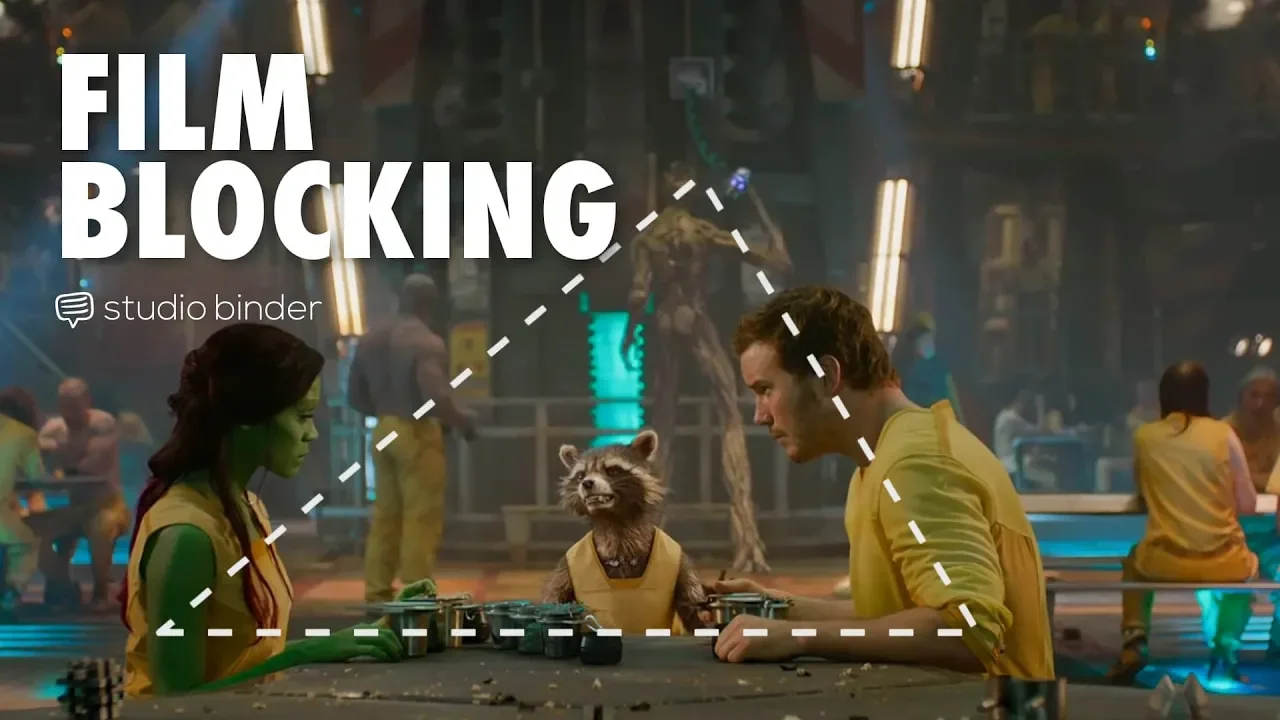
Film Blocking Techniques for Directors: Space, Shapes, Lines
@StudioBinder
1.9M views•2018-07-23

4:00
Evolution of Darth Vader: Anakin Skywalker's Animated Journey Across Star Wars Films
@TellItAnimated
13.4M views•2019-03-30
Related Study Plans & Knowledge Roadmaps
Structured learning paths in Film Analysis
film-analysis
Sensory Cinema: Foley, Haptic Sound & Texture
01Introduction to Film Sound and Foley Artistry
02Micro-Sounds, Textures, and Extreme Amplification
03Haptic Audition and Film Phenomenology
+ 1 more learning modules
12h4 modules
Explore Roadmap
film-analysis
Breaking the Fourth Wall: Mockumentary & Satire
01The Invisible Wall: Basics of Cinematic Illusion
02Looking at the Lens: Direct Address & Character Glances
03The Mockumentary: Satire, Realism, and Complicity
+ 2 more learning modules
12h5 modules
Explore Roadmap
film-analysis
Analyzing the Long Take: Cinema, Space & Ethics
01Foundations of Film Grammar: Montage vs. The Long Take
02Choreography and Mechanics of the Simulated One-Shot
03Phenomenology of Film: Real-Time Spatial Continuity
+ 1 more learning modules
14h4 modules
Explore Roadmap
film-analysis
Anachronistic Music: Period Drama & Subversion
01Foundations of Film Sound and the 'Needle Drop'
02Traditional Authenticity vs. Revisionist History
03The Rise of the Anachronistic Soundtrack
+ 2 more learning modules
12h5 modules
Explore Roadmap