



![영화 편집의 정석...을 깬 편집 [영화학개론5화]](https://i.ytimg.com/vi/OHgoCqPZ6K0/maxresdefault.jpg)




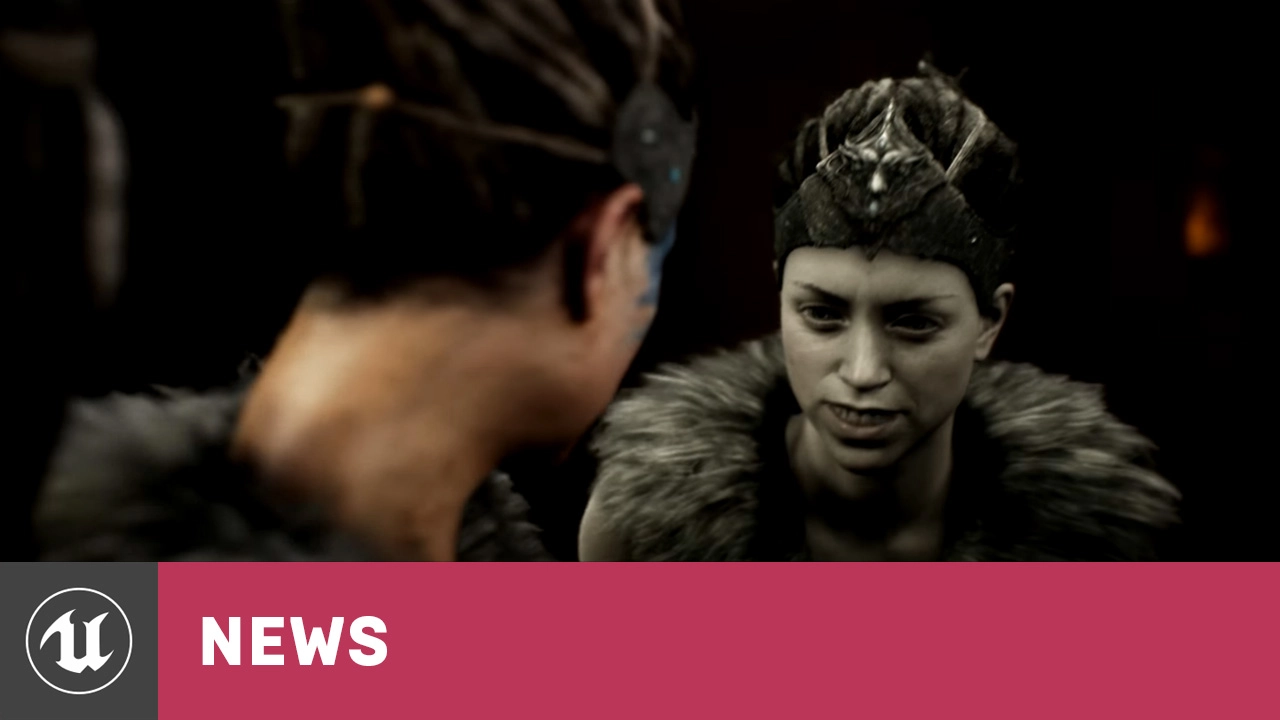





In cinematic storytelling, camera placement and movement are powerful tools for establishing character power dynamics: looking up at characters makes them appear more powerful and imposing, while looking down makes them seem weaker; camera dollying forward during character entrances creates an illusion of the character being pushed back, enhancing their dramatic presence; and continuous camera movement throughout a scene maintains audience engagement and emphasizes action sequences. These techniques work together to visually communicate character relationships and power struggles without dialogue.
Film Analysis of ESO: High Isle Cinematic | Filmmaker Breakdown
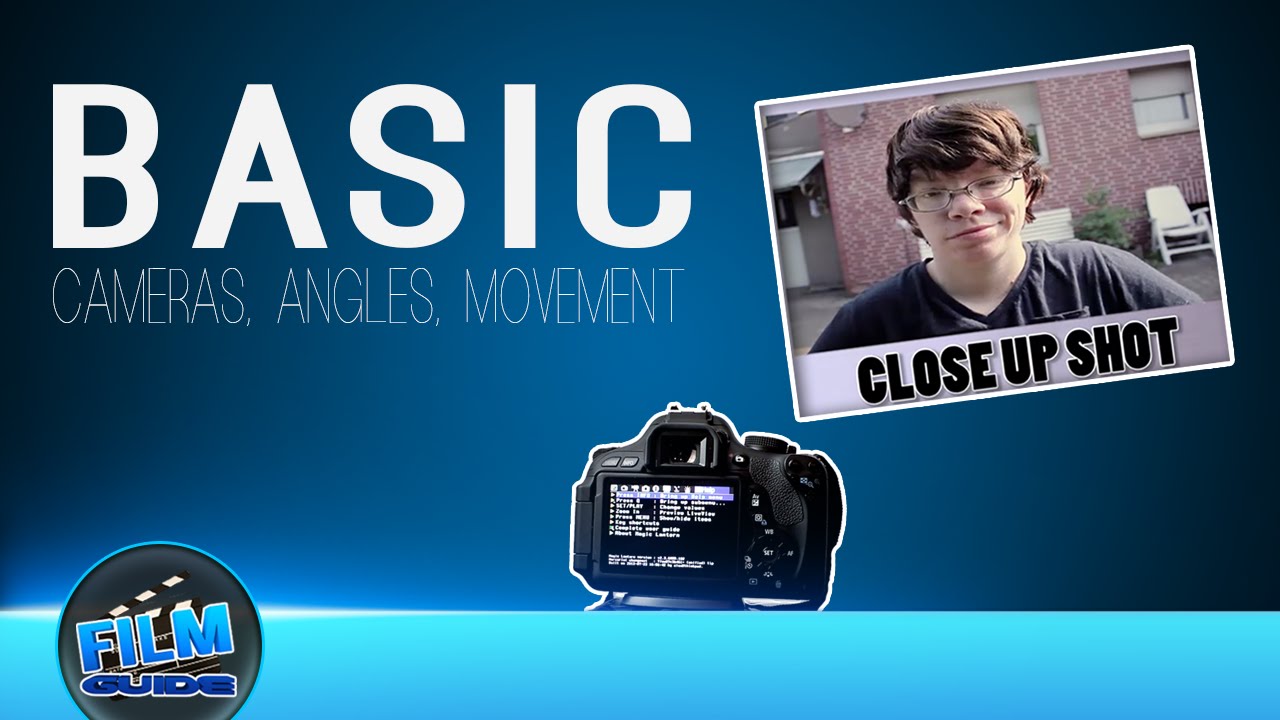
Added:Basic cinematography terminology, including camera shots (close-up, wide, medium), camera angles (high, low, Dutch tilt), and standard camera movements.
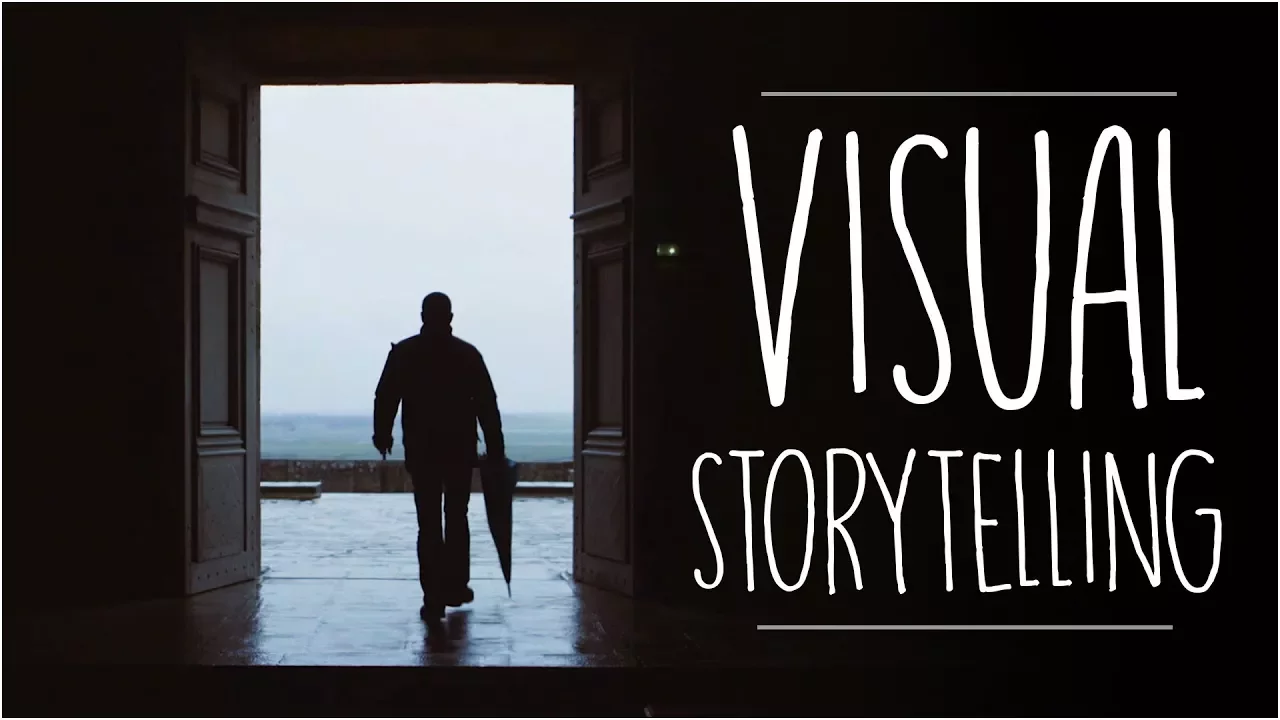
Fundamental principles of visual storytelling and composition, such as the Rule of Thirds, leading lines, and how lighting is used to convey mood.
The basics of film editing, specifically continuity editing, pacing, match cuts, and how sequencing creates narrative rhythm.
An introductory understanding of digital animation pipelines and how CGI (Computer-Generated Imagery) cinematics differ from live-action filmmaking.
Advanced study of Virtual Cinematography, focusing on how virtual cameras and digital lenses replicate real-world camera physics in game engines.
The process of pre-visualization (previz) and storyboarding for high-budget cinematic trailers and action sequences.
Digital color grading and color theory, exploring how color palettes are mapped to reinforce narrative themes and character arcs.
The role of sound design, Foley, and orchestral scoring in synchronization with visual editing to build tension and impact in cinematic sequences.
177.9K views5.1Klikes23:21Original Release: 2024-01-23
M this is well intense hello everyone welcome in my name is Kai zamis I'm a director cinematographer and writer based in south of the UK and today in this video thanks to you guys we're going to be looking at the Elder Scrolls Online The High Isle launch cinematic bloody that was a mouthful how these videos work is I break it down into two parts the first part is I watch it give you my reaction just enjoy it for the story that they're trying to tell and then afterwards that's where I break it down as a filmmaker I look at the film making side of things so video editing cinematog or explain why the Cinematic hit if it hit at all I don't just talk about the technical side of things it's also a place where I get to share my thoughts and opinions on the Cinematic and yeah what do I really think of it and the story that they're trying to tell so with what it's said and done play the [Music] tape wow starting off [Applause] immediately [ __ ] knows like something out of anime why who's coming along dragging the sword it how powerful do they look camera dollying forward look how powerful he looks three and one oh mate this a a saying about is it oh [ __ ] he's strong is he oh is that like a weaker Thief type it's a barbarian man this is well [Music] intense I don't know who that swords is but I like him oh my God he's just like that was our Ace uper Steve wasn't it I don't know who the good guy or the bad guy guys are I'm guessing the three of them are the good guys and he's the bad guy you know if You' got that hero and villain character types this is stunning it's gorgeous is is it fatal oh yeah this is awesome are they all like this are they all to this qualities this is [ __ ] amazing done to be fair though they all three of them look strong three on one so they must was right then they are the heroes aren't they wow what a dude right to start this off I've just got to be honest I don't expect these cinematics to top each other as in each one I'm watching is getting better and better and or especially when it comes to different franchises I thought you know I heard this was medieval and I thought okay yep we'll give it a shot why not and uh seriously this this blew me away this one this was fantastic but right let's get into it shall we my goodness okay straight away what an opening what an opening we're already we it's in a a blaze of glory and the camera is going forward we got the titles come up we know exactly where we are what an establishing shot yeah so the camera is Doling forward we got we're Archway here so it's narrowing our vision so we know where where we're looking immediately again if you're a cold caller you've never you don't even know what you're watching you've just stumbled across this on YouTube whatever how can they immediately hook you what's the hook well the Flames was the hook that that revealed that underneath it then we've been arched by this here you know a telling our vision to go here but at first it was here and then here what is it we're looking at we understand what it is all this chaos you know this very cinematic movement as well and speaking of Cinema um I don't really bring it up very often but I should do you see here these black bars okay so that's very Cinema okay so that's that's a 2 35.1 mask is what we we call it and you can get other different aspect ratios and the point of that is is it gives that illusion of a movie and if you shoot this on animal fix as well it'll make it look even more like a movie but sh since I saw that I was like okay we're going into the cinema territory okay so let me go back and just watch it through look at all this up fight the crossing the screen the horse comes in it grabs our attention and it goes off and then then we get our thread of Storytelling happening did you notice that let's go back so we got all this so that tells us the what the hell's going on all right we're in the middle of a medieval battle huge enormous battle should we say and there we are there it is right in the middle of the frame bang bright green completely different color from everything else and it is the brightest and whitest light theoretically on screen immediately grabs our attention but the color of it will do that anyway let's go back five and go in but the story the thread of story T hits us and we're and we're suddenly there boom M I'm in all right why was that so epic look at just look at it it's awesome let's go back five go back another five bollocks to it so this blows up continues on with where we left off yeah but what I love about it as all this Rubble he comes out scraping the floor but is emphasized because the camera is dollying forward okay so because the camera is dollying forward when we go into it it looks like he's being pushed back even further it's more rapid the movement looks more rapid begin because the camera is going forward and then the smoke we cut through the smoke the camera is still giving us that illusion that we're dollying forward and then they come through the C camera picks up its Pace it goes forward we know we want him to be we want to be looking at him cuz look at this light this immediately drew our eyes let's go back five and go into it look at it Center frame camera picks up speed you can see it we're looking at him okay and then we start looking around we look over there and then we look down here I love the fact they're in high Al as well but my goodness look at that but by going by having the camera dollying forward and tilting up they look powerful and look at this smoke imagine what that would look like if there was no smoke how rubbish that would look put smoke or atmospheric spray into your stuff even if it's a photograph of a I don't know bloody toyer for example put a bit of smoke or Haze in it look way more epic and look at this I immediately knew this guy was powerful I was like oh okay the way he came out you know on his with his sword obviously had a bit of an anime presence to it epic yeah but look at this let me go back let me go back a few frames he got all the smoke the way he's revealed he's completely he's almost covered okay so he has the same epicness in the Smoke reveal as the other three protagonists so here's our antagonist the music note the Boom the big Bassy Boom the way the camera dollies forward and tilts up at him look at the power struggle the power struggle on the the status that they have his camera is way up is up higher than theirs so I was like okay this guy is a force to be reckoned with and it's one of him versus three of them yeah let me check yeah look look at the camera placement considering this bloke's massive he doesn't have the have the same thing does he they're almost they're just above our eye level this one so it means the that you're more relatable as a character oh that's that is us that's who we are meant to be this guy look at him how much it tilts up and the way the smoke Whispers flows off his armor Cam's track Doan withm sorry great see we fight sequences sometimes with Hollywood action it's so tight you can't see what's going on with this I'm following the camera the camera is it's shaky but it's not super shaky I can see what they're doing I can see that was a big massive forearm up look at the look at the detail I promise you when they they pre um they pre what they call it pre framed this basically I can't remember what martial art is called it but it's basically you practice it out so when they would have got the actors in to do moap they must have mopped this they had a a fight Specialist or a choreographer to come in here because look at the way the camera placement is look camera is out it's still sort of don't for the camera is perfectly placed here look at this again it's just stunning I could watch this all day and the camera is completely moving it's telling you where they're going and it's emphasizing the movement of a character so he's falling off the roof by they're having the camera go the opposite direction look so he's going left but the camera is going right emphasizes the move and quick concession of cuts that's nice so now look at the power status here between these two characters so we've been we've we've seen all these different characters have their little moment in the Sun so we now know this is the barbarian's turn he's lower but look at the way the camera placement is we're looking up at our hero now so he looks like he's powerful so I was like oh my God he's be the [ __ ] out of him and then he got knocked back quickly it changes look at the [ __ ] detail of it look at it all these God Rays here the lighting powerful sunbeams coming in backlighting your characters look at this just fill in the frame but it looks more cinematic because we've got these black bars we we're restricted in where we're looking look at the depth F field on it look at this so our subjects are in frame here so we've got all our foreground going on so this is nice clean framing sometimes I mention dirty framing but this is clean I I'll explain this stuff as we go along you know look we got our subjects here look at this shallow depth F field very cinematic it's out of focus look it's lovely isn't it the way the camera is always moving but what's nice about it it's not like the Hollywood action where it's so shaky you can't see what's going on this has more of a Star Wars uh fight scene to it and what I mean by that is when you watch Star Wars films or cinematics they're shaky but they're not super shaky and this is exactly what he says it's not that hand rig where oh my God you know like the extraction you can't see what the [ __ ] is well that you can but it's so epic but it's because they want that to visually translate across screen to your audience members the camera is always swooping around them perfect that was really nice kinetic Cuts then let's go back bang so watch her arm goes back the camera goes camera right and it FL the camera is still going right so when we do our closeup it is perfect our eyes are going with the flow of Storytelling then look so her hand then starts to go camera left or frame left then the shot next to it camera movement goes left as well okay you're following that thread of Storytelling that is and what that is also is mainly is kinetic editing okay so let's go back five and play into it I do loads that and he makes your eyes really flow between shots I have no idea what he did there but I love that so he comes in he stops a hand with that which is fantastic and then he just oh he pushes it back onto her but look at the way she went into that it had destruction look at all these spar marks you know filling rather than just a big explosion of flash green and then you see around the wall we've got all this texture and all this Frame it fills your frame up look at the way see what I mean about the camera I can see everything that is going on and let's go back to and the way the camera is moving so look here we go we've got our big Barbarian we know he's strong but this guy this one is an animal isn't he let's be real and so we we're shooting above their heads now because obviously we're taking in consideration of the Battlegrounds we come down it's a bit and now we're gone back to looking up at them it just gives it makes them both look really powerful but you can see everything that is going on camera has not stopped moving oh look at that lovely little bit of uh po Focus then look at that look goes down P Focus r f straight straighten look at where she is her eyes right in the middle of the frame you know you're going to look there see a lot of the time I'll talk about where the camera is framed up high and does it make your characters look weak technically yes it does but it's fine when it's in the context of the story so we know we want to emphasize the drop of of here we know where he's going with it but look at him this powerful character looks weak doesn't he doesn't have the same power status but it's fine because we're looking at you know this drop they want you to look here look at the way the color palette is loads of Reds contrasting with blue we are looking down there look at the framing of it it's gorgeous M let me go back and I want to see that image of a this this animation of all this thunder and lightning stuff is amazing but what I really like is look at the light in her eyes this catchment it's making you look into her eyes even though it's only for like a frame and a half you really see it where our villain has no eyes we haven't seen him so he has more of a menacing look like just the animation on her face is and the performance is mindblowing it's interesting because I know Bethesda work as in their games and I I always found their games quite ugly you know every obviously you got every stylistic choice and artist impression yeah I get there but I've always find it really ugly but this is this is like gorgeous but look at this performance eyes [ __ ] what open rocked her honest to God this is next level here we go look we got a closeup now and only now do we see this bit of light in here the thing is we've with eyes you always want that little bit of catchment I do it here because what is by it makes you draw it draws you in as an audience member let me go back F go to it oh [ __ ] I went 10 see you had to catch with in his eyes so the thing is I think that catchment as well was there to sort of to show you that it rocked him or it got him and not only that it makes it oh yeah he's human oh I forgot about this guy but yet look look at the status of him still the camera is looking up at him our hero are looking up at him look at this I'll be honest this is absolutely this is blown me away with every frame I'm being blown away more oh my God look at it could you imagine this being a show like on Amazon Prime or or Netflix or whatever doesn't I don't want them writing it I just want them it to be on those platforms you know a platform where everyone knows of I would watch this in a heartbeat look at it I wouldn't I'd love to know how much this cost this this to me is amazing how old is this oh this is a year old but look at this this is stunning and look how lovely lit how lovely she's lit as well looks very cinematic you know we got our backlight in here you know it wraps around here on the side we've got a nice contrast here this is stunning honestly this is oh do you see that the um the the kinetic caliz in the look our eyes go up the camera went up okay you're continuously always moving they're telling you where they want you to look and now we're on his eye level you're not looking up at him anymore look at that the camera's now dollying in a little bit shaky from just obviously recovering from the the fall and the camera will start smoing off now because they are in control cuz they're in control of the battle scene the camera will smoing off see look at that that camera is butter smooth look at it cuz they are in control of the battle well of this environment so this is what we're talking about backlighting here okay look at this it's gorgeous yeah got this lovely Vista they're on the lower third well just underneath the half frame line here but look at the lighting they look way more cinematic because they are backlit even the [ __ ] volcano where is his his back lit and it stunning gorgeous and here we are that was great honestly I could talk about that I could go over loads of that do you know what I'm going to go back again I just want to go into this bit look at the way the camera moves with it the camera has never stopped Once on This continuously moving throughout the whole cinematic that to me and cinema by the way means movement if you this was one of you know like a a real life uh action just this all this camera movement alone with with with all these set pieces would be a blockbuster you know like incredible this like Lord of the Ring Vibes going on if I'd actually say it's better than Lord of the Rings but you know but if you said to me would want watch Lord of the Rings or watch a film like it on the these characters I I want to watch this cuz I now know they set the bar of the quality that I'm looking at but yeah I honestly guys I'm absolutely Blown Away with this one this is um oh you'll have to let me know are the others like this are they to this type of quality do we follow these Heroes more I'm guessing these are your you know your Elf you know you got your Rogue and you got your like Berserker characters I'm guessing that's who you play but yeah God imagine if games were like this right let's go back to that in COD I say it looks stunning doesn't it okay so we got our in COD what the game is but look it's not completely Bland we've got some texture here and look at this this is stunning backlit again if you noticed but look at all these dust particles look you know it's filling the shot up it's giving us loads of texture there camera again is still moving tilts down why also dollies back pulls a focus on this Legend is all I'm going to say this badass's Fist and then you get your second boom your cinematic boom can I actually let me just go back to where he crashes I just thought of something where is it where is it here so he comes crashing down and look at this even when he's been defeated he is still above the the half halfway point of the Horizon look at he's sitting there like a king he actually looks like he's in a throne they he still has that power status even though he has been defeated part of me wondered when I was watching it as he was he defeated and AP me inside I was like he's not been defeated not like that that won't kill him and then when I saw this shot it it was starting to add up that I don't think he was but yeah look at him look he's literally like he's sitting on the throne I love it and then when you cut back into your second your second crash in your audio like boom look again the camera is placed up so he's above the halfway line which tells me and we tilted up at him even though we laying down on the floor he still got the power and and I knew his fingers were going to move wow and then you have it that was my reaction and breakdown to the high Isle launch cinematic absolutely loved it as I thought I would do and did you enjoy the video did you enjoy the breakdown if you did give the video a like a thumbs up as it really does help out the channel and video and would you like to see some more well somewhere on the screen I'll put another cinematic breakdown so you can enjoy it so I'll see you over there if not I'll see you next time see you later bye-bye out of time
Up Next
58:22
Weapons of Math Destruction: Algorithms and Social Harm
@talksatgoogle
113.2K views•2016-11-02

12:54
Triumph of Orthodoxy Icon: Byzantine Art & History Explained
@BenCallan
2.1K views•2024-08-06

9:49
FastAPI vs Flask vs Django: Choosing the Right Python Web Framework
@TechWithTim
302.5K views•2024-05-26

1:42
Game of Thrones Opening Credits: A Cinematic Analysis
@gameofthrones
46.3M views•2011-04-18
Related Study Plans & Knowledge Roadmaps
Structured learning paths in General & Interdisciplinary Studies
general-studies
Elevator Engineering: History, Physics & Cities
01From Hoists to Safety Brakes: The Dawn of Vertical Lift
02Hydraulic vs. Traction: The Engineering Physics of Elevators
03Modern Speed, Safety, and Algorithms
+ 2 more learning modules
12h5 modules
Explore Roadmap
general-studies
Rubber: Material Science, History & Geopolitics
01Origins of Natural Rubber & Mesoamerican History
02The Chemistry of Natural Rubber & Vulcanization
03The Geopolitics of the Rubber Boom & Colonization
+ 2 more learning modules
12h5 modules
Explore Roadmap
general-studies
Containerization: Evolution, Logistics & Trade
01Ancient Trade & Bulk Cargo: Amphorae to Barrels
02The Industrial Revolution & Cardboard Packaging
03The Containerization Revolution: Malcom McLean
+ 2 more learning modules
12h5 modules
Explore Roadmap
general-studies
Textile Tech: Evolution, Labor & Global Impact
01Pre-Industrial Textiles: Handloom & Cottage Industry
02Mechanization: The Spinning Jenny to the Power Loom
03The Factory System & Global Labor Transformation
+ 2 more learning modules
10h5 modules
Explore Roadmap