













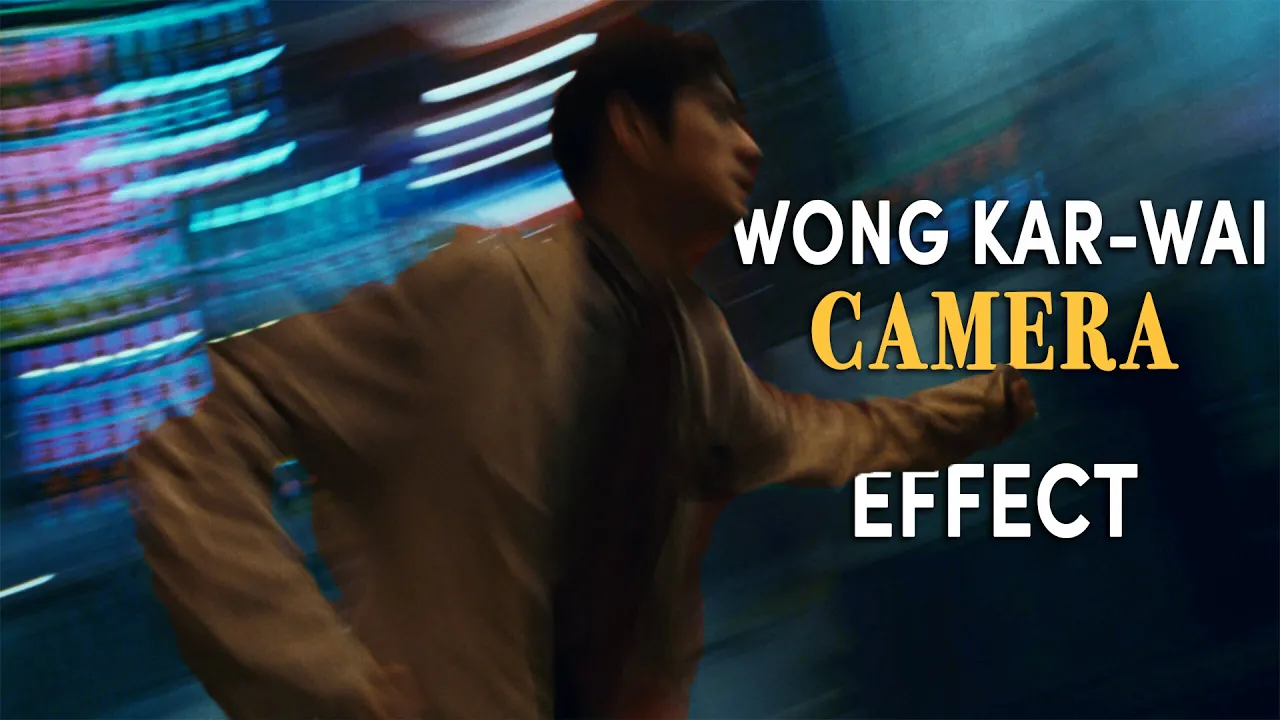





Camera angles are essential tools for filmmakers to create specific moods and atmospheres in their shots; for example, lower angles can create mystery and anticipation, establishing shots help viewers understand the setting, handheld wide-angle shots can convey chaos and disorientation, and reflection shots can reveal character personality and add visual variety. These techniques can be effectively recreated using accessible equipment like digicams and portable lighting solutions.
Cinematic Camera Angles for Beginner Filmmakers | Achieving Wong Kar-wai's Style
Added:Understanding the exposure triangle (aperture, shutter speed, and ISO) and how manual settings operate on basic digital cameras.
Familiarity with standard camera framing and composition, including basic shot sizes (close-ups, medium shots) and camera movements.
Fundamental concepts of lighting, specifically the difference between hard and soft light, and the concept of three-point lighting.
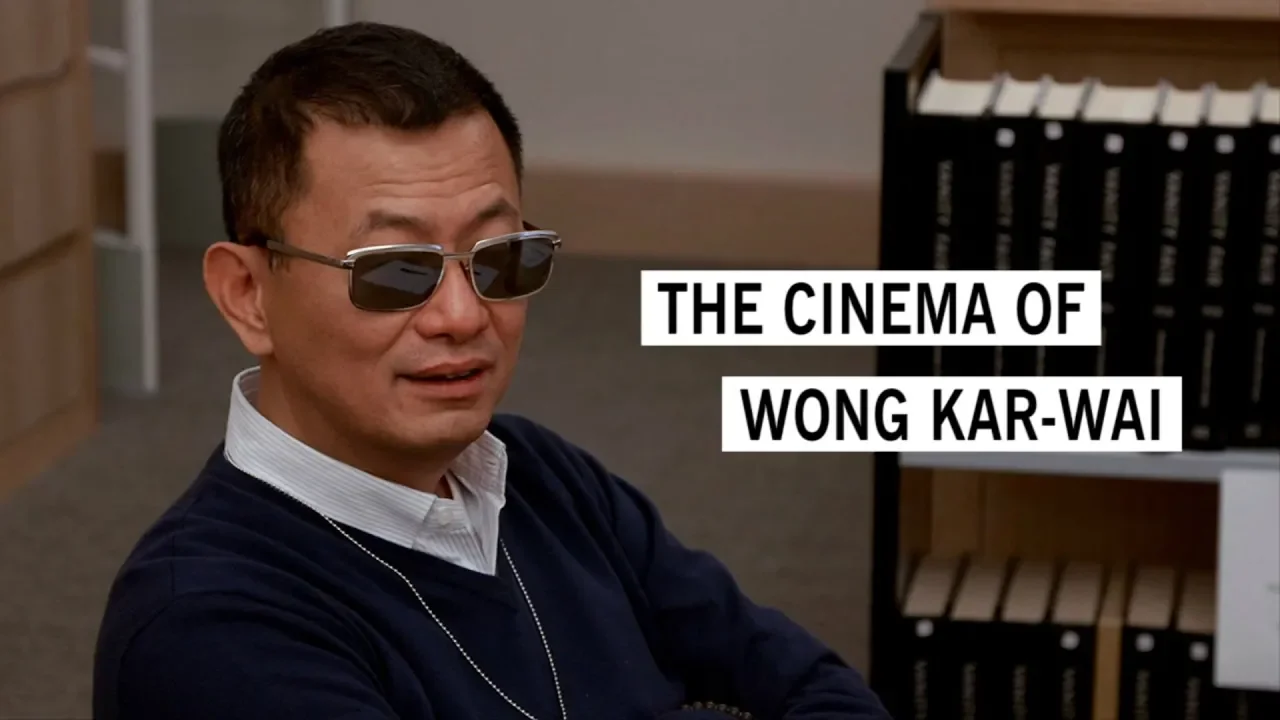
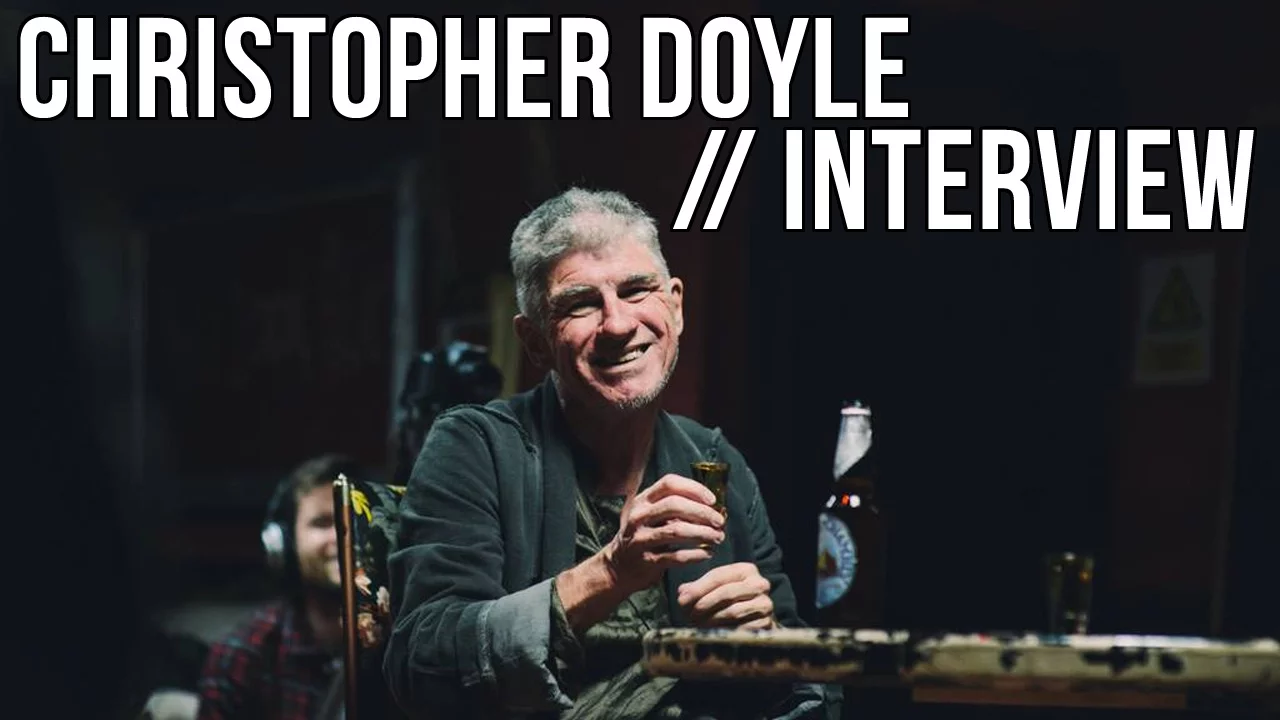
An introductory awareness of auteur cinema, specifically the signature visual style of director Wong Kar-wai and cinematographer Christopher Doyle.
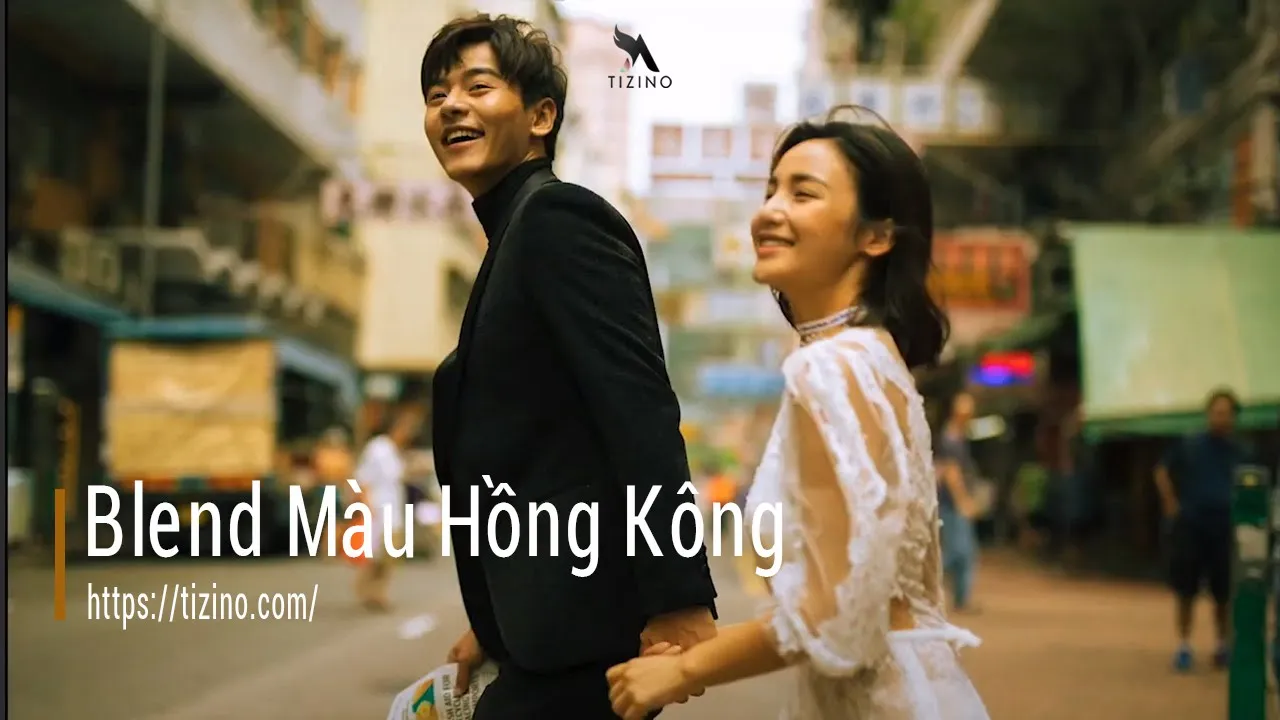
Advanced color grading techniques in post-production to achieve the high-saturation, neon-tinted look characteristic of Hong Kong second wave cinema.
Mastery of shutter speed manipulation and step-printing in post-production to simulate Wong Kar-wai's signature dream-like motion blur.
Exploring narrative-driven mise-en-scène, specifically how to use set design, props, and costumes to reflect characters' internal psychology.
Upgrading from consumer digicams to cinema-grade cameras and vintage manual lenses to achieve organic anamorphic textures and flares.
106.8K views7.1Klikes9:06Original Release: 2024-01-31
it's today Christmas because it feels like it small Rick sent me the RC 60b light today and we're going to bring the best out of it I don't know about you but when I get more than one package I get super excited about it and I'm so excited for today's video by the way if you're new to my channel hi I'm Megan and I make film making tutorials cinematic Vlogs and lifestyle videos so go ahead and hit the Subscribe and like button if you like this video [Music] what are we opening here Bry hey what are you doing here so today I'm going to talk to you guys about camera angles no pry I'm talking about camera today am I supposed to talk you're talking about liting yeah so today I'm going to talk to you guys about lighting okay bye guys sorry he's not supposed to be here okay what's the inspiration behind she doesn't always look like this I I don't uh but he beat me up in the intro not just like before we're not supposed to say that anyways hi guys I'm Megan I'm also a YouTuber and I do film making and lifestyle Vlogs and tutorials and today today this look is inspired by after hours from the week and music video but our whole like um inspiration for our film today and our little video is a lot from one car y the very famous director cuz he has so many special lighting and angle techniques that he uses in his shots so that's why we're trying to recreate today I got three DJ cams for 30 bucks on eBay so guys no excuses uh the first shot is going to be sort of like a lower shot uh sort of like a very mysterious shot that where I'm coming up from the escalator and I'll slowly reveal myself sort of like when the escalator is coming up it's fun this is sweet here it is guys I'll go down and I'll come [Applause] [Music] up so the reason I chose this shot for the intro is because I wanted to create a little bit of mystery in my shot and what better way to do that than a closeup with me coming towards the camera and just creating a little bit of mystery for my first shot all sweet look at that look at that look at that I love that peace out see you have fun oh here she comes okay I like [Music] it turning it like that like that this yeah oh like that so it's sort of like a really like from yeah oh okay okay that is not all what I was thinking so it's very lanar so the shot that I'm doing today is an establishing shot an establishing shot is basically to establish where I am and I was thinking to do this establishing shot as a wi shot so that you can actually see all of it like where I am you obviously know that I'm in underground station and um yeah that is the whole point of an establish shot or a white shot beautiful work I'm really curious you happy with [Music] it here we go and [Music] action the whole point behind the shot was to create that feeling of me being drunk and a bit more like chaos in the shot so we went for like a super close one car y wide angle shot for that we used the small Rick UH 60 W light I really loved using the small Rick RC 6B because it's wireless and that means I didn't have to rely on any external source of electricity or any like f Mount or vmount batteries and super light so I could bring it everywhere I went with me and it also can last up to 40 minutes on full power meaning I don't have to worry so much on shoots like this as you can see for a lot of our shots Brady had to do like a one shot take with the camera in his hand as well as the small rig RC 60b in his hand so the small rig light is super super portable and super light and that was for this shot especially as you can see he has been carrying it for the whole time during the shot and it worked perfectly fine which was super awesome and practical so that's how we achieved the shot and I feel like it's a very good shot to create that kind of like chaotic drunk scene uh especially cuz I'm all over the place I've gotten beaten up and like I'm just super confused I don't know how to get home so that was sort of like the point of this handheld wide angle very close off shot [Music] w [Music] up a lot okay guys so this is one of our very last shots uh we're doing a mirror shot or a reflection shot and I normally do reflection or mirror shots when I want to change it up a lot because we've been doing a lot of like straight up shots in the train station and this train train station like many other train stations happen to have bulletin barard with a glass on it and a matap and I wanted to show like me being very disoriented very lost on how to go home but I also wanted to show more character in my person so you guys can always try to do this when you guys want to switch it up as well I think it's also like a way of telling the audience that it's reflecting the personality as well of the actors and actresses um but yeah it was also just like to be honest it's a really cool shot to do in the train station so we took the chance and um put this uh small rig light really close to our face or my face with a soft box and the grd and um we reflected my face onto this matte shot I think if you guys want to know more about the lighting in this video then please do check out Brady's video here he talks about lighting while I was talking about angle so do check this video out from him for the lighting [Music] tutorial [Music] oh [Music] I'm not doing this again I [Music]
Up Next
8:09
Laura Mulvey on Visual Pleasure, Feminism & Film Theory
@anothergazejournal5130
84.2K views•2017-03-07

26:22
Walking in the City: Urban Rituals and the Flâneur in Contemporary India
@PSBTIndia
1.9K views•2016-08-02
9:49
FastAPI vs Flask vs Django: Choosing the Right Python Web Framework
@TechWithTim
302.5K views•2024-05-26

1:42
Game of Thrones Opening Credits: A Cinematic Analysis
@gameofthrones
46.3M views•2011-04-18
Related Study Plans & Knowledge Roadmaps
Structured learning paths in General & Interdisciplinary Studies
general-studies
Artificial Light: History, Tech & Human Impact
01The Pre-Electric Era: Fire, Oil, and Gas Lighting
02The Incandescent Revolution and Grid Electrification
03Gas Discharge and Fluorescent Illumination
+ 3 more learning modules
14h6 modules
Explore Roadmap
general-studies
Elevator Engineering: History, Physics & Cities
01From Hoists to Safety Brakes: The Dawn of Vertical Lift
02Hydraulic vs. Traction: The Engineering Physics of Elevators
03Modern Speed, Safety, and Algorithms
+ 2 more learning modules
12h5 modules
Explore Roadmap
general-studies
Rubber: Material Science, History & Geopolitics
01Origins of Natural Rubber & Mesoamerican History
02The Chemistry of Natural Rubber & Vulcanization
03The Geopolitics of the Rubber Boom & Colonization
+ 2 more learning modules
12h5 modules
Explore Roadmap
general-studies
Containerization: Evolution, Logistics & Trade
01Ancient Trade & Bulk Cargo: Amphorae to Barrels
02The Industrial Revolution & Cardboard Packaging
03The Containerization Revolution: Malcom McLean
+ 2 more learning modules
12h5 modules
Explore Roadmap