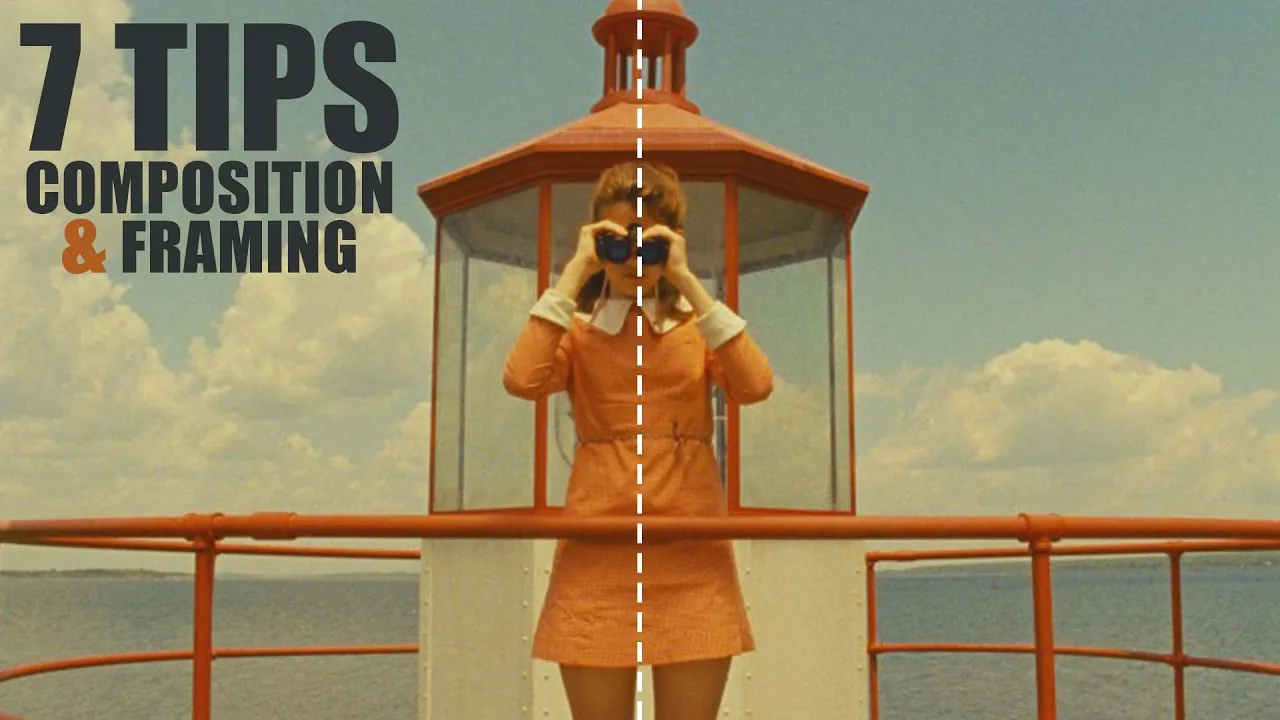





















Effective cinematography requires creating frames that possess three-dimensionality and poetic depth, going beyond mere representation to imply more than the literal scene itself; this can be achieved through strategic choices like reflections, focus pulls, and location selection, which allow audiences to interpret emotional states and relationships rather than having them explicitly told.
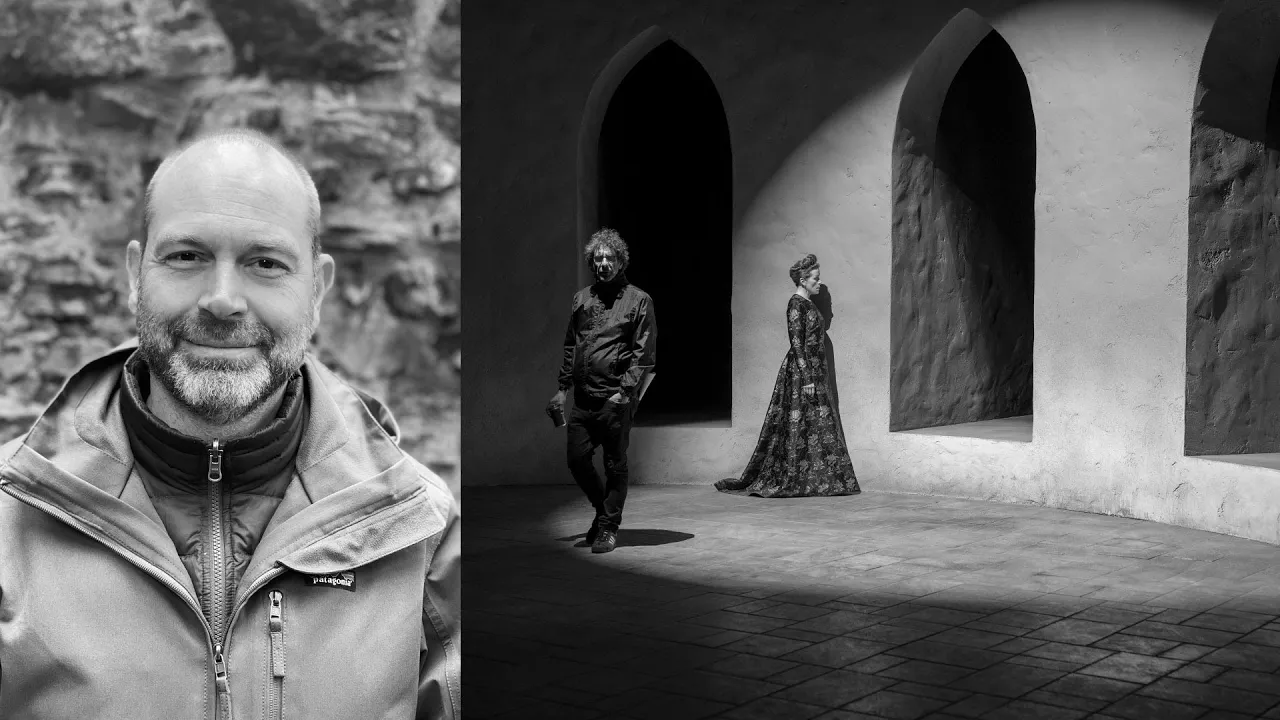
Composition & Framing in Cinematography: A Masterclass with John de Borman
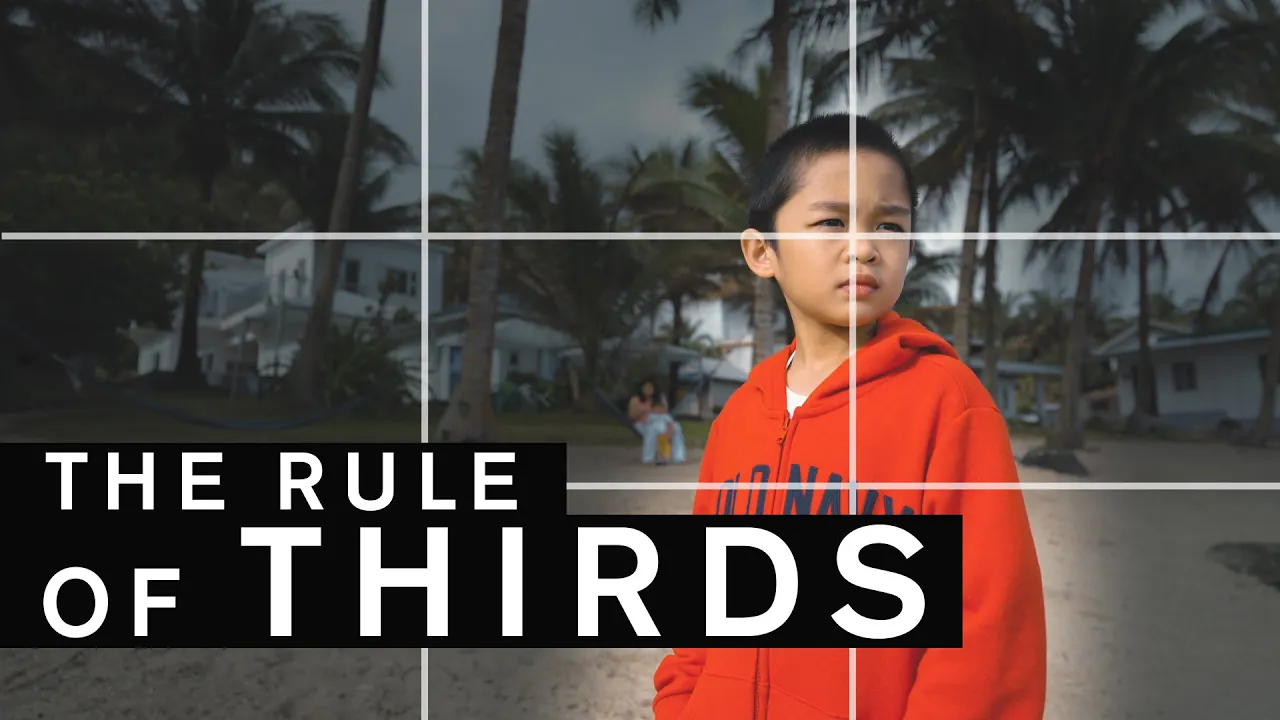
Added:Basic principles of cinematography composition, including the Rule of Thirds, leading lines, and balancing visual weight.
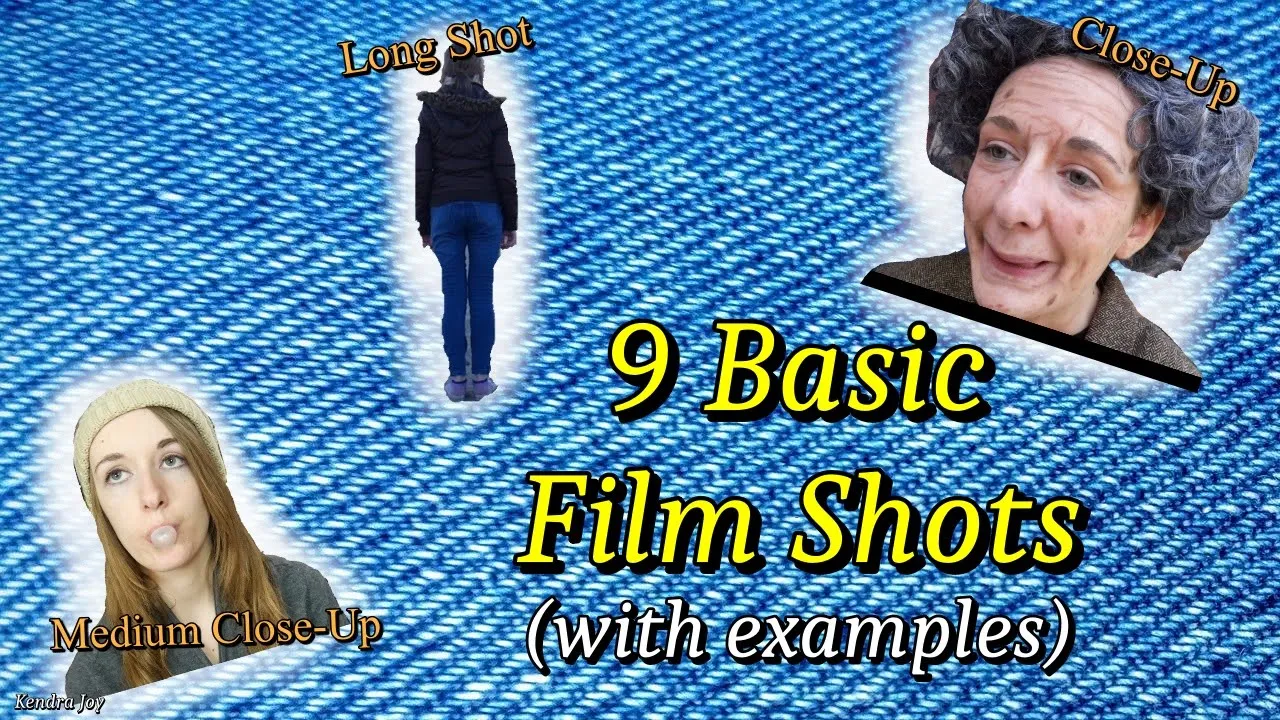
Fundamental camera shot sizes (e.g., close-up, medium shot, wide shot) and standard camera angles.
The basic relationship between visual framing and audience emotion (visual storytelling).
An understanding of basic optical properties, specifically how light reflects off glass and other surfaces to create depth.
Advanced in-camera effects, such as shooting through glass, prisms, and using split-diopters to create complex optical layers.
How to collaborate with production designers to intentionally integrate reflective elements and surfaces into set designs.
The study of psychological framing in cinema, analyzing how directors use space to represent a character's internal state.
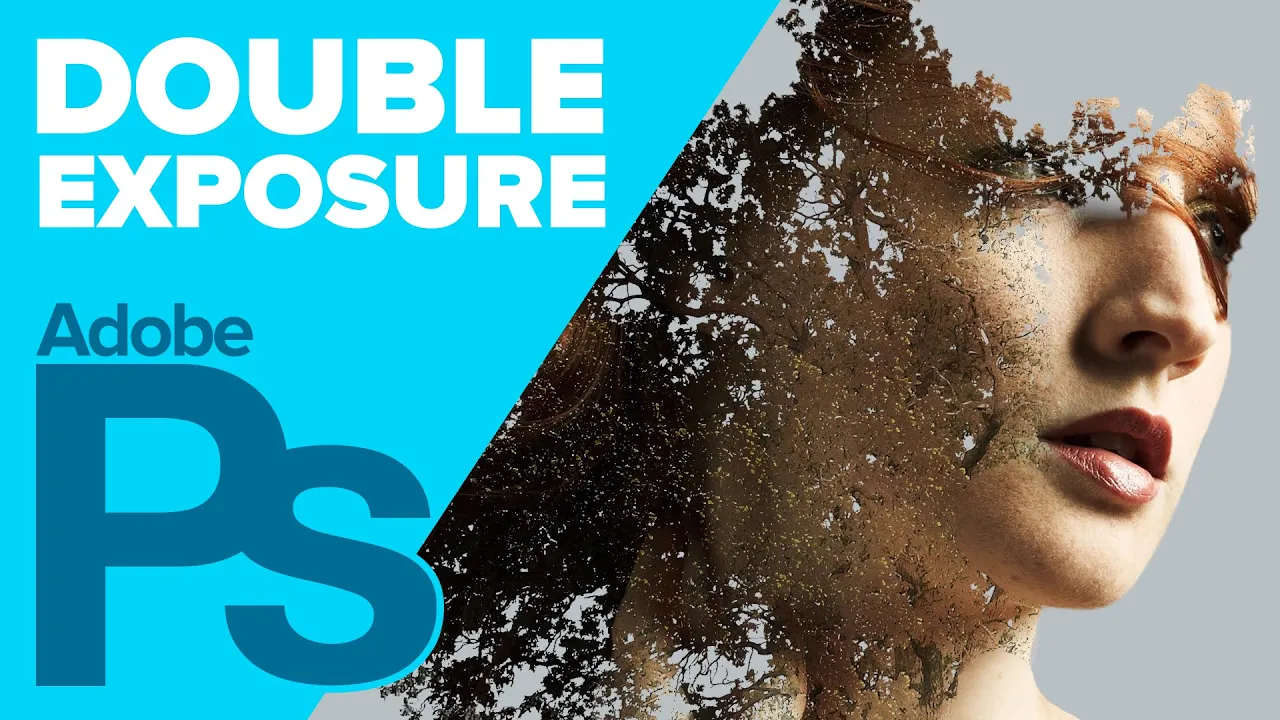
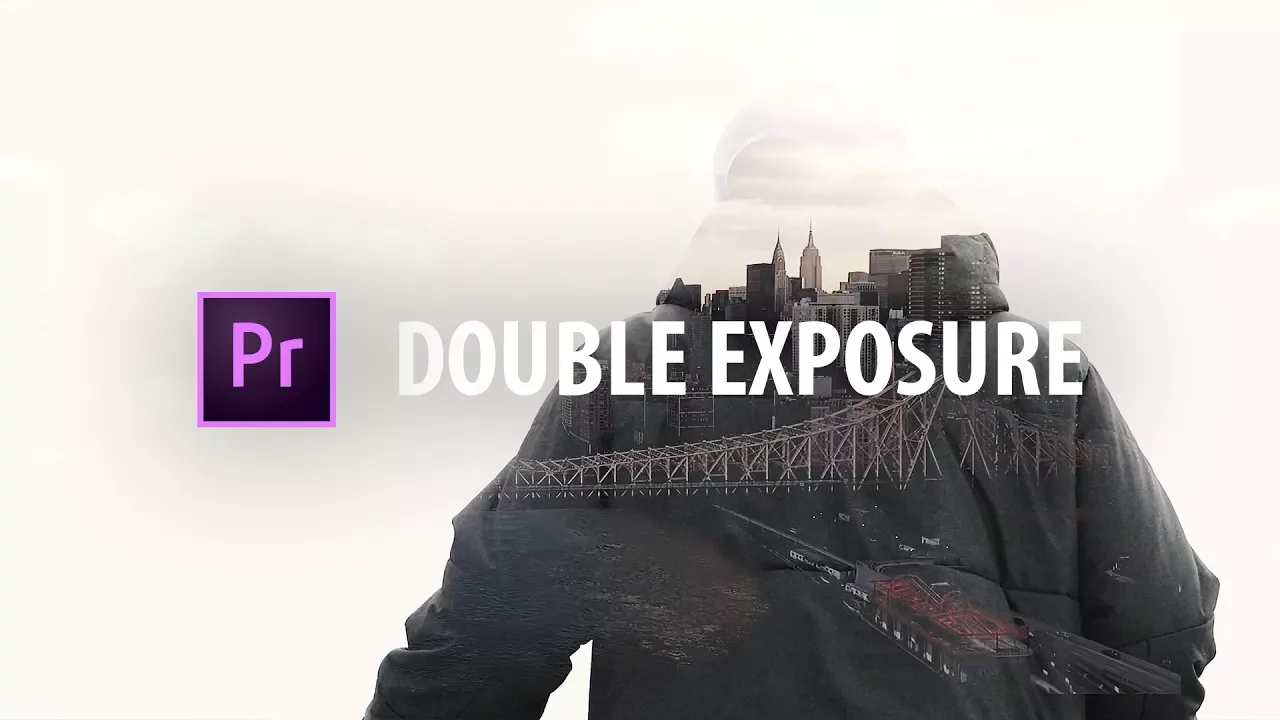
Post-production techniques for enhancing double-exposure and superimposed imagery during color grading and visual effects processing.
116.1K views2.9Klikes4:44Original Release: 2015-11-18
[Music] it's something that I think is absolute pivotal to good cinematography and good films is the use of the [Music] frame a frame cannot just be a representation of just what's in front of you it's got to have [Music] three-dimensionality it's got to mean much more than what it what it's shown and I think I constantly have to think every time I'm doing a film so how could I make this image more poetic how can I say more about the state of the emotional state of that character in this film God and there's an example in in an education for instance and it's terribly simple and people are just say oh you know that's obvious but it's a young girl Carrie migan who's been driven by this man that she doesn't really know she's 18 he's 30 she doesn't know who he is particularly uh and but he's exciting he's something new she's come from a very structured background with her parents from the postwar era and he's driving her in this old Jensen I think and the car stops and he gets out of the car and goes across the road and uh sees this black family across the road she's observing all this we could have shot that very conventionally but what seemed to be more poetic and simple was where really the scenes about her and what she's reflecting on who this person is and what he's doing and so the next shot is her sitting in her car looking at the scene and the car windows closed so so it's just a reflection of this black family with him reflected in the glass but she is in in the just behind it but you see her clearly enough and you see that she's thinking about so you're creating a superimposition in reality in in the real world of what was happening and uh and then it's just a question of using the focus pull and I think Focus pullers are underestimated in the film in the film Game they can be incredibly important at at knowing when to p f terribly simple but there's poetry and it's done in such a simple way it's not a question of looking in one way looking back and looking in the other way and looking back it's all done in one image so it's concise but it works in a very very gentle way and I think you know it it can happen through the choice of locations it can be it can happen through all sorts of things but it is absolutely important to find ways of actually creating scenes that imply more than the scene itself you can overedit films and often they are over edited I think where you're you're just you're telling the audience what you're meant to be thinking about certain things as opposed to leaving it slightly wider and let the people decide which are they looking at the reflection in the back or are they looking at the foreground or what exactly what their emotion is and who are they with I think uh that's what I'm implying that you know I love doing that I you know that this is something that was in Maiden dagum but you know there are lots of films in which um I've tried to do that [Music]
Up Next

9:06
Cinematic Camera Angles for Beginner Filmmakers | Achieving Wong Kar-wai's Style
@megantanhweewen
106.8K views•2024-01-31

12:54
Triumph of Orthodoxy Icon: Byzantine Art & History Explained
@BenCallan
2.1K views•2024-08-06
6:22
Cinematic Color Theory and Emotion: A Masterclass Guide
@CookeOptics
57.9K views•2019-07-11

1:42
Game of Thrones Opening Credits: A Cinematic Analysis
@gameofthrones
46.3M views•2011-04-18
Related Study Plans & Knowledge Roadmaps
Structured learning paths in General & Interdisciplinary Studies
general-studies
Elevator Engineering: History, Physics & Cities
01From Hoists to Safety Brakes: The Dawn of Vertical Lift
02Hydraulic vs. Traction: The Engineering Physics of Elevators
03Modern Speed, Safety, and Algorithms
+ 2 more learning modules
12h5 modules
Explore Roadmap
general-studies
Rubber: Material Science, History & Geopolitics
01Origins of Natural Rubber & Mesoamerican History
02The Chemistry of Natural Rubber & Vulcanization
03The Geopolitics of the Rubber Boom & Colonization
+ 2 more learning modules
12h5 modules
Explore Roadmap
general-studies
Containerization: Evolution, Logistics & Trade
01Ancient Trade & Bulk Cargo: Amphorae to Barrels
02The Industrial Revolution & Cardboard Packaging
03The Containerization Revolution: Malcom McLean
+ 2 more learning modules
12h5 modules
Explore Roadmap
general-studies
Textile Tech: Evolution, Labor & Global Impact
01Pre-Industrial Textiles: Handloom & Cottage Industry
02Mechanization: The Spinning Jenny to the Power Loom
03The Factory System & Global Labor Transformation
+ 2 more learning modules
10h5 modules
Explore Roadmap