





![Lumière [1/4] THÉORIE & MATÉRIEL - RVB](https://i.ytimg.com/vi_webp/oSk0uJ5WjAY/maxresdefault.webp)









![Entendiendo el estilo de Wes Anderson [Análisis]](https://i.ytimg.com/vi/K3UTEroHfoM/maxresdefault.jpg)







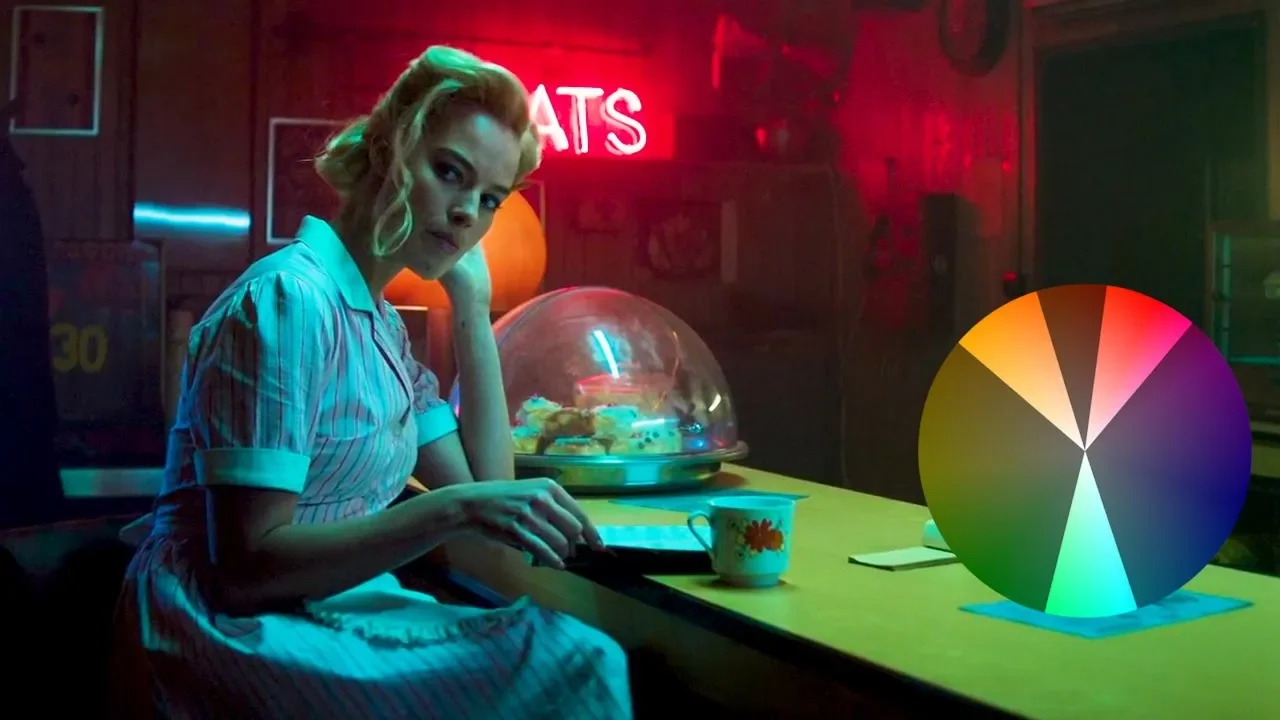
Color in cinematography is a powerful storytelling tool that goes beyond mere aesthetics, as it unconsciously affects viewers' emotions through color contrast, juxtaposition, and symbolic associations; filmmakers can use specific colors like red to signify doom or anger, or assign distinct color palettes to characters to define their identities and convey underlying themes, with film capturing deep colors in a unique alchemical way that digital media has not yet fully replicated.
Cinematic Color Theory and Emotion: A Masterclass Guide
Added:Fundamentals of the traditional color wheel, including primary, secondary, and tertiary colors, as well as basic color relationships such as complementary, analogous, and triadic schemes.
The basic role of a cinematographer (Director of Photography) and how they collaborate with directors and production designers to shape a film's visual identity.
Core concepts of light in filmmaking, such as color temperature (measured in Kelvin), white balance, and how different light sources affect the appearance of color on camera.
An introductory understanding of visual storytelling—specifically how non-verbal elements like framing, composition, and mise-en-scène convey narrative meaning.
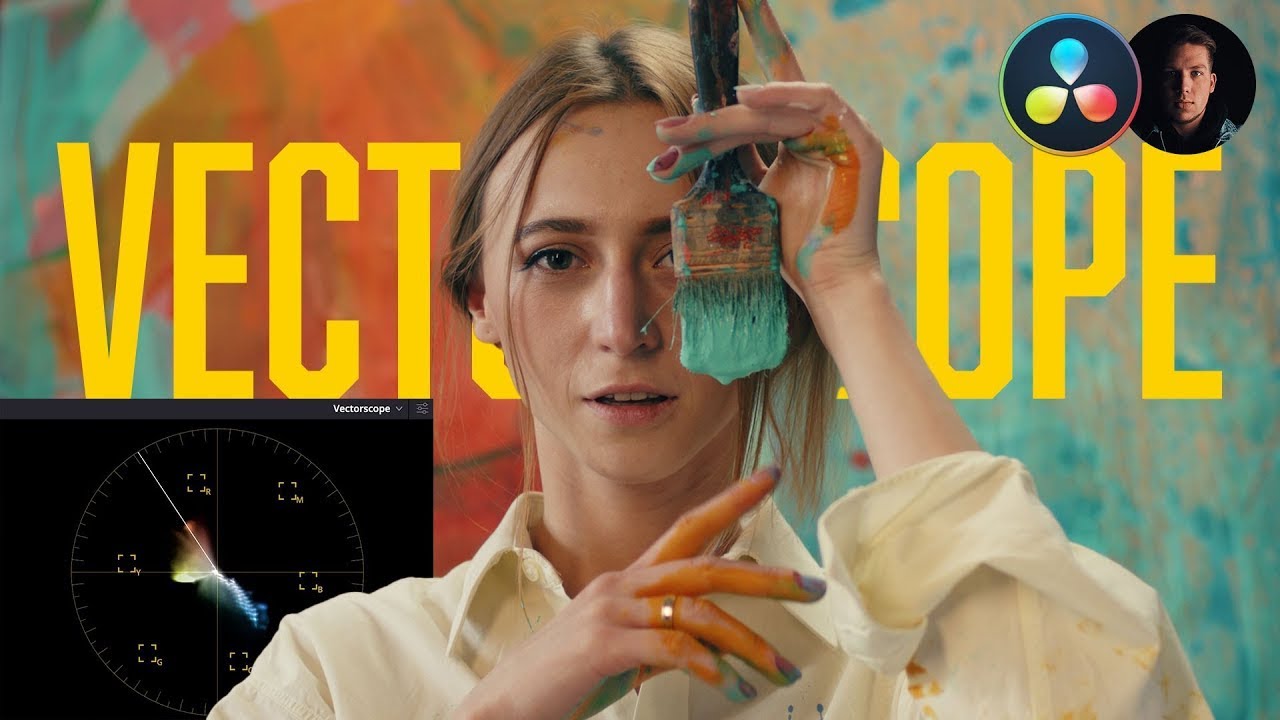
The technical art of digital color grading and color correction using industry-standard software like DaVinci Resolve, including how to read scopes and apply LUTs (Look-Up Tables).
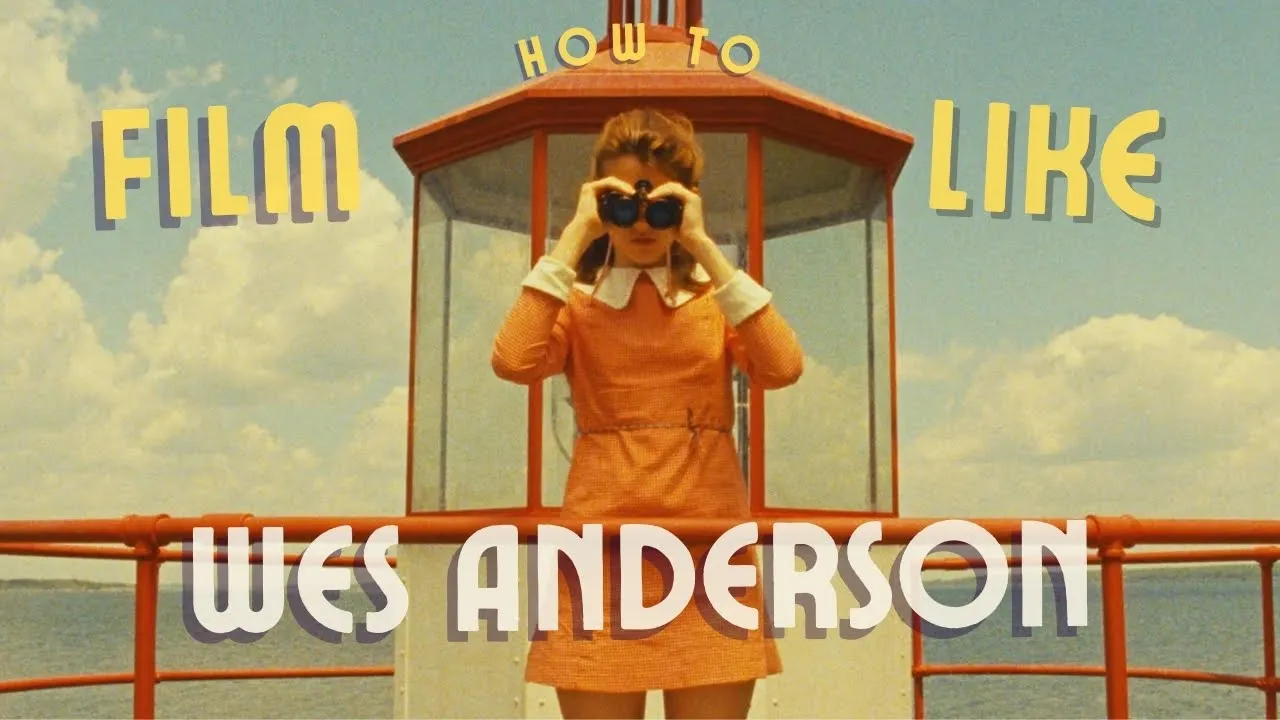
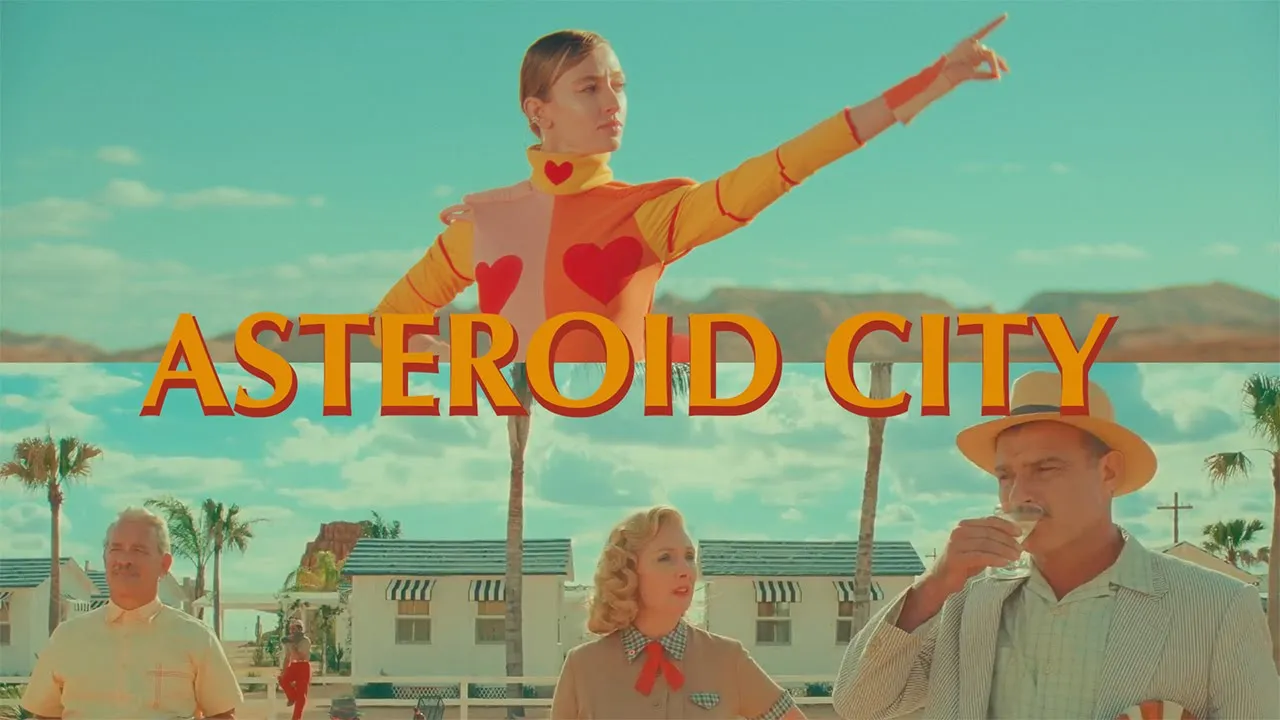
Advanced study of prominent filmmakers' unique visual styles, analyzing how directors and cinematographers (e.g., Wes Anderson, Wong Kar-wai, or Roger Deakins) use color as a thematic signature.
Understanding camera sensor color science, high dynamic range (HDR), and various color spaces (such as Rec. 709, DCI-P3, and Rec. 2020) used in modern cinema pipelines.
Practical production design integration, learning how to coordinate costume design, set decoration, and lighting to execute a cohesive 'color script' during the pre-production phase of filmmaking.
57.9K views2.1Klikes6:22Original Release: 2019-07-11
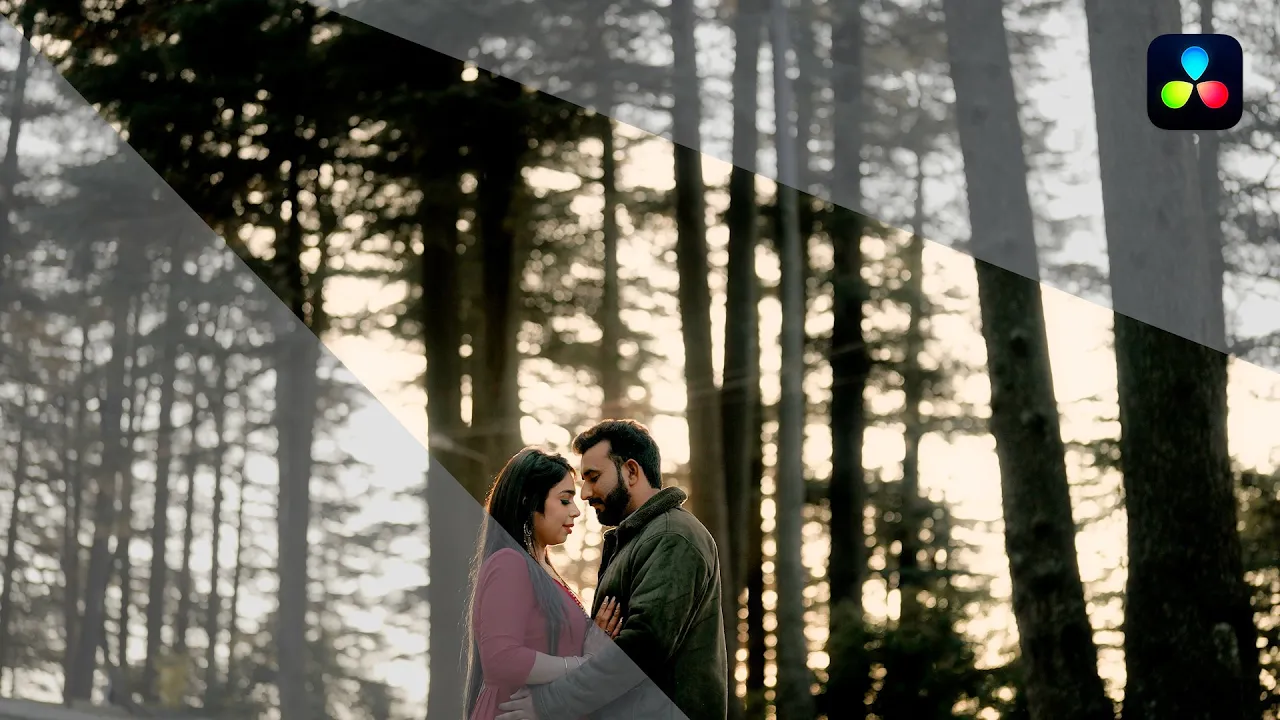
cinematography and on how it it relates to to engender in or evoke an emotion for a narrative her first story is I mean that's the essence the cinematography but I think many cinematographers hone in or focus on lenses on camera on stock on the medium itself and something that that I really love and which i think is the most potent aspect of cinematography are thinking about how light an imagery tell stories is color itself you know not just our color but color contrast the juxtaposition of colors [Music] and I know that there are color theorists who describe what particular colors mean [Music] they do have a very unconscious effect physical effect on you when you watch a movie and I think sometimes that that slips in unconsciously to you as you watch an image [Music] they're great color theorists from from Goethe to present-day cinematography theorists like the Storrow who has got great notions on color and what it means and how it affects your emotions I love thinking about that and I've worked with directors who understand that for instance on We Need to Talk About Kevin Lynn Ramsay was very specific about red the color red and obviously as a harbinger of of doom also as a signifier of anger or unease it's a great colour in cinema [Music] we used it extensively in nocturnal animals as well because there's something about it whatever frequency it has 900 nanometers or whatever it is it oscillates it almost vibrates that color on film is a great way of registered or not actually digital is hasn't quite achieved that truth in color because color and digital is is more of a translation on film too but somehow film records deep colors in a very alchemical way and you get this effect of almost a stained-glass window effect with with celluloid that I think goes into your head in a way so on we need to topic heaven we we played with red cried a lot and that was an ongoing theme through the film [Music] in bad times at allé Royale we used colors as a way of a kind of a photographic signature for each character it was almost a cluedo where each character had a color dimension that was a way of separating their identities but also there was something underlying about the color character the red again and in the Billy Lee character Chris Hemsworth's character signifying impending doom and blood and death and the black and white the the truth and unlive the priest [Music] the mustard and green of the Darlene character played by Cynthia Reva having a kind of purity and innocence the soiled cream white of the little rose character [Music] it was about defining the character through those color tropes that they have yeah it's interesting what what color can do to an audience I love playing with color in that way [Applause] [Music] the greatest showmen talking about color is an entirely different based because there was less thought about what the color meant but certainly we had to evoke a carnivalesque environment and the circus environment su color there was used more in a bombastic spectacular way cynically I suppose but also just for for its symphonic effect I know that Ellen the costume designer had great fun working with big bold colors and reds and purples and greens and yellows although we shot it digitally on Alexis 65 the fun of that was working with such bold color effect imagery that extended into our lighting as well we consciously used gels and went with more saturated colors and extended into the DI as well [Applause]
Up Next
9:09
Applying Color Theory in Film Color Grading: Techniques & Tools
@colorgradingcentral
472.4K views•2019-12-10

12:54
Triumph of Orthodoxy Icon: Byzantine Art & History Explained
@BenCallan
2.1K views•2024-08-06

4:44
Composition & Framing in Cinematography: A Masterclass with John de Borman
@CookeOptics
116.1K views•2015-11-18

1:42
Game of Thrones Opening Credits: A Cinematic Analysis
@gameofthrones
46.3M views•2011-04-18
Related Study Plans & Knowledge Roadmaps
Structured learning paths in General & Interdisciplinary Studies
general-studies
Elevator Engineering: History, Physics & Cities
01From Hoists to Safety Brakes: The Dawn of Vertical Lift
02Hydraulic vs. Traction: The Engineering Physics of Elevators
03Modern Speed, Safety, and Algorithms
+ 2 more learning modules
12h5 modules
Explore Roadmap
general-studies
Rubber: Material Science, History & Geopolitics
01Origins of Natural Rubber & Mesoamerican History
02The Chemistry of Natural Rubber & Vulcanization
03The Geopolitics of the Rubber Boom & Colonization
+ 2 more learning modules
12h5 modules
Explore Roadmap
general-studies
Containerization: Evolution, Logistics & Trade
01Ancient Trade & Bulk Cargo: Amphorae to Barrels
02The Industrial Revolution & Cardboard Packaging
03The Containerization Revolution: Malcom McLean
+ 2 more learning modules
12h5 modules
Explore Roadmap
general-studies
Textile Tech: Evolution, Labor & Global Impact
01Pre-Industrial Textiles: Handloom & Cottage Industry
02Mechanization: The Spinning Jenny to the Power Loom
03The Factory System & Global Labor Transformation
+ 2 more learning modules
10h5 modules
Explore Roadmap